


Quick answer
The best affirmation cards are grounded in self-compassion, realistic thinking, and mindfulness, not forced positivity. They acknowledge struggle and give you permission to be imperfect, instead of demanding you believe you're perfect when you're not.
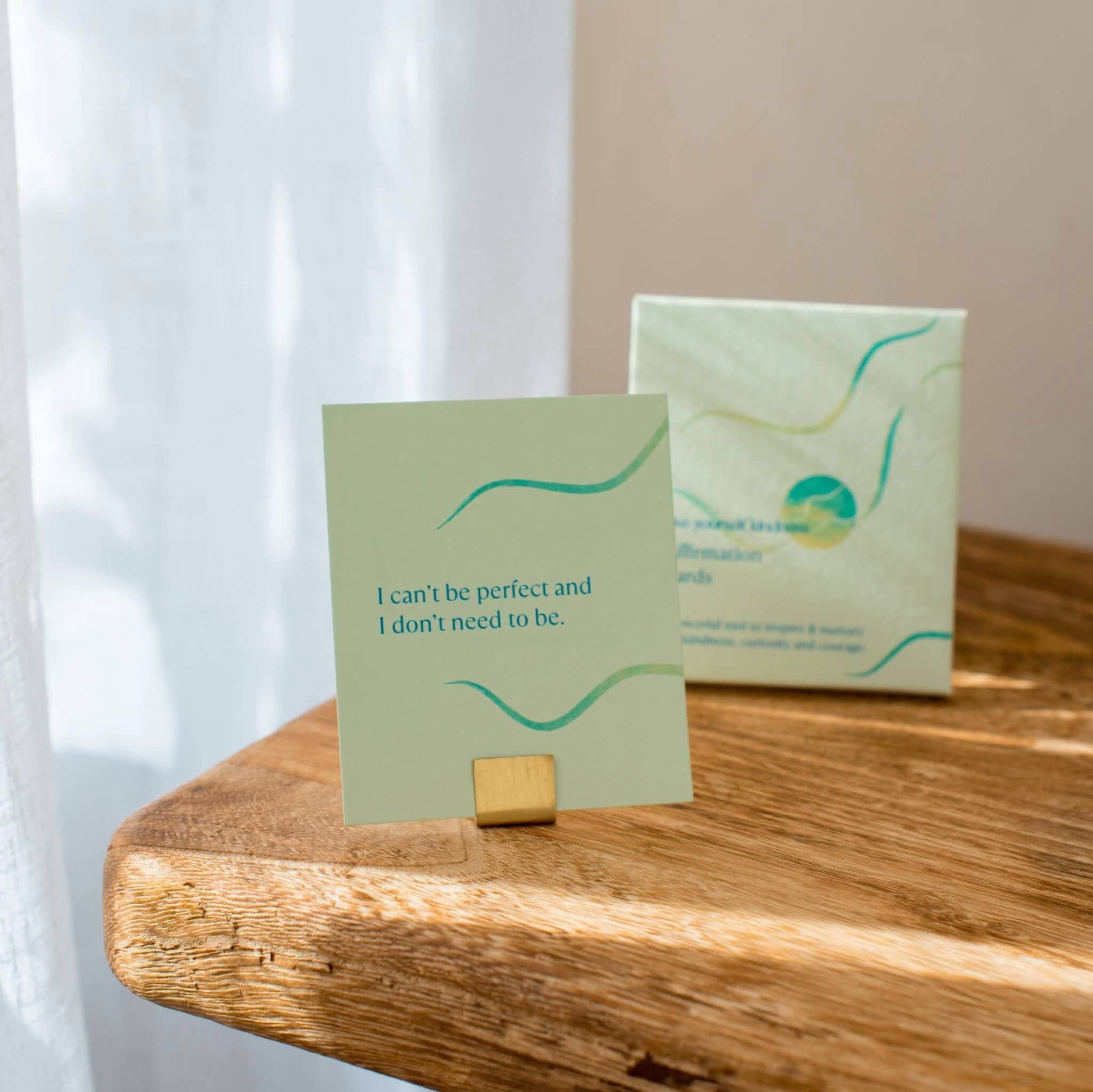
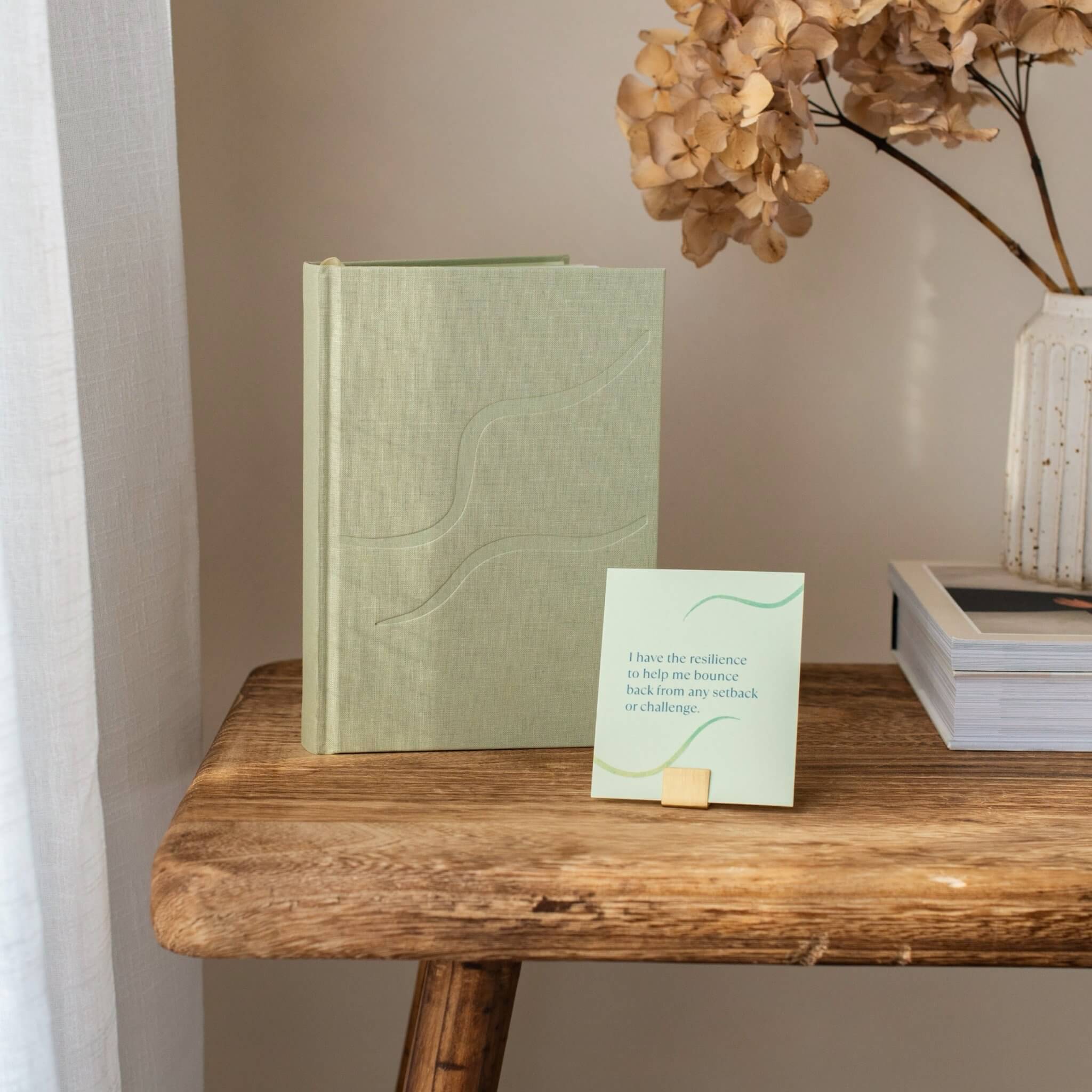
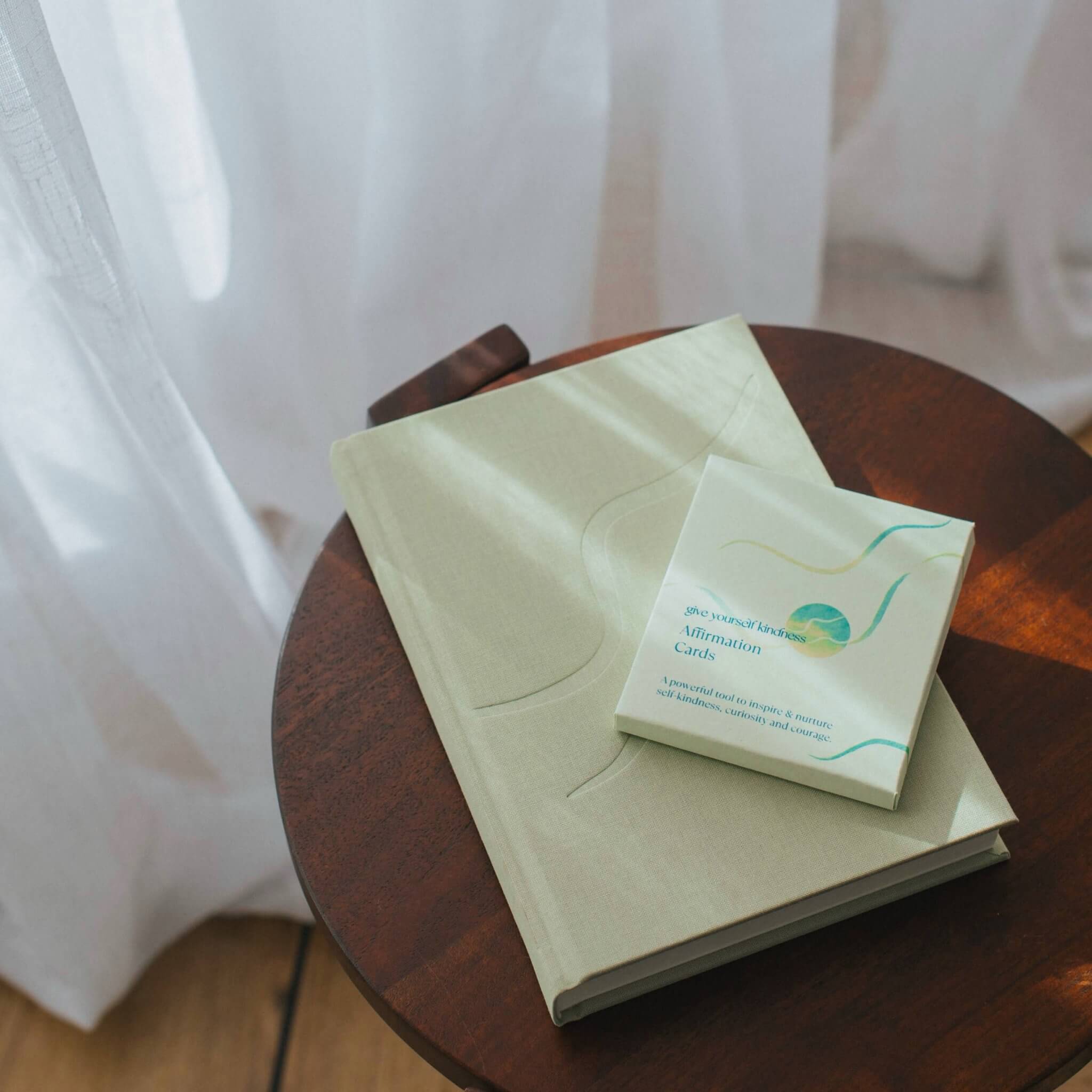
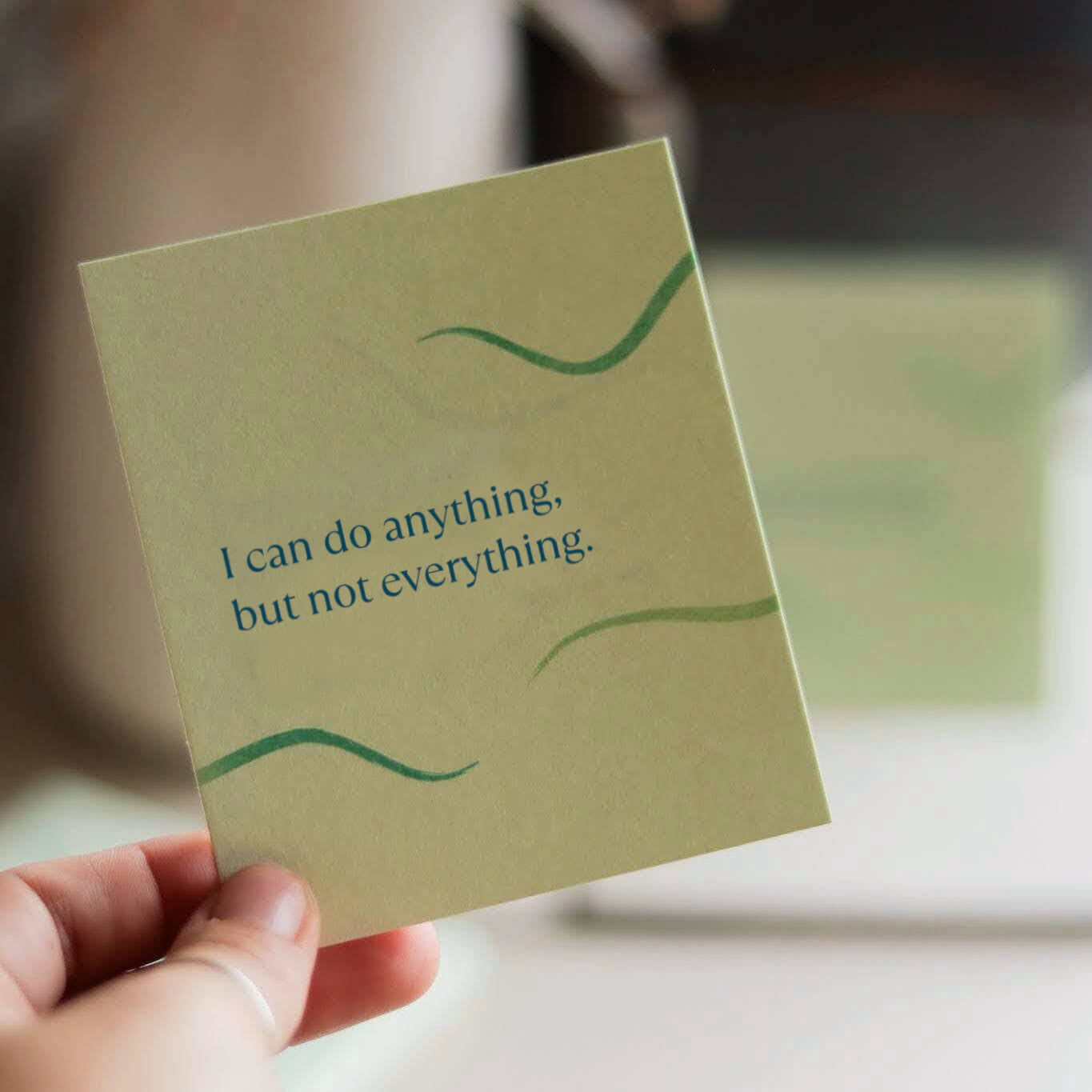
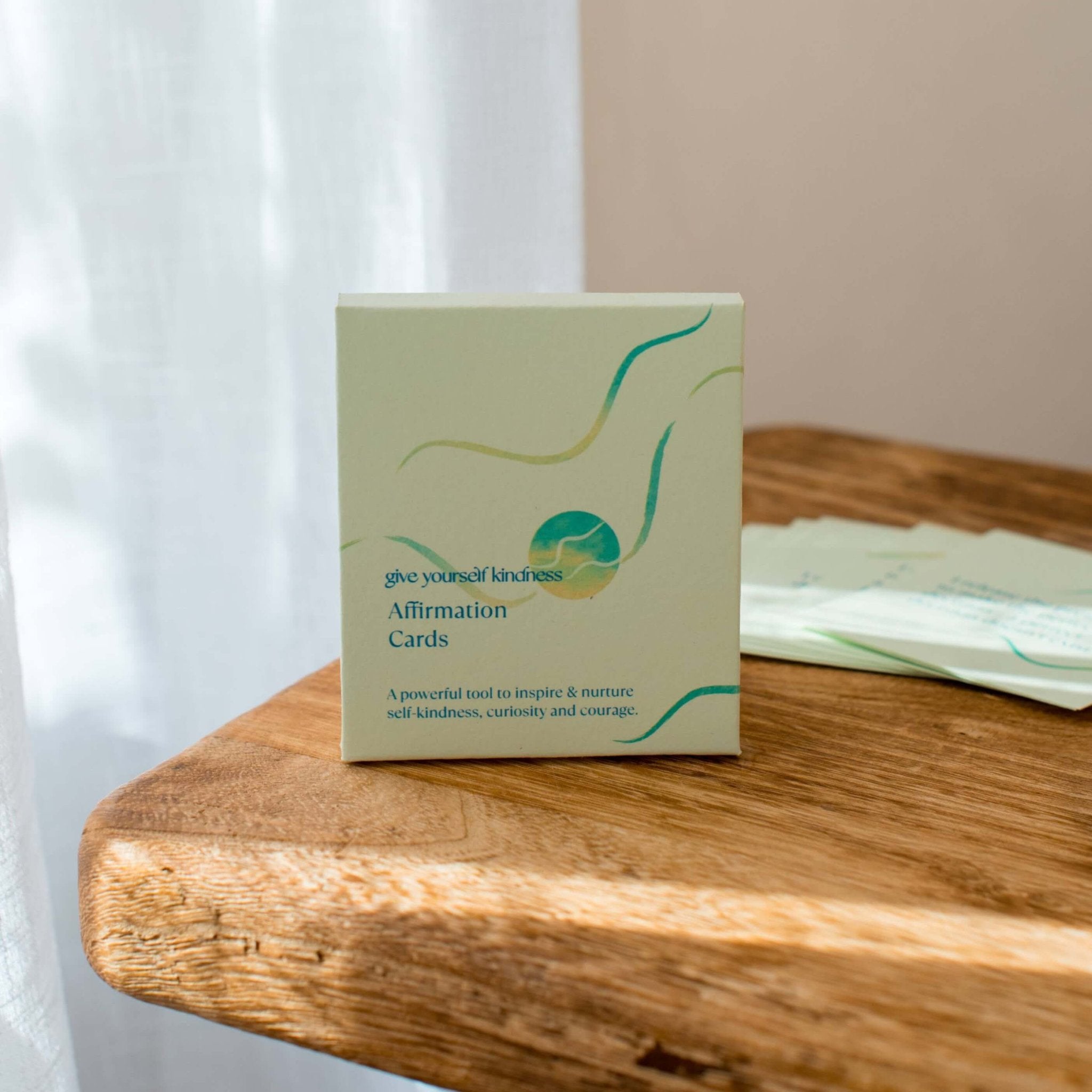
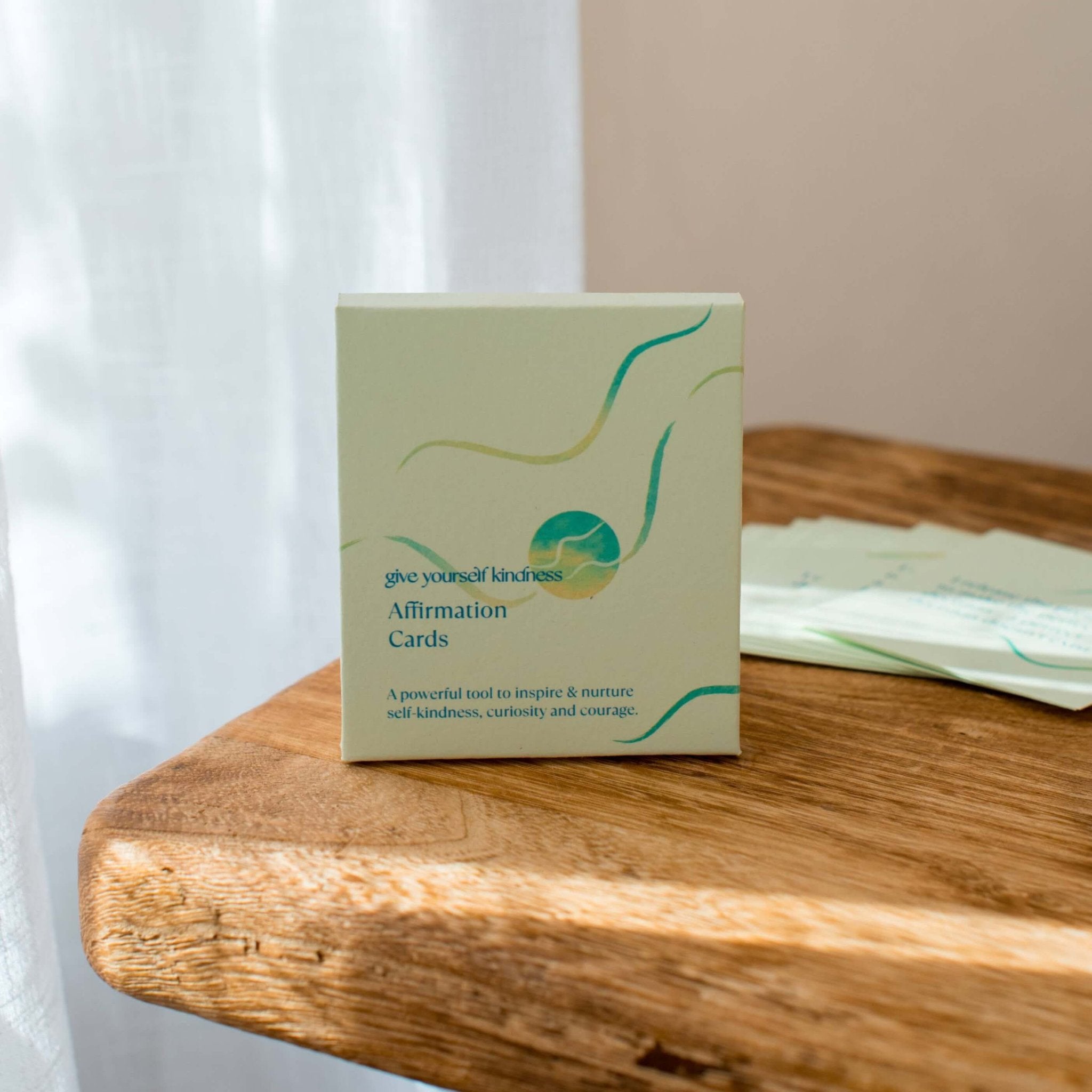
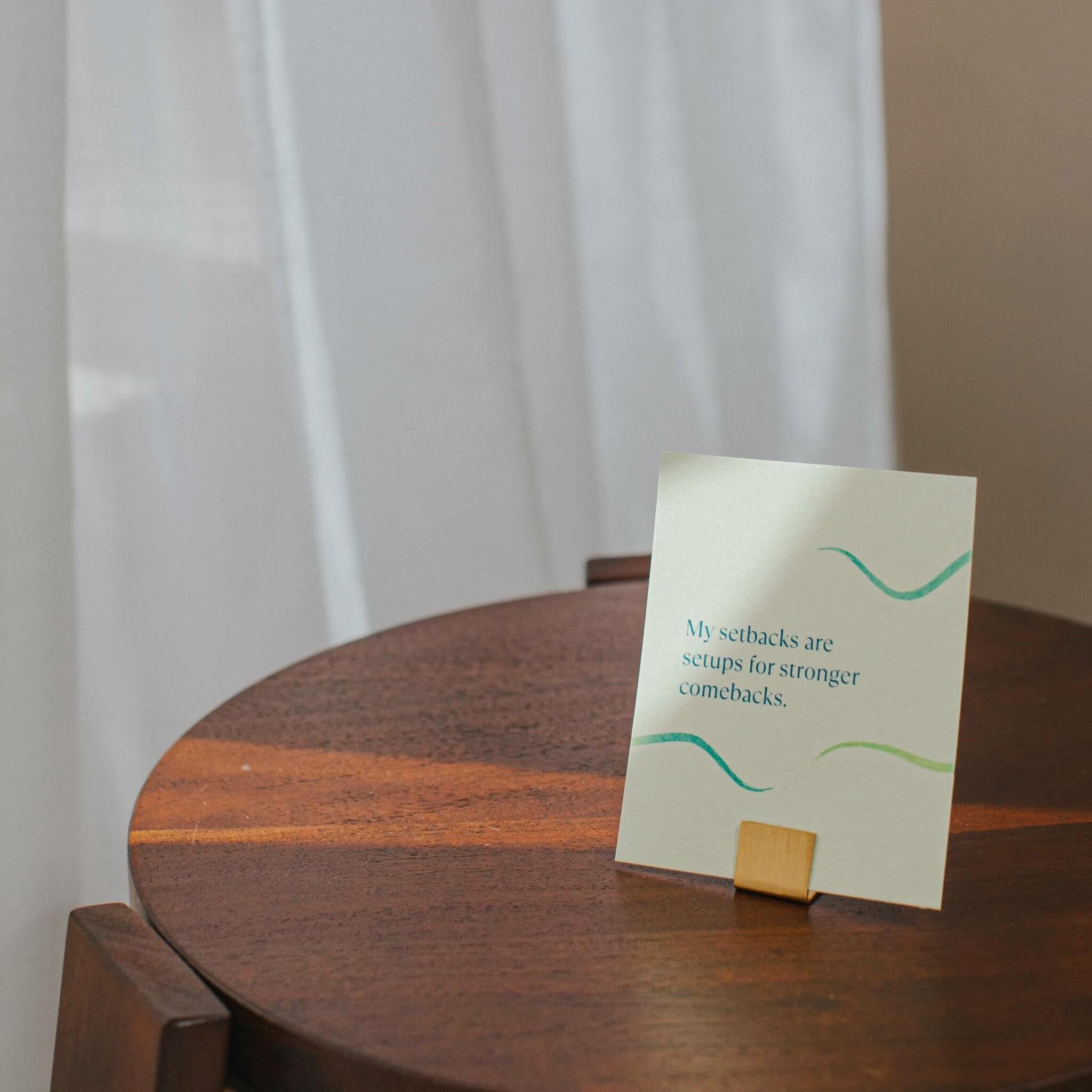
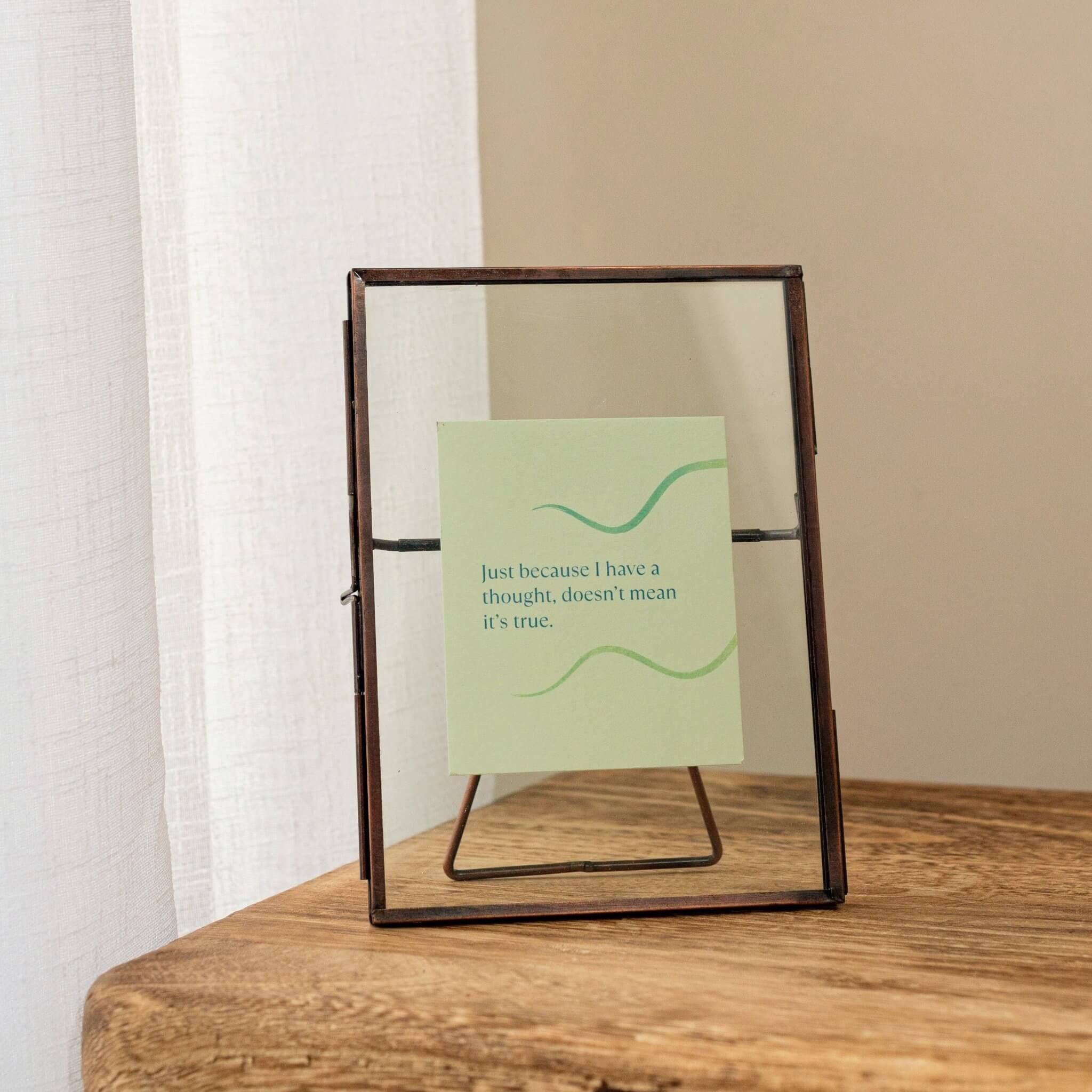
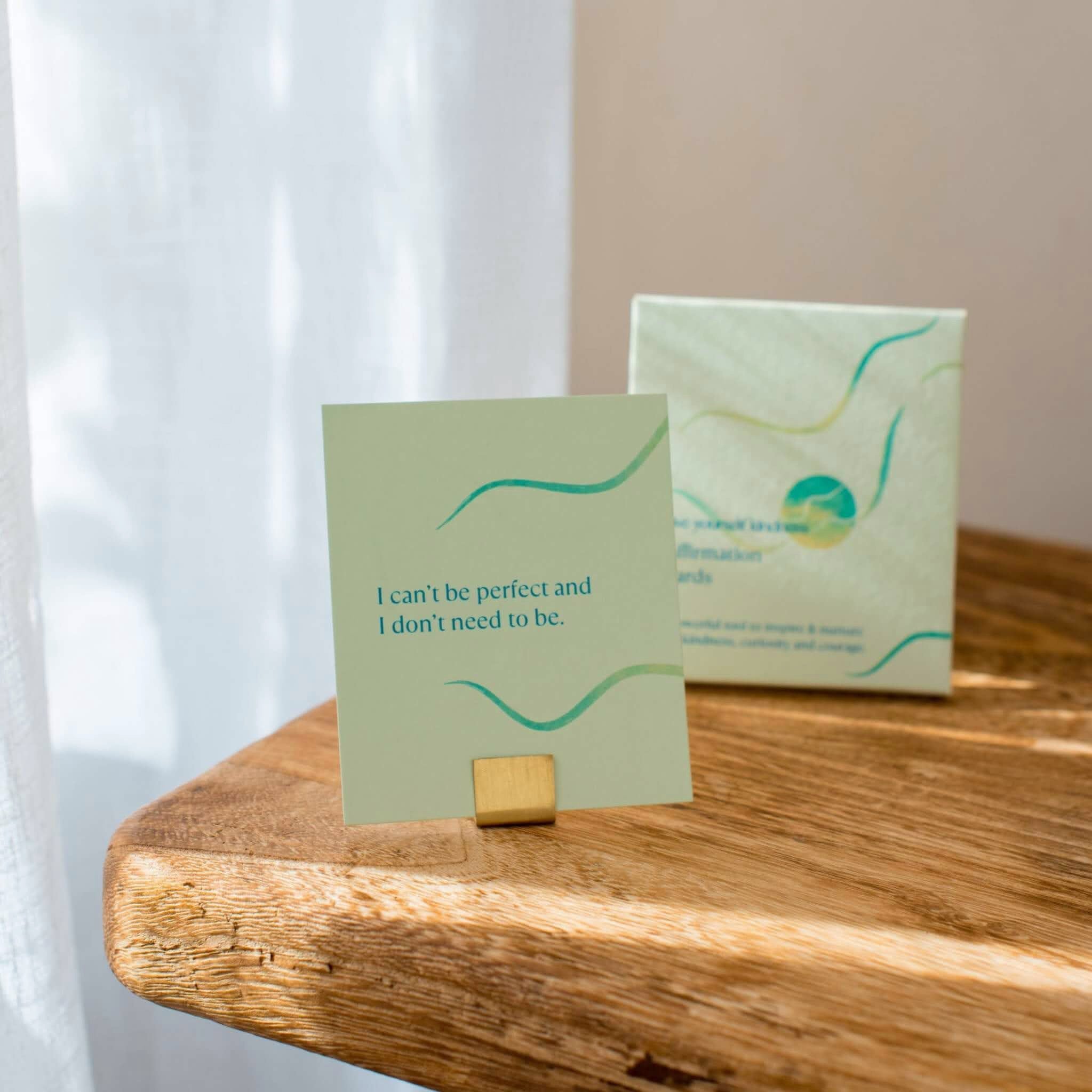
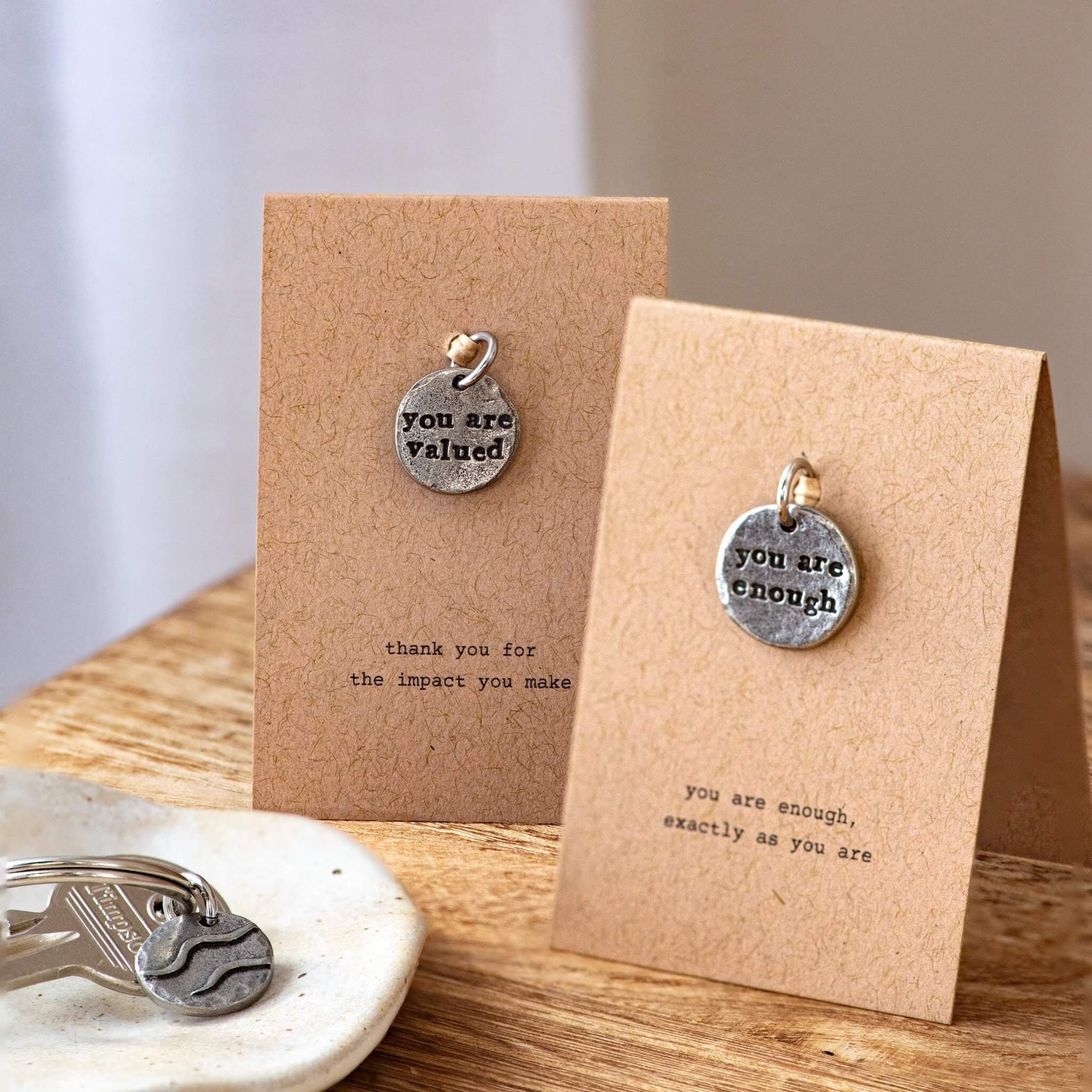
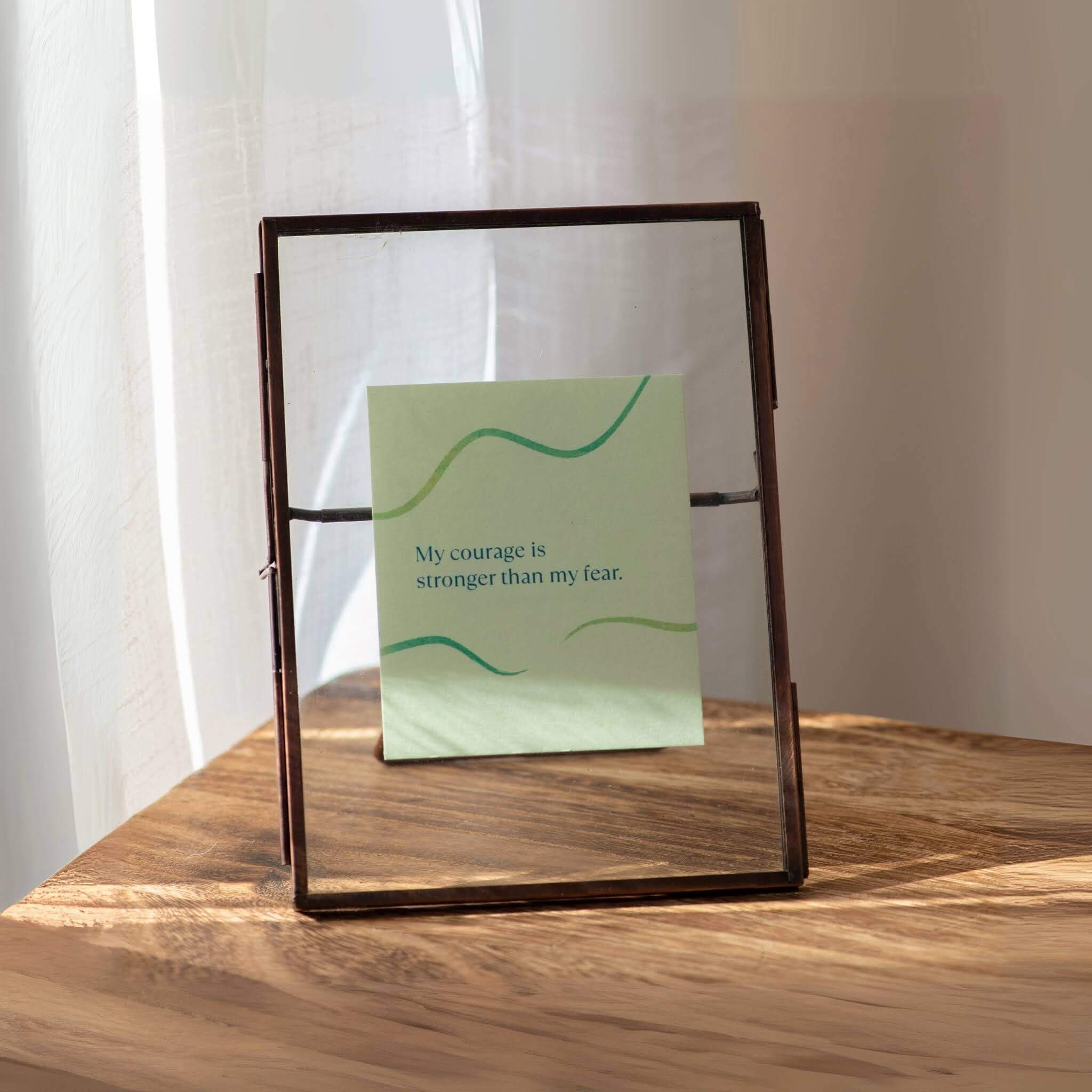
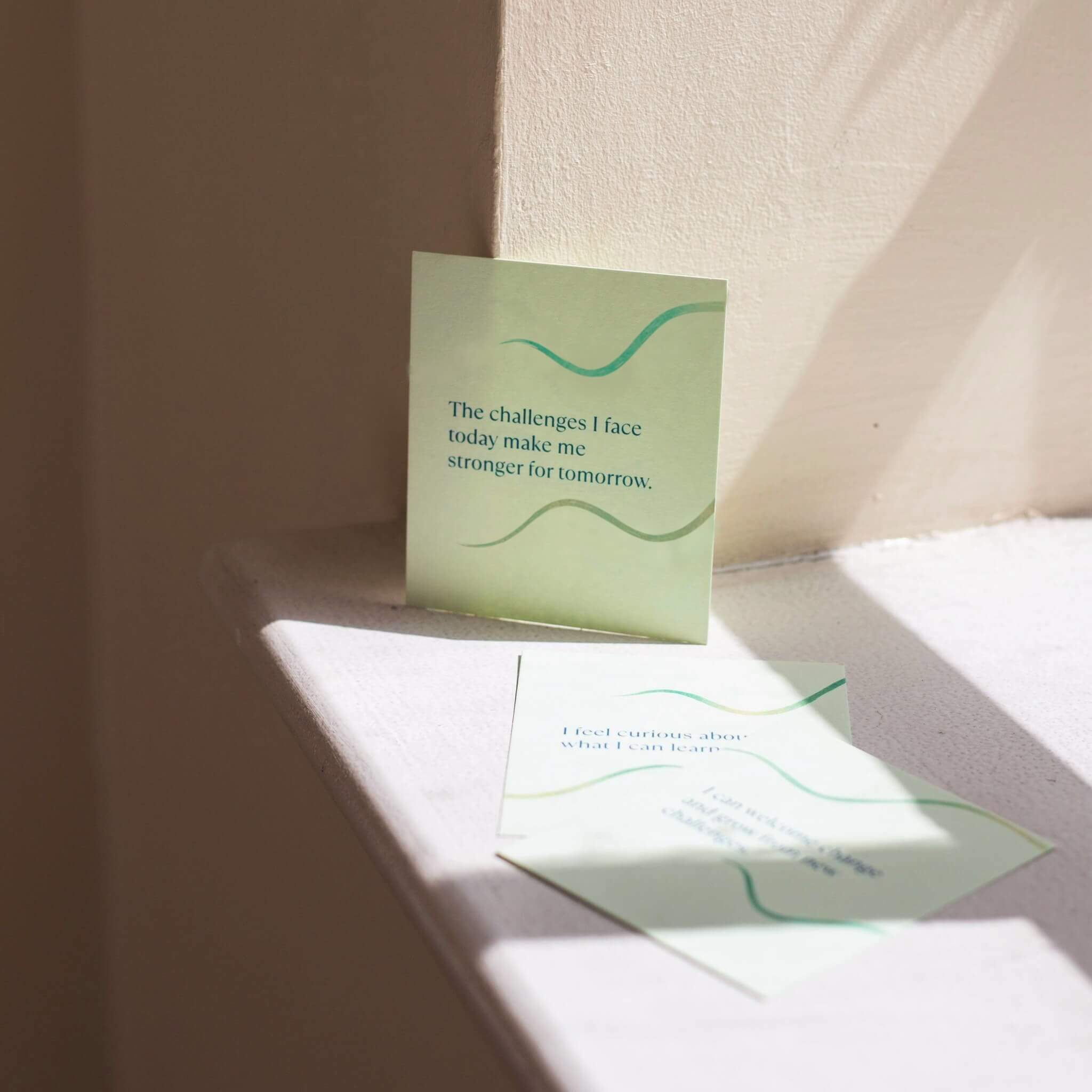
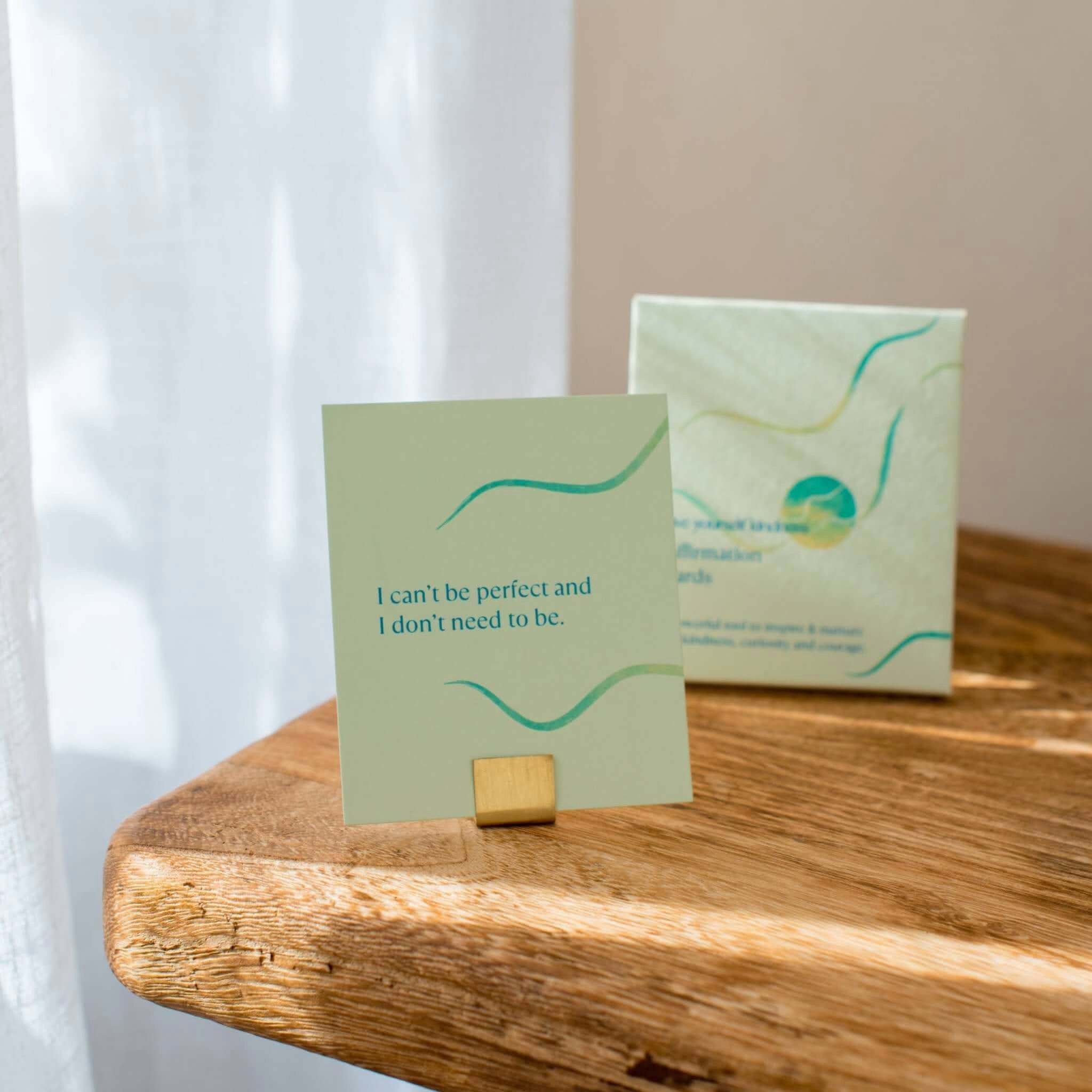
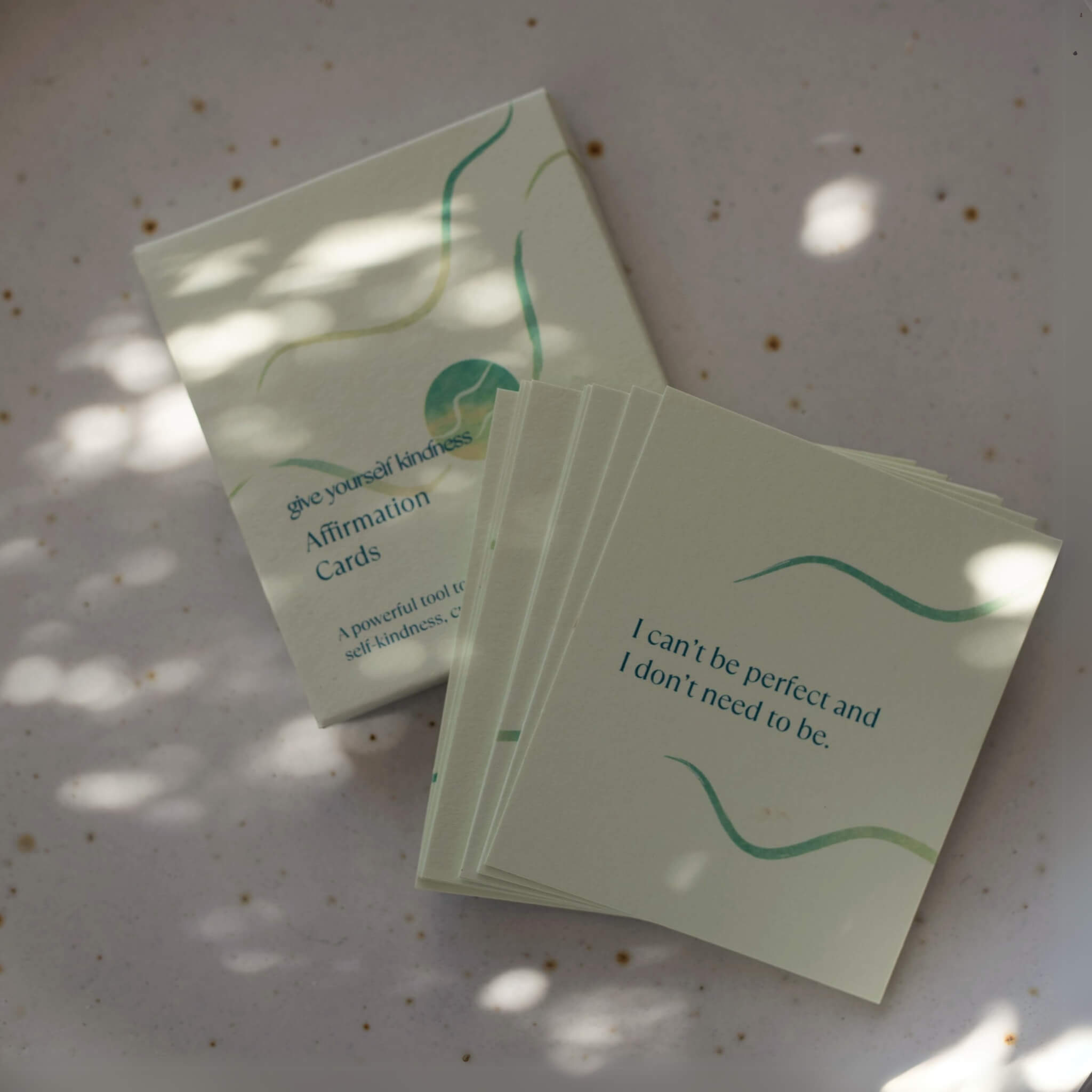
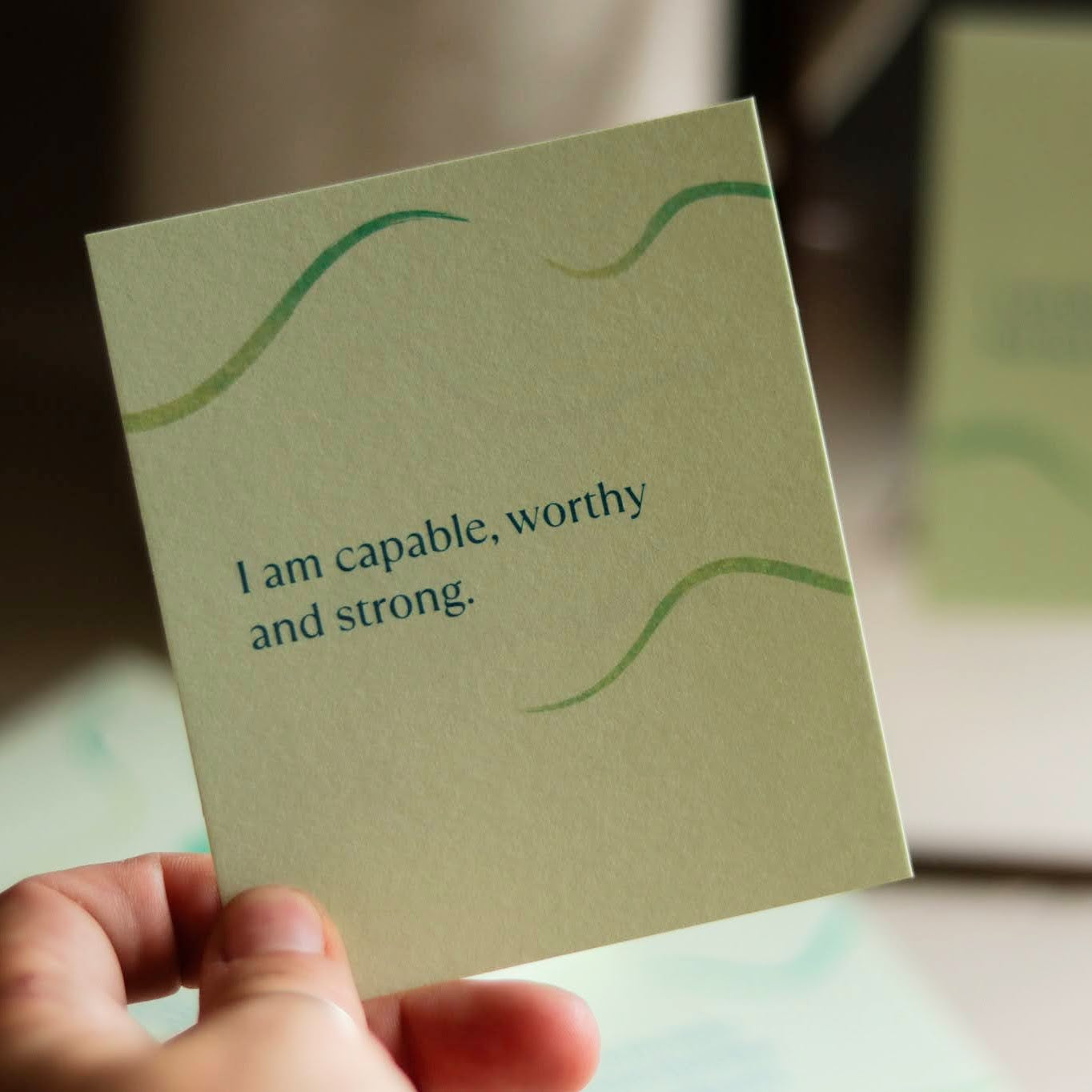
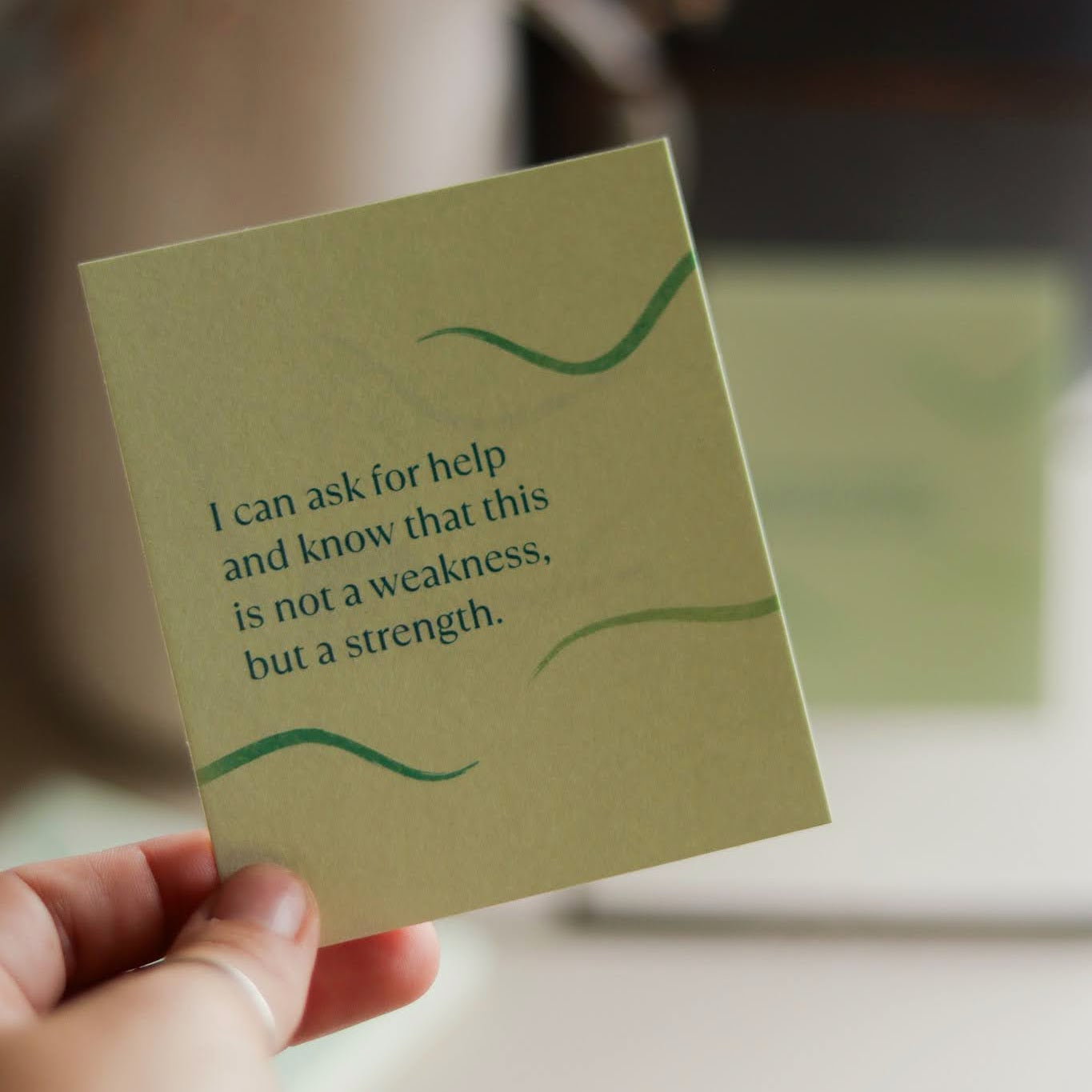
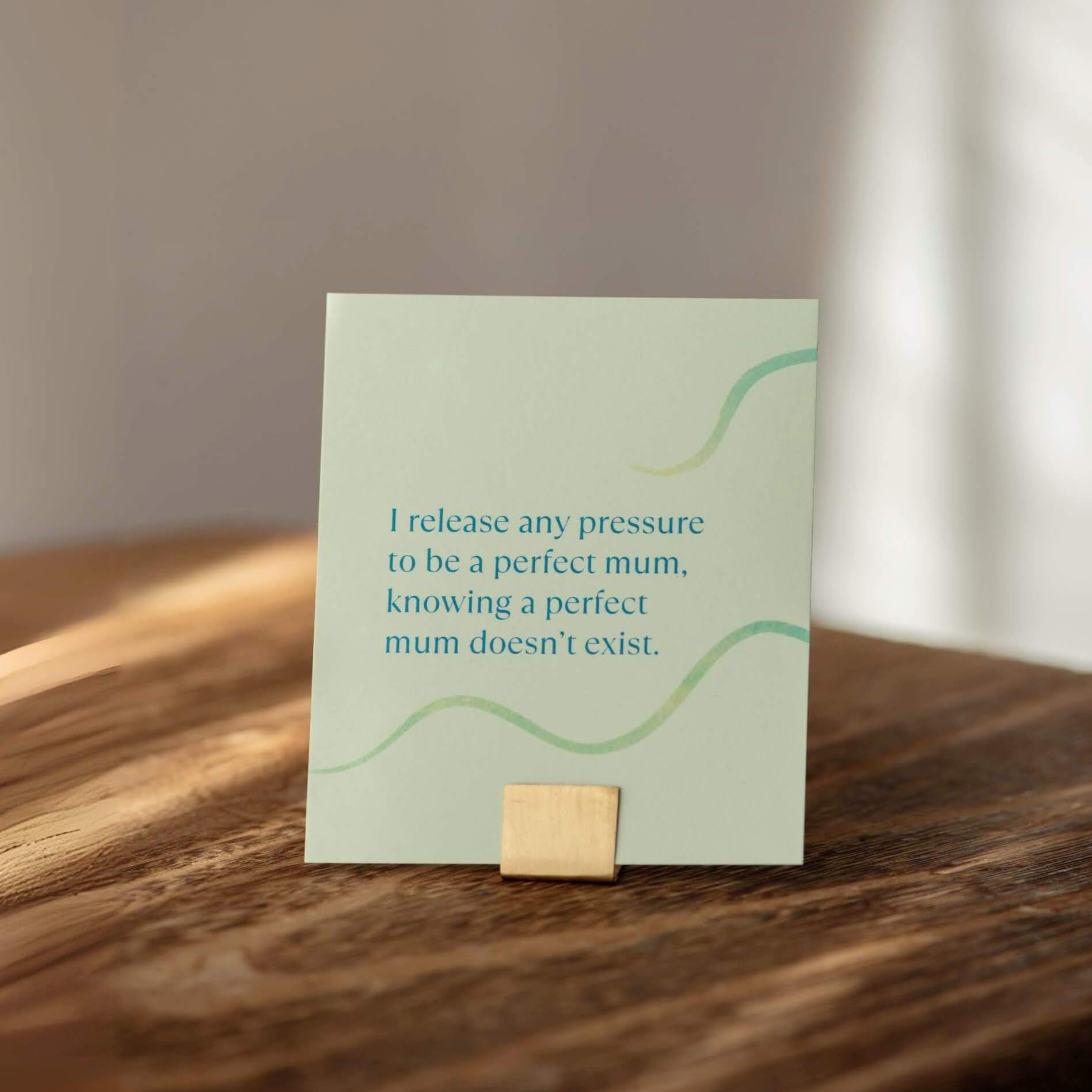
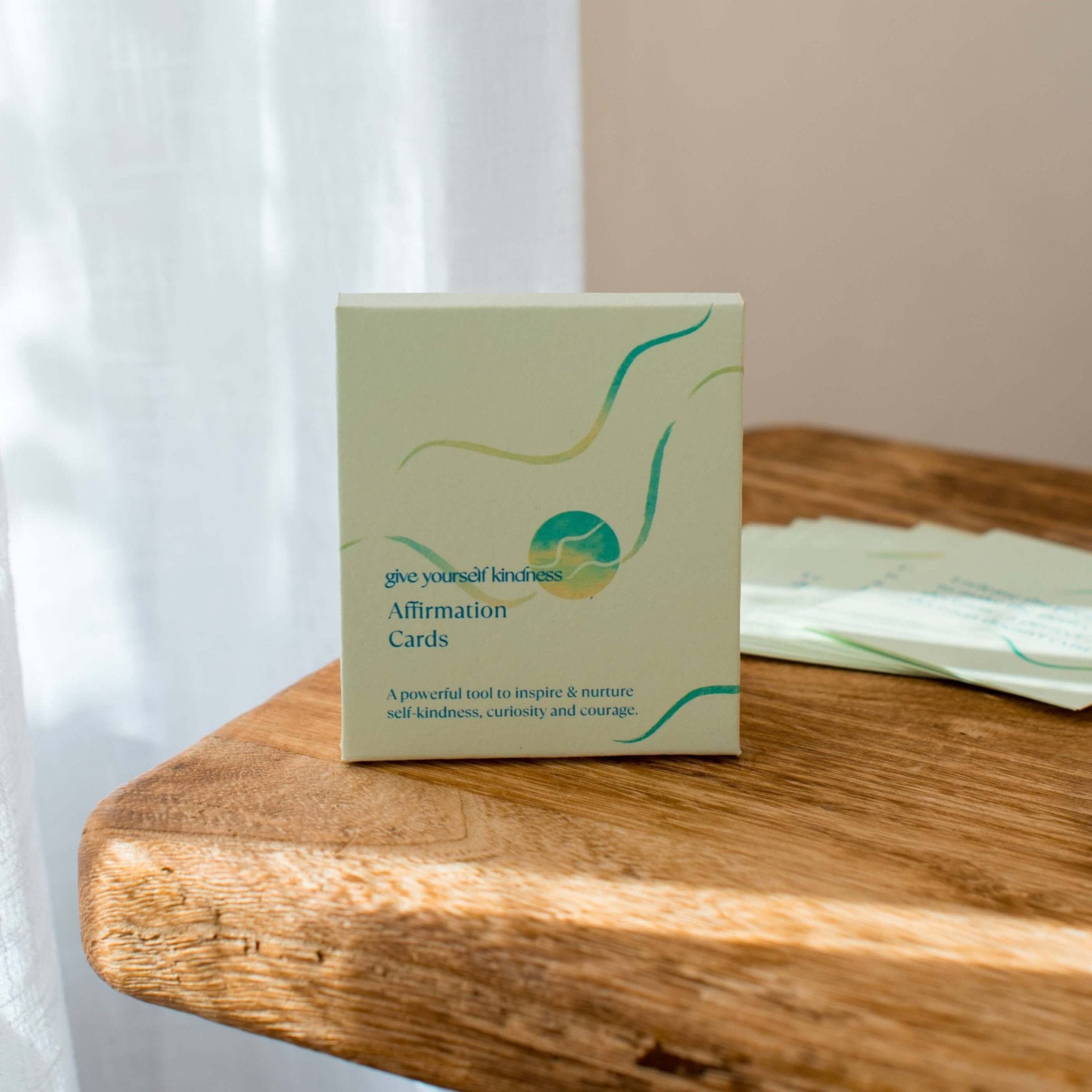
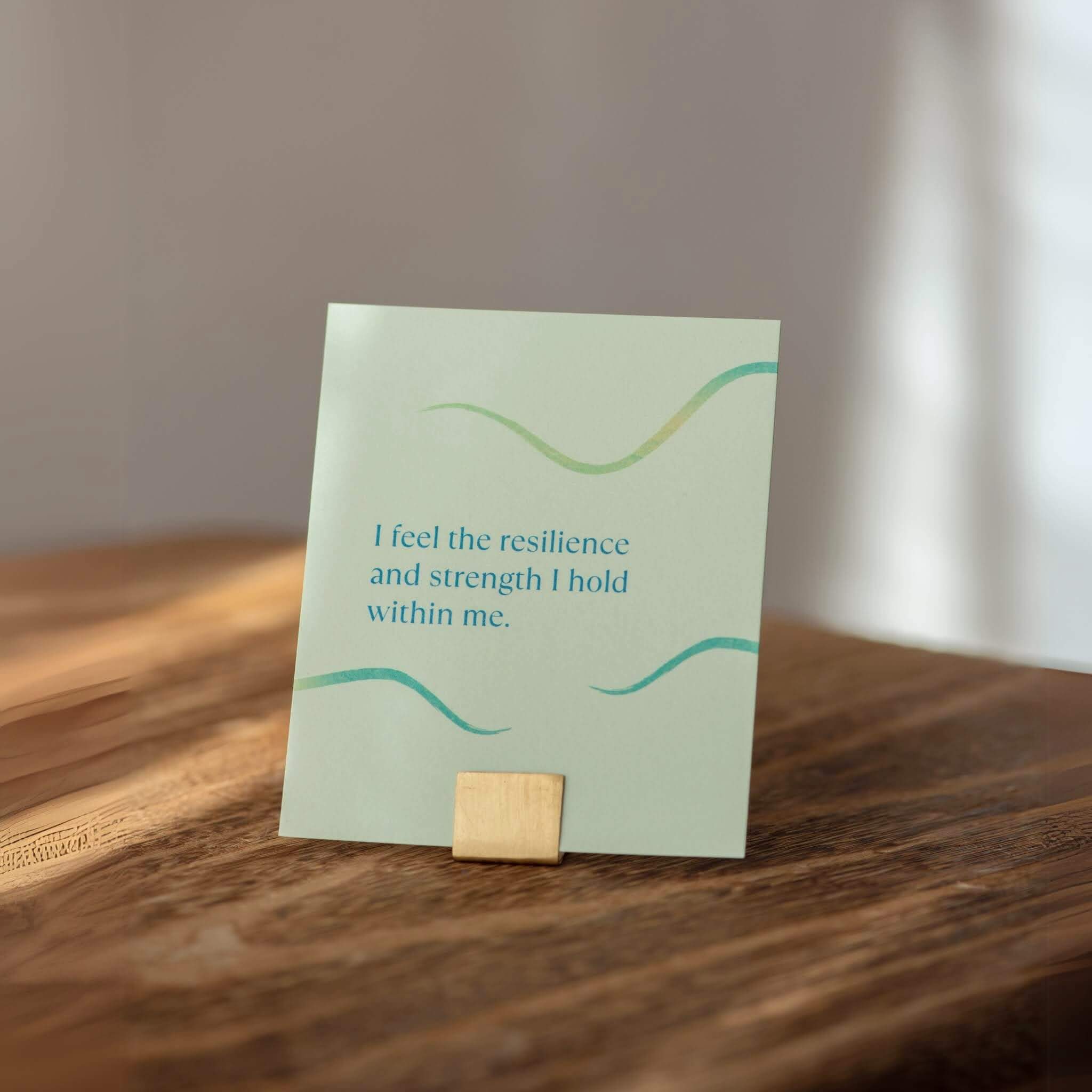
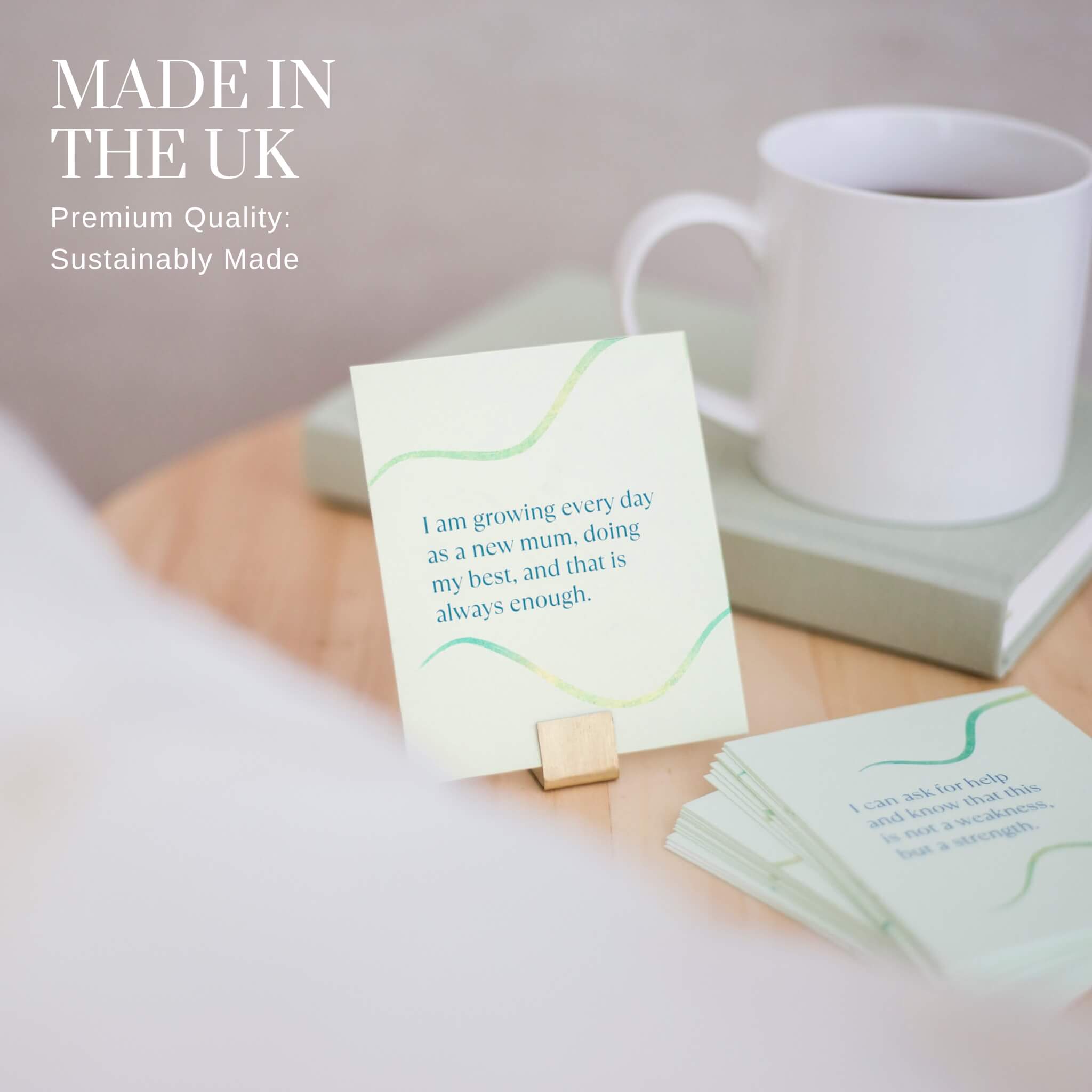
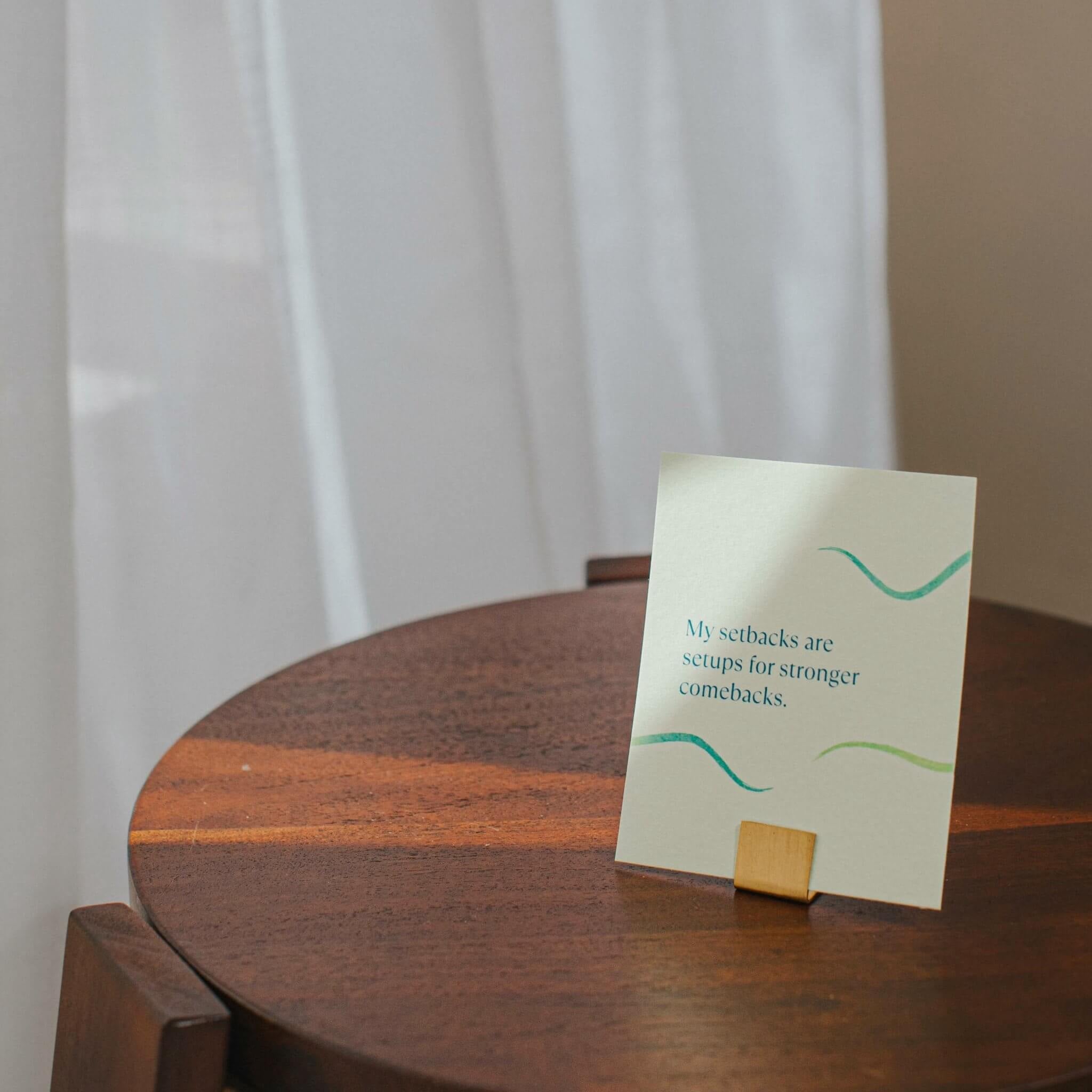
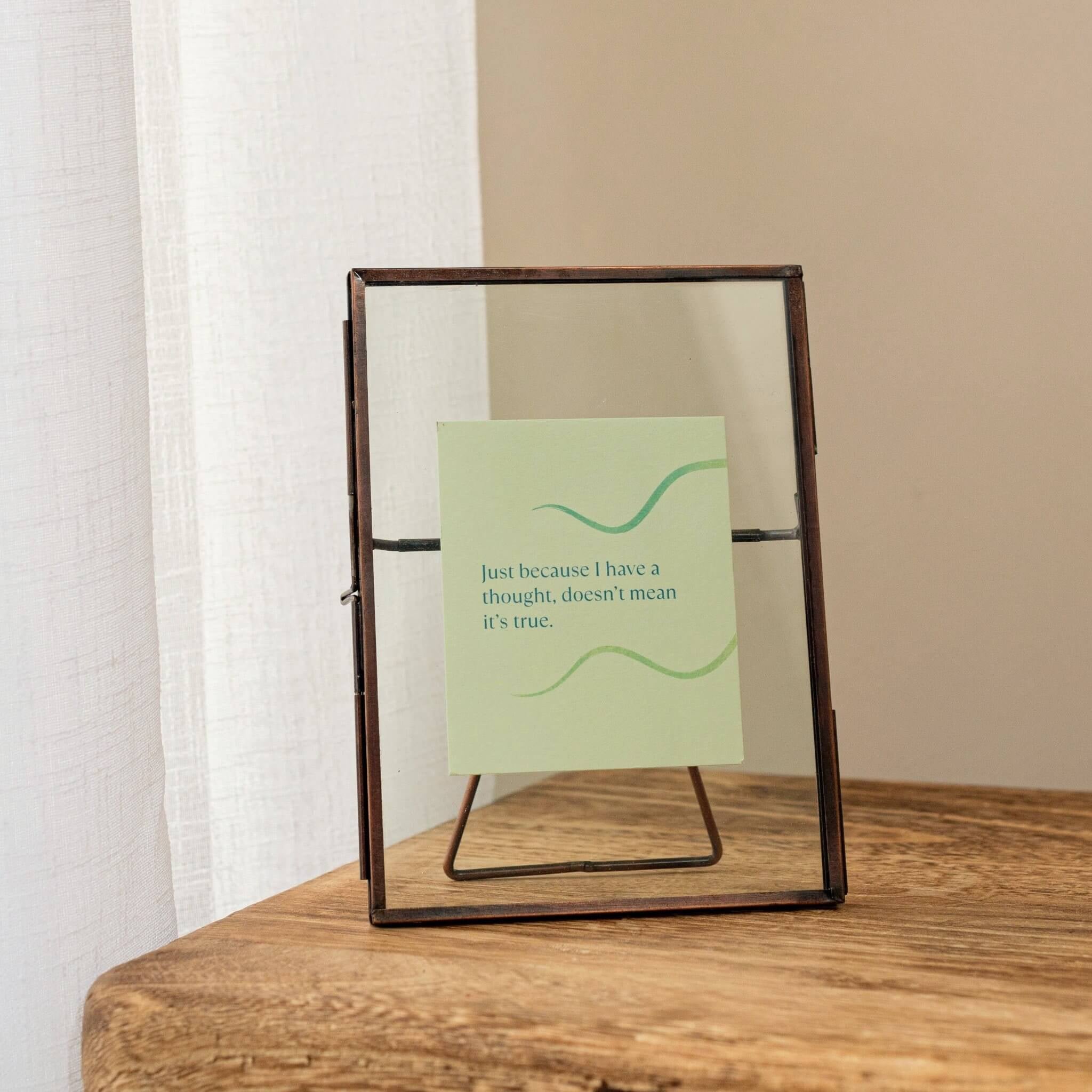
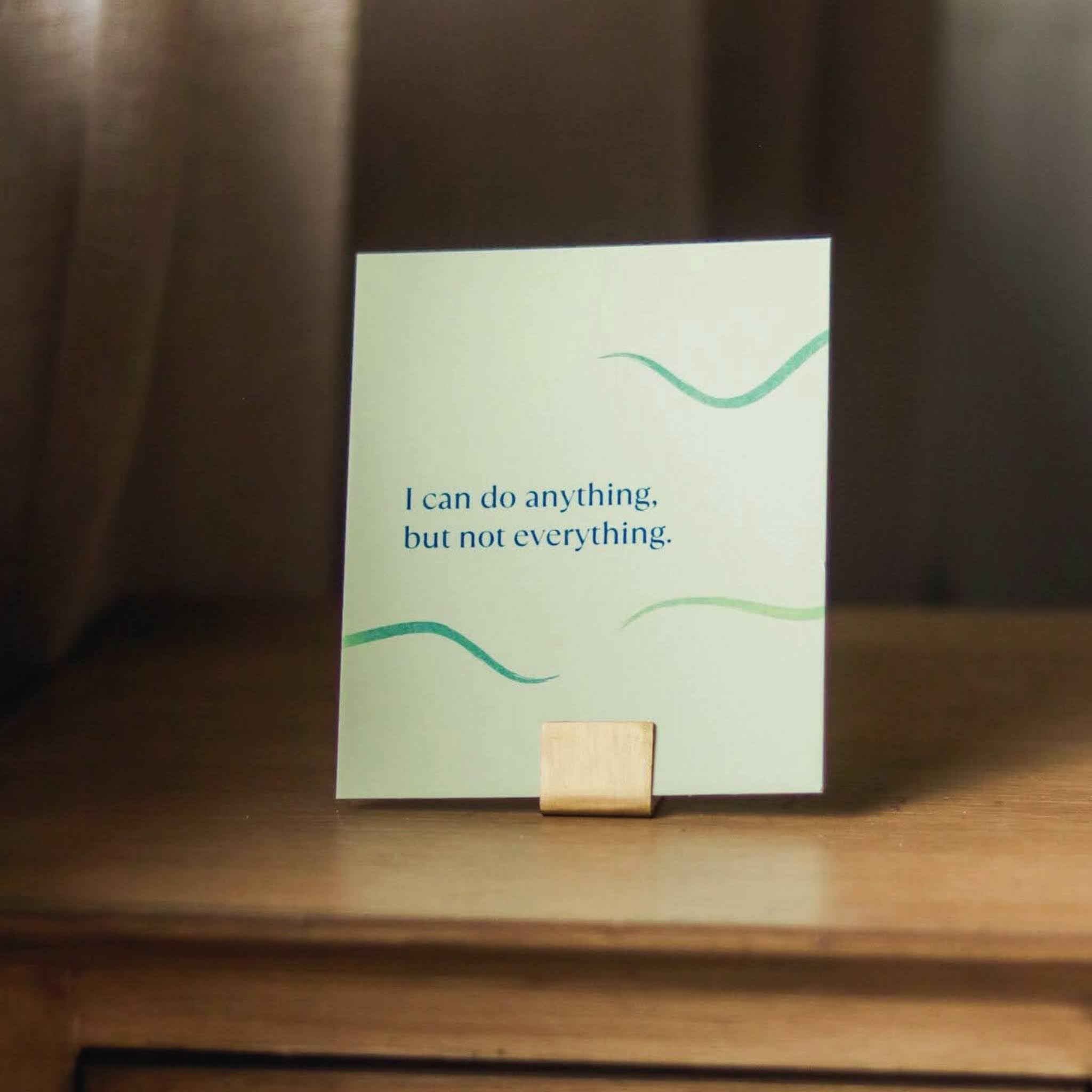
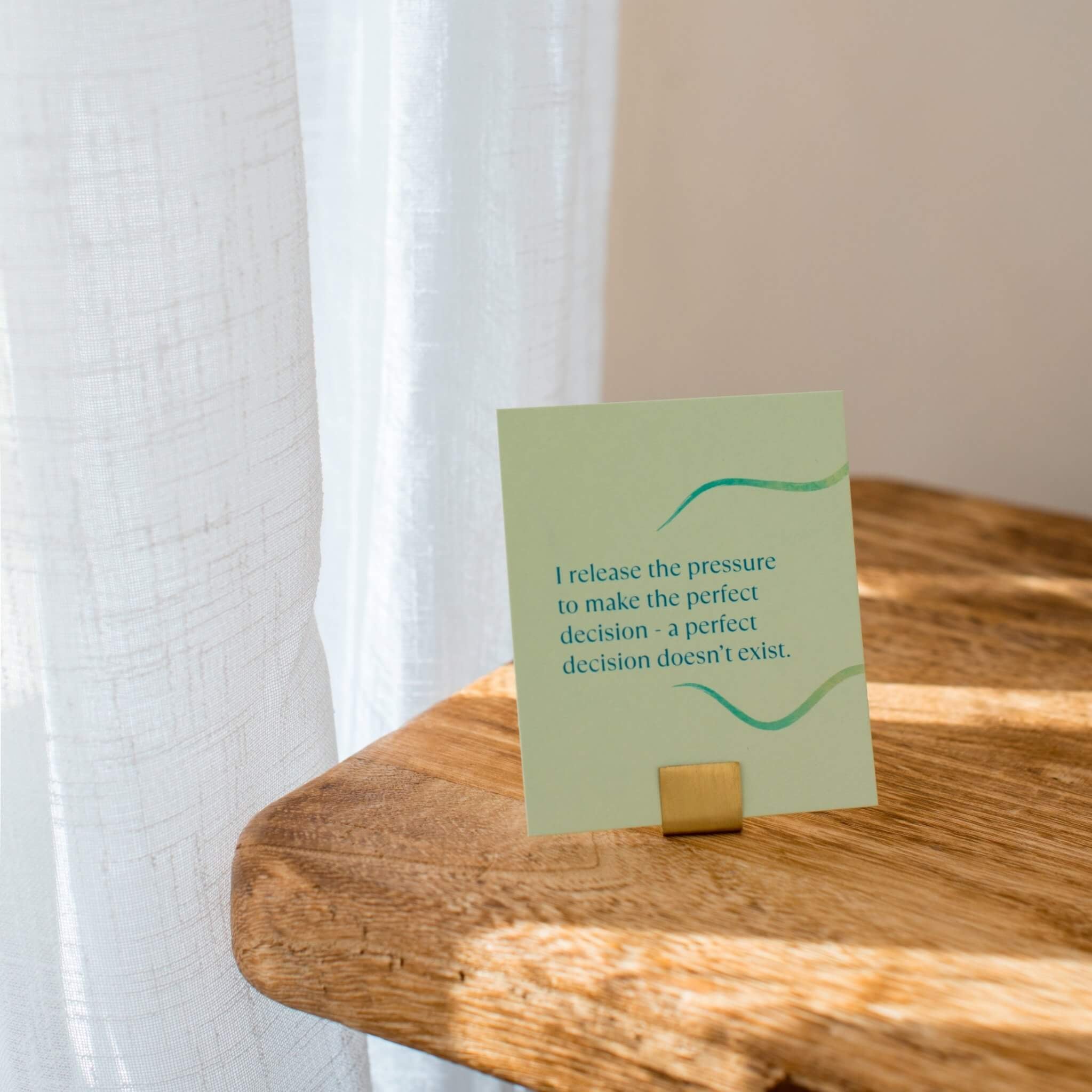
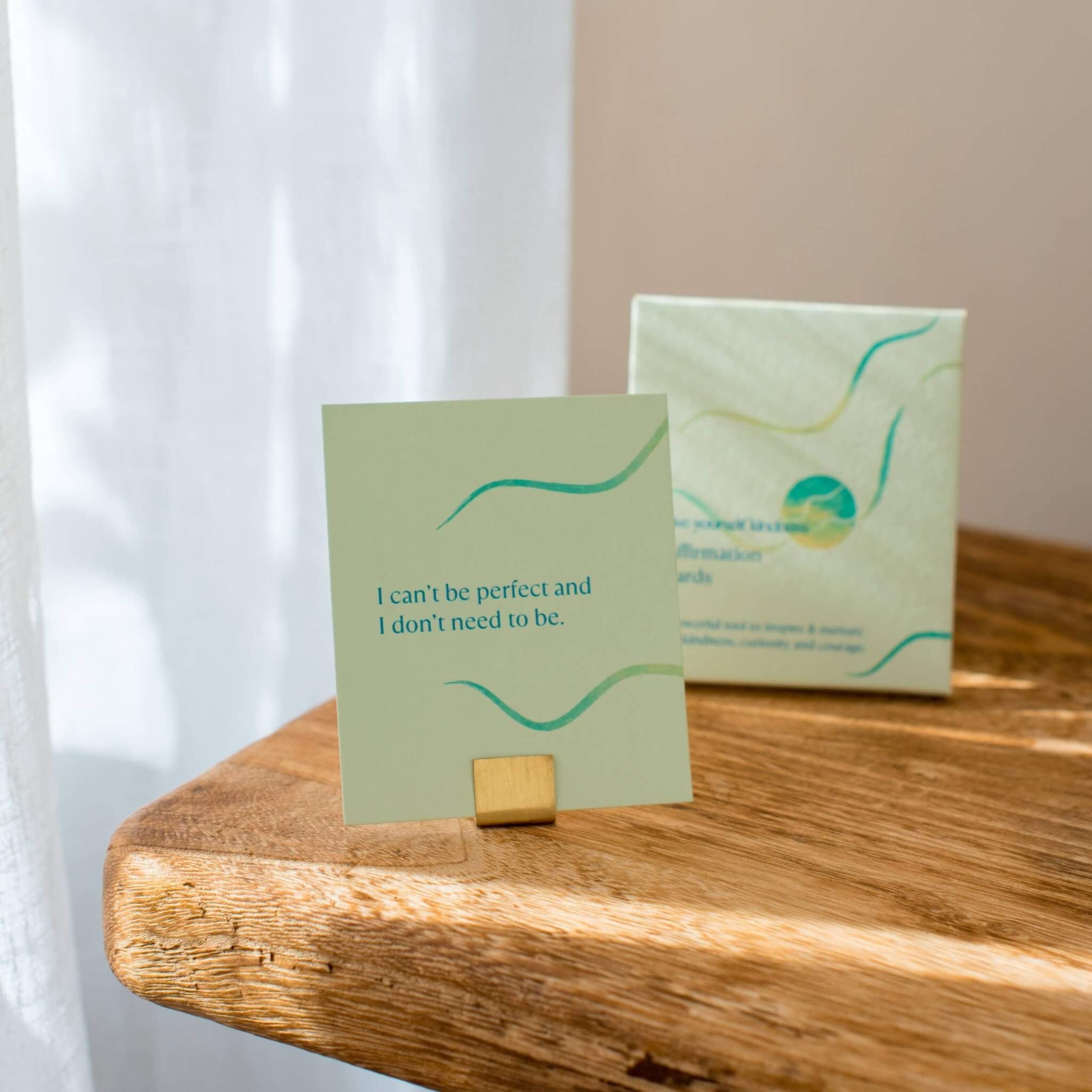
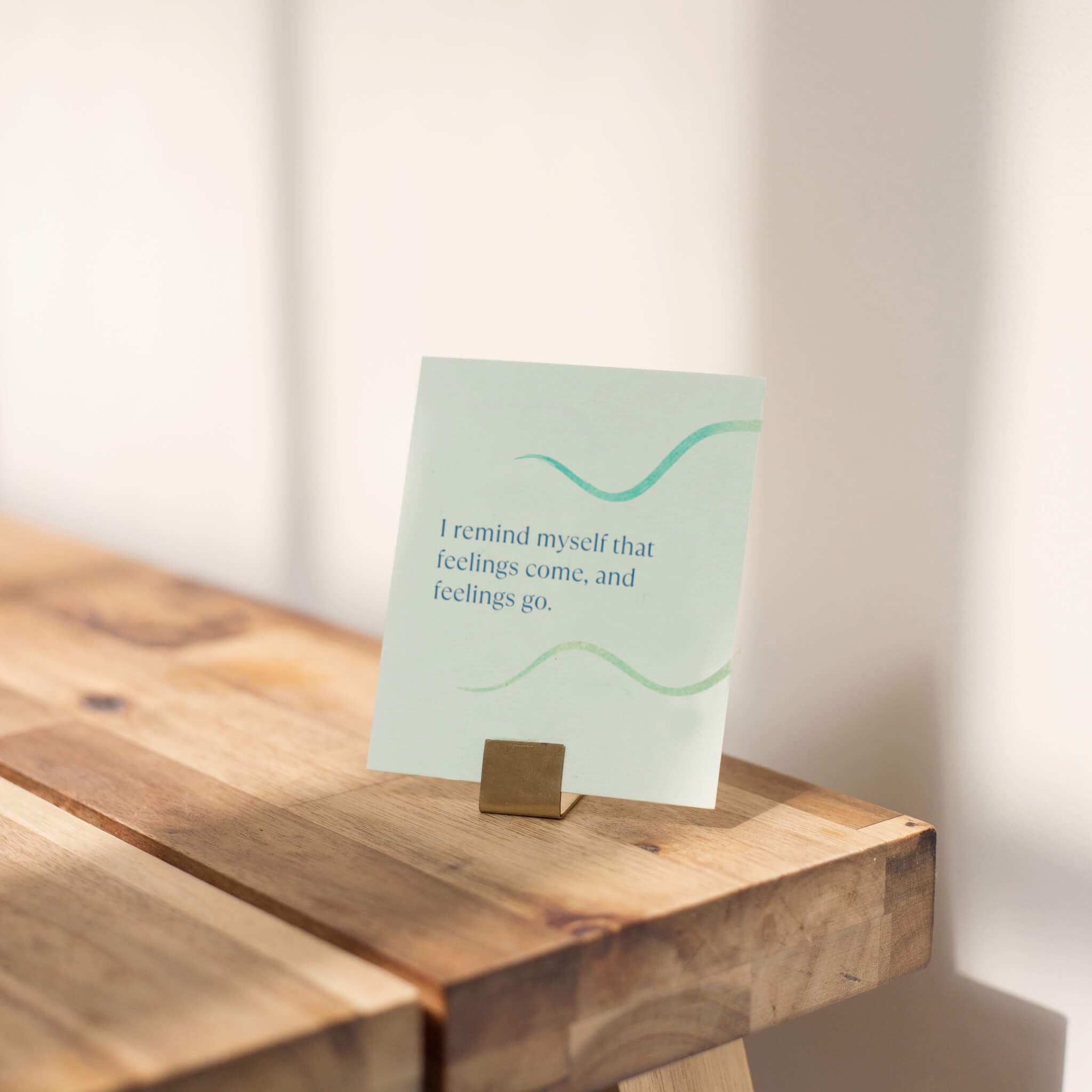
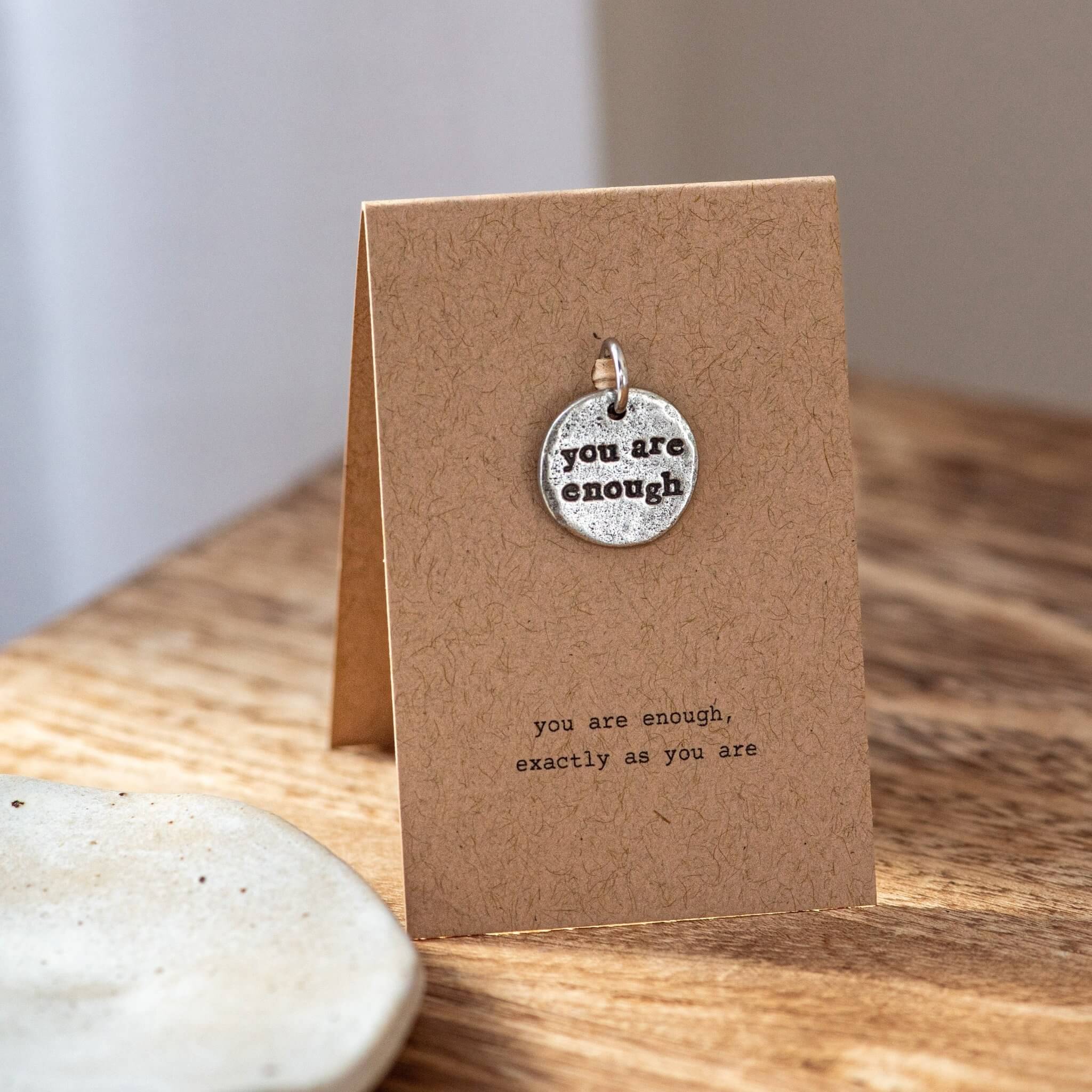
Top recommendation: the Give Yourself Kindness Self-Compassion Affirmation Cards: 60 affirmations across 3 sets, grounded in self-compassion research. Instead of "You're amazing!" they say things like "I can't be perfect and I don't need to be" and "Just because I have a thought doesn't mean it's true." Recommended by licensed therapists who use them with clients, daily or whenever you need them.
View the Affirmation Cards →On this page
Do affirmation cards actually work?
It depends on the affirmation. Generic "I am amazing" cards can backfire, especially if you're already struggling, because they demand belief in something that doesn't feel true yet. A 2009 study in Psychological Science found positive self-statements can help some people but leave others, particularly those with low self-esteem, feeling worse.[1]
What actually works: repeated exposure to a kinder voice, until it becomes more familiar than the critical one. That's neuroplasticity, not wishful thinking. Over time (usually 3-4 weeks), the kind voice becomes more accessible than the critical one.

"For affirmations to work, they need to be developed and applied thoughtfully: how credible and realistic they feel, how personally meaningful they are, and how well they accommodate the ups and downs of life."Dr Jeffrey McDonnell, Clinical Psychologist, University College London →
[1] Wood, Perunovic & Lee (2009), Psychological Science, 20(7), 860-866, cited in Do Affirmations Really Work? I Asked 5 Psychologists.
Why most affirmation cards fail
Most affirmation cards feel empty because they use generic positive thinking that doesn't address what you actually need when struggling.
What doesn't work
- "I am confident" - feels like a lie when you're anxious
- "I am perfect" - unrealistic, adds pressure
- "I love my body" - too far from reality when struggling
- "Today will be amazing" - dismisses real challenges
What works
- "I can't be perfect and I don't need to be"
- "Just because I have a thought doesn't mean it's true"
- "I choose to give myself the kindness I'd give a friend"
- "I am worthy now, and this will never change"

"If you struggle with body image, I'd shift away from 'I love my body' and pick something less polarizing to your current belief, such as 'My body deserves respect.'"Annabelle Kyle Dortch, Psy.D, Clinical Psychologist →

"Each day, our minds generate tens of thousands of thoughts, and due to our brain's natural negativity bias, we often affirm negative beliefs about ourselves without realizing it. For affirmations to be effective, they need to resonate with you on a deeper level and feel believable."Dr Caroline C. Lee, PhD, Licensed Clinical Psychologist →
Generic vs. self-compassion affirmations
| Generic affirmation | Self-compassion affirmation | Why it works better |
|---|---|---|
| "I am confident" | "I'm learning to trust myself" | Acknowledges it's a process |
| "I love my body" | "My body deserves respect" | Feels credible when struggling |
| "I'm perfect as I am" | "I can't be perfect and I don't need to be" | Removes pressure |
| "Today will be amazing" | "I can handle today, one moment at a time" | Realistic about challenges |
| "I never make mistakes" | "Mistakes are how I learn" | Validates struggle as growth |
The best evidence-based affirmation cards
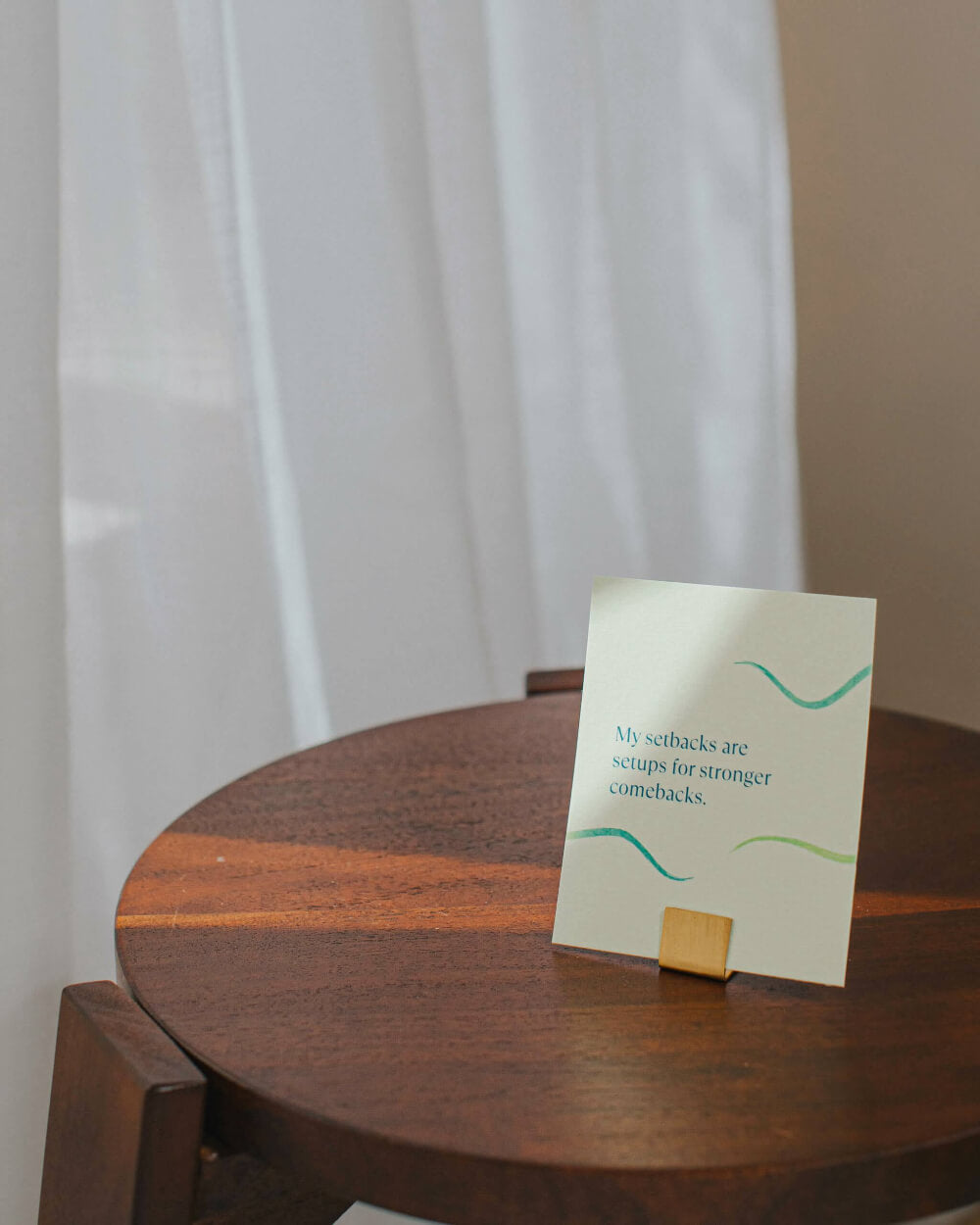
After being skeptical of most affirmation cards myself but learning from clinical psychologists about the power if done the right way, I created the Give Yourself Kindness Affirmation Cards. These cards were designed to address what research shows actually works, self-compassion, not forced positivity.
What makes these work
- Recommended by licensed therapists
- Grounded in self-compassion research, not generic positivity
- 60 unique affirmations, never repetitive
- Acknowledge struggle and imperfection
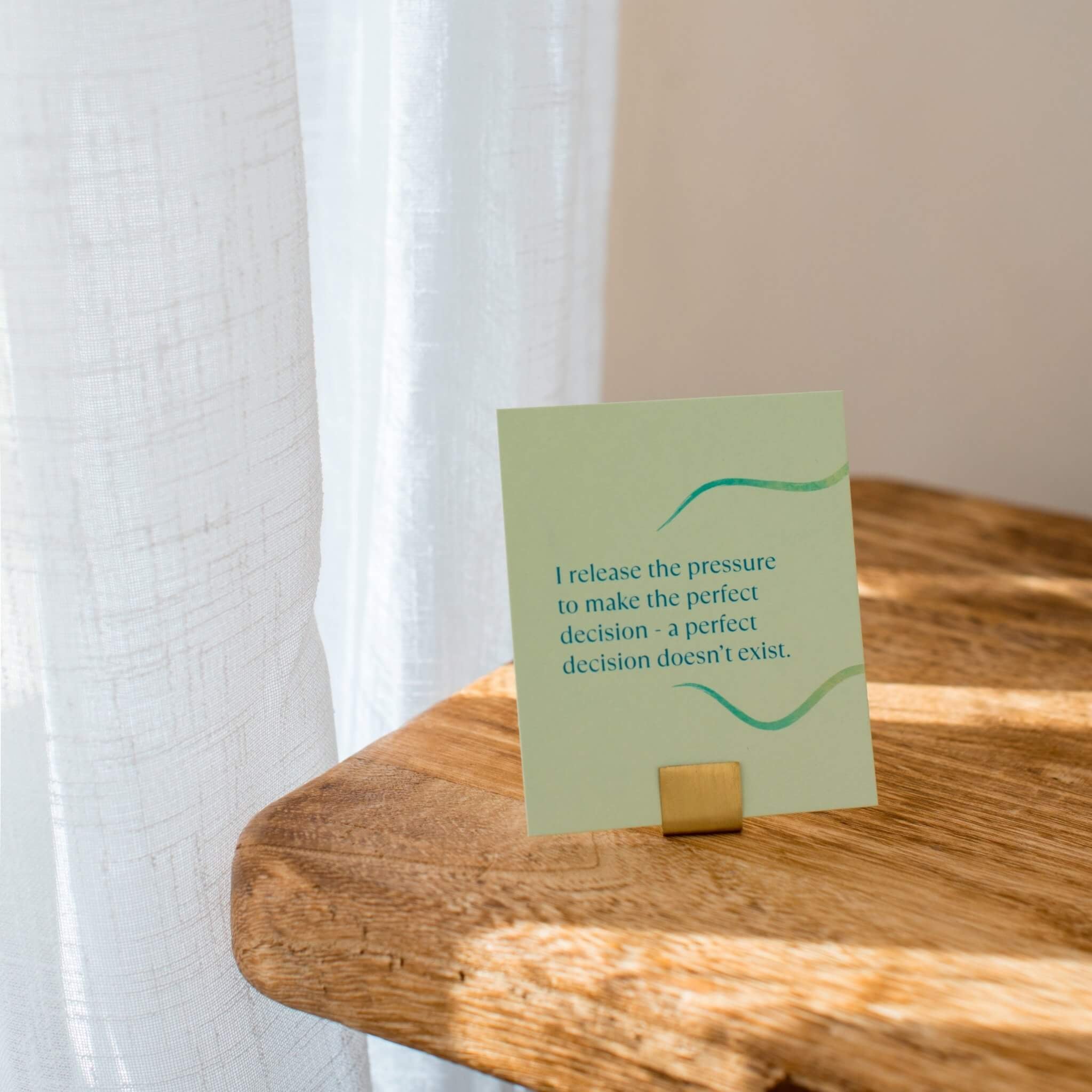
- Beautifully designed, high-quality cards
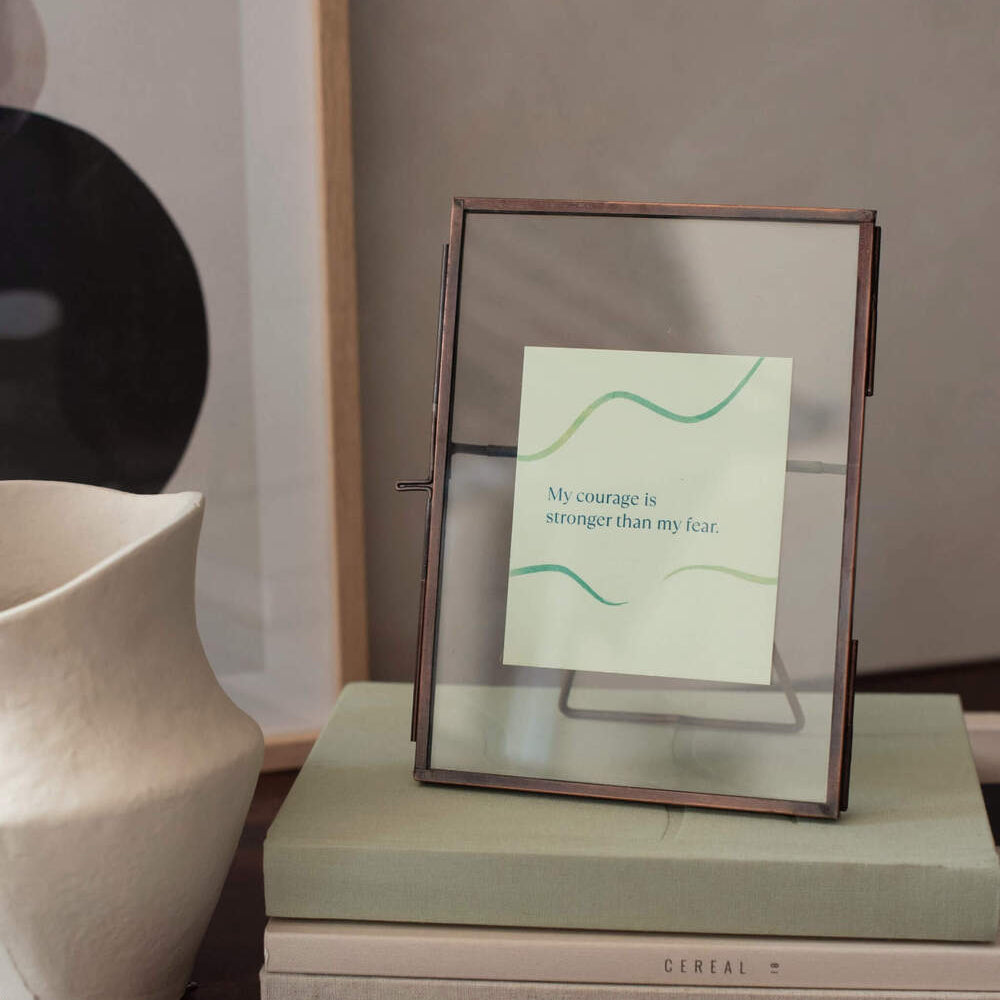
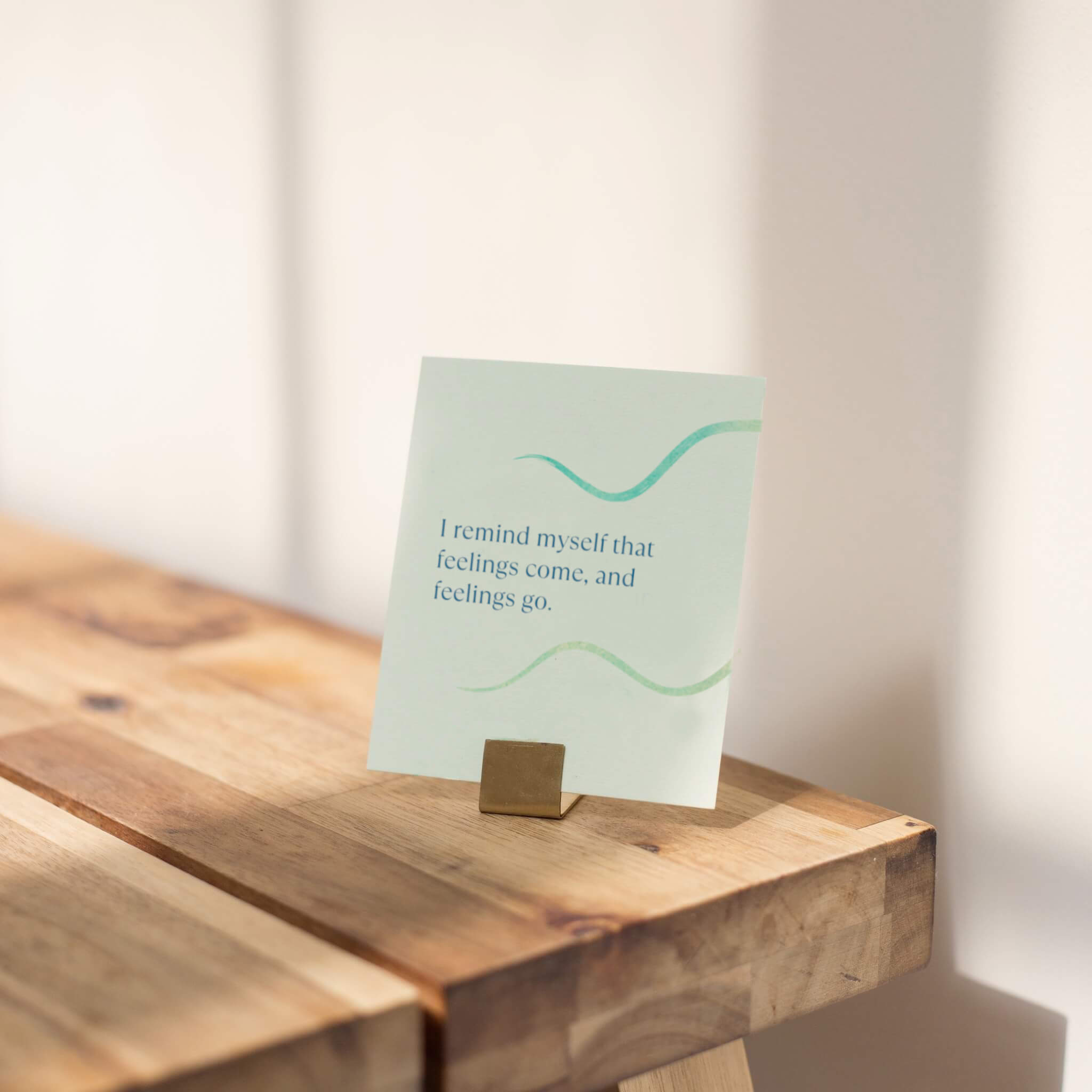
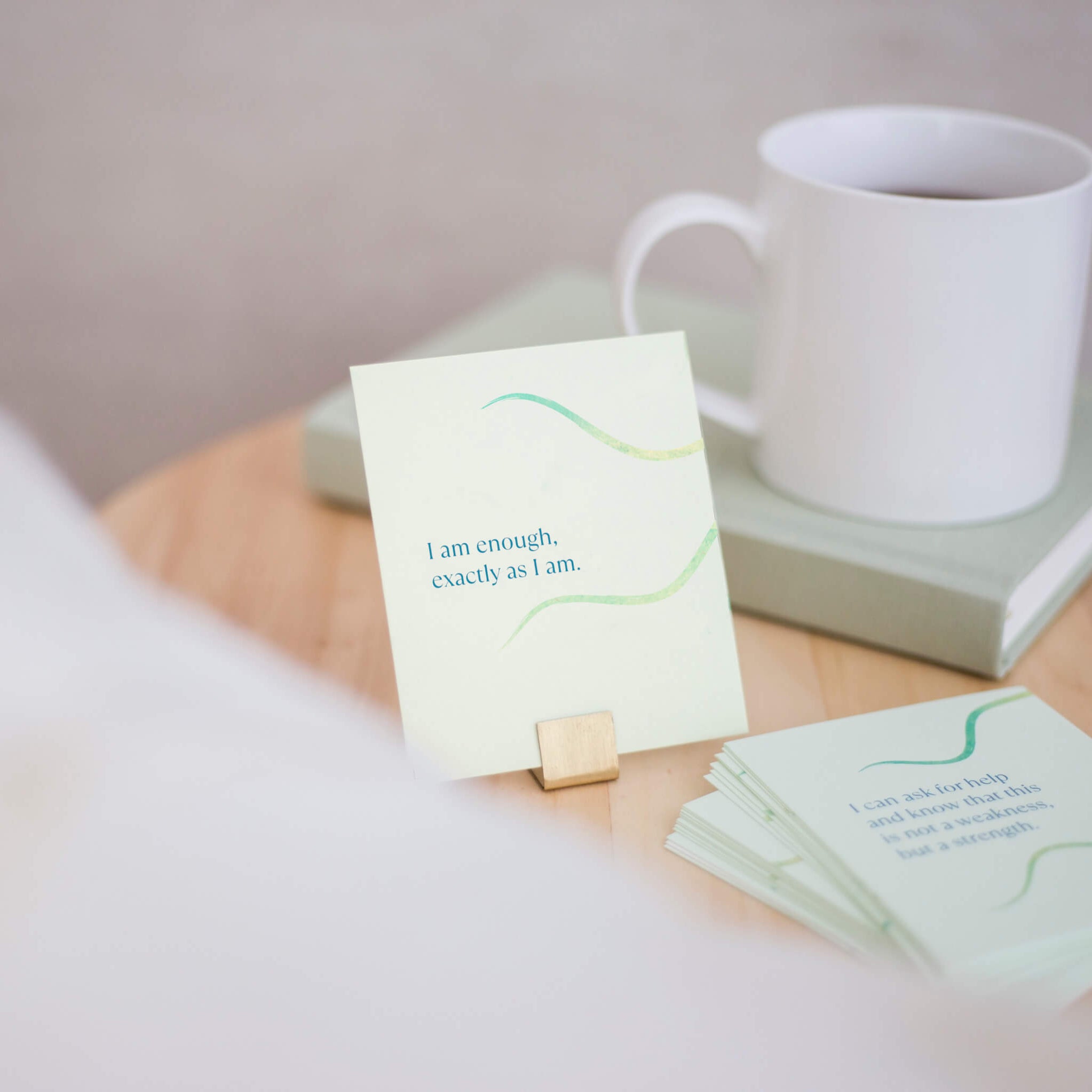
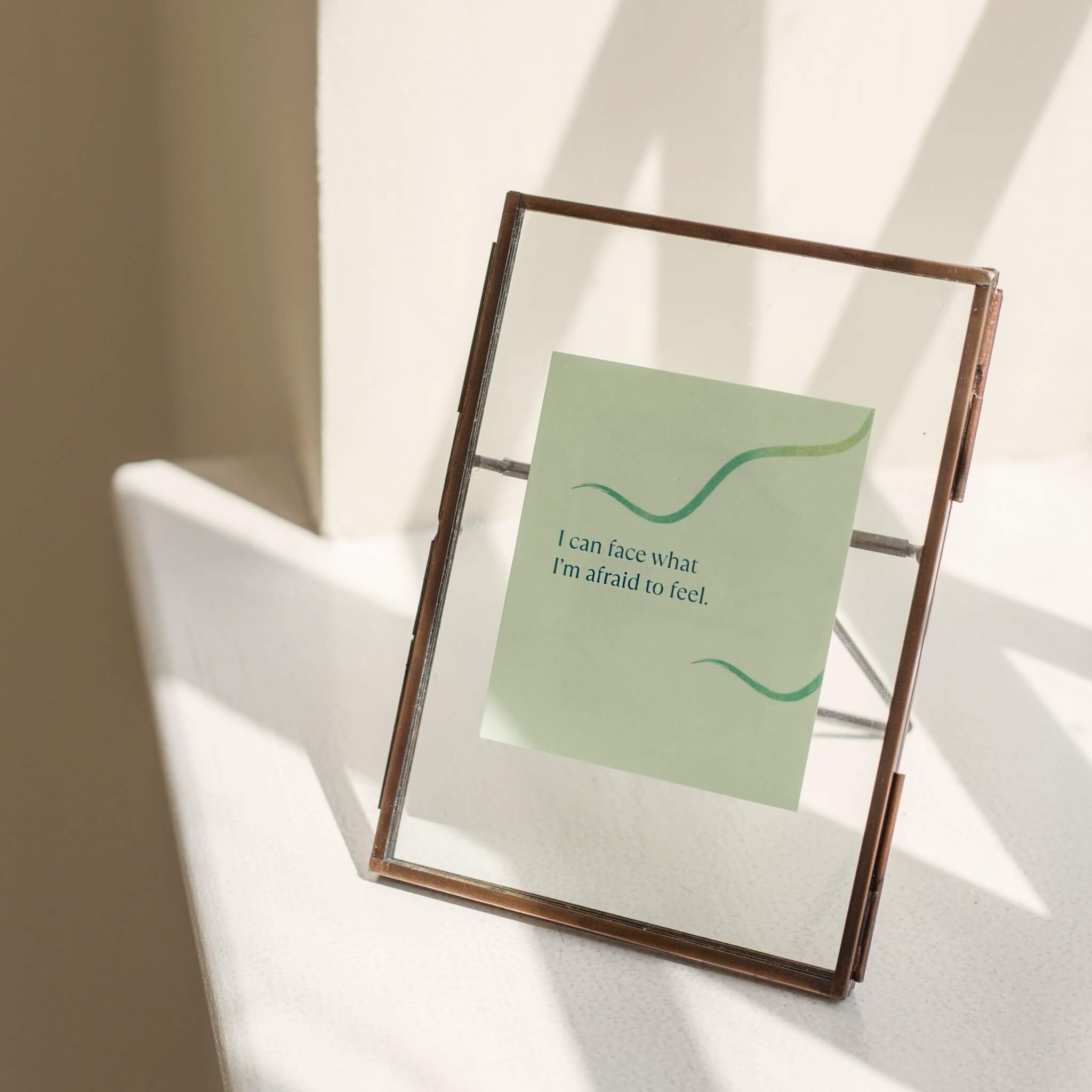
- Optional brass stand or copper frame available
Why therapists recommend these cards

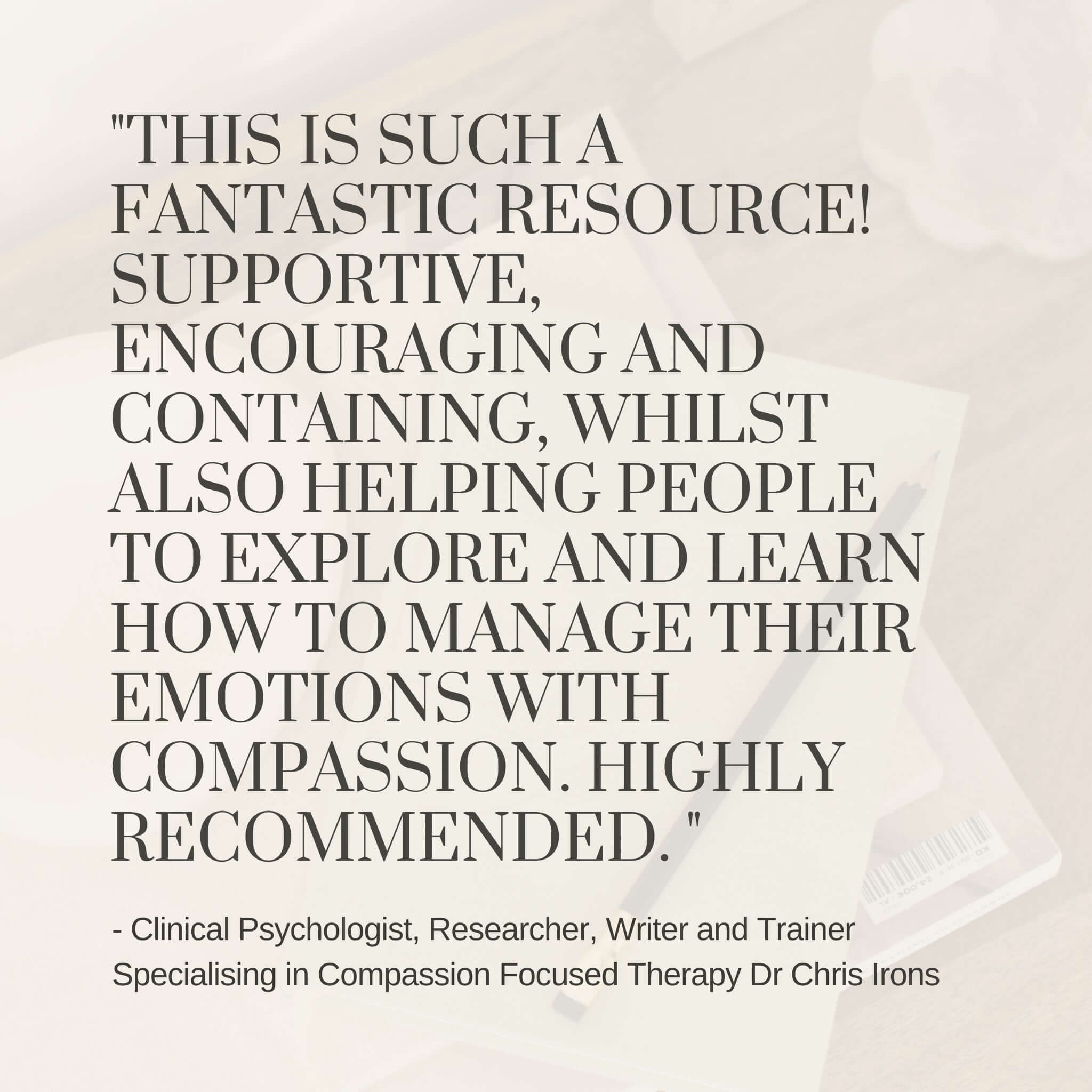
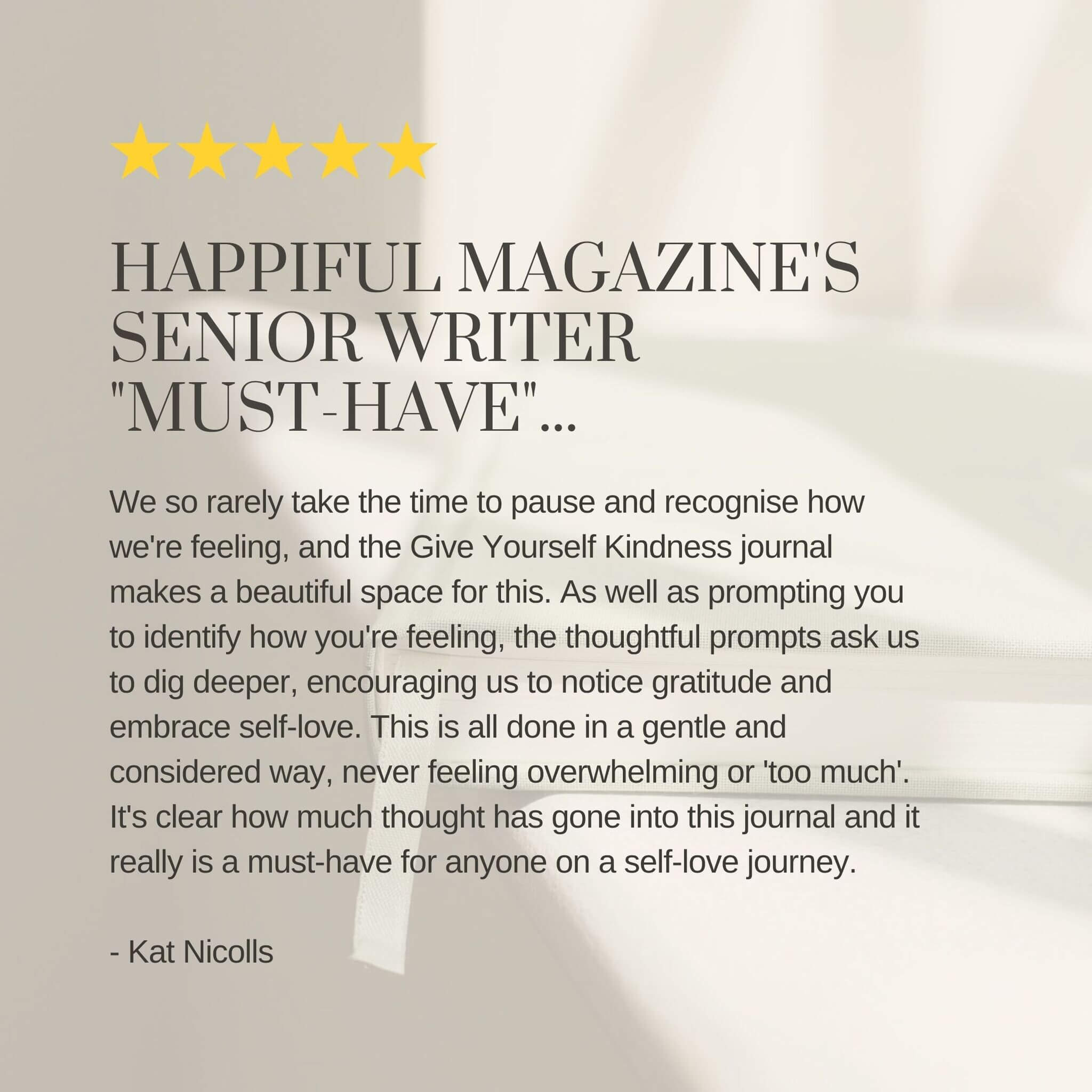
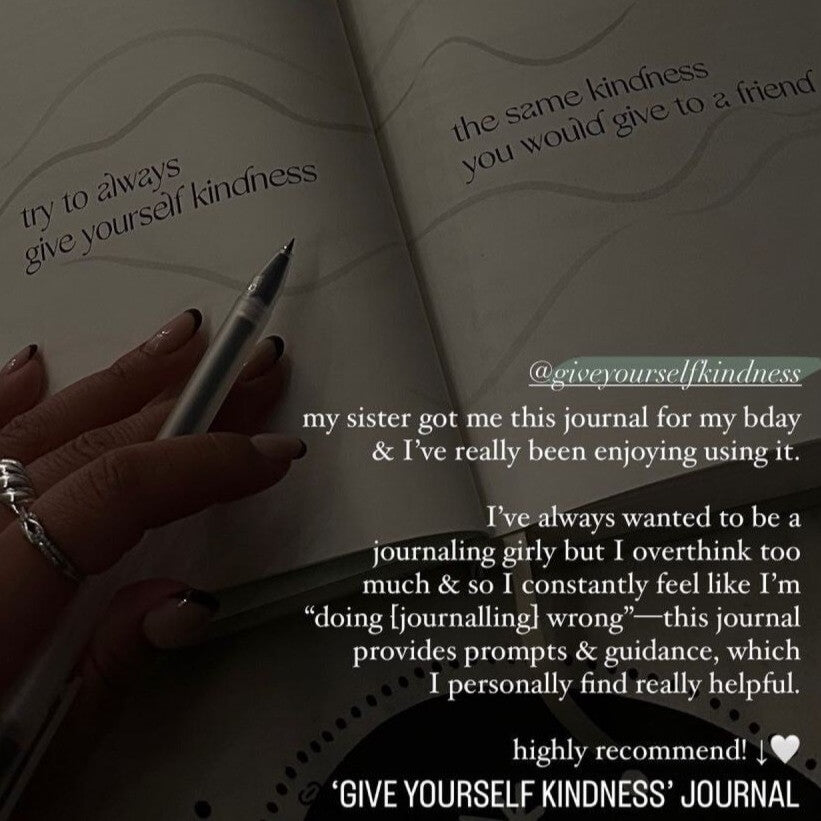
"These affirmations are truly so beautiful and powerful. I instantly feel a sense of groundedness and calm. I'll definitely be utilizing these with my clients, as well as practicing them myself."

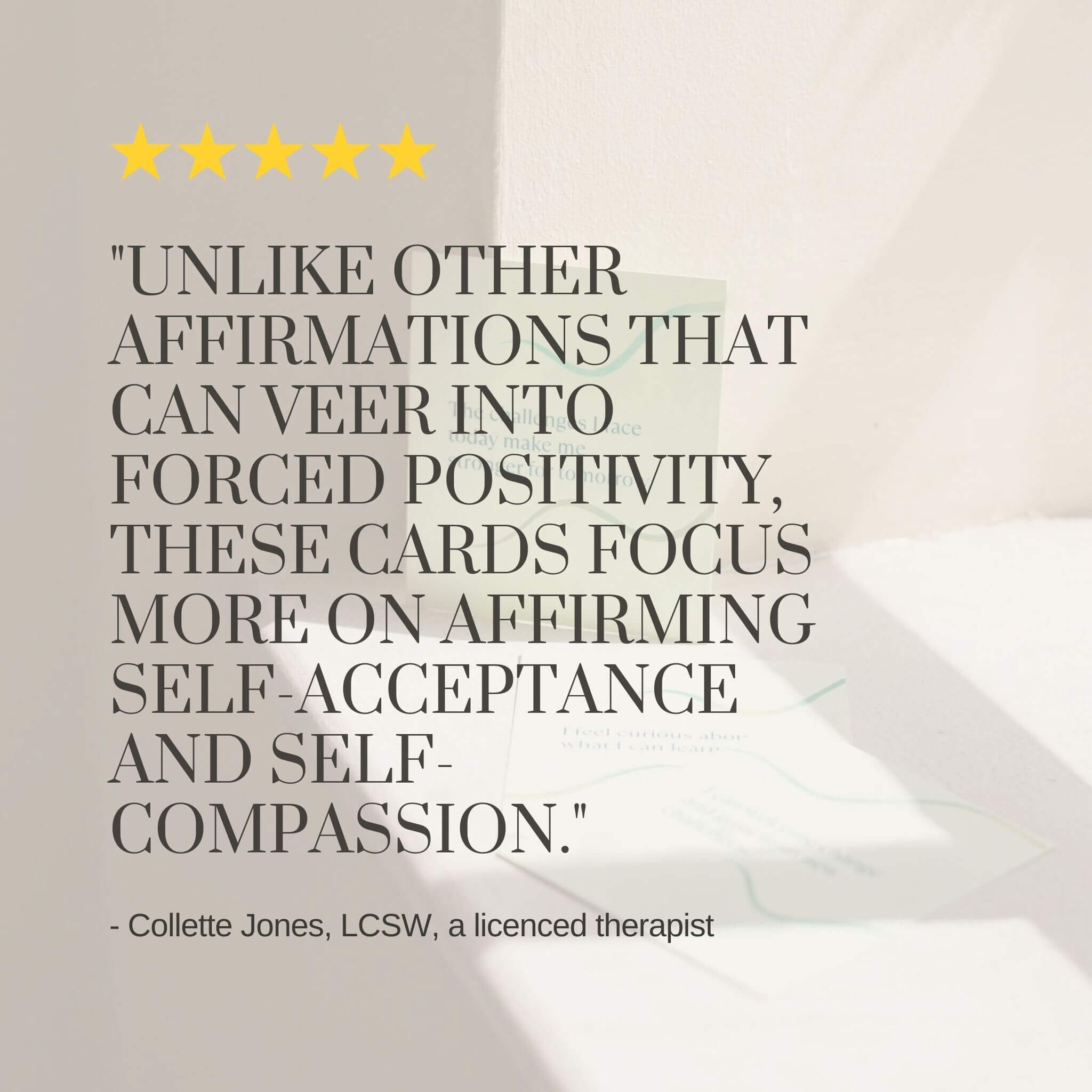
"A beautiful tool that offers gentle reminders to soothe the mind and cultivate peace. Unlike other affirmations that veer into forced positivity, these focus on self-acceptance and self-compassion."

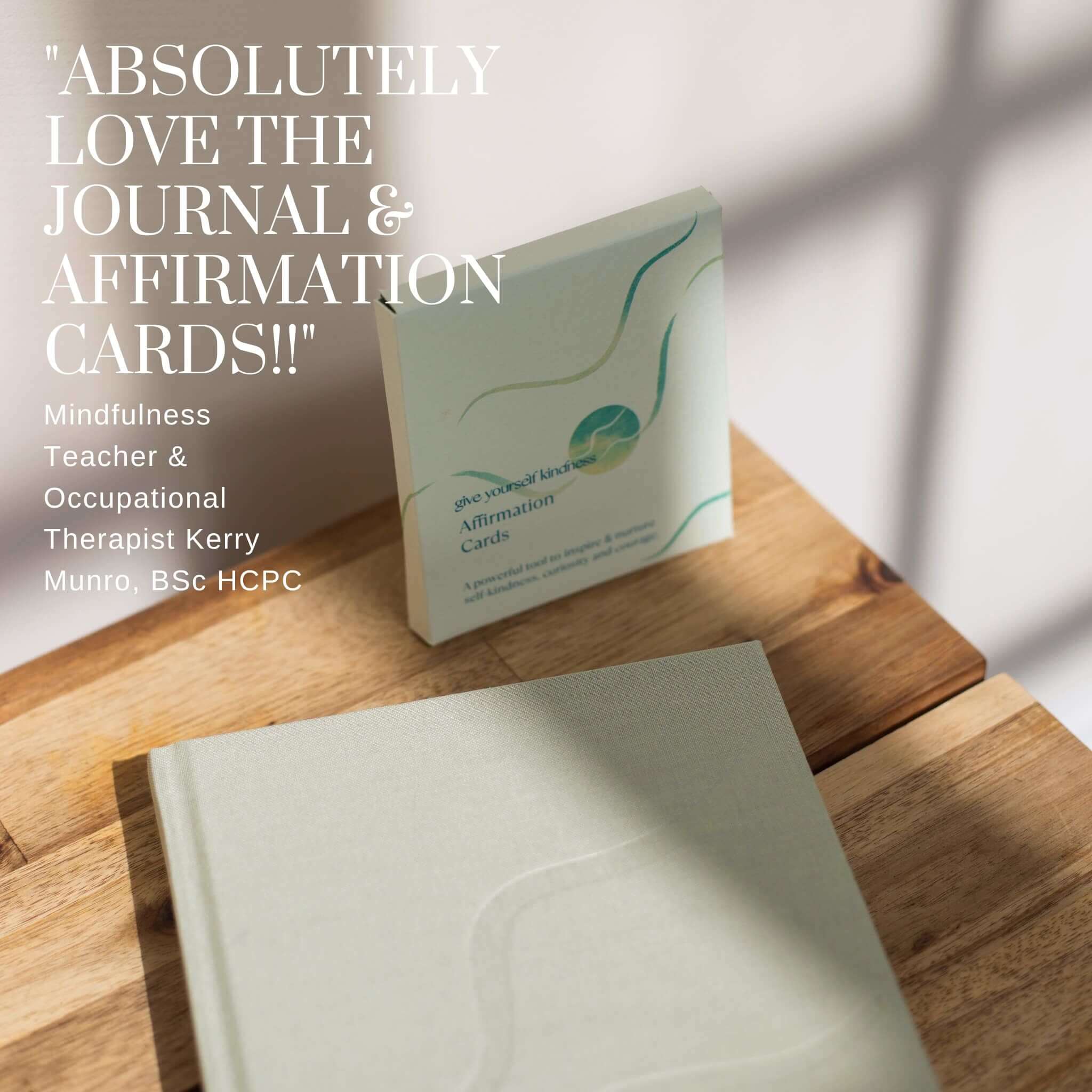
"I've used these with patients on a mental health ward. The feedback was great. So many people forget to offer themselves kindness, especially when they need it most."
What's included
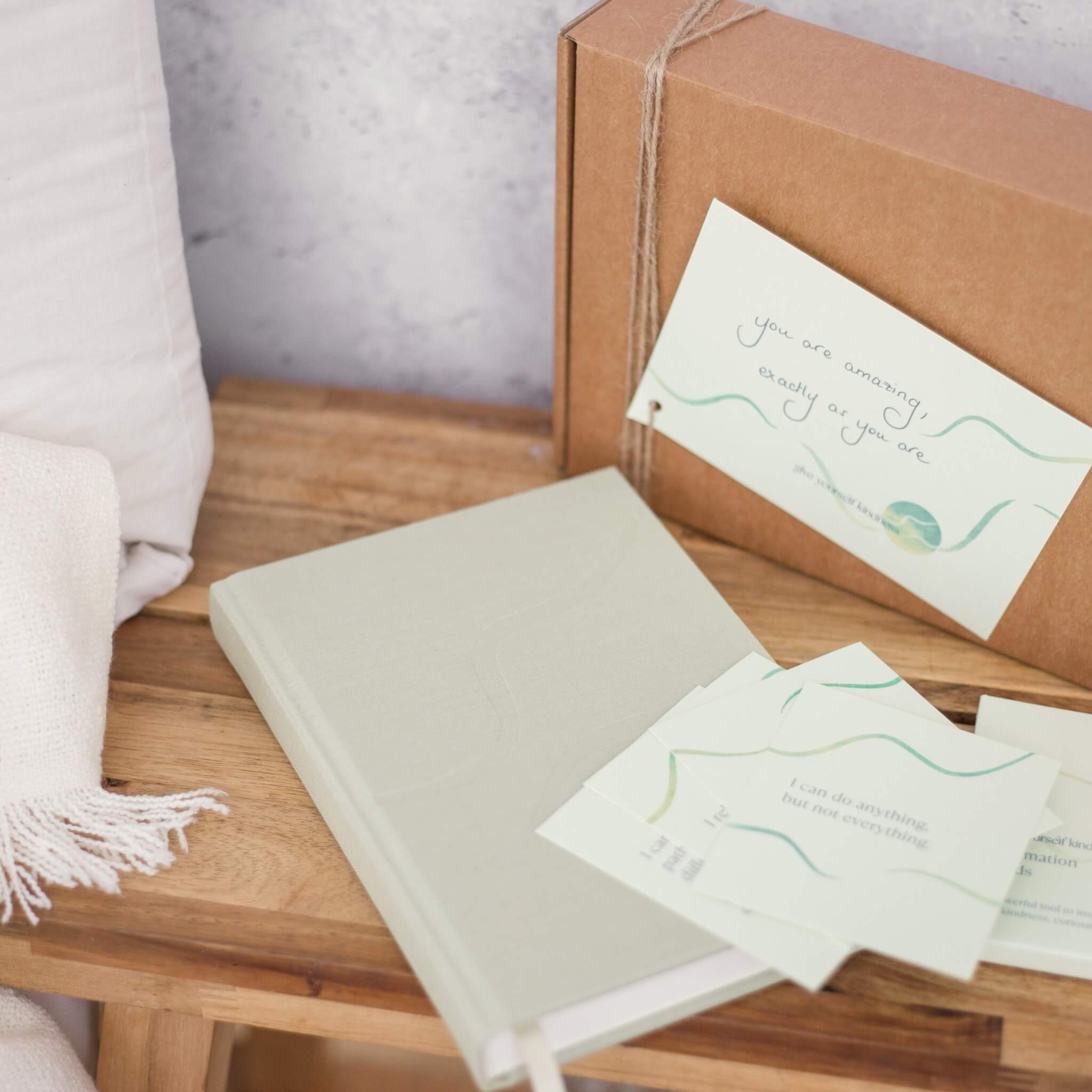
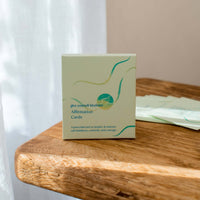
- 60 self-compassion affirmations on premium cards
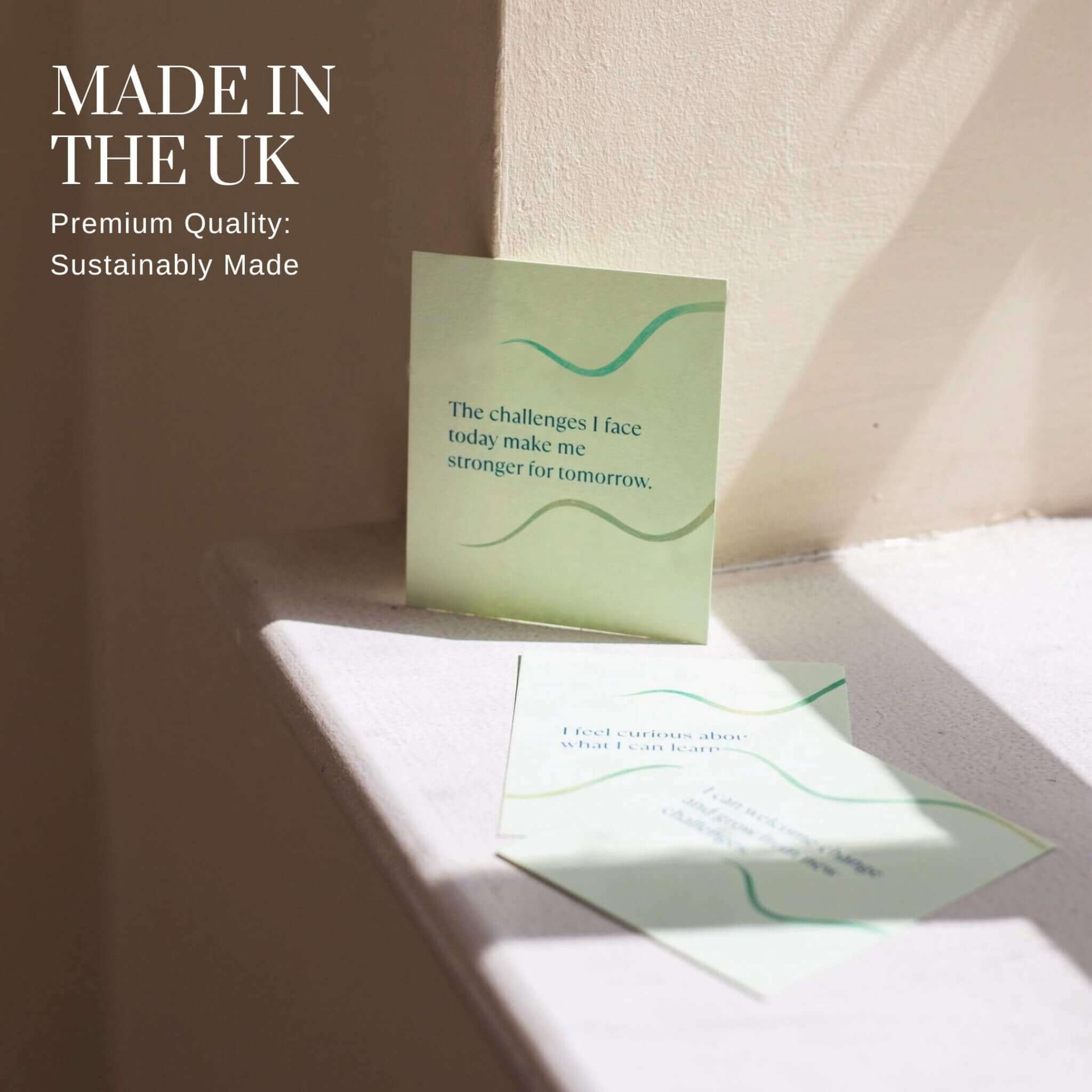
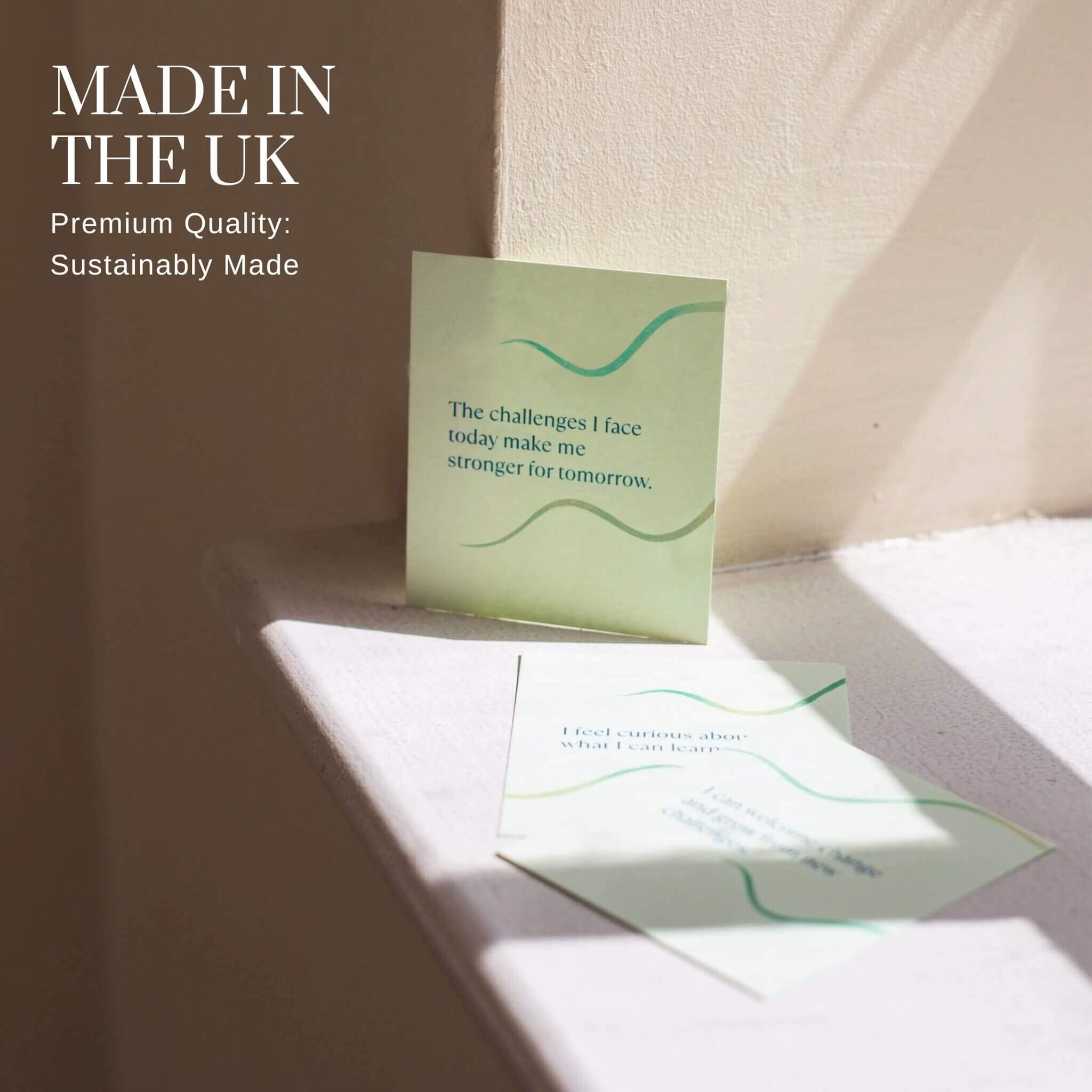
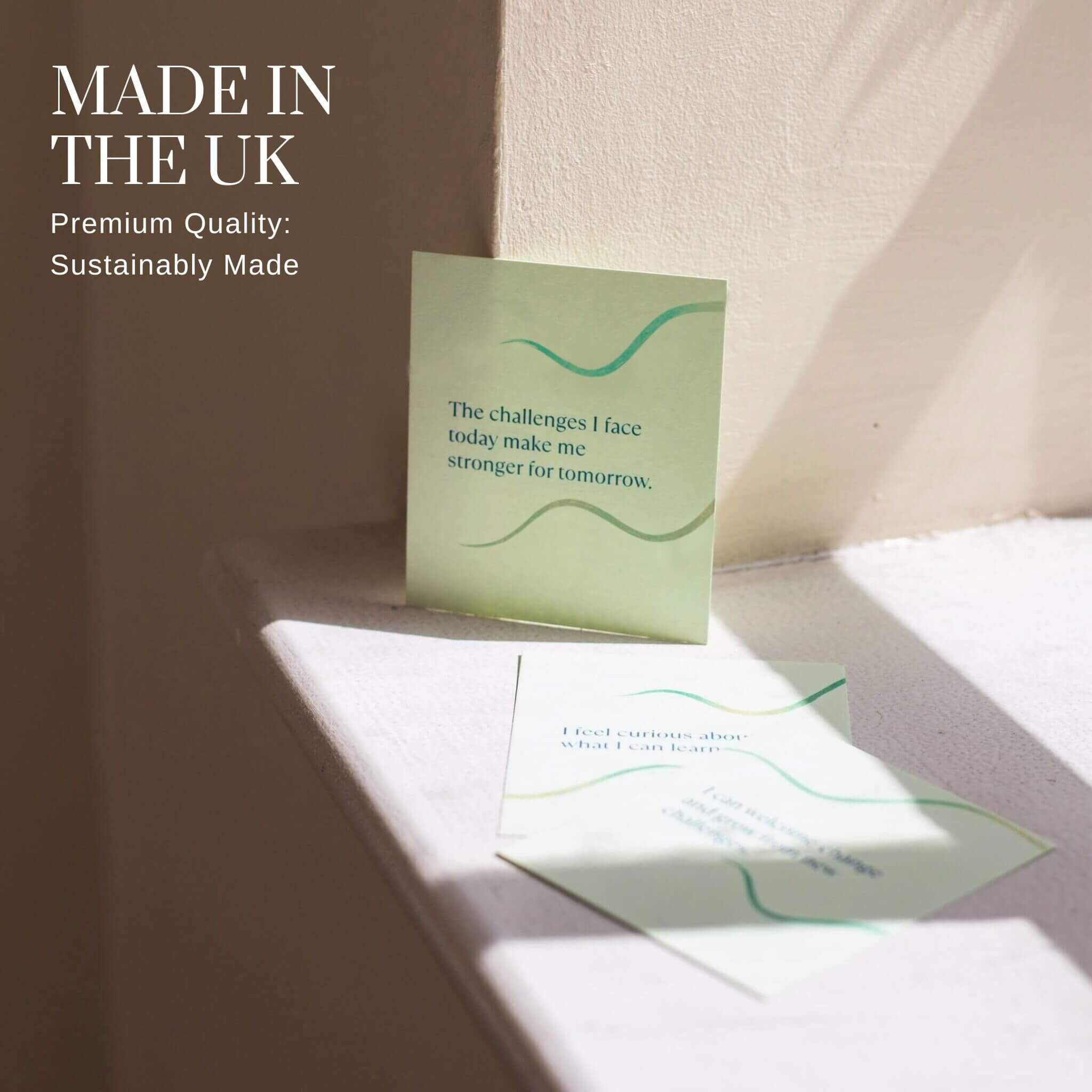
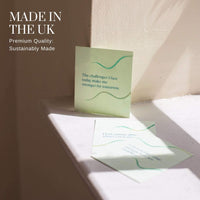
- Printed on luxury 270gsm card stock from FSC-certified forests
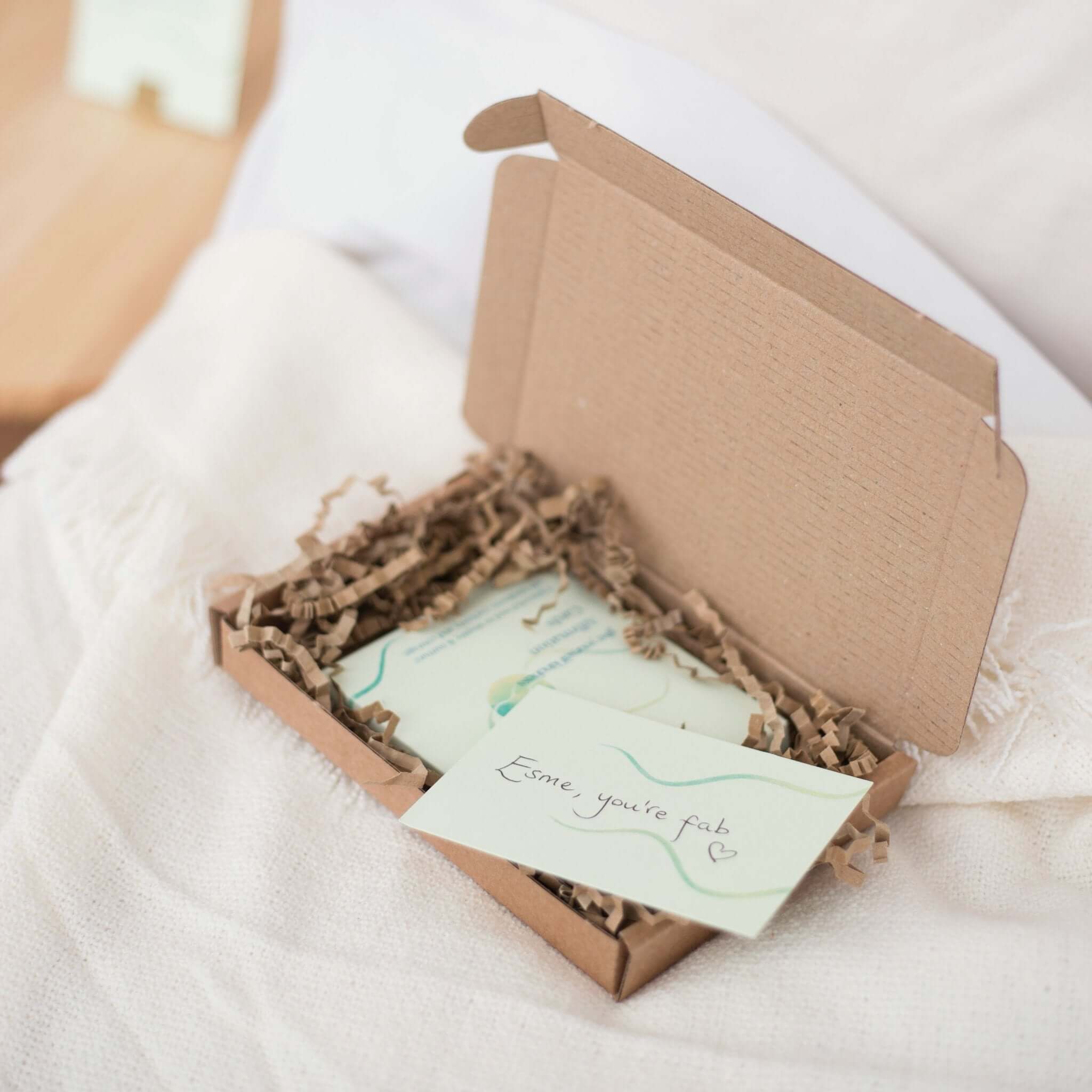
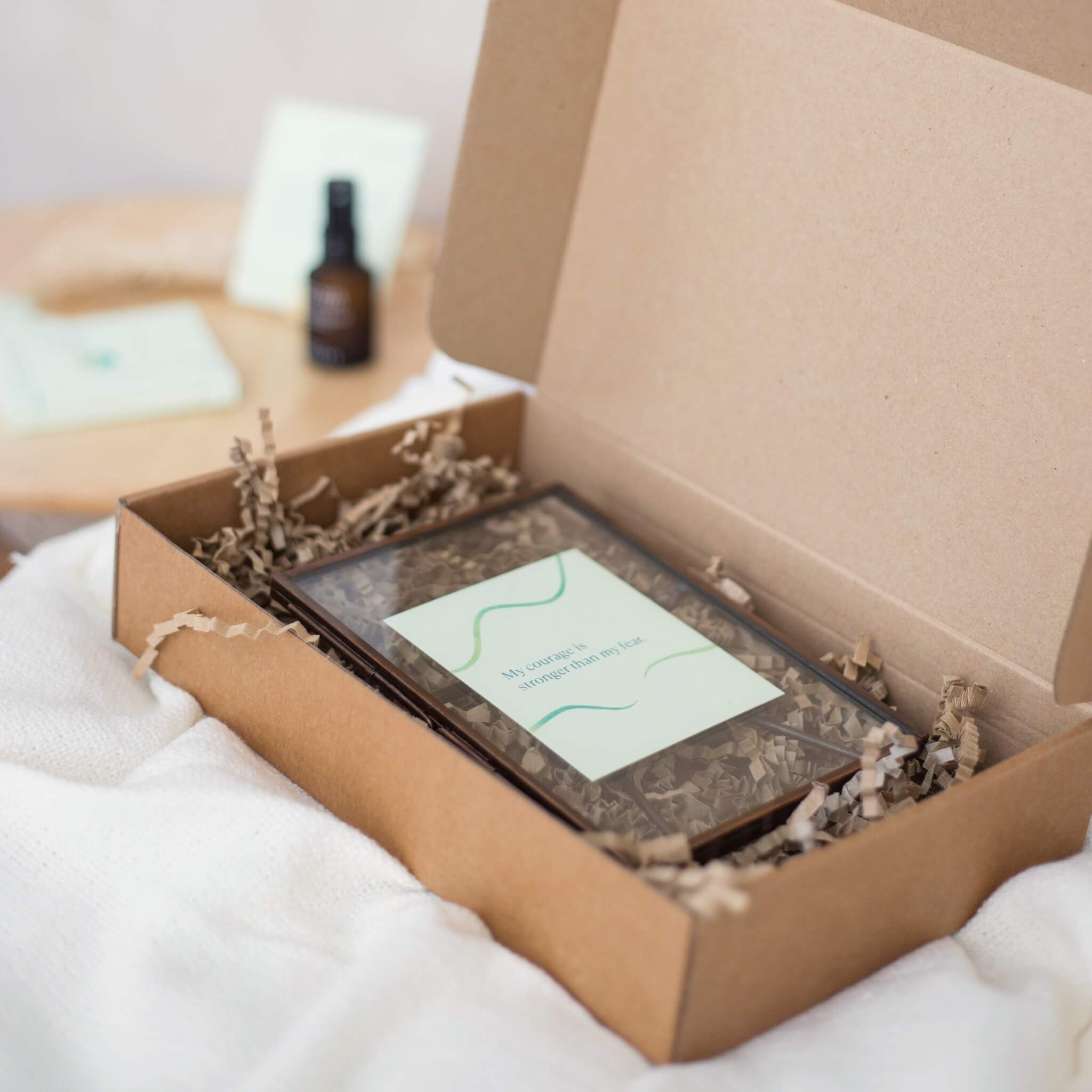
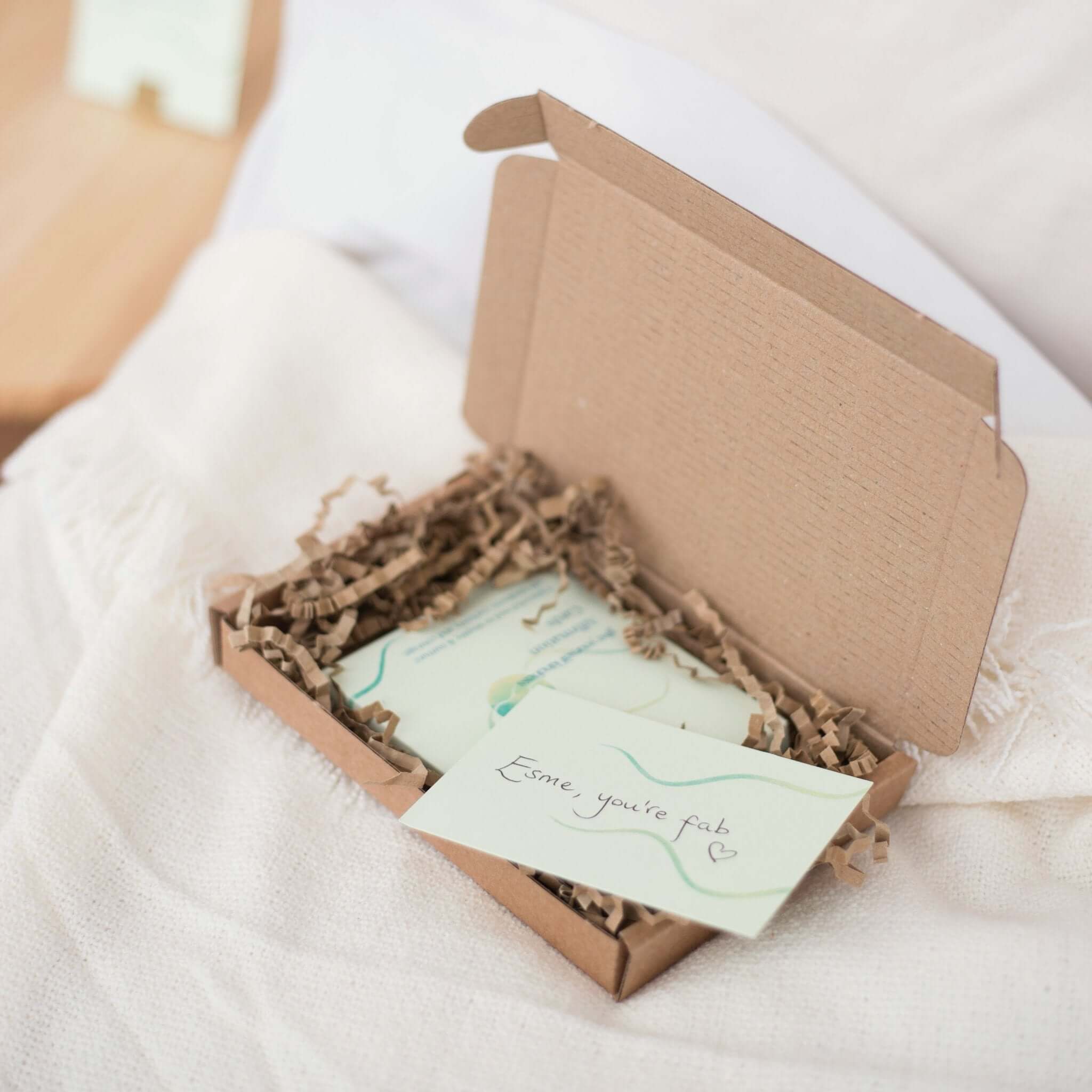
- Comes in a keepsake box, completely plastic-free packaging
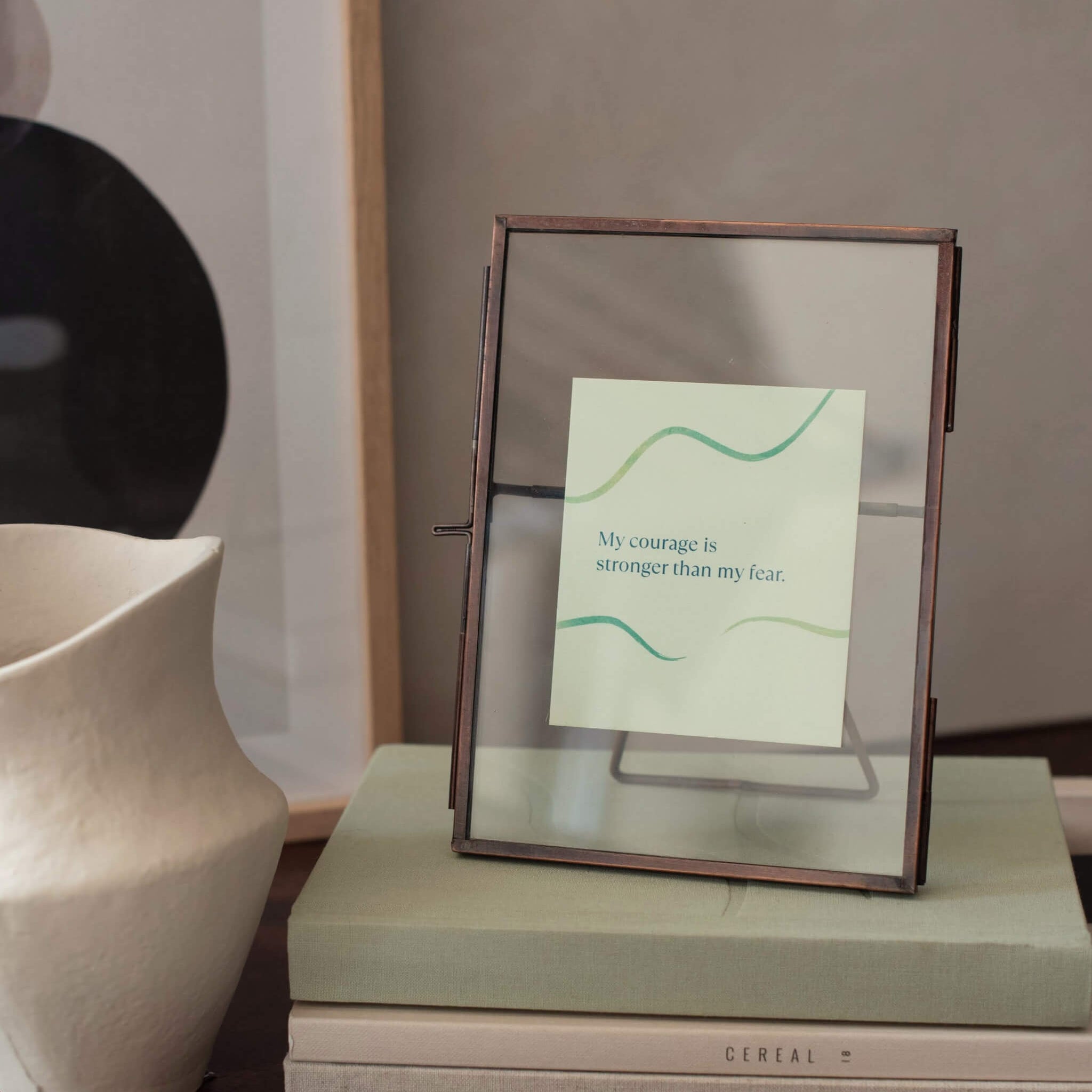
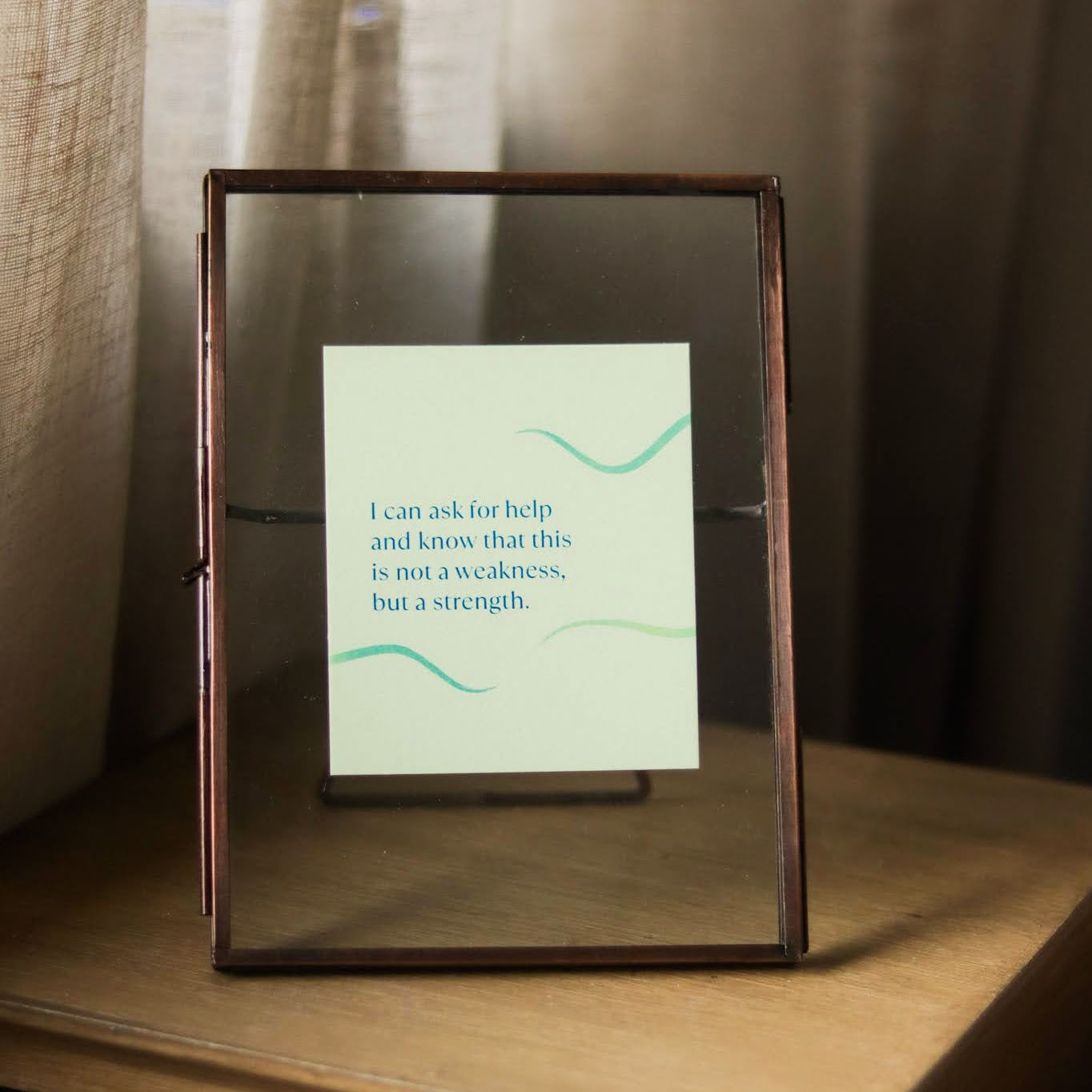
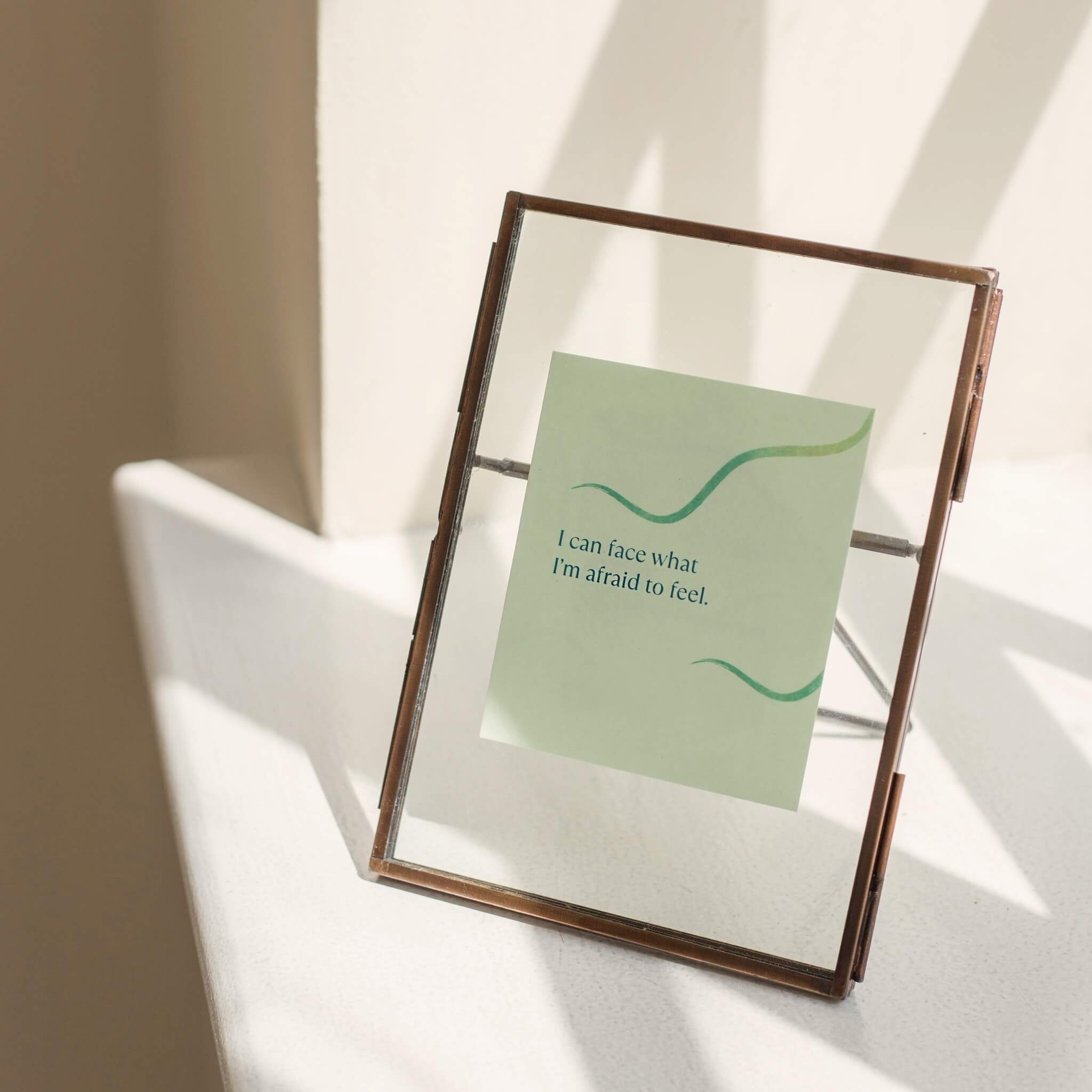
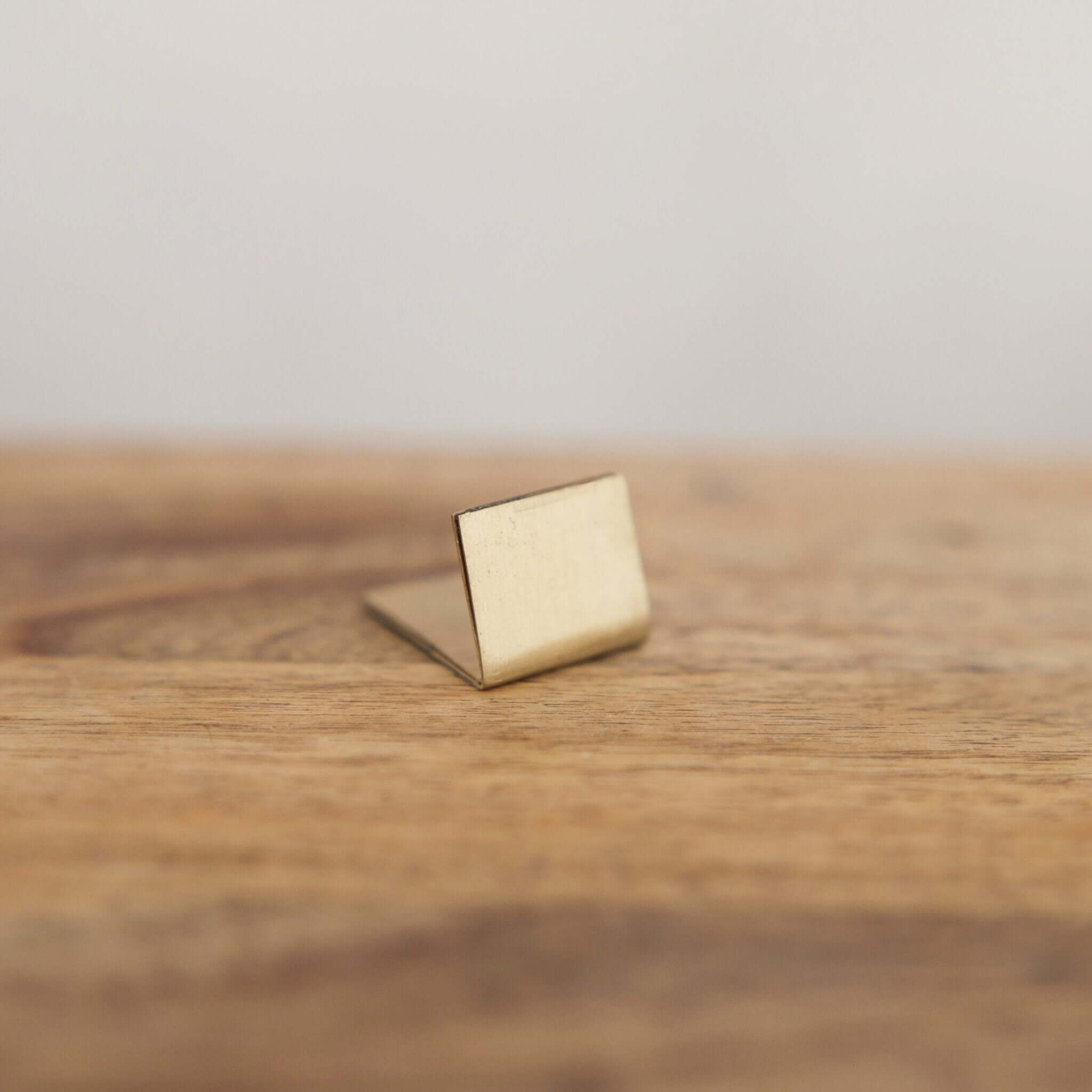
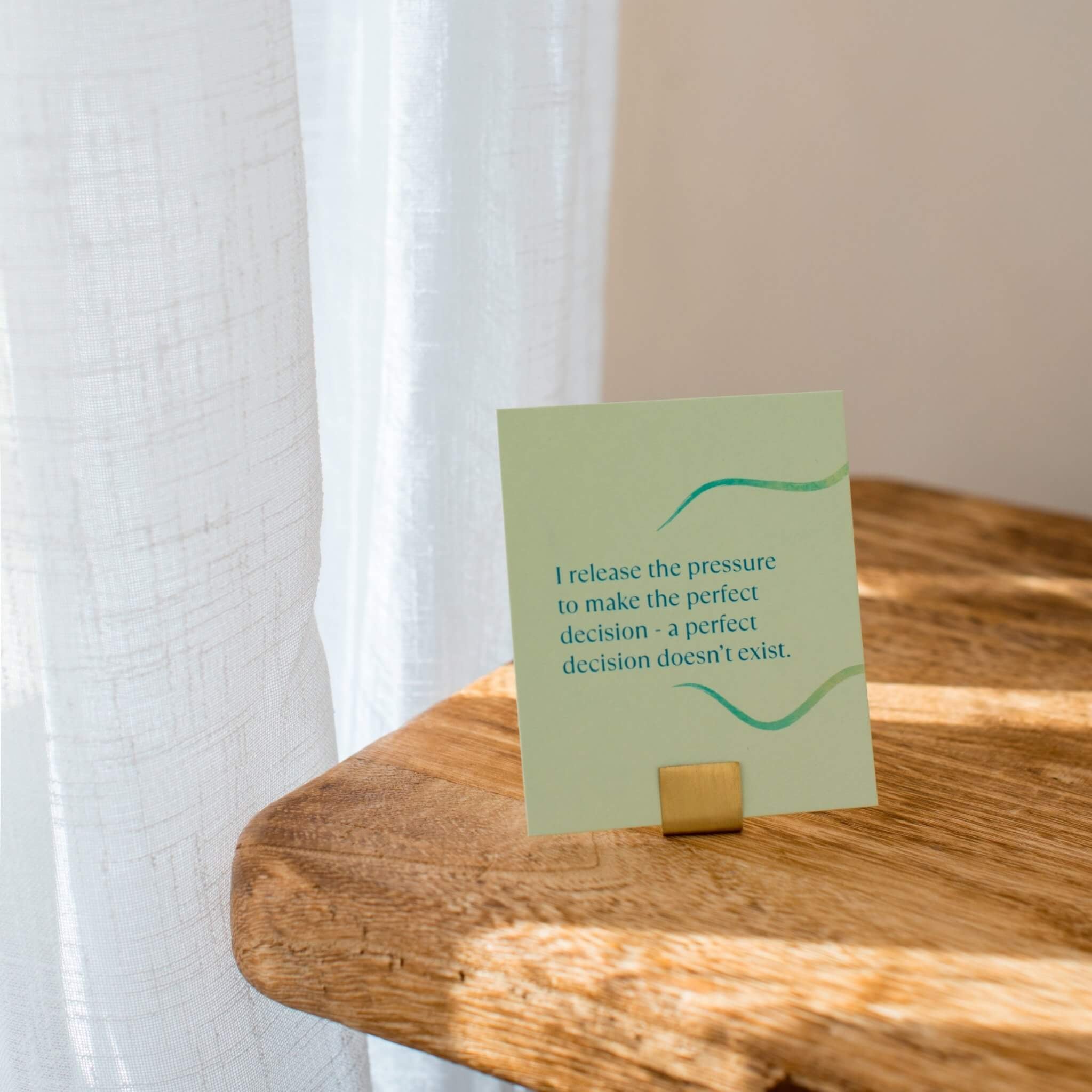
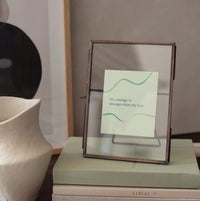
- Optional brass card stand or copper and glass frame for display
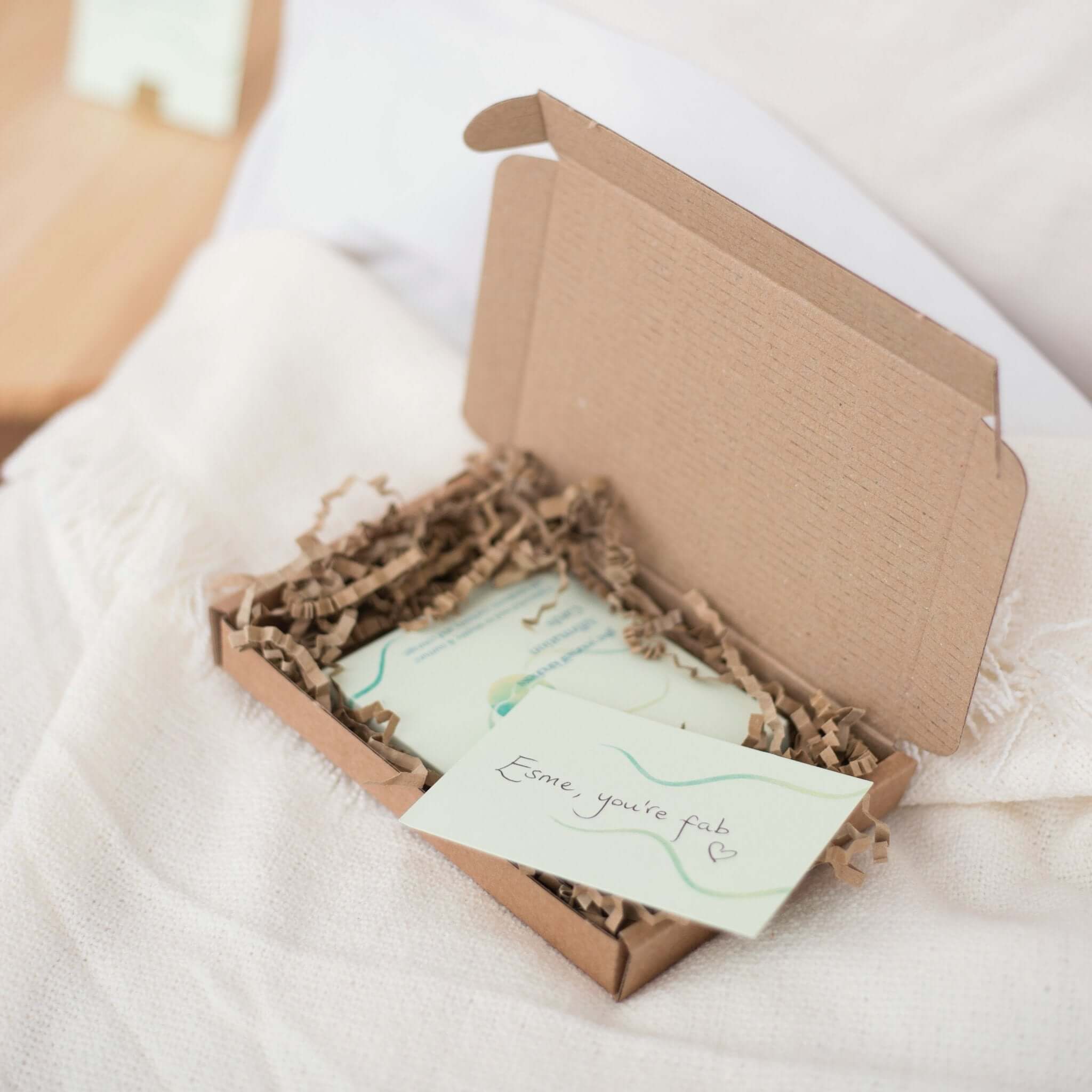
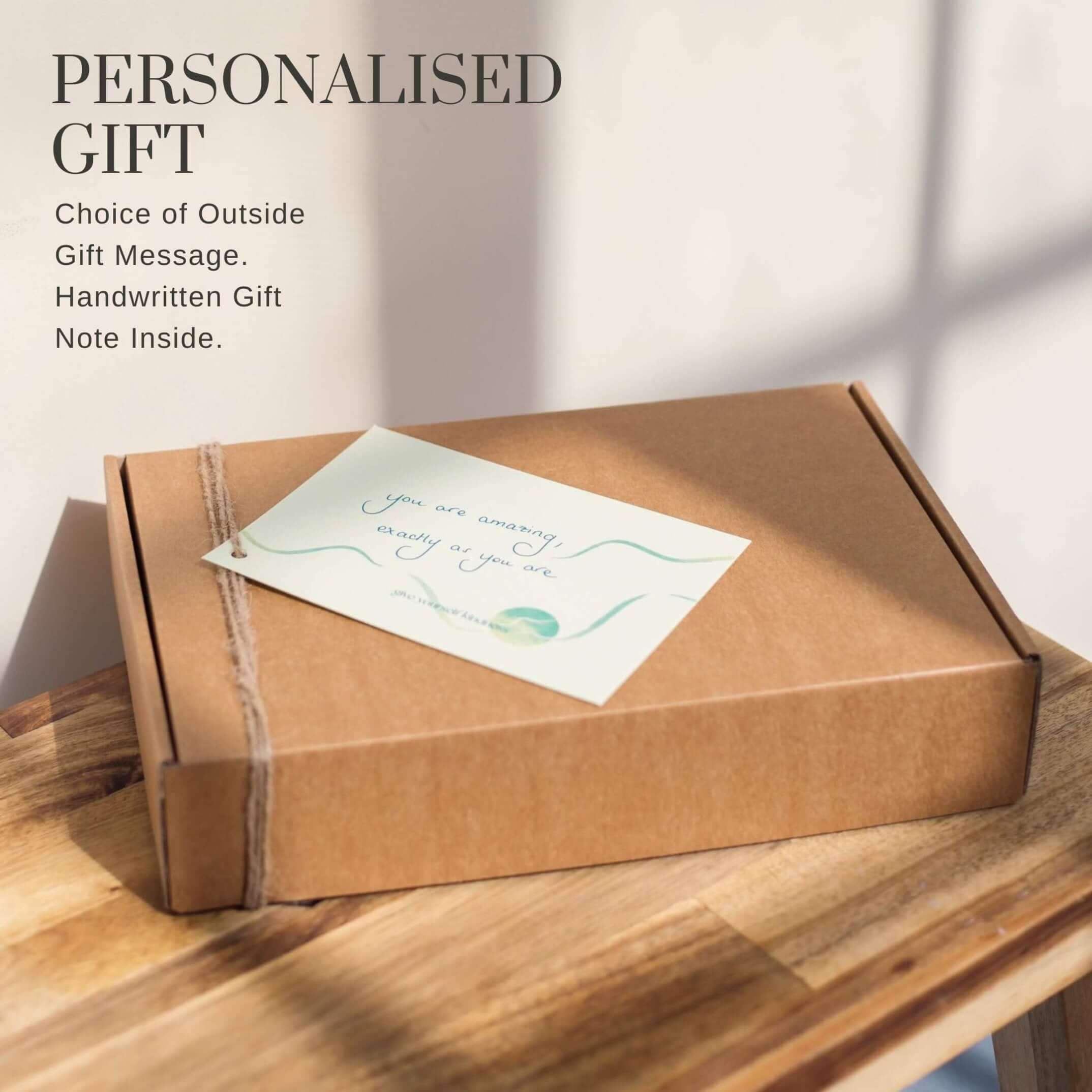
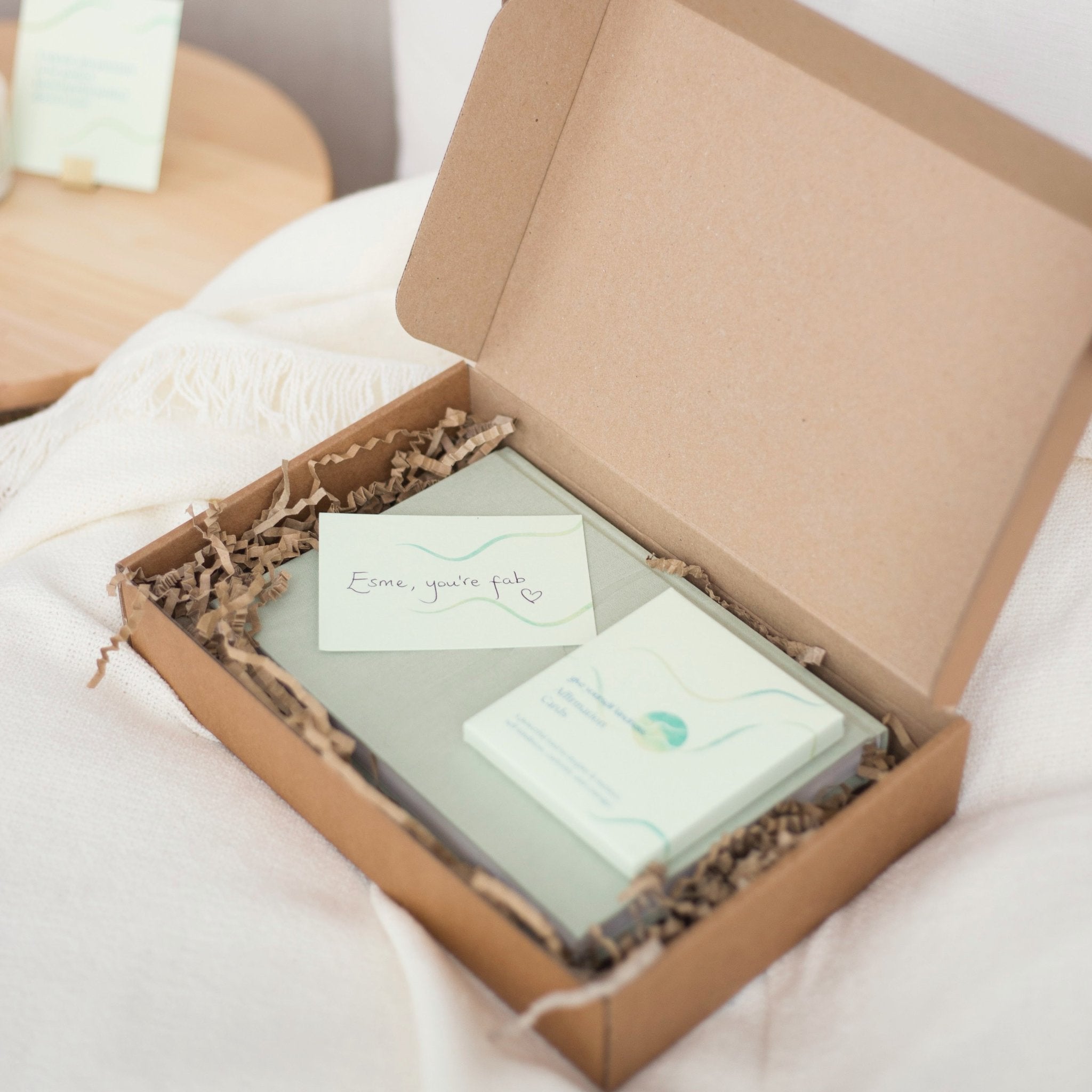
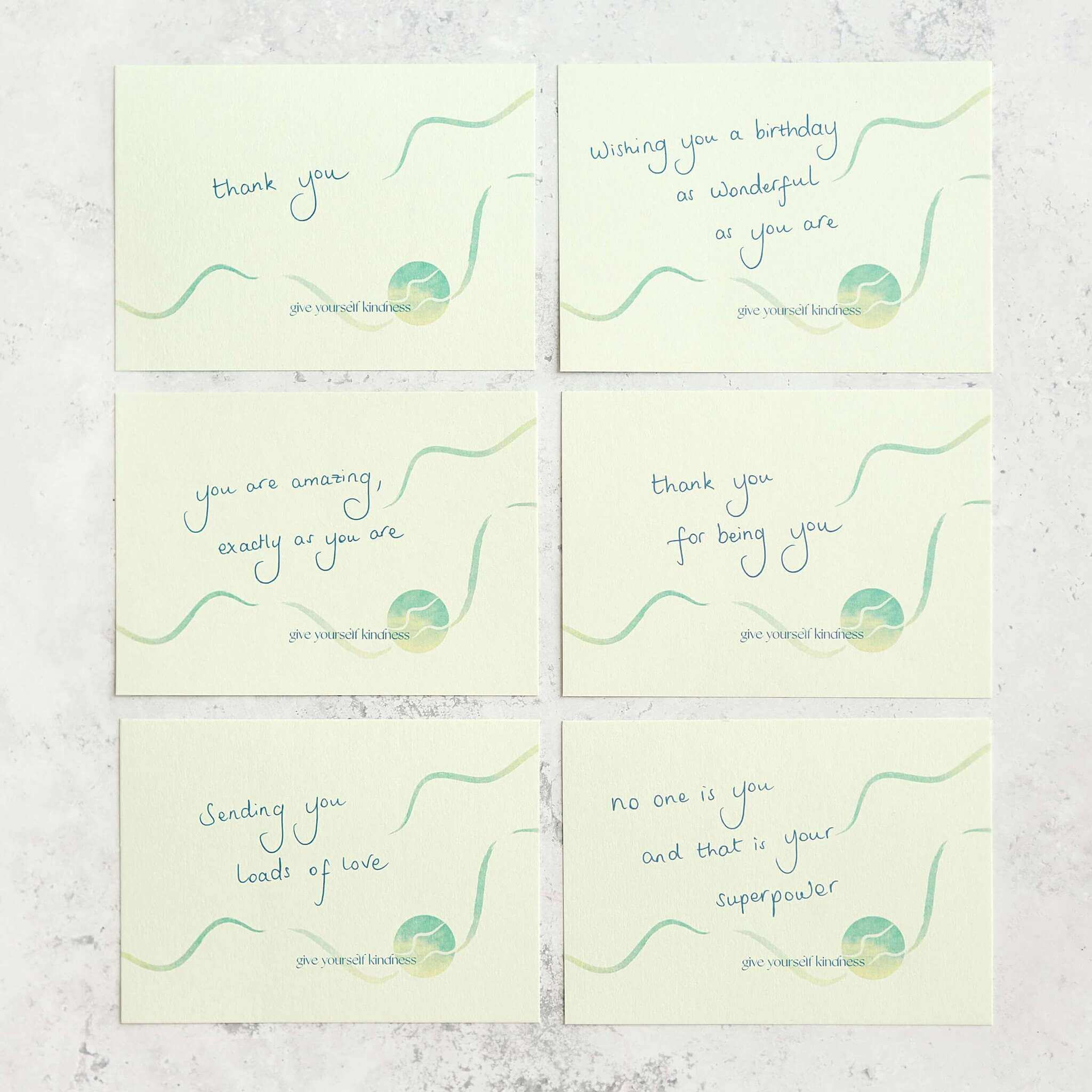
- Free handwritten gift note, just add your message at checkout

- 60 unique affirmations across 3 sets, grounded in self-compassion research
- Recommended by licensed therapists, used in real clinical practice
- Premium 270gsm cards, printed in the UK, plastic-free packaging
- Free handwritten gift note, just add your message at checkout
What makes affirmation cards effective
Self-compassion affirmations that acknowledge struggle and give permission to be imperfect. Research shows self-compassion reduces anxiety and depression more effectively than self-esteem. Instead of trying to convince yourself you're perfect, self-compassion acknowledges that struggle is part of being human, and you deserve kindness through it.
Notice the difference in the examples earlier on this page? These don't require you to believe you're perfect. They acknowledge difficulty and remind you that imperfection is human.
How to use your affirmation cards
These are designed to be used as daily affirmation cards, the repetition is what builds the new neural pathway, not any single reading. Here's the simplest way to build that into a routine that actually sticks.
Shuffle and pull randomly, or choose one that speaks to you.
Desk, mirror, bedside table. A stand or frame helps it stay visible.
No pressure to say it out loud. Gentle exposure is what builds the habit.
Therapist tip: affirmations work best paired with a small real action. Dr Michelle Chung, Clinical Psychologist, notes that pairing a card with one small step, not just reading the words, is what actually shifts your mindset over time.
Read Dr Chung's full advice →Most people notice a shift in their self-talk after 3 to 4 weeks of daily use. The first week or two can feel a little unfamiliar, and that's completely normal.
Read the complete guide on how to use affirmation cards →
Frequently asked questions
Do affirmation cards really work, or are they just wishful thinking?
Affirmation cards work through neuroplasticity, your brain's ability to form new neural pathways. Research shows that repeated exposure to compassionate thoughts strengthens those neural pathways. However, the type of affirmation matters. Generic positive affirmations ("I'm amazing!") can backfire for people with low self-esteem, while self-compassion affirmations that acknowledge struggle are more effective.
How often should I use these daily affirmation cards?
Daily is ideal for building the new neural pathway, but consistency matters more than perfection. Most people notice subtle shifts in their self-talk after 3-4 weeks of daily use, the first 1-2 weeks often feel uncomfortable or "fake," which is normal as your brain encounters unfamiliar kindness.
What's the difference between positive affirmations and self-compassion affirmations?
Positive affirmations demand you believe you're perfect ("I am confident!"). For people struggling, this creates a gap between what you're supposed to feel and what you actually feel. Self-compassion affirmations acknowledge that struggle is normal and you deserve kindness through it, which is why they feel believable even on hard days.
Can I just make my own affirmation cards?
Yes, but most people struggle to create effective affirmations without guidance. Clinical psychologists emphasize that affirmations need to be credible, realistic, and accommodate difficulty. Pre-made cards designed with psychologist input ensure you're using affirmations that actually work, not ones that might backfire.
What if affirmation cards make me feel worse?
That usually means the affirmation is too positive or unrealistic for where you are right now. If "I am confident" makes you feel worse, try "I'm learning to trust myself" instead. Self-compassion affirmations are designed to close that gap instead of widening it.
Are these cards suitable for therapy or clinical use?
Yes. Licensed therapists including Margaret Davis, MS LPC, Collette Jones, LCSW, and Kerry Munro, BSc HCPC, recommend and use these cards with their own clients for between-session support, and they're grounded in Compassion-Focused Therapy principles throughout.
What makes Give Yourself Kindness cards different from other affirmation cards?
Most affirmation cards use generic positive thinking ("You're amazing!"). The Give Yourself Kindness cards were designed with clinical psychologist input specifically to use self-compassion principles, acknowledging struggle, giving permission to be imperfect, and treating yourself with the same kindness you'd give a friend.
Why I created these cards
I'm Rachel Smith, founder of Give Yourself Kindness. I created these cards after my own experience with harsh self-talk and recovery through Compassion-Focused Therapy. Every card I tried felt forced or generic, so I built the set I actually needed, grounded in research rather than positivity for its own sake.
Licensed therapists now use these cards with clients working on self-criticism, anxiety, and self-compassion.
Ready to feel the difference?
60 self-compassion affirmations. Recommended by therapists. From £13.95.
Shop the Affirmation Cards →Related resources

“I instantly feel a sense of groundedness and calm”
Affirmations can be so helpful along our healing journey. And these affirmations are truly so beautiful and powerful! When I read them, I instantly feel a sense of groundedness and calm. They are wonderful reminders for when I need to slow down and reconnect with myself. I also love that they are centered around having more compassion and kindness for ourselves. I will definitely be utilizing these with my clients, as well as practicing them myself. Thank you so much Rachel!