





Quick Answer
The best affirmation cards for students acknowledge that learning involves mistakes and give permission to be imperfect. They remind students their worth isn't tied to grades and that struggling is normal, not failure.
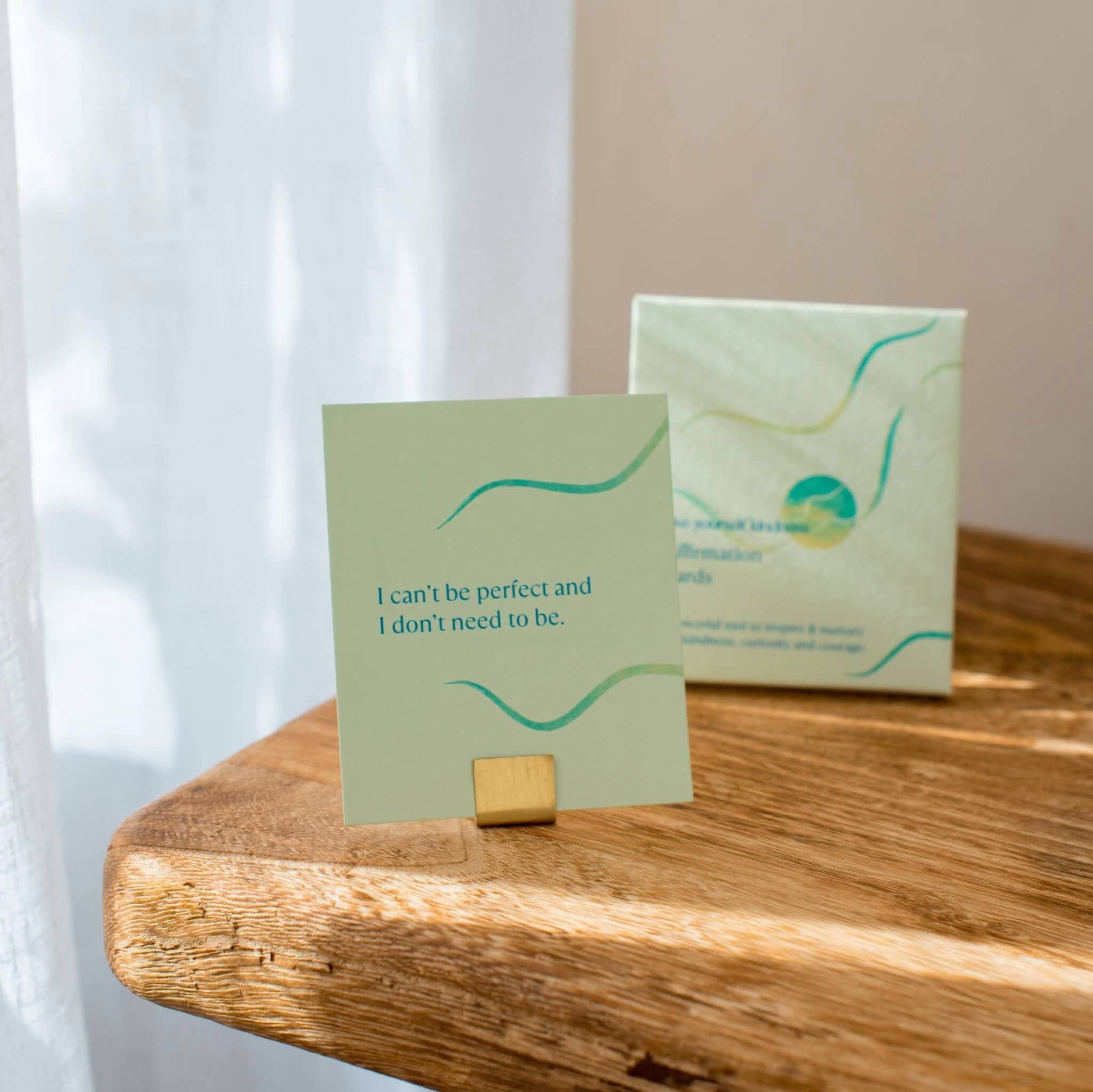
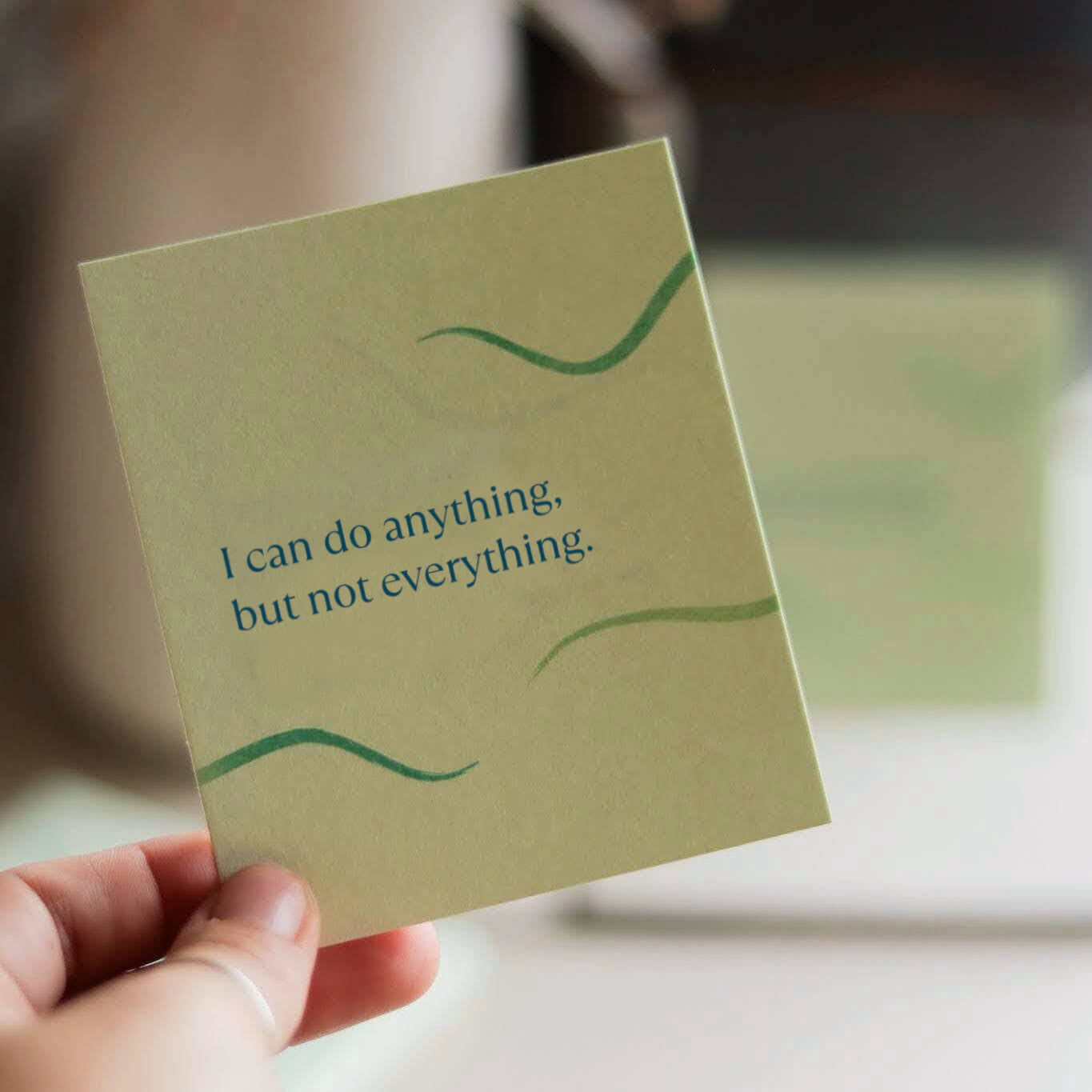
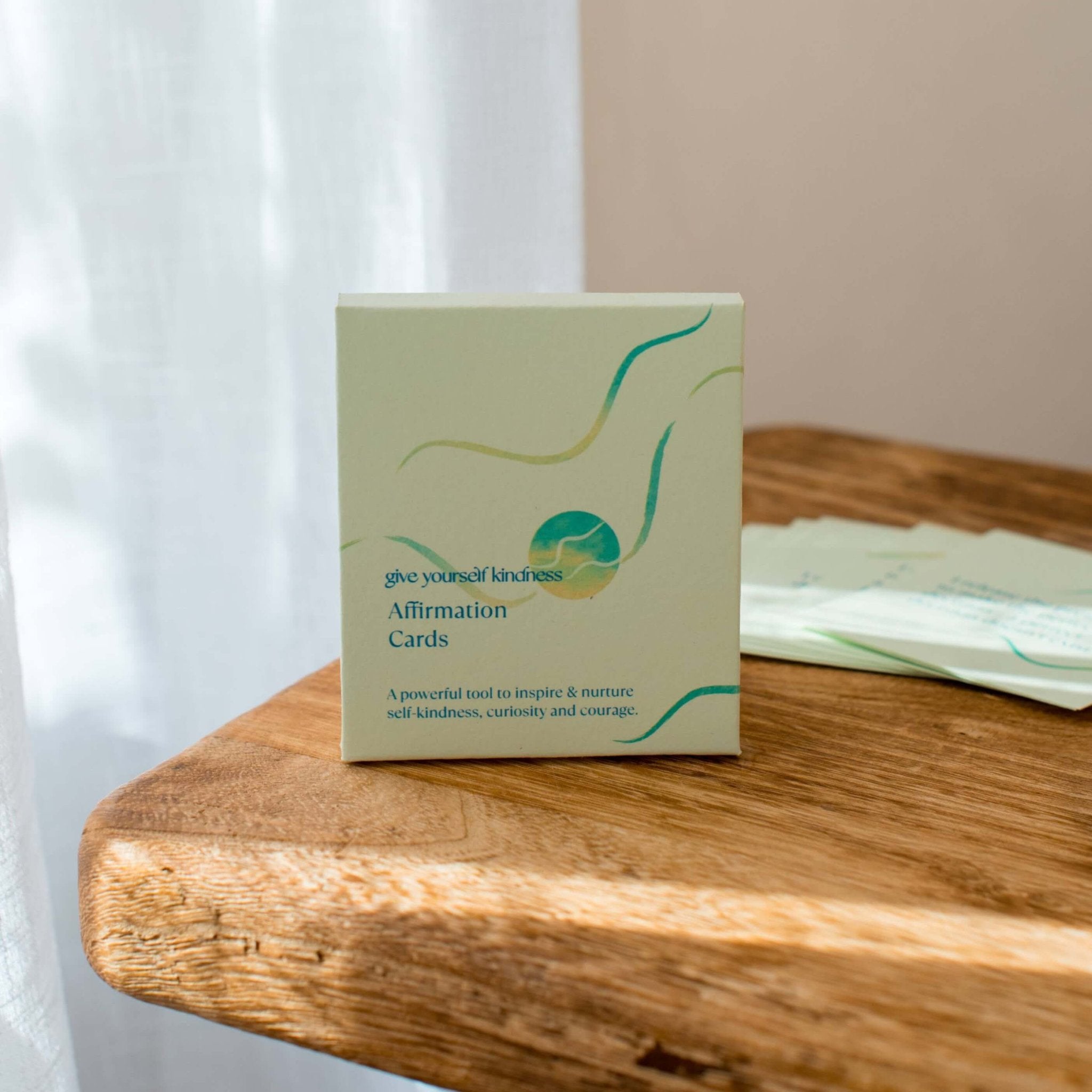
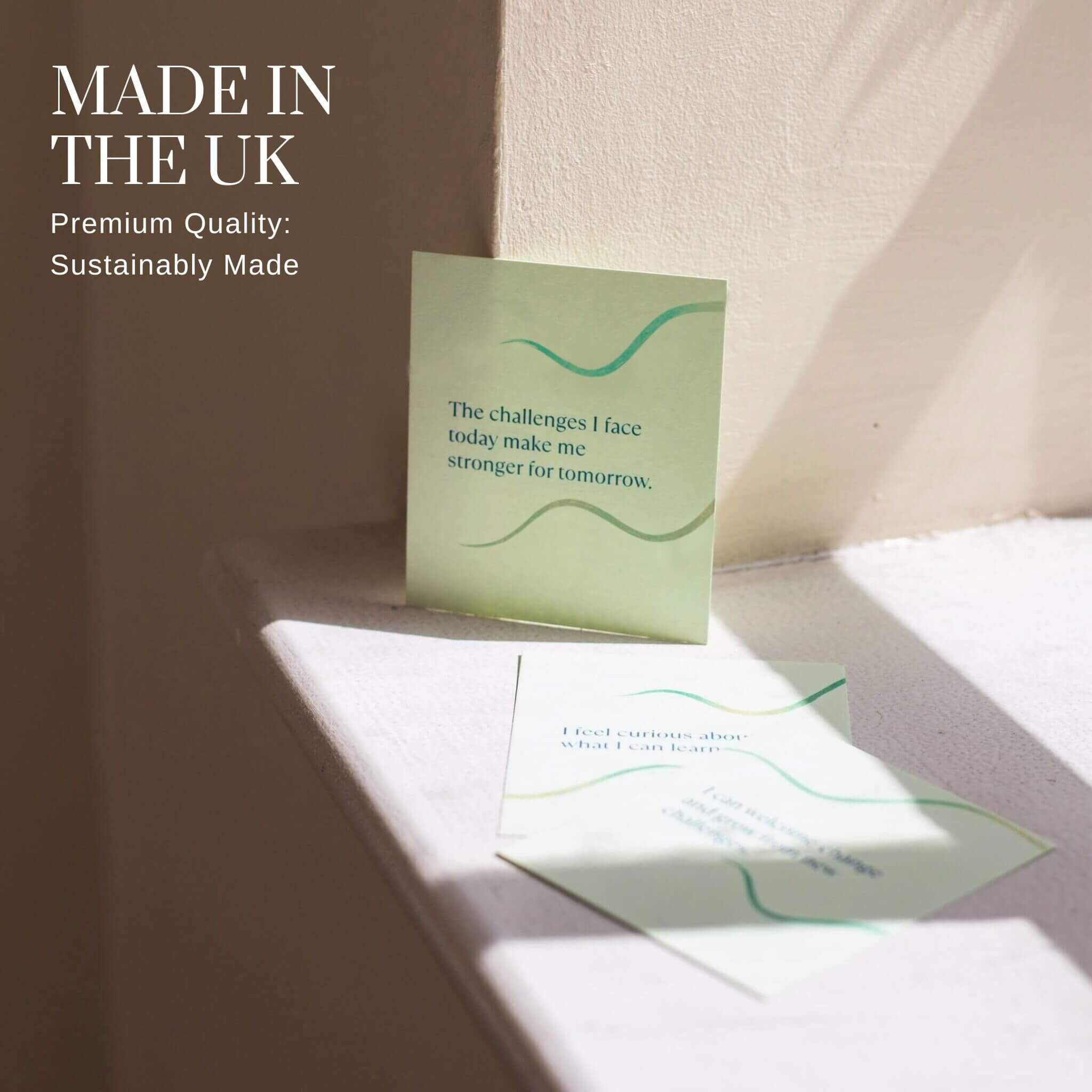
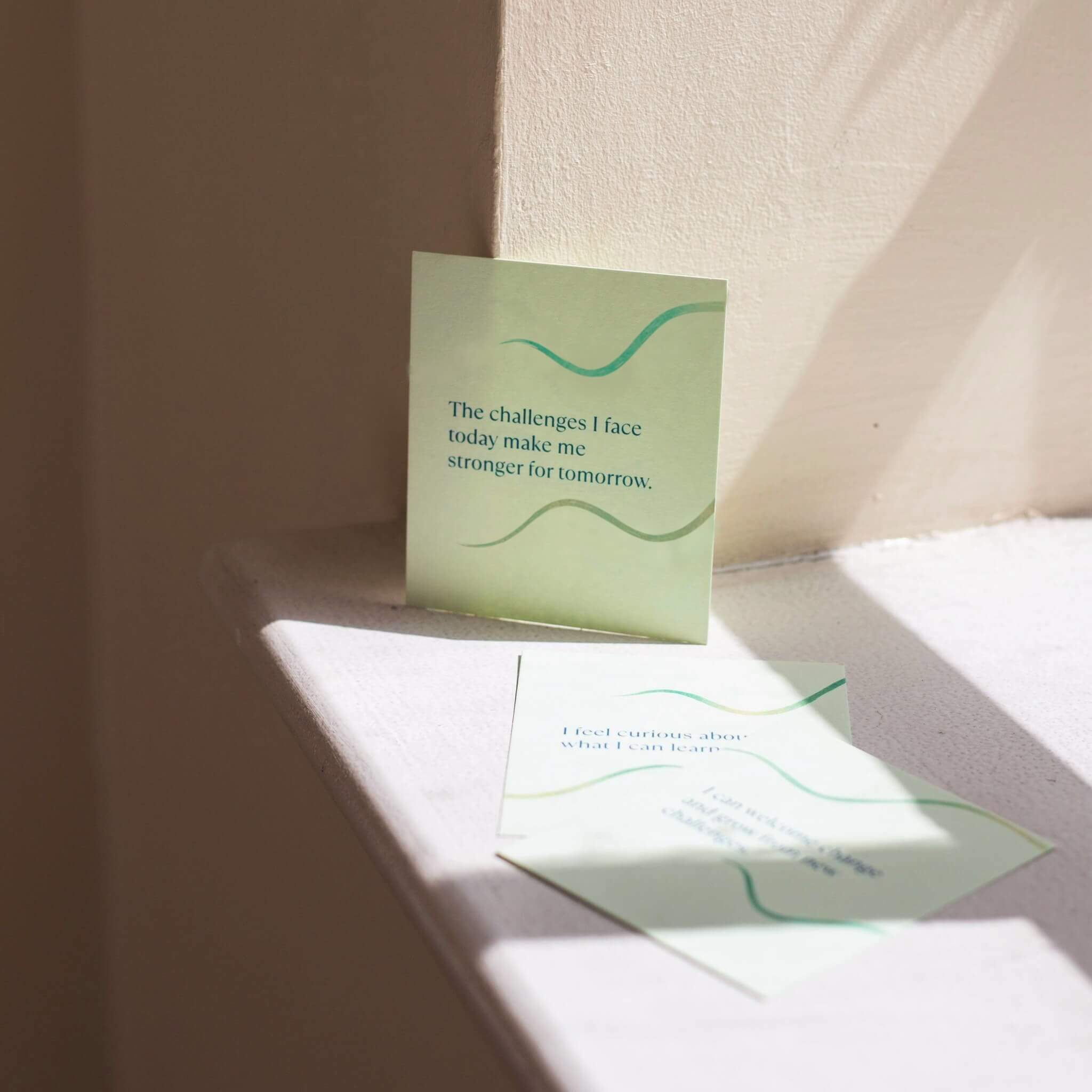
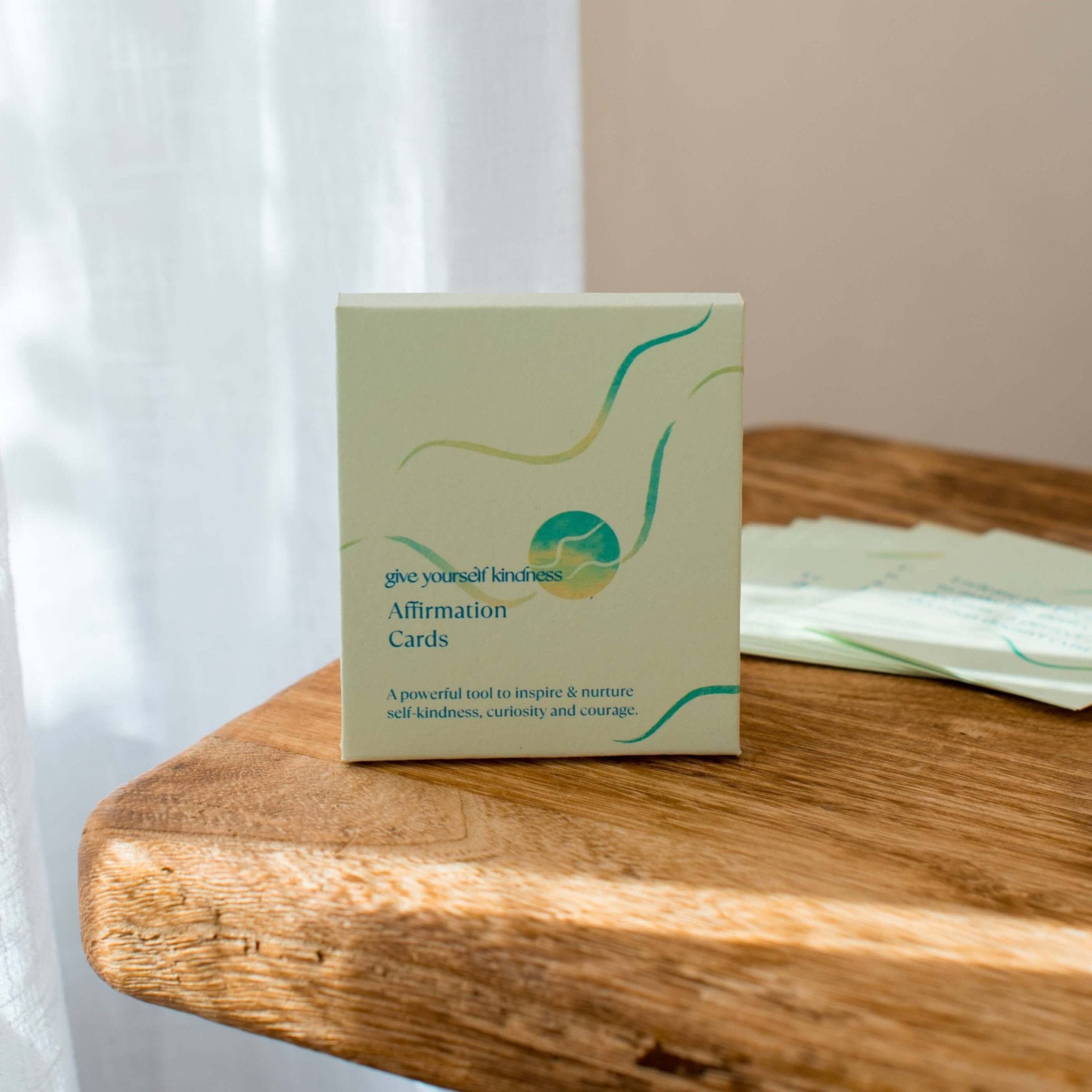
Top recommendation: Give Yourself Kindness Student Affirmation Cards — 20 affirmations specifically designed for academic pressure, exam stress, and student perfectionism. Instead of "You can do anything!" they say things like "I can do things I cannot do yet" and "I can make mistakes and recognise that they help me grow." Recommended by parents supporting students through exams and life transitions.
View Student Affirmation Cards →On This Page:
Why Students Need Different Affirmations Than Generic Motivation
Most affirmation cards for students focus on achievement: "You're going to ace this!" "You can do anything!" "Believe in yourself!"
But here's what I've learned: I think students dealing with academic stress aren't lacking motivation. They're overwhelmed by pressure and terrified of not being good enough.
And when you're in that state, reading "You can achieve anything!" doesn't help. It adds more pressure. Your brain translates it to: "You SHOULD be achieving more. Why aren't you getting better grades?"

Collette Jones, LCSW
Licensed Therapist | Specializes in teens and adults with perfectionism and high-functioning anxiety
"The excessively high standards that a perfectionist sets for themselves often lead to feelings of shame, burnout, anxiety, and poor self-worth. It can leave us on a never ending hamster wheel of disappointment."
→ Read the full article: Self-Compassion: The Antidote to Perfectionism
Students need something different—affirmations that give permission to struggle, make mistakes, and still be worthy.
What Students Are Dealing With
Student stress isn't just about workload. It's about the belief that your worth depends on your performance.
Here's what it actually looks like:
- "I'm just not smart enough" — One bad grade feels like proof of inadequacy
- Comparison to peers — Everyone else seems to understand it faster
- Fear of asking questions — "That's probably a stupid question"
- Procrastination from perfectionism — Putting off work until you can do it "perfectly"
- All-or-nothing thinking — If you can't get an A, why bother trying
- Exam anxiety — Mind going blank even when you studied
- Decision paralysis — Pressure to make the "right" choice about subjects, courses, future
- Constant self-criticism — "How could I not have known that?" "I should have studied more"
And beneath all of this? The belief that struggling means you're not capable.

Dr. Annabelle Kyle Dortch, PsyD
Clinical Psychologist | Specializes in life transitions, anxiety, and stress
"When we engage in self-criticism, we create a nervous system and brain state that is not conducive to learning or facilitating a growth-oriented mindset."
→ Read more: Why Self-Compassion is More Effective Than Self-Criticism
Translation: The habit of criticising yourself for not understanding something immediately actually makes it harder to learn. It's counterproductive.
Why "You're Smart!" Doesn't Help Academic Stress
Most affirmation cards use achievement-focused language that reinforces the pressure students already feel.
⚠️ Warning: These Affirmations Make Academic Stress Worse
For students experiencing academic pressure, achievement-focused affirmations create more anxiety. They reinforce the belief that worth depends on performance—the exact belief causing the problem.
Affirmations That Don't Help Students:
- "You're so smart!" — Creates pressure to always be smart; makes struggling feel like failure
- "You can ace this test!" — Adds performance pressure when already anxious
- "Believe in yourself!" — Doesn't address the actual fear of failure
- "Never give up!" — Shames them for needing breaks
- "You're going to be successful!" — Ties worth to future success
- "Study hard and you'll succeed!" — More pressure when already overwhelmed
Why these fail: They keep the focus on achievement and being "good enough." They don't give permission to struggle or acknowledge that learning is messy.
What Actually Helps Student Stress and Perfectionism
Research on academic stress shows what actually helps students:
- Permission to be a learner (not pressure to already know everything)
- Acknowledging mistakes are part of learning (not something to avoid)
- Separating worth from grades (you matter regardless of performance)
- Normalizing difficulty (everyone struggles sometimes)
Learning-Focused Affirmations That Help Students:
From the Give Yourself Kindness Student Affirmation Cards:
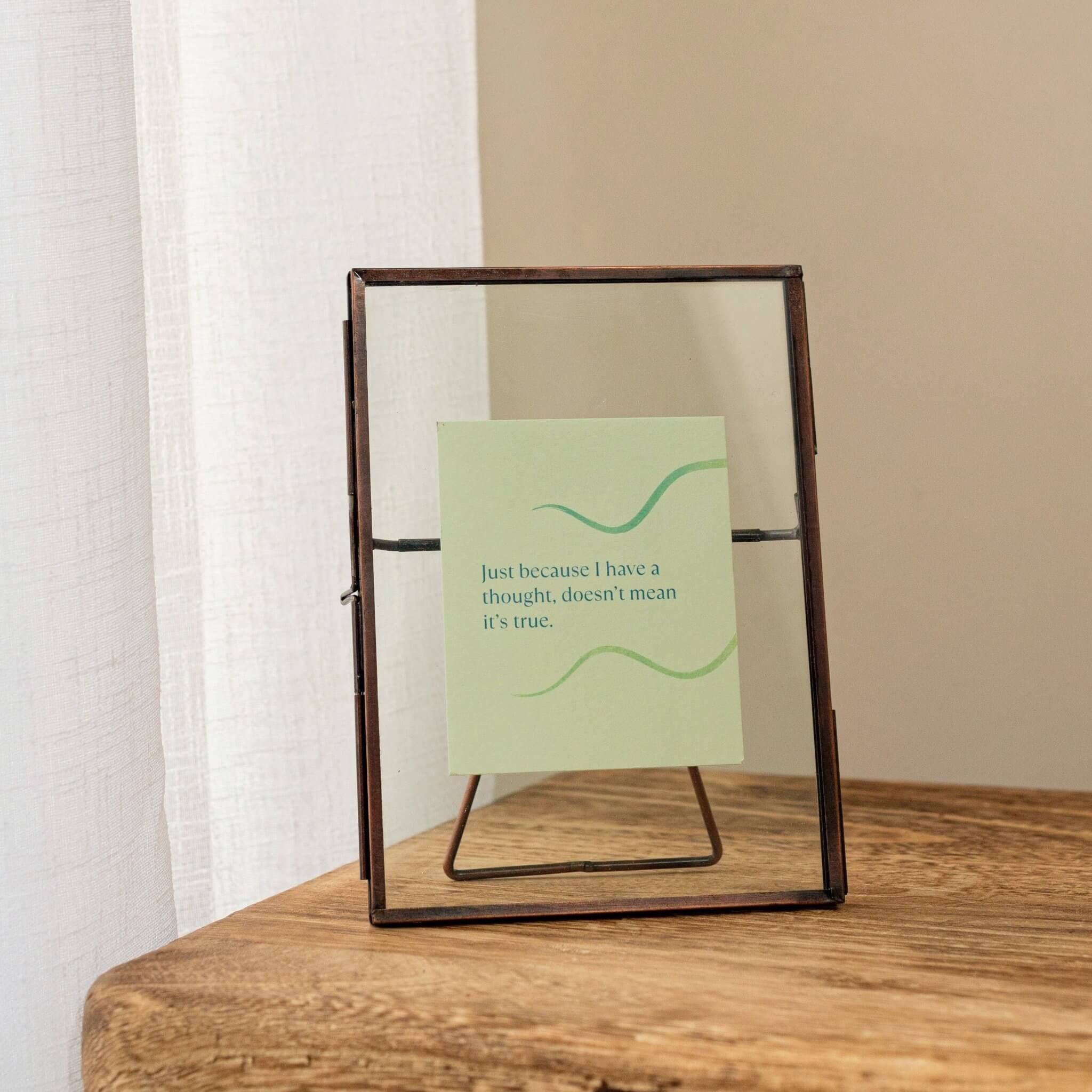
- "I can do things I cannot do yet" — Growth mindset: acknowledges current limits while affirming growth
- "I can make mistakes and recognise that they help me grow" — Mistakes become learning tools
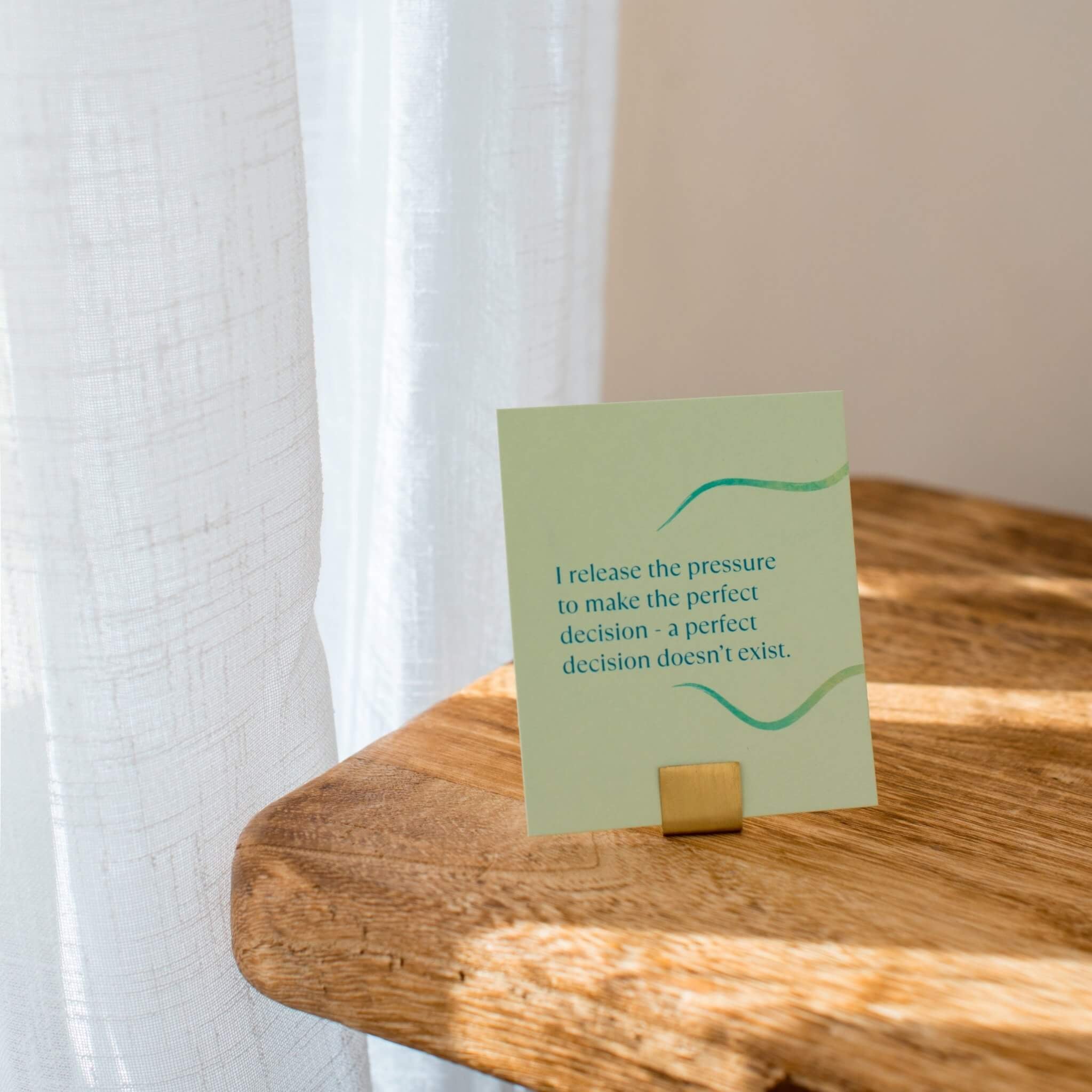
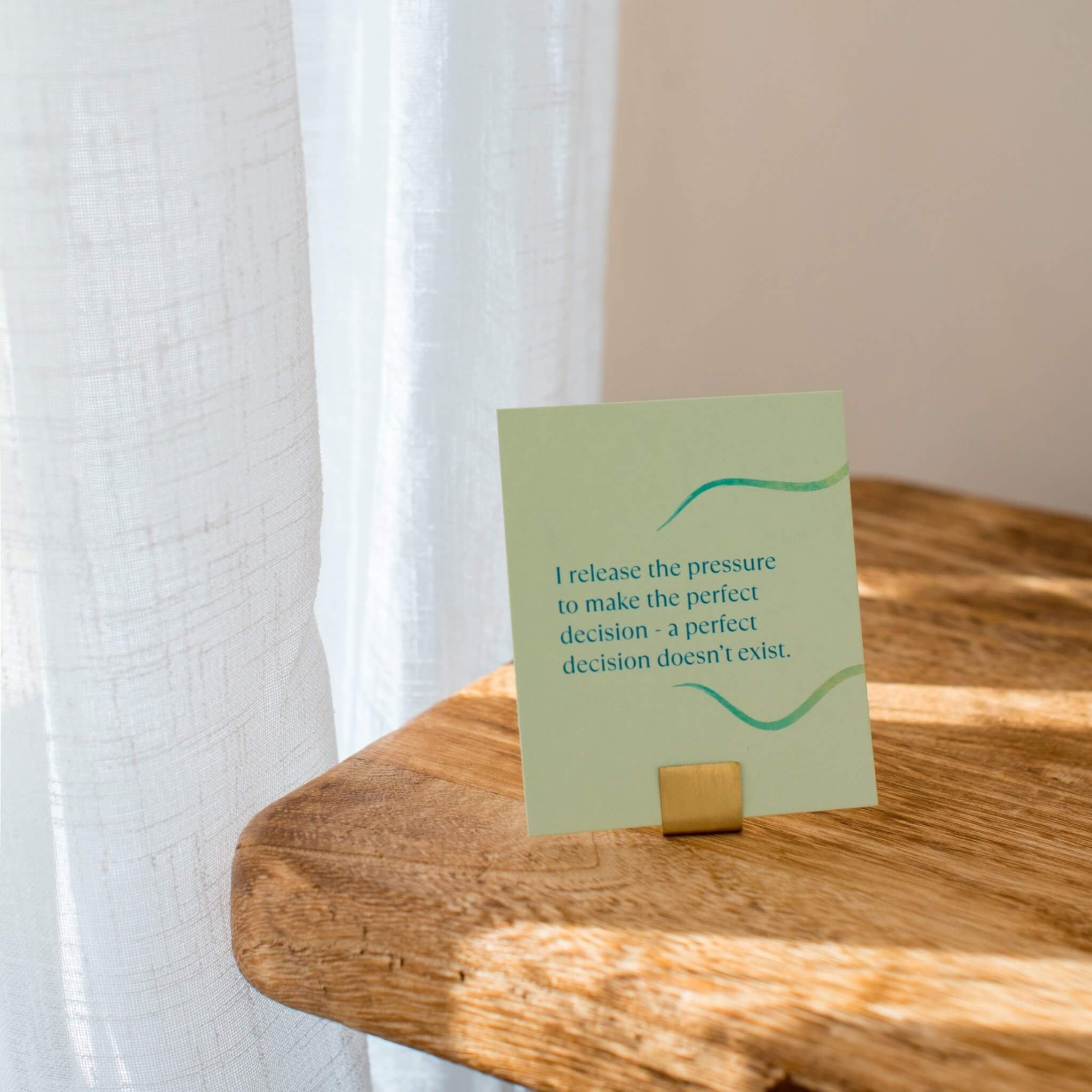
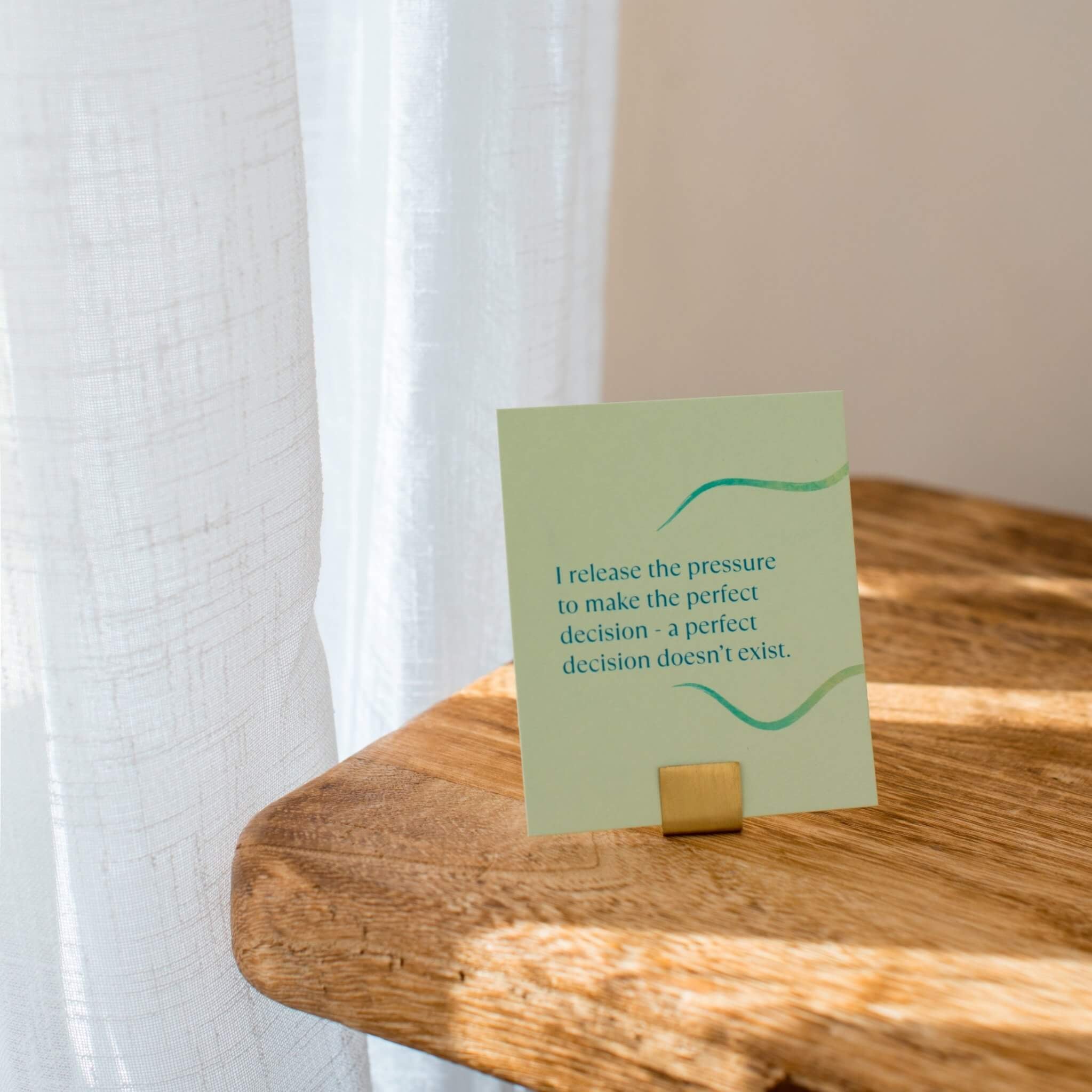
- "I release any pressure to make the perfect decision, knowing that a perfect decision doesn't exist" — Reduces decision paralysis
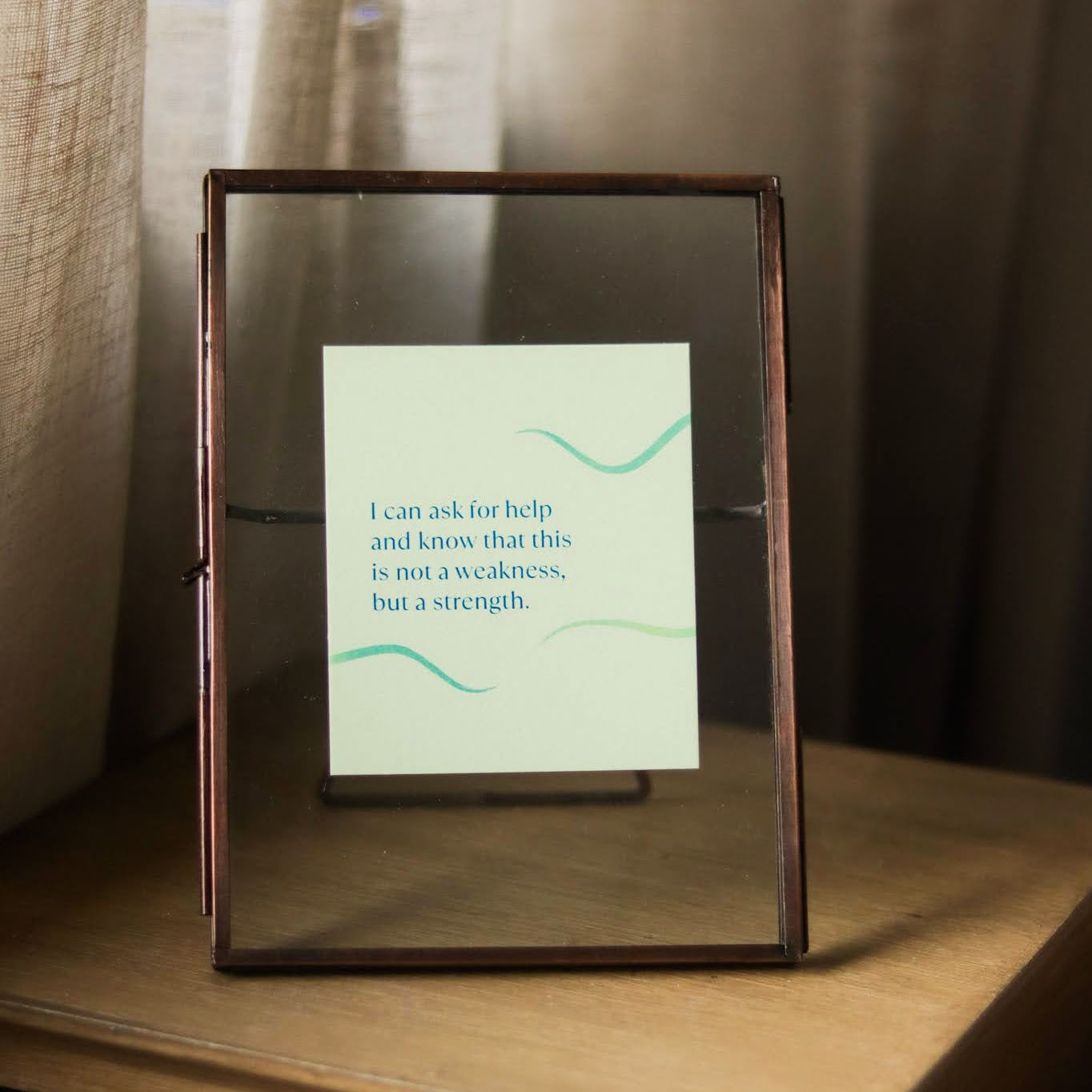
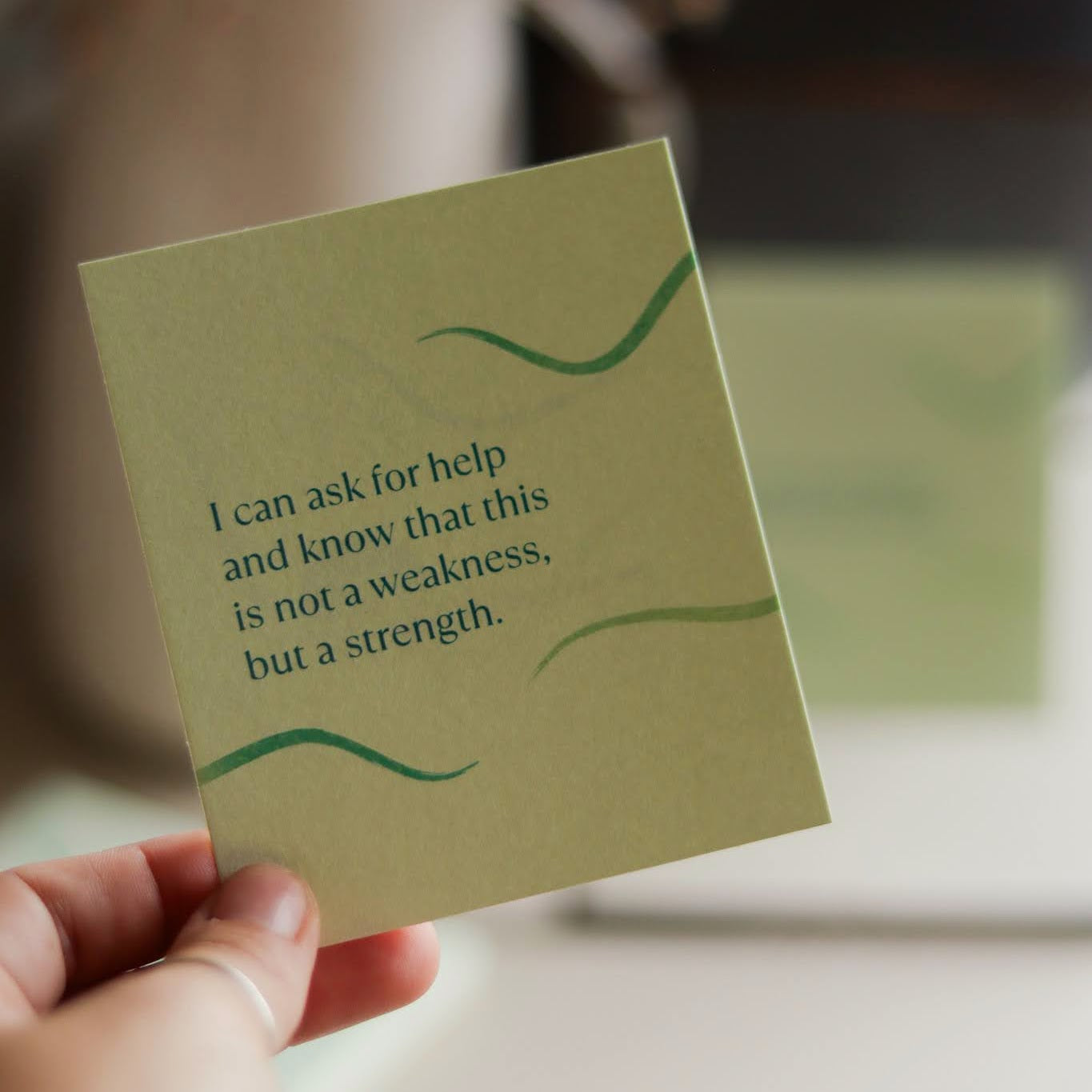
- "I can ask for support and know that this is not a weakness but a strength" — Permission to seek help
- "I can be proud of myself for doing my best, and know that this is always enough" — Effort matters more than outcomes
- "I can honour that my path in life will be different to others and reassure myself that I don't need to compare or compete" — Addresses comparison
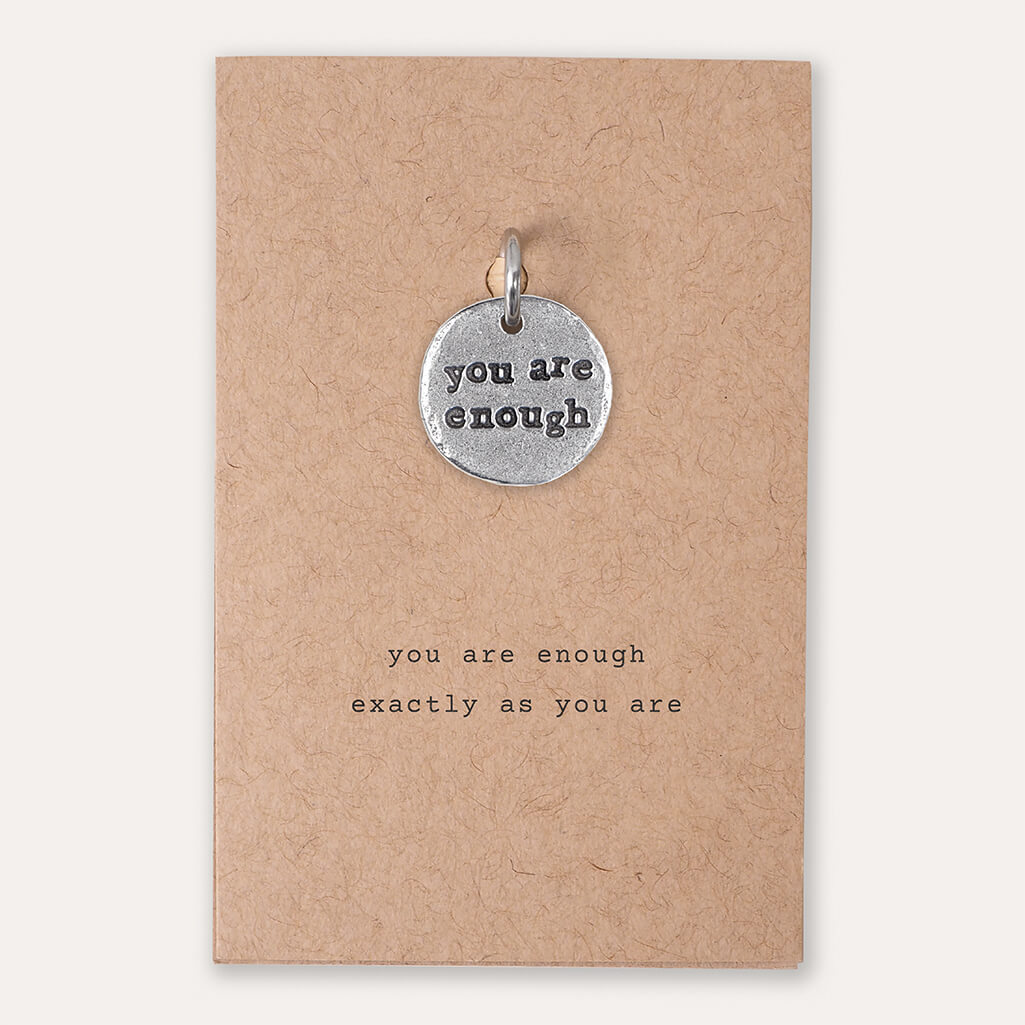
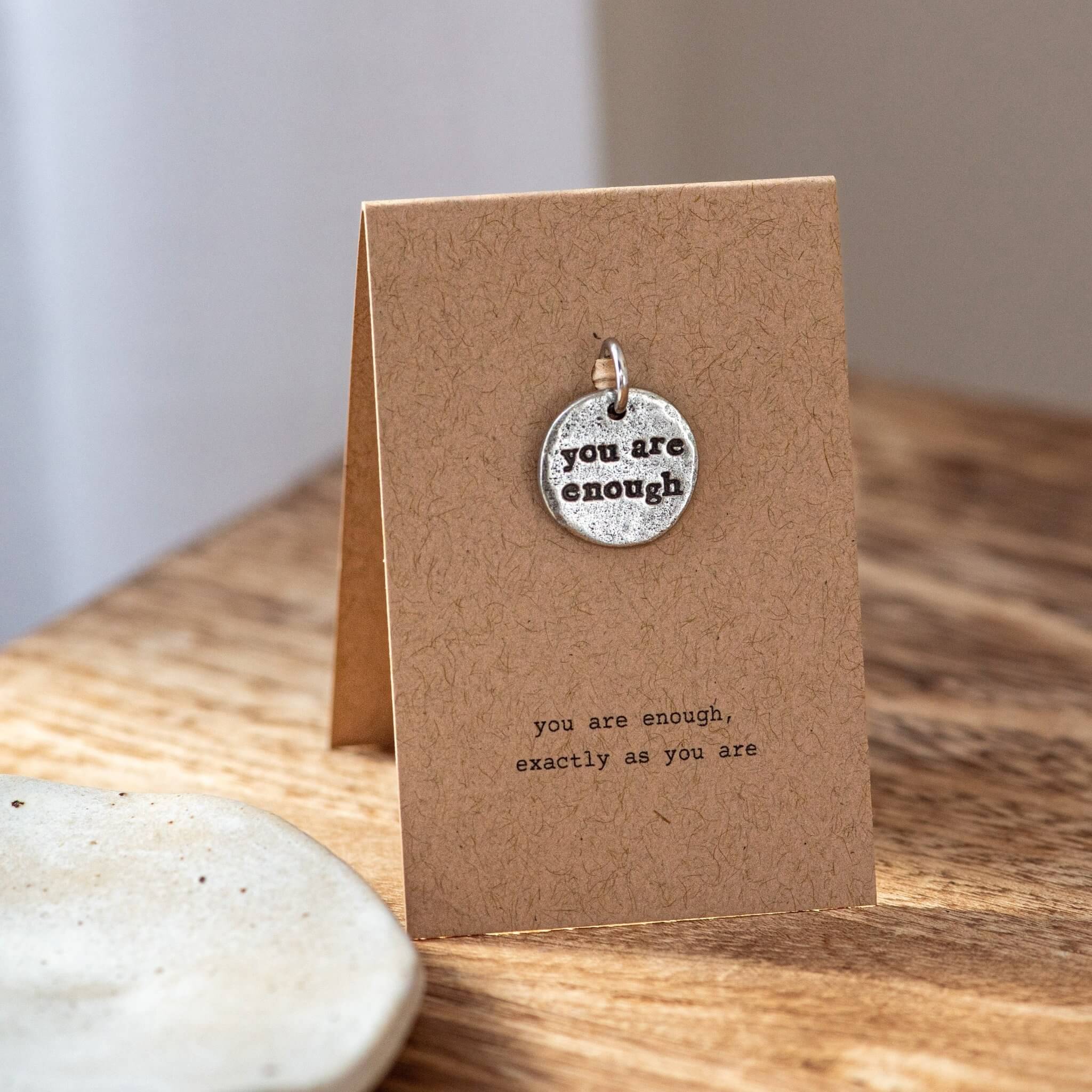
- "I am enough, exactly as I am" — Unconditional worth
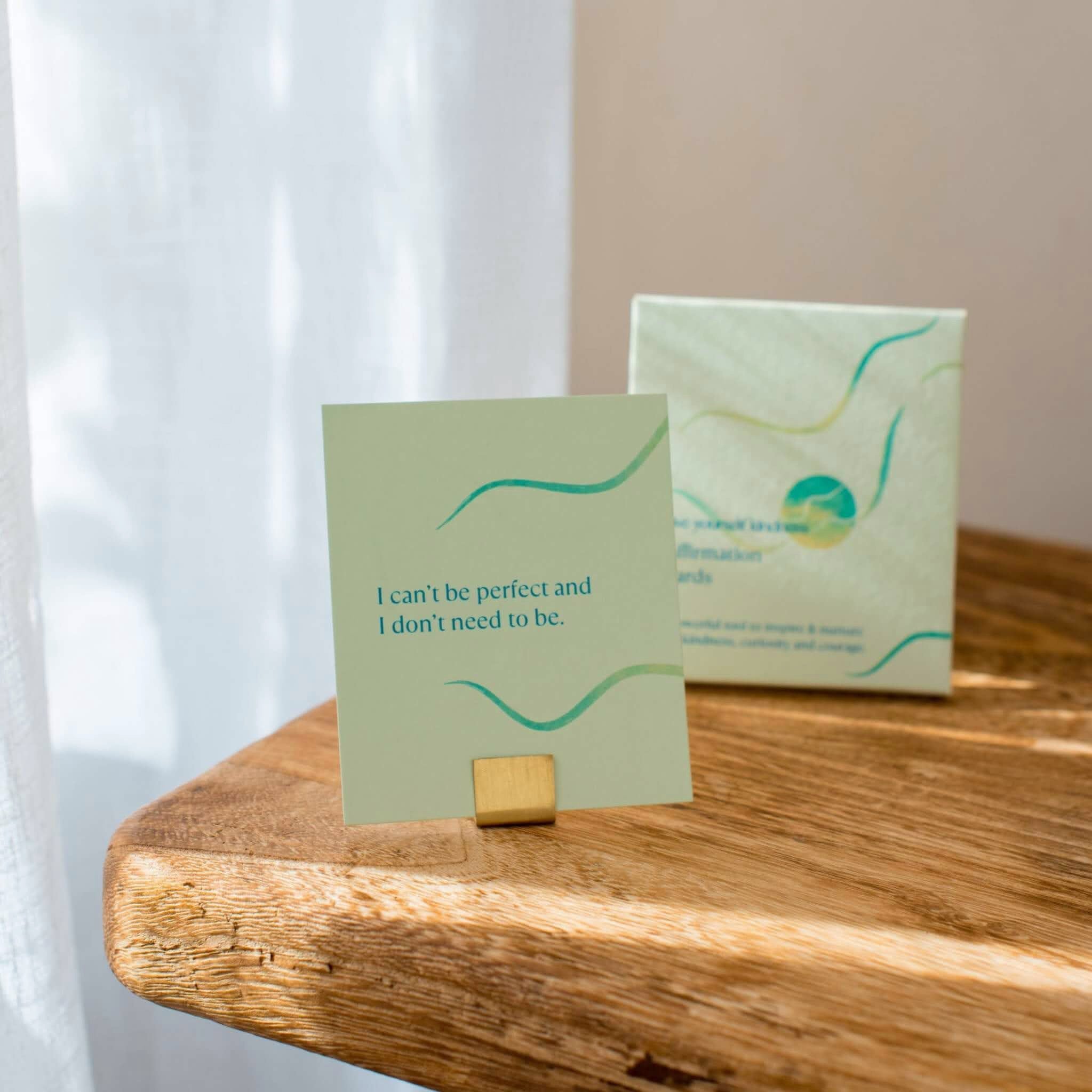
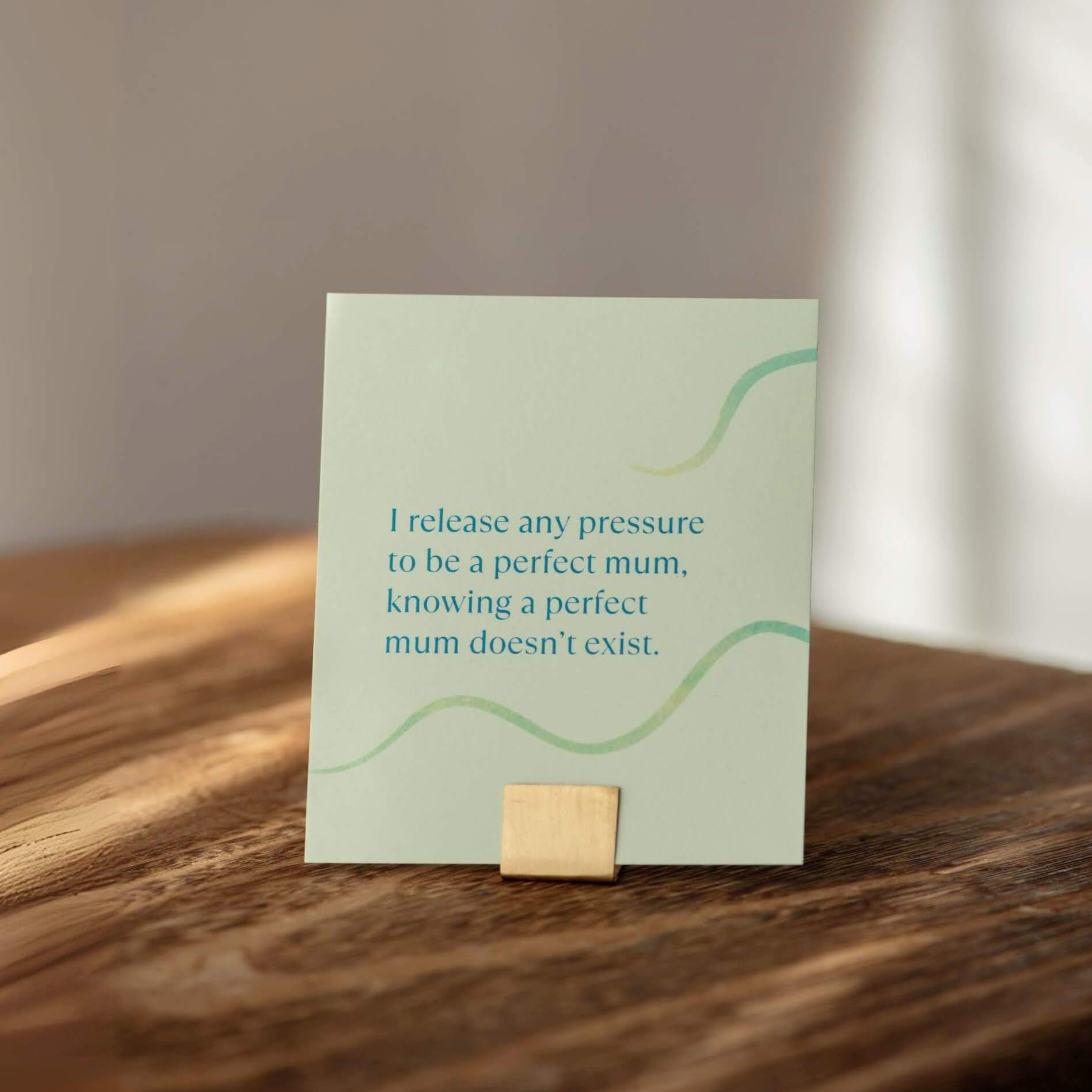
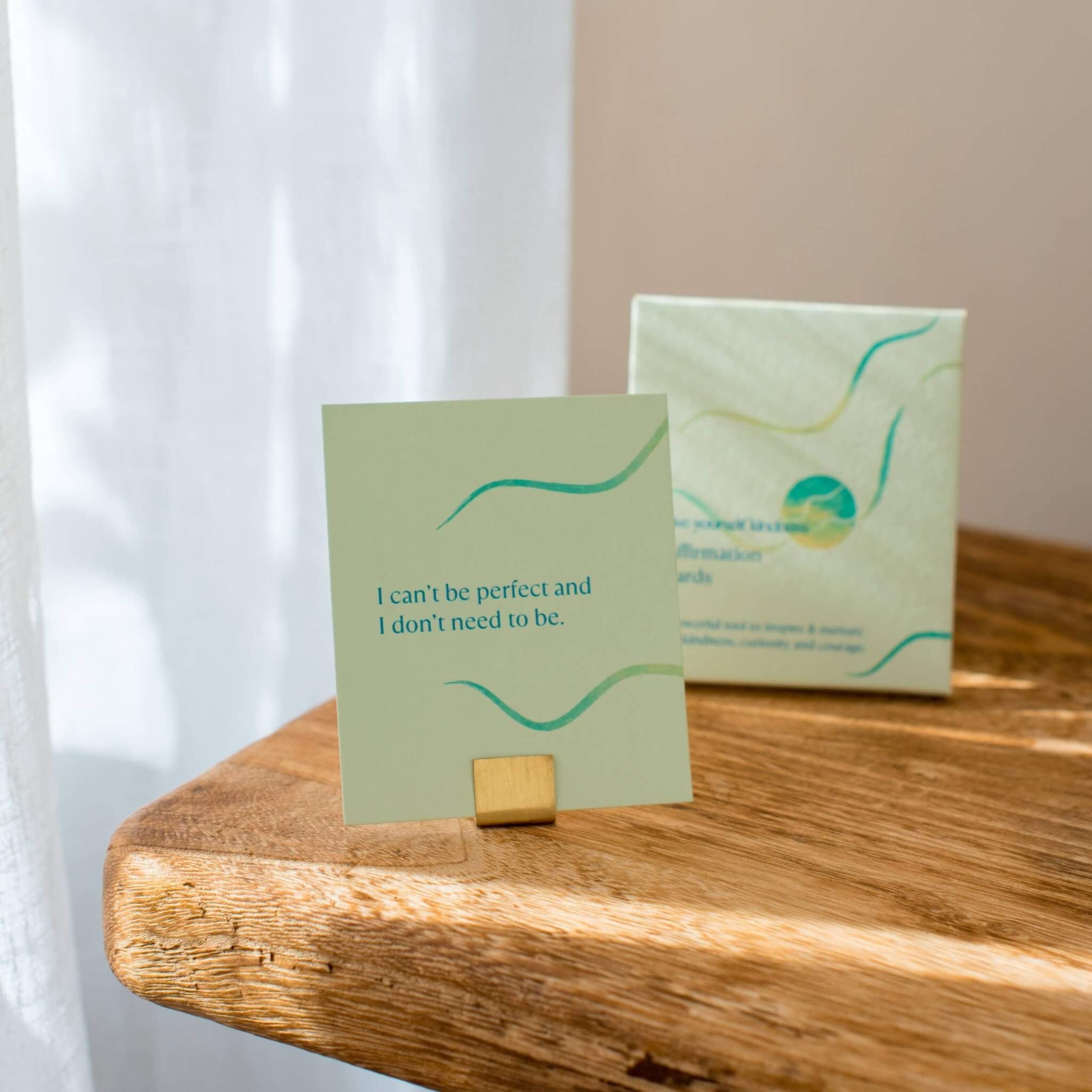
- "I release any pressure to be perfect, knowing that perfect doesn't exist" — Direct challenge to perfectionism
Notice the difference? These don't pressure students to achieve more. They give permission to be in the process of learning.
Comparison: Achievement vs. Learning-Focused Affirmations
| Achievement-Focused | Learning-Focused (Student Cards) | Why Learning-Focused Works Better |
|---|---|---|
| "You're so smart!" | "I can do things I cannot do yet" | Acknowledges current limits while affirming growth potential |
| "Never make mistakes" | "I can make mistakes and recognise that they help me grow" | Mistakes become learning tools, not signs of failure |
| "Get it perfect" | "I release any pressure to make the perfect decision, knowing that a perfect decision doesn't exist" | Reduces paralysis; acknowledges perfect isn't possible |
| "Don't ask for help" | "I can ask for support and know that this is not a weakness but a strength" | Permission to seek support instead of struggling alone |
| "You must succeed" | "I can be proud of myself for doing my best, and know that this is always enough" | Focuses on effort, not just outcomes |
| "Be better than others" | "I can honour that my path in life will be different to others... I don't need to compare or compete" | Removes the pressure of comparison |
The Student Affirmation Cards
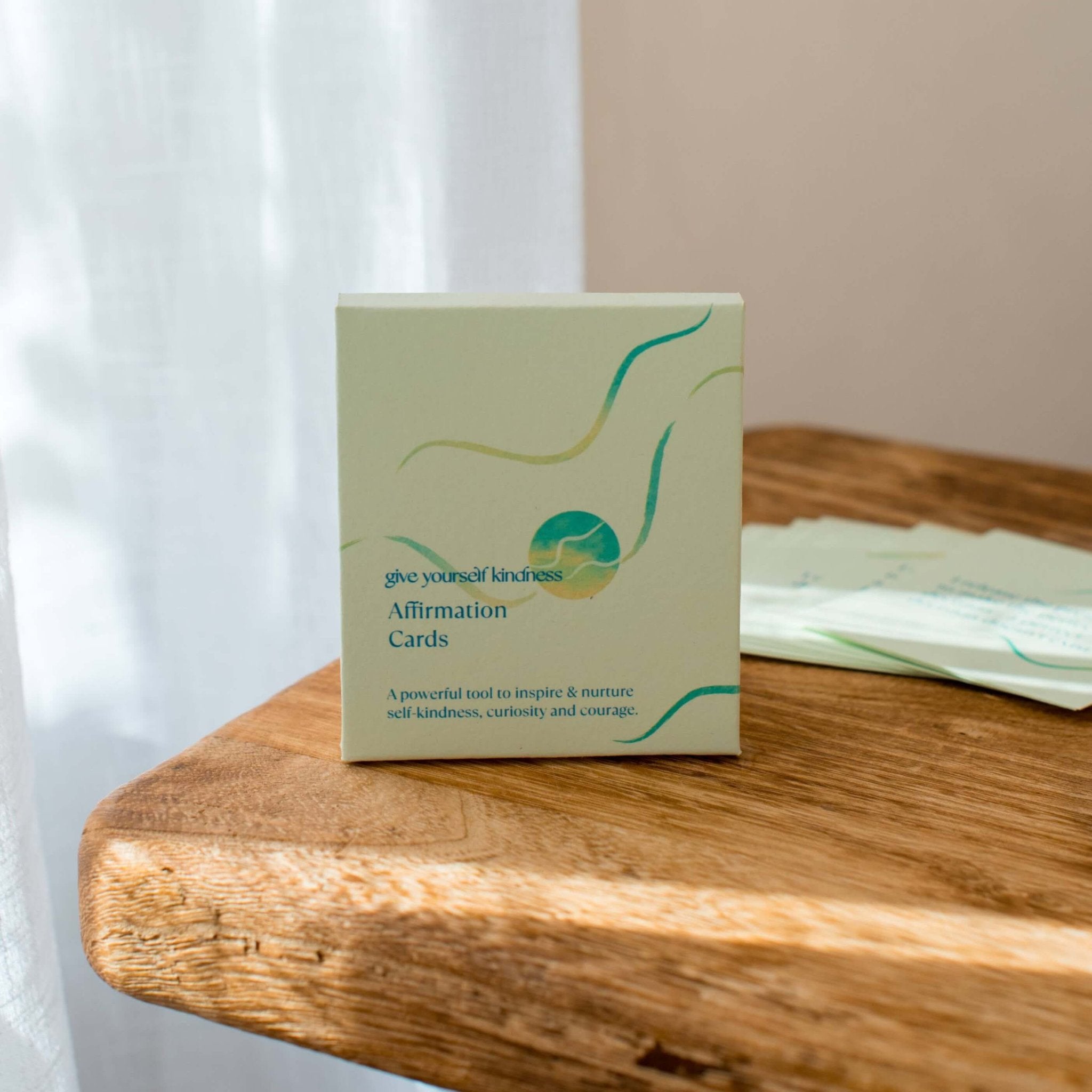
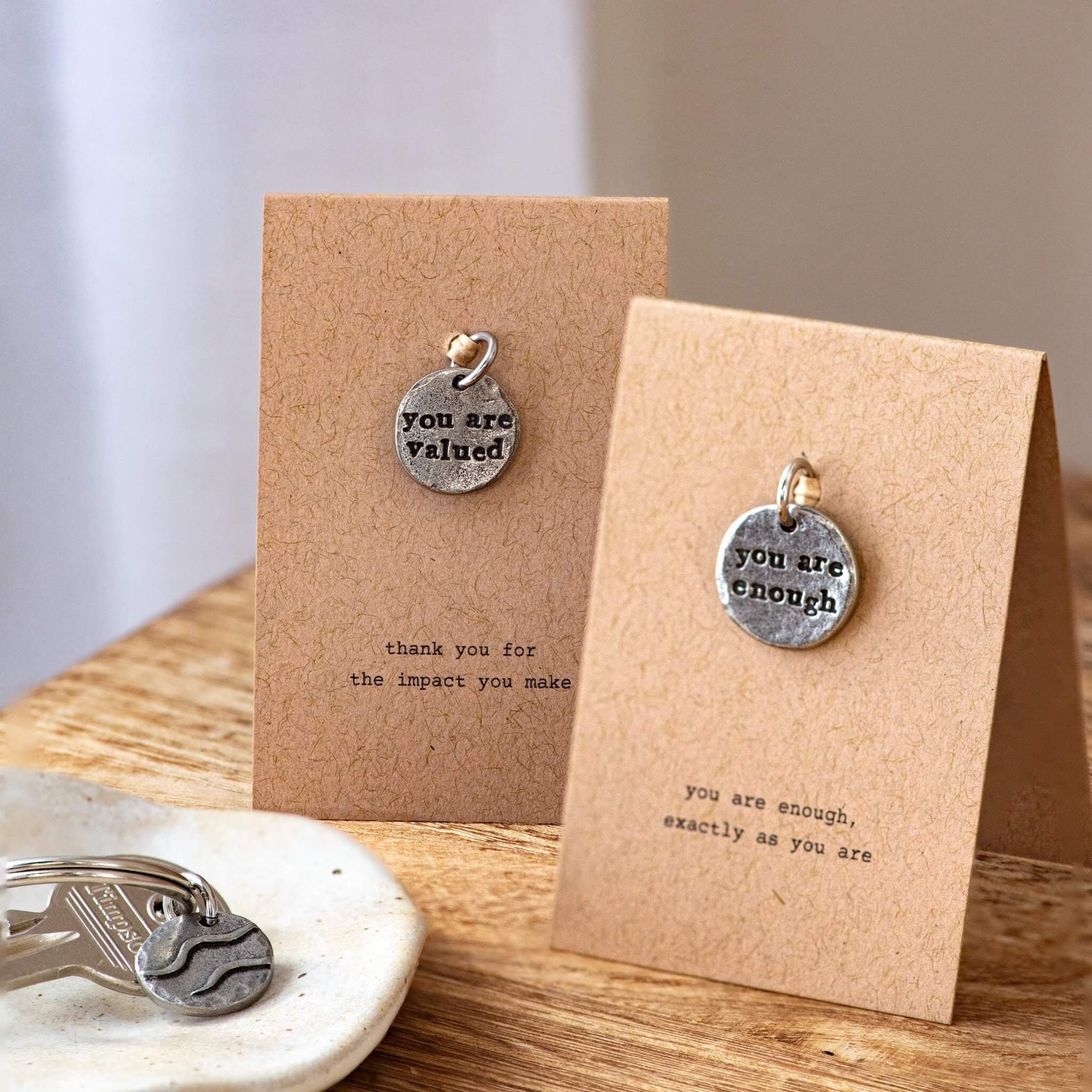
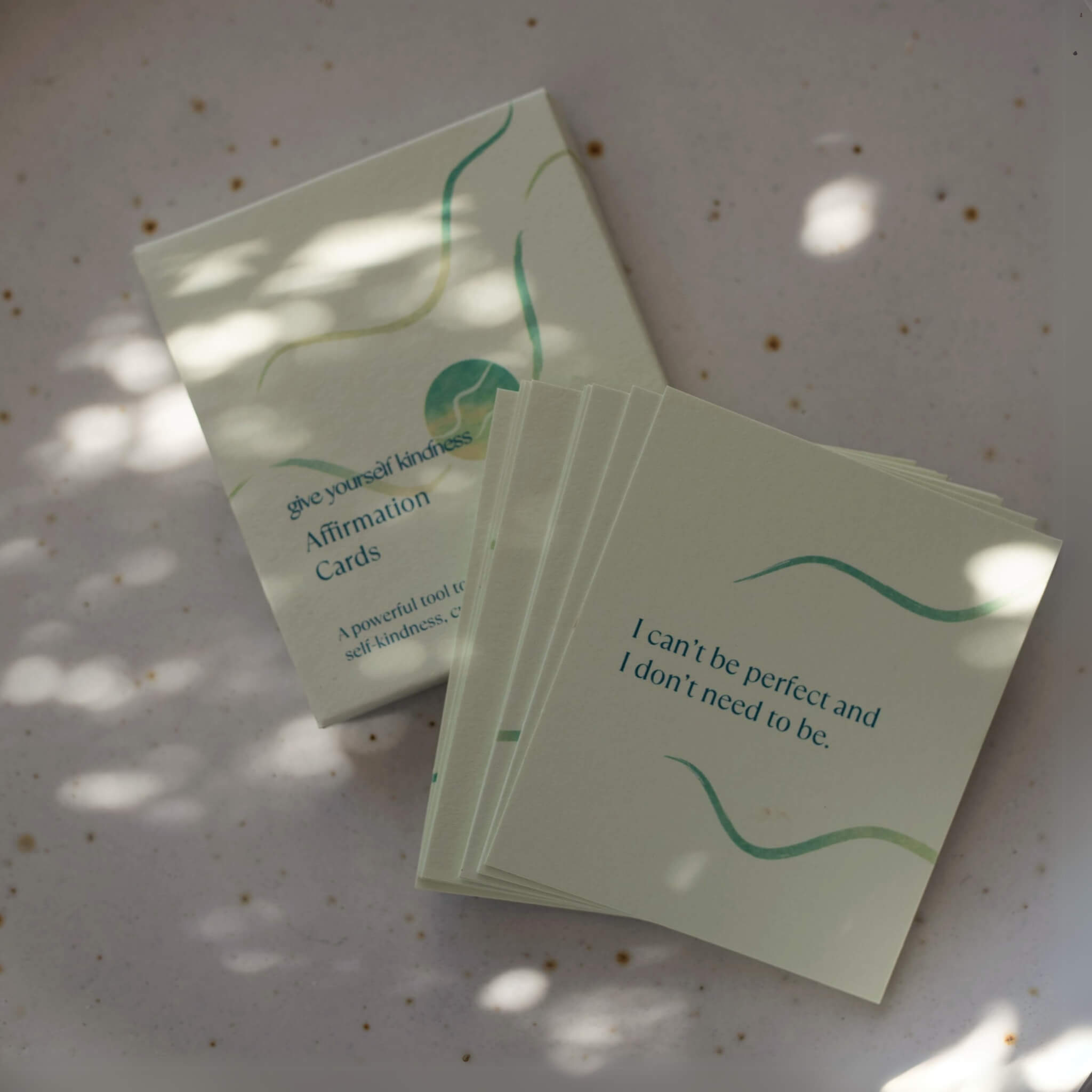
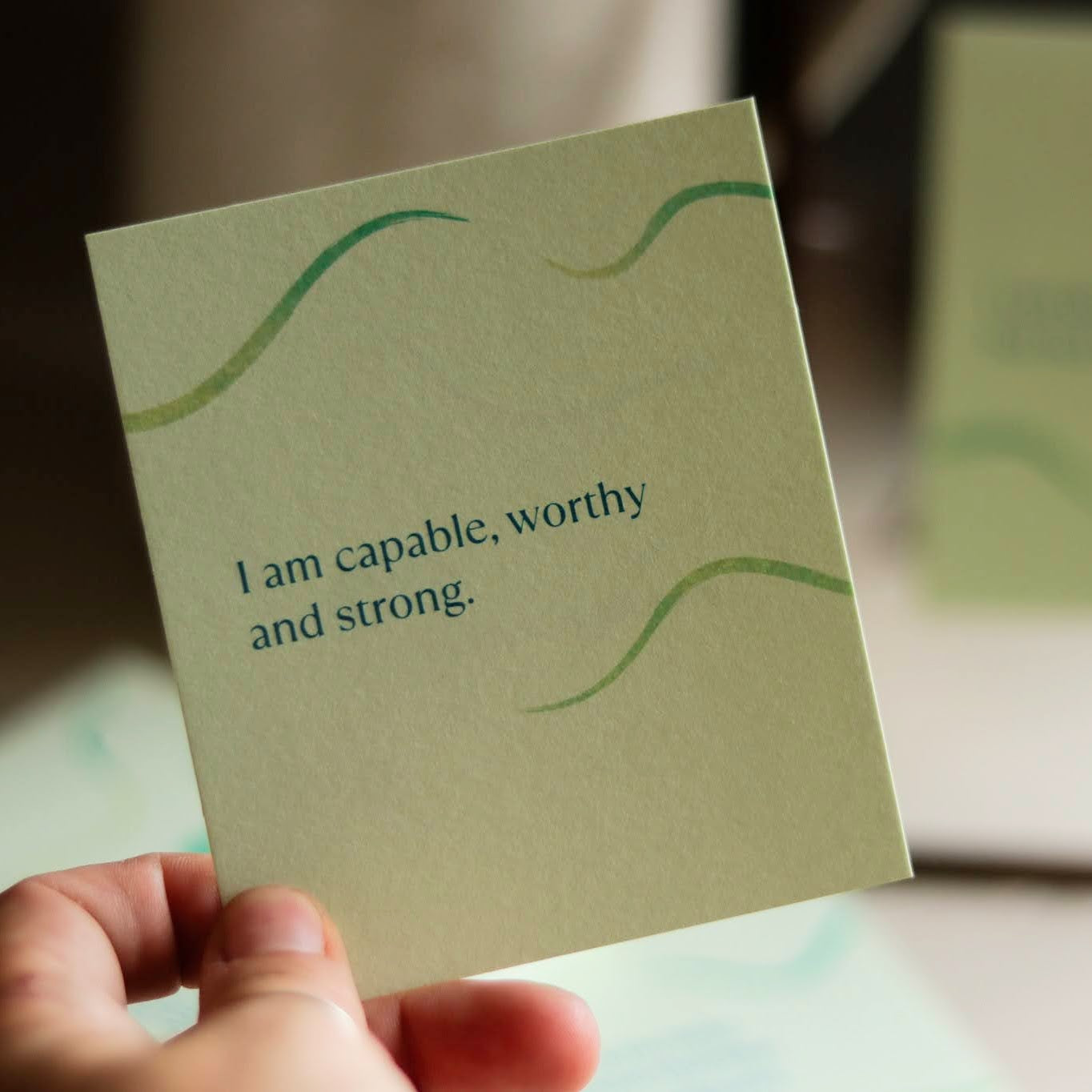
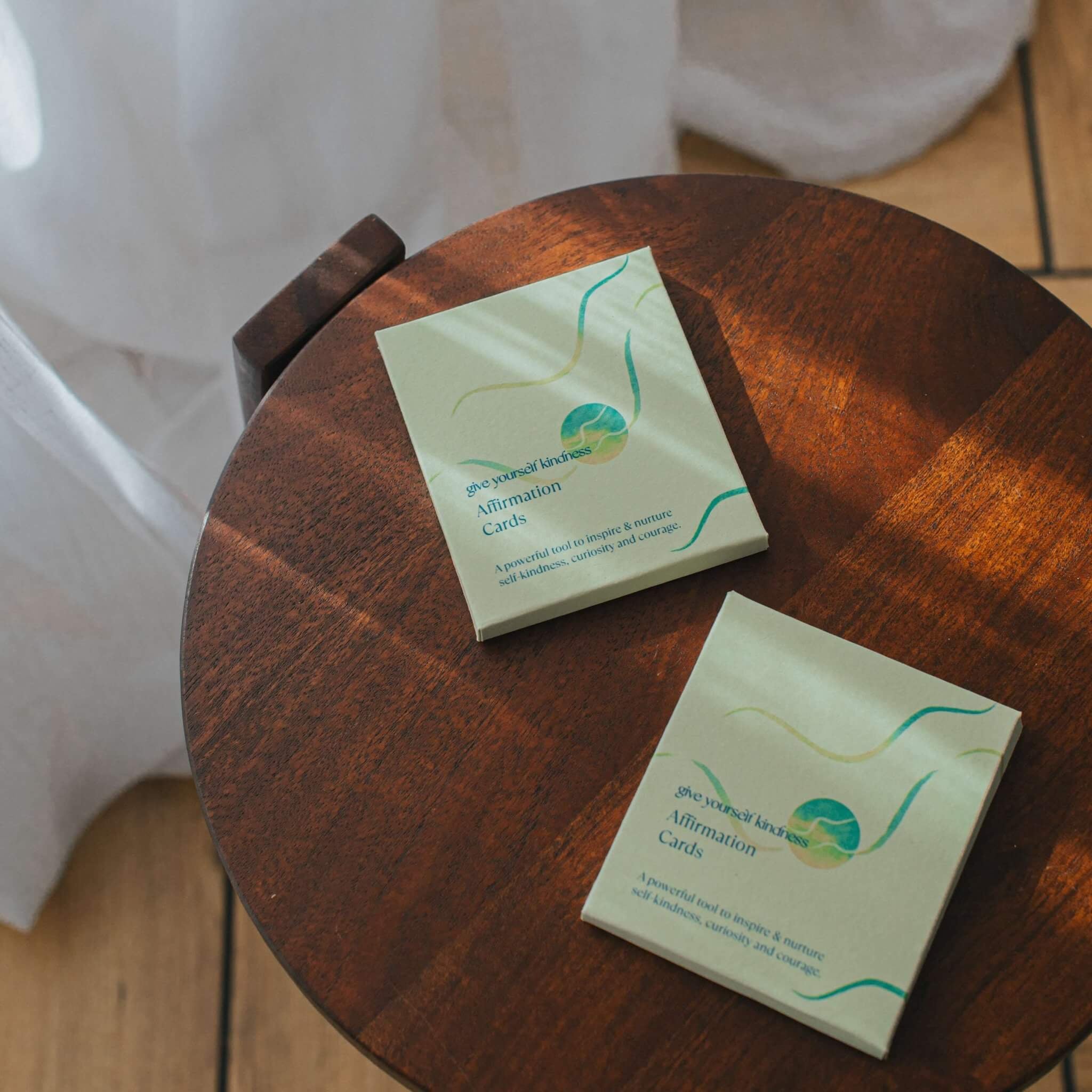
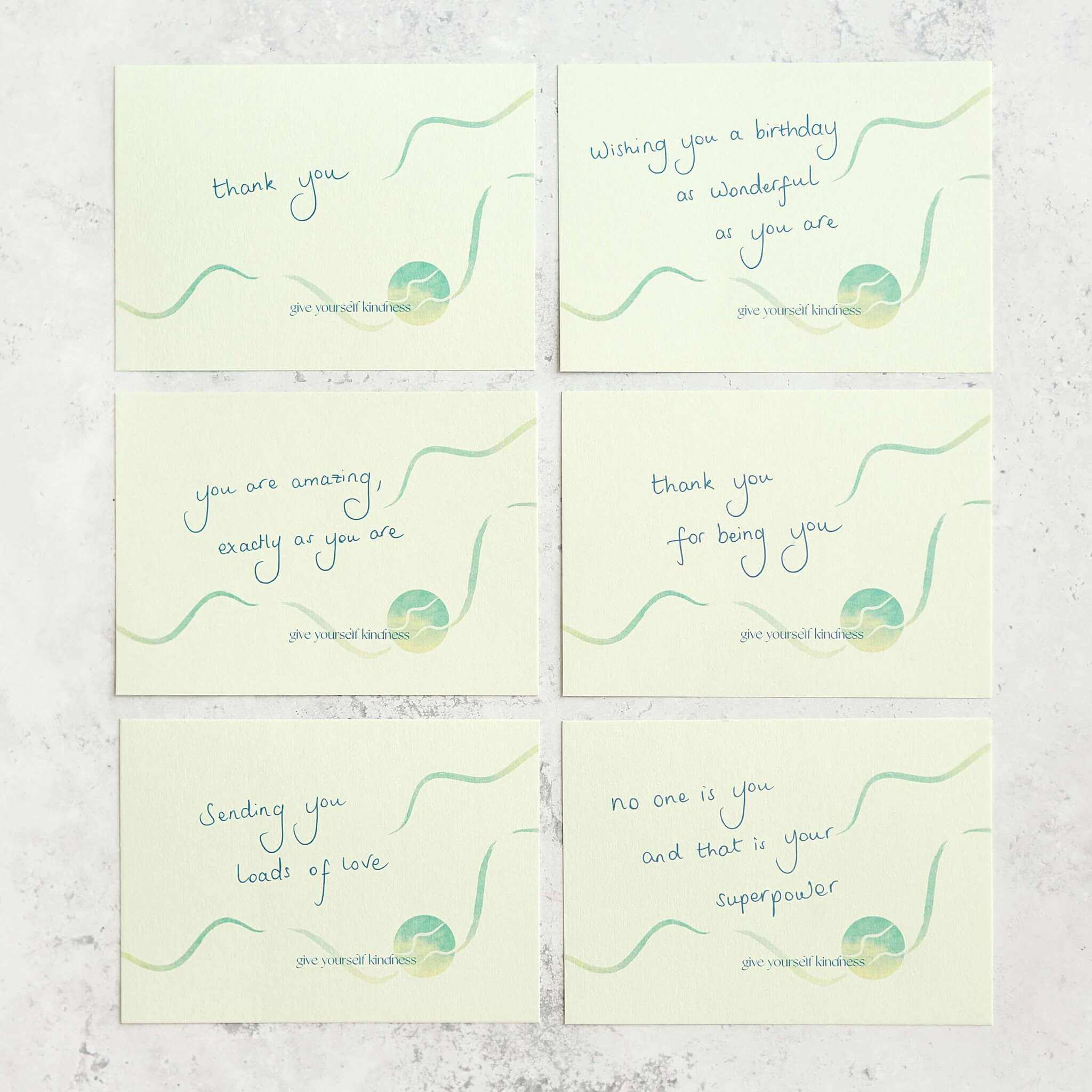
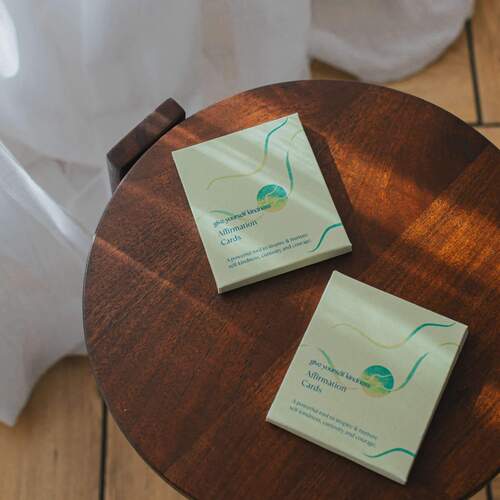
I created the Give Yourself Kindness Student Affirmation Cards specifically for exam stress, academic pressure, and the transitions students face.
What's Included:
- 20 student-focused affirmations addressing exam anxiety, perfectionism, comparison, decision pressure
- Give permission to struggle rather than demanding excellence
- Grounded in self-compassion research
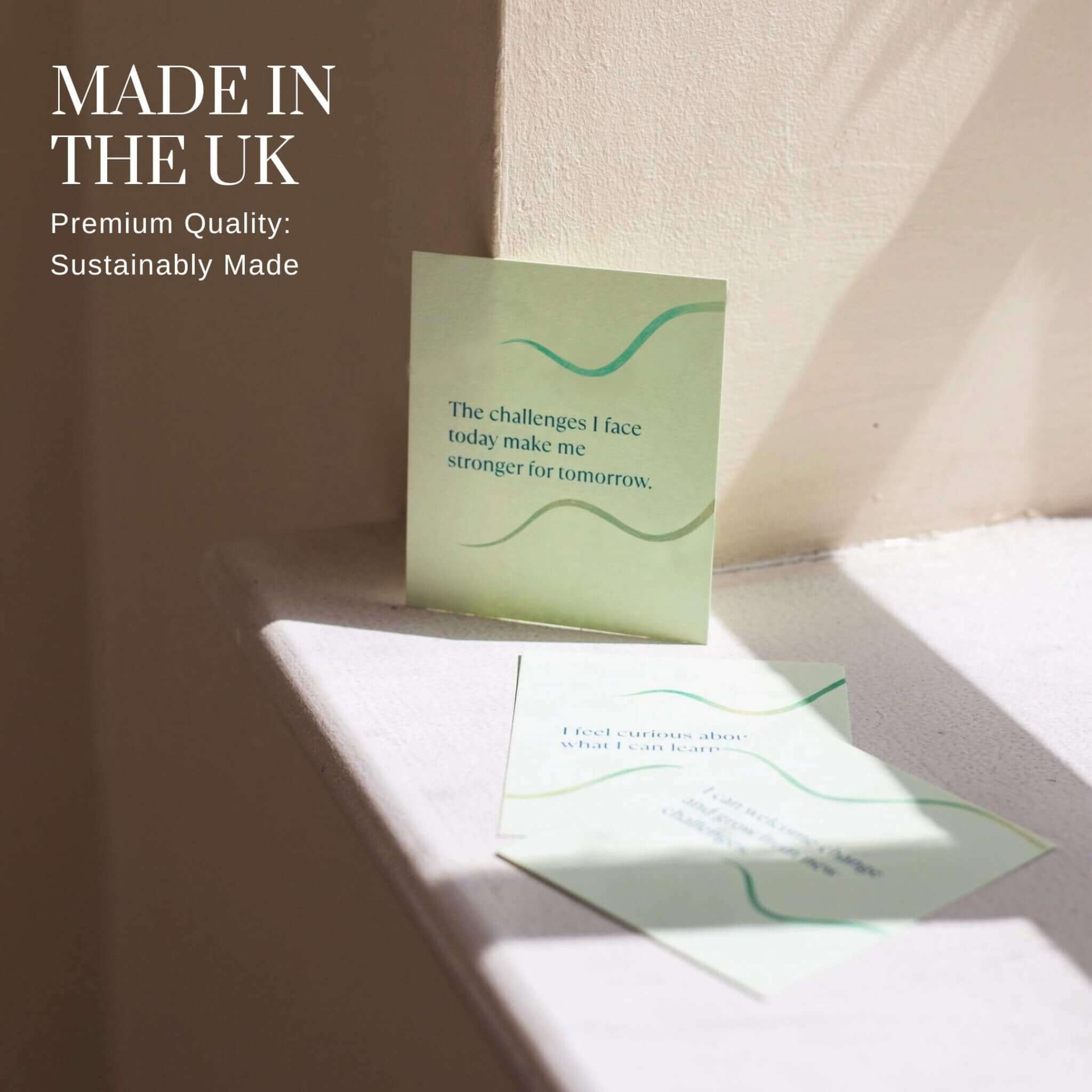
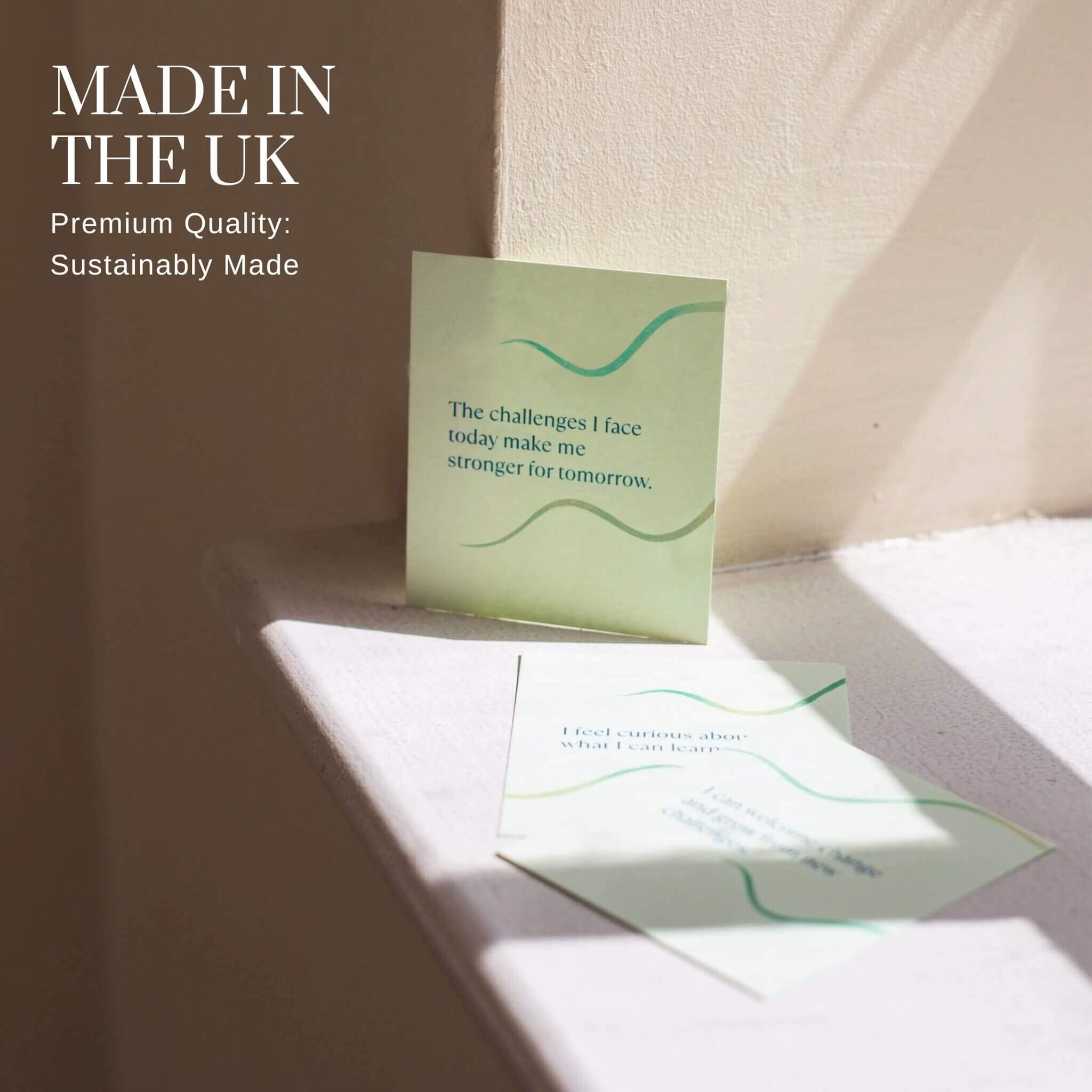
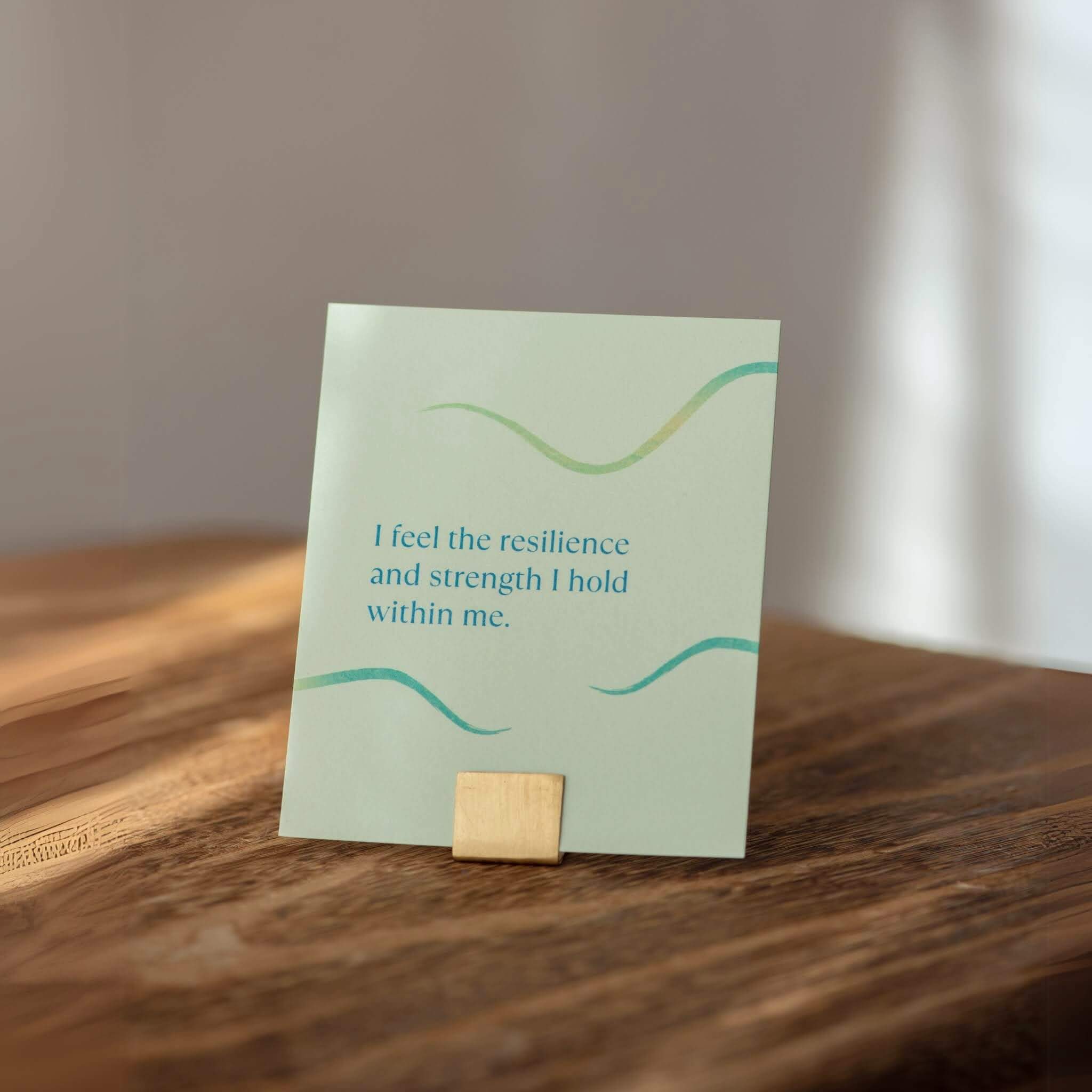
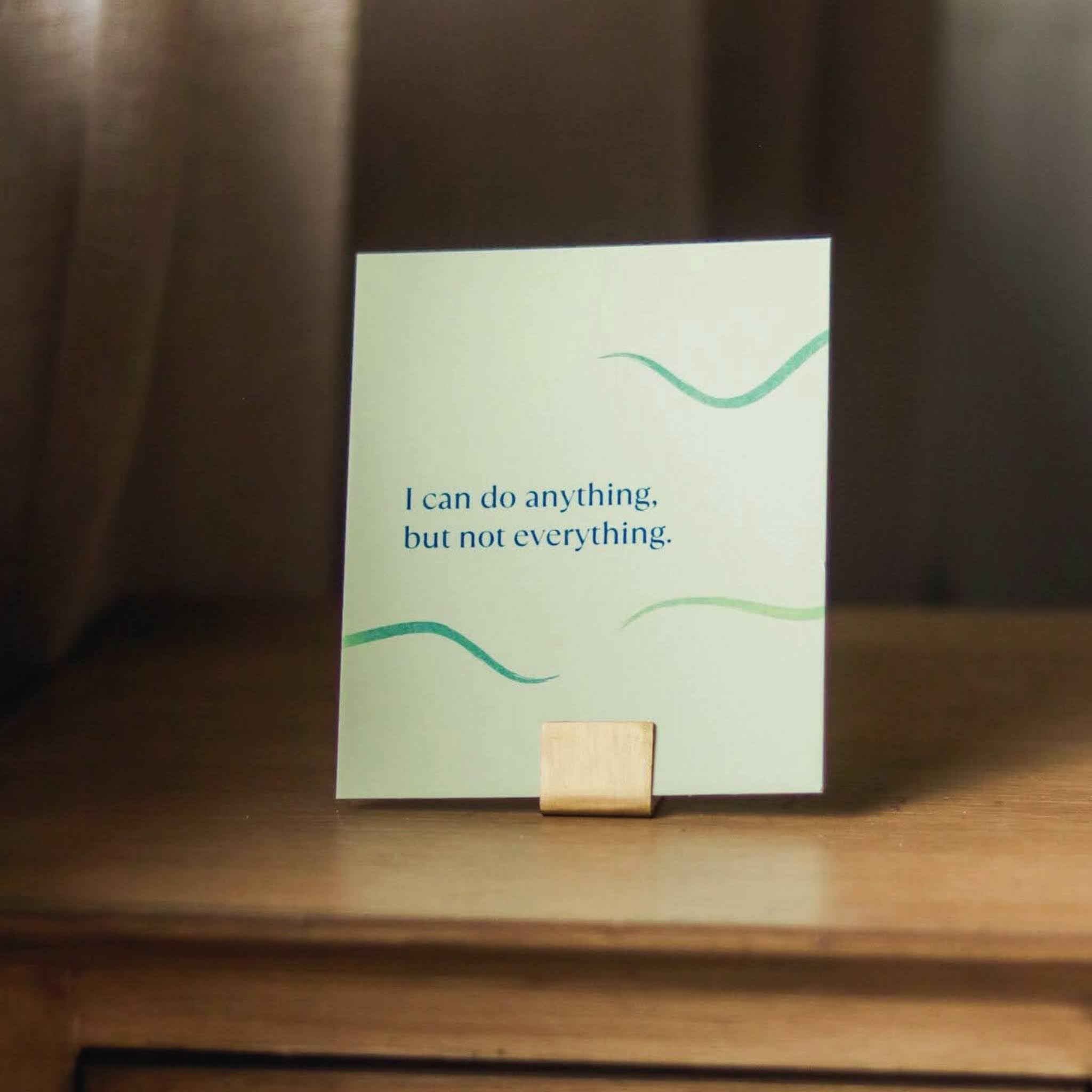
- Beautifully designed on premium cards
- Perfect for exam periods, transitions, and everyday stress
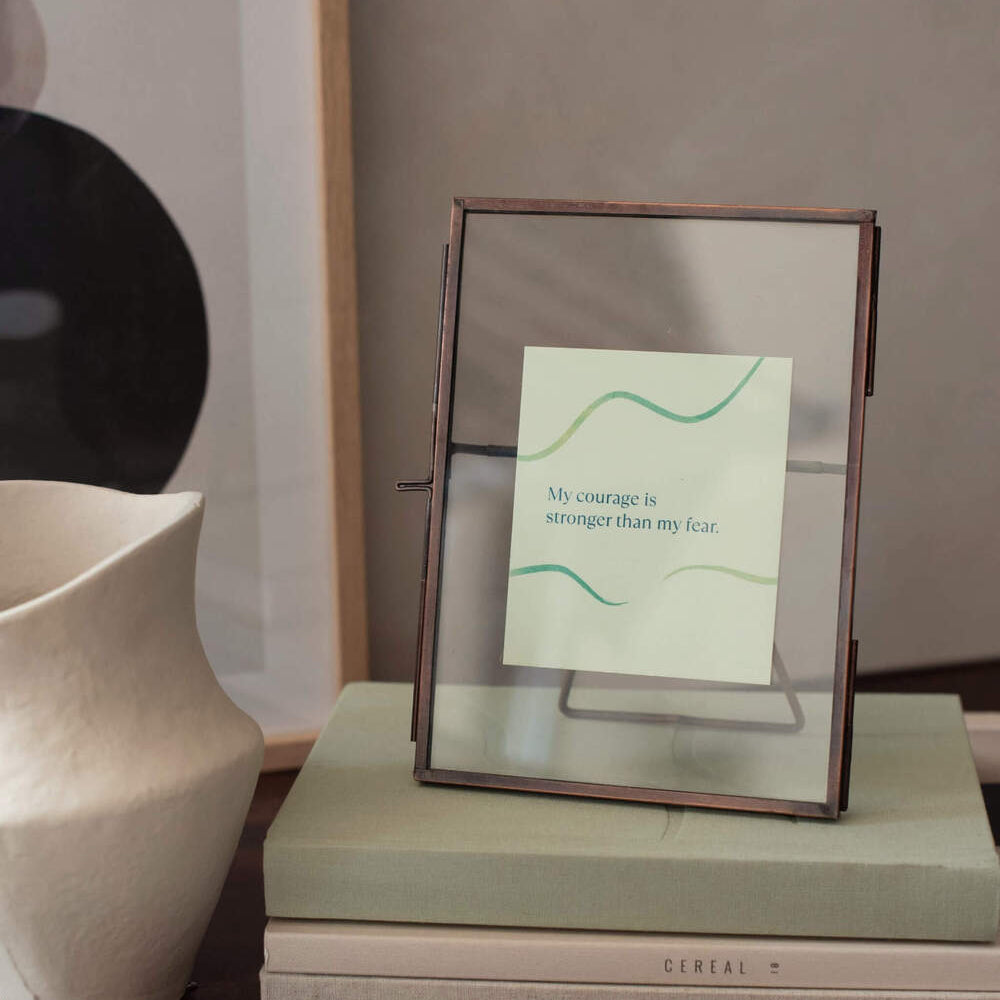
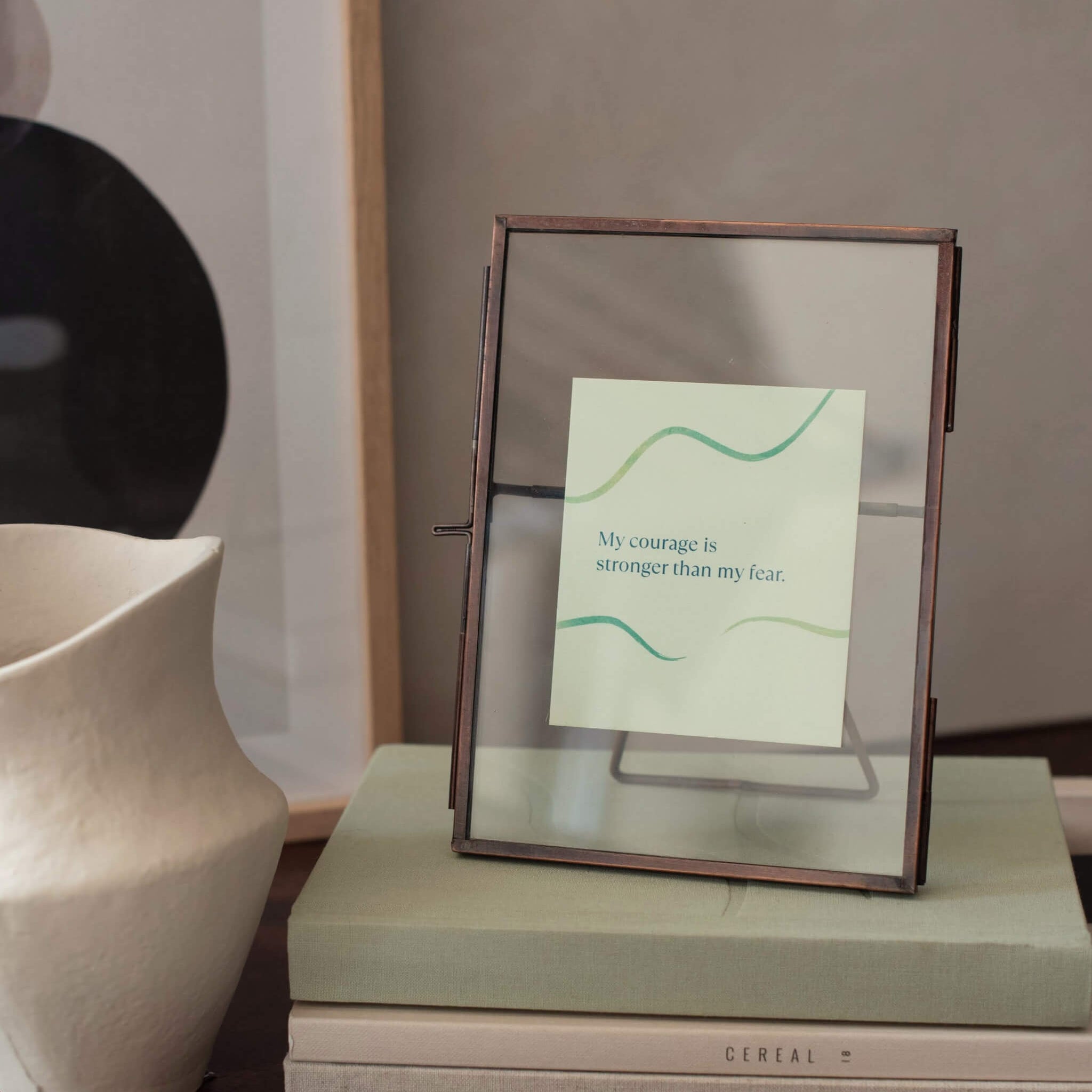
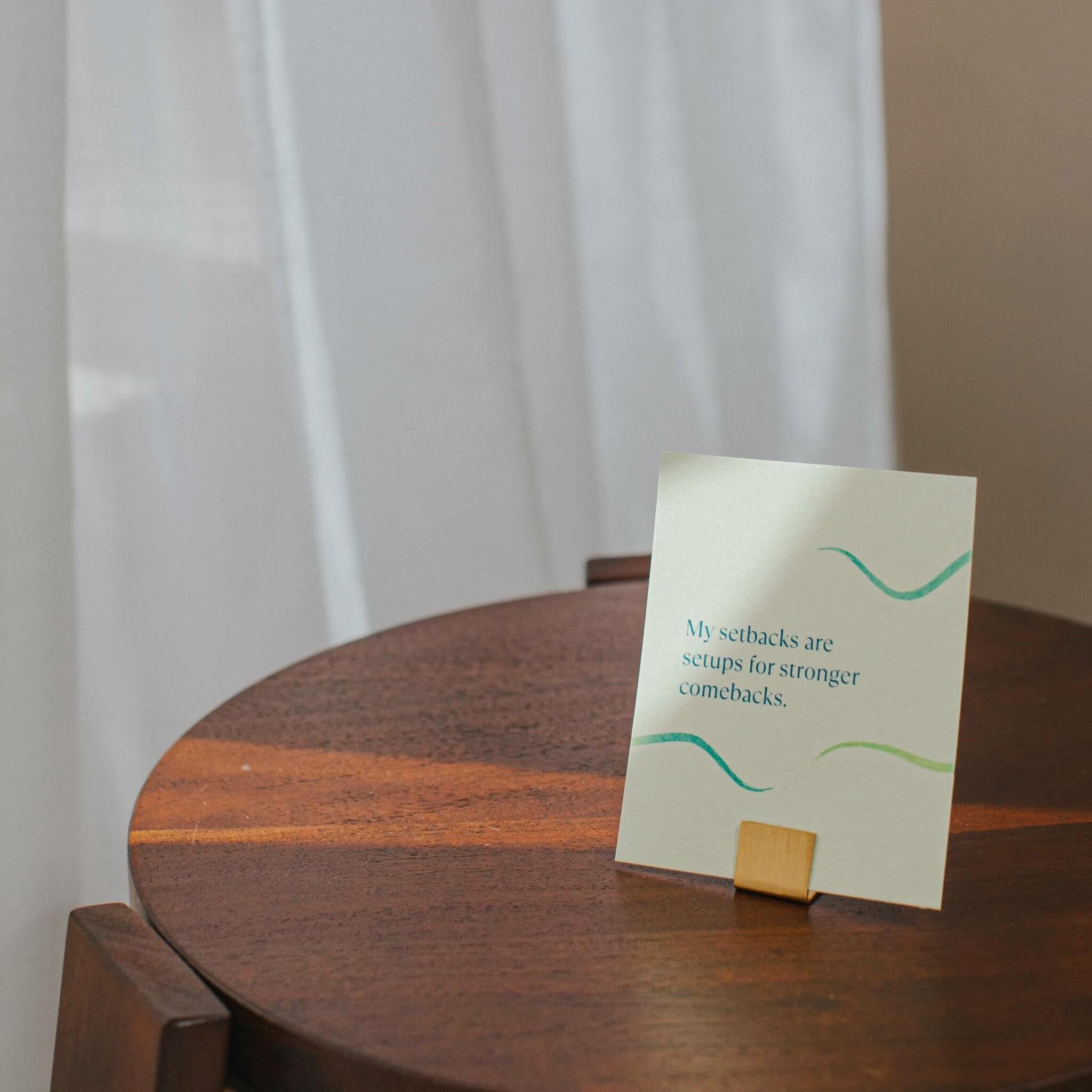
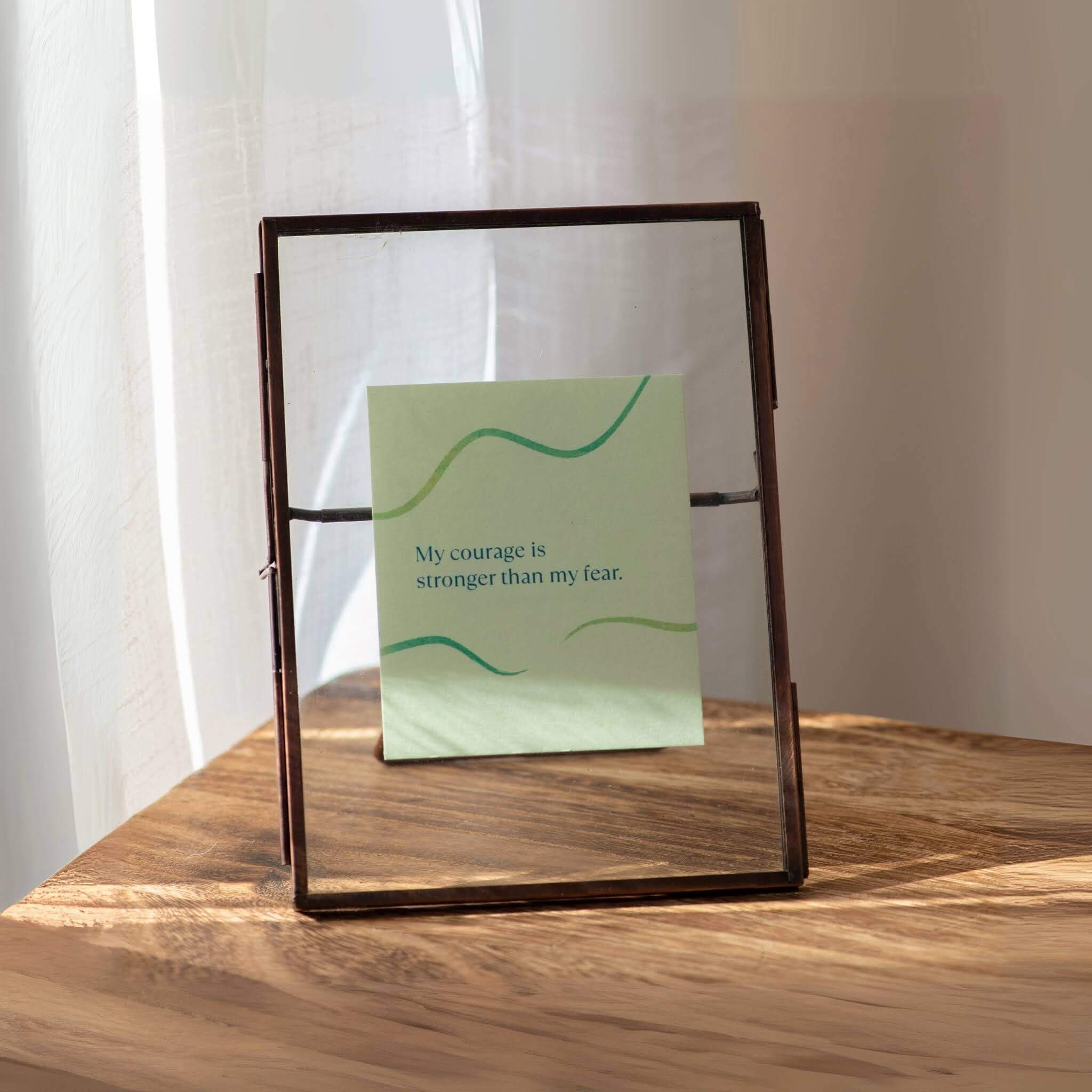
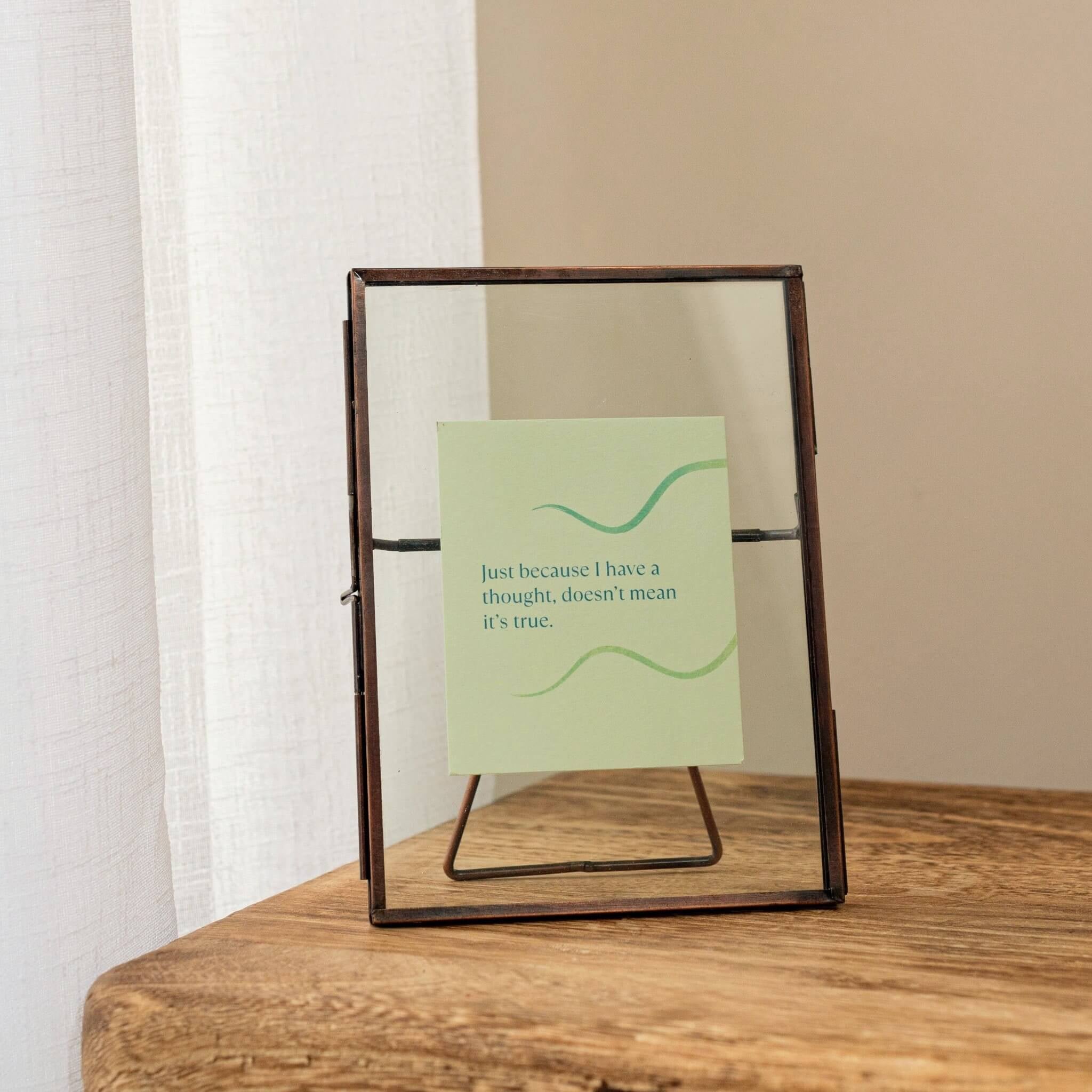
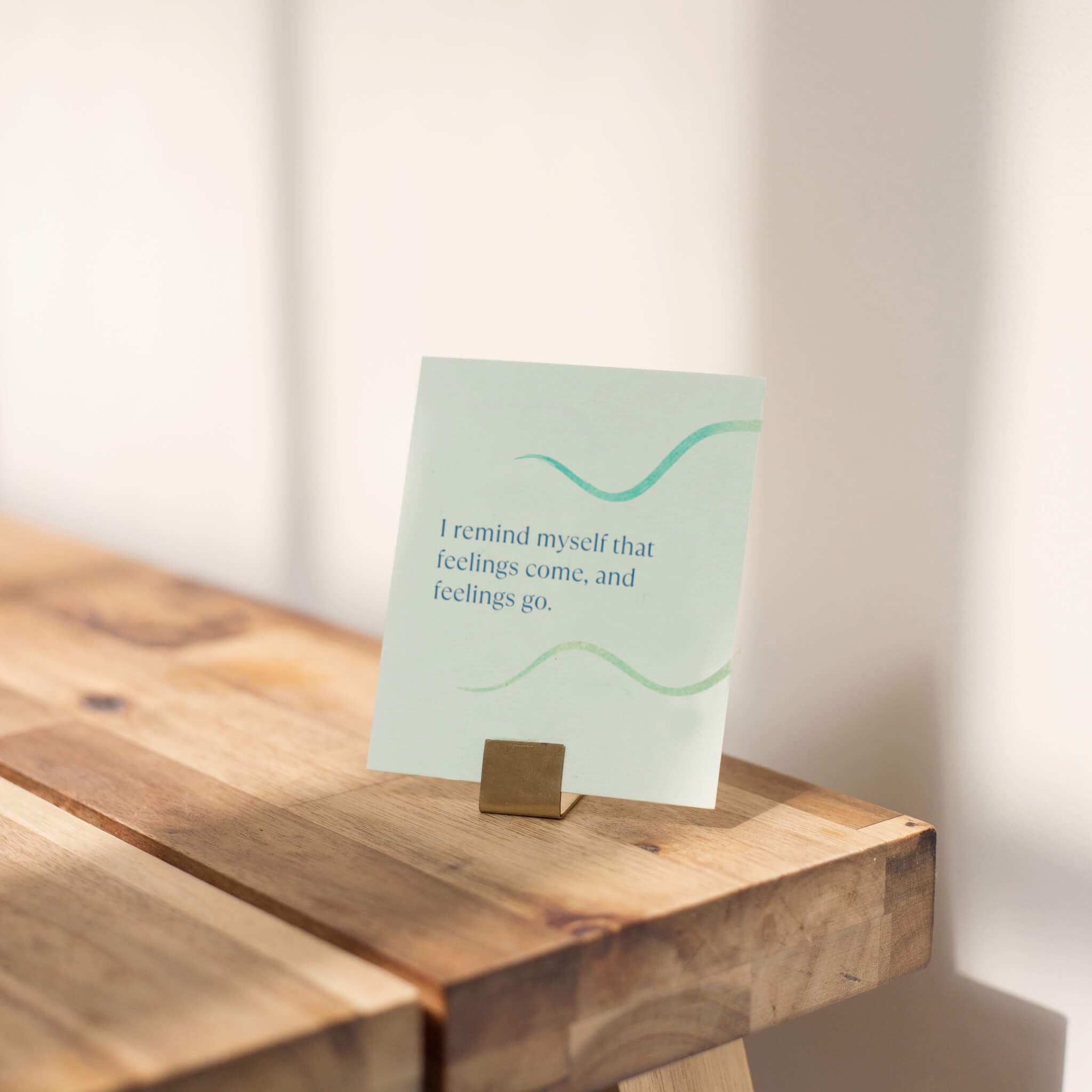
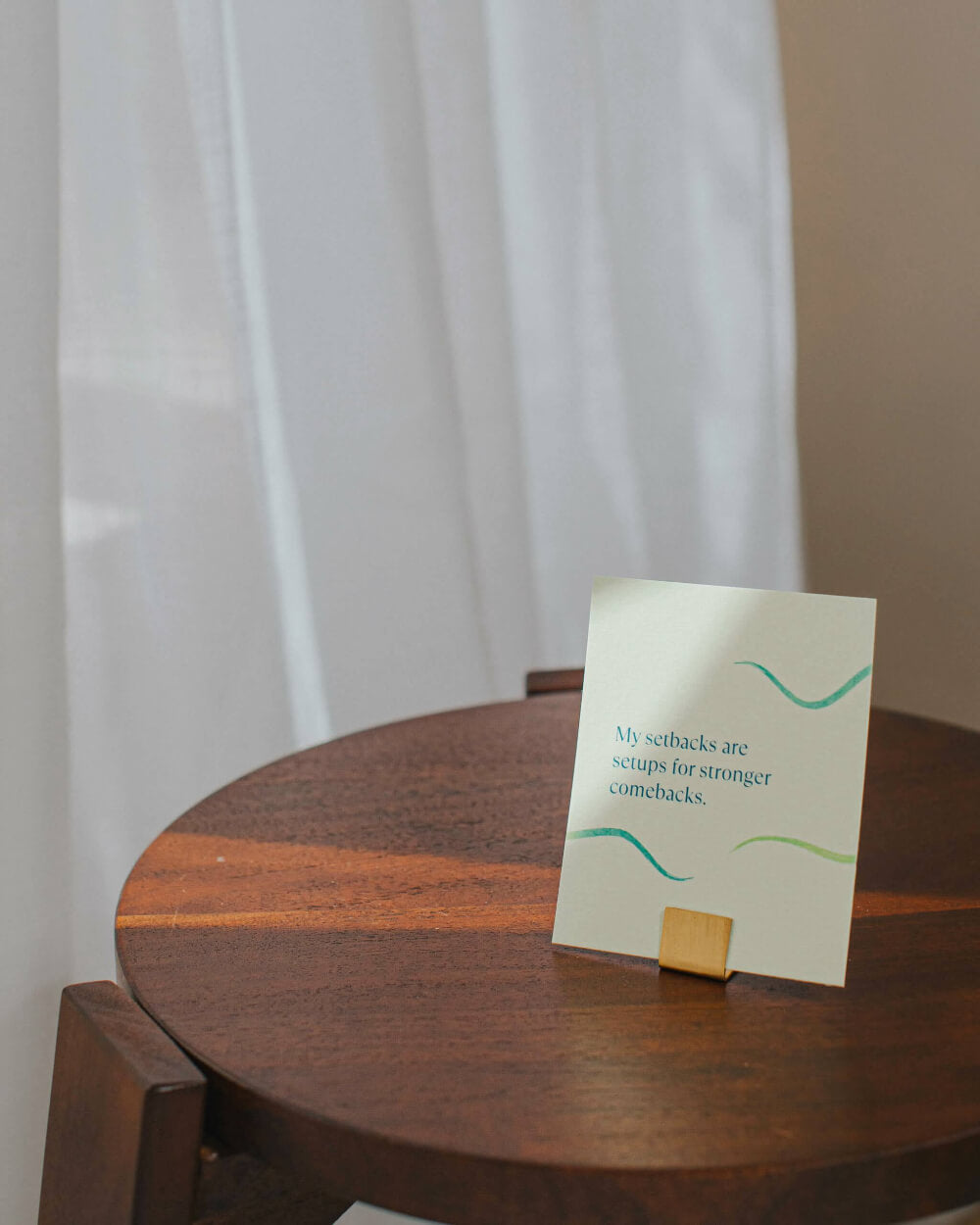
- Optional brass card stand or copper frame for desk use
Student Affirmations Organised by Challenge:
For "I'm not good enough" thinking:
- "I am enough, exactly as I am"
- "I can do things I cannot do yet"
- "I am always worthy of respect"
- "I am as worthy as everyone else"
- "I have so much to offer"
For perfectionism and pressure:
- "I release any pressure to be perfect, knowing that perfect doesn't exist"
- "I release any pressure to make the perfect decision, knowing that a perfect decision doesn't exist"
- "I can be proud of myself for doing my best, and know that this is always enough"
- "I can release any pressure to know a destination and instead strive for the journey"
For mistakes and learning:
- "I can make mistakes and recognise that they help me grow"
- "I accept my strengths and weaknesses and celebrate that we are all unique"
- "I can change my mind and know that that is okay"
For comparison and competition:
- "I can honour that my path in life will be different to others and reassure myself that I don't need to compare or compete"
- "I can remind myself that there is no single definition of success"
For exam anxiety and stress:
- "I can use my breath as a tool to support myself, and at any time I can take deep and slow breaths to feel more relaxed and energised"
- "I have the courage to face my fears, to step outside my comfort zone, and no matter what happens, to give myself kindness"
For self-kindness and support:
- "I can give myself the same kindness I would give to a friend"
- "I can ask for support and know that this is not a weakness but a strength"
- "I can be gentle with myself when I can't make sense of how I feel, and know that this is normal"
- "I can embrace change whilst reassuring myself that change is challenging"
View Student Affirmation Cards →
What Parents Say
"Giving my daughter Kindness Cards"
A gift arrived from Rachel which I ordered for my daughter who is doing final 2nd level mock exams and will be sitting her official final year exams in early June. I always believed in the power of affirmations myself and felt that my daughter could use the power in Rachel's beautifully written and beautifully gifted kindness cards.
I can remember from sitting exams myself that the pressures are enormous and it can become an unhealthy existence for a time for young people. So in having her cards sitting on my daughter's desk she can take them gentle and read them often and allow the powerful words flow into her mind and spirit to take her through this intense period of time in her life. Thank you Rachel.
— James O'Brien
"Thrilled"
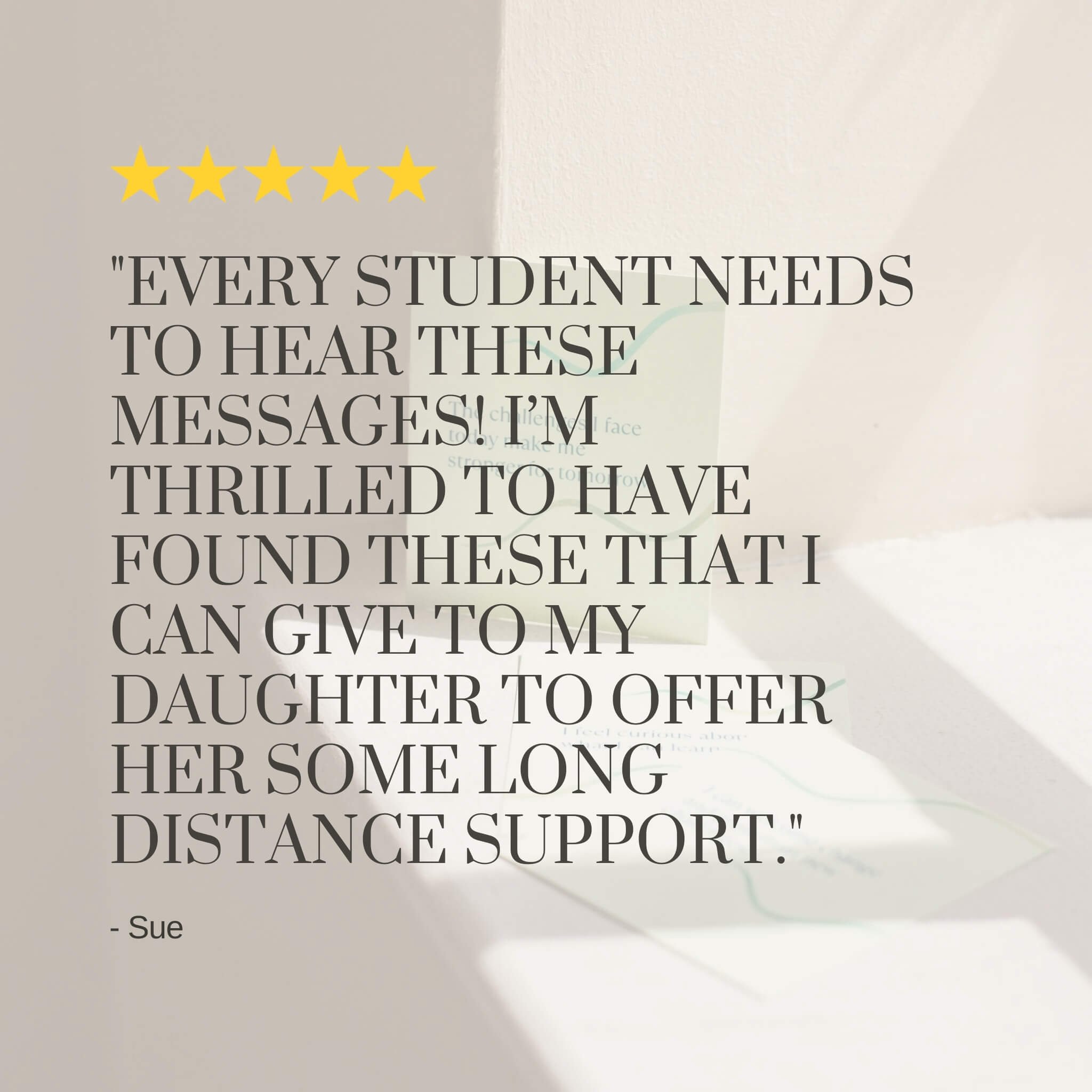
Every student needs to hear these messages! I'm thrilled to have found these that I can give to my daughter to offer her some long distance support.
— Sue
How Students Can Use These Cards (Without More Pressure)
The last thing students need is another thing to do "perfectly." Here's how to use these without adding pressure.
The Simplest Way to Start:
- Pick one card each morning or before study (shuffle and pull randomly—no overthinking)
- Put it on your desk or mirror (where you'll see it while studying)
- When you notice it, read it (no memorization required, no pressure to "believe" it immediately)
That's it. Missing days is fine. Not feeling it some days is fine.
For Specific Situations:
Before exams: "I can use my breath as a tool to support myself" or "I have the courage to face my fears"
During study sessions: Keep one on your desk—"I can do things I cannot do yet"
After getting a grade back: "I can be proud of myself for doing my best, and know that this is always enough"
When comparing yourself to classmates: "I can honour that my path in life will be different to others"
When feeling overwhelmed: "I can give myself the same kindness I would give to a friend"
What to Expect Over Time:
- Week 1-2: Might feel uncomfortable. The achievement-focused voice will resist. That's normal.
- Week 3-4: Small shifts—catching yourself in "I'm not good enough" thinking, questioning whether that's true.
- Beyond: The self-critical voice doesn't disappear, but you have an alternative voice available.
Read the complete guide on how to use affirmation cards →
Frequently Asked Questions
Will these cards make me less motivated to study?
This is the most common fear. But research shows the opposite: self-compassion actually increases motivation because it removes the paralyzing fear of failure. When you're not terrified of making mistakes, you're more willing to try and engage with difficult material. Self-criticism keeps you stuck in procrastination, not motivated.
What if I need the pressure to push myself?
Academic pressure might drive short-term results, but at a cost: burnout, anxiety, never feeling satisfied even when you do well. Research shows you can have high standards without harsh self-criticism—the difference is self-compassion when things are difficult. You can still work hard while being kind to yourself.
How will these help with exam anxiety?
Exam anxiety often comes from harsh self-talk: "I should know this," "I'm going to fail," "I'm not good enough." These cards help you recognize those thoughts and respond differently. "I can use my breath as a tool to support myself" offers a concrete coping strategy. "I can do things I cannot do yet" reframes the pressure.
I'm a parent—how do I give these to my child without seeming pushy?
Consider giving them as a simple gift with a note like: "I noticed school has been stressful. These helped me when I was overwhelmed. No pressure to use them, but they're here if you want." Or keep them in a shared space (kitchen, living room) where they might notice them naturally. Don't monitor whether they're using them.
What age are these appropriate for?
These are designed for older students (typically ages 14+) through university and beyond. The language is appropriate for teenagers and young adults facing academic pressure, exams, and major life decisions. Parents have given these to children in secondary school through graduate school.
Can I use these alongside tutoring or academic support?
Absolutely. These address the emotional component of academic stress—the self-criticism, anxiety, and perfectionism. Tutoring addresses the skills and content knowledge. They work together. Many students struggle not because they lack capability, but because anxiety and harsh self-talk interfere with their ability to learn and perform.
How often should students use them?
As often as feels sustainable. Daily is ideal, but missing days doesn't mean failure. Even seeing one card a few times a week provides repeated exposure to self-compassion. For students, having one visible during study time can be particularly helpful—it interrupts the self-critical voice in real-time.
Why I Created These Cards
I'm Rachel Smith, founder of Give Yourself Kindness. I created these student affirmation cards after my own experience with academic pressure and the belief that I wasn't measuring up.
Every motivational quote I saw made me feel worse. They either added more pressure ("You can do anything!") or felt unrealistic ("You're amazing!"). When I couldn't find what I needed, I created it—working with clinical psychologists to ensure the cards gave permission to struggle rather than demanding success.
Parents now give these to their children during exam periods, major transitions, and times of self-doubt. They exist because this approach actually helps.
Try Student Affirmation Cards →
Additional Support for Student Stress
Affirmation cards are one tool. Here are other resources:
Expert-Written Content on Student Stress:
- Self-Compassion: The Antidote to Perfectionism — By Collette Jones, LCSW
- Why Self-Compassion is More Effective Than Self-Criticism — By Dr. Annabelle Kyle Dortch
- Do Affirmations Really Work? I Asked 5 Psychologists
- How to Stop Negative Self-Talk
For Deeper Processing:
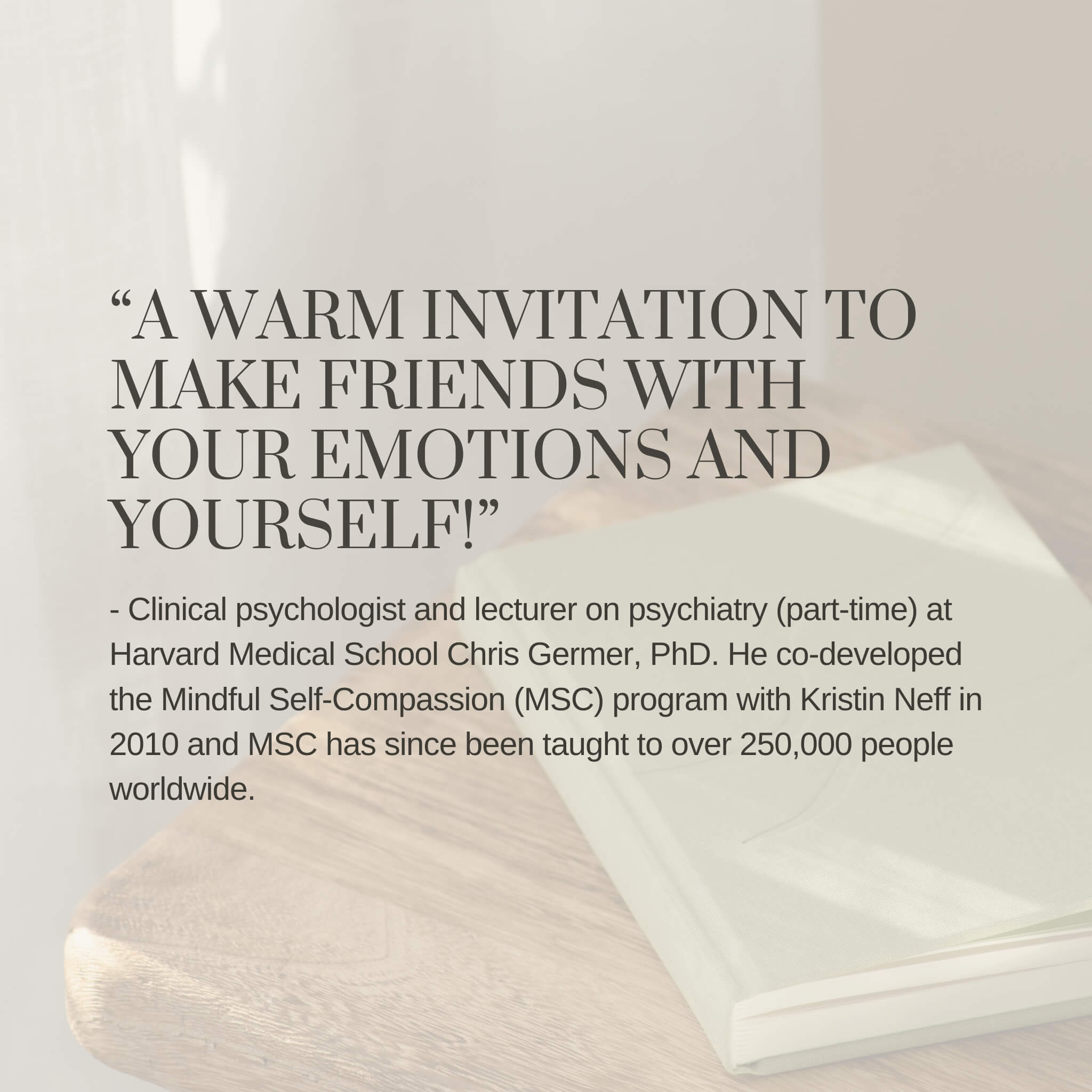
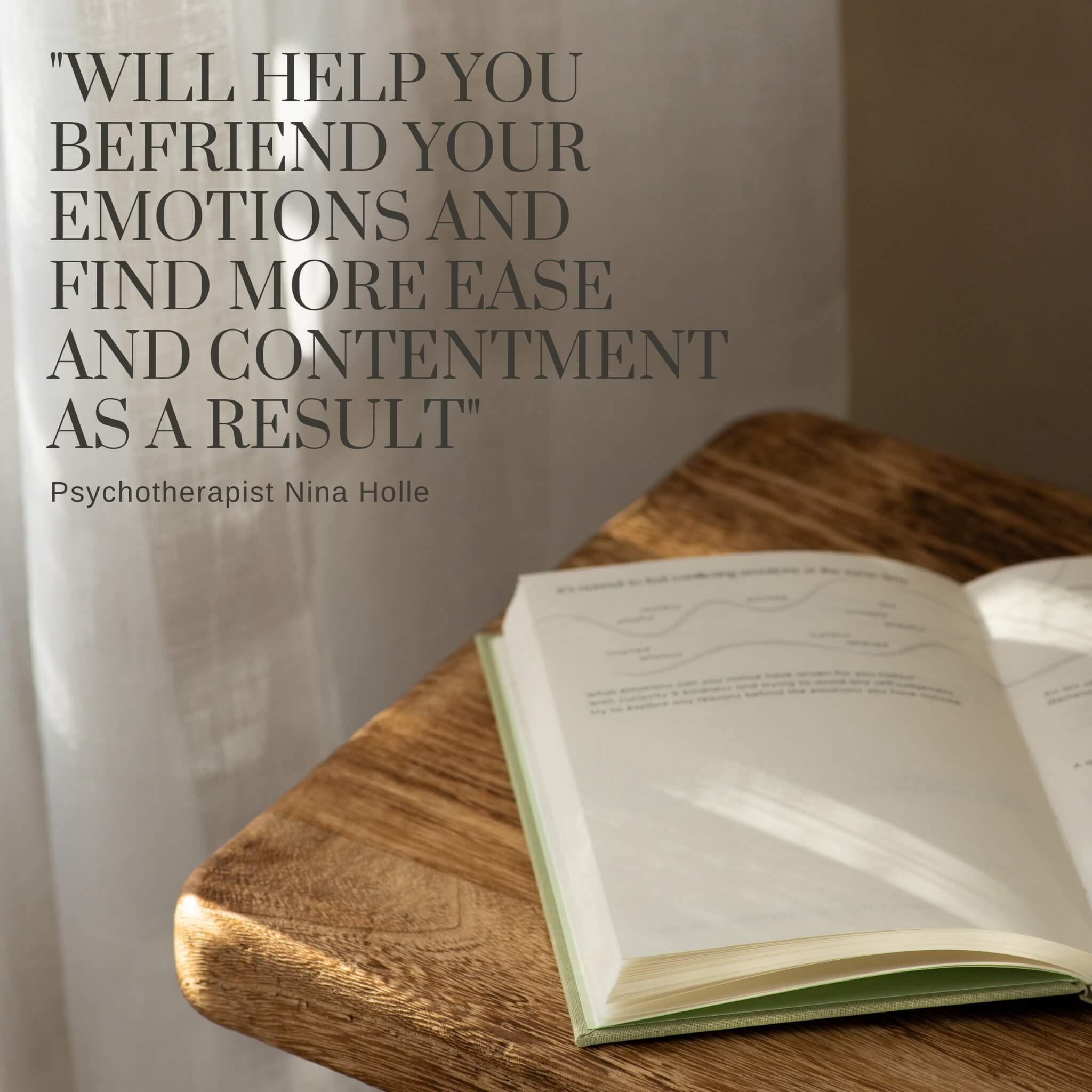
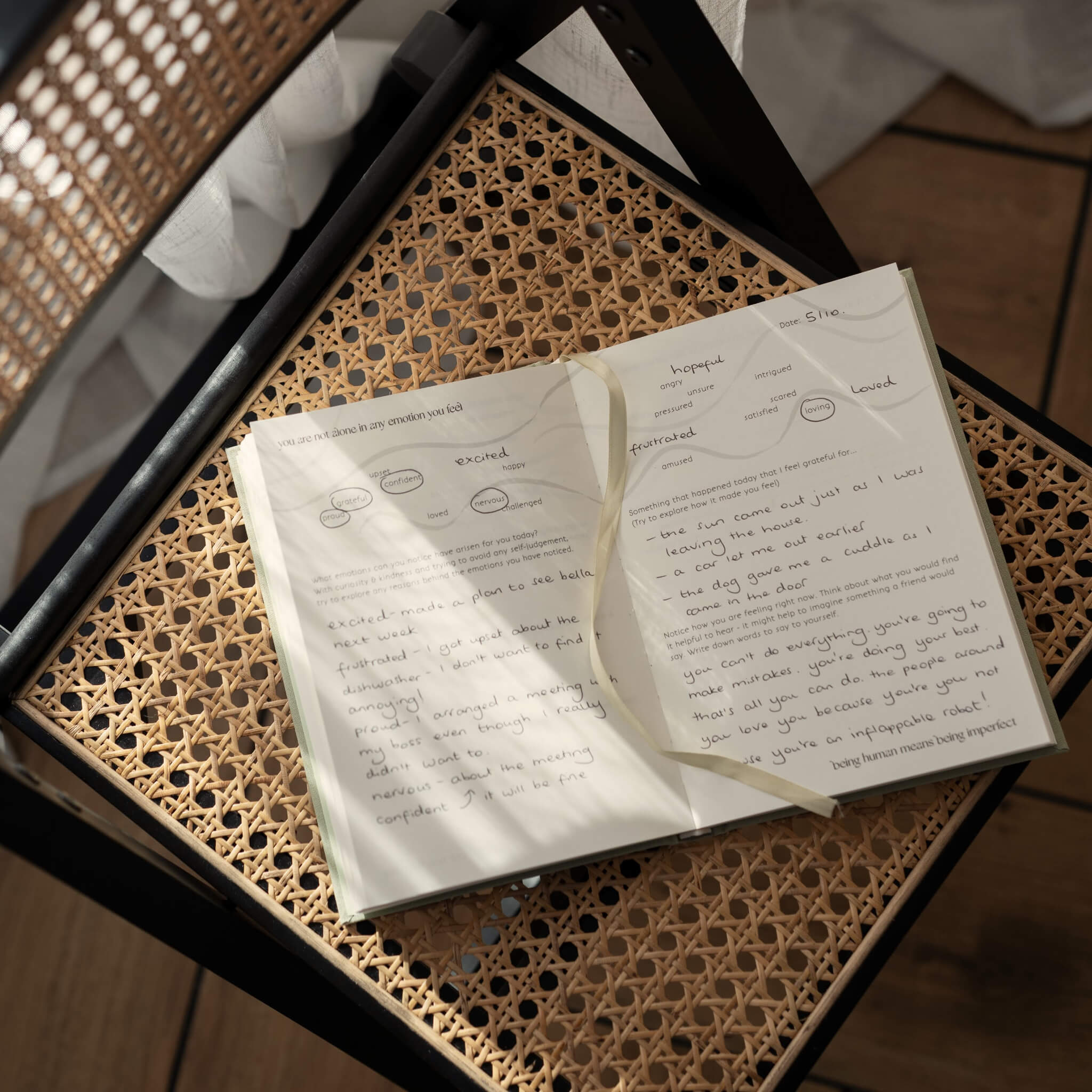
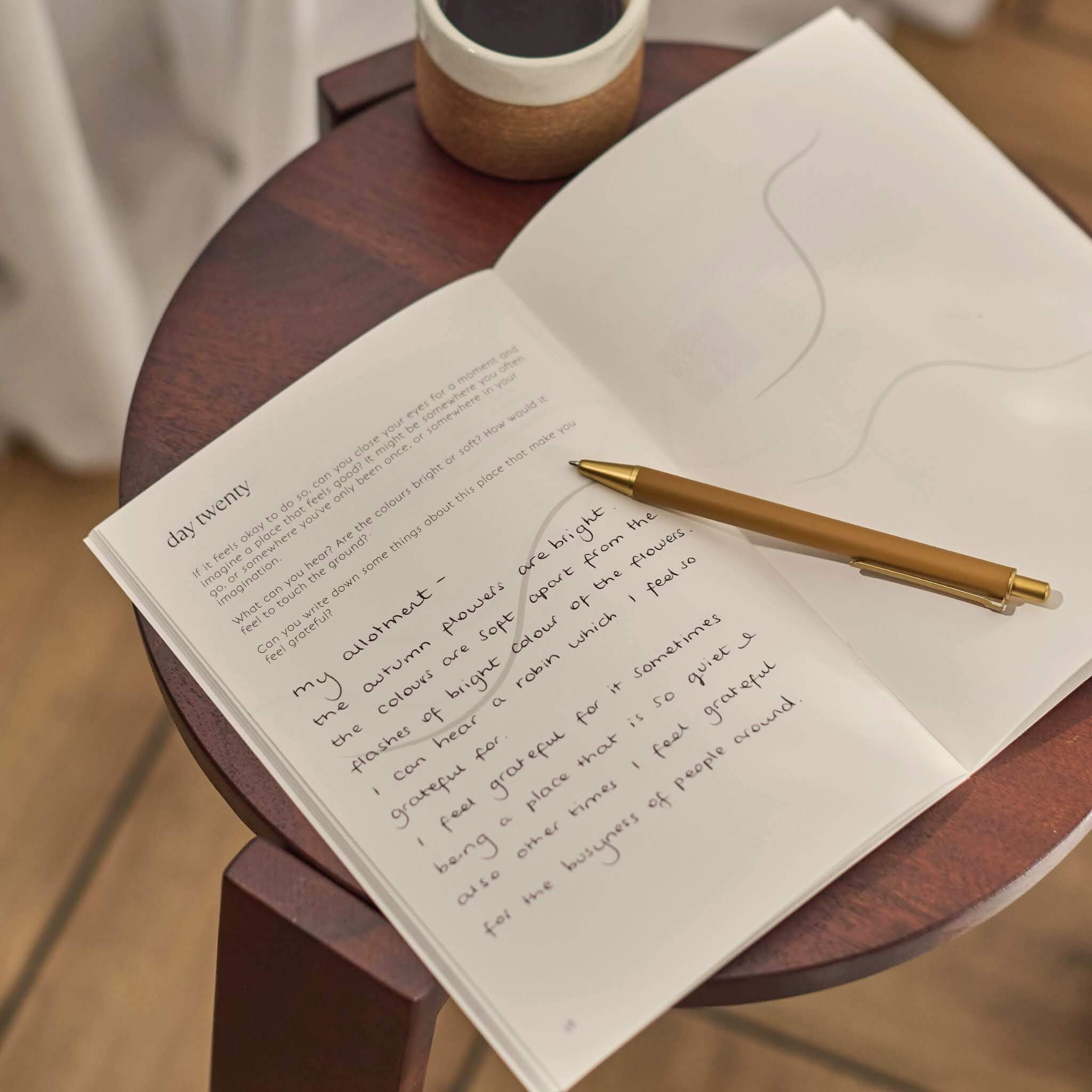
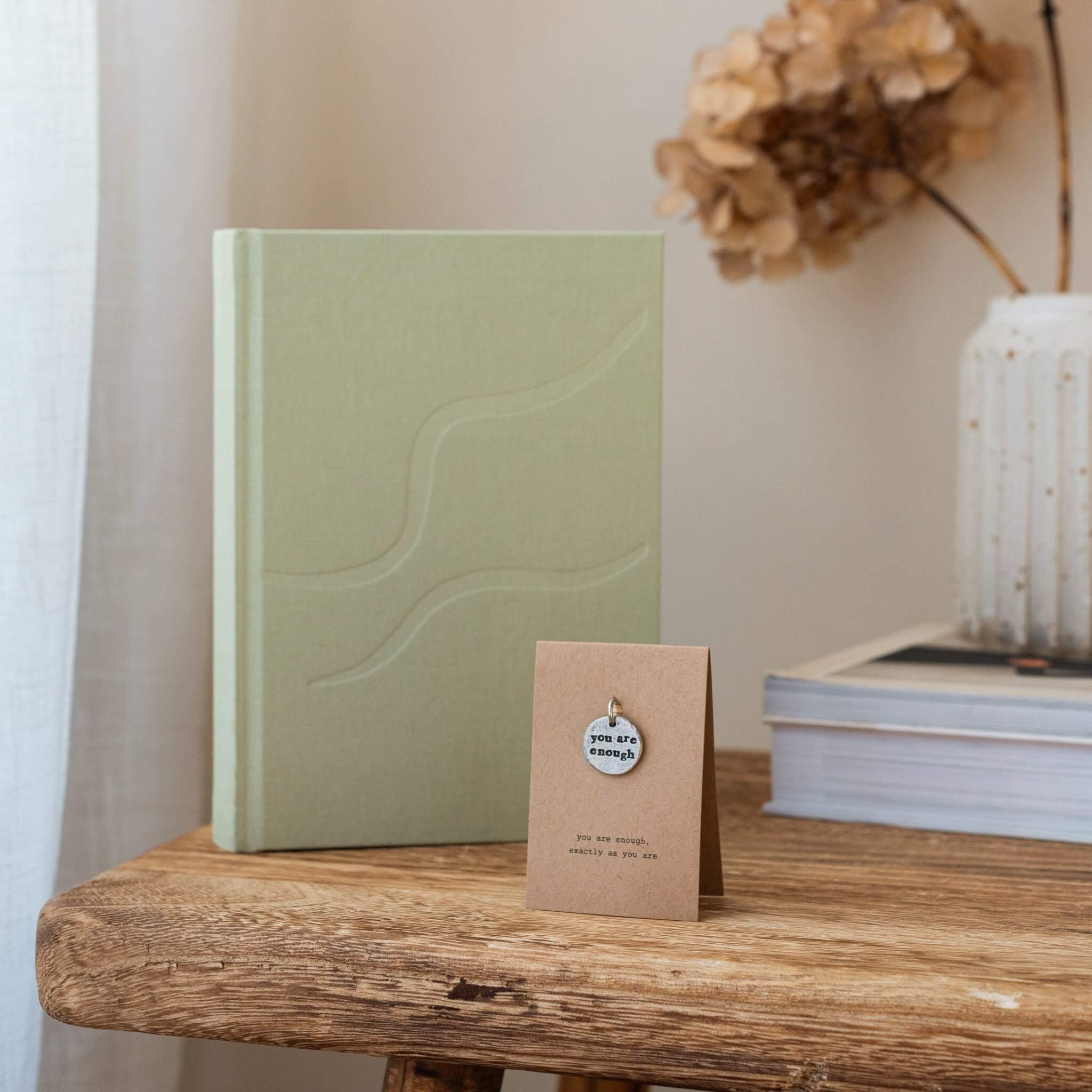
- The Give Yourself Kindness Journal — 90 days of prompts to practice self-compassion

“I instantly feel a sense of groundedness and calm”
Affirmations can be so helpful along our healing journey. And these affirmations are truly so beautiful and powerful! When I read them, I instantly feel a sense of groundedness and calm. They are wonderful reminders for when I need to slow down and reconnect with myself. I also love that they are centered around having more compassion and kindness for ourselves. I will definitely be utilizing these with my clients, as well as practicing them myself. Thank you so much Rachel!