


You are about to walk into the room, and your mind starts up.
"They're going to realise I don't know what I'm doing."
"Everyone else seems fine. Why am I like this?"
"I only got here by luck. Someone's going to work that out."
And then someone hands you a card that says "I am confident."
It bounces straight off. Not because you're doing it wrong, and not because affirmations are nonsense. It bounces off because some part of you knows it isn't true today, and that part is not stupid. It has evidence. It has been keeping score for years.
Quick answer
Affirmations only work for self-doubt if you can just about believe them. The gap between the words and what you actually feel doesn't stay empty. It fills with more self-criticism, which is the opposite of what you were reaching for.
So the fix isn't a bigger claim. It's a smaller, truer one.
One denies where you are standing. The other starts from it. That is the whole difference, and there is research behind it rather than just my opinion.
From £13.95 | Recommended by licensed therapists
What's on this page
Why trust me: I'm Rachel Smith, a qualified meditation teacher, and the cards further down this page are mine. I made them because I could not do the mirror exercise. I stood there trying to say "I am confident" and could not get the words out, because I didn't believe them and saying them anyway just proved to me that something was wrong with me. Everything above the cards is free, and I asked five psychologists to check the thinking behind it. More about me →
Why "I am confident" backfires when you doubt yourself
I want to start with the psychologist who says this most plainly, because she names the exact sentence.

Dr Michelle Chung
Clinical psychologist specialising in anxiety-related disorders, trauma, mood disorders and ADHD
"Affirmations can be helpful, but they aren't magic words that instantly change how you feel. If you don't believe what you're saying, it can actually make you feel worse, like telling yourself 'I'm confident' when deep down you don't feel that way at all. But when affirmations are combined with small, real actions, like reminding yourself 'I'm learning to be more confident' while taking steps outside your comfort zone, they can help shift your mindset over time."Read all five psychologists →
Read that twice if it's useful. A clinical psychologist, using the same example you've probably tried, saying it can make you feel worse. If affirmations have failed you before, that is not a fact about your character.
What's actually happening in your head
Say "I am confident" and something in you immediately goes looking for proof. It finds the meeting you froze in, the email you rewrote nine times, the thing you said at a party in 2019. The affirmation doesn't overwrite that file. It opens it.
Now you have a sentence you can't believe. Your mind has to account for that, and the account it reaches for is never "that phrasing didn't suit me". It's "other people can do this" or "there's something wrong with me".
You opened the deck to feel steadier. You close it having generated fresh evidence for the case against yourself, in your own voice. That is a genuinely rotten trade, and it's why so many people quietly conclude affirmations aren't for them.
The problem was never that you couldn't believe it hard enough. The sentence was too big a jump.
The research on this is specific, and it's about you

Dr Jeffrey McDonnell
Specialist clinical psychologist in London. Has held research and teaching fellowships at University College London, specialising in complex trauma, self-criticism and shame
"Research suggests that for some people, positive self-affirmations can be helpful but for others, they may be ineffective or even harmful (particularly for those who may already struggle with low self-esteem)."Read Dr McDonnell in full →
The study he's pointing at
It's a 2009 paper with a title that says everything: "Positive self-statements: Power for some, peril for others". Participants were asked to repeat "I'm a lovable person". People who already felt good about themselves felt slightly better. People with low self-esteem felt worse than the group who said nothing at all.
That is the finding almost nobody selling affirmation cards will mention, and it is the single most important thing to know before you buy any of them, including mine.
Wood, J. V., Perunovic, W. Q. E., & Lee, J. W. (2009). Positive self-statements: Power for some, peril for others. Psychological Science, 20(7), 860–866.
So the honest position is this. Affirmations are not universally good and not universally rubbish. They are a tool with a known failure mode, and the failure mode is aimed squarely at the people who most want them to work. Knowing that is what lets you pick ones that don't do it.
Dr McDonnell also sets out what a good one looks like, which is the most useful checklist I've found anywhere. He says it matters how credible and realistic it feels, how personally meaningful and emotionally resonant it is, and how well it accommodates the ups and downs of life, including times where you might feel low, anxious or vulnerable. And then the line I'd have on the wall of the studio if I could:
"An effective affirmation will not feel inauthentic, invalidating of personal experience or rigid and demanding."
Invalidating of personal experience. That's "I am confident" on a day you're not, in nine words, from a clinical psychologist.
Self-doubt also rarely turns up alone. It usually arrives with the voice that's been narrating all of this, and if that voice is familiar, this piece on why you're so hard on yourself is probably the more useful place to start than any deck of cards.
What to say instead
The change is smaller than you'd expect. You are not looking for a braver sentence. You are looking for one that is true today and points somewhere. Here is the same four situations, done both ways.
| The moment | What bounces off | What lands |
|---|---|---|
| Before a presentation | "I am confident. I am a great speaker." | "It's normal to feel nervous before presenting. I'm learning to trust myself more." |
| Feeling like a fraud at work | "I am qualified. I am an expert. I deserve to be here." | "It's normal to have an inner critic. I don't have to believe it." |
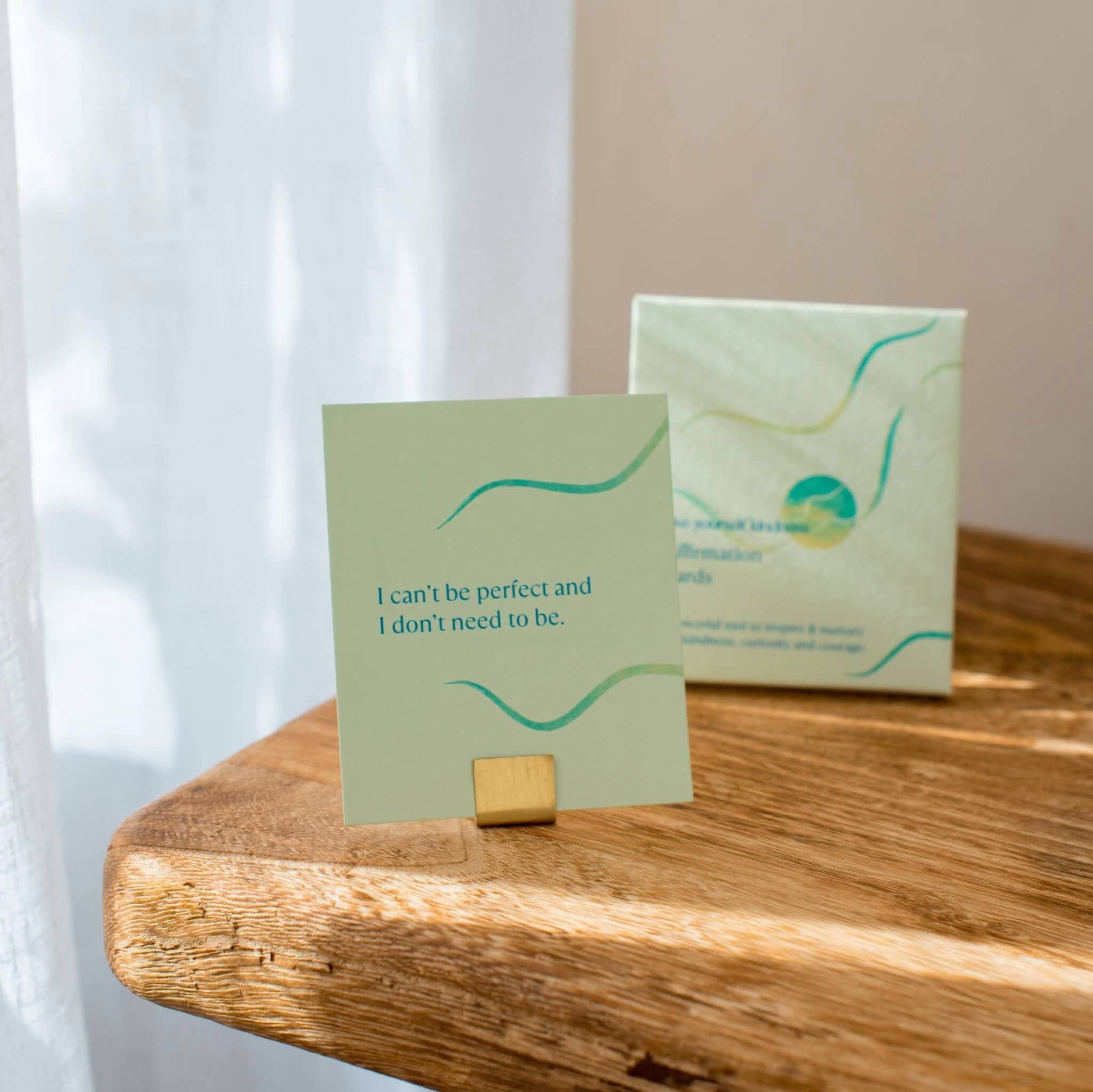
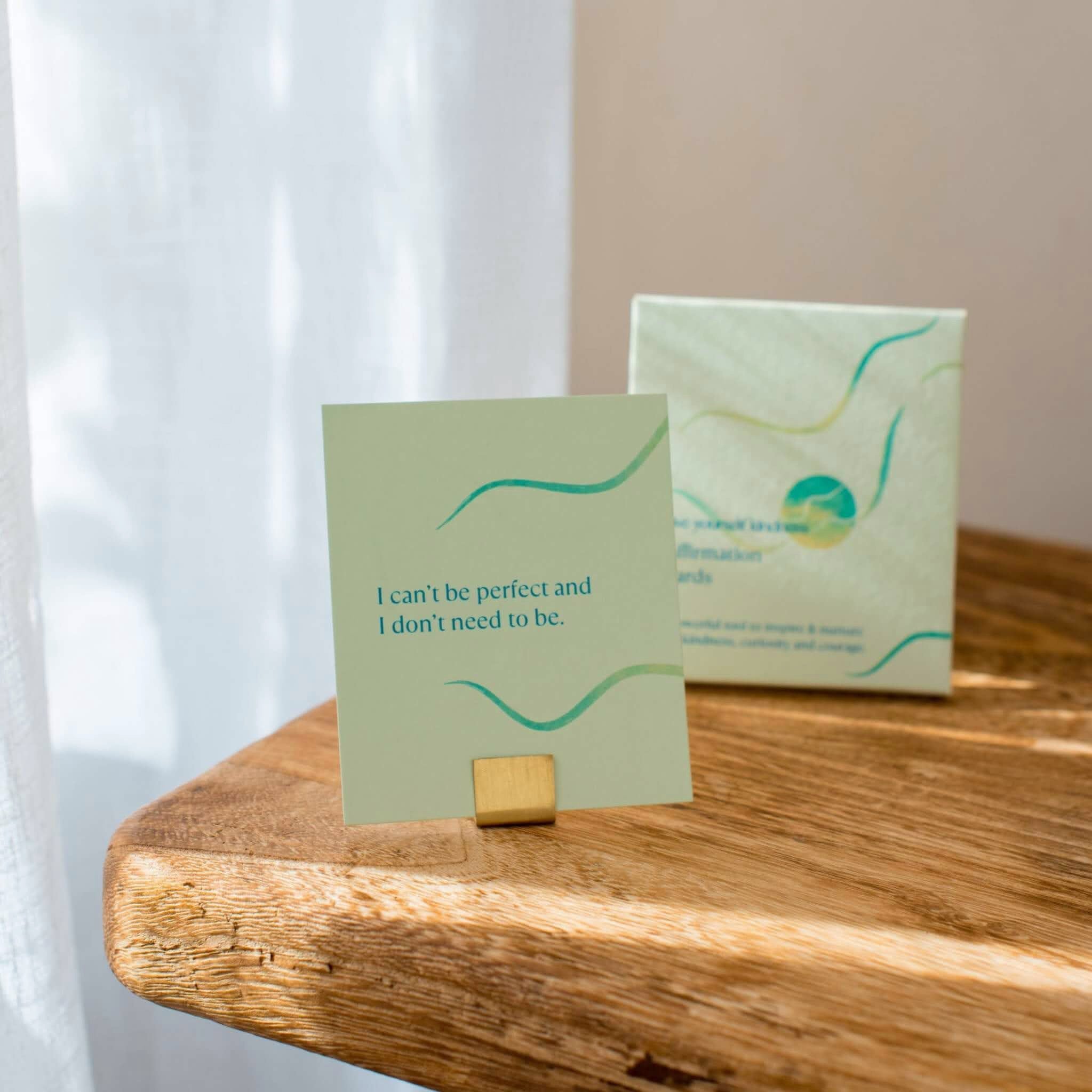
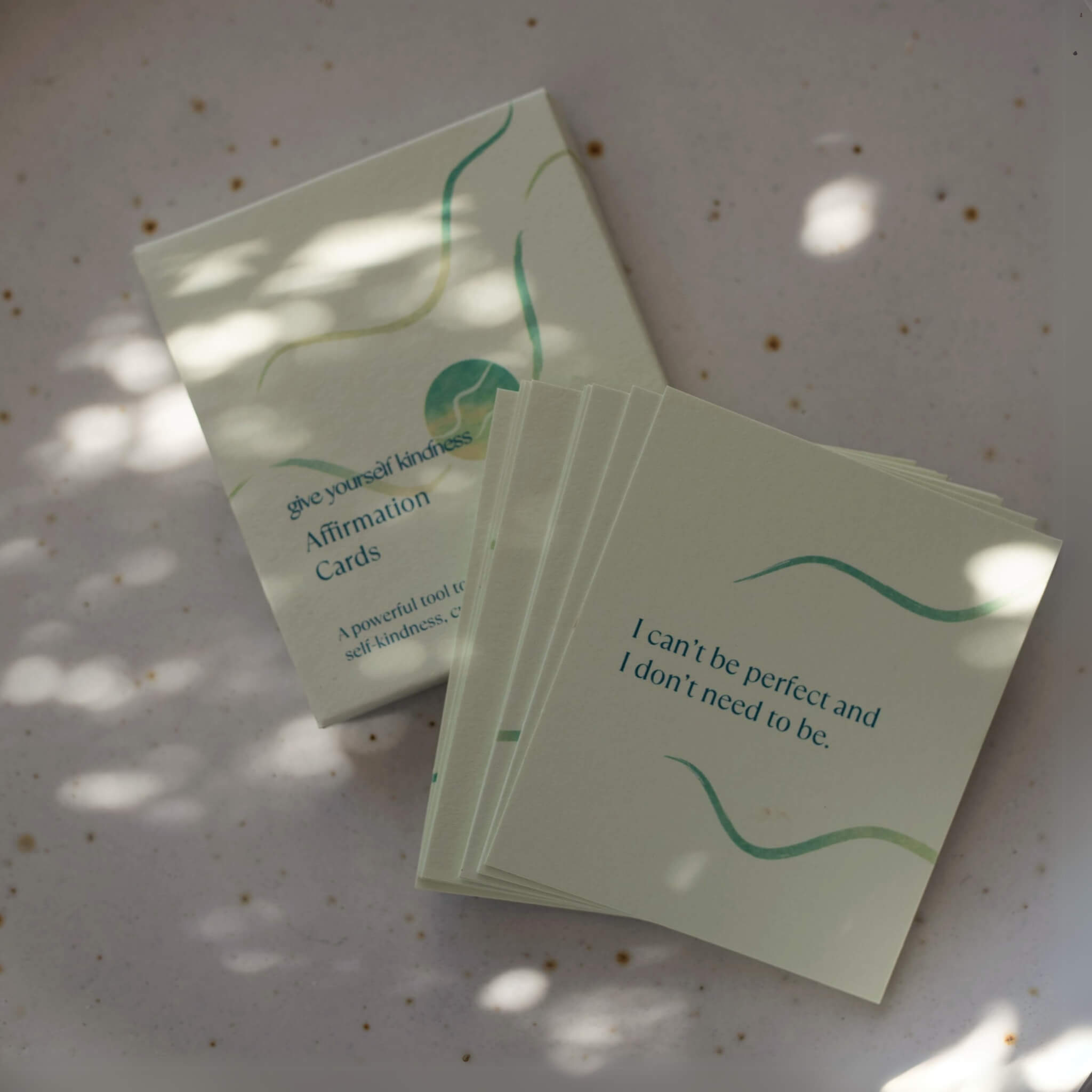
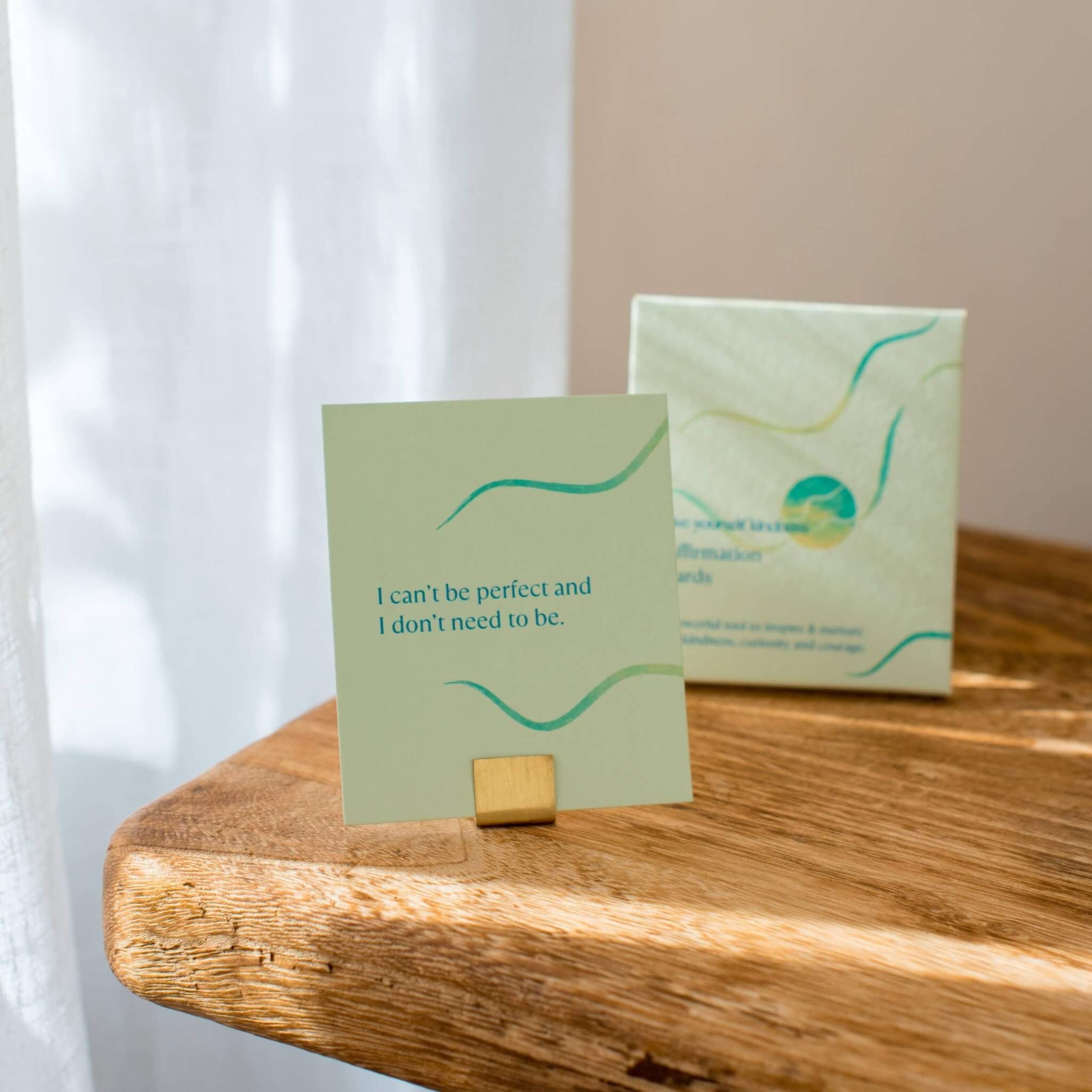
| After a mistake | "I never make mistakes. I always succeed." | "I can't be perfect and I don't need to be." |
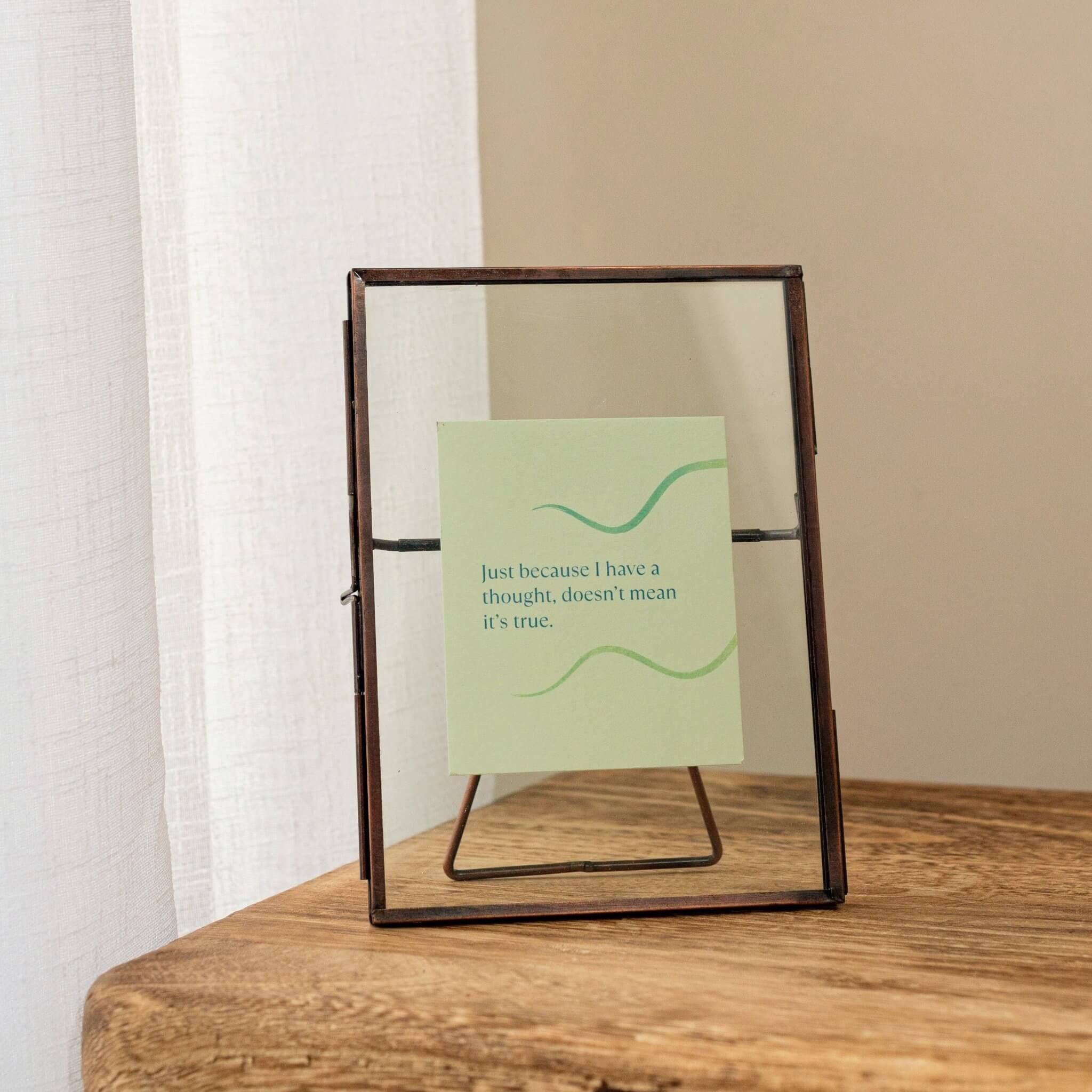
| Walking into a room | "Everyone likes me. I have nothing to worry about." | "Just because I have a thought doesn't mean it's true." |
Notice that not one of the right-hand sentences claims you're fine. They admit the situation and then stand next to you in it. That is the entire mechanism, and you can write your own using two rules from two clinical psychologists.

Annabelle Kyle Dortch, PsyD
Los Angeles based clinical psychologist, specialising in life transitions, stress, anxiety and the impacts of trauma
"Choose a statement that isn't a far departure from your current reality. For example, if you struggle with body image concerns, I would shift away from using the affirmation of 'I love my body' and pick something less polarizing to your current belief such as 'My body deserves respect'."Read her full advice →
Rule one: don't depart too far from where you are
"I love my body" to "My body deserves respect" is the whole move, in miniature. The second one is still a real shift, it just doesn't require you to lie first. Apply it to self-doubt and you get "I am confident" becoming "I'm learning to trust myself more", or "I know what I'm doing" becoming "I've handled harder than this before".
The test: say it out loud. If a voice immediately answers back "no you're not", it's too big a jump. Shrink it until the voice has nothing to argue with.
Rule two: follow the affirmation with an action
Dr Kyle Dortch's second piece of advice is to "align your behavior with your words". Her own example: "My body deserves respect. Because my body deserves respect I am going to buy clothes that fit and are comfortable to my current body."
For self-doubt that might be: "I'm learning to trust myself more. Because of that, I'm going to say the thing in the meeting rather than emailing it afterwards." Dr Michelle Chung makes the same point: it is "less about just saying the words and more about making choices that bring them to life."

Dr Caroline C. Lee, PhD
Licensed clinical psychologist in private practice in Orange County, California, specialising in treating anxiety disorders
"For affirmations to be effective, they need to resonate with you on a deeper level and feel believable. Rather than simply saying, 'I am enough' (which may feel empty or cliché to some), try something like, 'Each day, I am progressing toward more grace and self-compassion.' Or instead of a simple 'I am perfect as I am' perhaps a more specific affirmation like, 'I am struggling AND healing' could be useful."Read Dr Lee in full →
"I am struggling AND healing." If you take one sentence from this page, I'd take that one. It is the only version of an affirmation I've ever seen that doesn't ask you to put half of yourself down before you pick it up. Both things are true at once, which is what being a person in a difficult stretch actually feels like.
Dr Lee also makes a point I'd missed for years: our minds generate tens of thousands of thoughts a day and, because of the brain's negativity bias, we're already affirming things about ourselves constantly without noticing. You are not choosing between affirmations and no affirmations. You're choosing between the ones running by default and ones you picked.
Affirmations for self-doubt
These are from my own cards, and I'm putting all of them here free so you can test whether this approach suits you before spending anything. Write them out, screenshot them, stick one to the kettle.
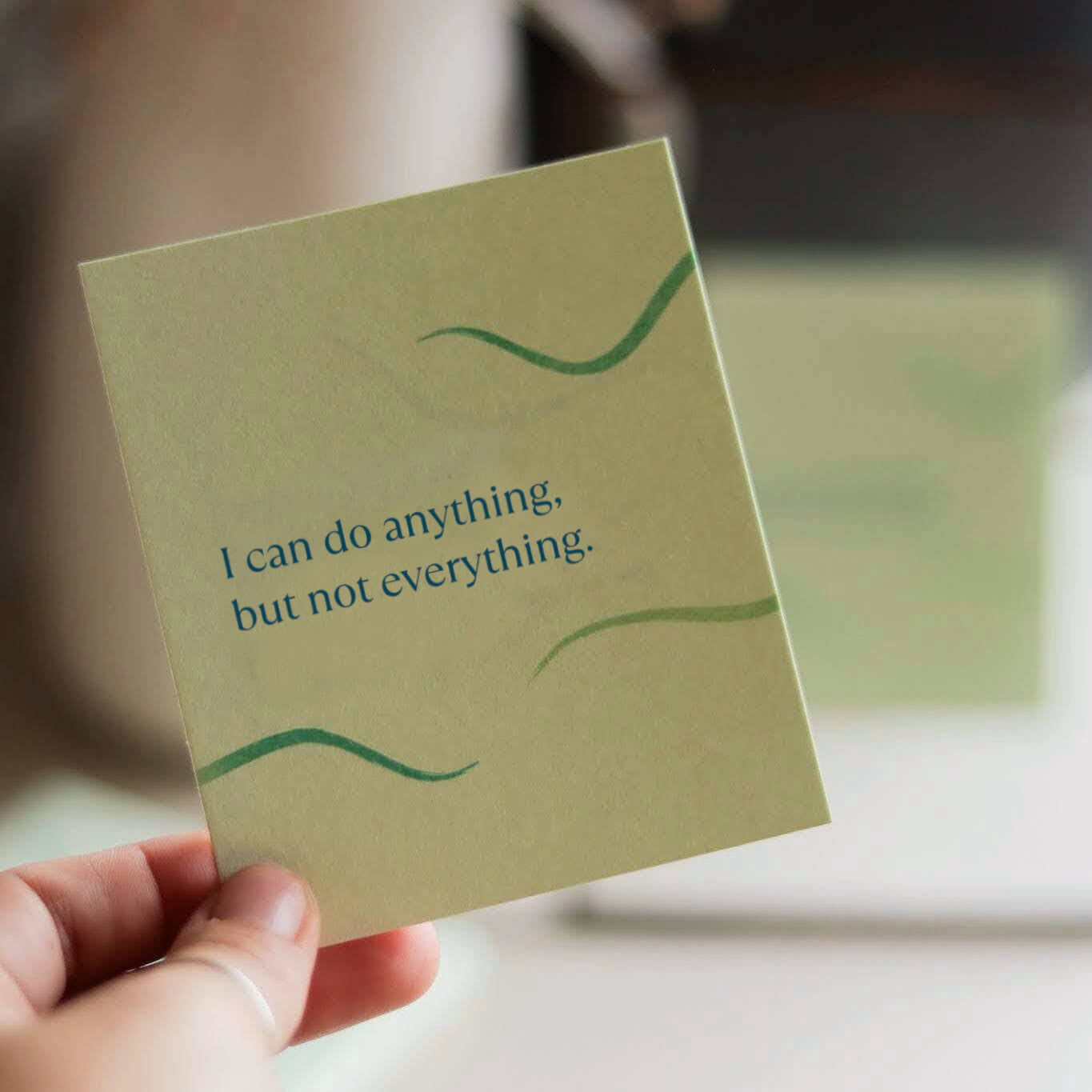
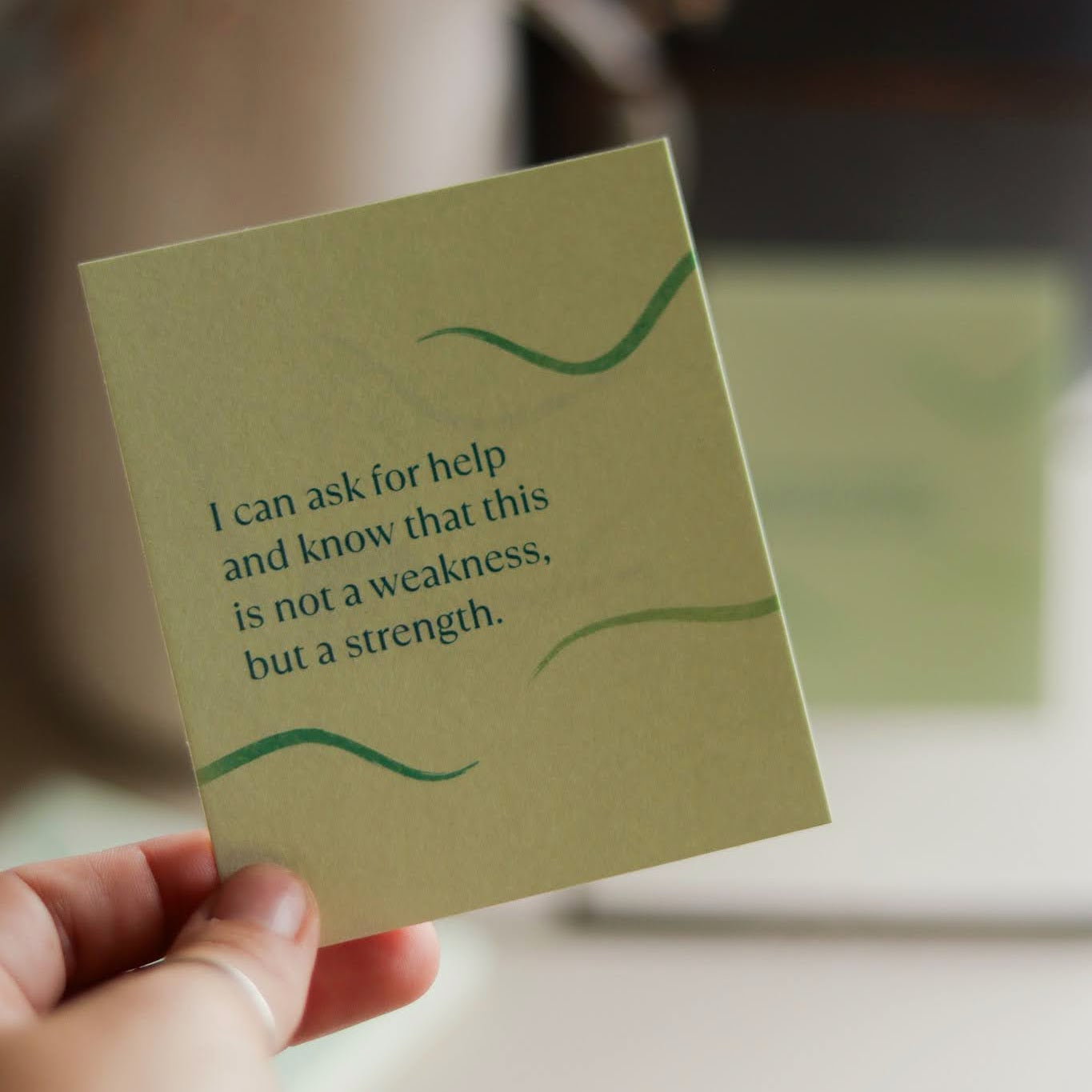
- "I'm learning to trust myself more"Makes it a direction rather than a claim, so there's nothing to disprove.
- "It's normal to have an inner critic, but I don't have to believe it"Doesn't argue with the voice. Just declines to take its word for it.
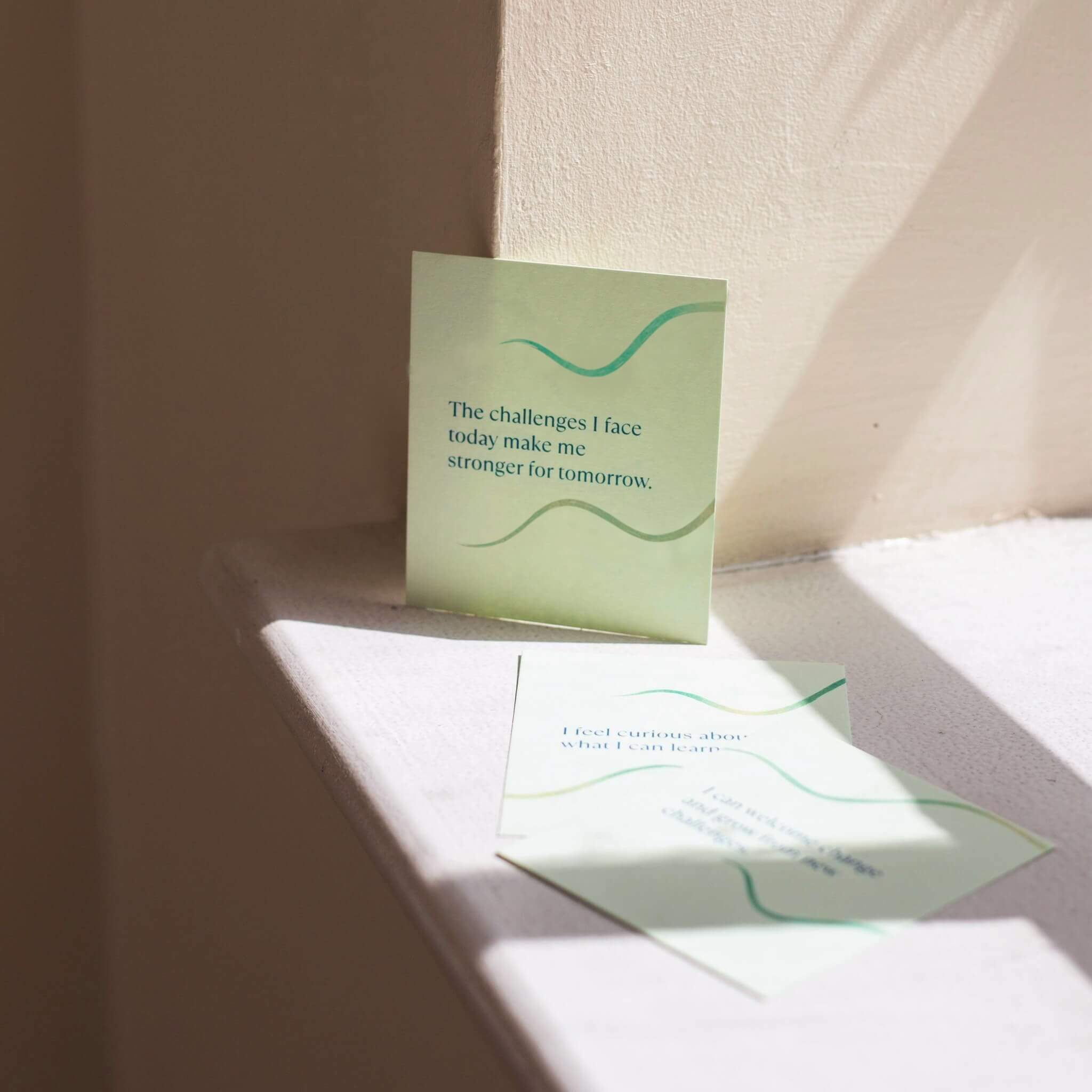
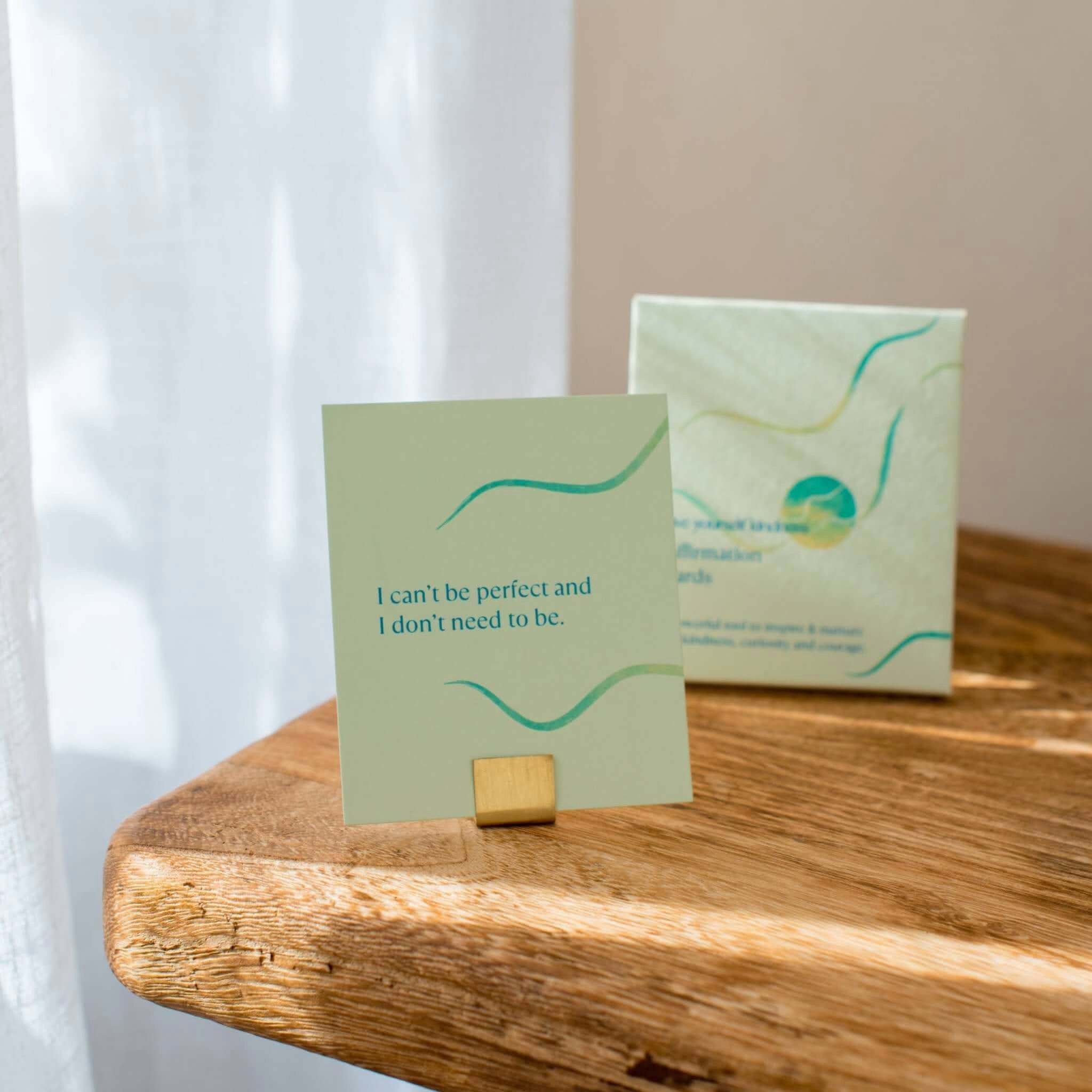
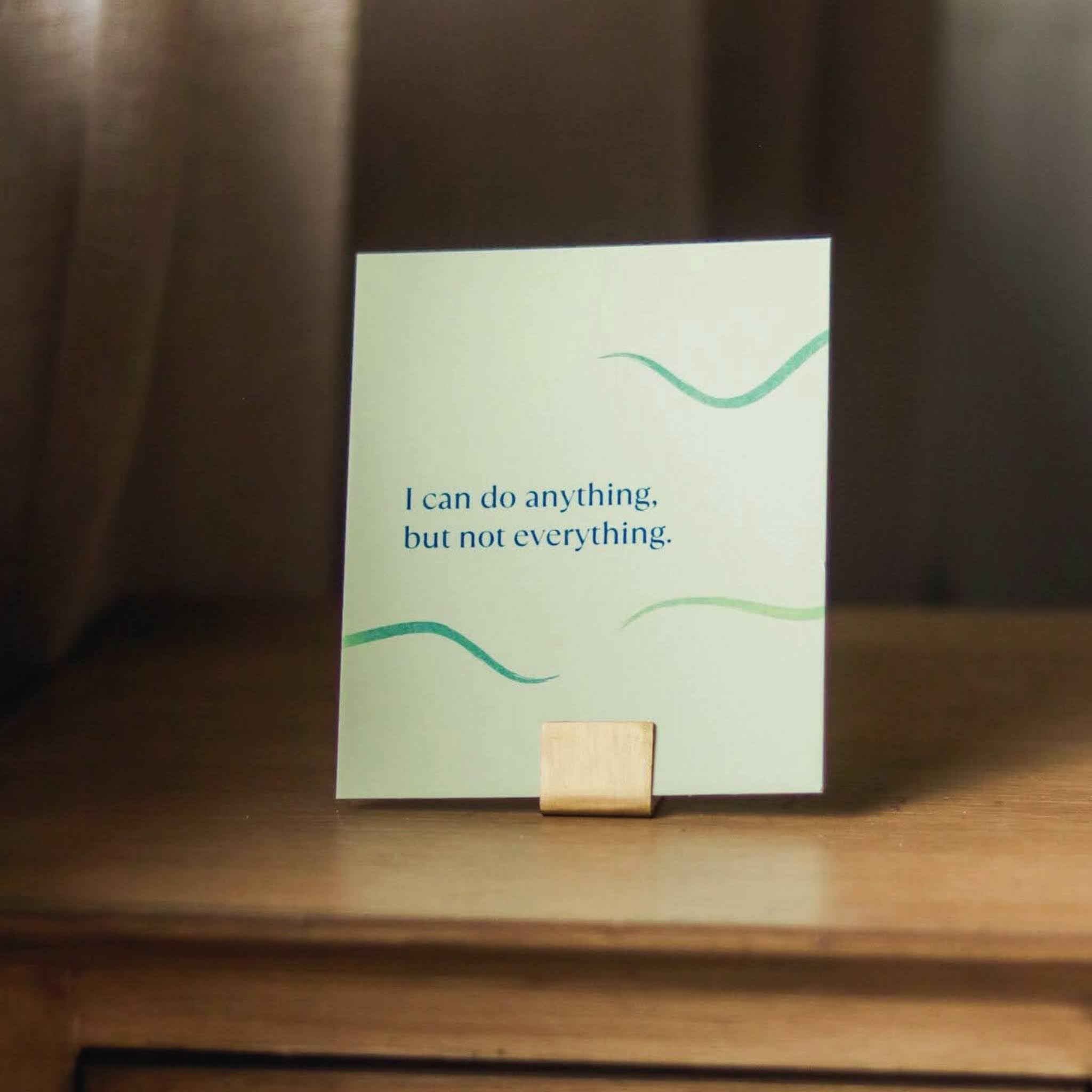
- "I can't be perfect and I don't need to be"Takes away the standard the doubt is measuring you against.
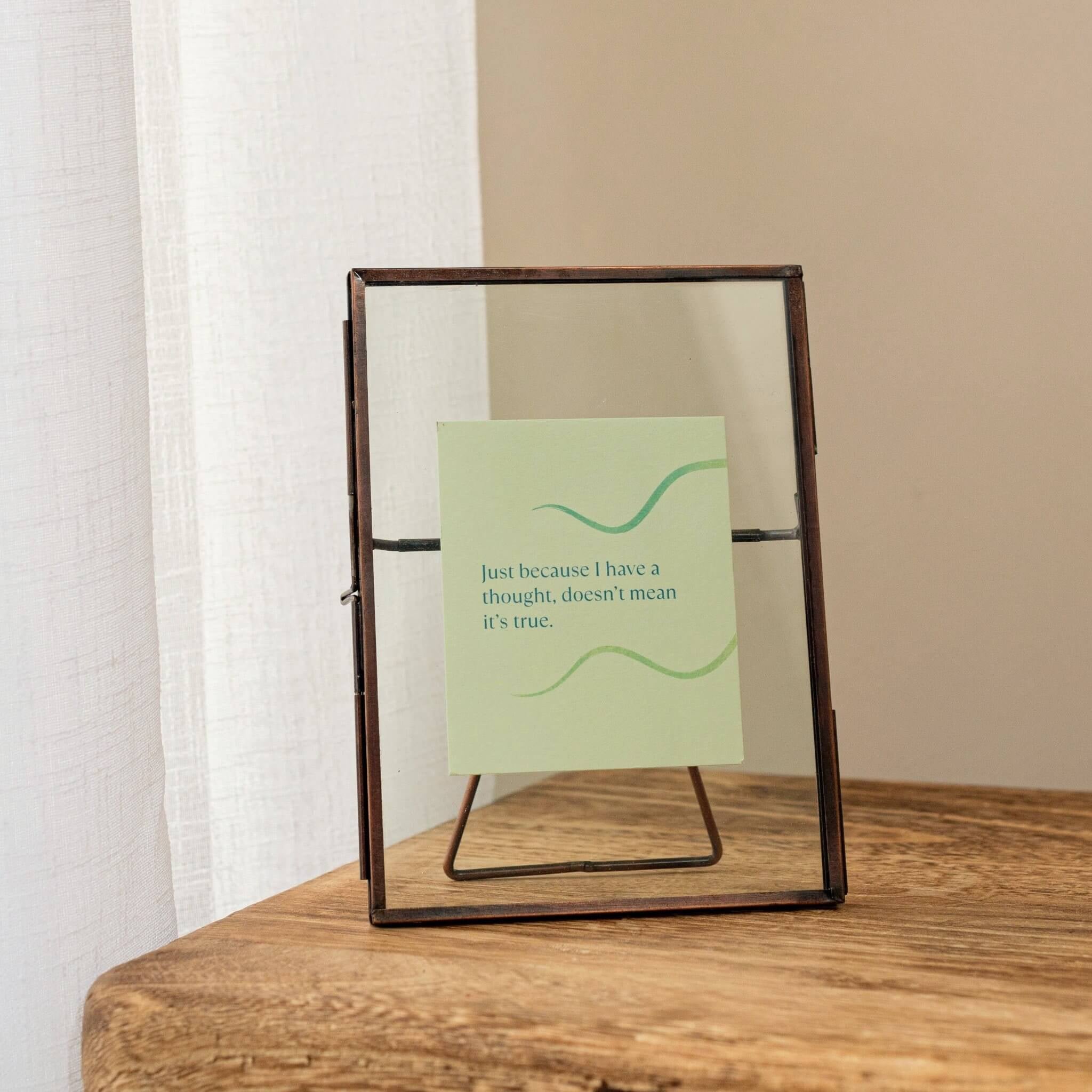
- "Just because I have a thought doesn't mean it's true"The most useful eight words in here at three in the morning.
- "My voice matters. My opinions matter. I matter"Direct, but about worth rather than performance, so it stays believable.
- "I choose to give myself the same kindness I would give to a friend"Would you ever speak to a friend the way you speak to yourself?
- "I am worthy now, and this will never change"Uncouples your worth from how today went.
- "Everyone struggles sometimes. I'm not alone in this"Self-doubt tells you it's just you. It is never just you.
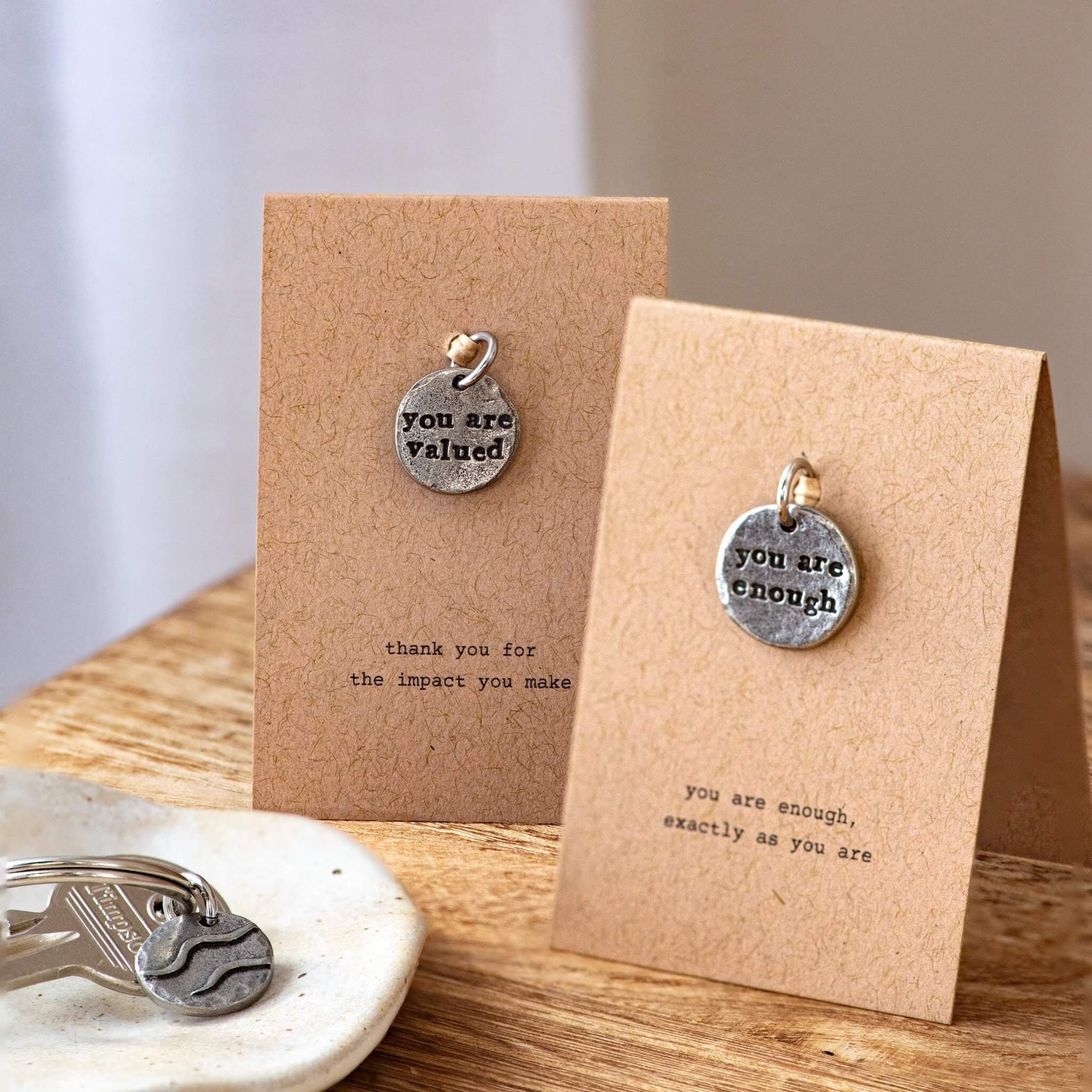
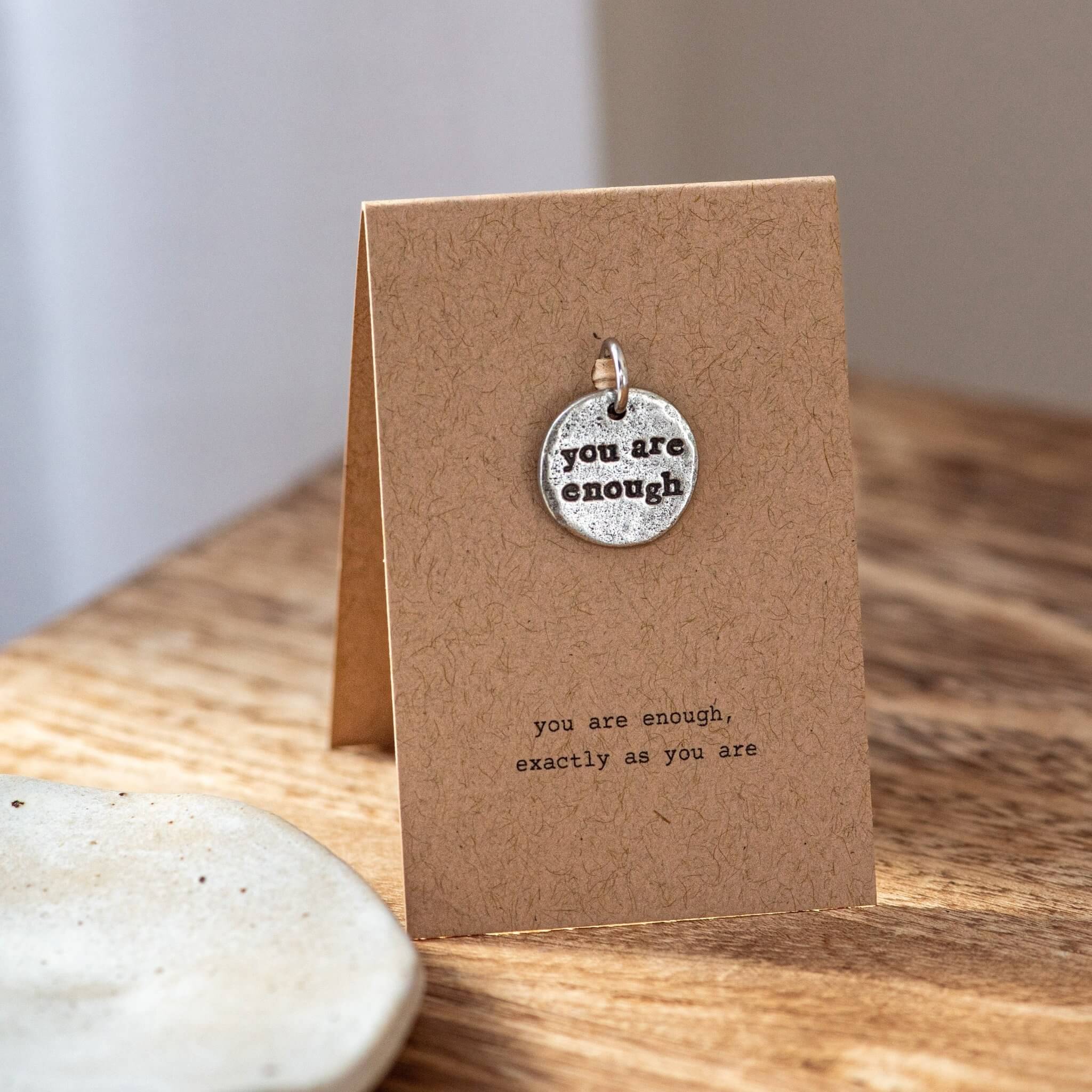
If those feel like the right shape and you'd rather not write them out yourself, the cards further down are the same words on 270gsm card that stands up on a desk. If you'd rather just use this list, please do. That is a completely good outcome.
The cards, and who they're actually for
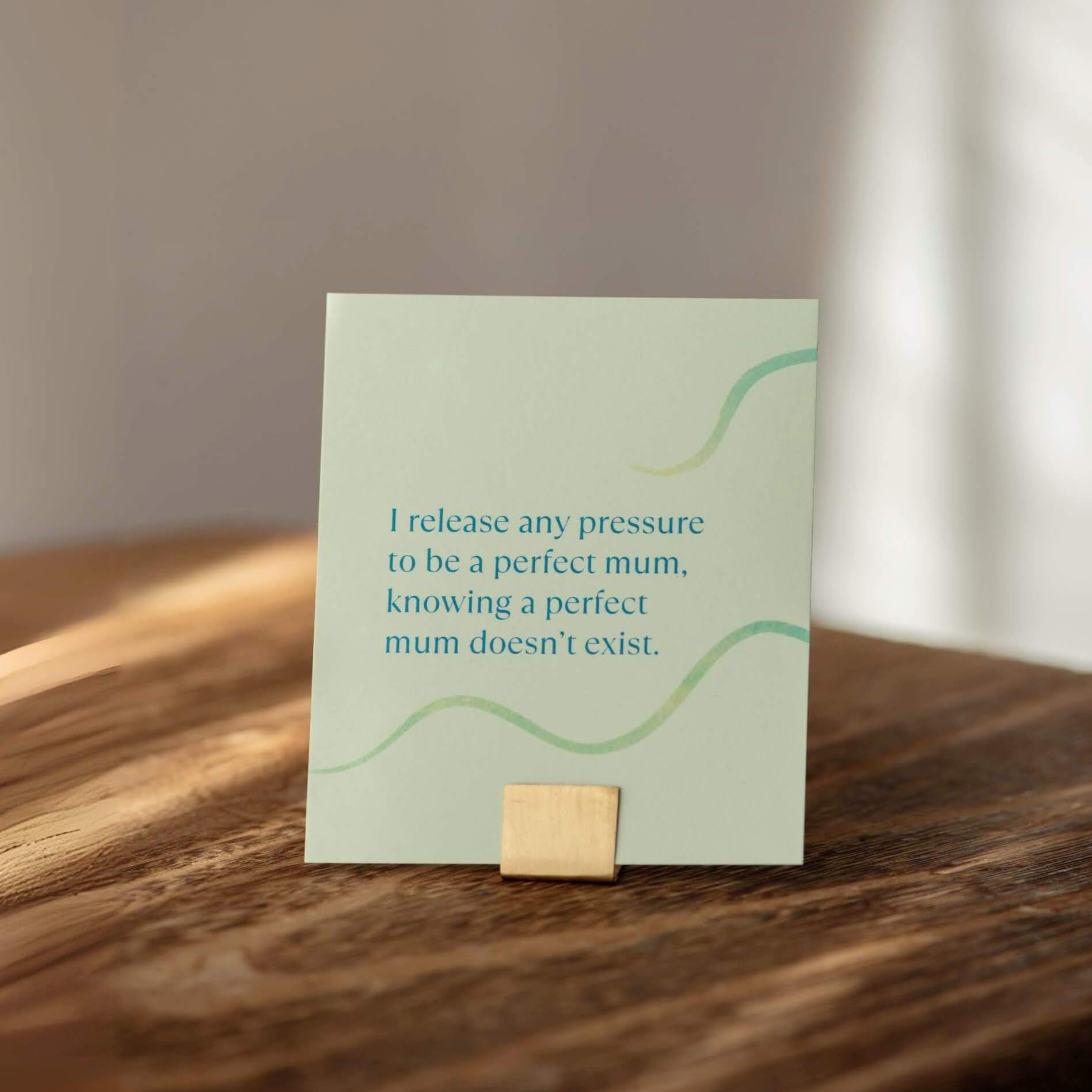
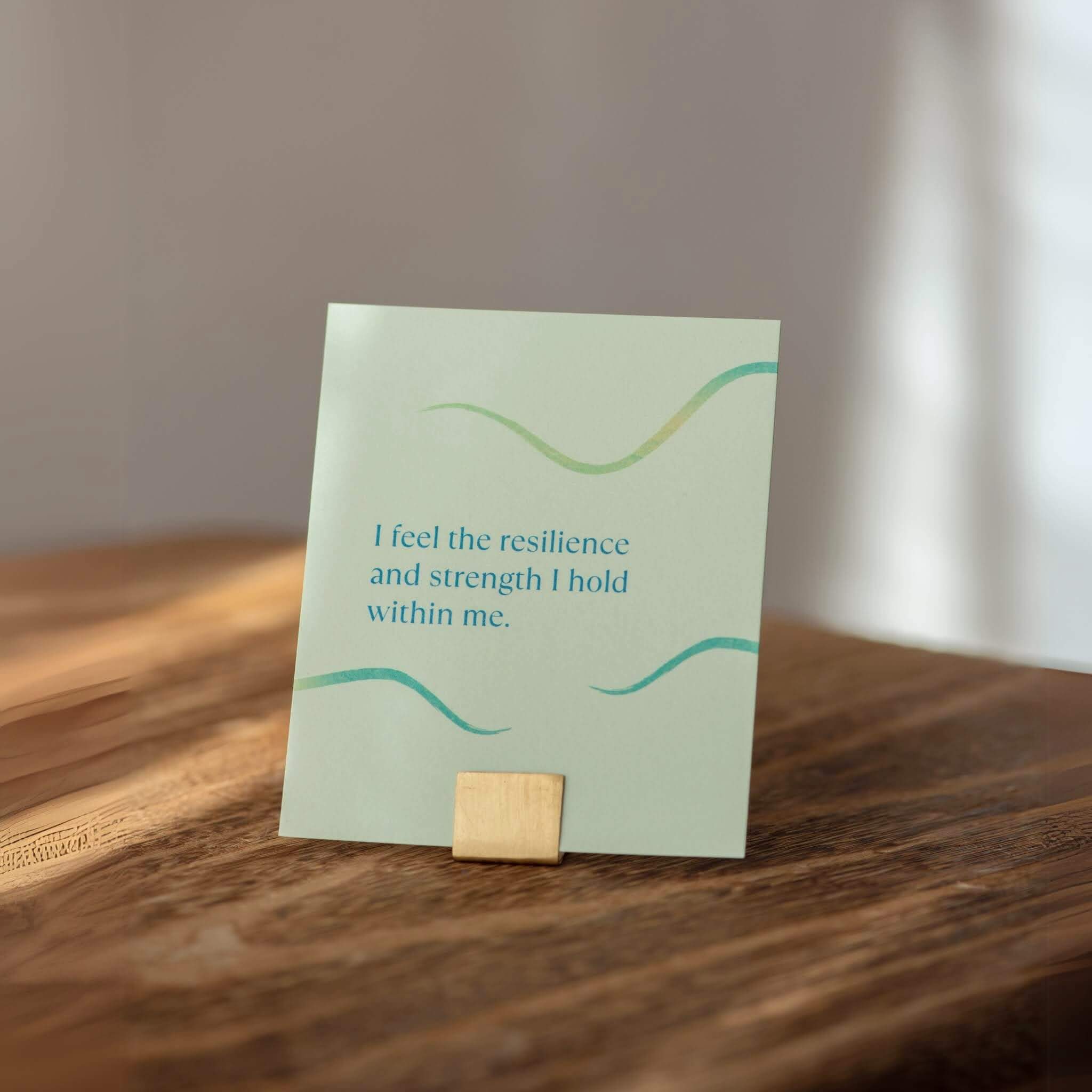
I made these because I couldn't do the mirror exercise. Every affirmation deck I could find was the "I am confident" kind, and I'd already discovered what that did to me. So the whole set is written to the rule Dr Kyle Dortch describes: close enough to your current reality that you can actually say it.

Collette Jones, LCSW
Licensed therapist and practice owner, specialising in perfectionism and high-functioning anxiety. Reviewing the affirmation cards
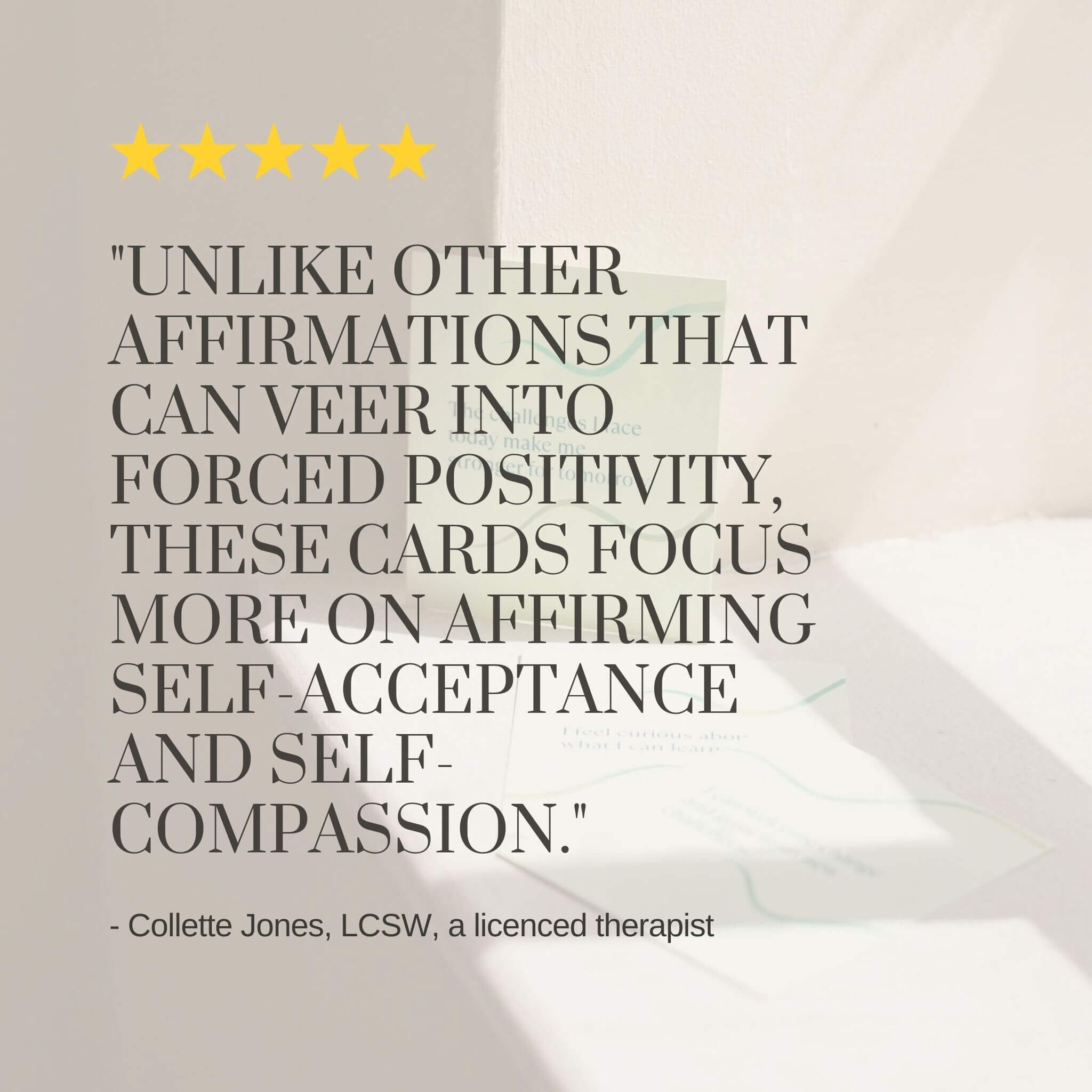
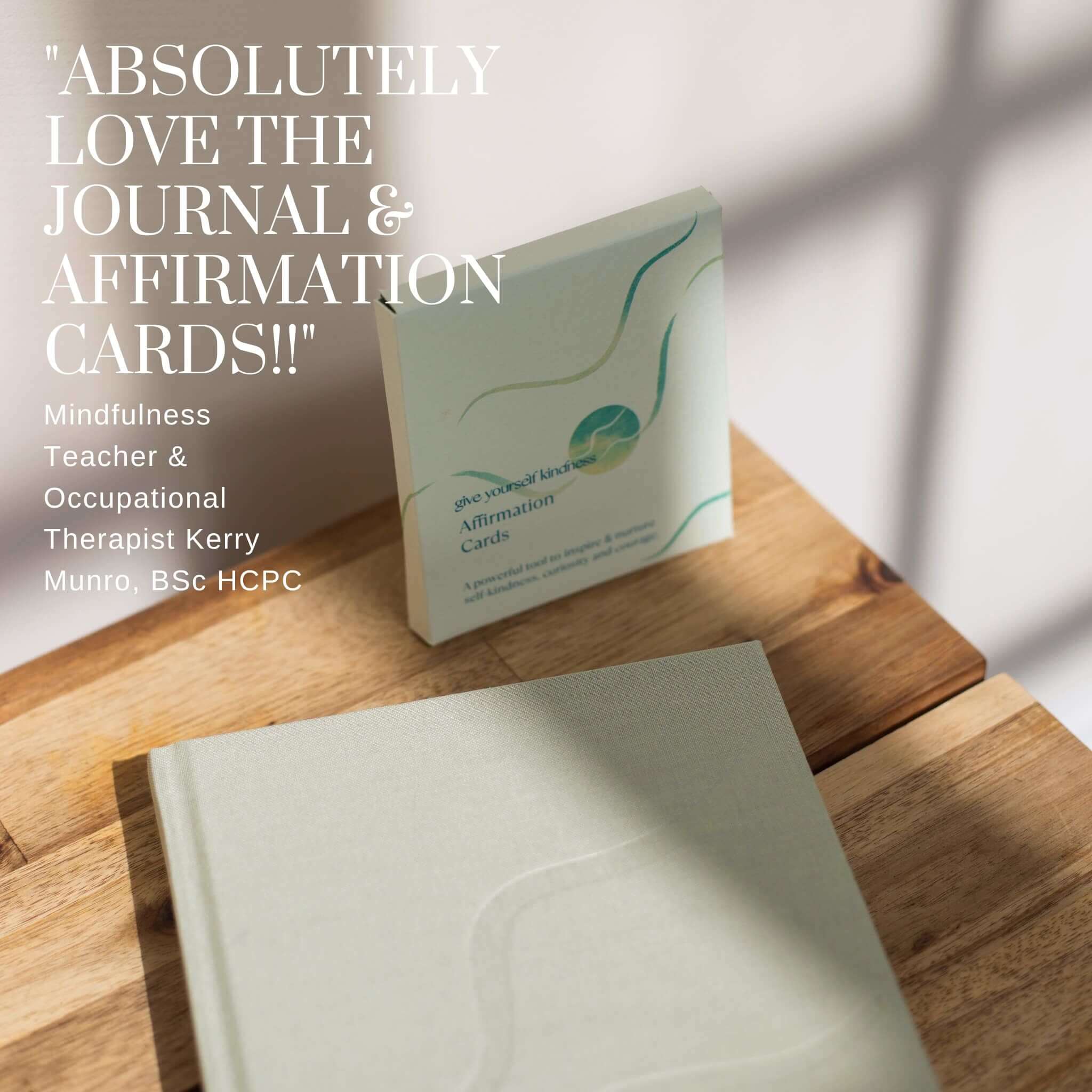
"These cards are a beautiful tool that offer gentle reminders to soothe the mind, ease tension, and cultivate a sense of peace. Unlike other affirmations that can veer into forced positivity, these cards focus on affirming self-acceptance and self-compassion."See all the expert reviews →
How the sets work
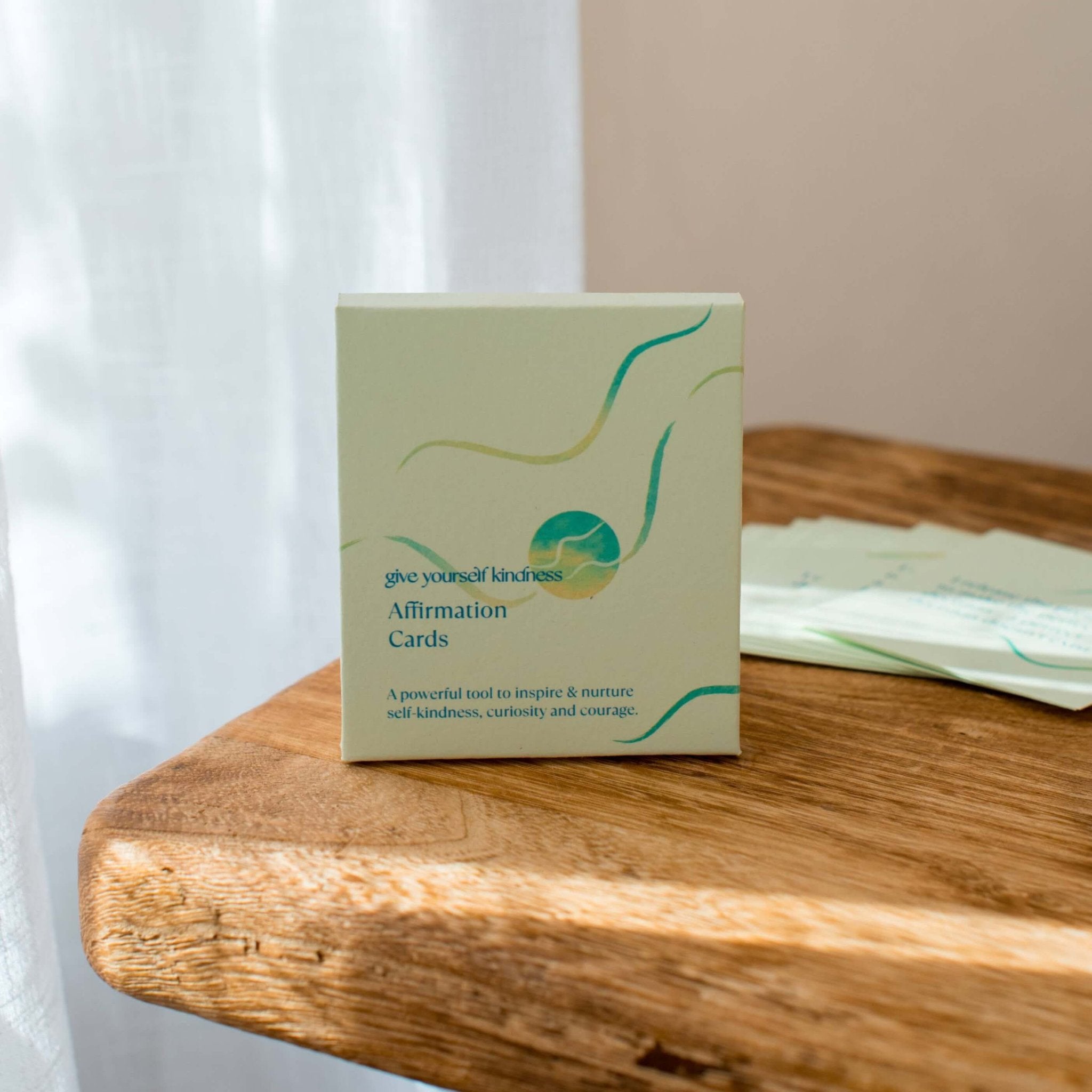
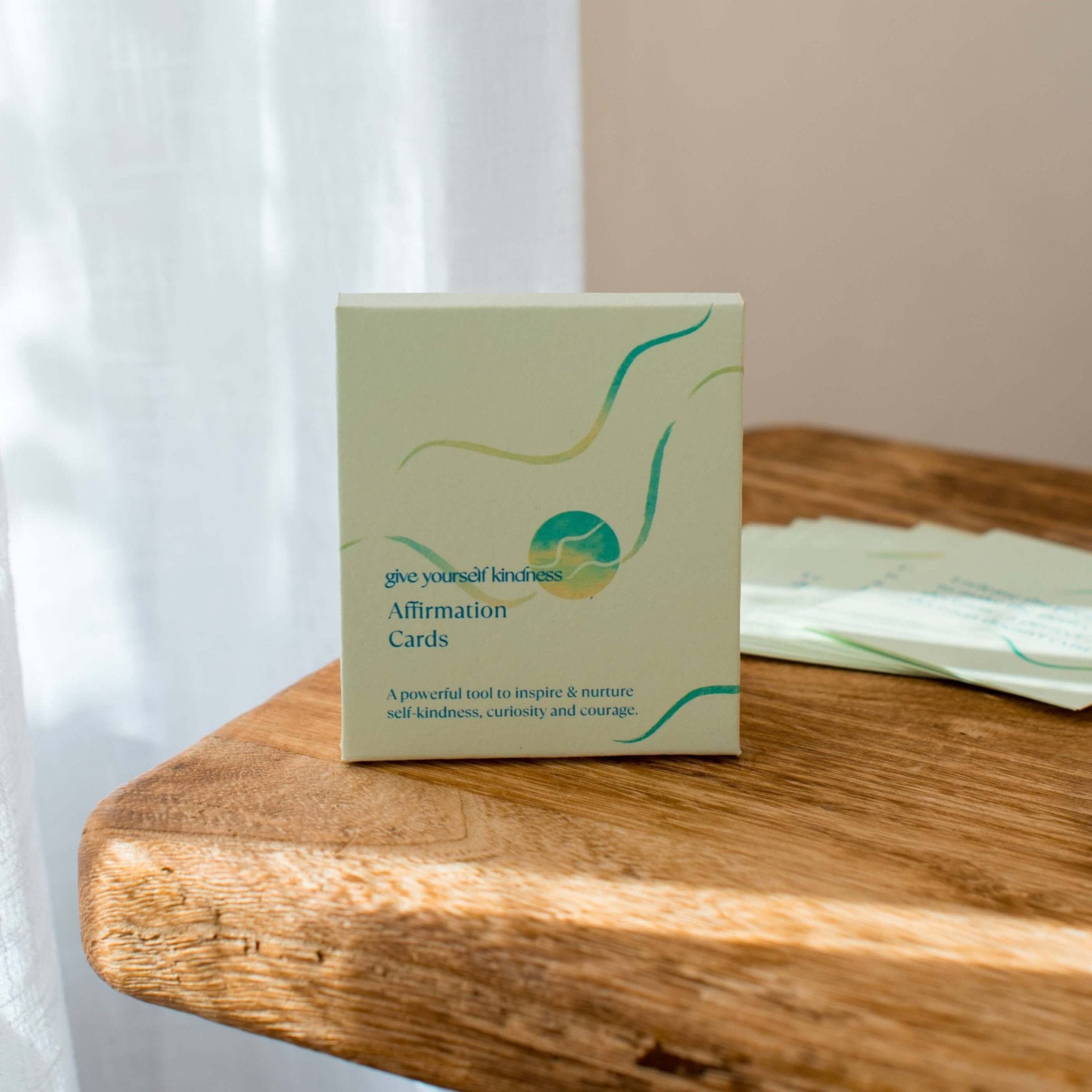
Worth being clear about this before you choose, because the numbers can be confusing. There are three boxed sets of twenty cards. All sixty affirmations are different, so nothing ever repeats, and each box is complete on its own.
The numbers are just where I'd suggest beginning, not a ranking. There is no wrong choice here. And because they arrive as separate boxes rather than one deck, the Complete Collection can be in three places at once, which is genuinely the thing people tell me they didn't expect to like: one by the bed, one on the desk, one in a bag.

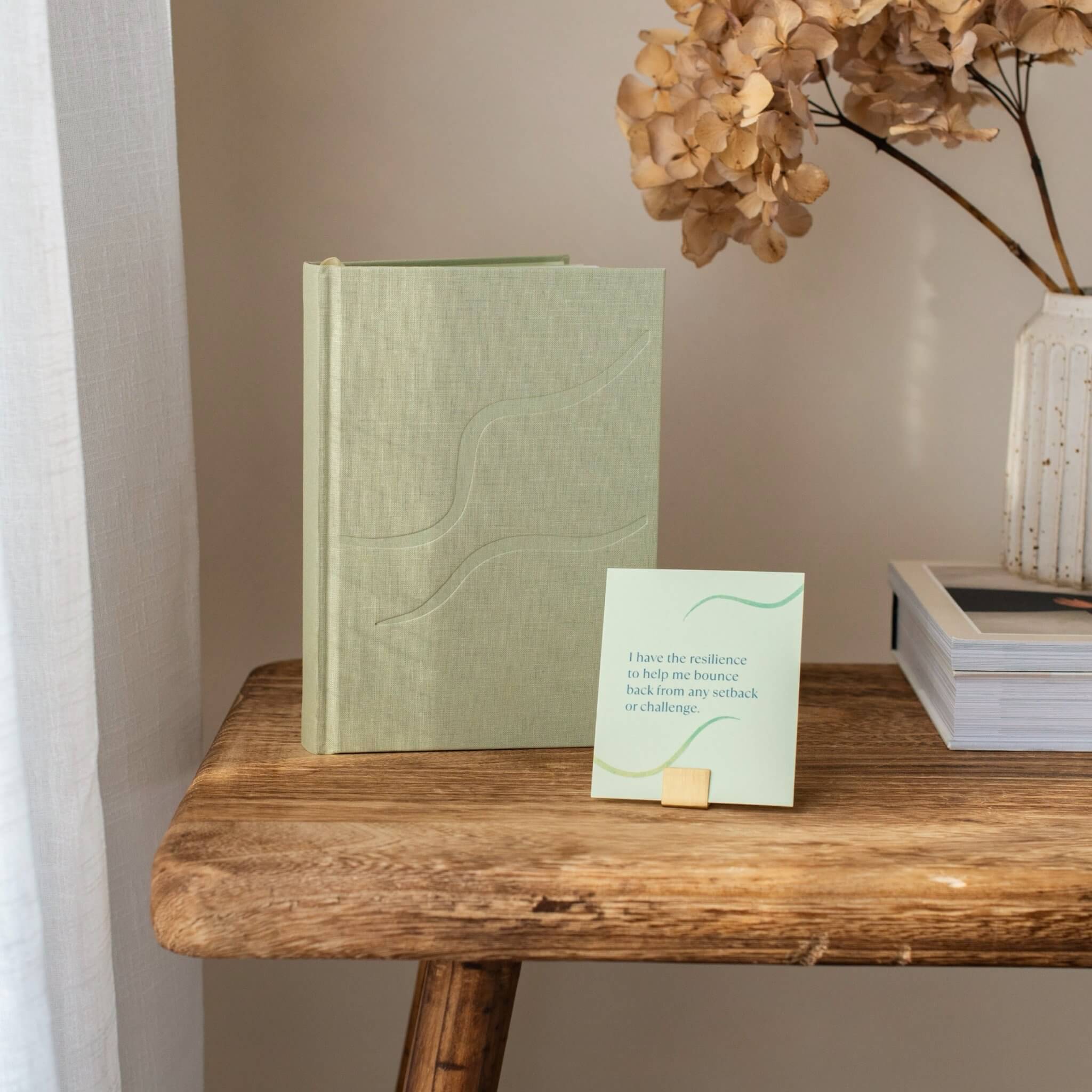
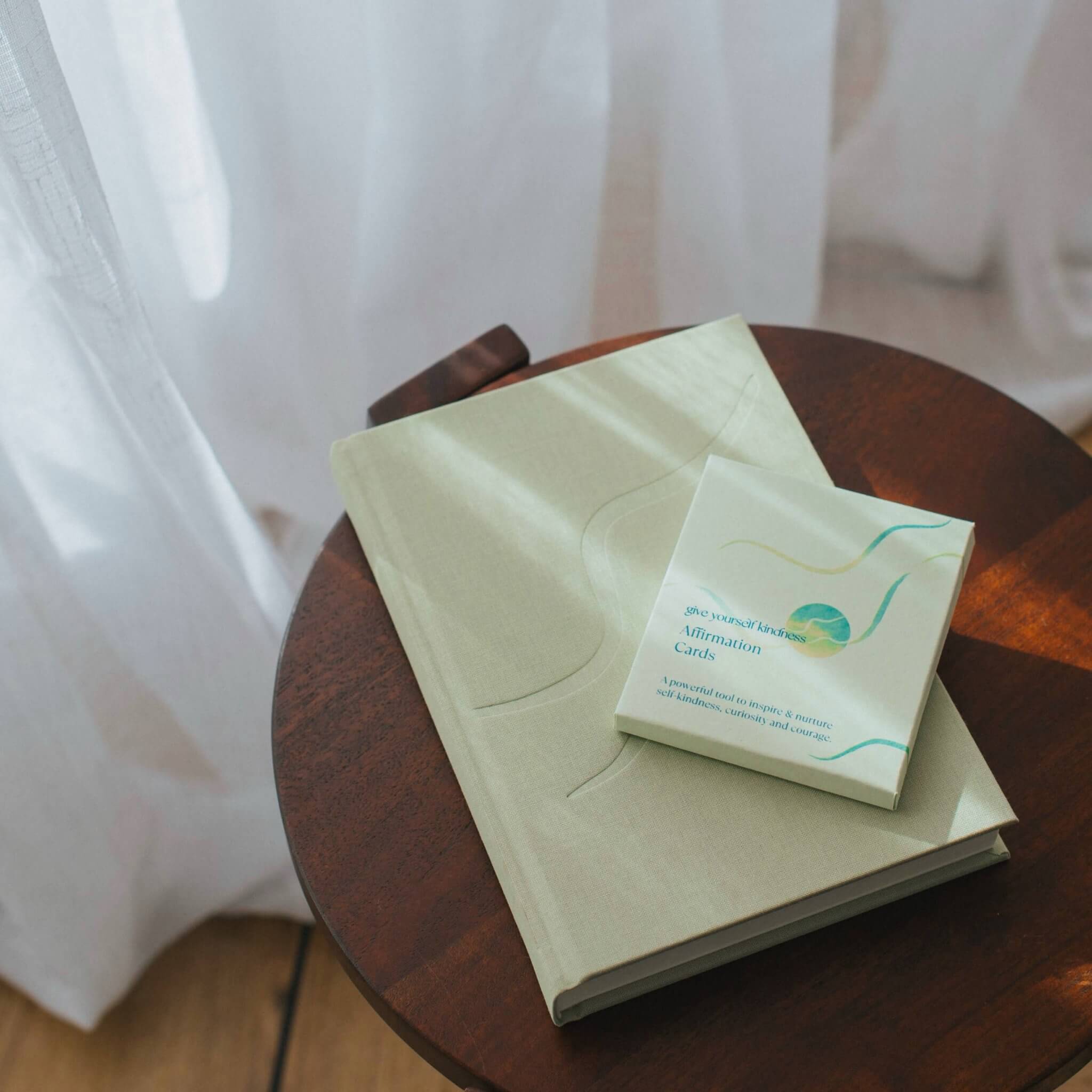
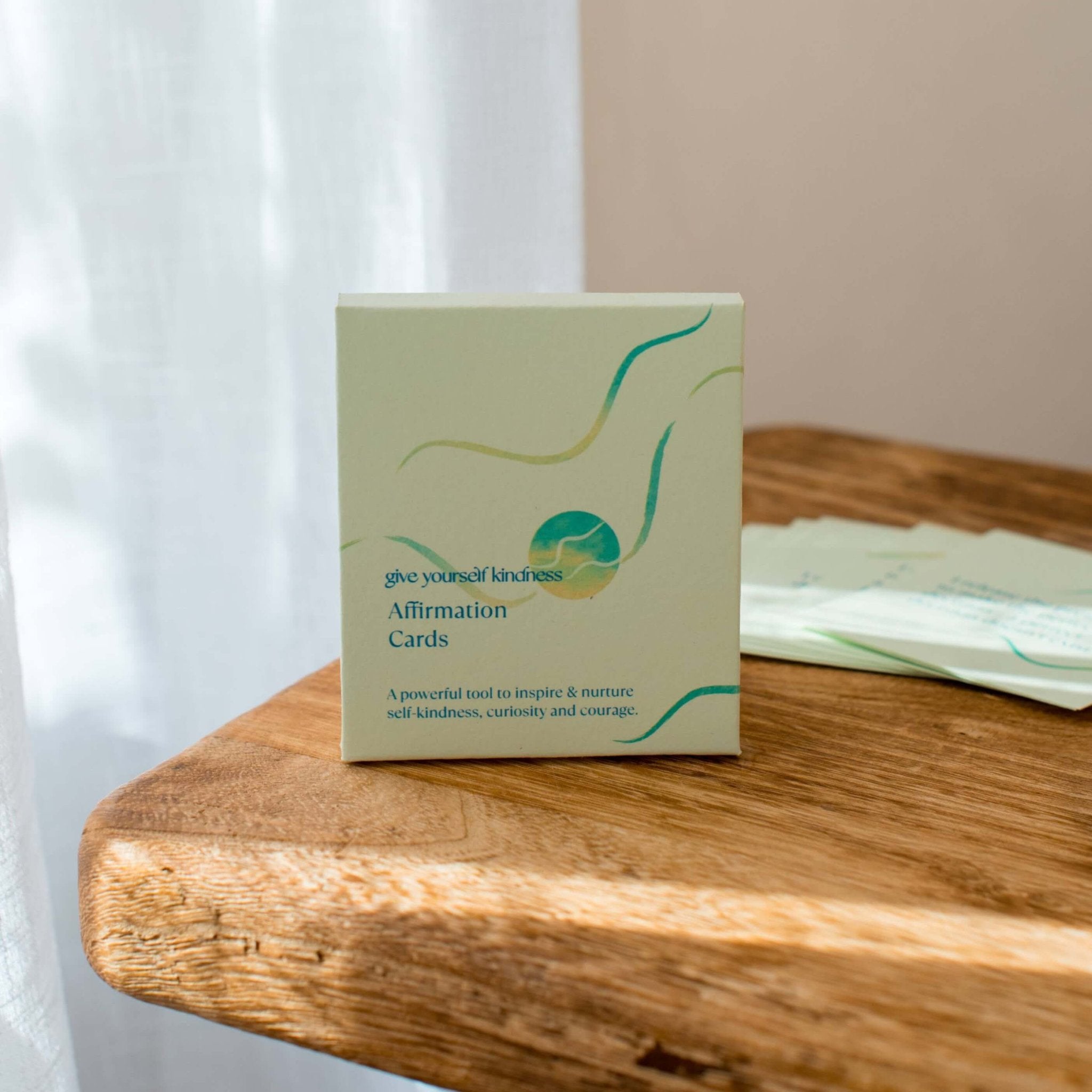
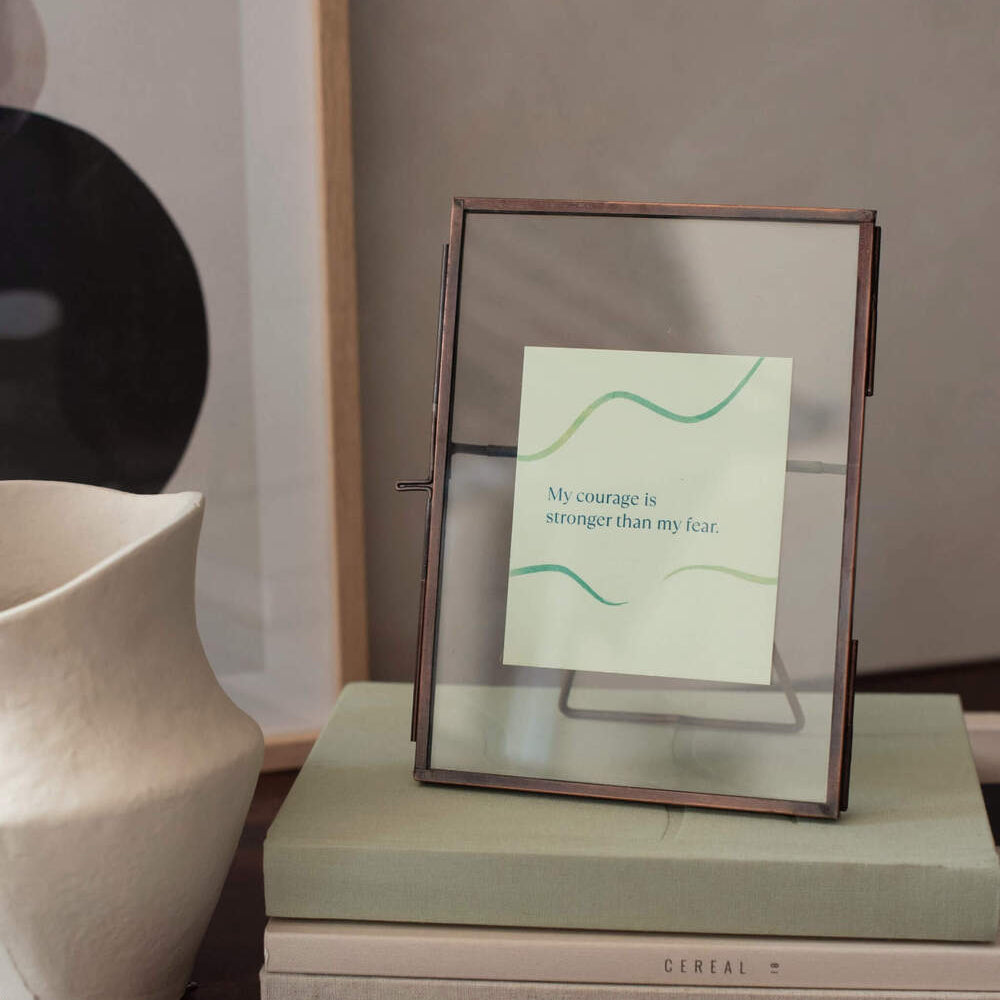
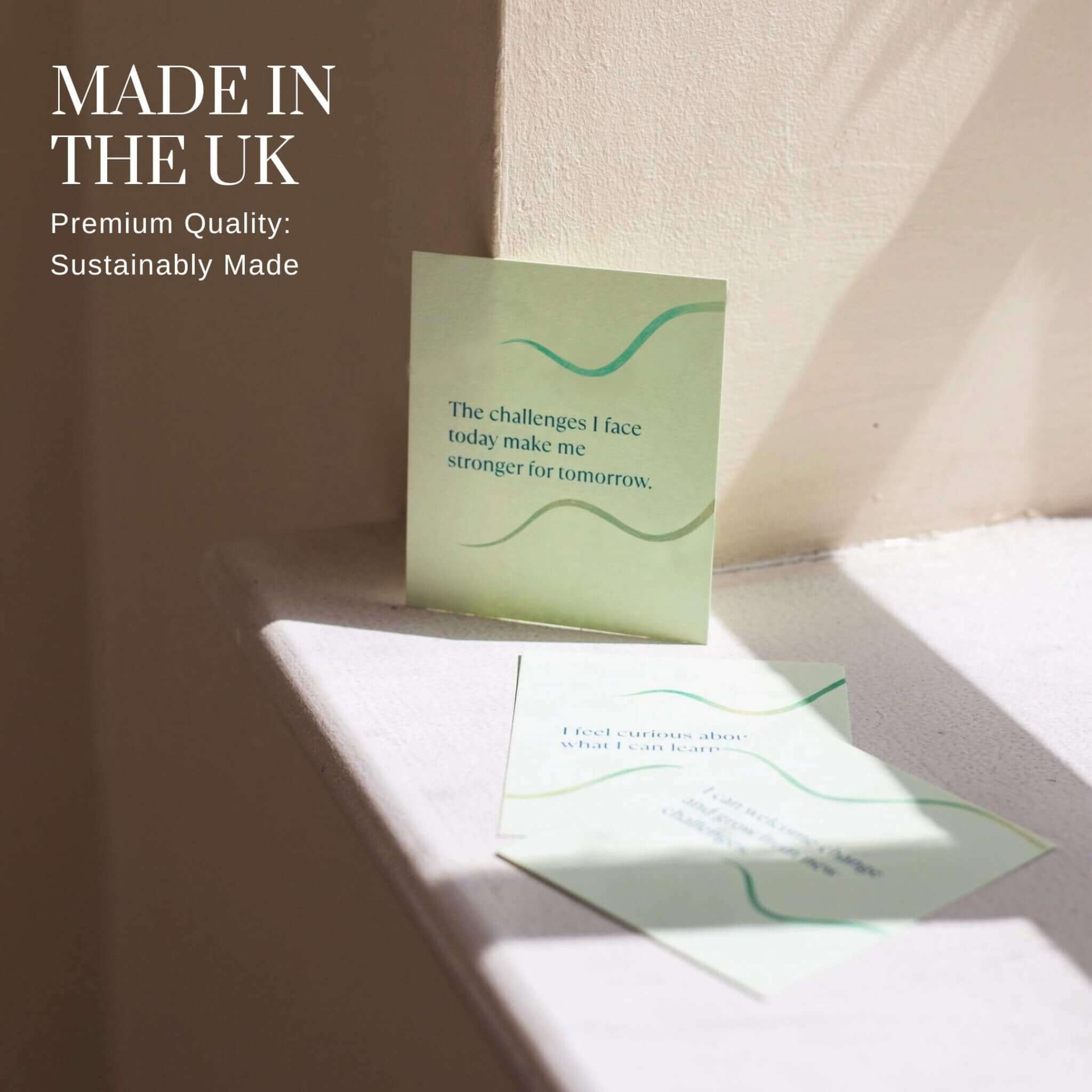
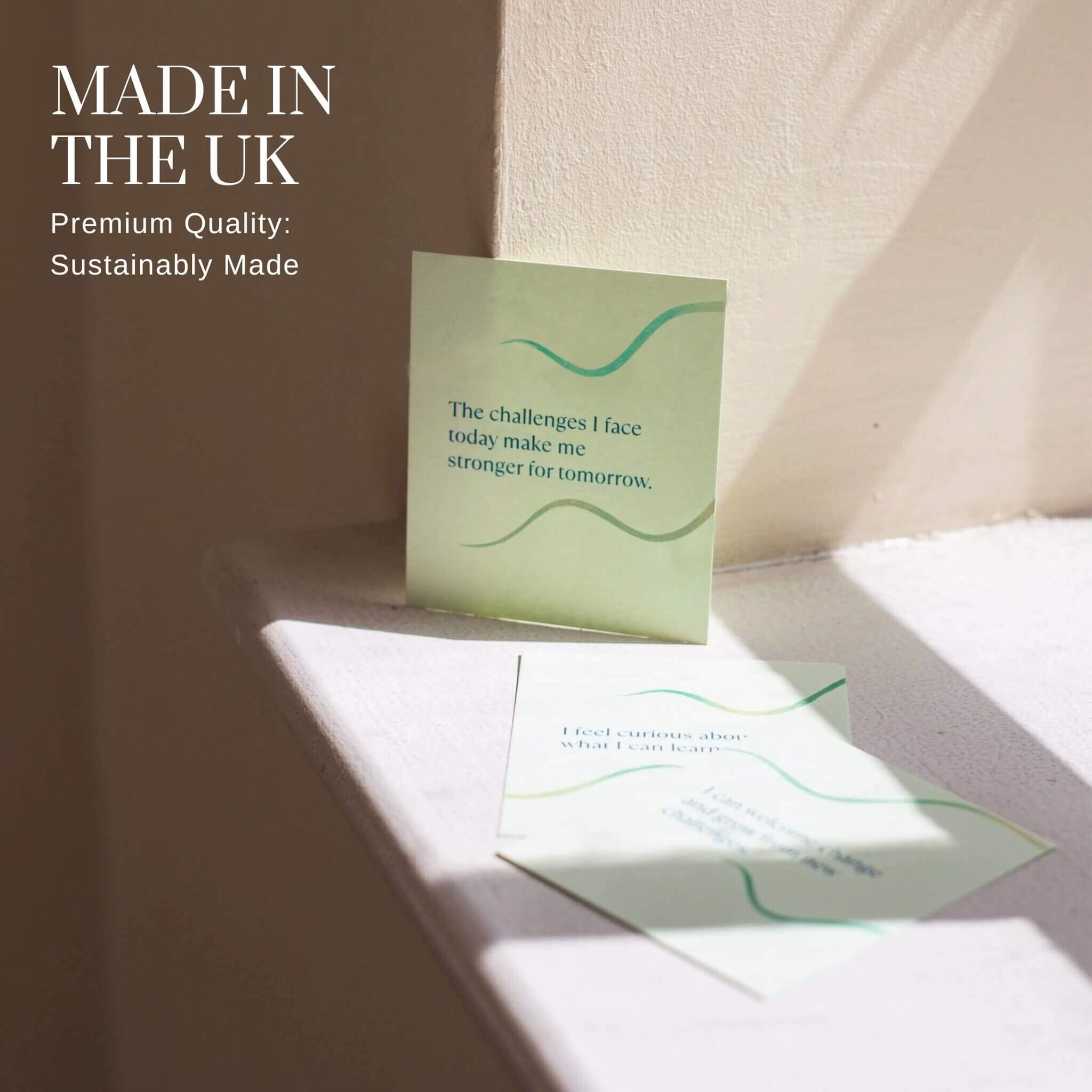
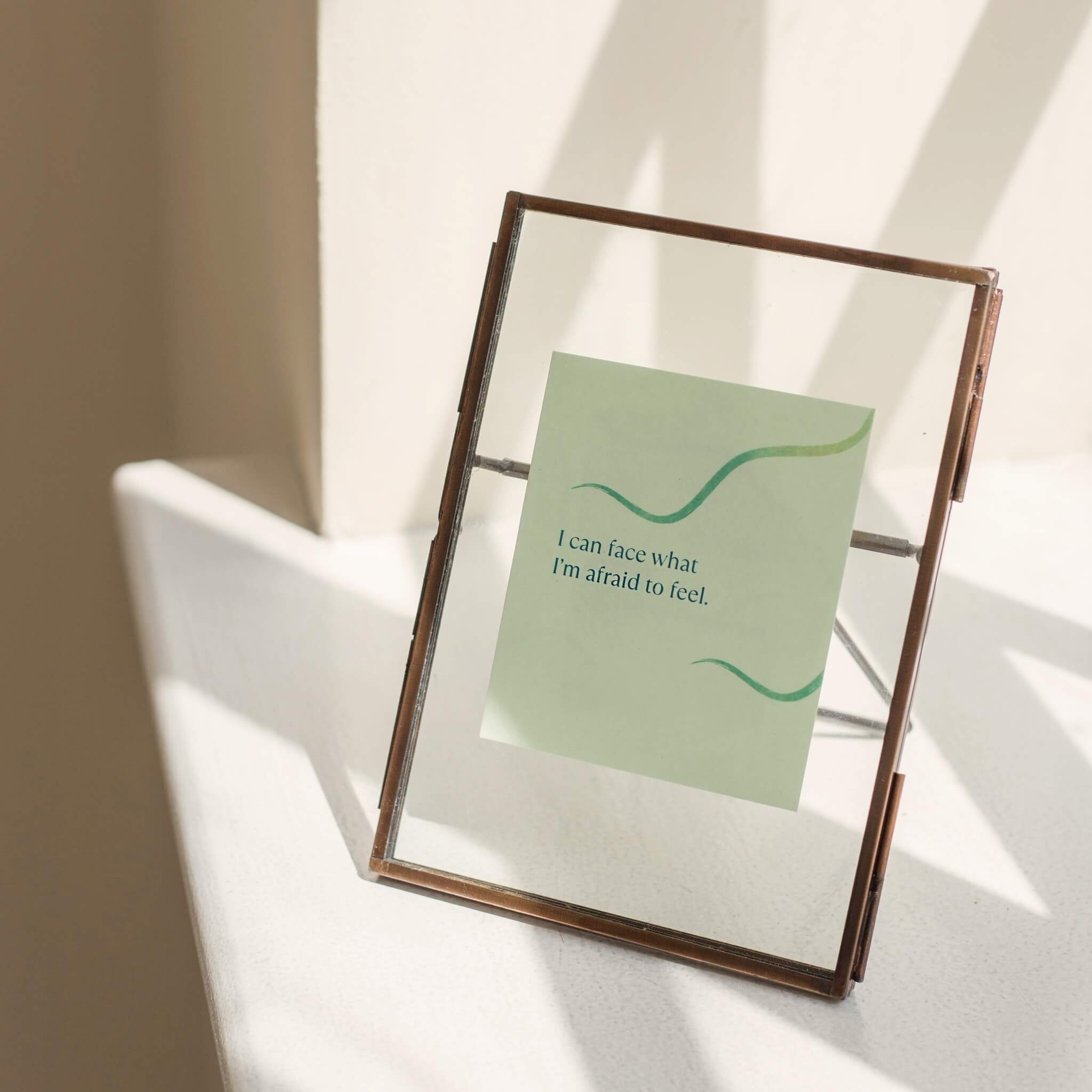
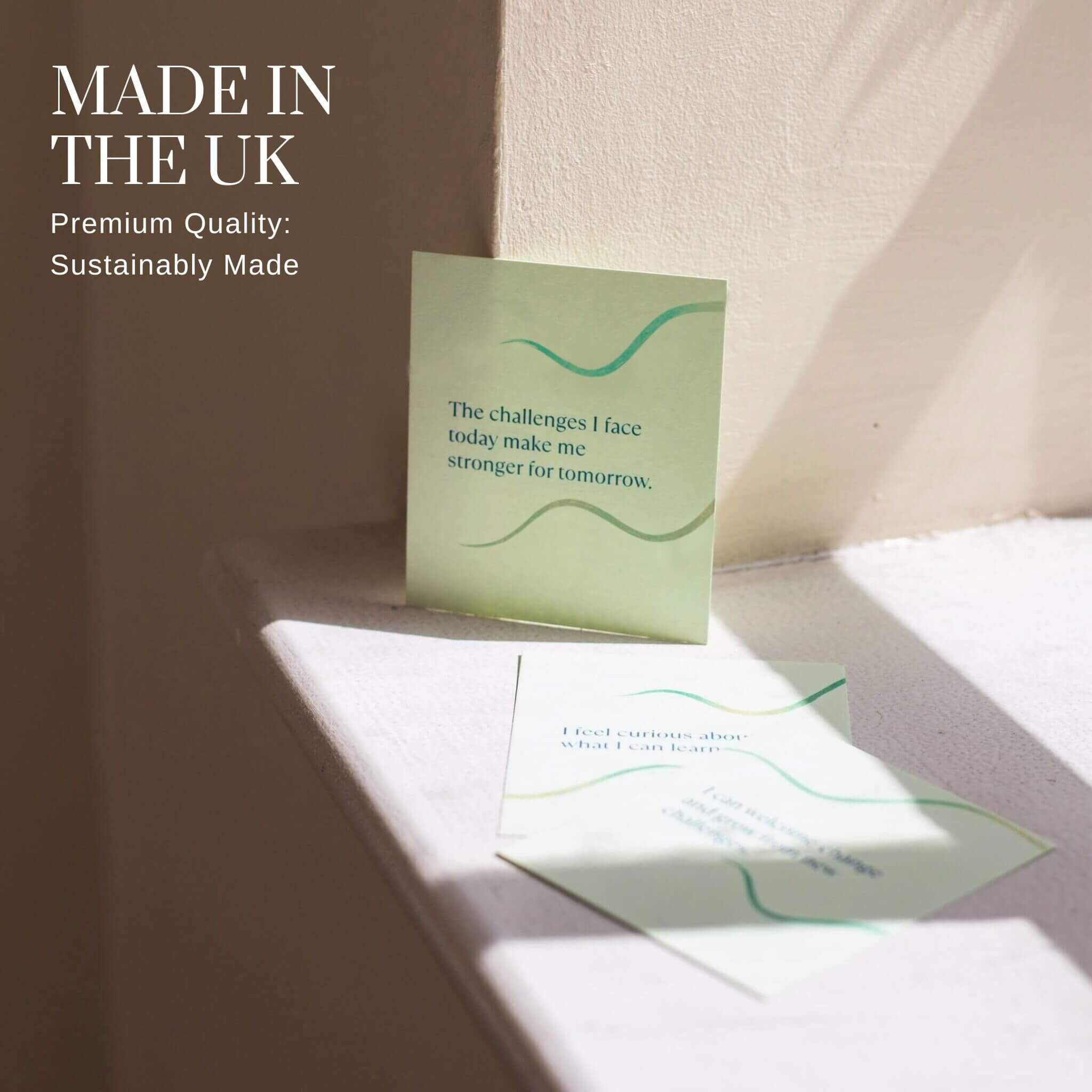
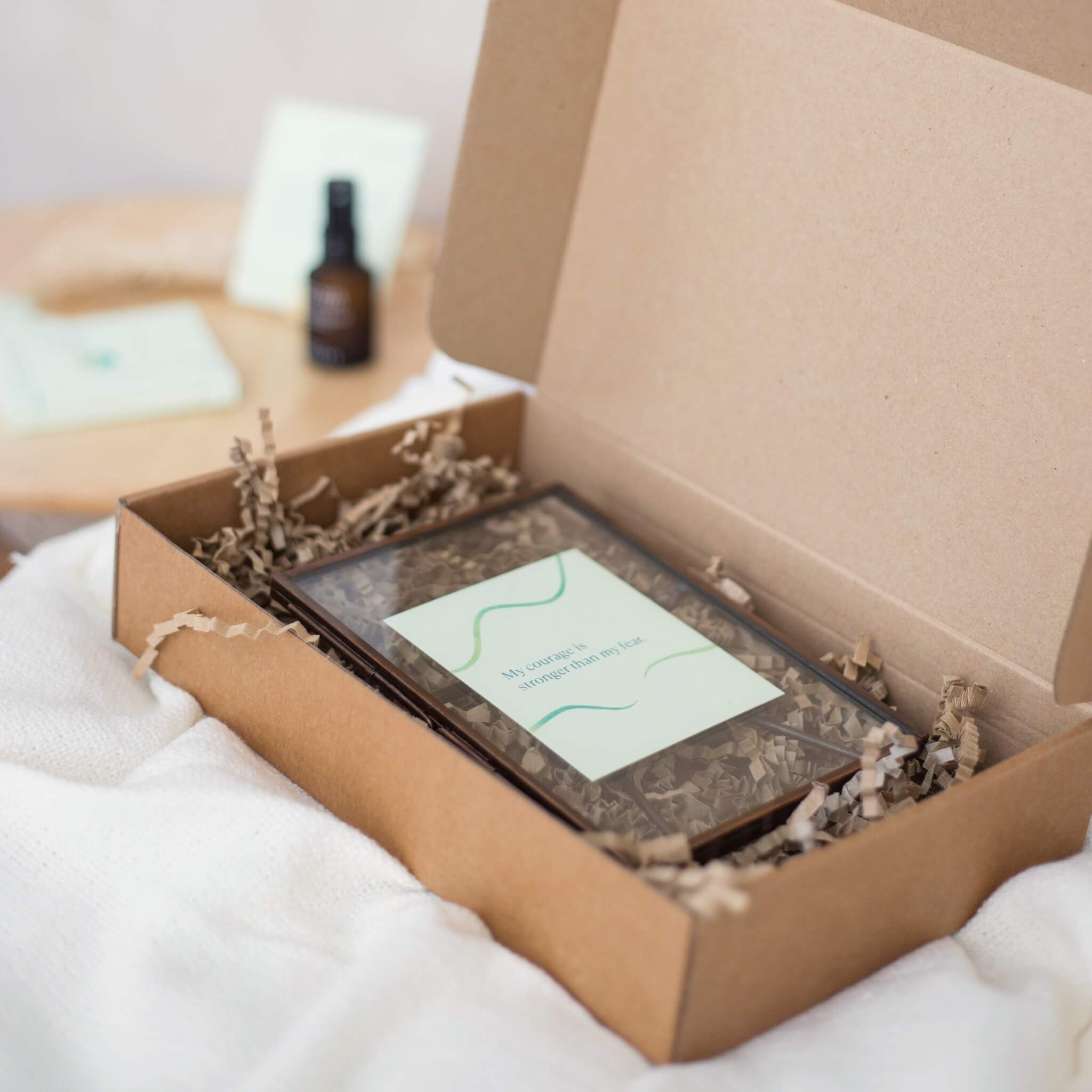
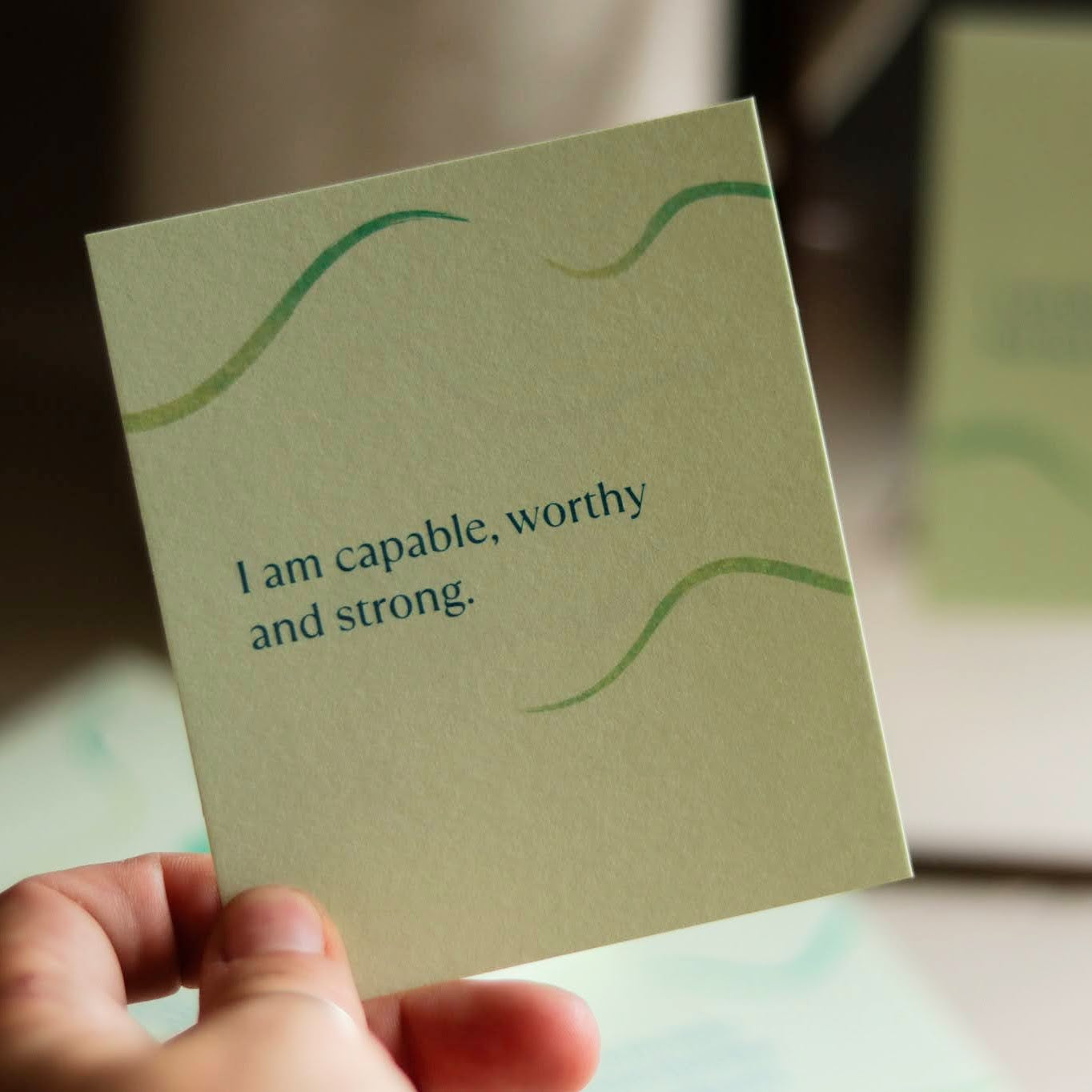
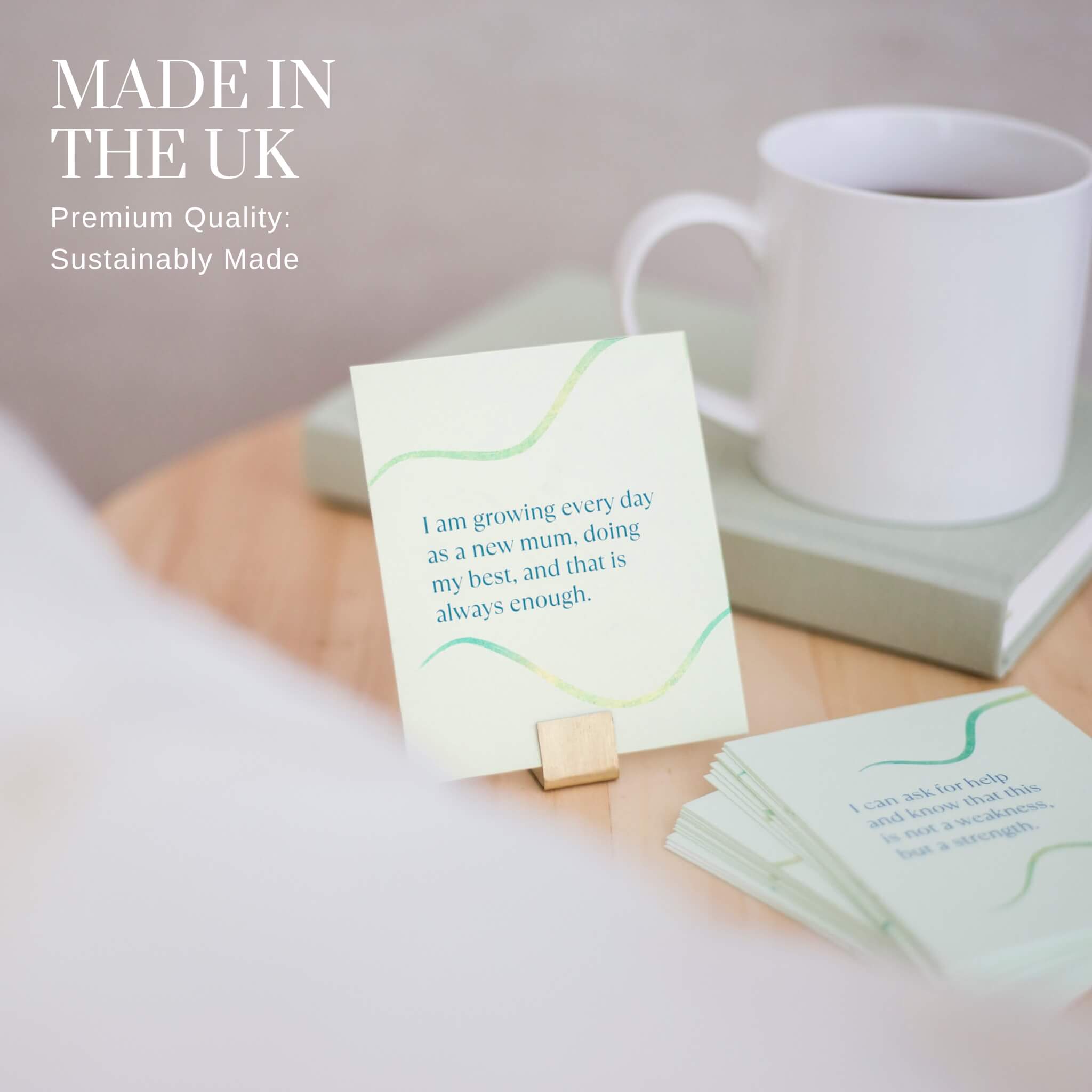
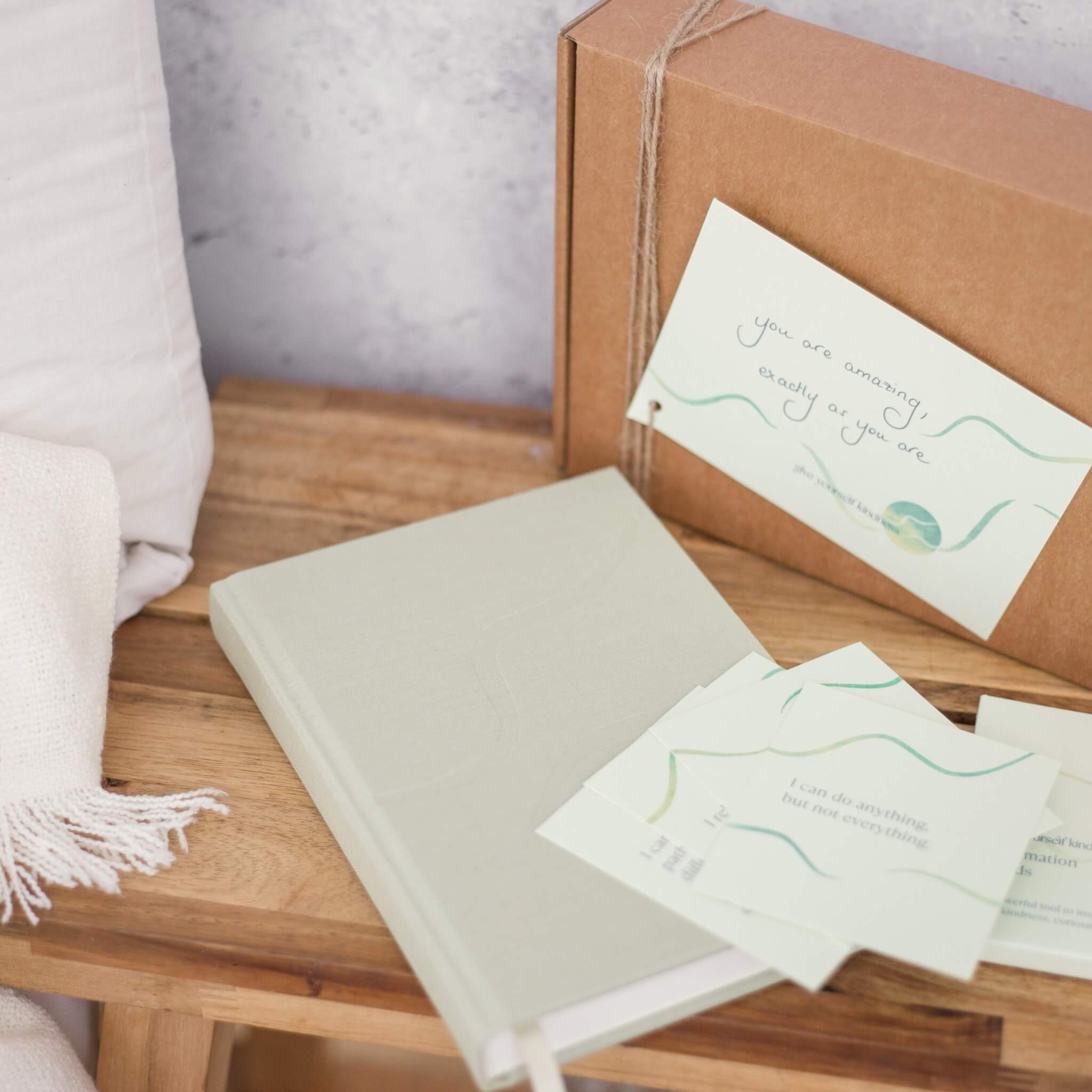
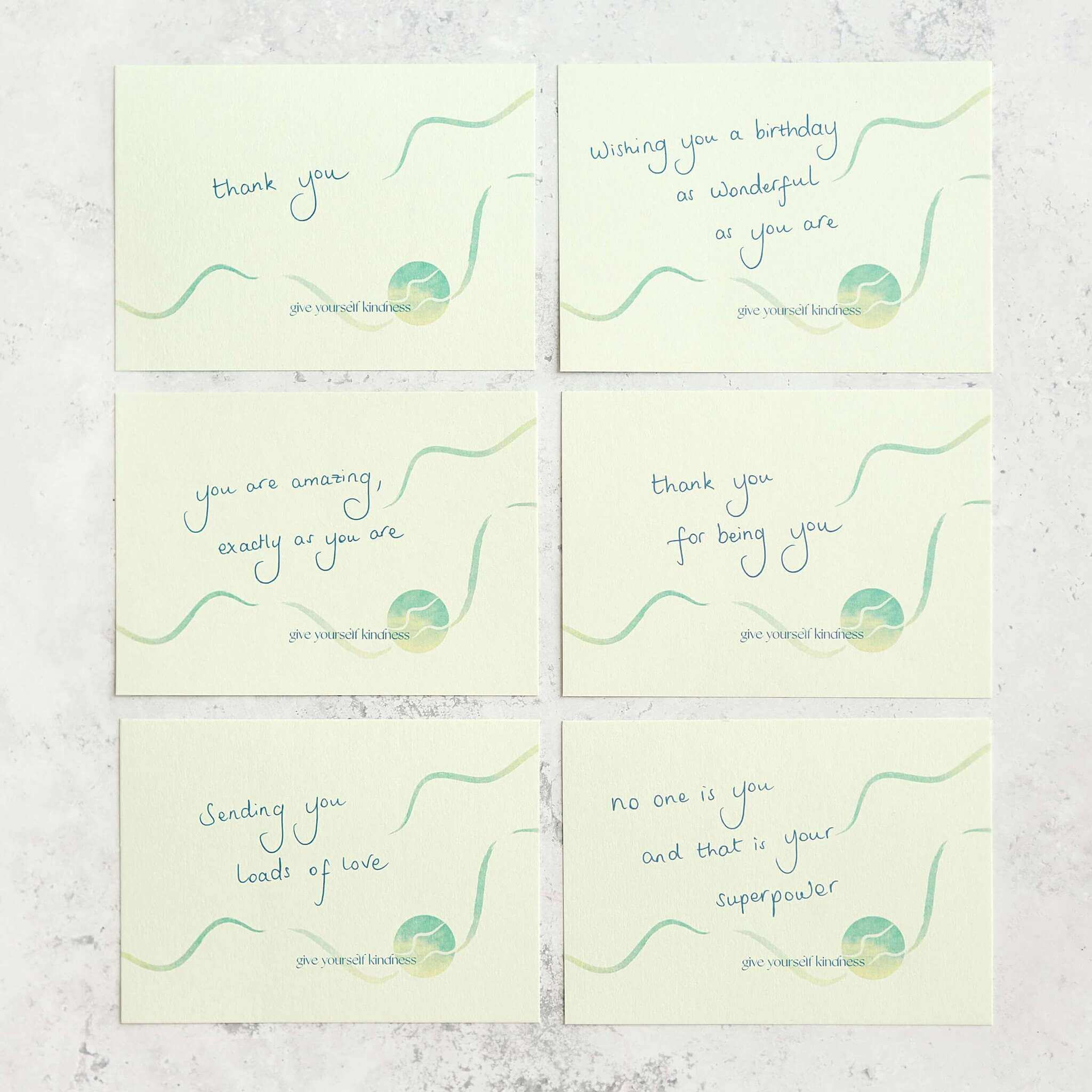
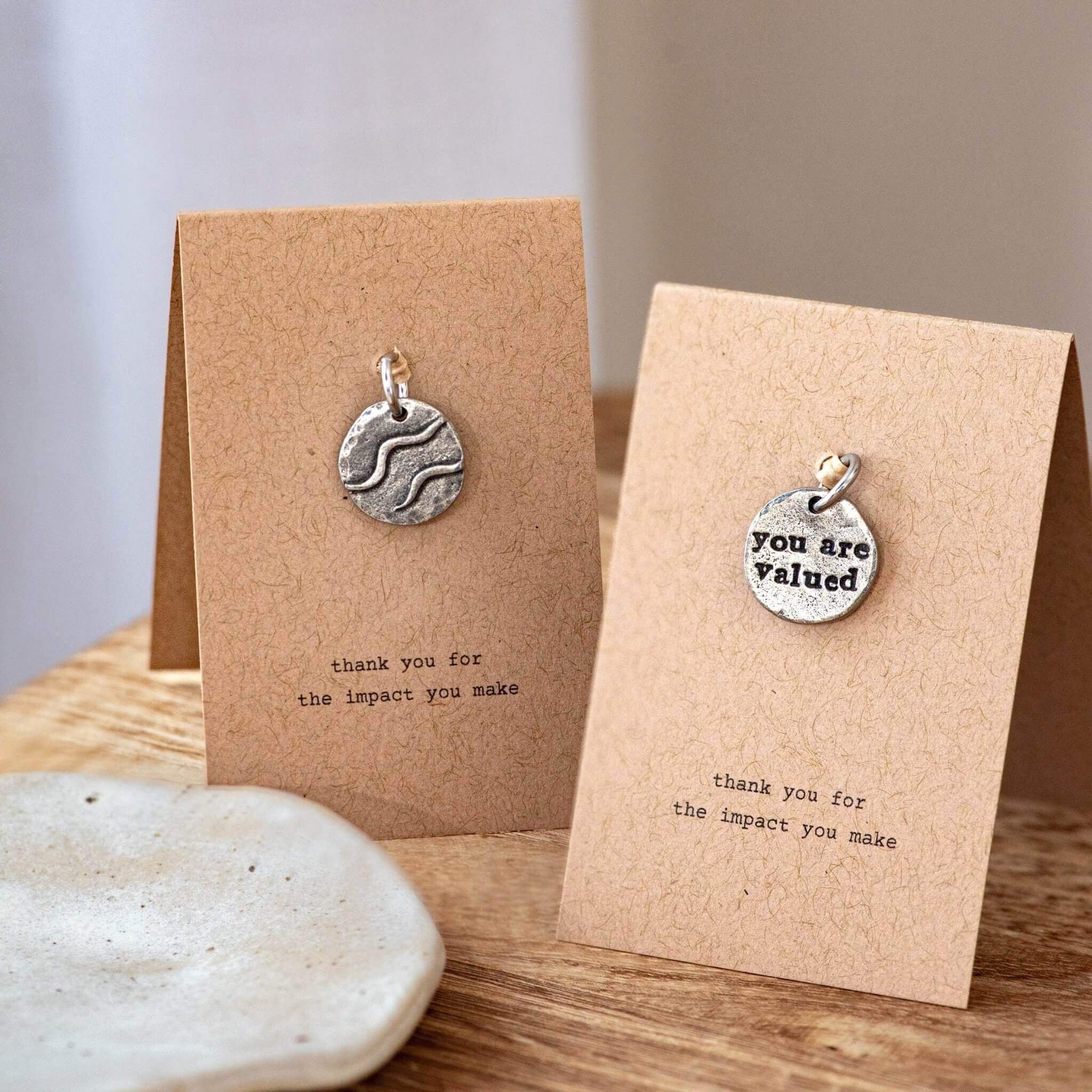
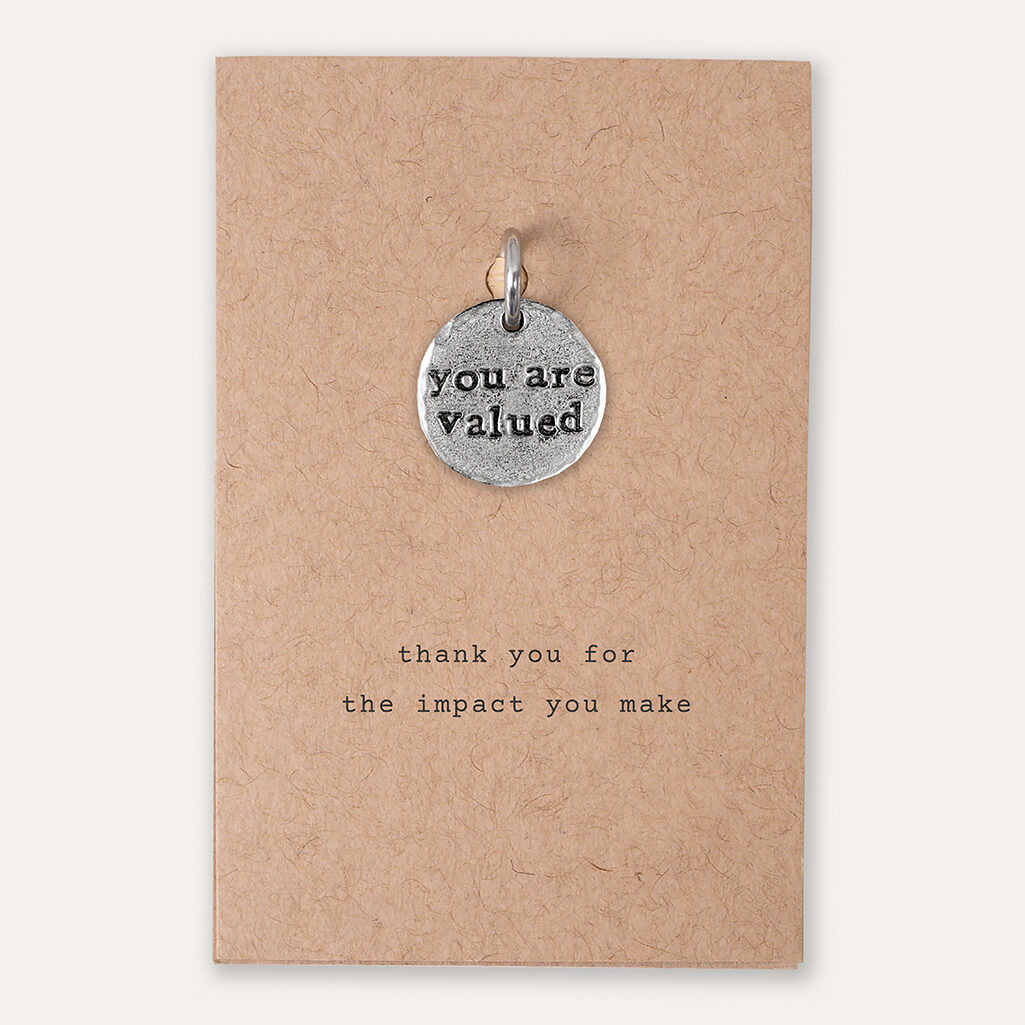
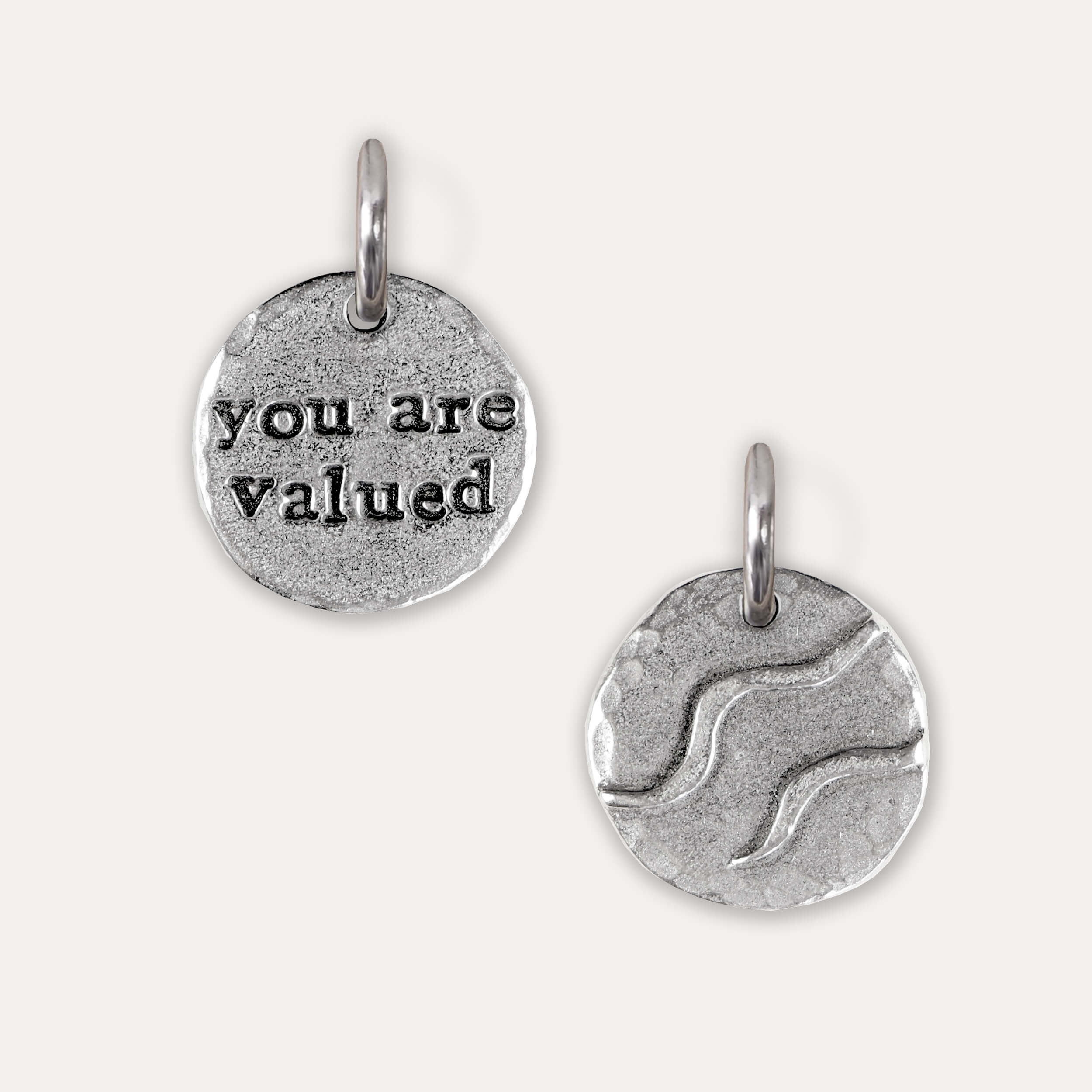
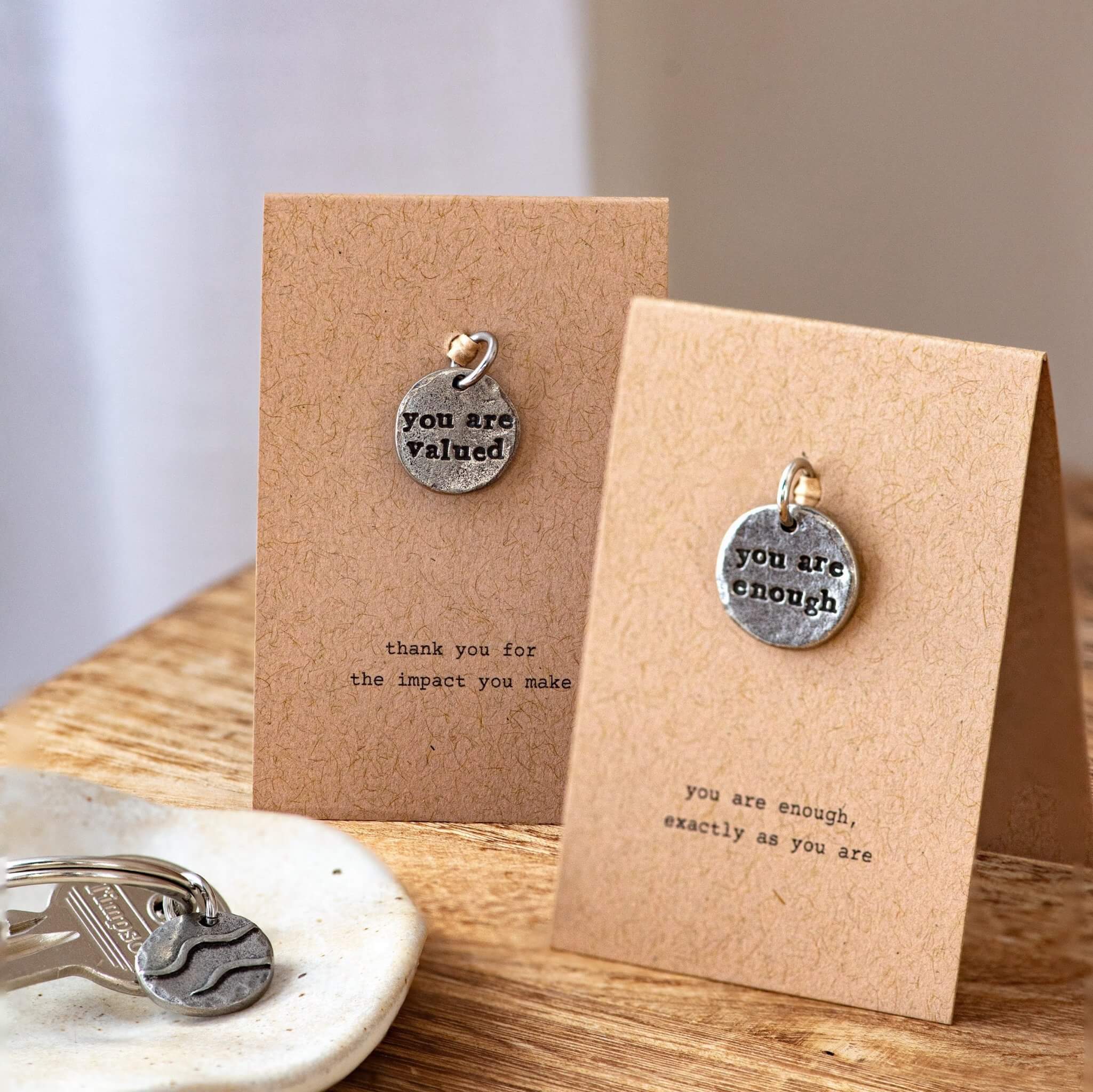
The Give Yourself Kindness Affirmation Cards. Written on Compassion Focused Therapy principles, so every card acknowledges the difficulty rather than talking over it. Printed in the UK on luxury 270gsm card from FSC-certified forests, in completely plastic-free packaging. Suitable for adults and teens.
Added to your basket. View basket →
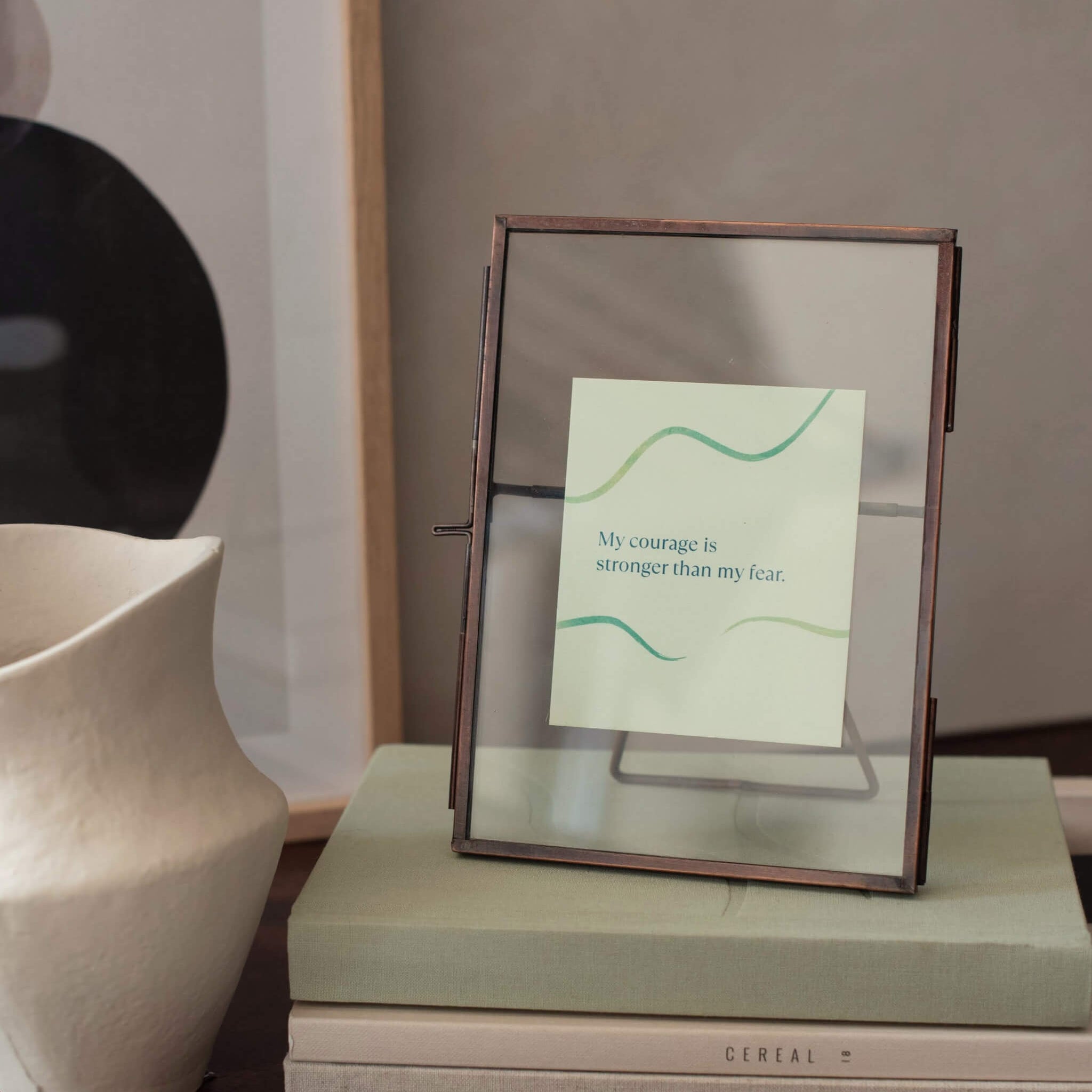
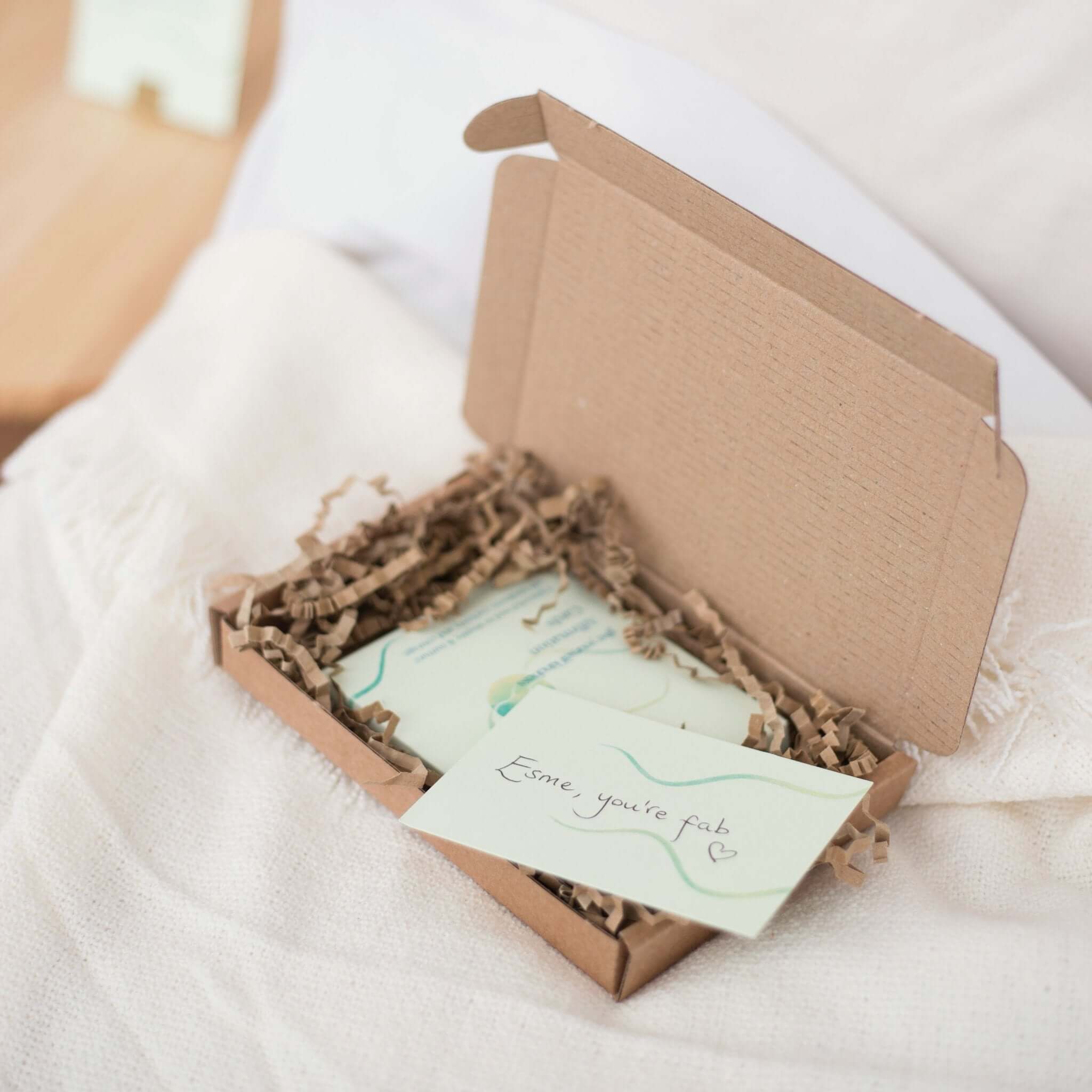
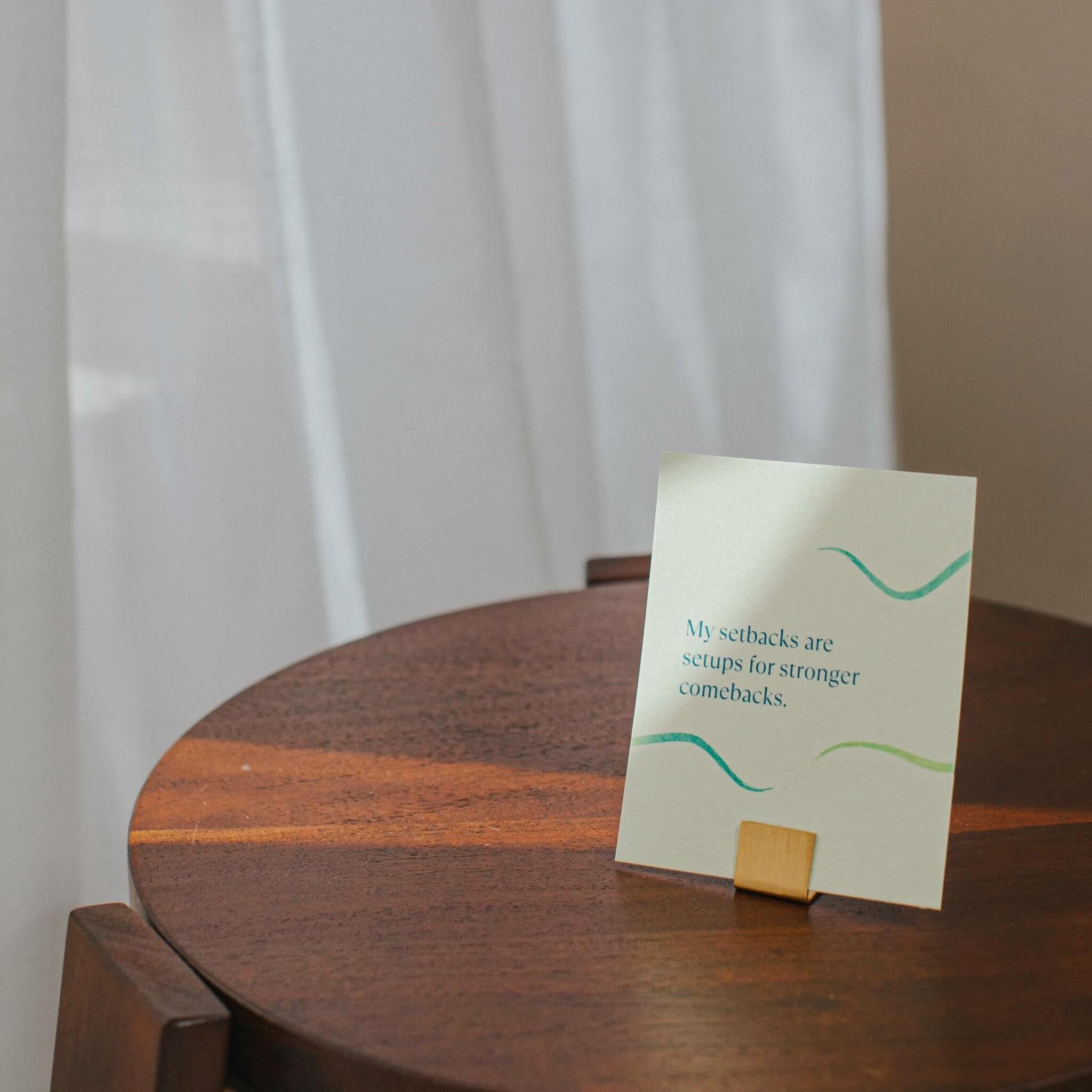
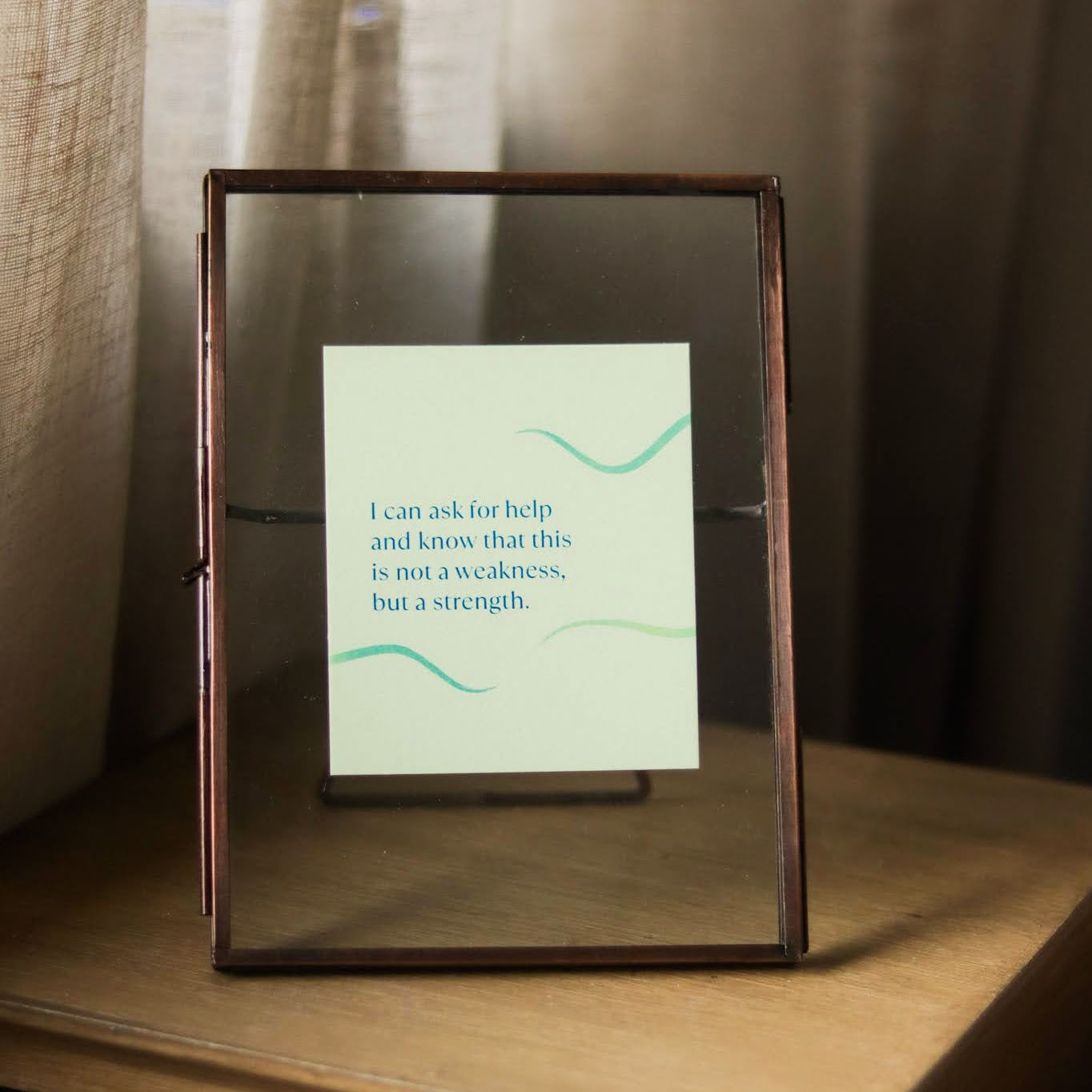
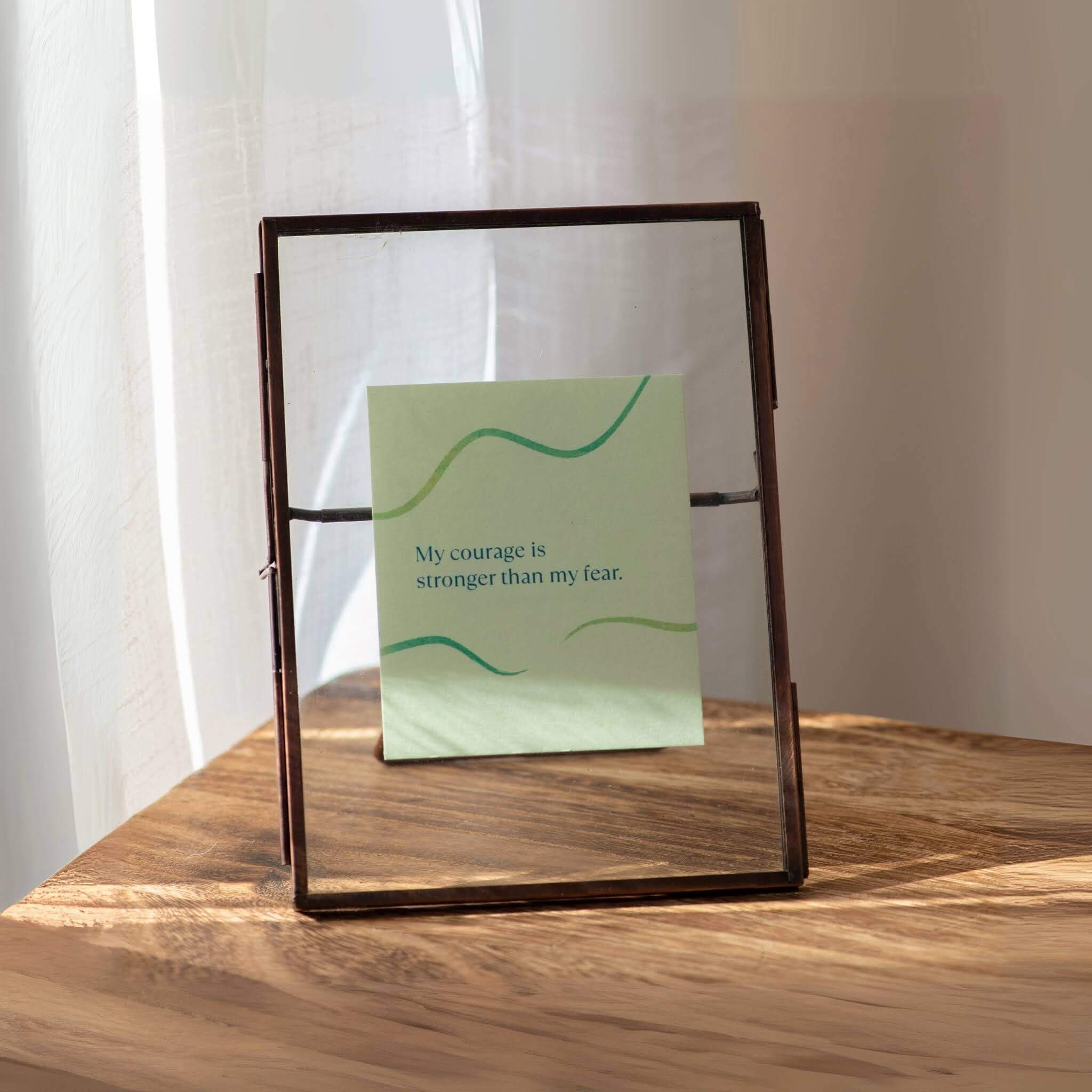
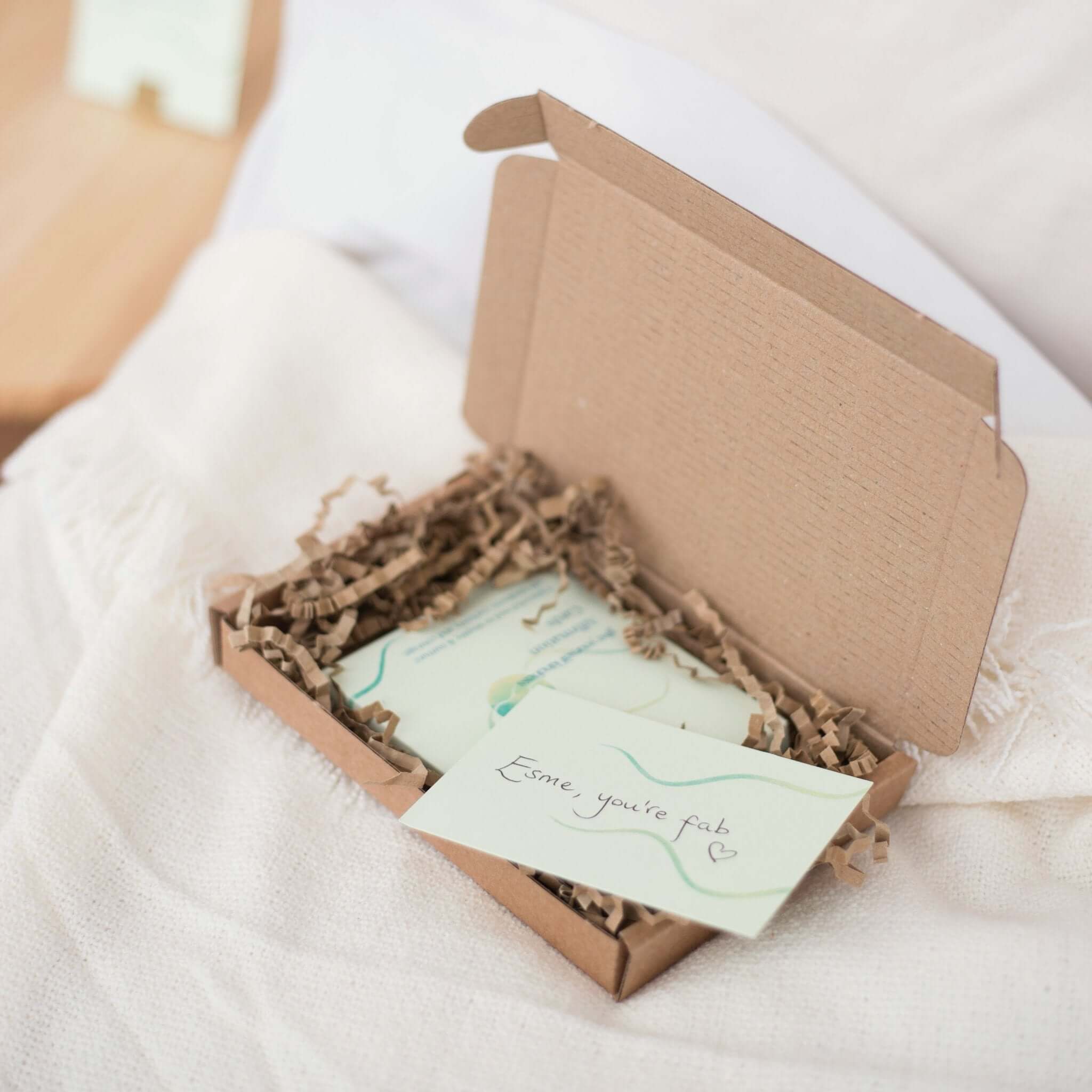
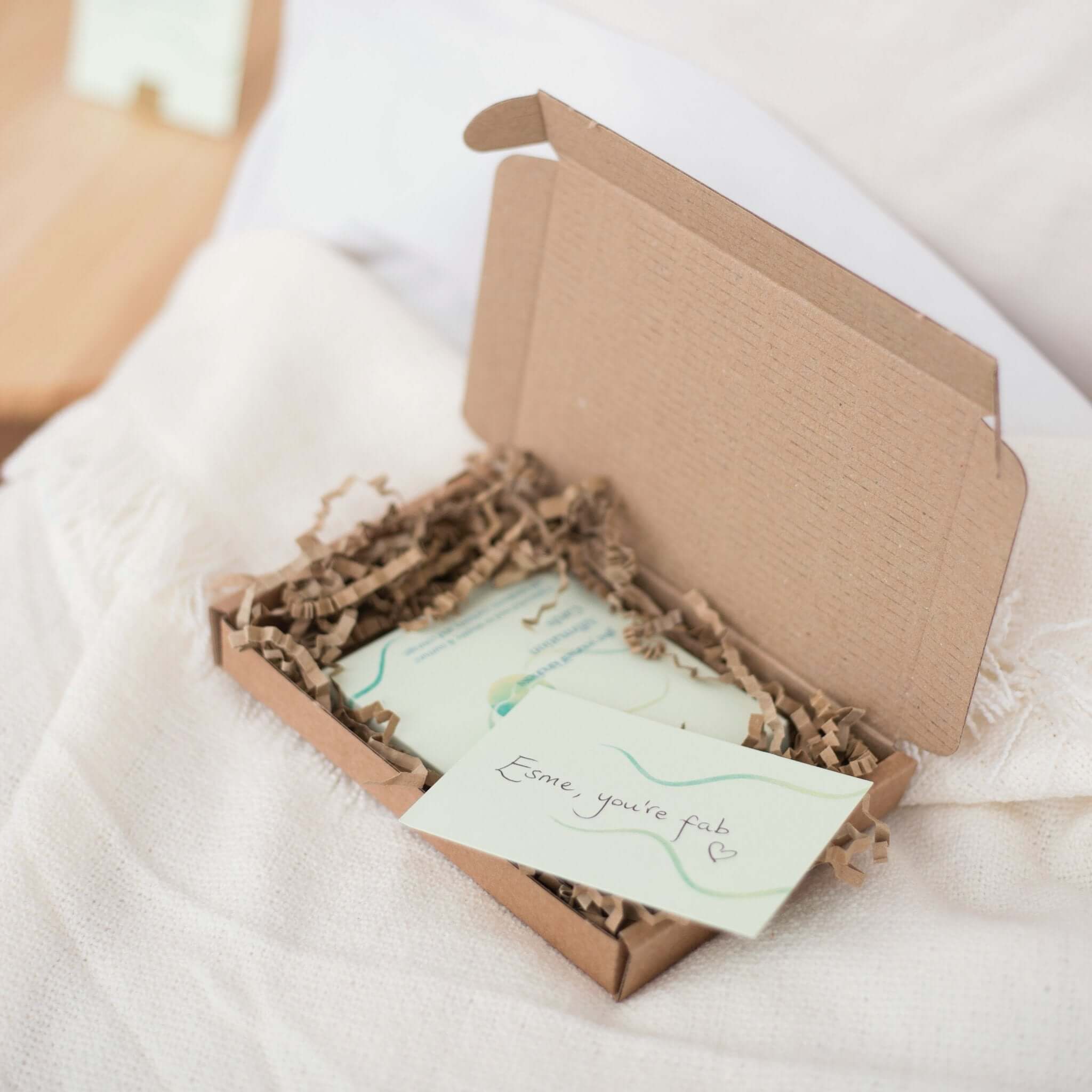
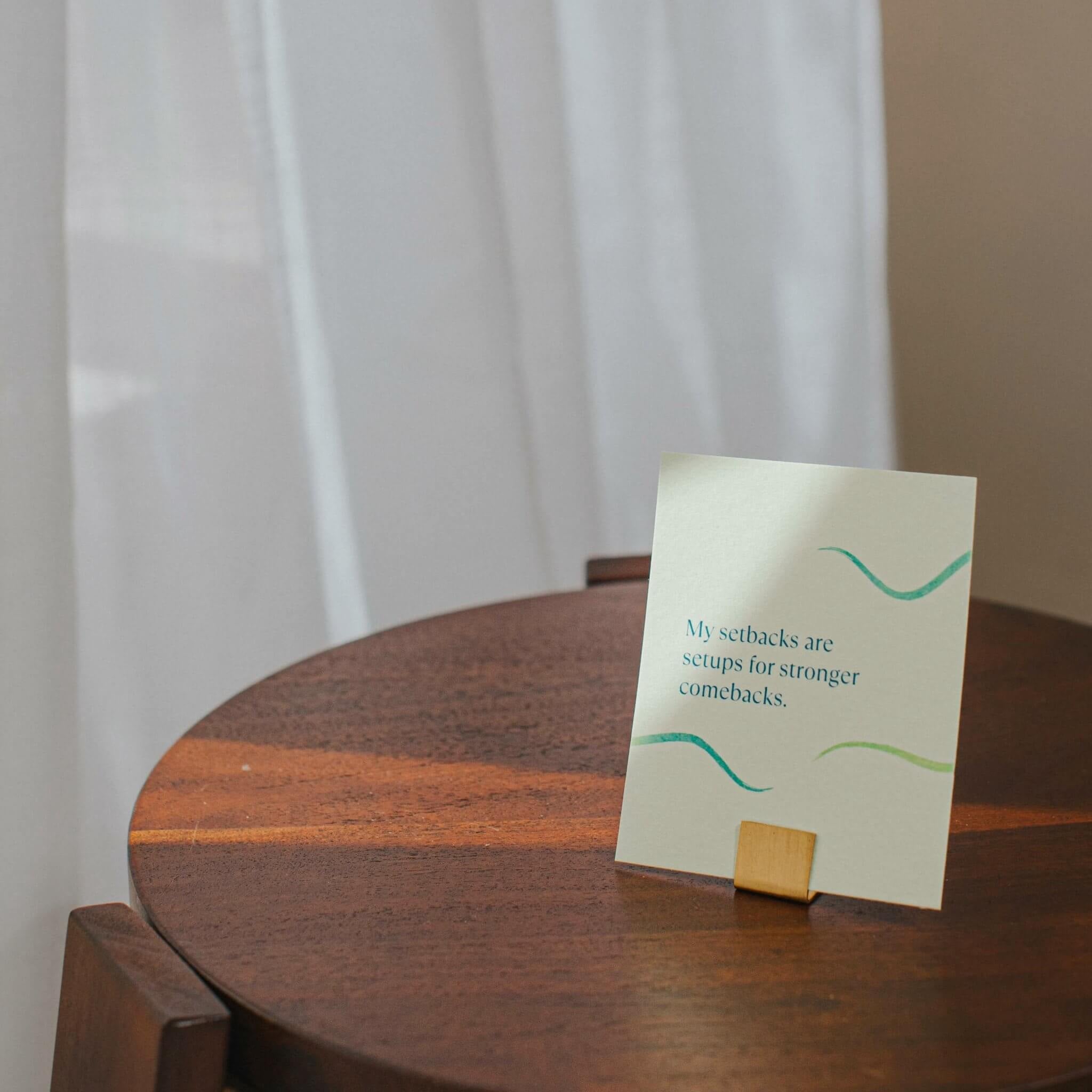
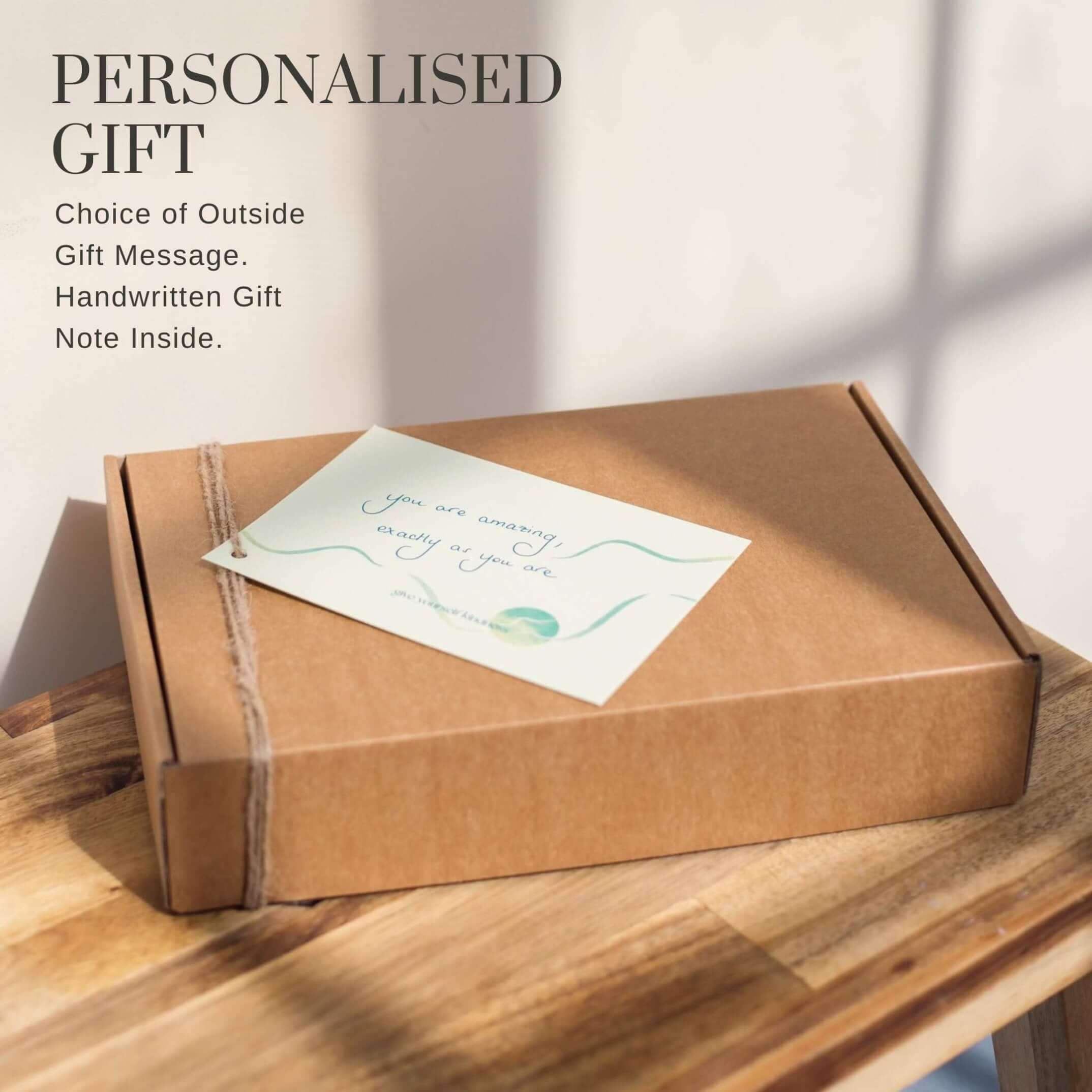
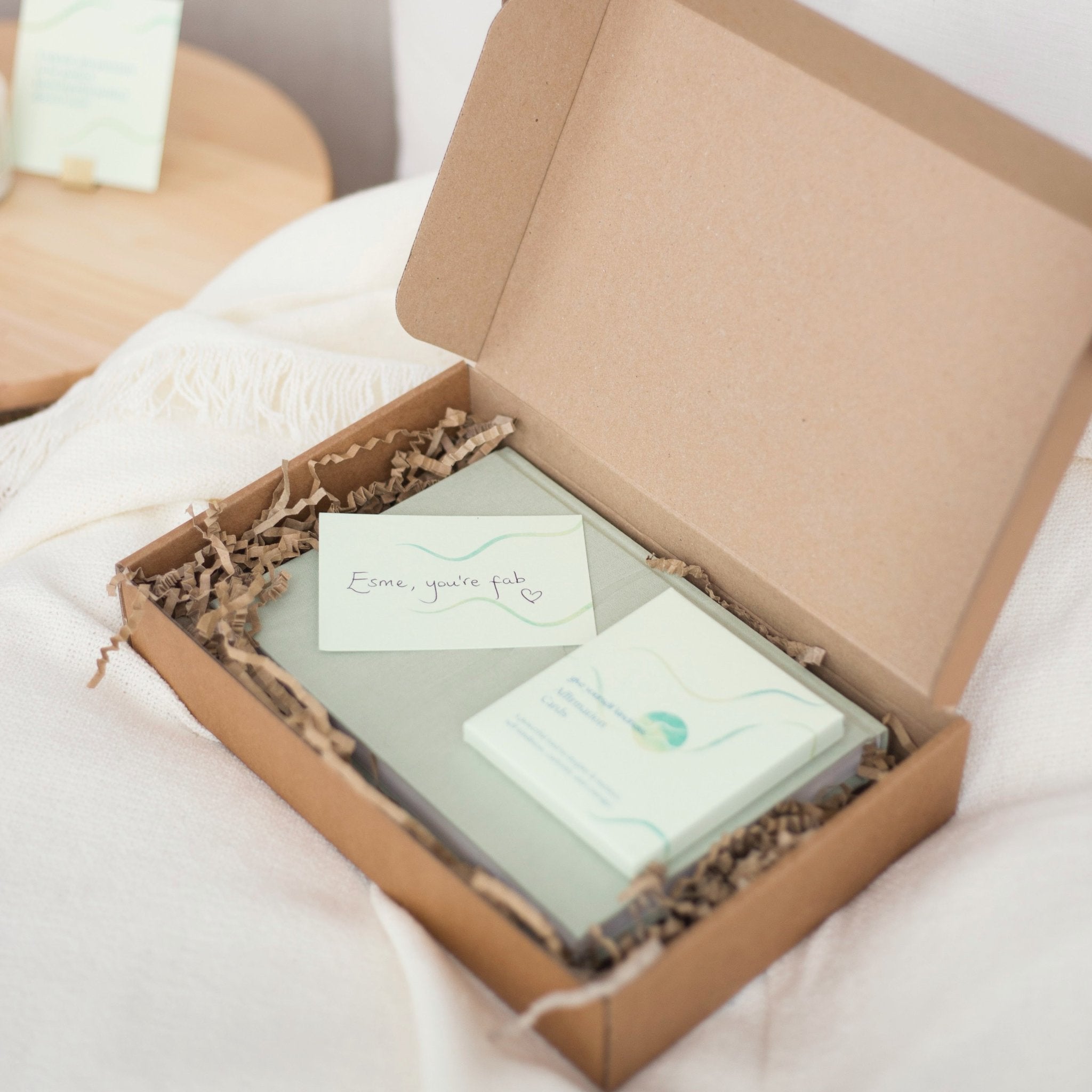
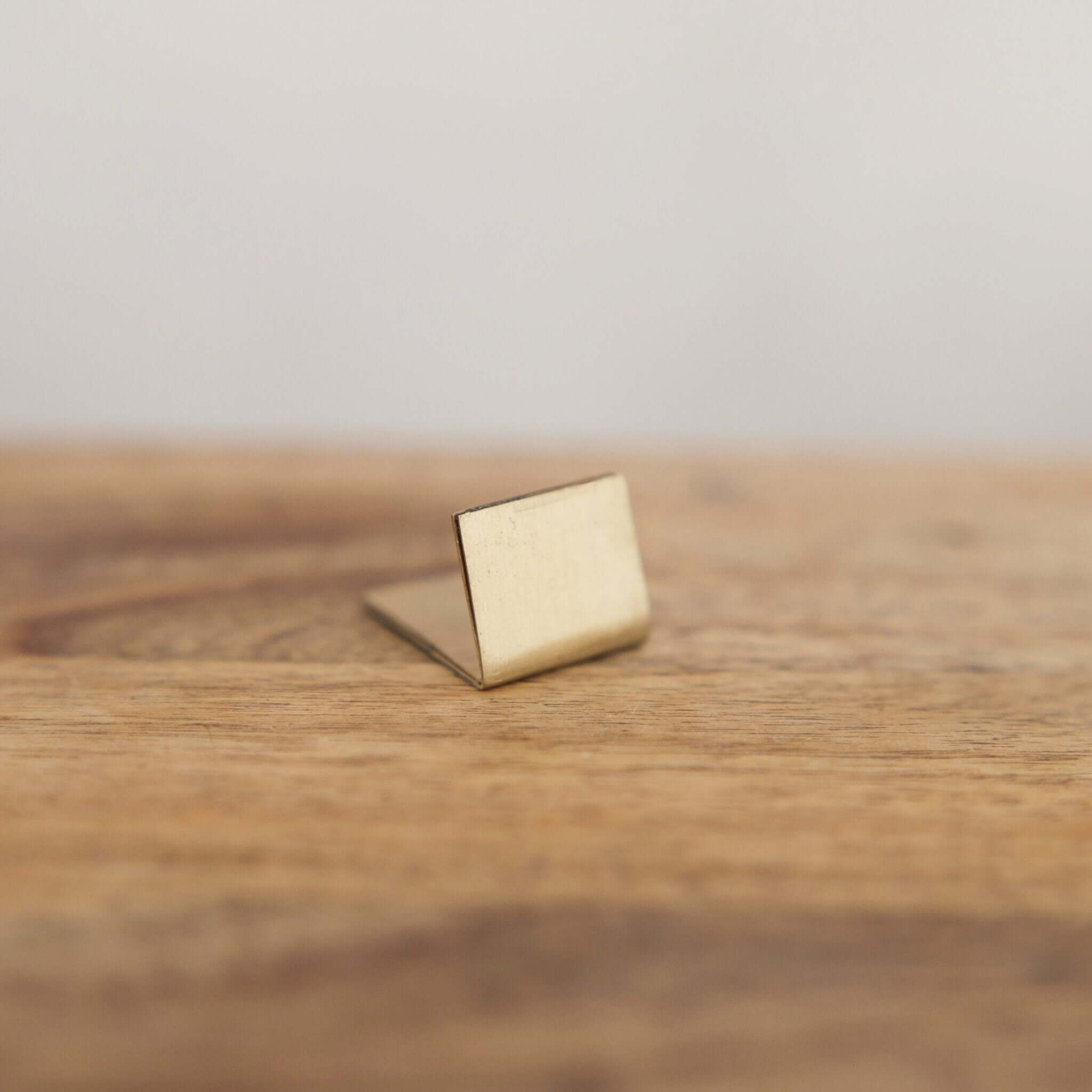
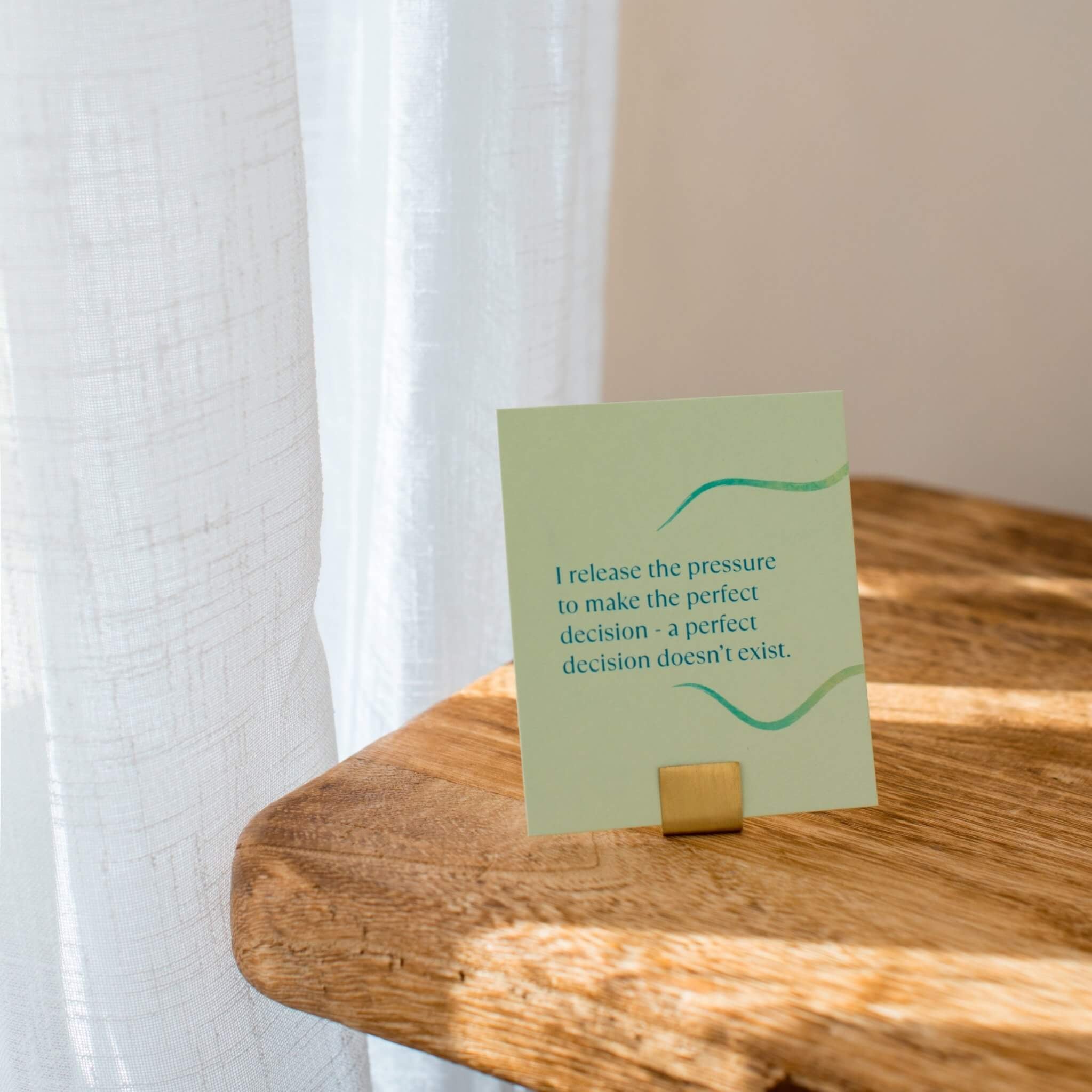
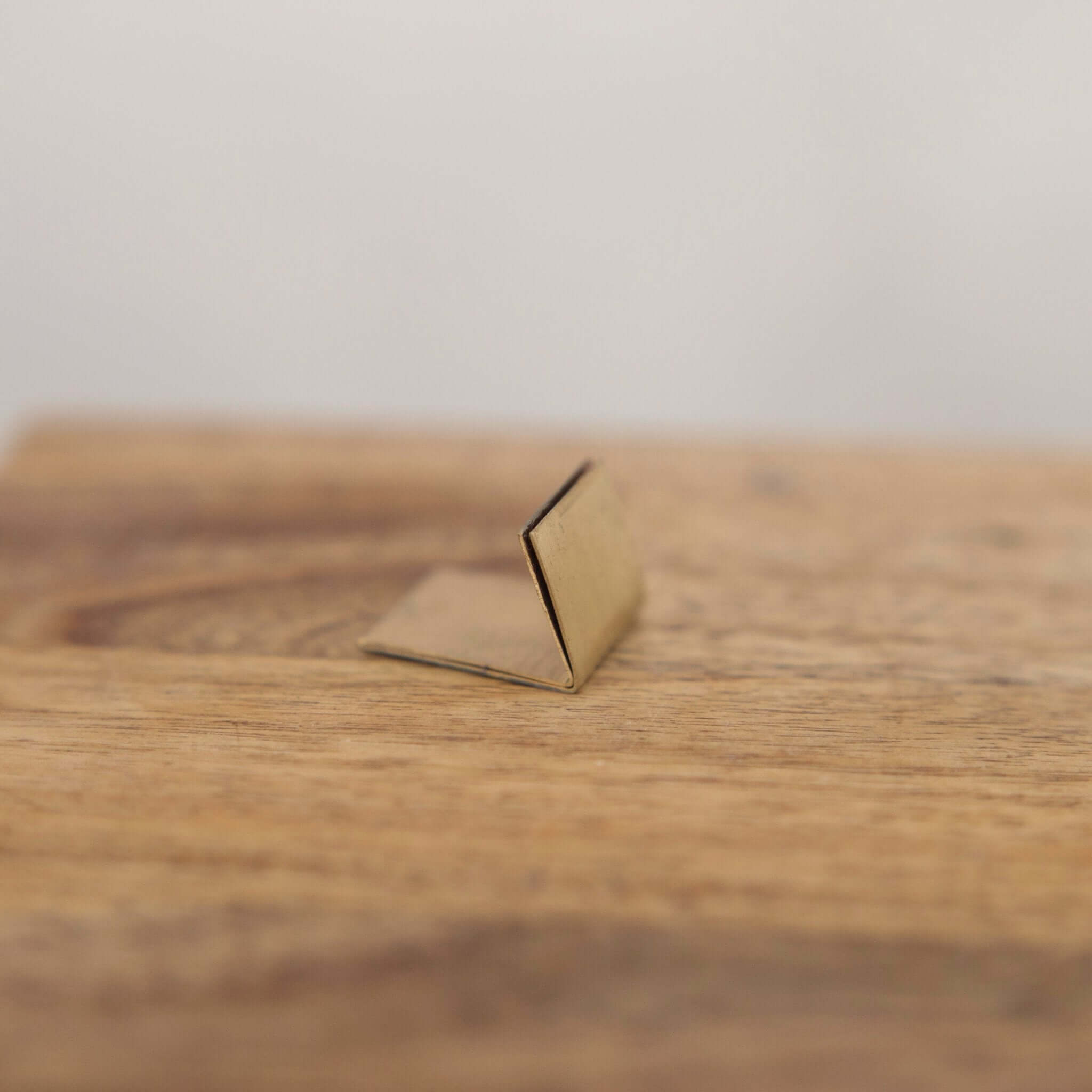
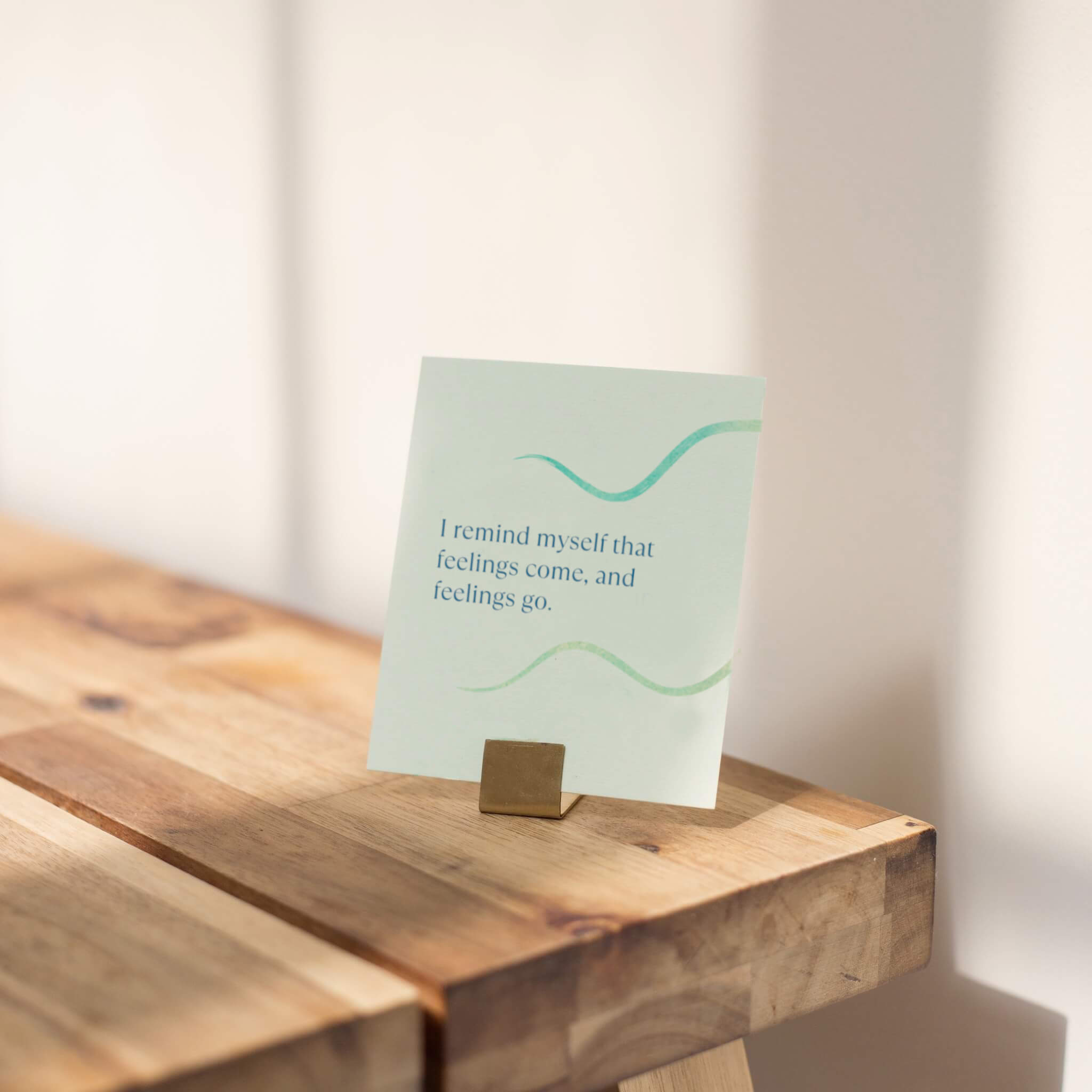
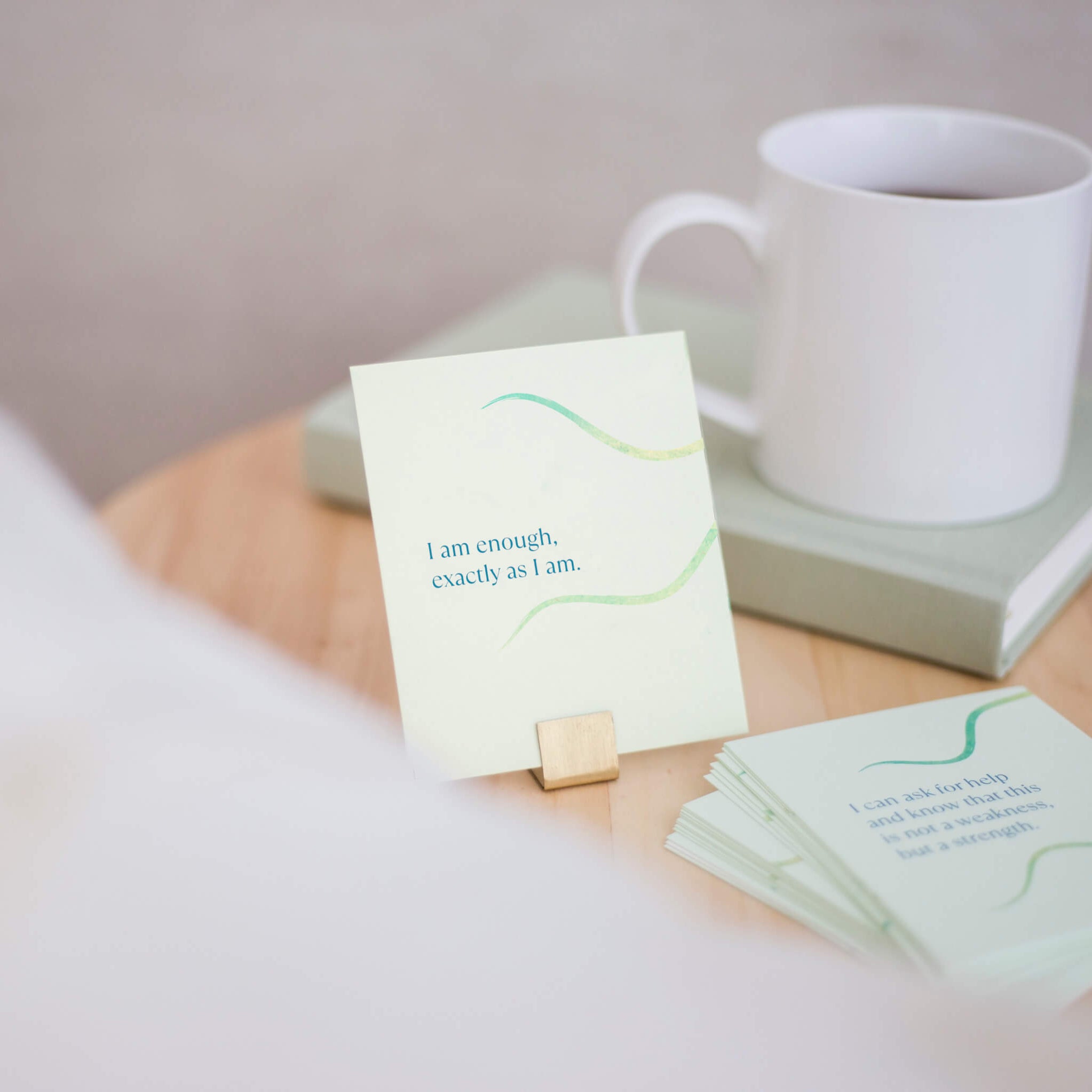
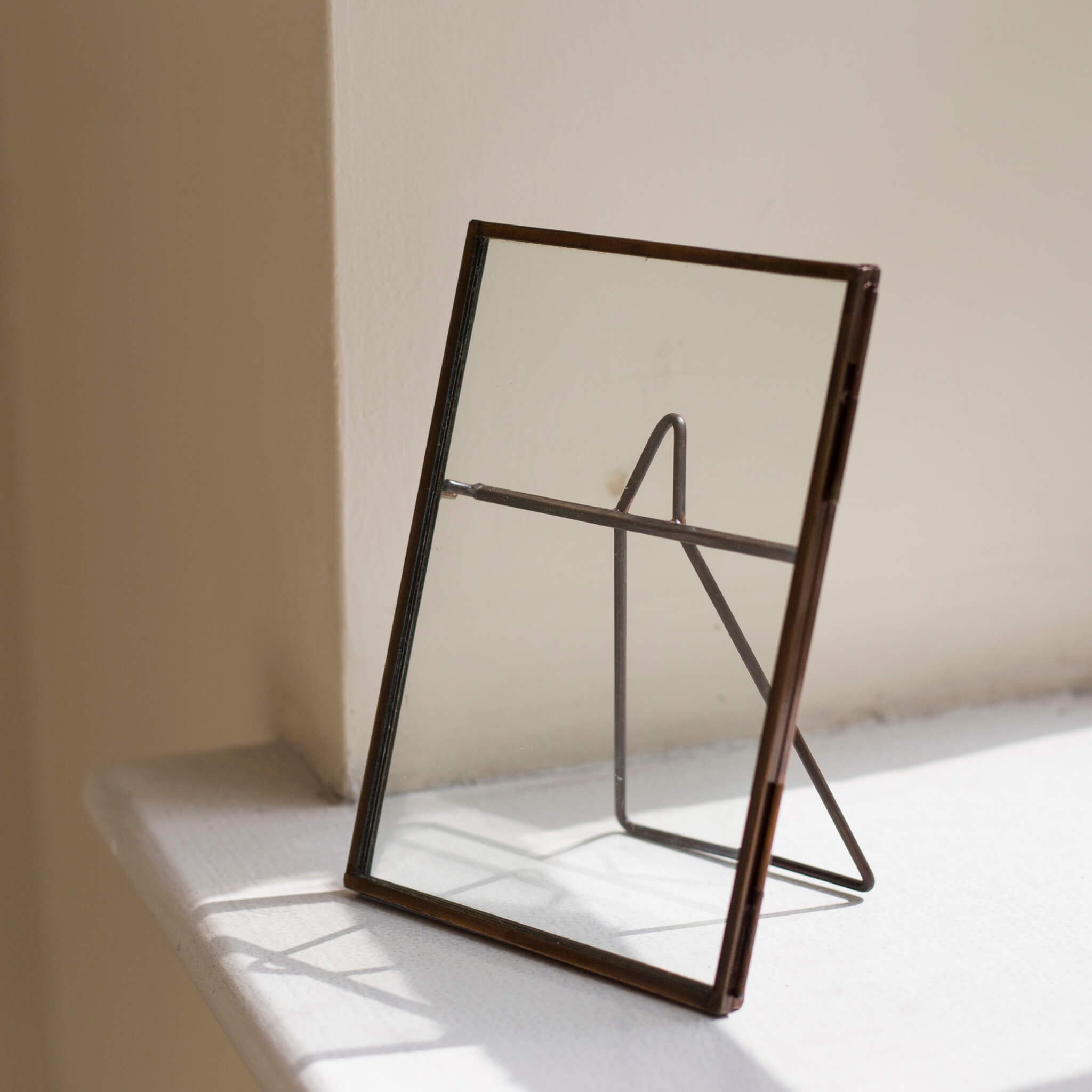
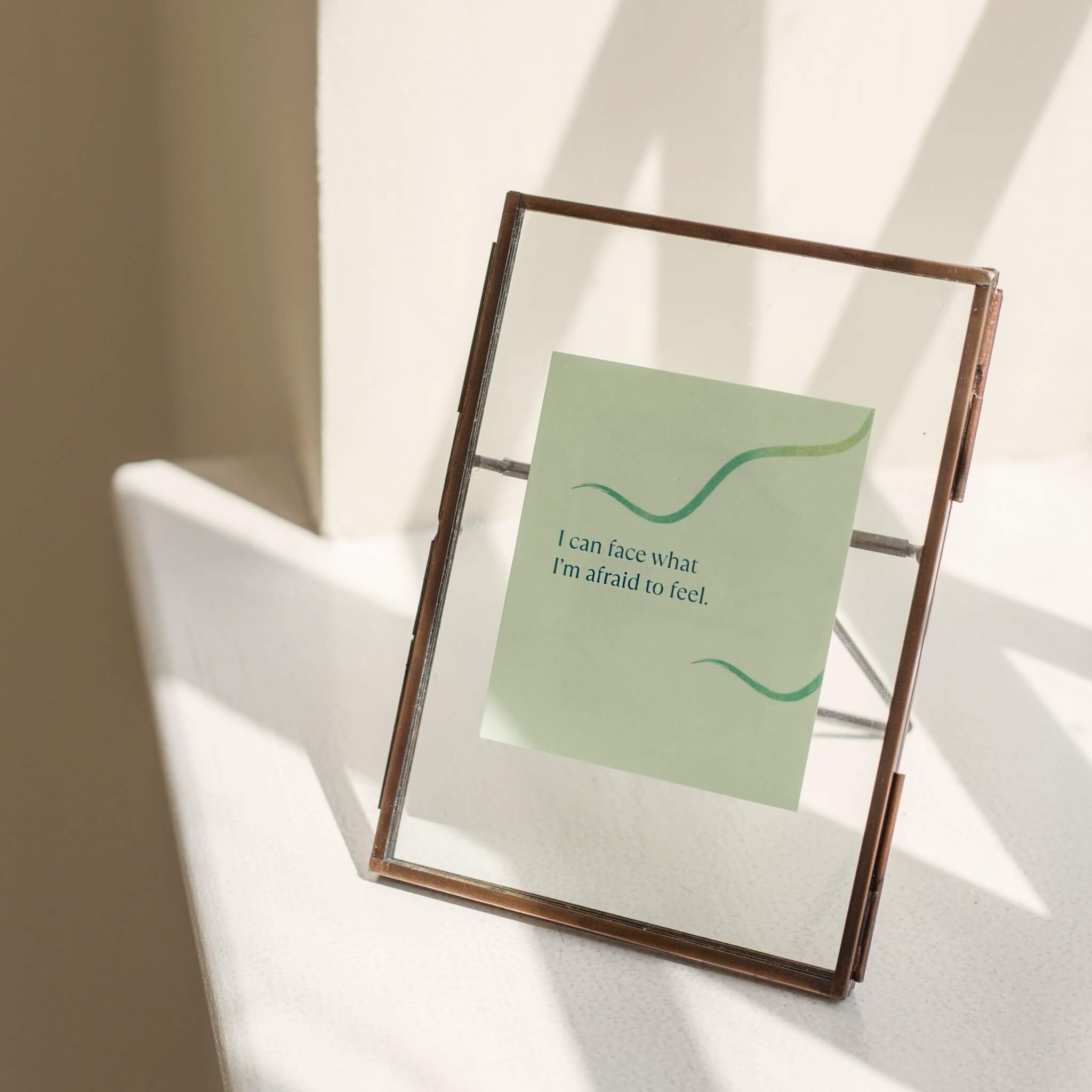
Add a brass stand to any set for £3 so a card can sit somewhere you'll catch it. A copper and glass frame is available separately. Free handwritten gift note if you add your message at checkout. See full details and photographs →
Where these aren't the right thing
I'd rather say this plainly than have you find out after paying.
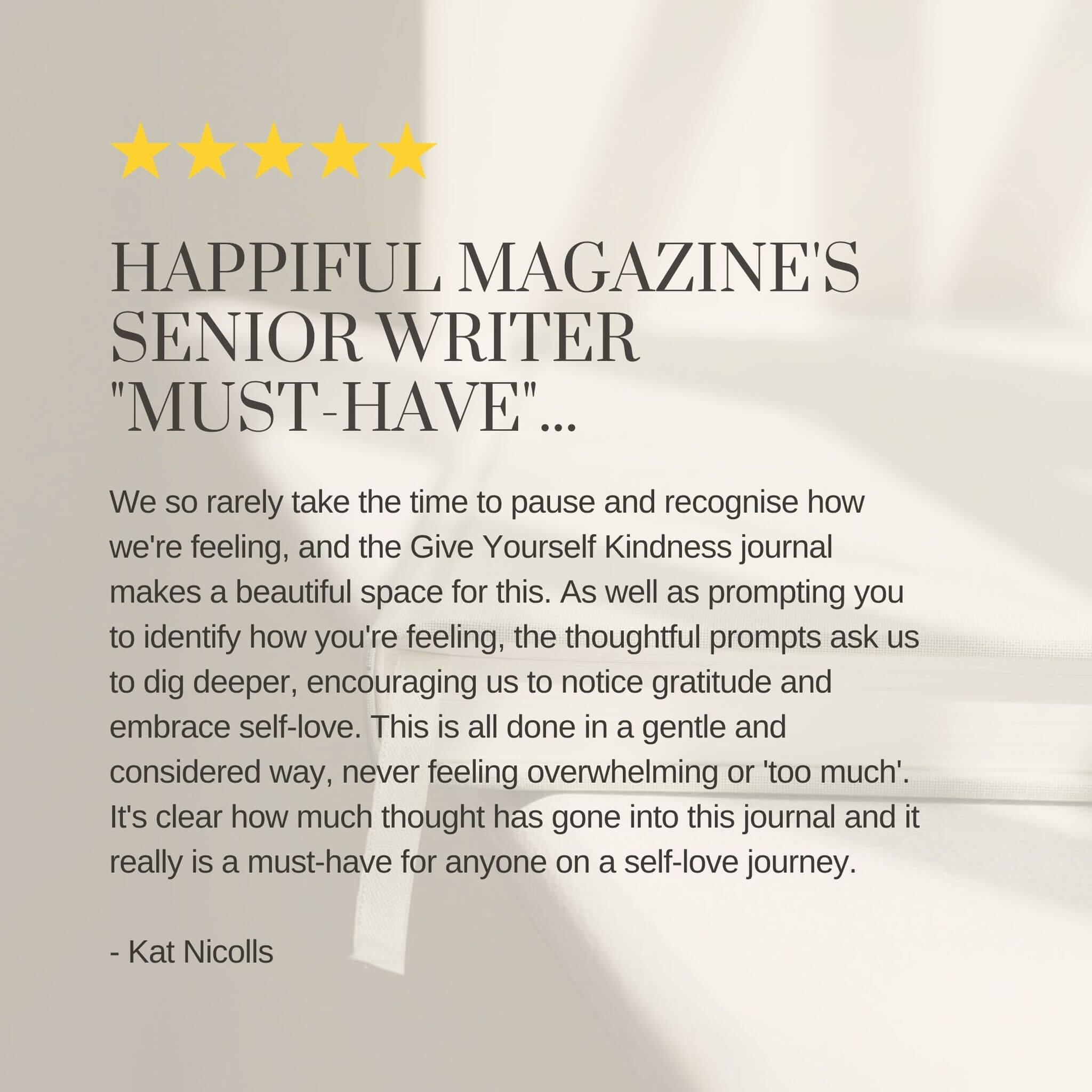
- If you want something to write in, these aren't it. Cards are for the four seconds you have, not for working something through. The journal is the tool for that, and it's a different job.
- If you're sceptical about affirmations as a category, a deck probably won't convert you, and I'd rather you kept your money. Try the eight sentences above for a fortnight first. They're free and they're the same words.
- If the self-doubt is severe enough to be stopping you doing things you need to do, cards are a support, not a treatment. Please talk to your GP or a therapist. Several therapists use these alongside their own work with clients, which is exactly the right way round.
How long before it feels like anything
Longer than you want, and the honest answer is that it doesn't arrive as a moment. Professor Willem Kuyken, who reviewed my journal, prefers a different word for this whole practice, and it changed how I think about it.

Willem Kuyken, PhD, DClinPsy
Ritblat Professor of Mindfulness and Psychological Science at the University of Oxford. Listed by Web of Science in the top 1% of most cited scientists in the world
"I use the word cultivation rather than affirmation... Cultivation needs the natural conditions of climate, soil, sunlight, temperature, and so on. What develops is a product of our work and these natural conditions. And it takes time, like planting seeds and then taking care of them until they grow and mature in their own way and time. A garden might take many years to become mature."Read Professor Kuyken in full →
Cultivation, not affirmation. You're not trying to believe something by Friday. You're putting a different voice within reach and then letting it grow at its own speed.
Which also means the early days feeling odd is not a sign it isn't working. You've had years of practice at the other voice. This one is new, and new things feel unconvincing for a while before they feel normal.
He also says something worth holding on to if you buy any deck, mine included: "it's really important to listen carefully to what you feel you need". If a card doesn't land today, put it back. That's not failing at it. That's the practice working.
When to actually use them
Draw one and prop it where you'll pass it. On the mirror, by the kettle, against the monitor. The point is not a ceremony, it's that you catch it later, when the doubt turns up and you're not thinking about self-compassion at all.
The interview, the presentation, the meeting where you'll have to disagree with someone. Read it twice, breathe out slowly, and go. The aim isn't to arrive calm. It's to arrive without having spent the corridor listing your flaws.
This is where it counts most. The moment after something goes wrong is when the critic has the clearest run, and a card in your hand interrupts that with something else to read. Pair it with an action, as Dr Kyle Dortch suggests, and it holds better.
A card on a desk does something a phone note doesn't. It gets seen at three in the afternoon when you weren't looking for it, which is exactly when you'd never have chosen to go and find it.
Common questions
Do affirmations work for self-doubt, or is this just positive thinking?
It depends entirely on the affirmation. Positive thinking says believe you're confident. Research on positive self-statements found that people with low self-esteem felt worse after repeating "I'm a lovable person" than people who said nothing at all, so the concern is well founded. What appears to work differently is a statement close enough to your current reality that you can say it without something in you objecting, paired with a small action that matches it.
Why does "I am confident" make me feel worse?
Because your mind checks it. Clinical psychologist Dr Michelle Chung puts it directly: if you don't believe what you're saying, "it can actually make you feel worse, like telling yourself 'I'm confident' when deep down you don't feel that way at all." The gap between the sentence and your experience gets filled with an explanation, and the explanation is usually about you rather than about the sentence.
What should I say instead of "I am confident"?
Something one step from where you are rather than several. "I'm learning to trust myself more." "I've handled harder than this before." "It's normal to feel nervous. I don't have to be certain to begin." Dr Caroline Lee offers "I am struggling AND healing", which allows both halves to be true at once. The test is simple: say it aloud, and if a voice immediately answers back, make it smaller.
What if I read the card and still feel like a fraud?
Normal, especially early on, and not a sign to stop. You aren't trying to win an argument with the doubt. You're making a second voice available so it isn't the only one in the room. Professor Kuyken's word for this is cultivation, and gardens take a while.
Can affirmation cards make self-doubt worse?
Generic ones can, and the research says so. That is precisely why the wording matters more than the packaging. Cards that acknowledge difficulty rather than talking over it don't create the mismatch that causes the problem, because there's nothing for your mind to catch them out on.
How is this different from just being kind to myself?
It isn't, really. It's the same thing, written down in advance. When self-doubt is loud, composing a kind sentence from scratch is hard, and that's the moment the words have already been chosen for you. Over time you stop needing the prompt, which is rather the point.
How many cards are in a set?
Twenty in each box. There are three boxes, and all sixty affirmations are different, so nothing repeats. Set 1 is one box, Sets 1 and 2 is two boxes, and the Complete Collection is all three. Prices start at £13.95.
Self-doubt doesn't go quiet because you contradicted it loudly enough. It goes quiet, slowly, when there's another voice in the room that it can't argue with, because that voice never claimed anything untrue in the first place.
You don't have to believe you're brilliant today. You only have to be willing to be slightly kinder about the fact that you don't.

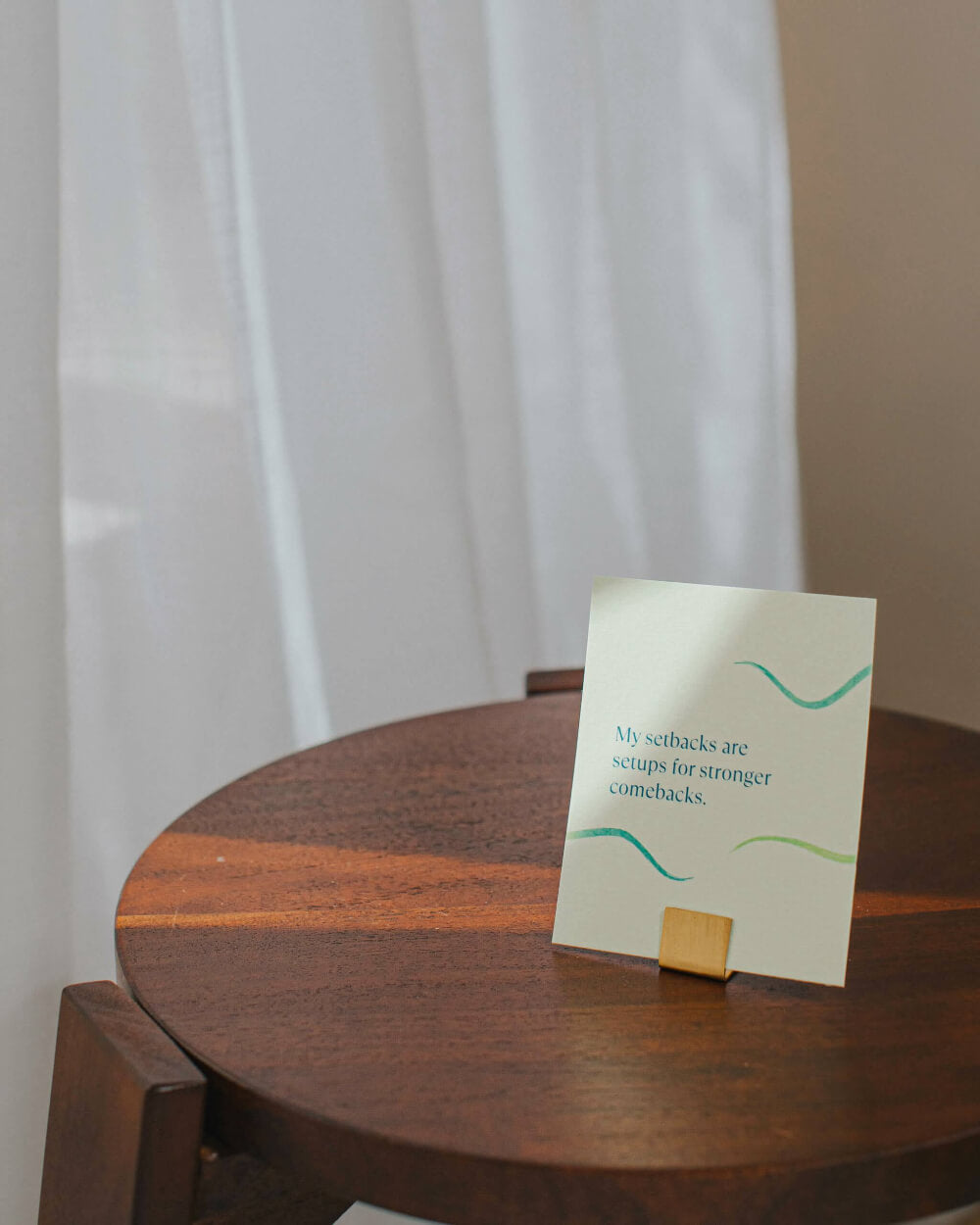
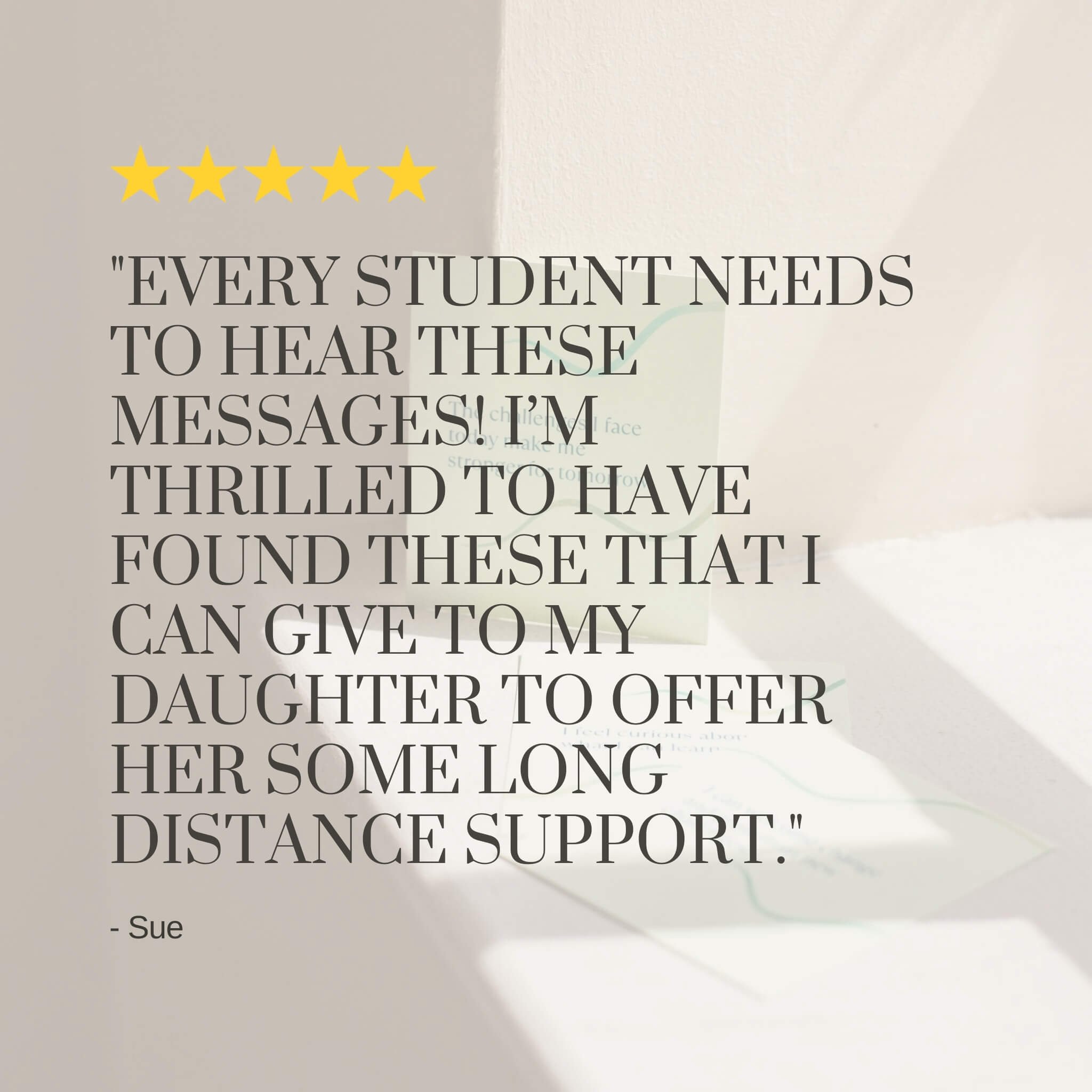
“I instantly feel a sense of groundedness and calm”
Affirmations can be so helpful along our healing journey. And these affirmations are truly so beautiful and powerful! When I read them, I instantly feel a sense of groundedness and calm. They are wonderful reminders for when I need to slow down and reconnect with myself. I also love that they are centered around having more compassion and kindness for ourselves. I will definitely be utilizing these with my clients, as well as practicing them myself. Thank you so much Rachel!