







Quick Answer
Yes—but not the way I first tried it. I'd write lists of what I achieved that day or what to do tomorrow, and my mind still raced with self-criticism and worry. Research shows to-do lists can help you fall asleep faster, but when emotional overwhelm keeps you awake, you need something different: self-compassion journaling that addresses the root causes.
Tools that worked for me:
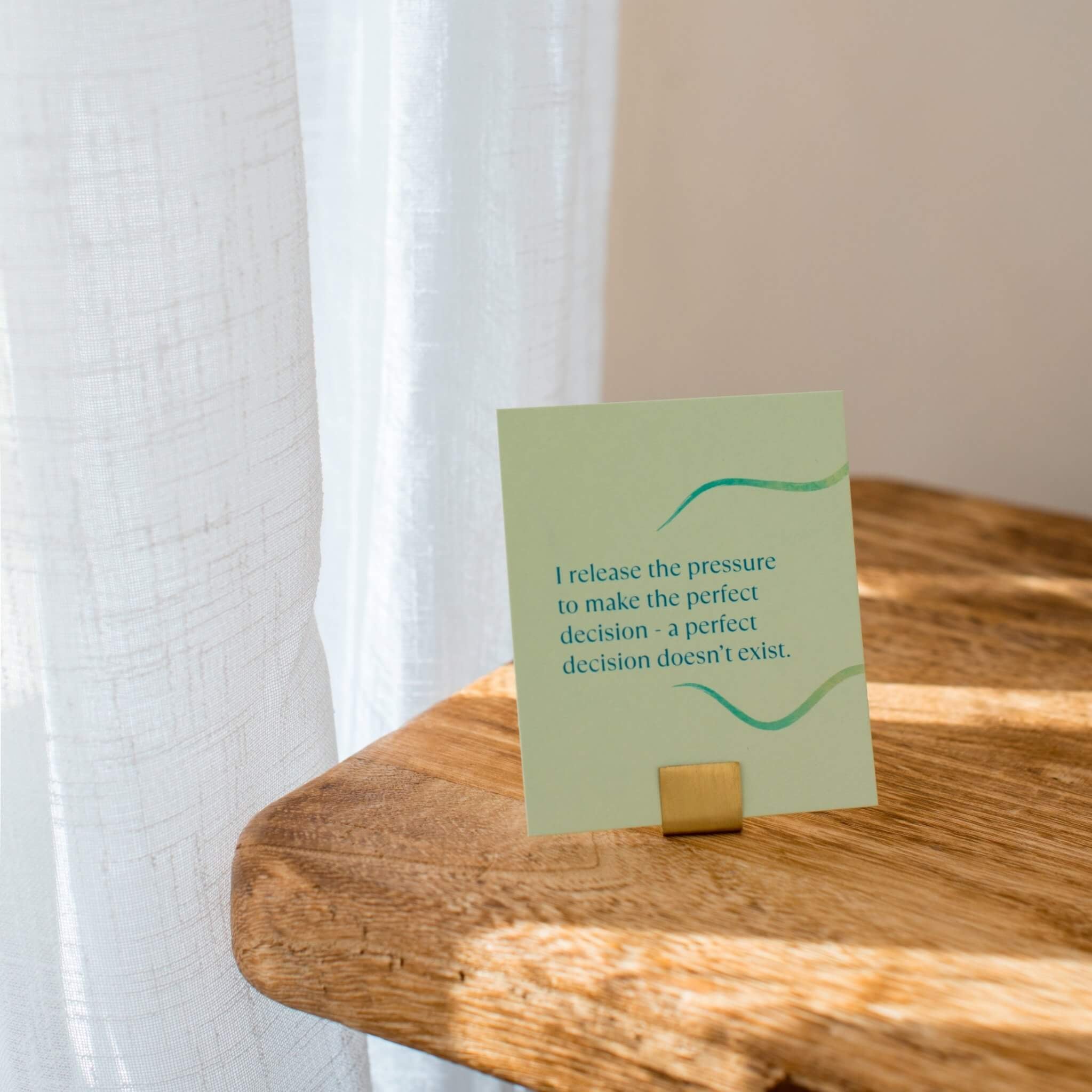
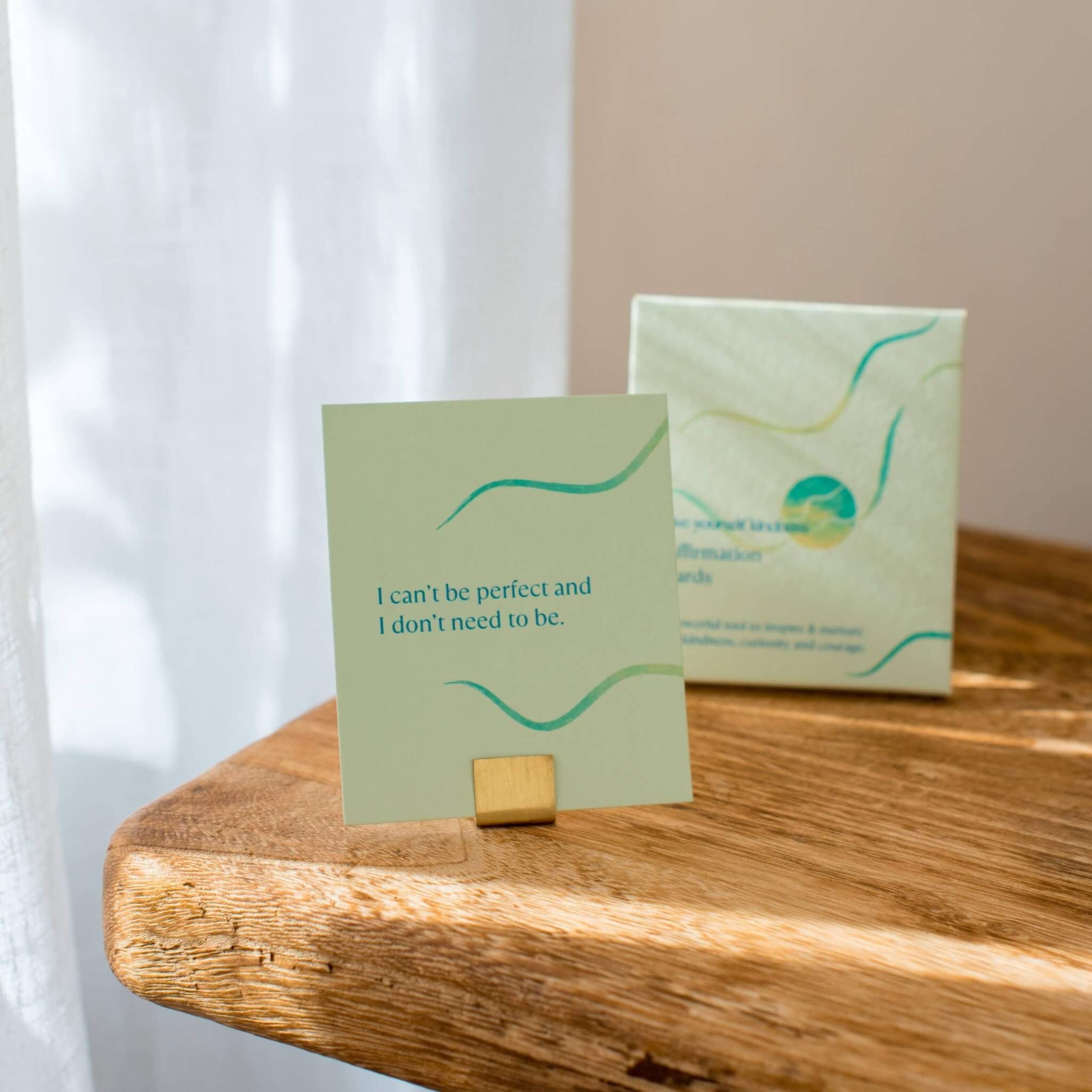
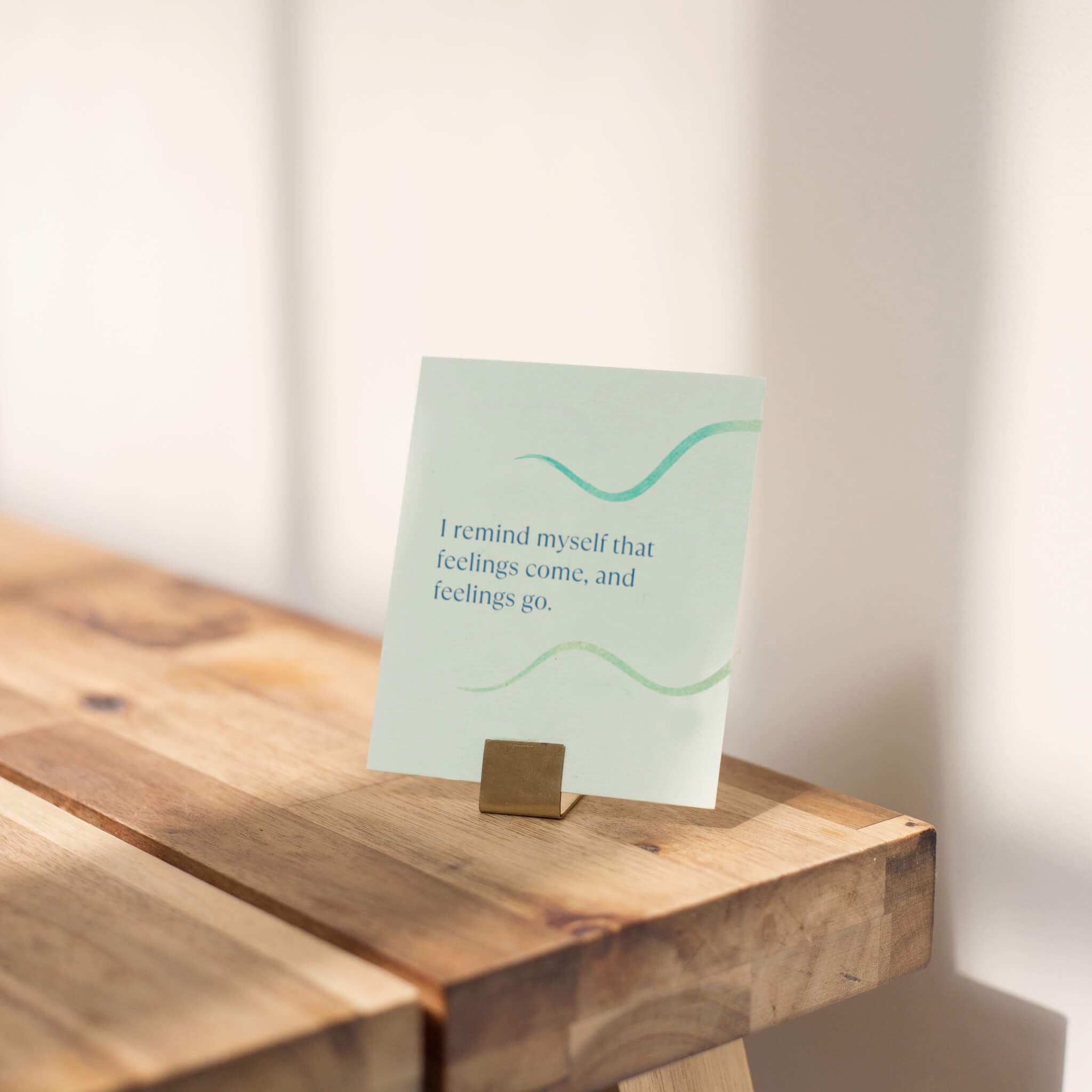
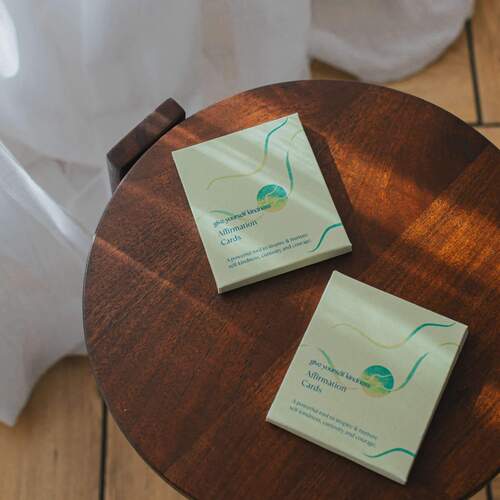
- Sleep Affirmation Cards (2-3 min bedtime ritual to quiet racing thoughts)
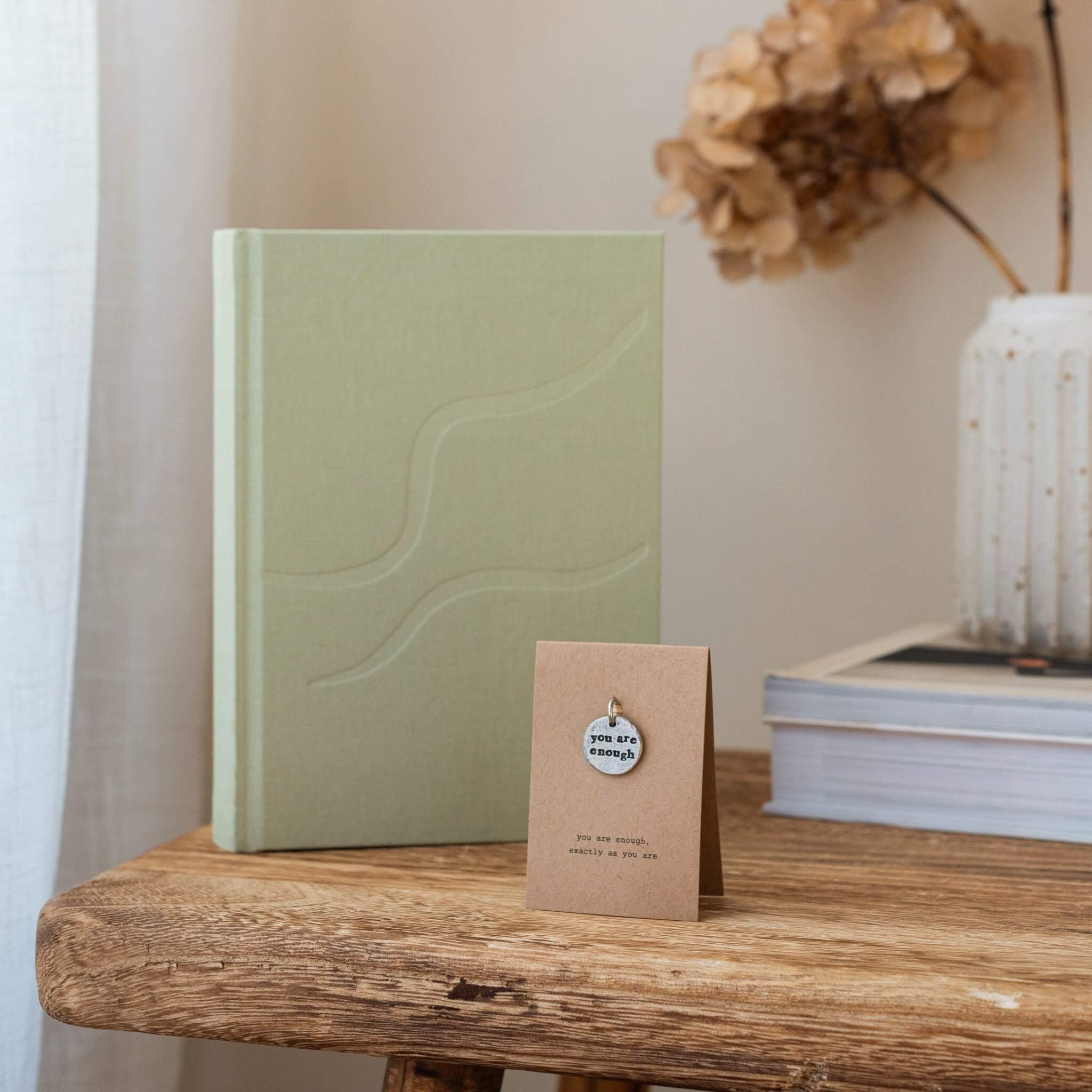
- Give Yourself Kindness Journal (evening emotional processing)
- Complete Wellness Bundle (saves £14.85)
How Journaling Improves Sleep: The Science
The research is clear: journaling can genuinely help you sleep better. Here's what studies show:
The Brain Dump Effect
Journaling creates a "cognitive offload"—it allows you to transfer worries from your mind onto paper. This reduces the mental load that keeps you awake, preventing thoughts from looping in your head as you try to sleep.
The To-Do List Study
A study published in the Journal of Experimental Psychology found that writing a specific to-do list for the next day helped people fall asleep significantly faster—an average of 9 minutes quicker—compared to writing about completed tasks. The researchers believe this "offloads" incomplete future tasks from working memory.
Emotional Processing Reduces Stress
Research shows that writing about emotions helps process them more deeply. Studies on expressive writing demonstrate that this deeper engagement with thoughts and feelings aids in stress reduction and anxiety management—essential for quality sleep.
What a Sleep Expert Says About Journaling
"Journaling is one of my favourite tools for improving emotional health and enhancing sleep quality," explains Dr. Olena Santangeli, a neuroscientist and sleep expert.
In the evening, journaling provides a therapeutic outlet to unwind and process the day's events. Reflecting on your experiences by hand—rather than digitally—encourages deeper engagement with your thoughts and feelings, facilitating more profound emotional processing.
By physically writing down your worries, achievements, and reflections, you create a mental space for relaxation, making it easier to transition into a restful state of sleep.
Creating an Evening Wind-Down Routine
According to Dr. Santangeli's research on sleep routines, creating a wind-down routine is essential for quality sleep. This involves:
- Limiting screen time to reduce blue light exposure, which interferes with sleep quality
- Engaging in calming activities like reading, meditation, gentle yoga, or a warm bath
- Journaling to process emotions and create mental space for rest
"By setting up these morning and night routines, you're doing more than just following steps; you're taking care of yourself in a way that fits with your body's natural patterns. This helps you sleep better and makes your life better overall."
Why Traditional Sleep Journaling Isn't Enough
Here's what I discovered (and what most sleep journaling advice overlooks):
To-do lists help with logistical worry, but they don't address emotional overwhelm.
The Real Sleep Disruptors:
Most people's sleep problems don't stem from forgetting tomorrow's tasks. They stem from:
- Self-criticism: "I should have done more today," "I messed up that conversation"
- Rumination: Replaying the day's events over and over
- Perfectionism: "I'll never get this right," "Everyone thinks I failed"
- Anxiety about the future: Not just what needs doing, but fear about being capable enough
The Key Insight:
Writing "tomorrow's tasks" doesn't quiet a mind that's saying "you're not good enough" or "everyone noticed your mistake today."
This is where self-compassion journaling comes in. It addresses the emotional root causes of sleeplessness, not just the symptoms.
What Self-Compassion Journaling Does Differently
Self-compassion journaling works on a deeper level than traditional sleep journaling:
1. Validates Emotions Instead of Bypassing Them
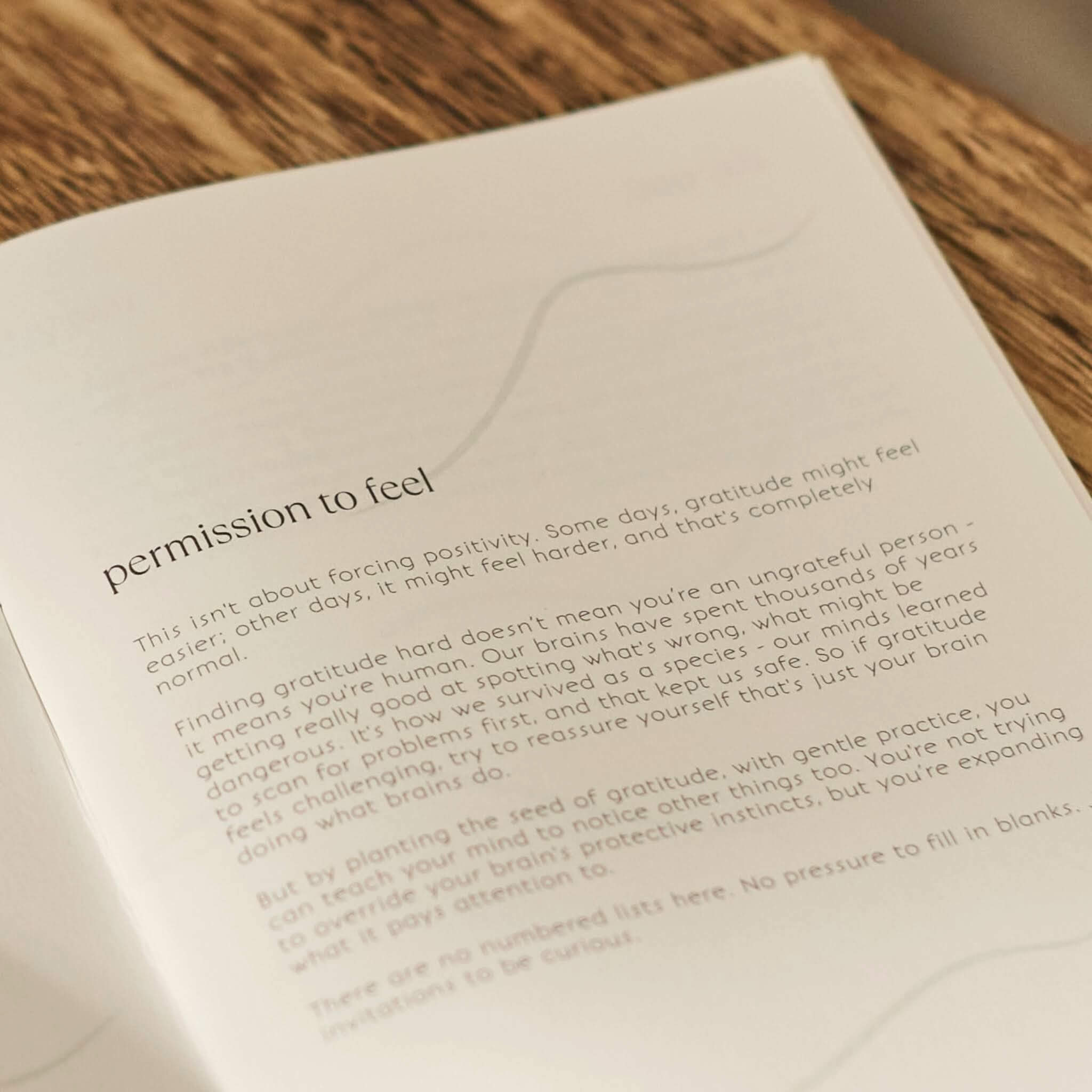
Toxic positivity ("Just be grateful!") when you're genuinely struggling can make you feel worse—like your real feelings don't matter. Self-compassion journaling acknowledges difficult emotions as valid and normal.
2. Interrupts Self-Criticism
Self-criticism is the #1 cause of nighttime rumination. Research shows that when you criticize yourself, your brain perceives it as a threat, activating your stress response—the opposite of what you need for sleep.

Dr. Annabelle Kyle Dortch, PsyD
Clinical Psychologist, Los Angeles | Specializes in life transitions, anxiety, and trauma
"When we engage in self-criticism, we create a nervous system and brain state that is not conducive to learning or facilitating a growth-oriented mindset."
→ Read full article: Why Self-Compassion is More Effective Than Self-Criticism
3. Processes Difficult Emotions
Rather than just listing tasks, self-compassion journaling helps you process the emotions behind your racing thoughts—so they don't loop in your mind all night.
4. Combines Practical Benefits with Emotional Healing
You get the "brain dump" effect of traditional journaling, plus the deeper emotional processing that addresses why your mind won't switch off in the first place.

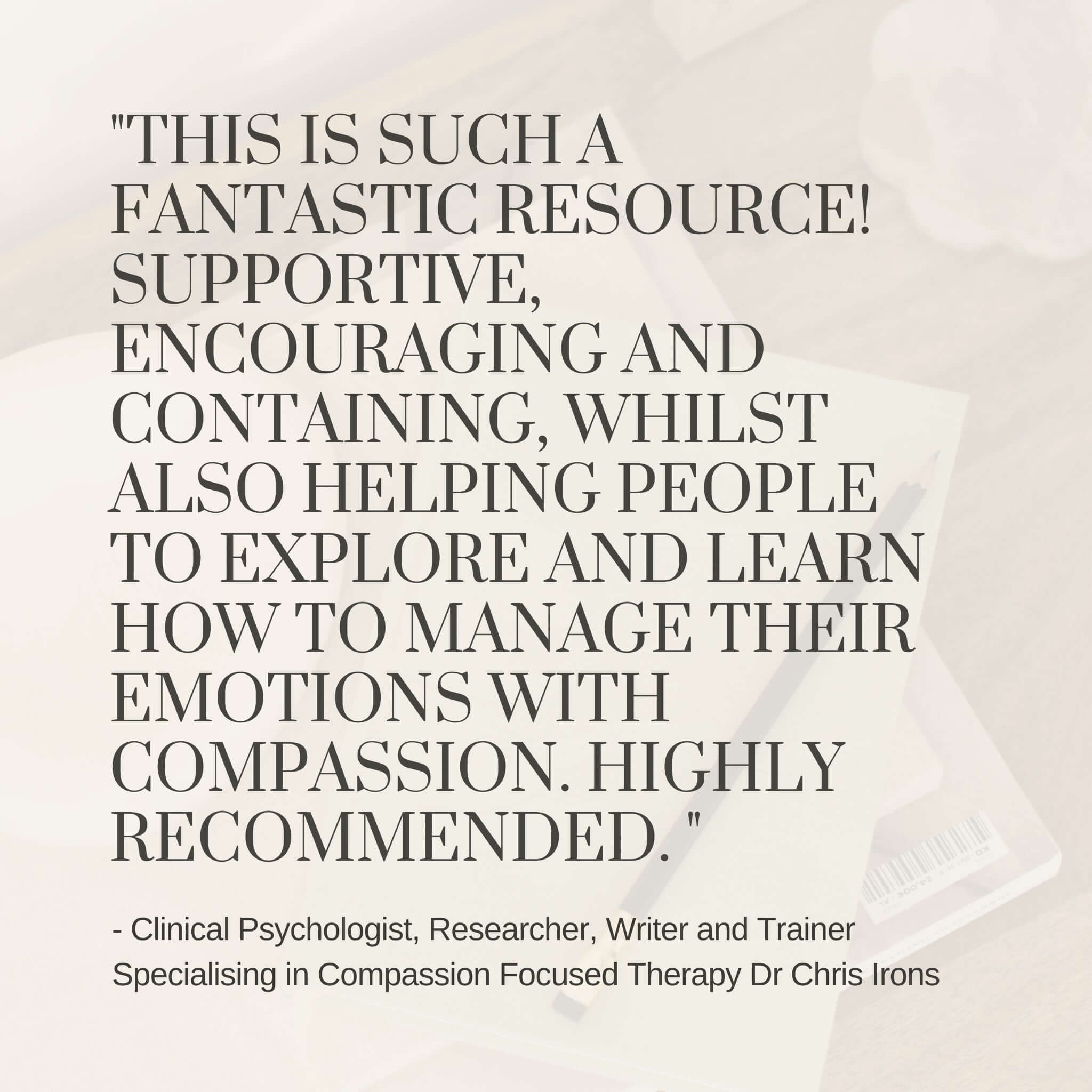
Dr. Chris Irons
Clinical Psychologist | CFT Researcher and Trainer | Co-director of Balanced Minds
"Journalling can be a powerful way of developing self-reflection, self-discovery and enhancing emotion regulation. However, from a Compassion Focused Therapy (CFT) point of view, it's useful to consider which part of ourselves is doing the journalling. In CFT, we help people develop a compassionate part of self—a part that is wise, strong and caring—and use this compassionate part to 'do' the journalling."
→ Read full article: The Benefits of Journaling from 3 Clinical Psychologists
The Give Yourself Kindness Approach to Sleep
After my own recovery through Compassion-Focused Therapy, I created tools specifically designed to help quiet an anxious, self-critical mind at bedtime. Clinical psychologists from Harvard Medical School and the University of Oxford reviewed and validated these tools—and now therapists use them with clients worldwide.
Here's how they work:
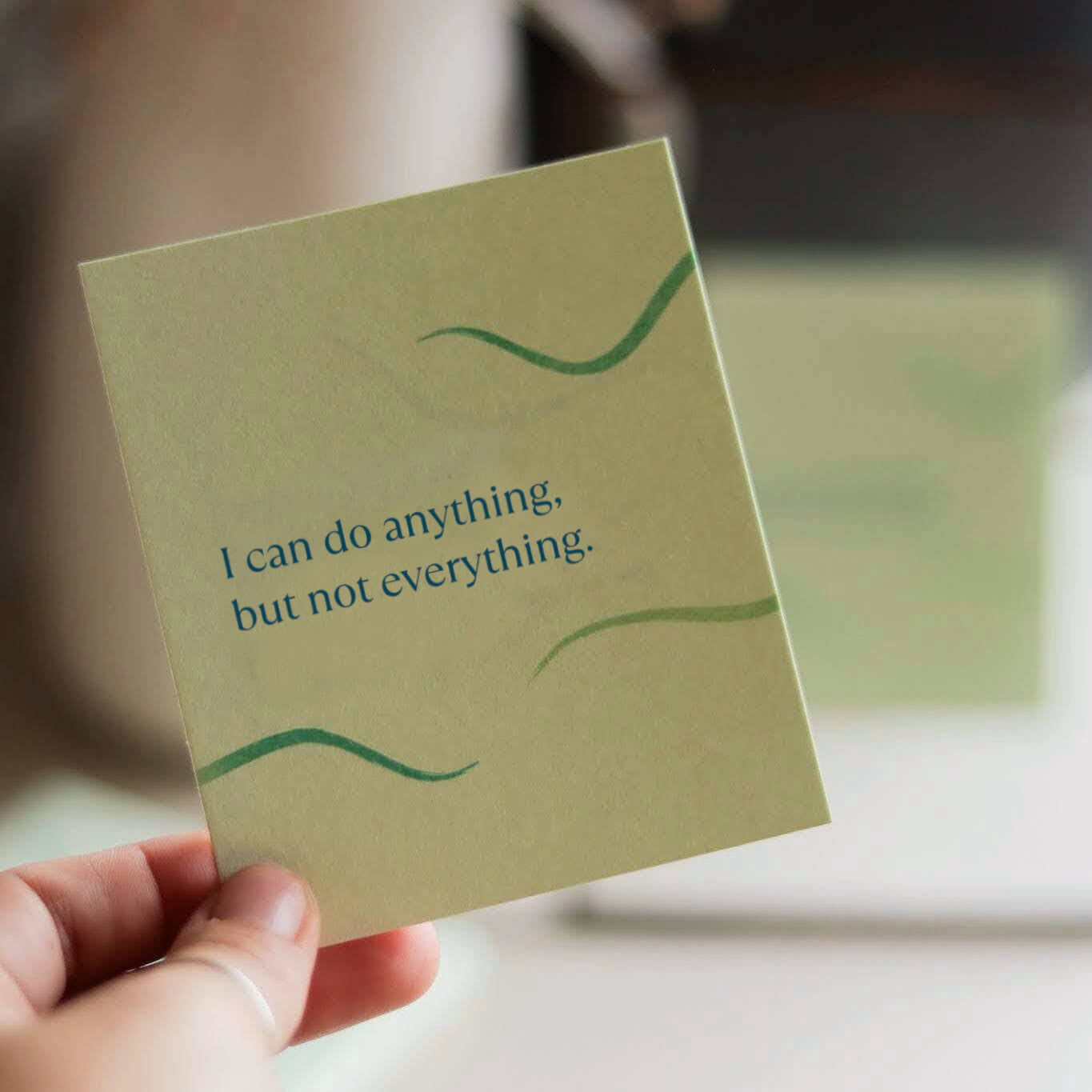
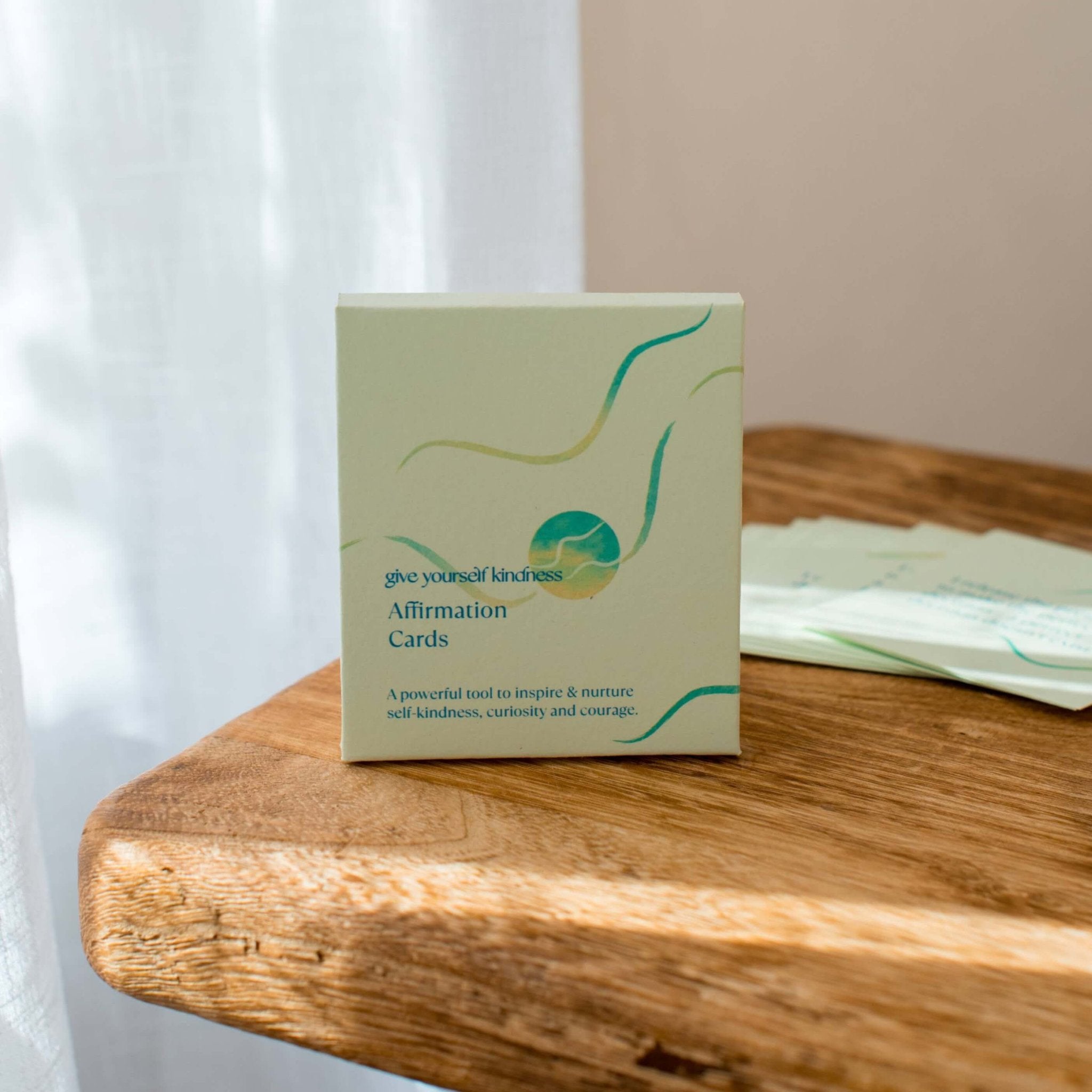
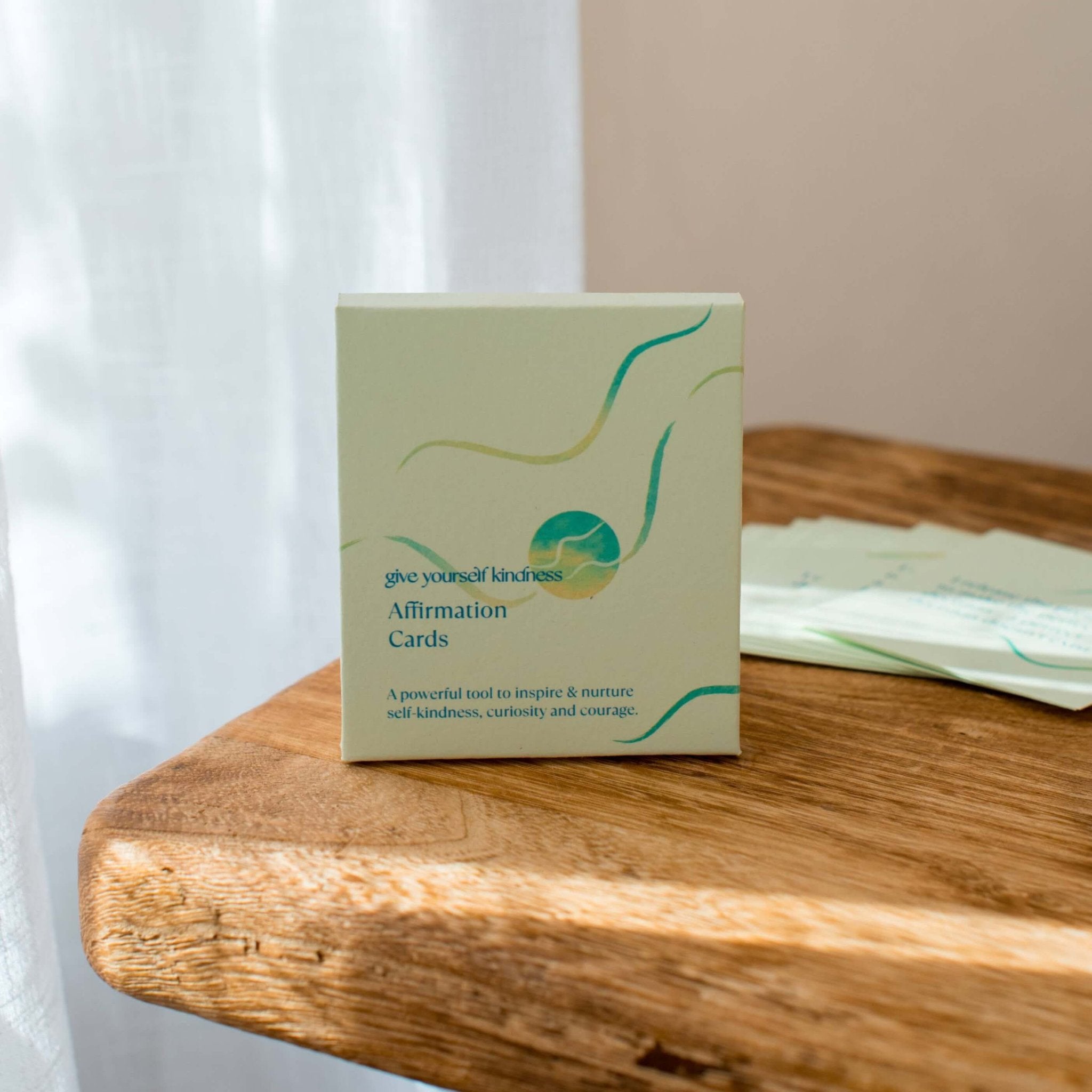
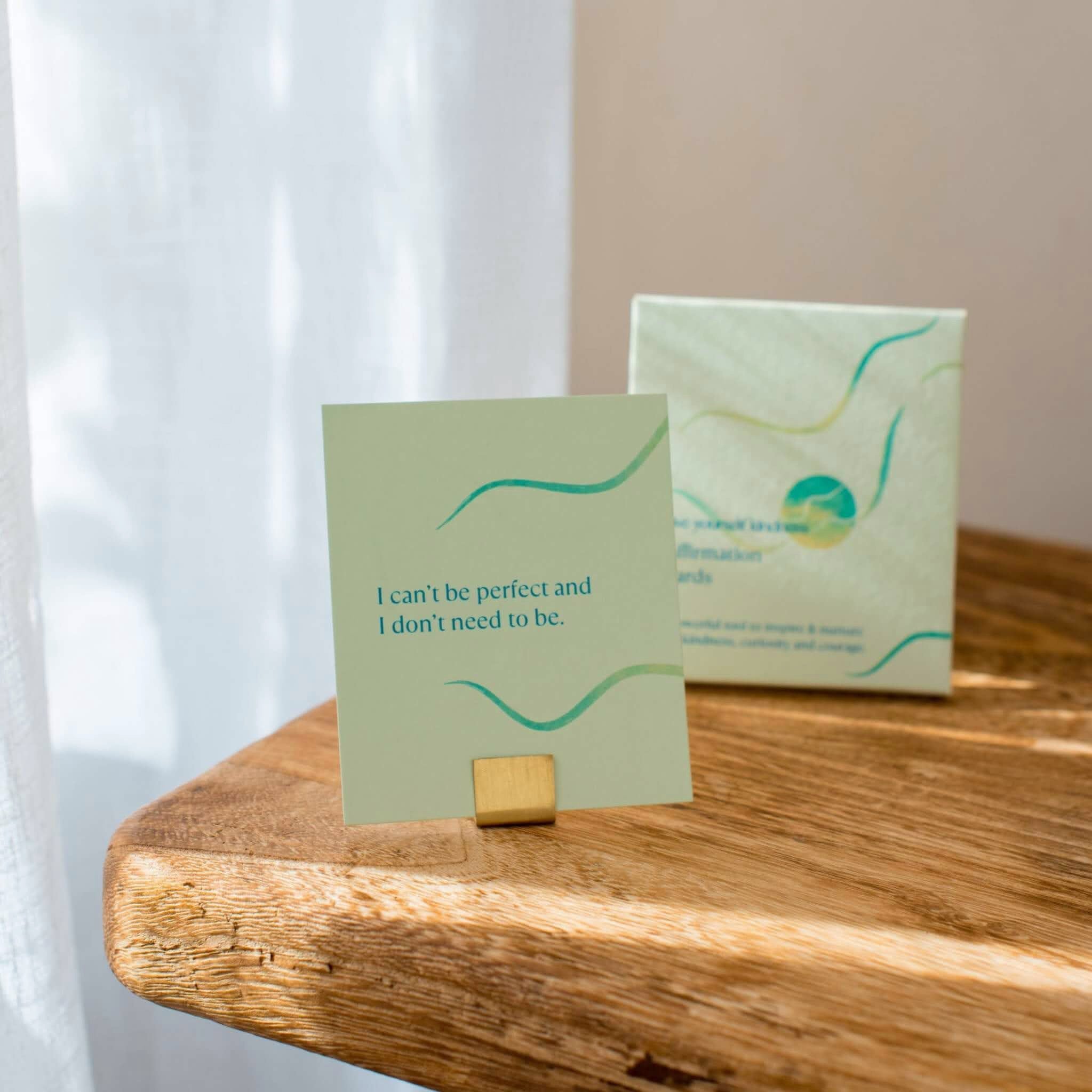
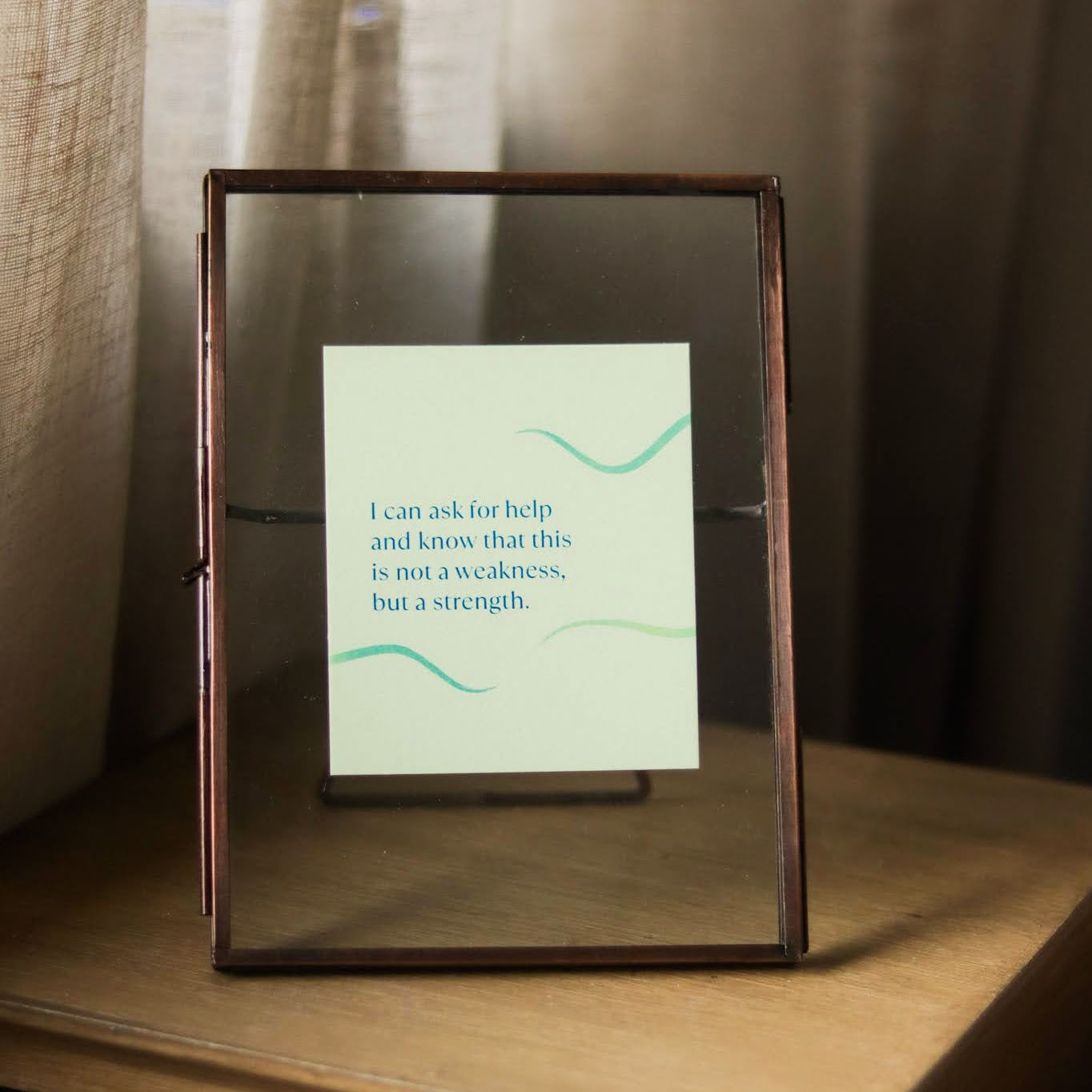
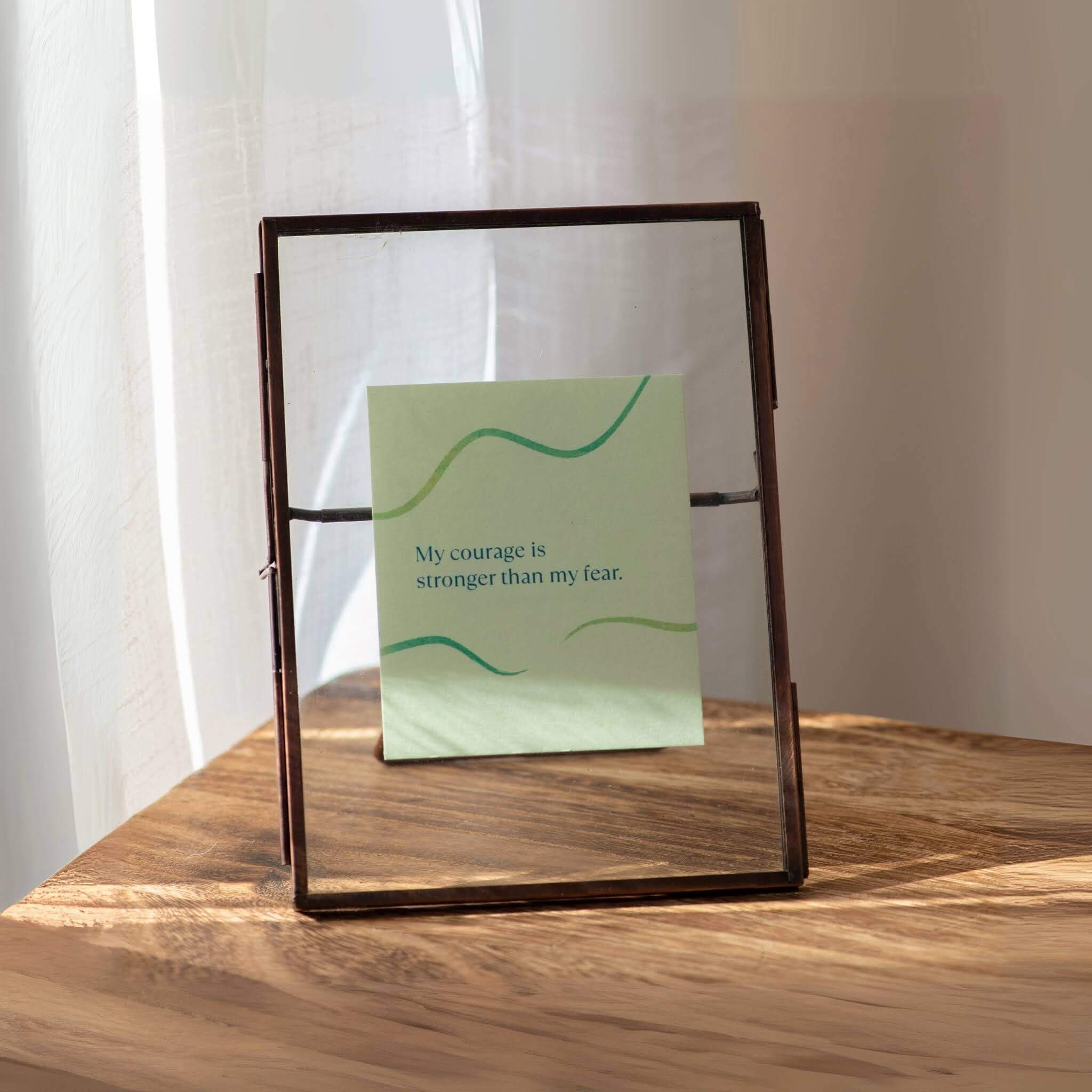
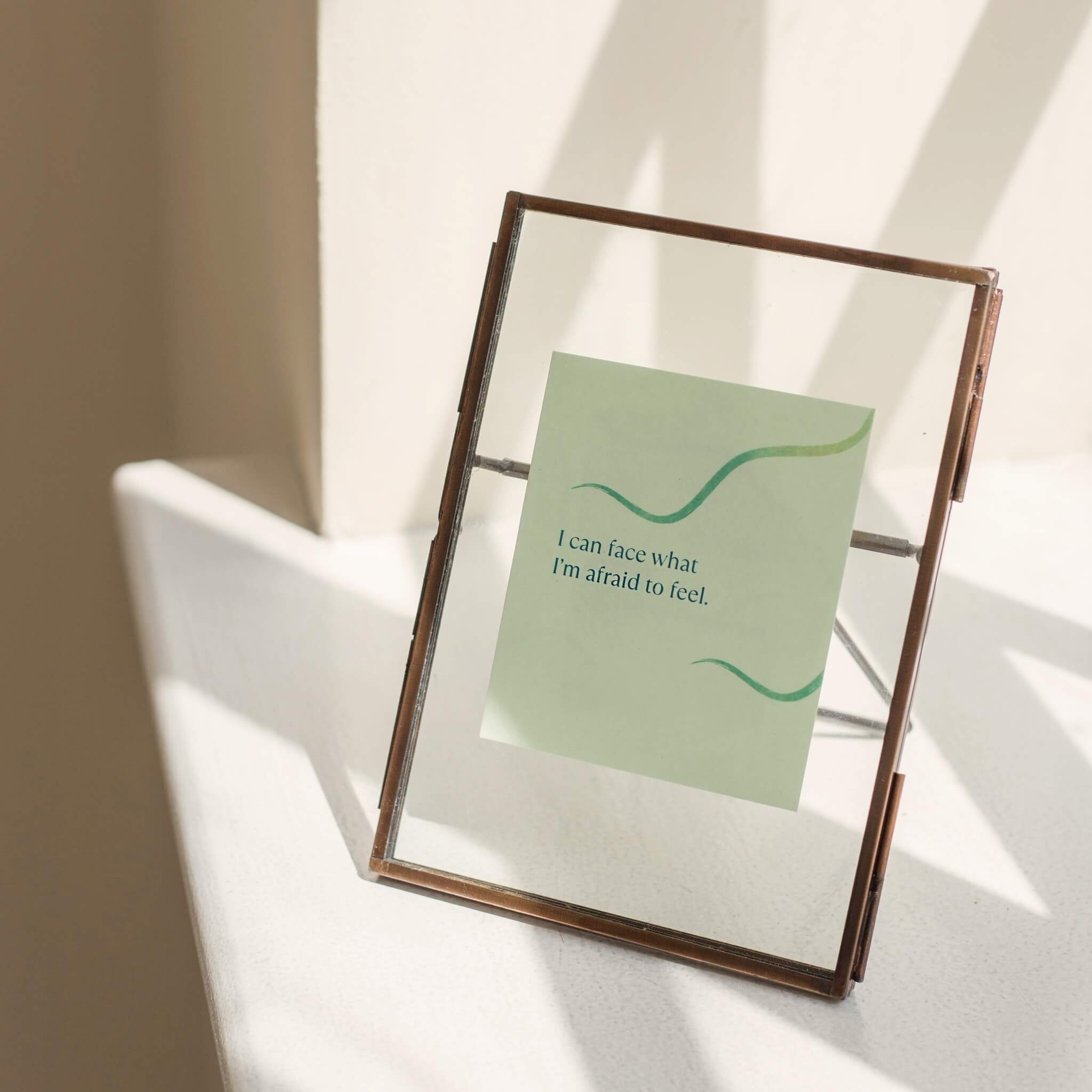
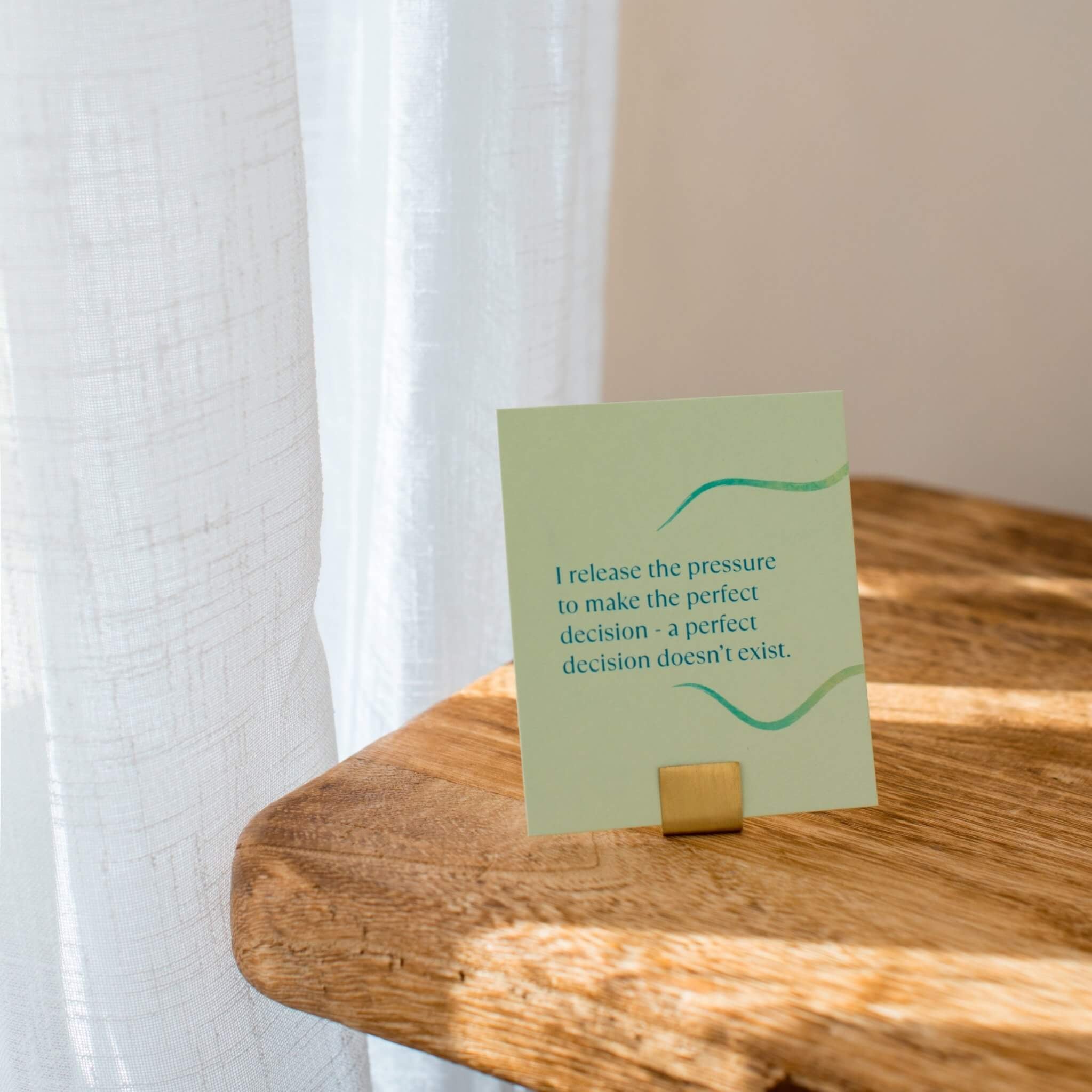
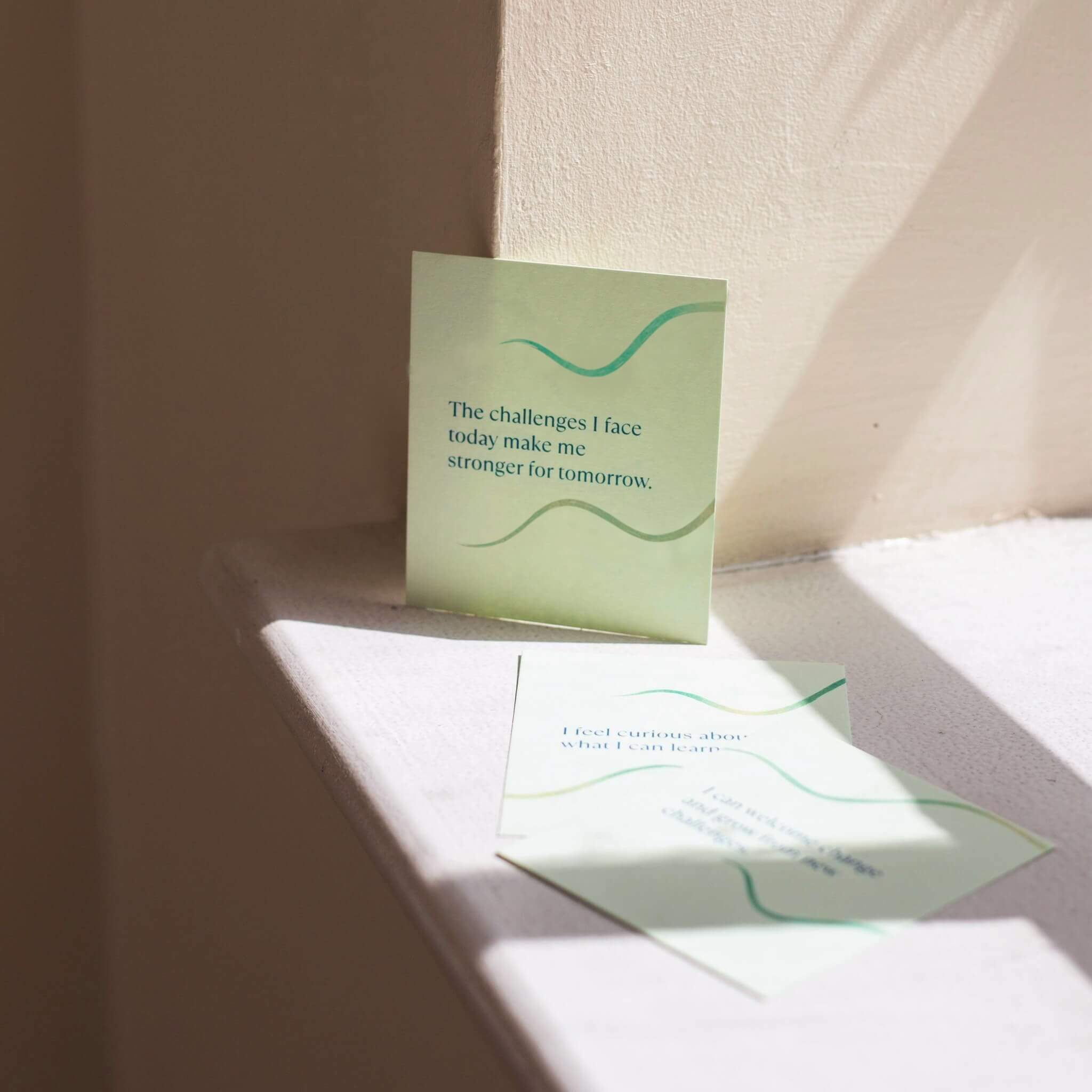
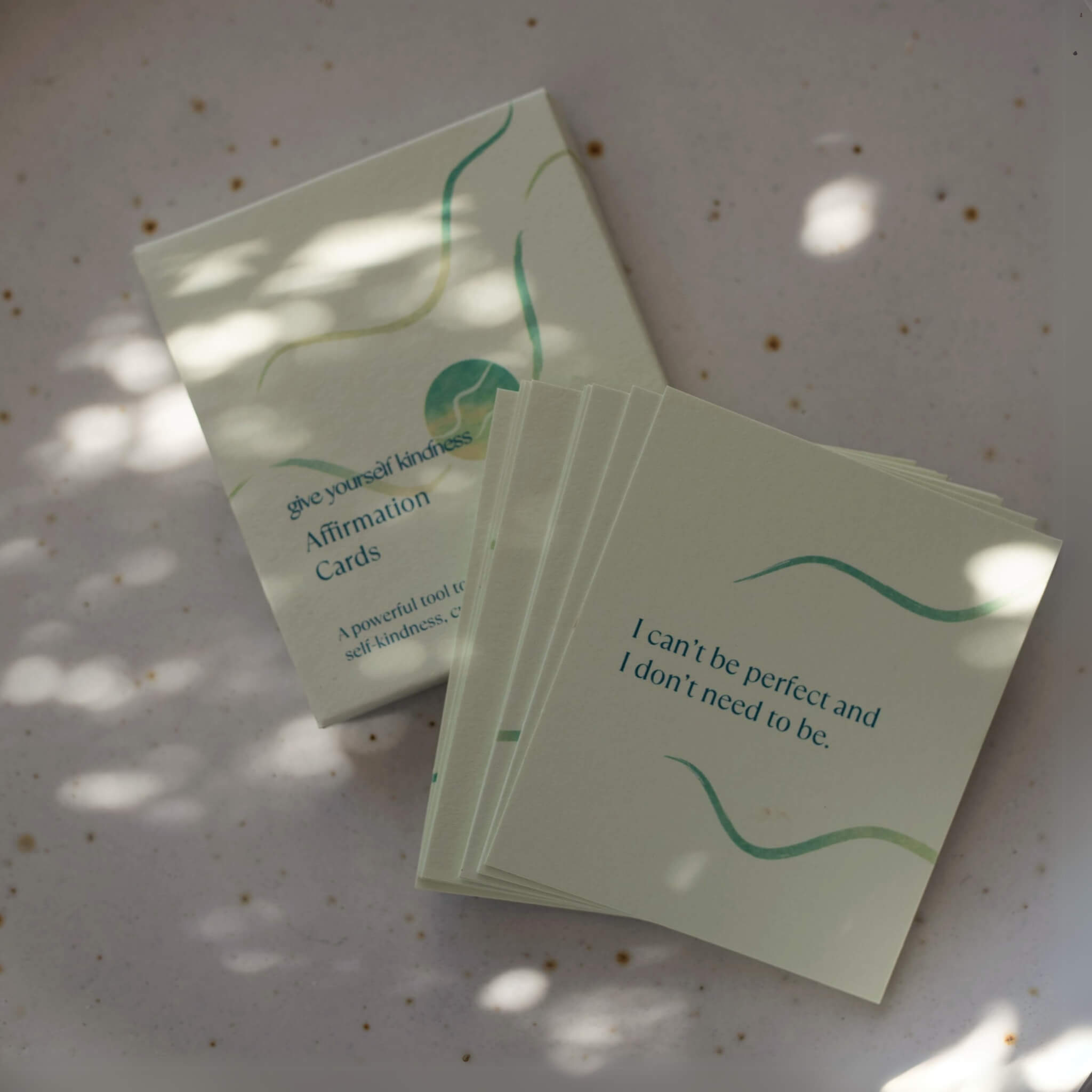
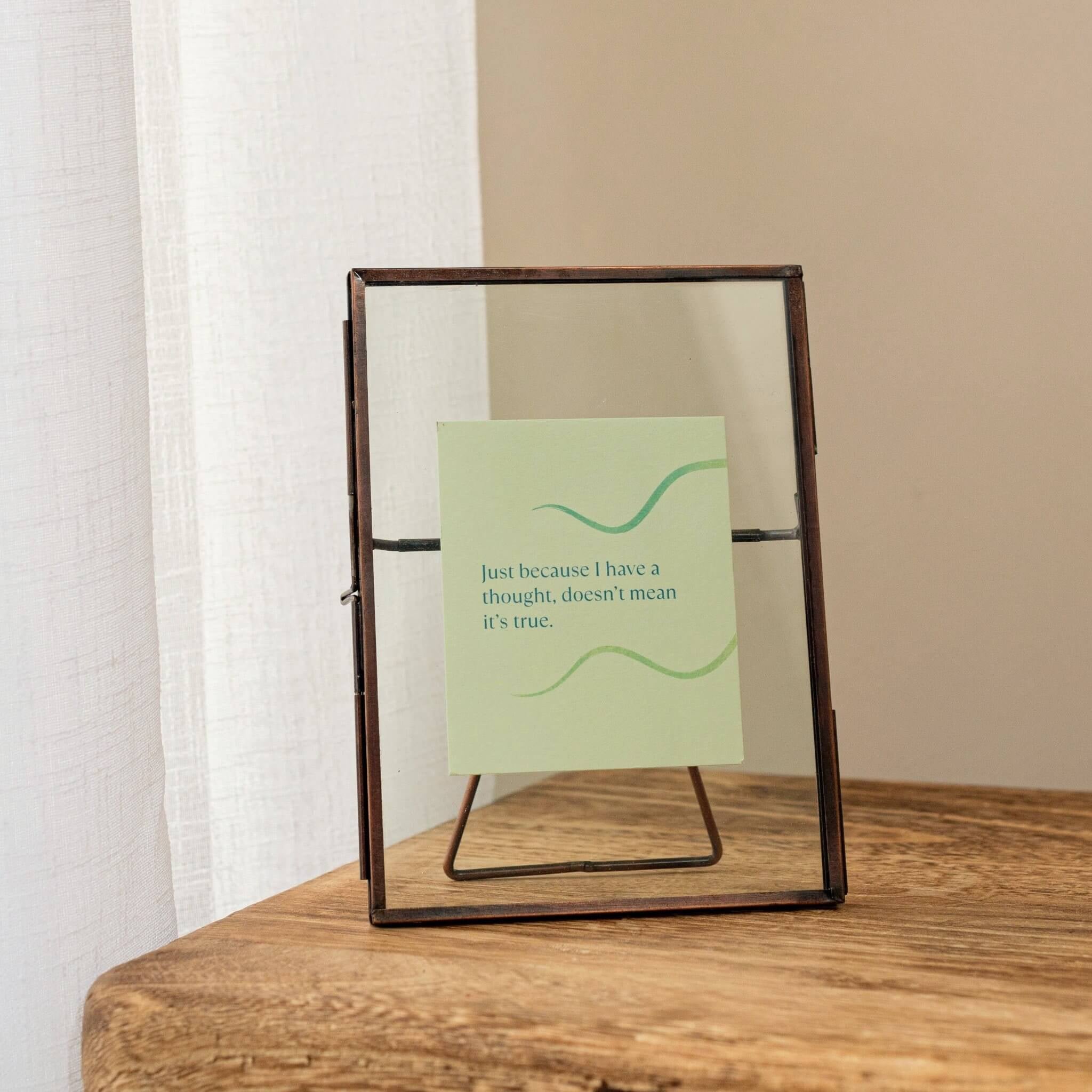
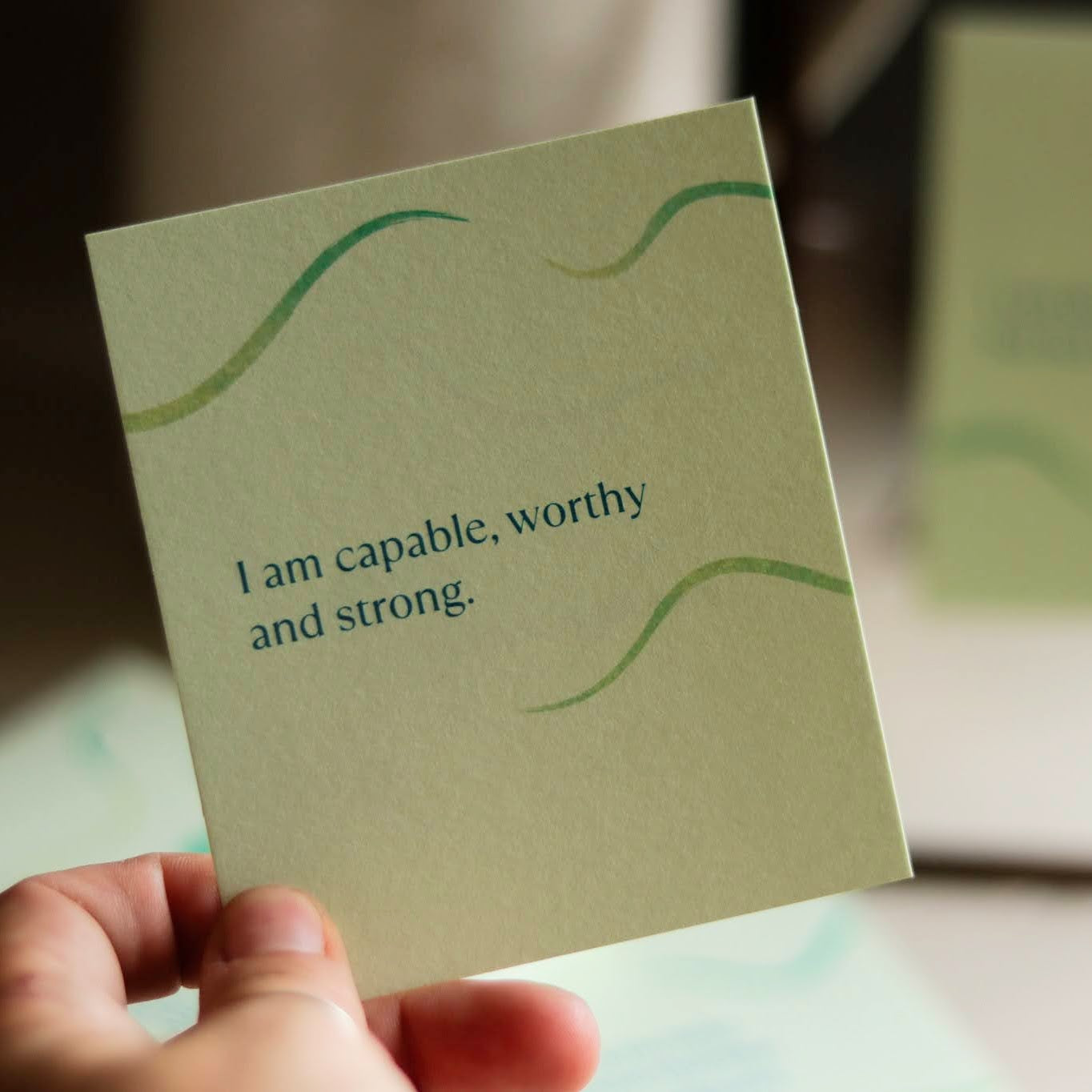
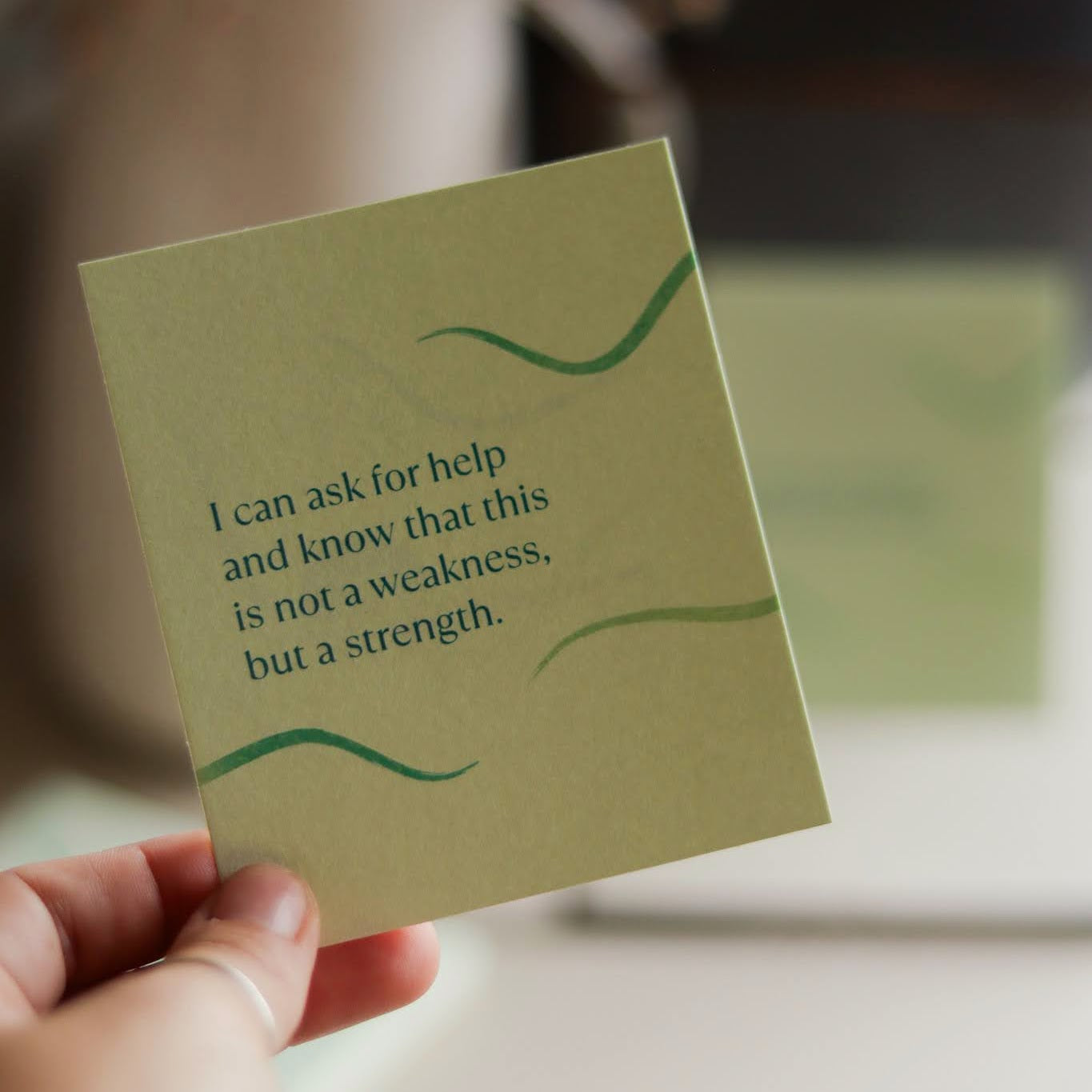
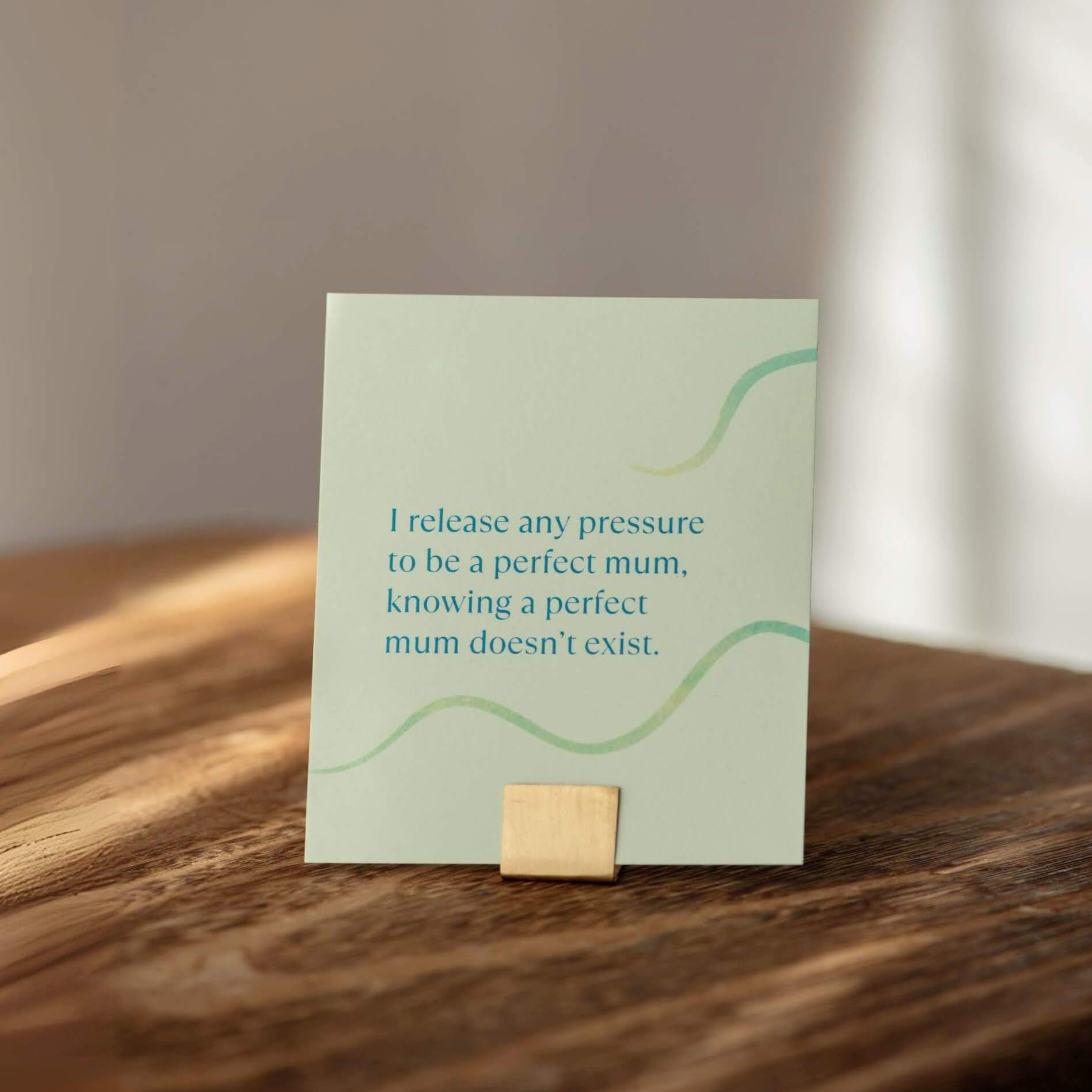
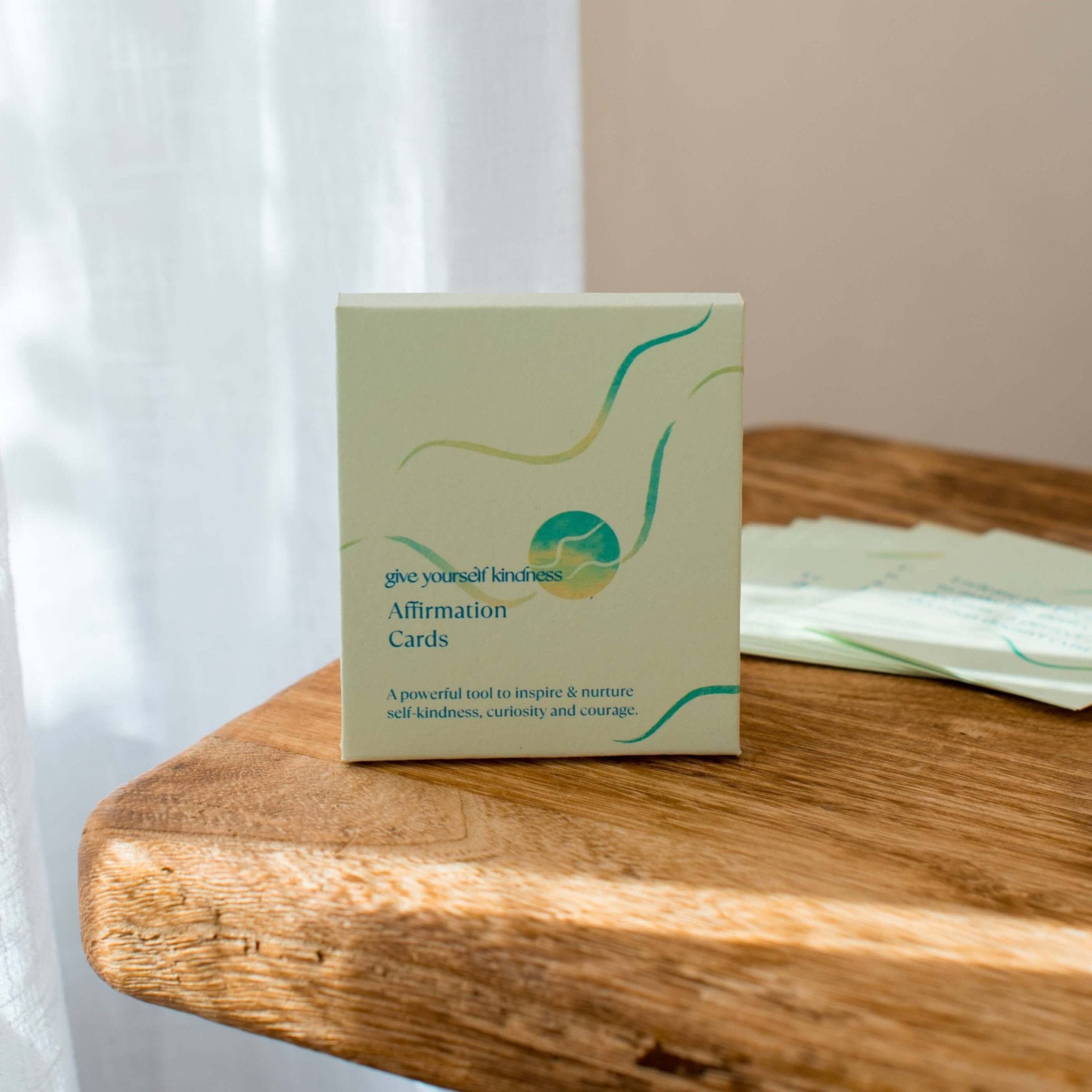
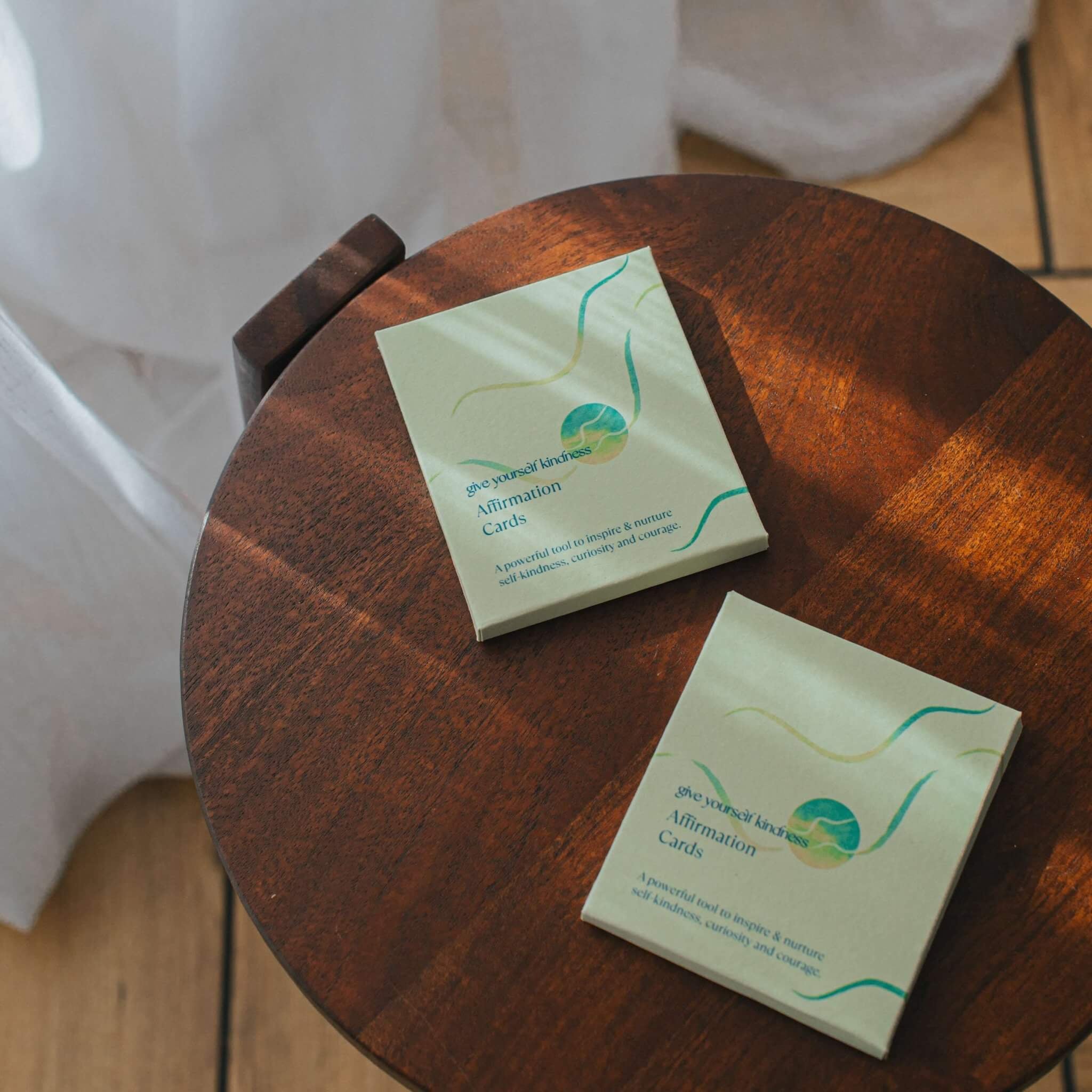
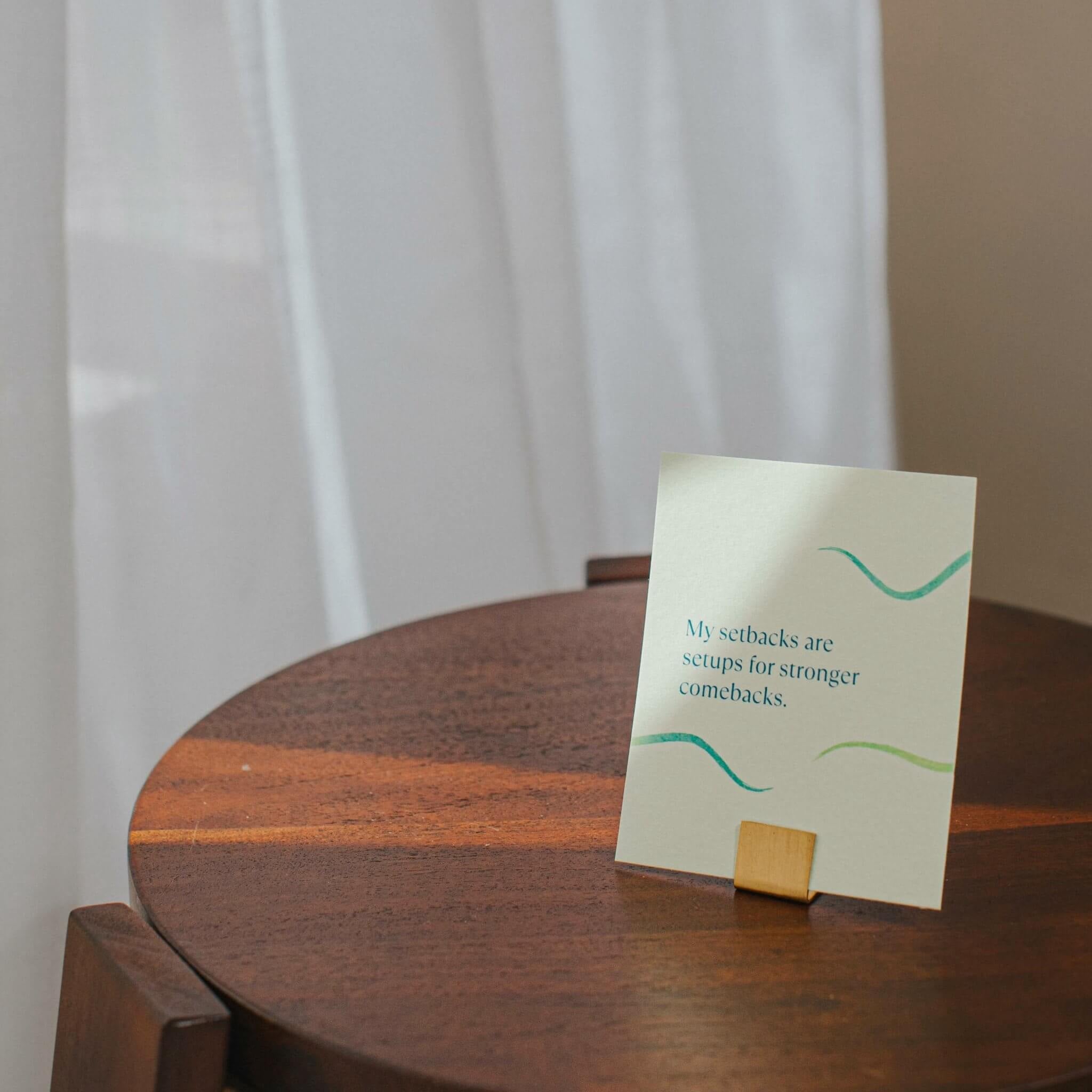
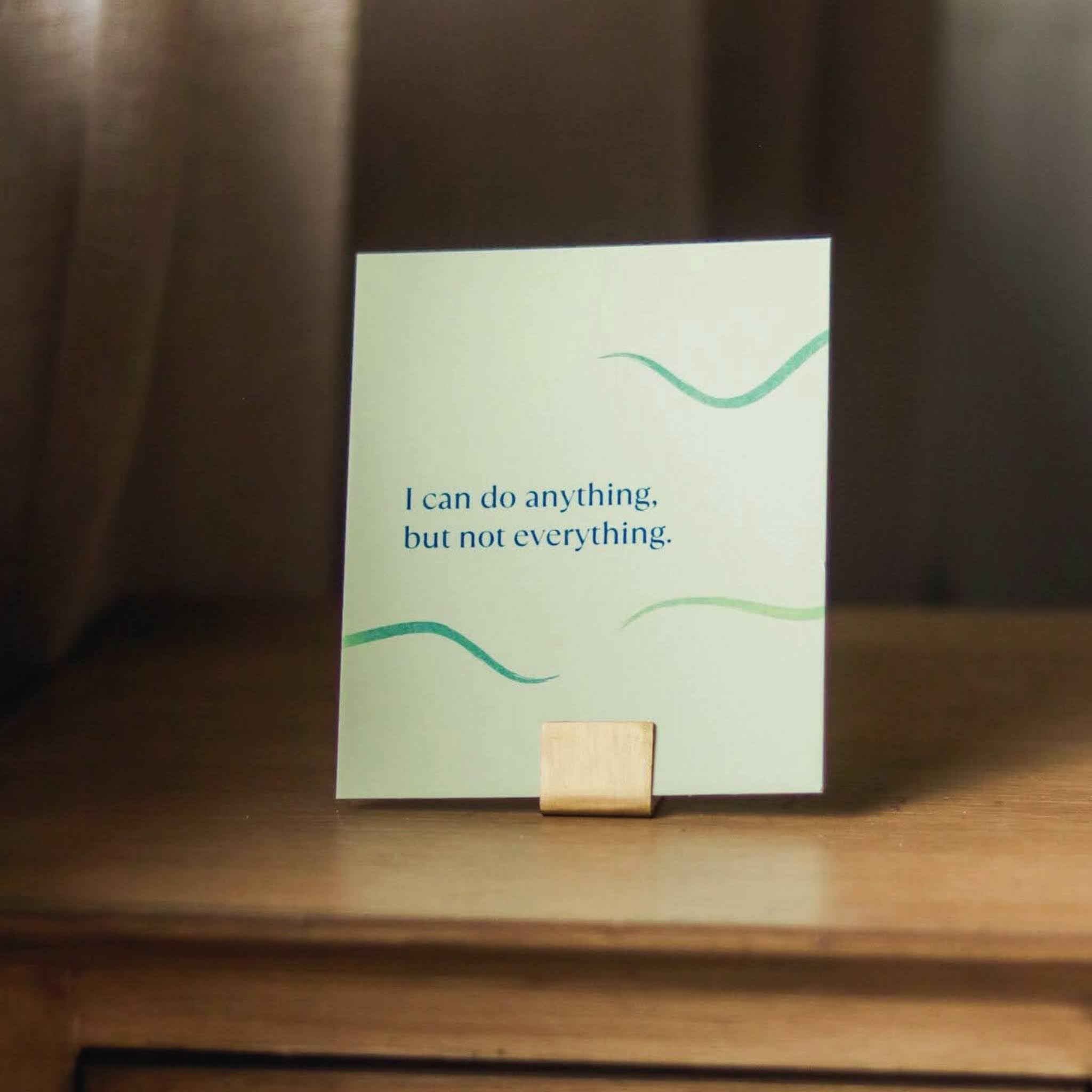
Sleep Affirmation Cards
For immediate bedtime use
Why It Works:
When you're going through difficult times, sleep often suffers. Your mind won't switch off. You replay the day's stresses. You worry about tomorrow.
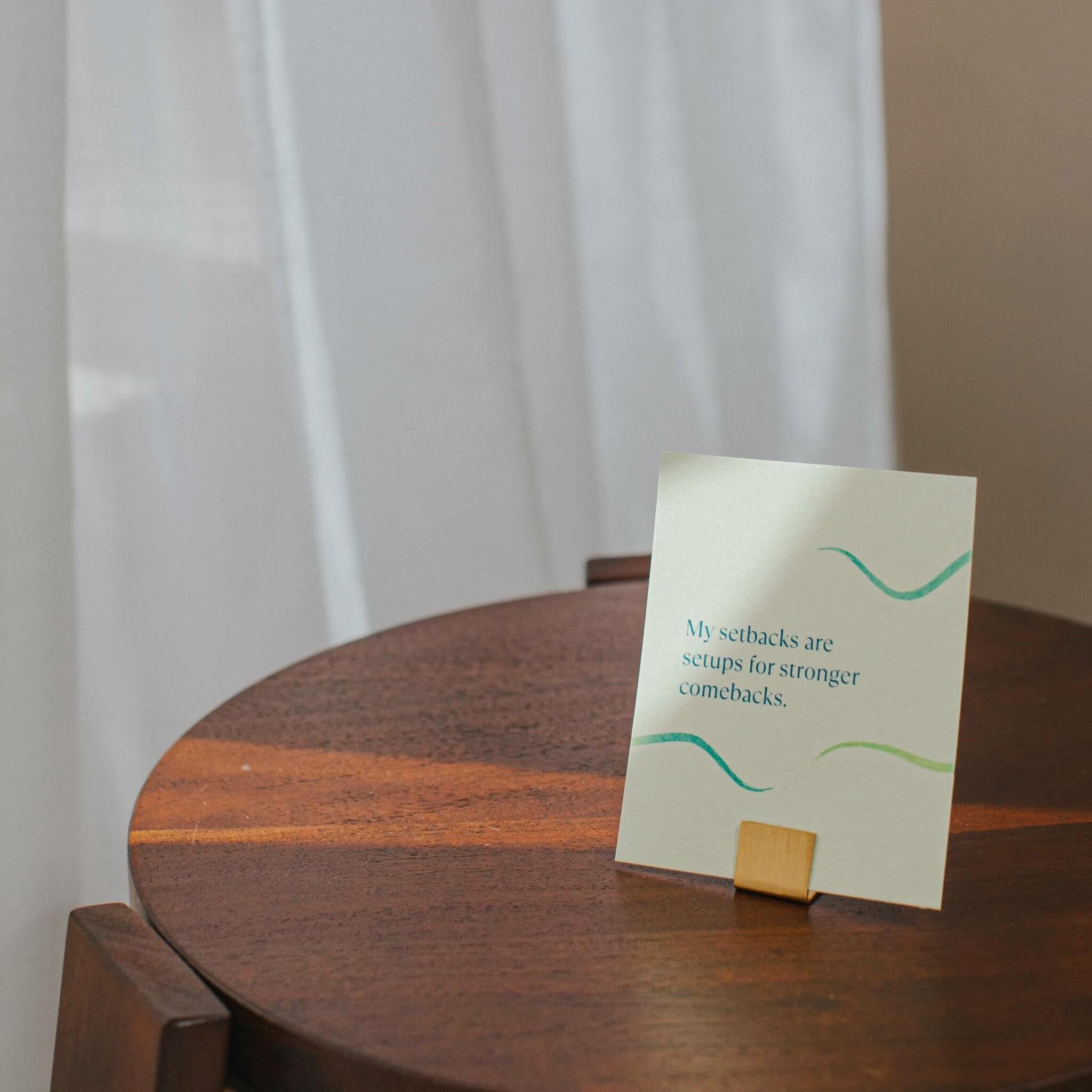
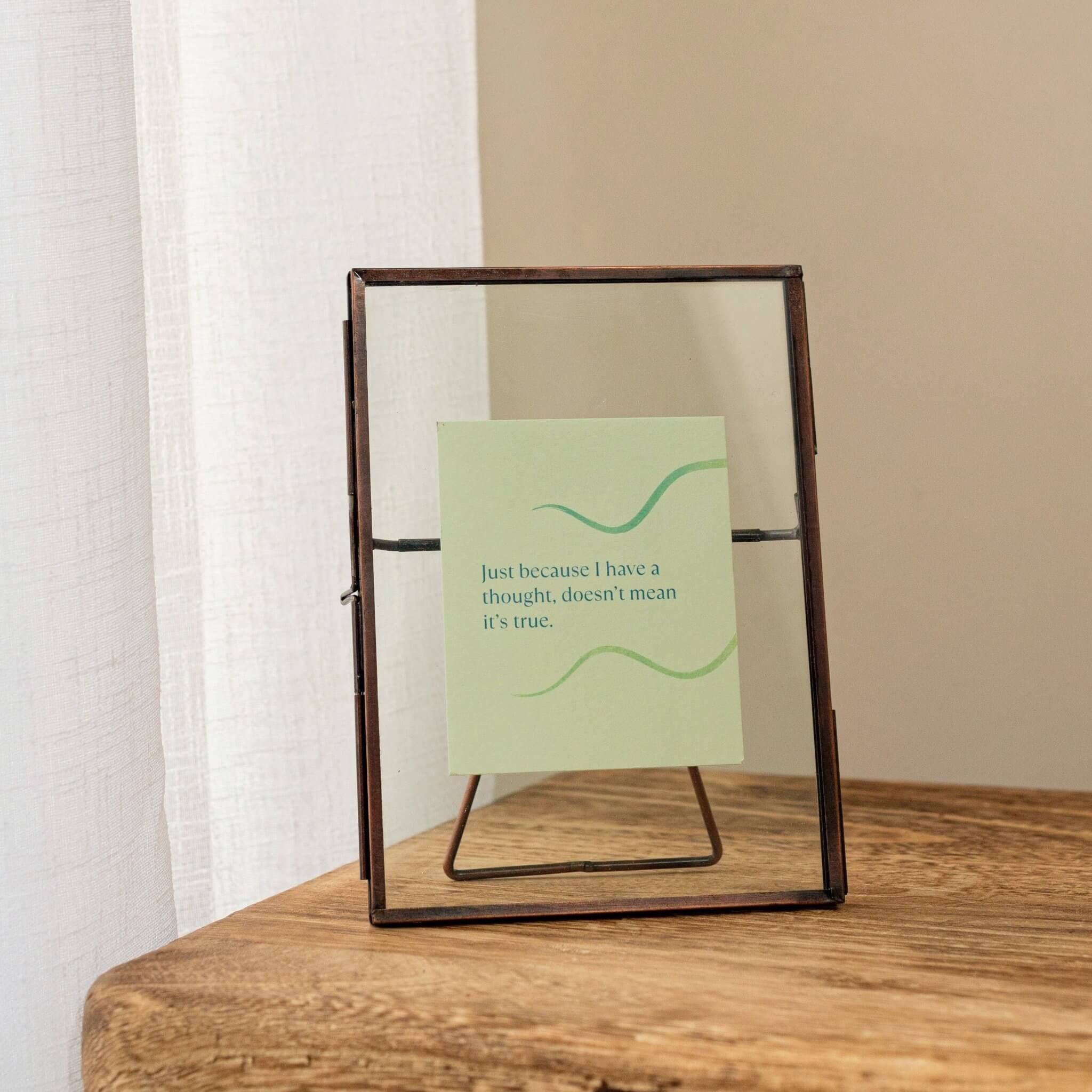
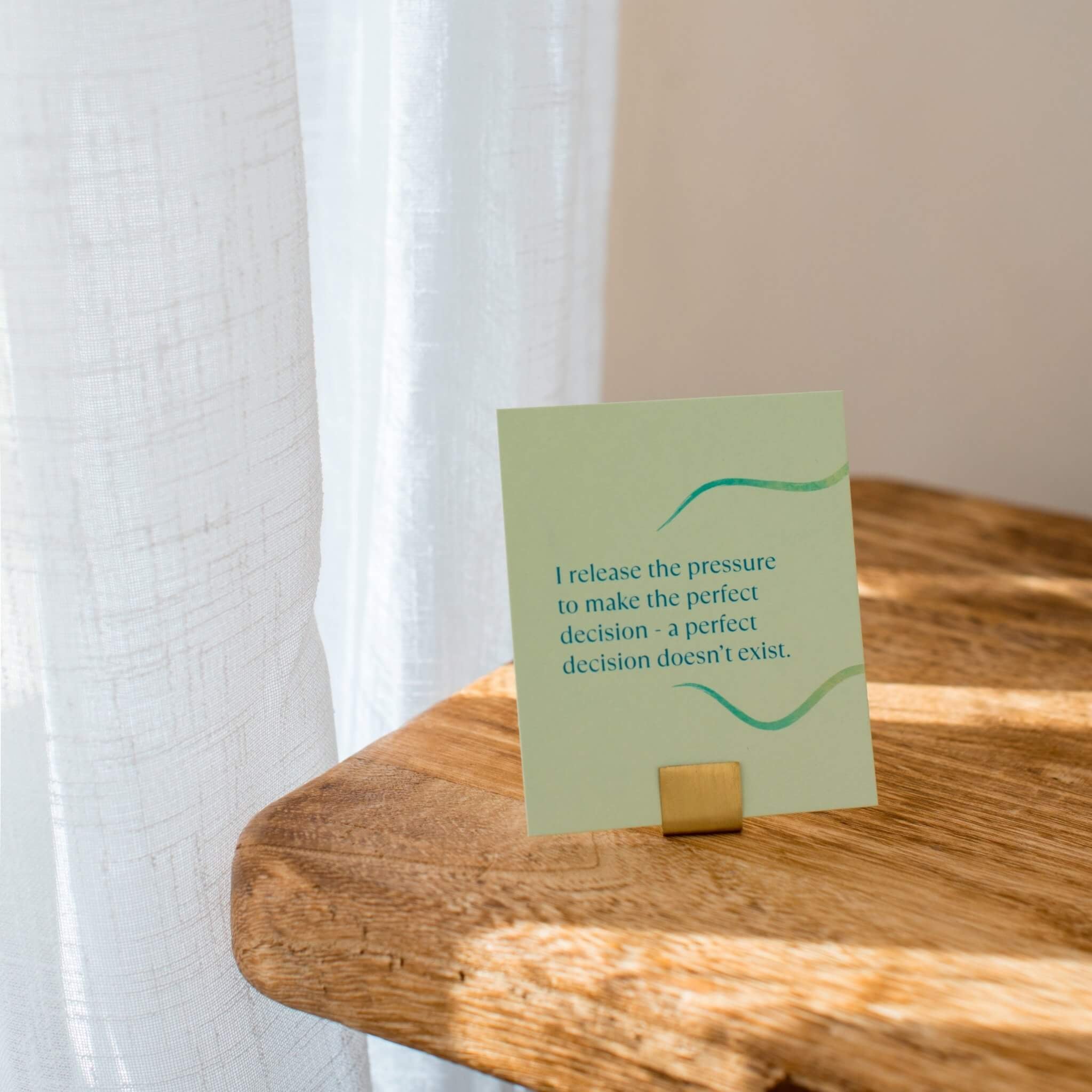
These cards use self-compassion principles to quiet an overactive mind before bed. They're not generic "sleep better" tips—they're gentle reminders that help you be kind to yourself at night.
What Makes Them Different:
- Takes only 2-3 minutes (no energy required)
- Interrupts racing thoughts and rumination
- Uses CBT-I principles (endorsed by neuroscientist & sleep expert)
- Self-compassion approach addresses the emotional root of sleeplessness
Sample Affirmations:
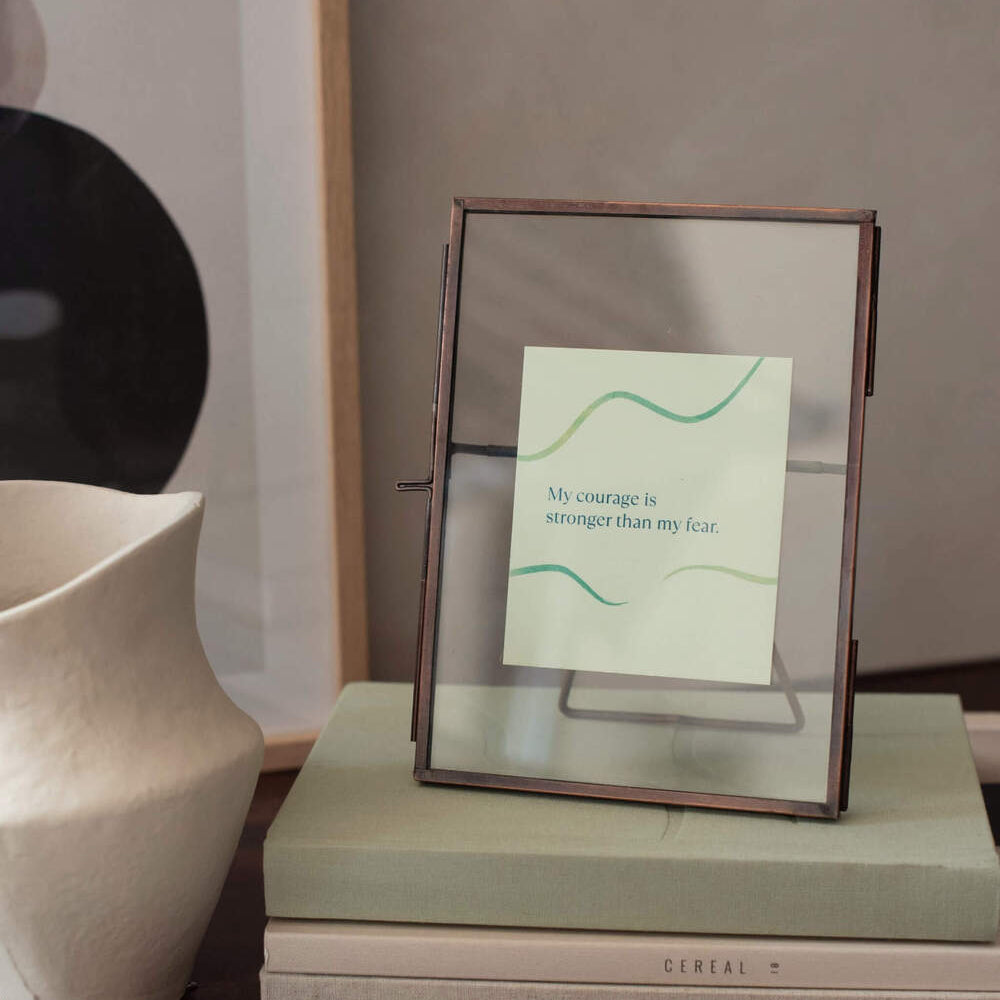
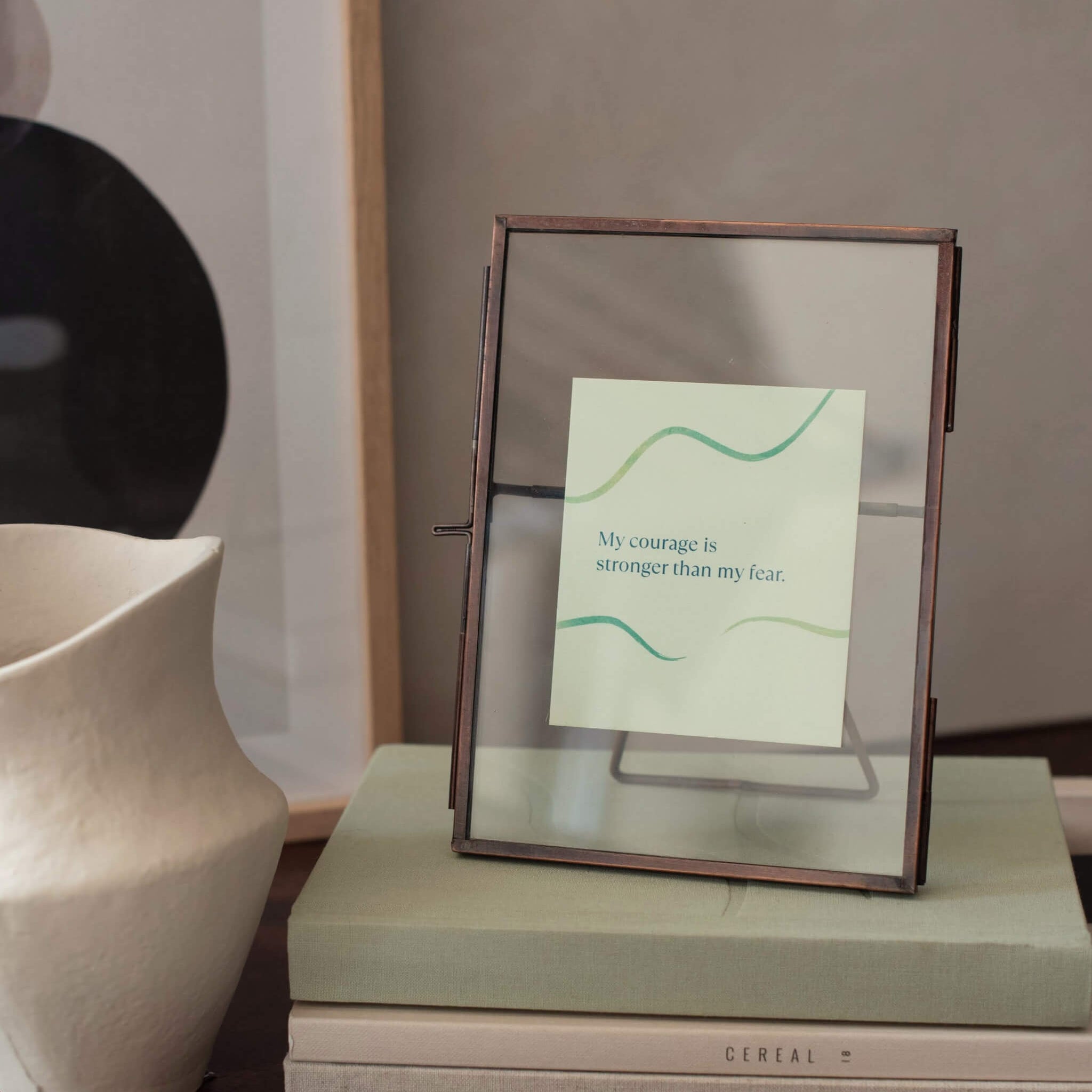
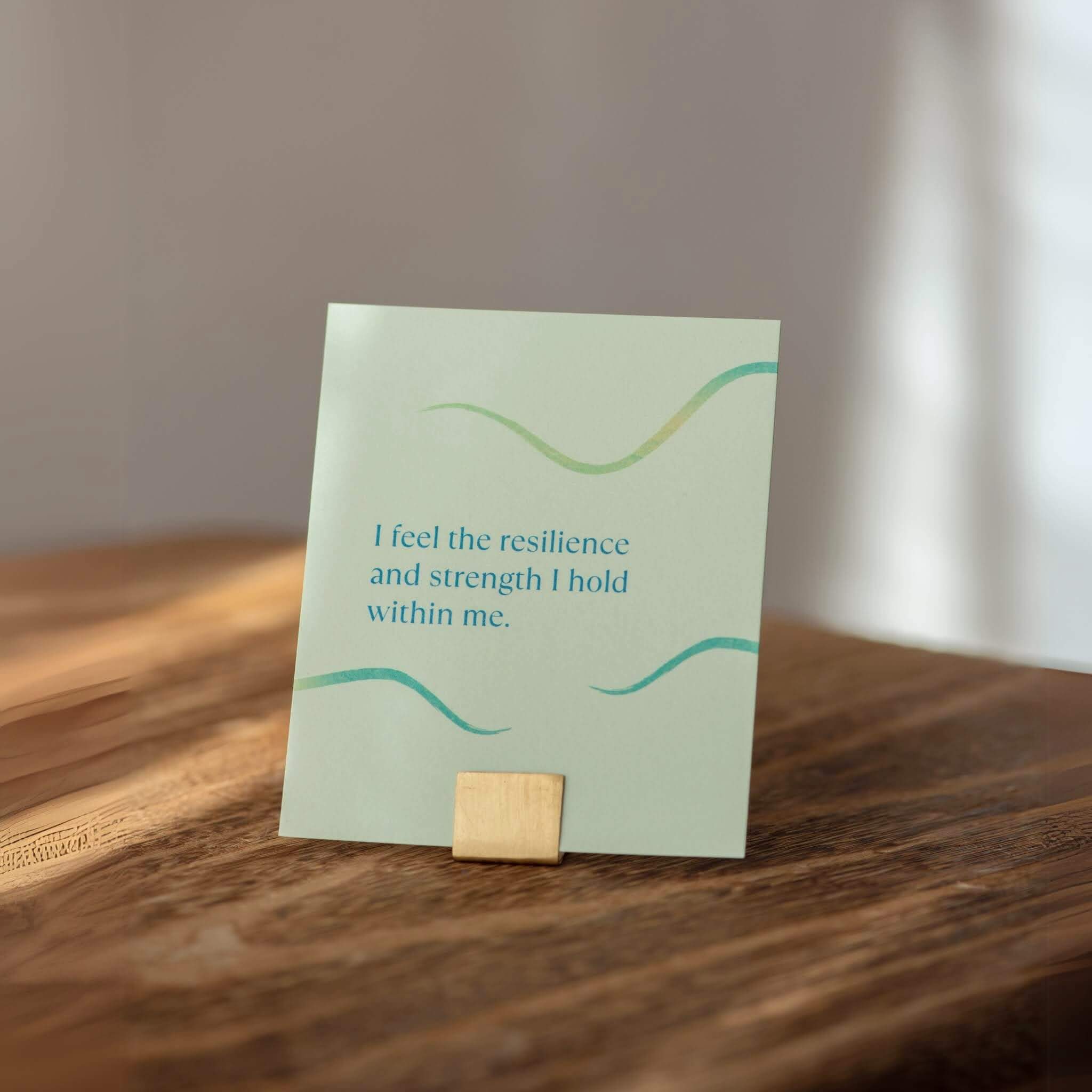
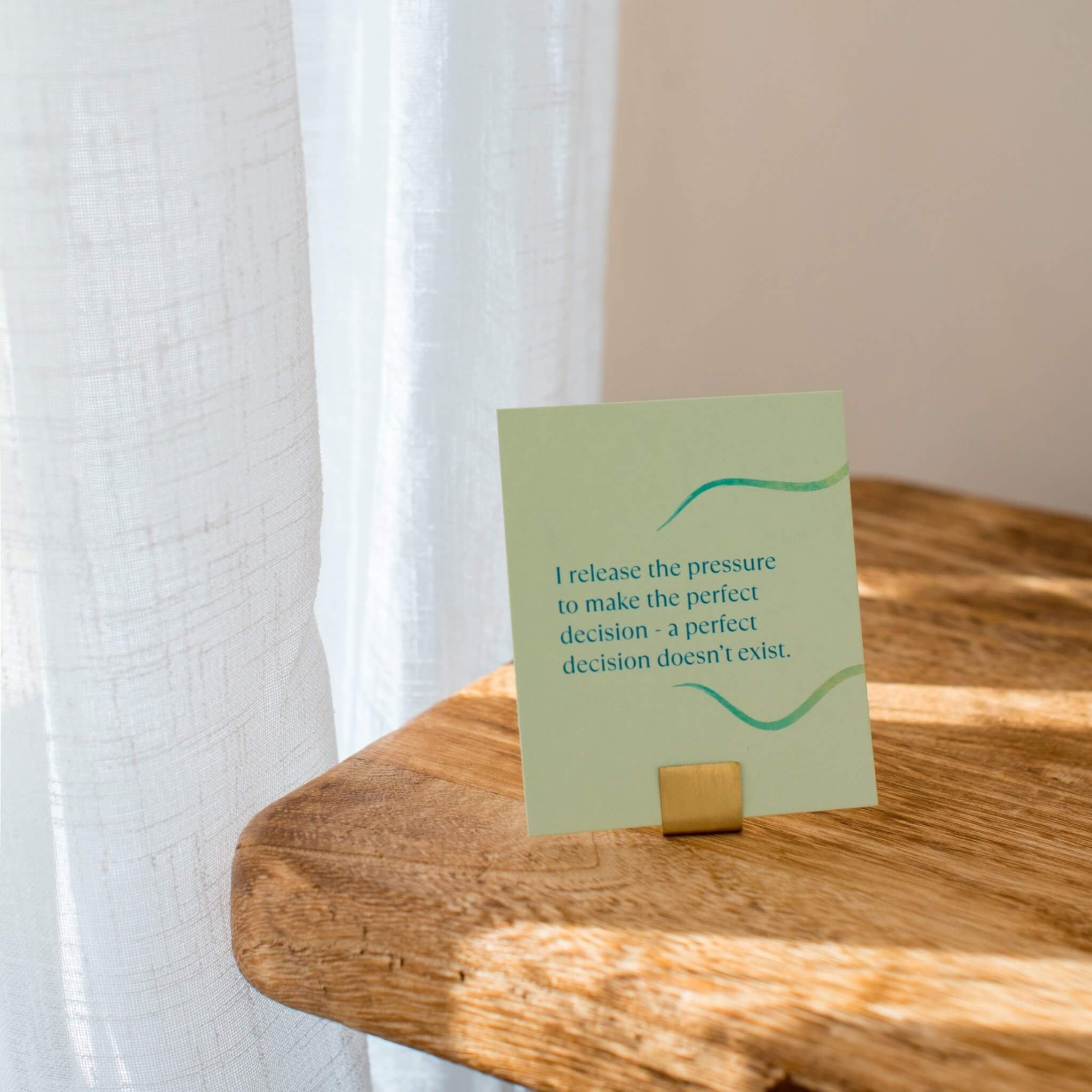
- "I treat myself with kindness, knowing my to-do list can wait until tomorrow"
- "Today, I did enough"
- "It's normal that on some days sleep is better than others"
- "I can't be perfect, and I don't need to be"
- "If I notice any racing thoughts, I can imagine moving them from me to the bedside table. They can wait until the morning"

Dr. Olena Santangeli, PhD
Neuroscientist & Sleep Expert | Child & Adult Sleep Consultant
"The sleep cards are fantastic. I particularly like how they foster positive thinking, relaxation, and self-compassion, which are key in managing sleep and stress. They wonderfully echo the principles of cognitive-behavioral therapy for insomnia and could be used as an additional tool in conquering anxiety surrounding insomnia."
→ Read full article: Simple, Effective Routines for Better Sleep: A Neuroscientist's Guide
Perfect for: Racing thoughts, anxiety at bedtime, "can't switch off" after stressful days
Shop Sleep Affirmation Cards →Give Yourself Kindness Journal
For deeper emotional processing
Why It Works for Sleep:
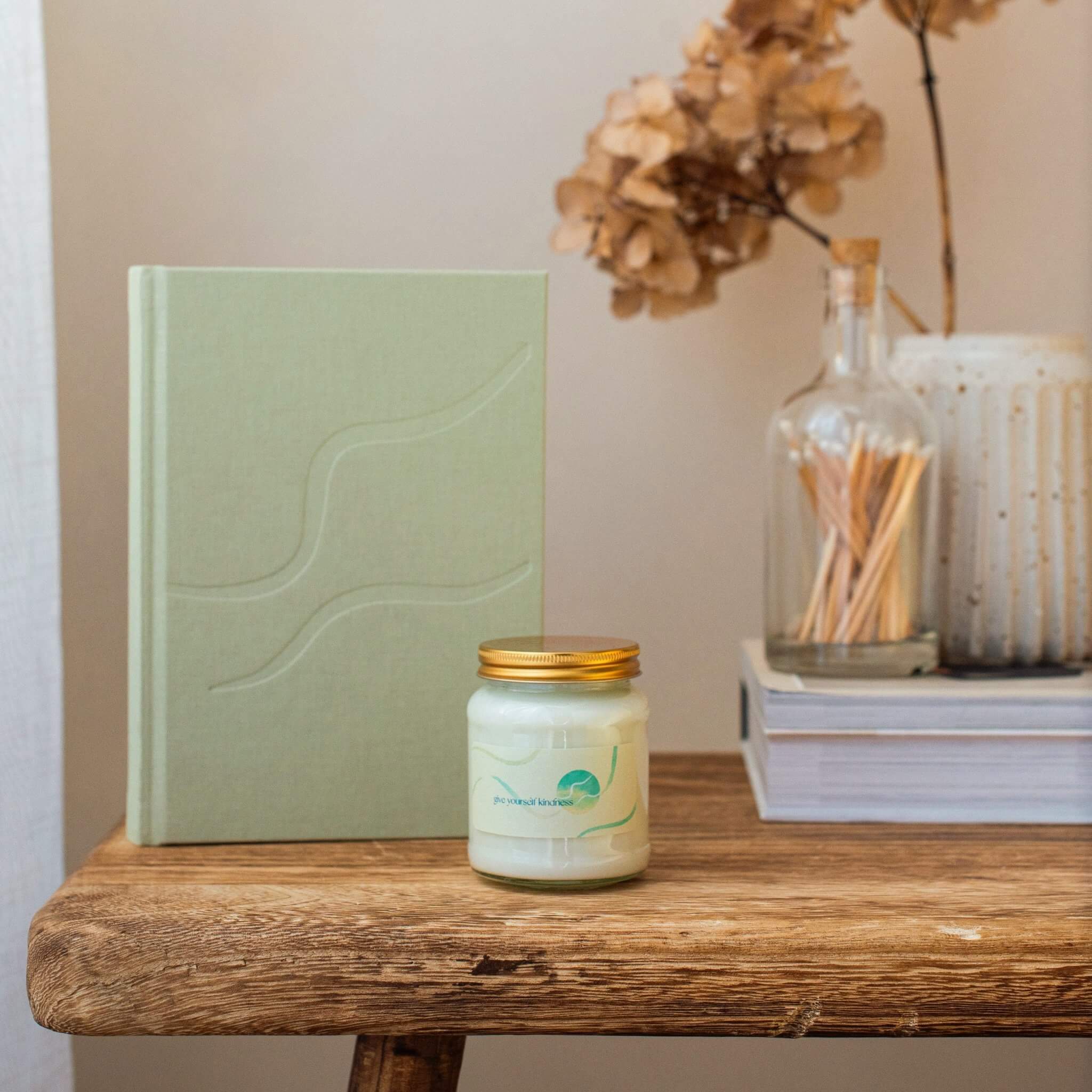
This journal doesn't just list tomorrow's tasks—it helps you process the emotions that cause sleeplessness in the first place.
When self-criticism, perfectionism, or emotional overwhelm keep you awake, you need more than a to-do list. You need a tool that:
- Validates difficult emotions (no toxic positivity)
- Interrupts self-critical thoughts before bedtime
- Processes daily stress in a healthy way
- Creates a calming evening ritual
What's Inside:
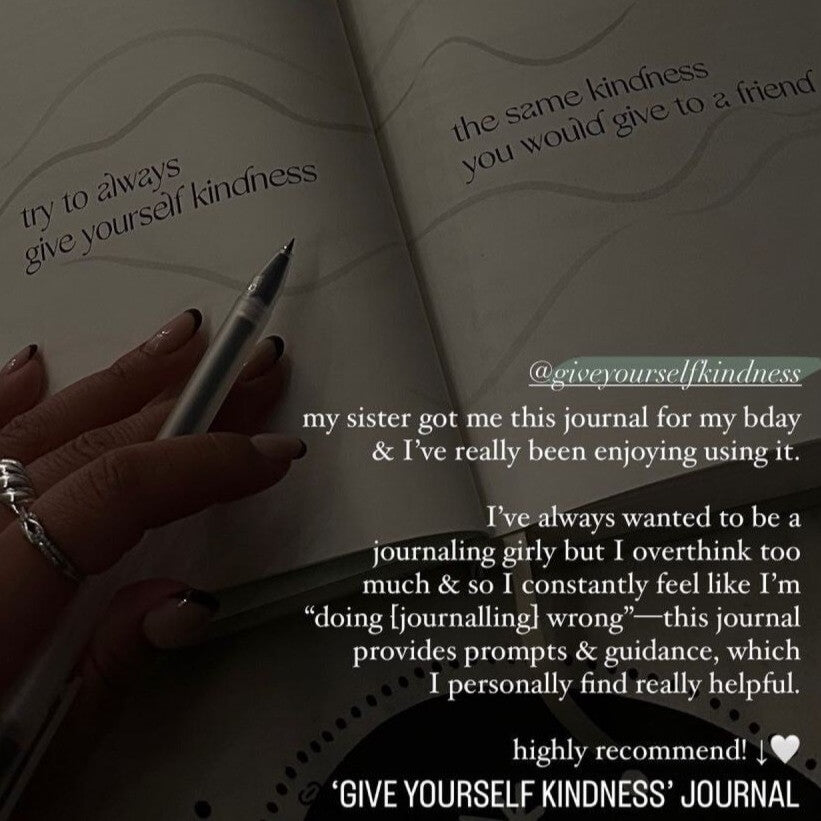
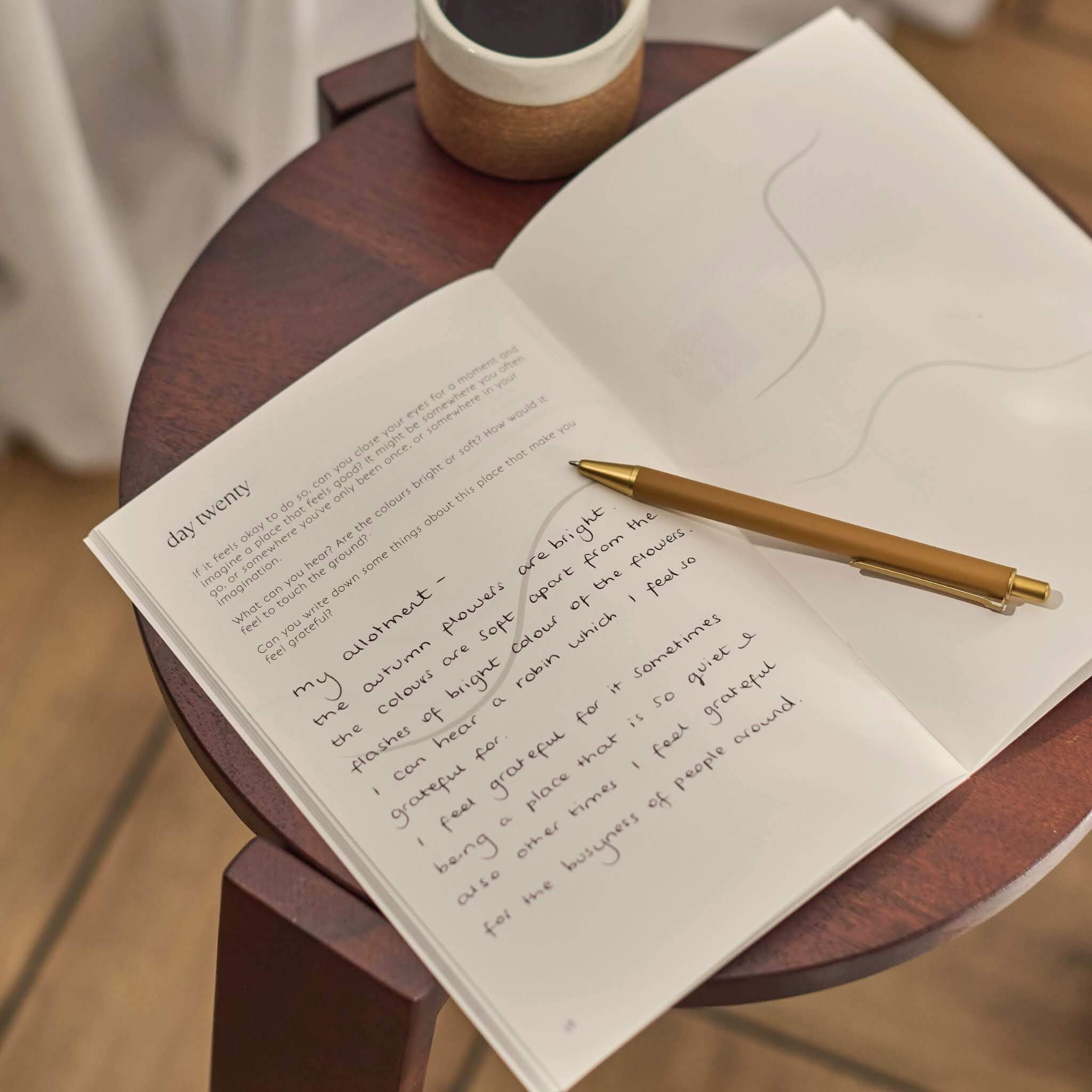
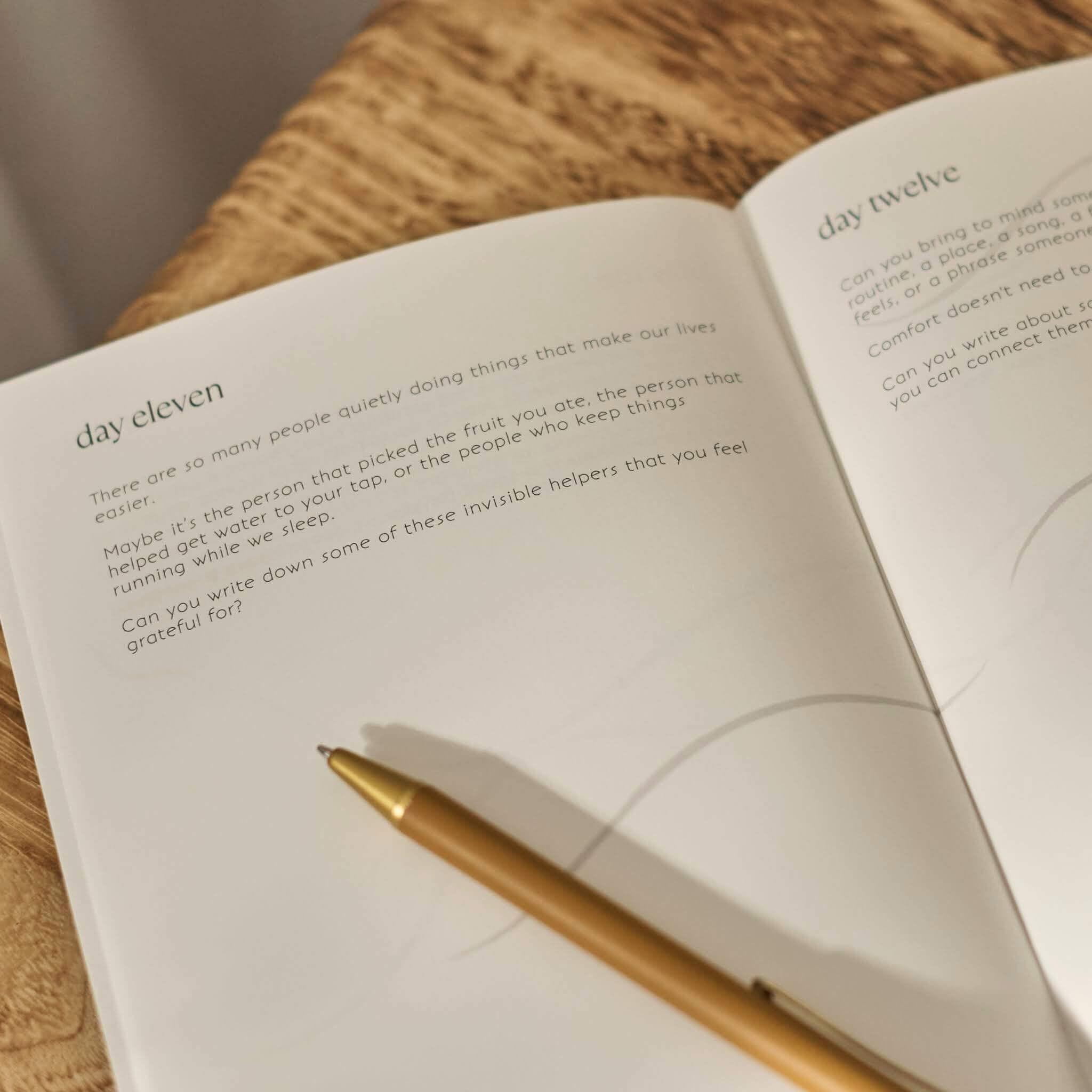
- 90 days of completely unique prompts (never feels mechanical or repetitive)
- Emotional awareness visual guide on every page
- 50+ gentle reminders like "The way you speak to yourself matters" and "You can't be perfect, and you don't need to be"
- Prompts like: "What has challenged you today? Talk to yourself as you would a friend—write down what you would say"
- Undated format (no guilt when life gets busy)
- Quality 120gsm paper, cloth-bound, printed in UK

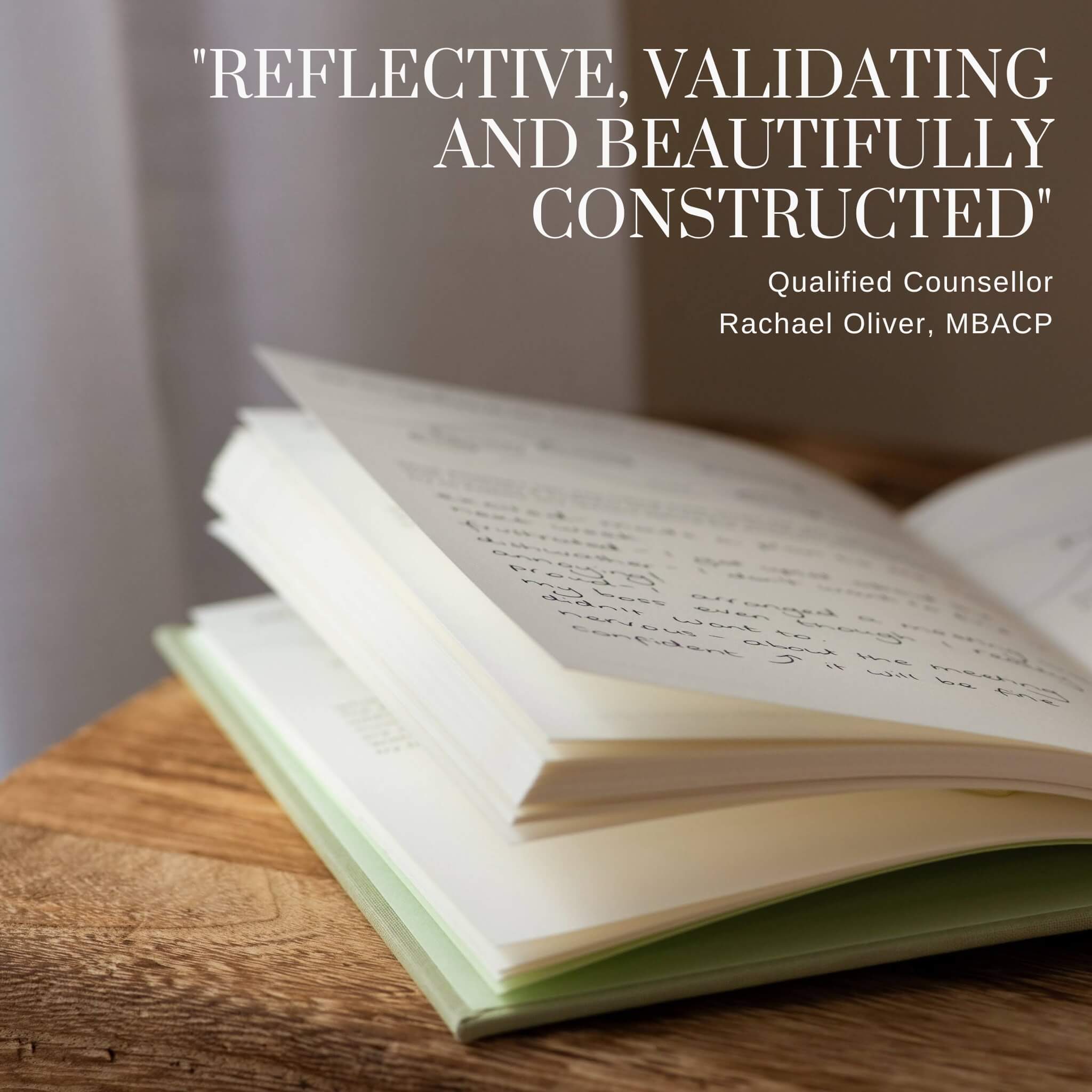
Professor Willem Kuyken, PhD, DClinPsy
Ritblat Professor of Mindfulness and Psychological Science, University of Oxford | Top 1% most cited scientists worldwide
"Rachel has curated the experience to make the writing intrinsically rewarding and the journal something to treasure."

Michelle Shlafman, PhD, LPC, ACS
Holistic Psychotherapist
"Understanding your emotions and compassionately exploring their origins is so important for self-connection and personal growth. This journal helps you identify and process your feelings, and guides you to figure out what you need to cope or find solutions. Out of all the guided journals I've used, this one stands out as my favorite."
Perfect for: Emotional overwhelm, self-criticism, anxiety, rumination, stress that disrupts sleep
Shop Give Yourself Kindness Journal → Read All Expert Reviews →Complete Wellness Bundle
Journal + Sleep Cards + Affirmation Cards
Why the Bundle Works Best:
Sleep problems rarely exist in isolation. They're usually connected to how you're processing emotions during the day and how you speak to yourself.
This bundle provides complete support:
- Daytime: Journal processes emotions and stress (prevents nighttime rumination)
- Bedtime: Sleep Cards calm racing thoughts (2-3 min ritual)
- Throughout: Self-Compassion Cards provide daily encouragement
Used by therapists with clients worldwide. Backed by clinical psychologists from Harvard Medical School and Oxford University.
Shop Wellness Bundle (Save £14.85) →How to Use Journaling for Better Sleep: 7 Evidence-Based Tips
1. Time It Right
Journal 30-60 minutes before bed, not right before. This gives your brain time to process what you've written before you try to sleep.
2. Start with a Brain Dump
Spend 5 minutes offloading everything on your mind—tasks, worries, random thoughts. Get it all out.
3. Process Emotions, Not Just Tasks
Don't just write "What do I need to do tomorrow?" Also ask: "How am I feeling about tomorrow?" "What's weighing on me?" "What do I need to hear right now?"
4. Practice Self-Compassion
Write like you're talking to a friend, not criticizing yourself. If you notice harsh self-talk, pause and rewrite it with kindness.
5. Use Sleep Affirmations
After journaling, spend 2-3 minutes with sleep affirmation cards to quiet any final racing thoughts before bed.
6. Keep It Analog
Use paper and pen, not screens. Blue light from devices disrupts melatonin production and keeps you awake.
7. Make It a Ritual
Pair journaling with other calming activities: herbal tea, dim lights, consistent timing. Your body will learn this signals bedtime.
Pro Tip:
If you have racing thoughts despite journaling, it's usually self-criticism or unprocessed emotions—not logistics. This is where self-compassion journaling excels over simple to-do lists.
Which Approach Is Right for You?
| Method | Helps With | Doesn't Help With | Best For |
|---|---|---|---|
| To-Do Lists | Task anxiety, organization, logistical worry | Emotional overwhelm, self-criticism, rumination | People whose sleep problems are purely logistical |
| Gratitude Journals | Positive mindset (when already stable) | Processing difficult emotions, anxiety, feeling invalidated when struggling | People in a good place emotionally |
|
Self-Compassion Journaling (Give Yourself Kindness) |
Emotional overwhelm, self-criticism, anxiety, rumination, stress, perfectionism | — | Most people with chronic sleep issues driven by emotions |
| Sleep Affirmation Cards | Racing thoughts, "can't switch off," rumination | Daytime emotional processing (needs to be paired with journaling) | Quick bedtime ritual when you're too tired to journal |
The Importance of Quality Sleep: What a Neuroscientist Says
By Dr. Olena Santangeli, PhD (Neuroscientist & Sleep Expert)
"Quality sleep is fundamental to our emotional health, cognitive function, and overall well-being. It's not just about the number of hours we spend asleep but the quality of that sleep."
There are many tools and strategies that can help improve sleep. These practices are not just strategies for better rest; they're acts of self-love and self-compassion that can significantly enhance our emotional health and resilience.
Establishing Evening Routines for Quality Sleep
Dr. Santangeli explains: "Establishing a routine and consistency in your daily life isn't just about ticking boxes; it's about crafting rituals that signal to your body, 'Hey, it's time to wind down.'"
Think of it as setting the stage for your body's internal clock or circadian rhythm, making it easier to fall asleep and wake up naturally, filled with energy.
Creating an Evening Wind-Down Routine
In the evening, creating a wind-down routine is essential for quality sleep. This might involve:
- Limiting screen time to reduce blue light exposure, which interferes with sleep quality
- Engaging in calming activities such as reading, meditation, gentle yoga, or a warm bath
- Evening journaling to process the day's events and emotions
Why Evening Journaling Matters for Sleep
Dr. Santangeli notes: "In the evening, journaling shifts focus, providing a therapeutic outlet to unwind and process the day's events. Reflecting on your experiences by hand, rather than digitally, encourages a deeper engagement with your thoughts and feelings."
This hands-on method has been shown to facilitate more profound processing of emotions, aiding in stress reduction and anxiety management.
"By physically writing down your worries, achievements, and reflections, you create a mental space for relaxation, making it easier to transition into a restful state of sleep."
Optimizing Your Sleep Environment
Despite the importance of emotional health practices and routines, even the best efforts can be undermined if the sleep environment isn't conducive to rest.
- Keep your bedroom cool (around 18 degrees Celsius) to signal to your body that it's time to sleep
- Keep it dark to mimic the natural drop in light levels that occur at night
- Invest in comfort with a quality mattress and pillows to prevent discomfort that may disrupt sleep
Dr. Santangeli's conclusion: "By setting up these morning and night routines, you're doing more than just following steps; you're taking care of yourself in a way that fits with your body's natural patterns. This helps you sleep better and makes your life better overall."
→ Read the full article: Simple, Effective Routines for Better Sleep: A Neuroscientist's Guide
The Science Behind Self-Compassion and Sleep
Research by Dr. Kristin Neff and colleagues consistently demonstrates that self-compassion:
- Reduces anxiety and depression (major contributors to poor sleep)
- Decreases negative self-talk and rumination
- Increases emotional resilience during difficult times
- Improves overall wellbeing and life satisfaction
Why this matters for sleep: When you reduce anxiety and stop ruminating, your nervous system can actually calm down—which is essential for falling and staying asleep.
Additionally, research on journaling shows that processing emotions through writing (rather than suppressing them) helps regulate the stress response, leading to lower cortisol levels and better sleep quality.
→ Read more: The Benefits of Journaling from 3 Clinical Psychologists
What Sleep Experts Say About Self-Compassion
From neuroscience and sleep research, we know that emotional regulation and self-compassion directly impact sleep quality. Here's what experts from the Give Yourself Kindness blog explain:

Dr. Andreas Comninos
PhD Clinical Psychologist | EMDRAA Accredited Practitioner | 15+ years experience
"Decades of studies have demonstrated journaling's wide-ranging benefits. Writing down thoughts and feelings can provide a healthy outlet for processing emotions, reducing stress, and gaining clarity. However, please be aware that certain types of journaling, such as writing about challenging experiences, may stir up strong emotions. It is important to approach intense journaling with care and kindness towards yourself."
→ Read full article: The Benefits of Journaling
This is why the Give Yourself Kindness approach integrates self-compassion throughout the journaling process—it ensures you're processing emotions in a way that helps rather than increases distress.
→ Read more: Sleep Better with Morning and Evening Routines (by Dr. Olena Santangeli)
Frequently Asked Questions
Most people notice calmer thoughts within 3-5 days of consistent practice. Significant sleep improvement typically shows within 2-3 weeks. However, everyone is different—some notice changes immediately, while others need more time.
Evening journaling (30-60 minutes before bed) is most effective for improving that night's sleep, as it processes emotions and offloads worries. Morning journaling has other benefits (goal-setting, positivity) but won't directly improve tonight's sleep.
Start with Sleep Affirmation Cards (2-3 minutes, no writing required). As your energy improves, you can add the journal. The cards are specifically designed for low-energy moments.
Many people find self-compassion journaling helps where other methods didn't—because it addresses emotional root causes (self-criticism, rumination) rather than just symptoms. However, severe insomnia may require professional medical support. These tools can work alongside therapy and medication.
Regular journaling can increase rumination if you're processing without self-compassion. You might write about problems but from your inner critic's voice, which activates your stress response. Self-compassion journaling guides you to process emotions kindly, which interrupts the anxiety loop instead of reinforcing it.
Not necessarily, but they work best together. The journal processes daytime emotions (preventing nighttime rumination). The cards calm final racing thoughts at bedtime (2-3 min ritual). Many people start with one and add the other later. The Wellness Bundle includes both and saves £14.85.
These tools complement medical treatment for insomnia—they're not a replacement. Dr. Olena Santangeli (neuroscientist & sleep expert) notes that the Sleep Affirmation Cards "wonderfully echo the principles of cognitive-behavioral therapy for insomnia" (CBT-I, the gold standard treatment). Many people use these tools alongside CBT-I or medication with their healthcare provider's knowledge.
Ready to Sleep Better?
If racing thoughts, self-criticism, or emotional overwhelm keep you awake, generic to-do lists won't be enough. You need tools that address the emotional root causes of sleeplessness.
Choose your starting point:
Just want better sleep tonight?
→ Sleep Affirmation Cards (£13.95) — Quick 2-3 min bedtime ritual
Need deeper emotional support?
→ Give Yourself Kindness Journal (£28.95) — Process emotions that cause sleeplessness
Want the complete system?
→ Wellness Bundle (£60.95, saves £14.85) — Journal + Sleep Cards + Affirmation Cards
All tools include free gift wrapping. Used by therapists worldwide. Backed by clinical psychologists from Harvard Medical School and Oxford University.
Related Reading
- Sleep Better with Morning and Evening Routines (by Dr. Olena Santangeli, Neuroscientist & Sleep Expert)
- The Benefits of Journaling from 3 Clinical Psychologists
- Why Self-Compassion is More Effective Than Self-Criticism (by Dr. Annabelle Kyle Dortch)
- How to Stop Negative Self-Talk
- Fear of Self-Compassion (by Dr. Chris Irons)


“By far my favourite guided journal that I’ve used!”
There's a lot of journals out there. Most of which include tools that can be repetitive, boring or unhelpful. Give Yourself Kindness is about creating something new.