




Last updated: January 15, 2026 | By Rachel Smith, DipBSoM (Qualified Meditation Teacher, British School of Meditation, distinction)
Find What You're Looking For
You're here because someone you care about is struggling, and you want to give something genuinely helpful.
Quick navigation to gifts:
- Complete Self-Care Collection (£60.95, saves £14.85) — The ultimate gift
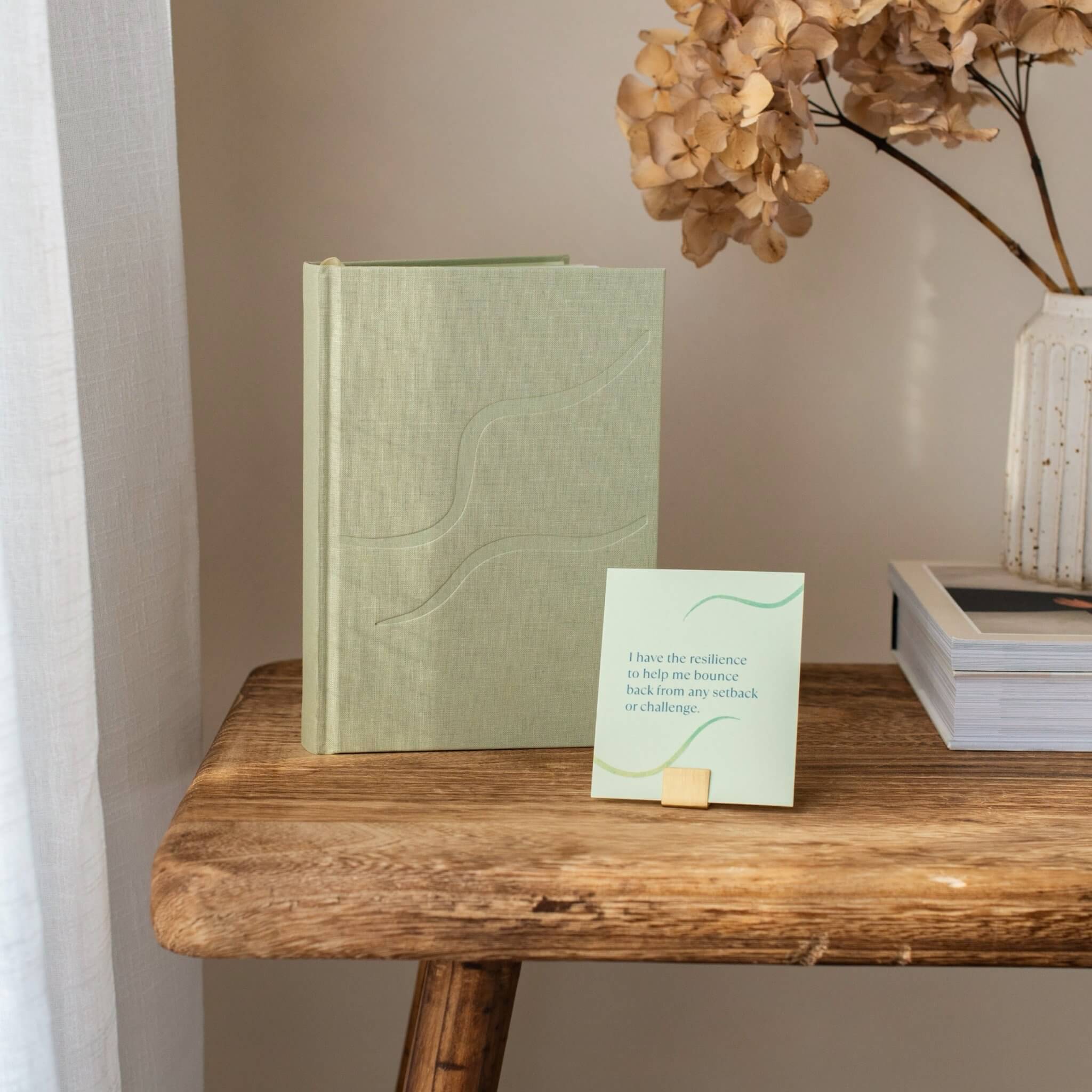
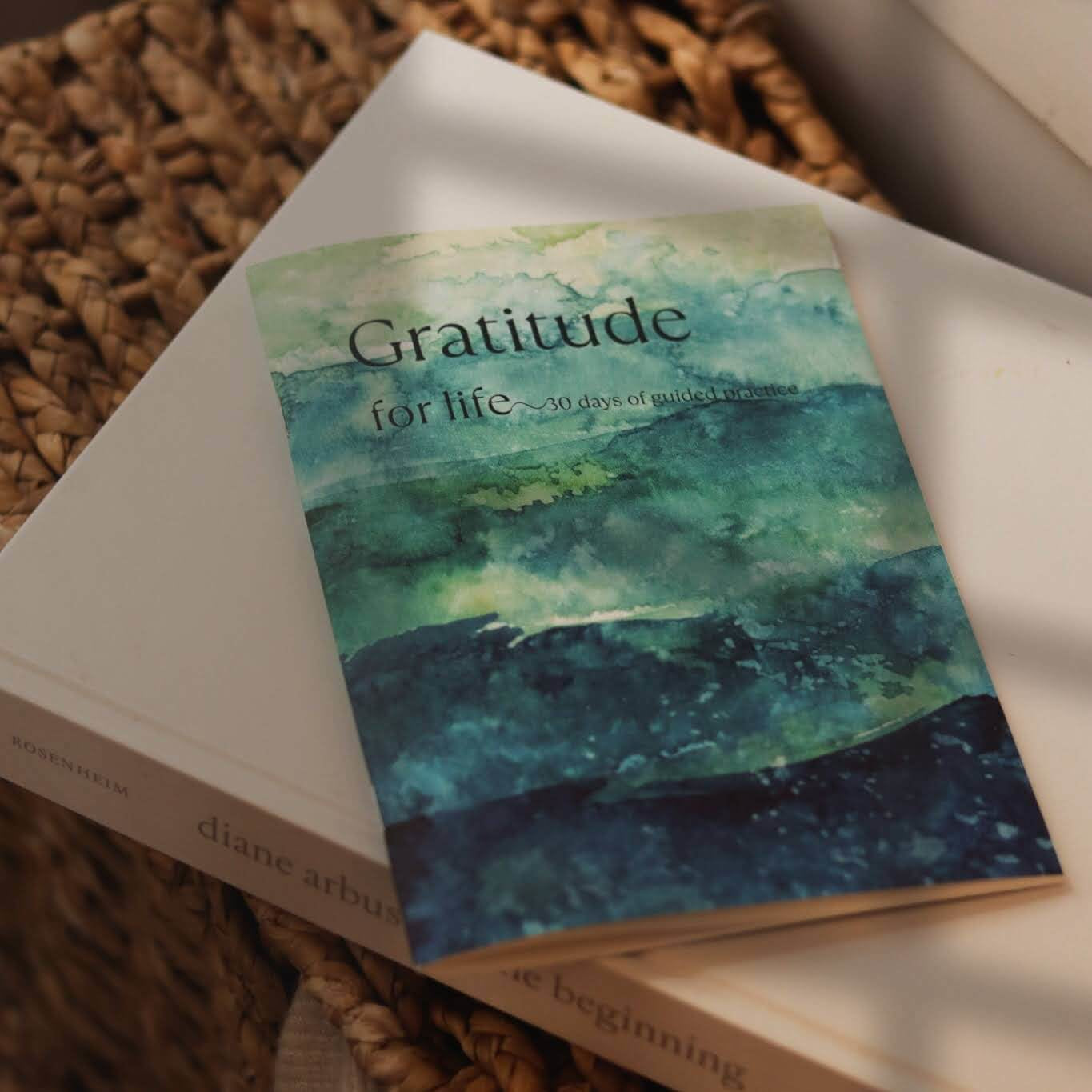
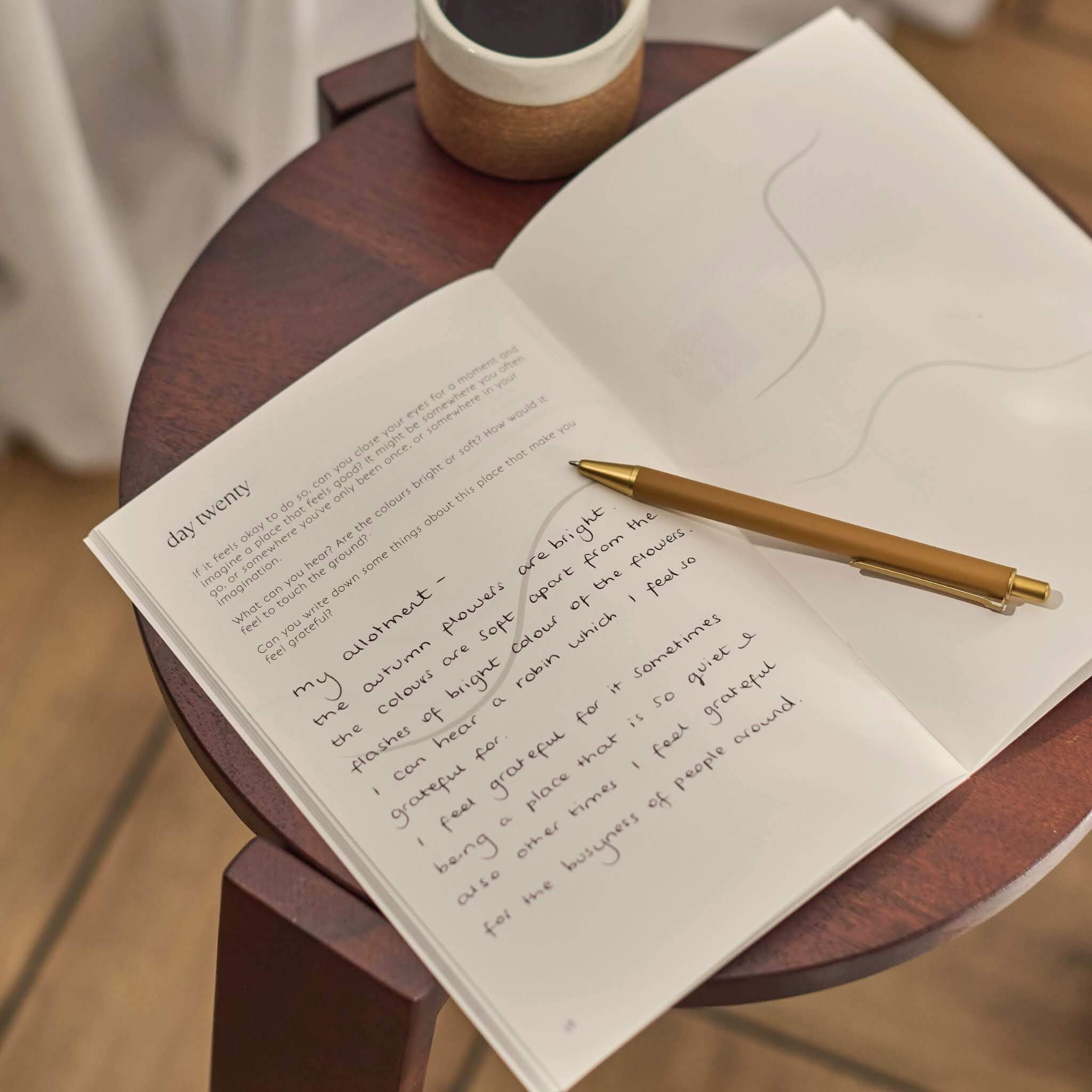
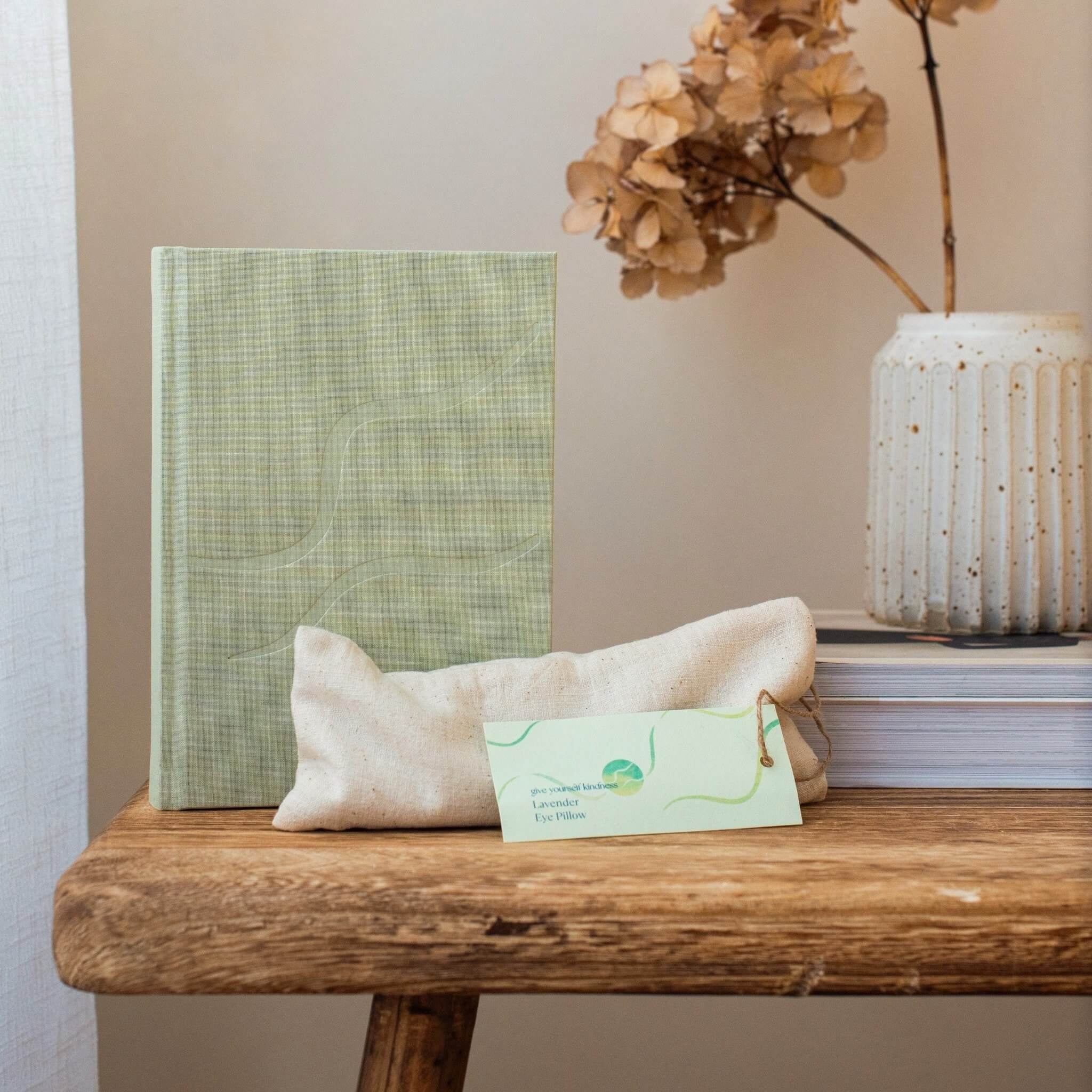
- The Give Yourself Kindness Journal (£28.95) — Expert-recommend to support to help you to give yourself the same kindness you give to others
- Sleep Affirmation Cards (£13.95) — For restless nights
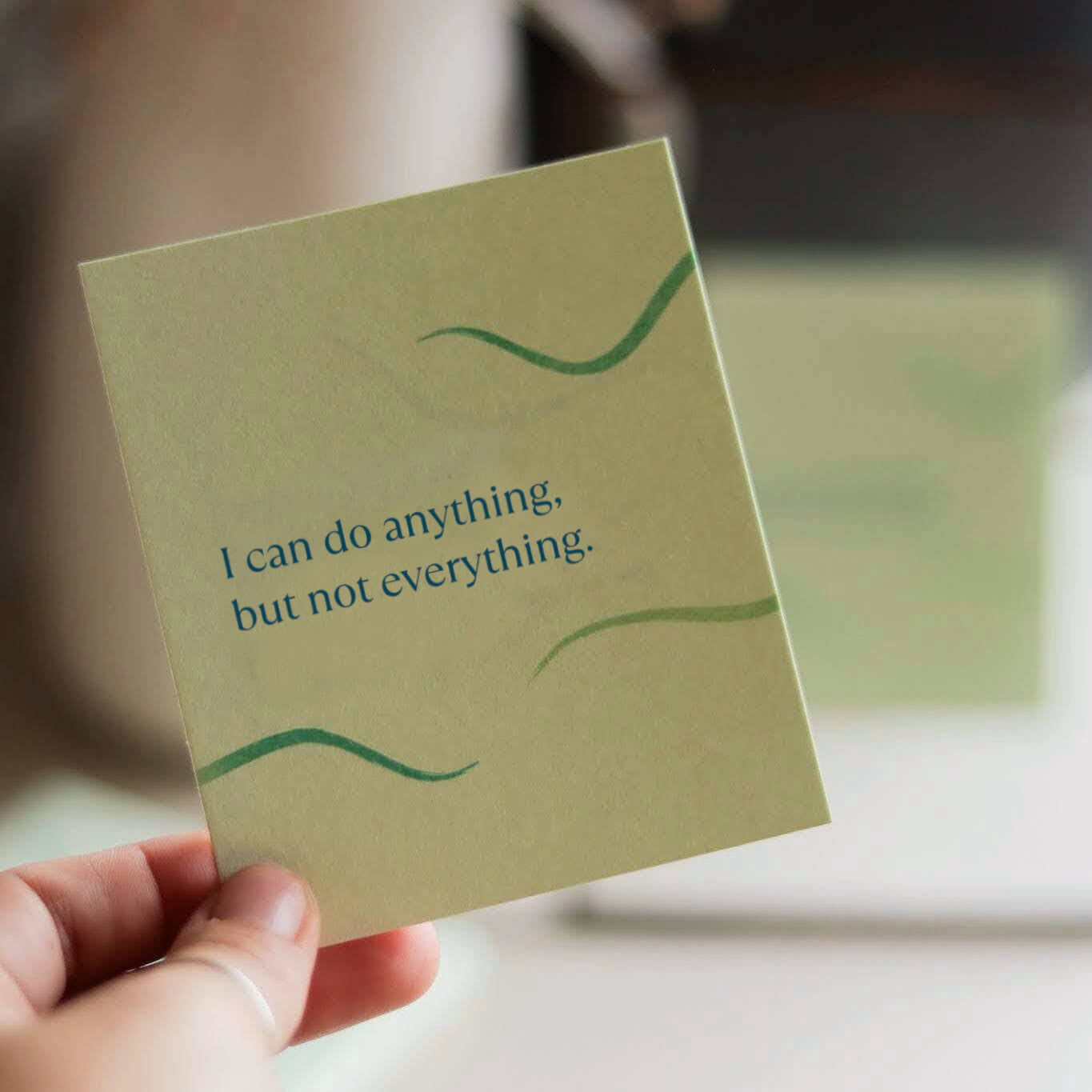
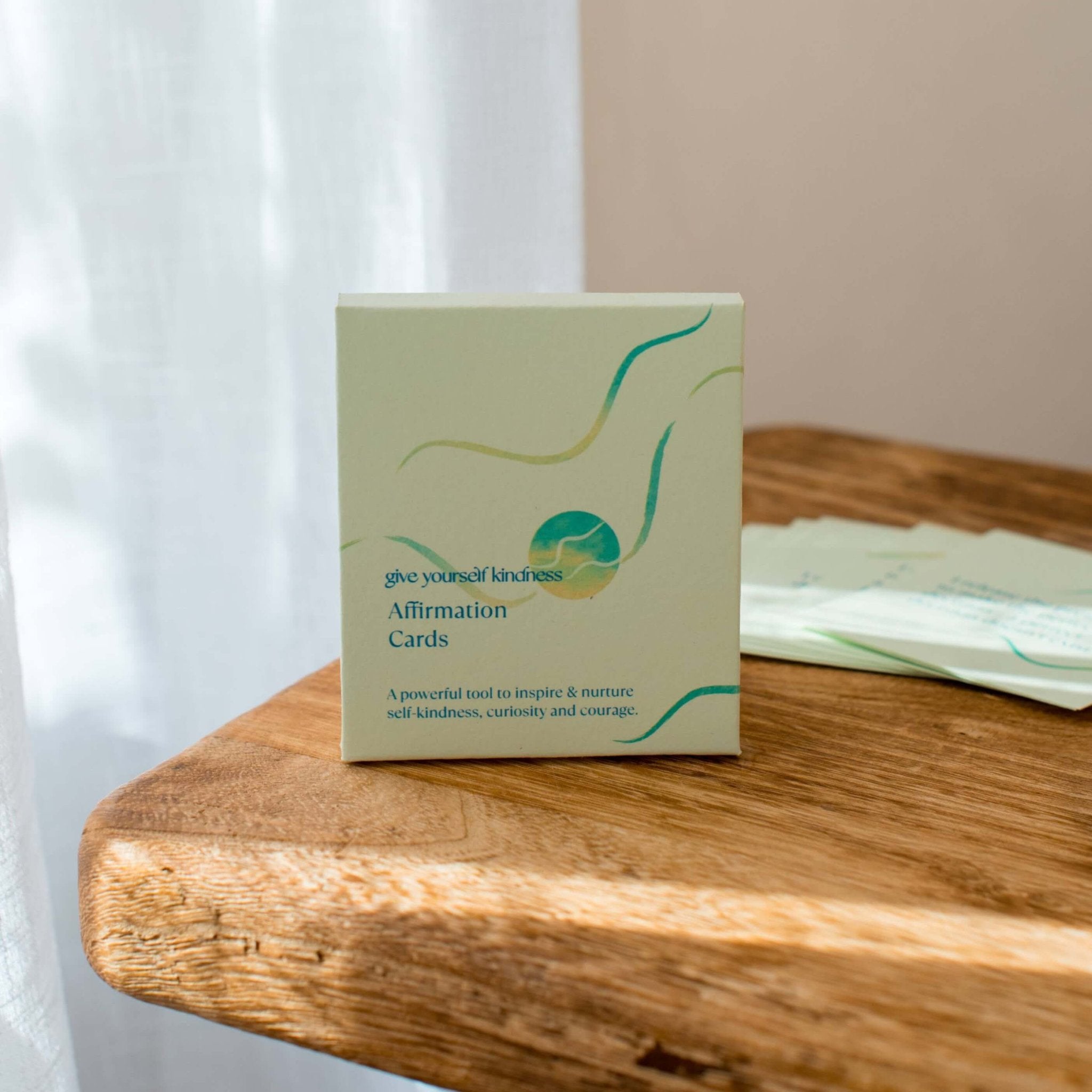
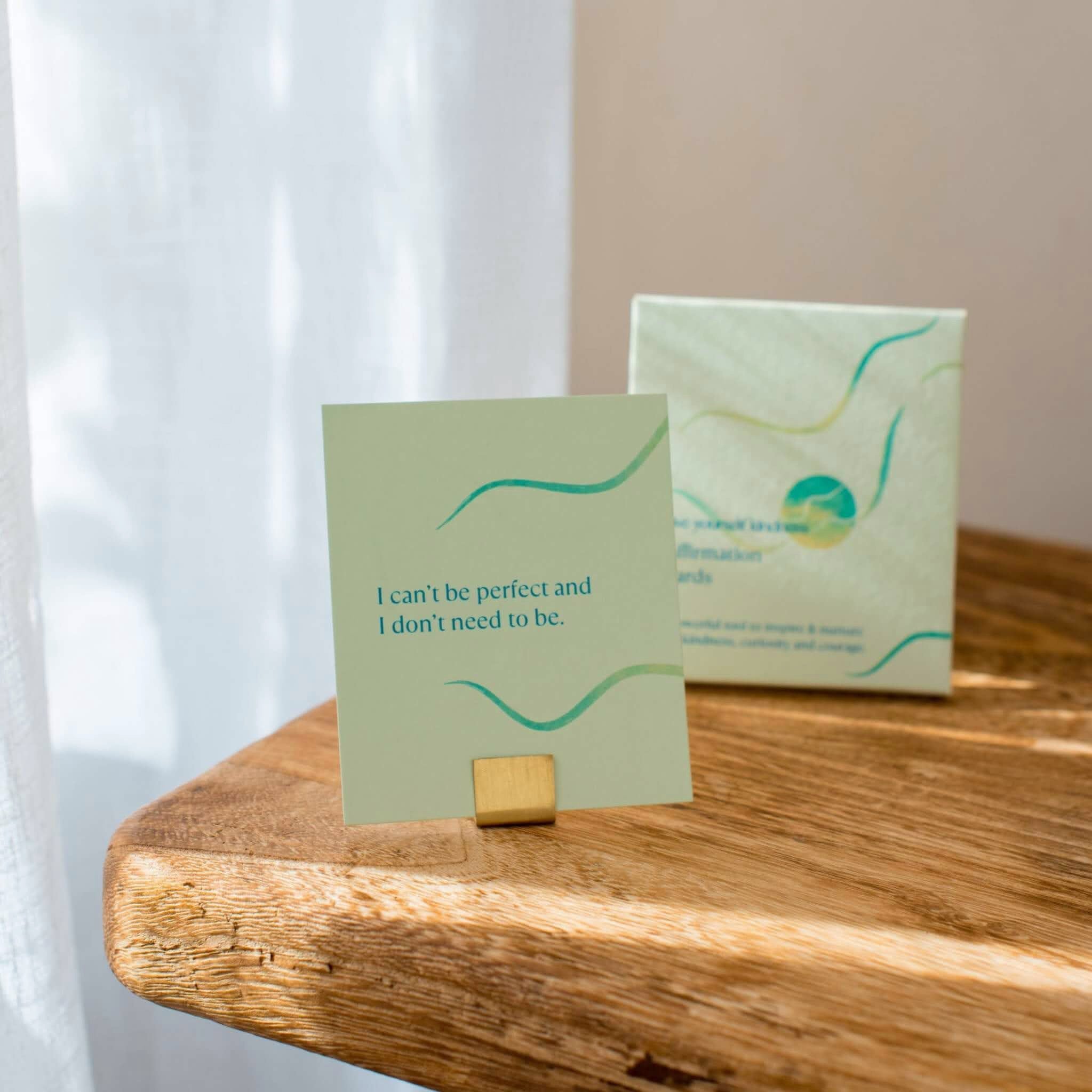
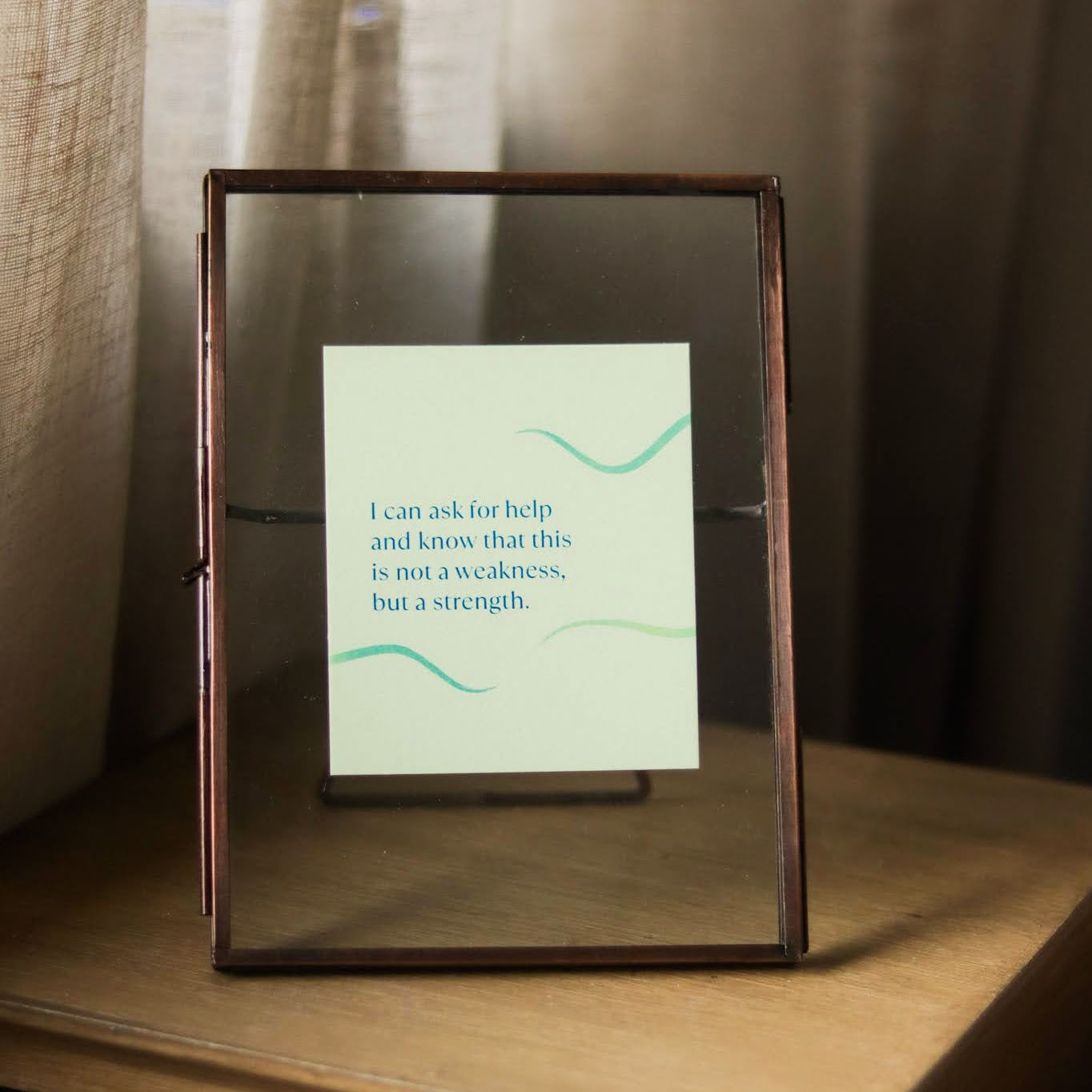
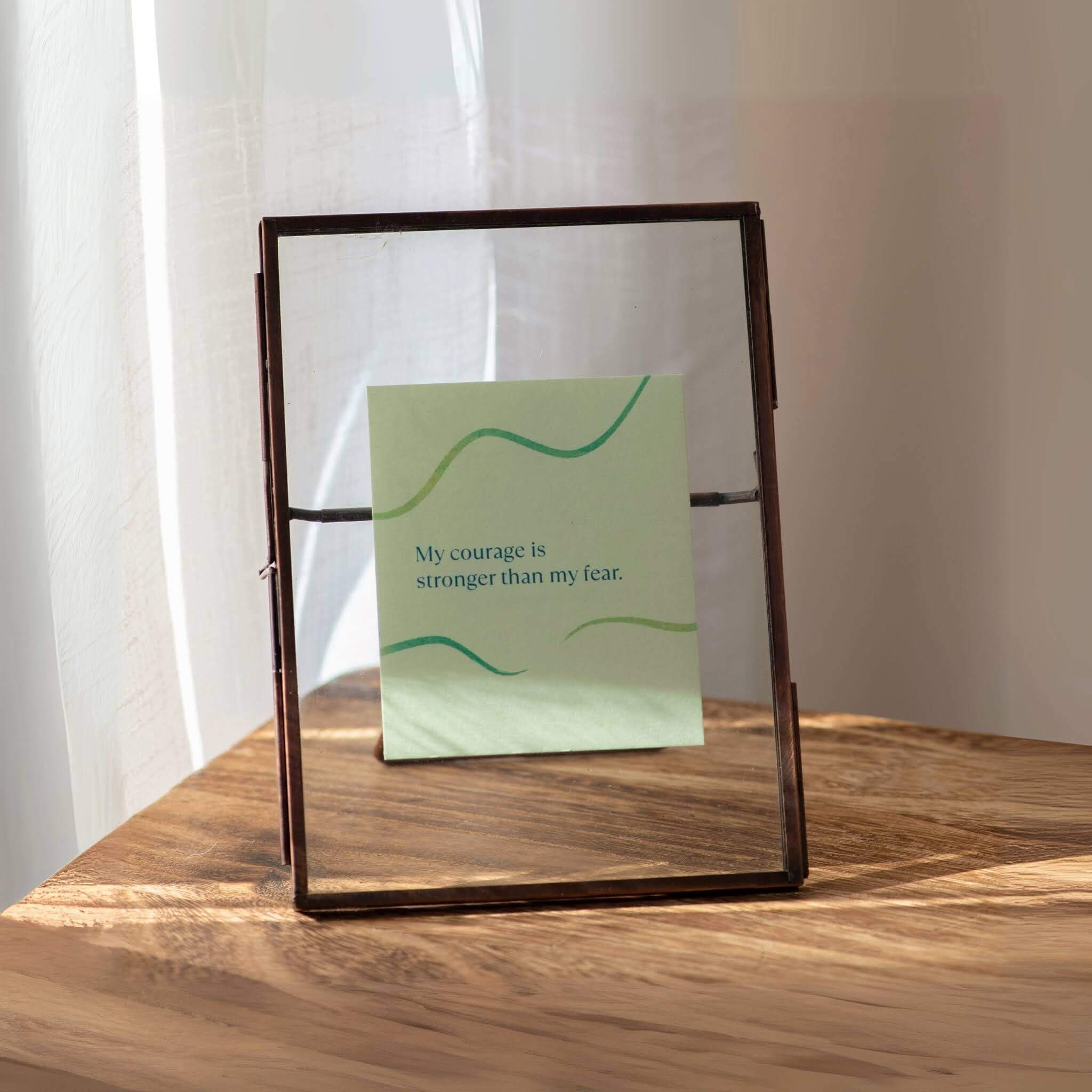
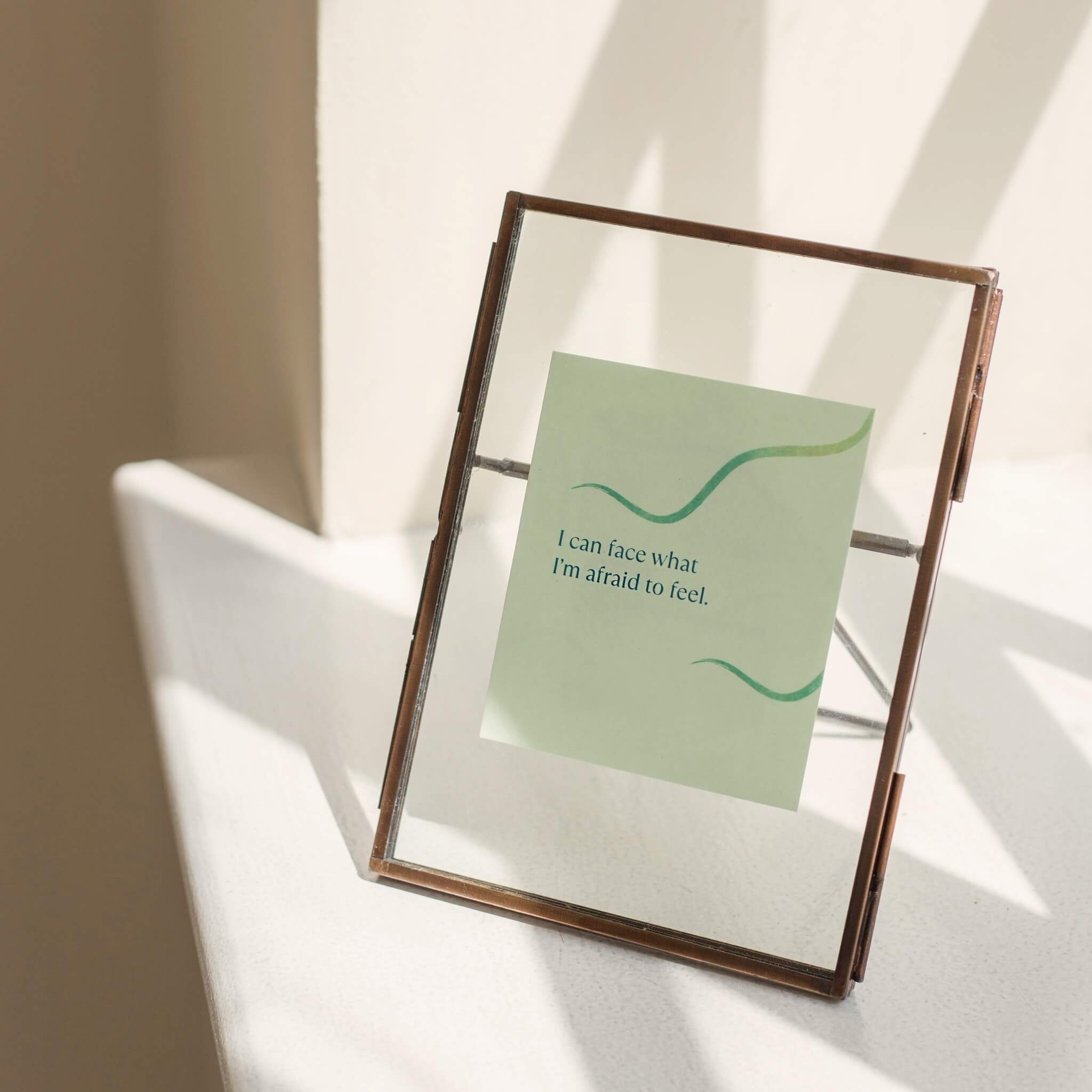
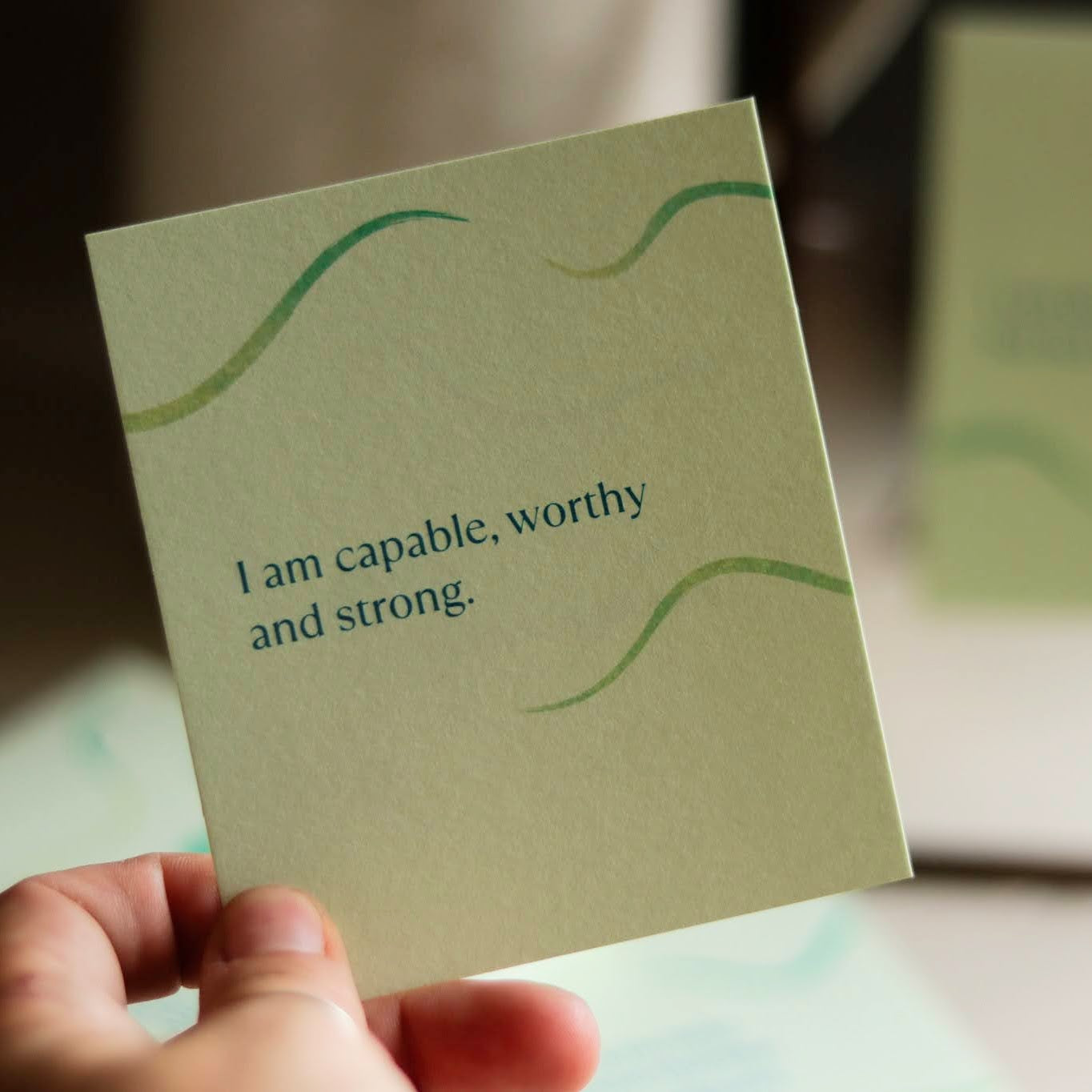
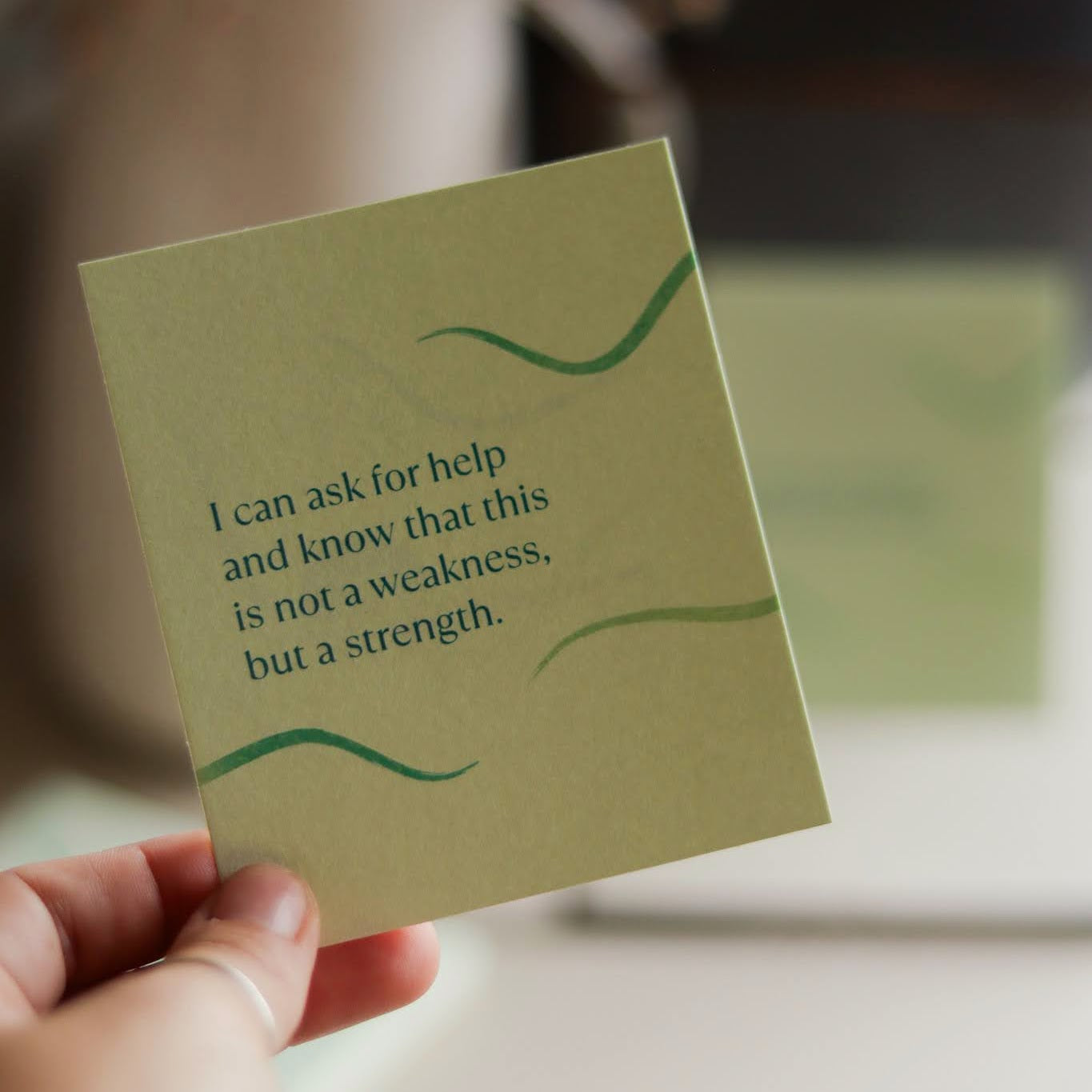
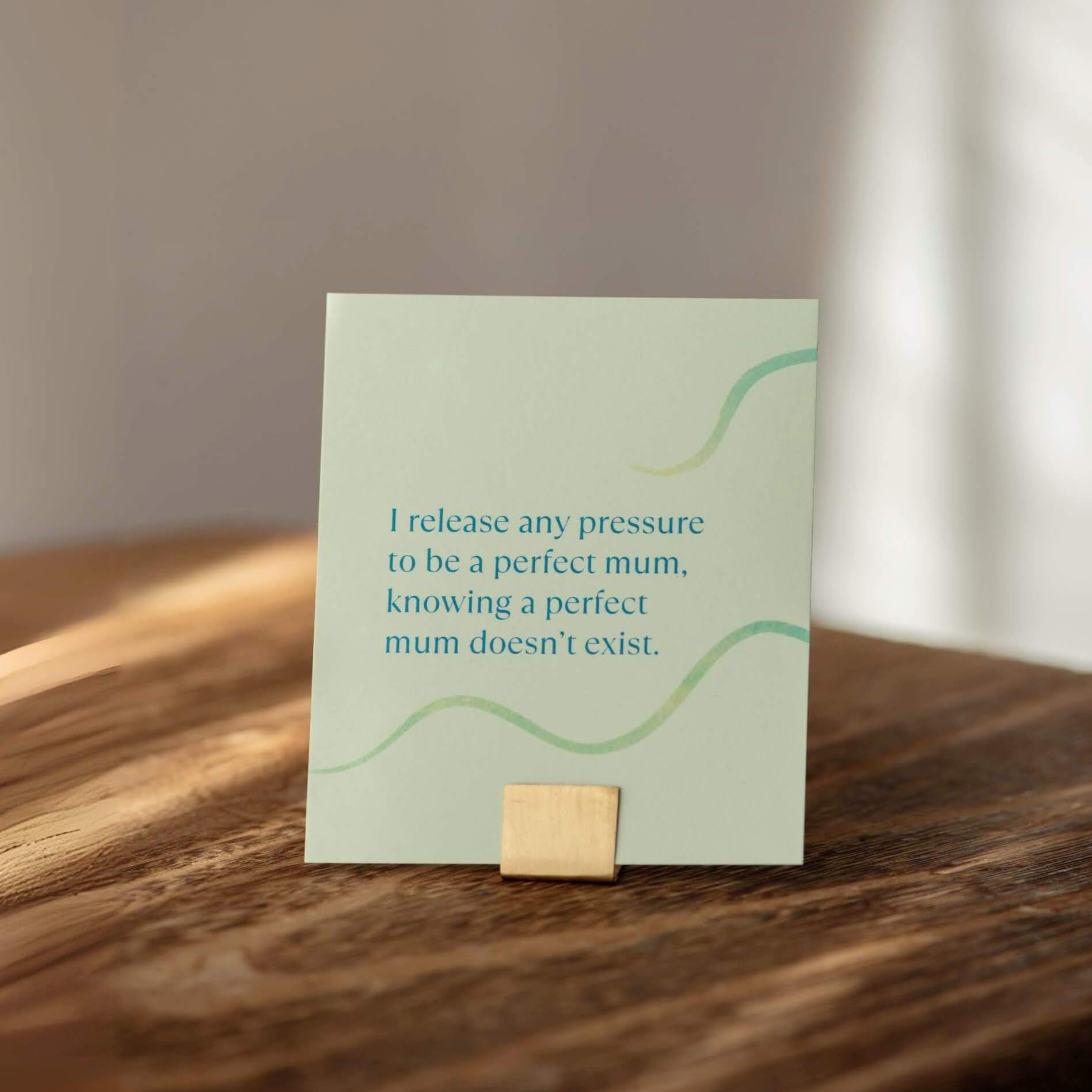
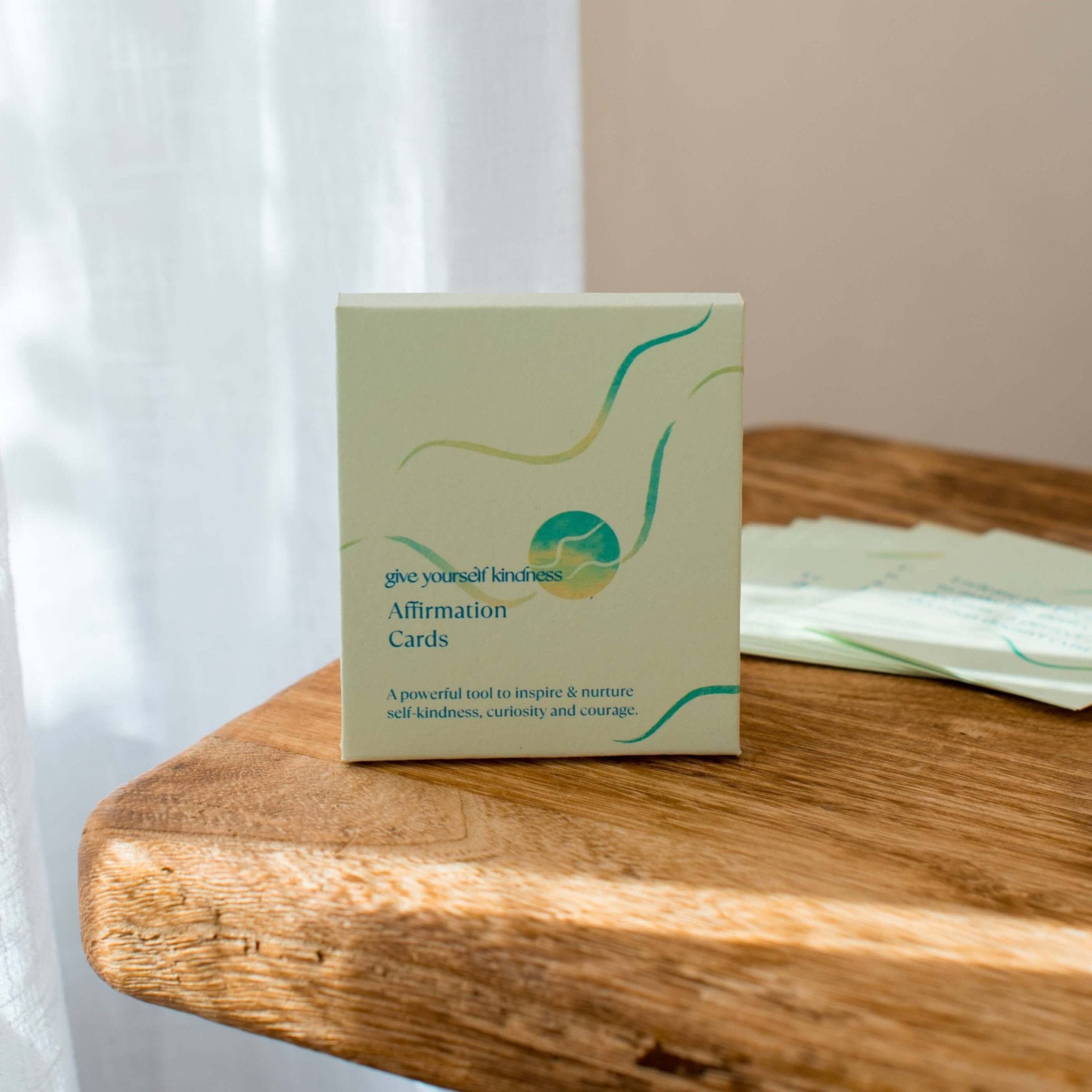
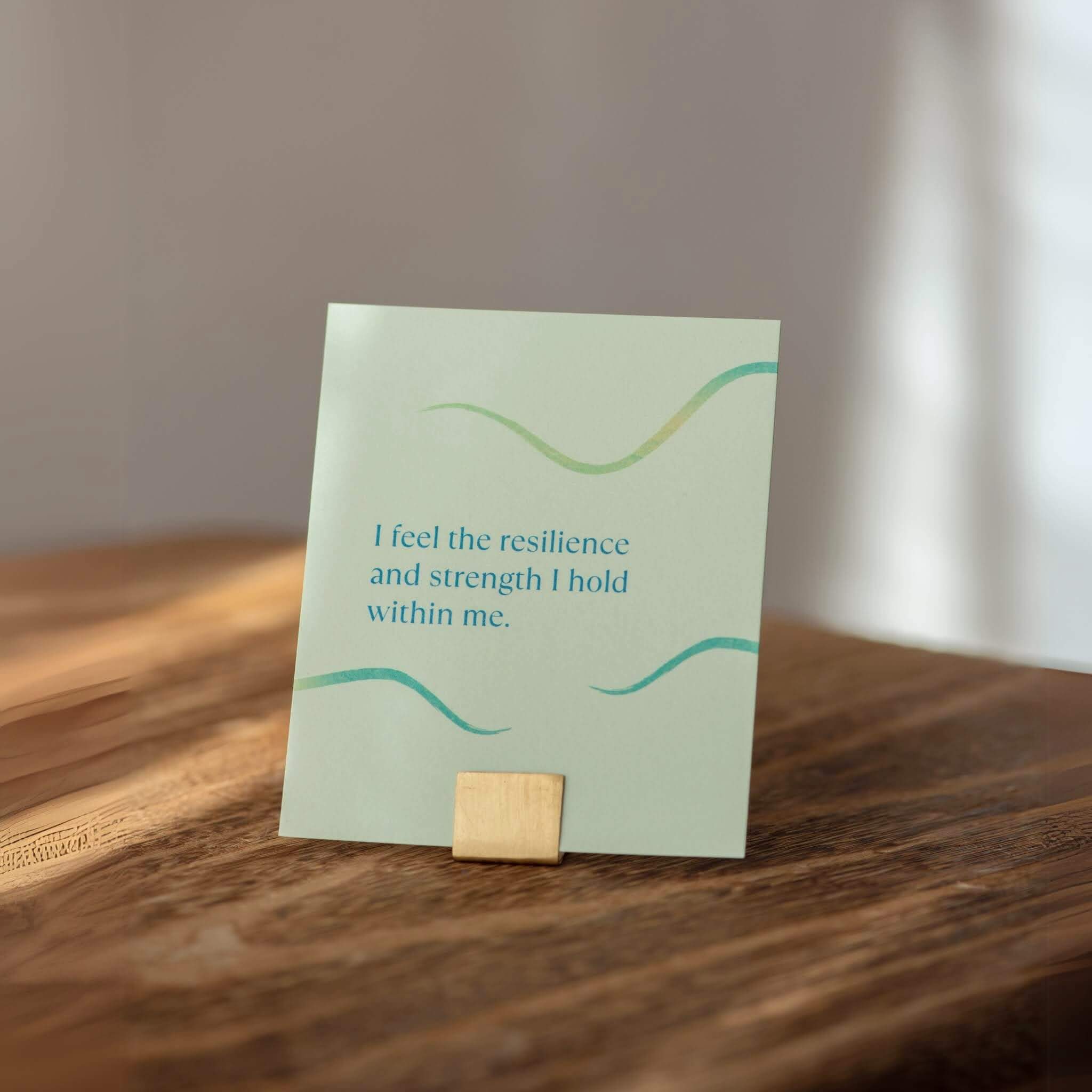
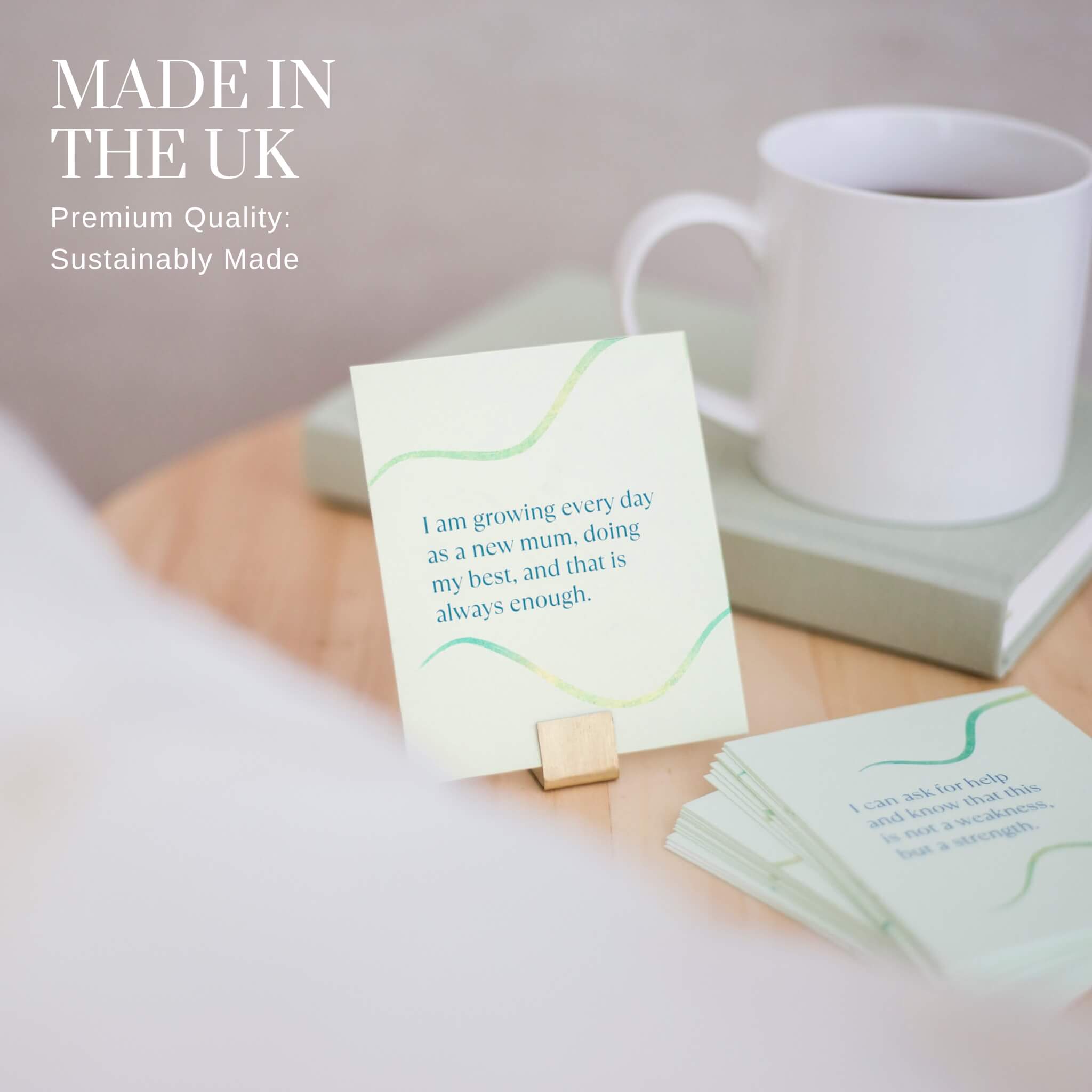
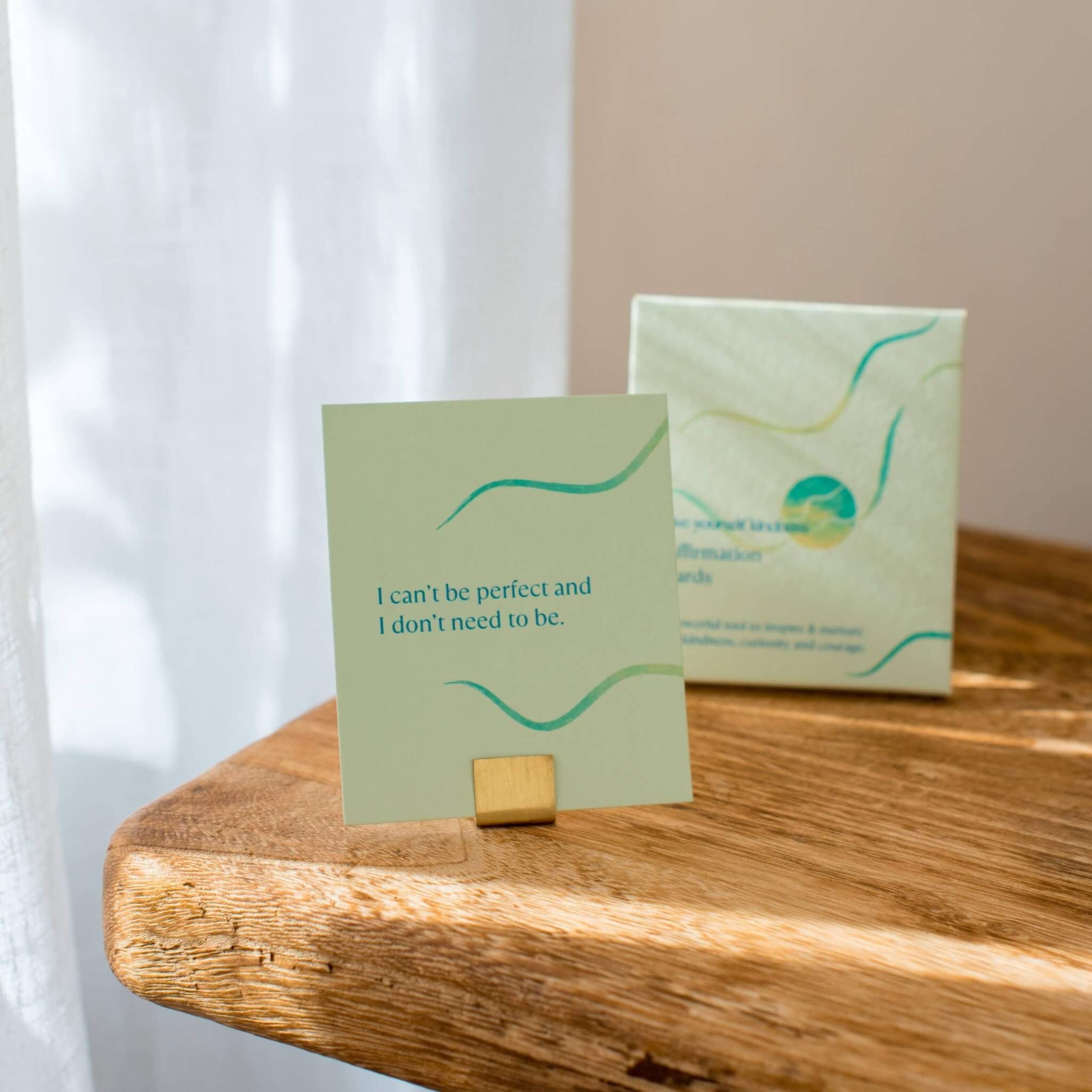
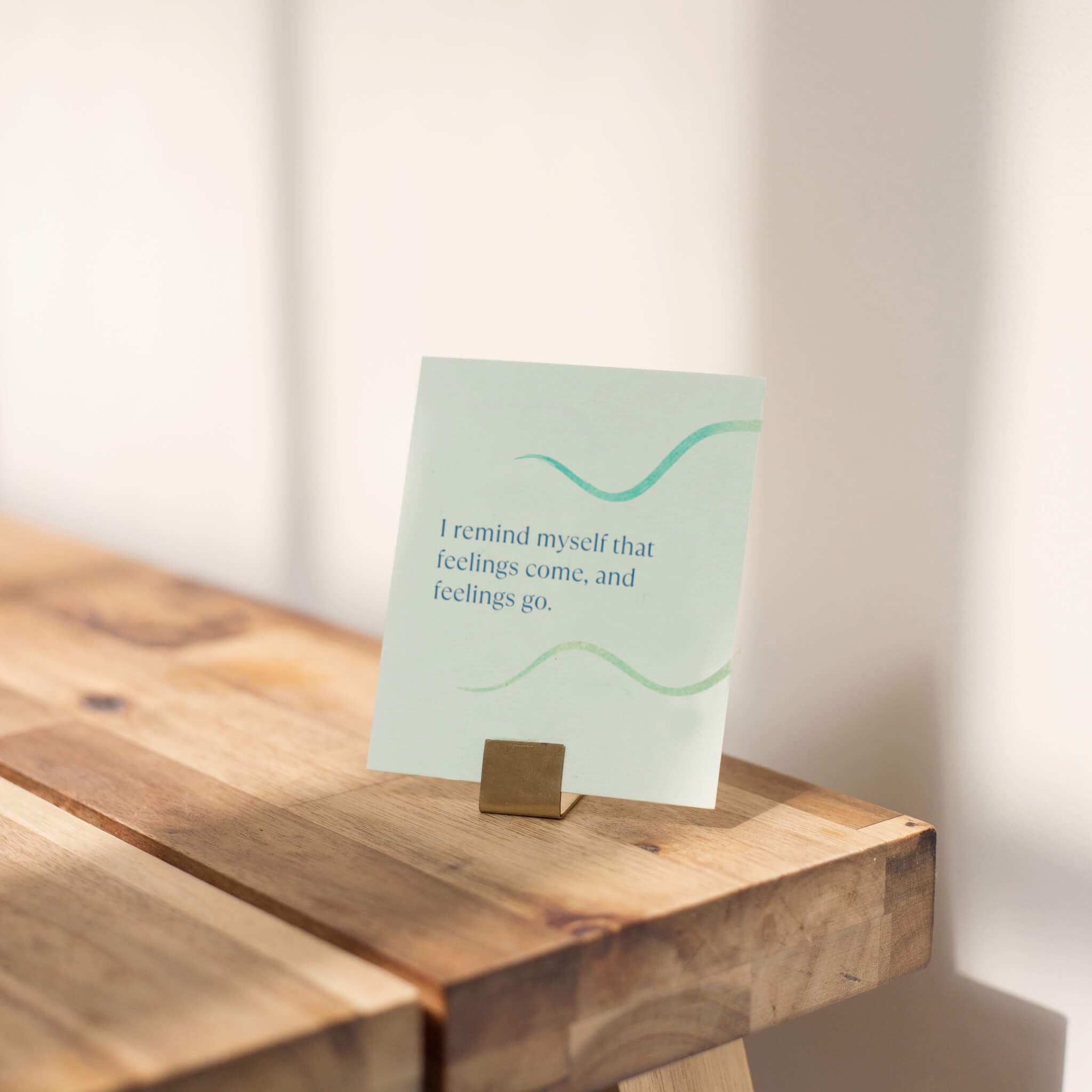
- Self-Compassion Affirmation Cards (£13.95) — For daily encouragement
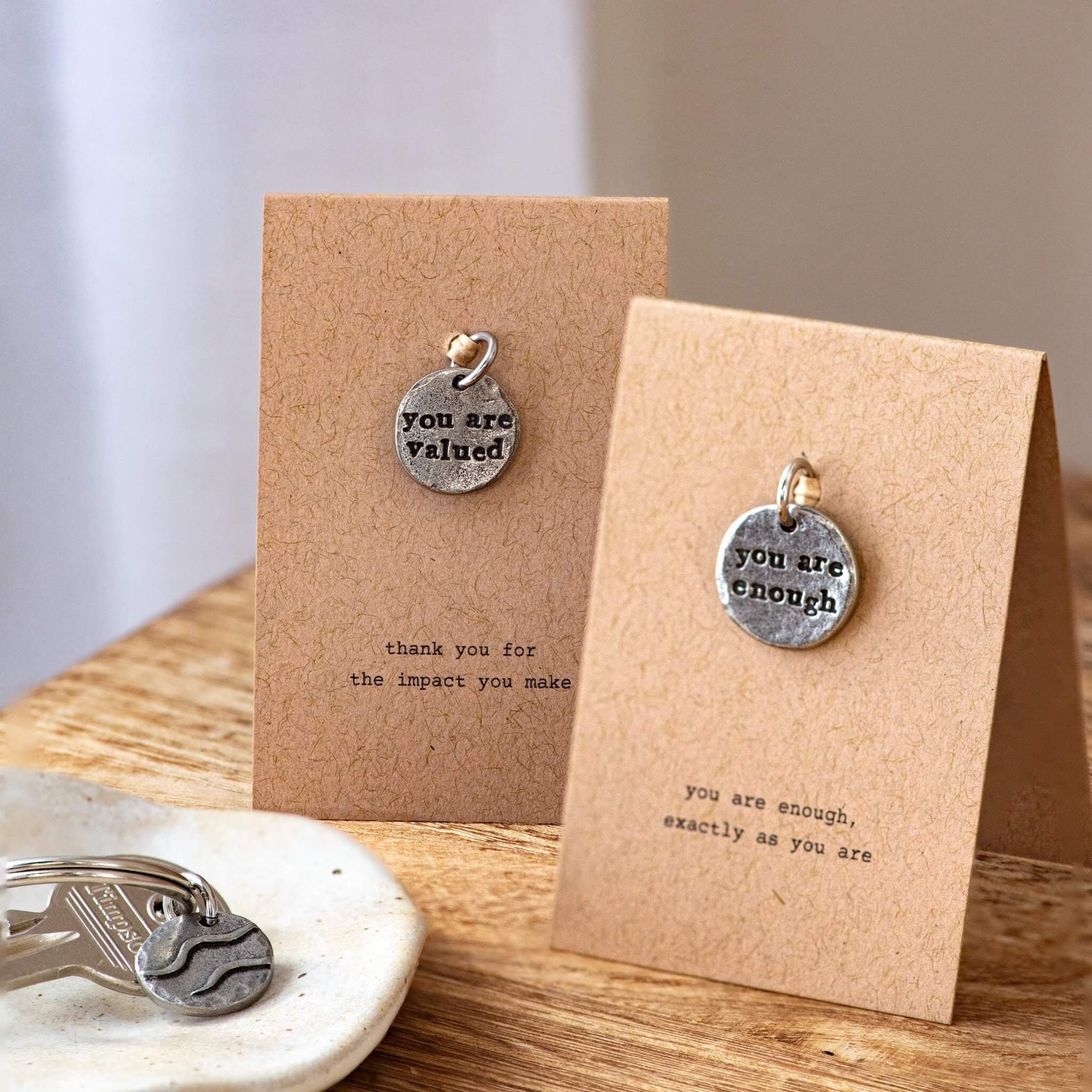
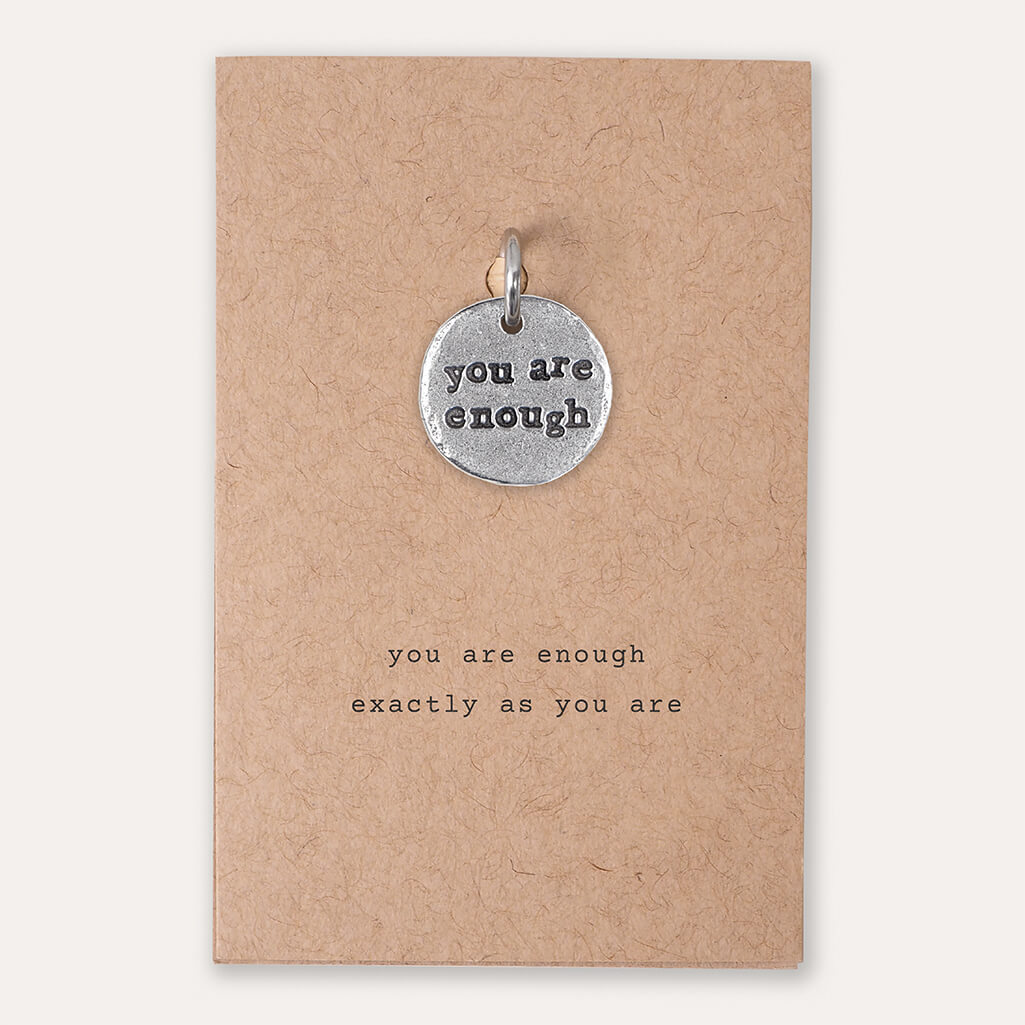
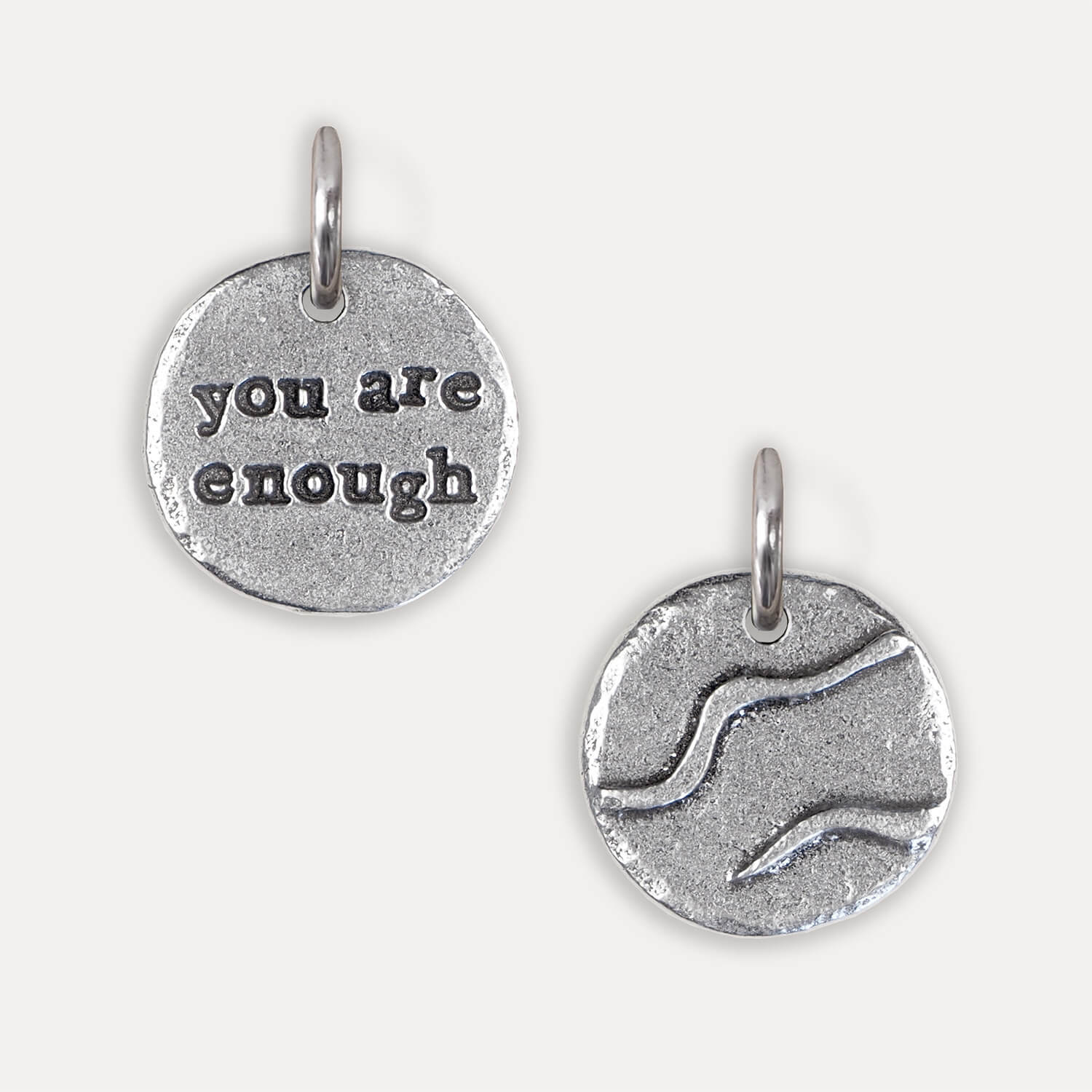
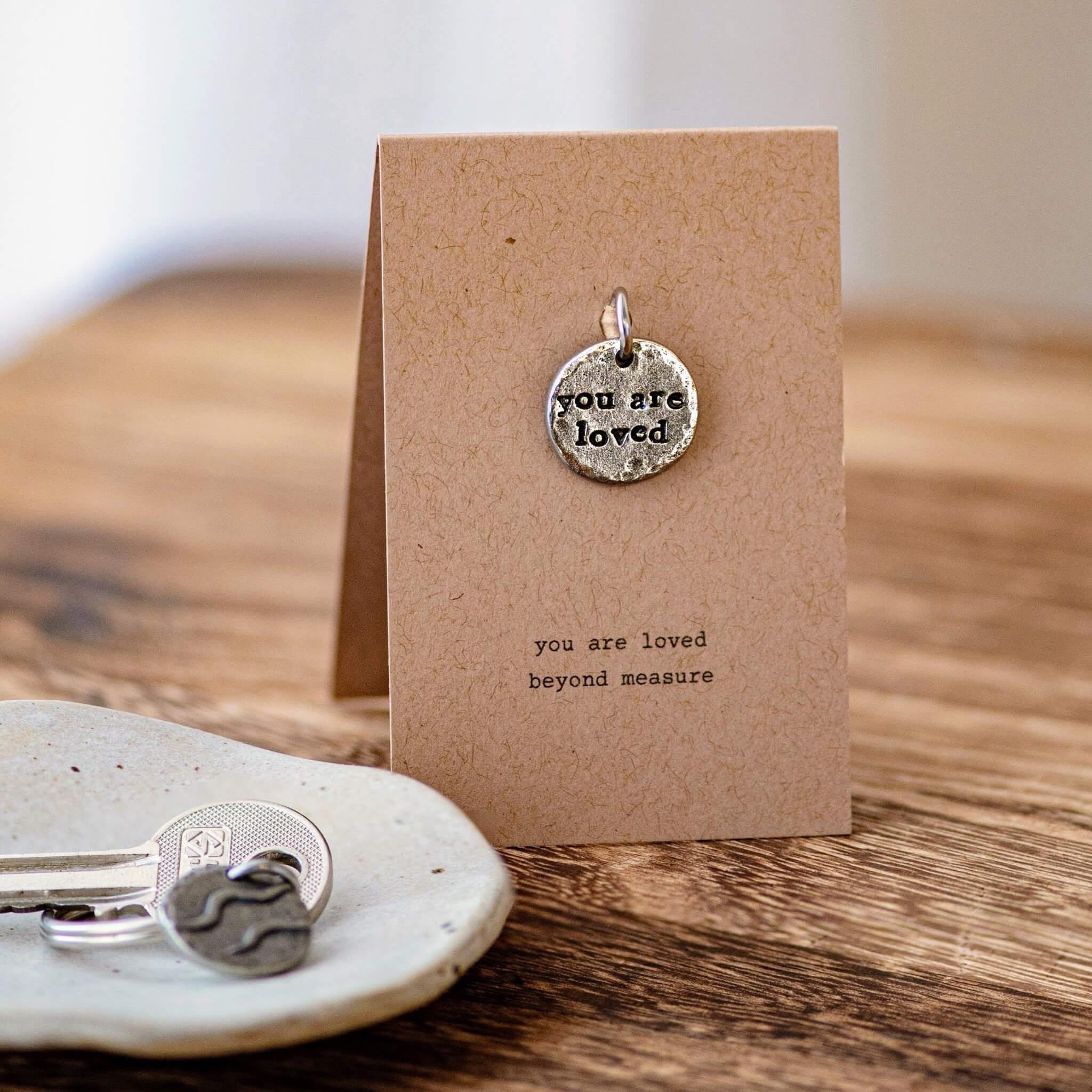
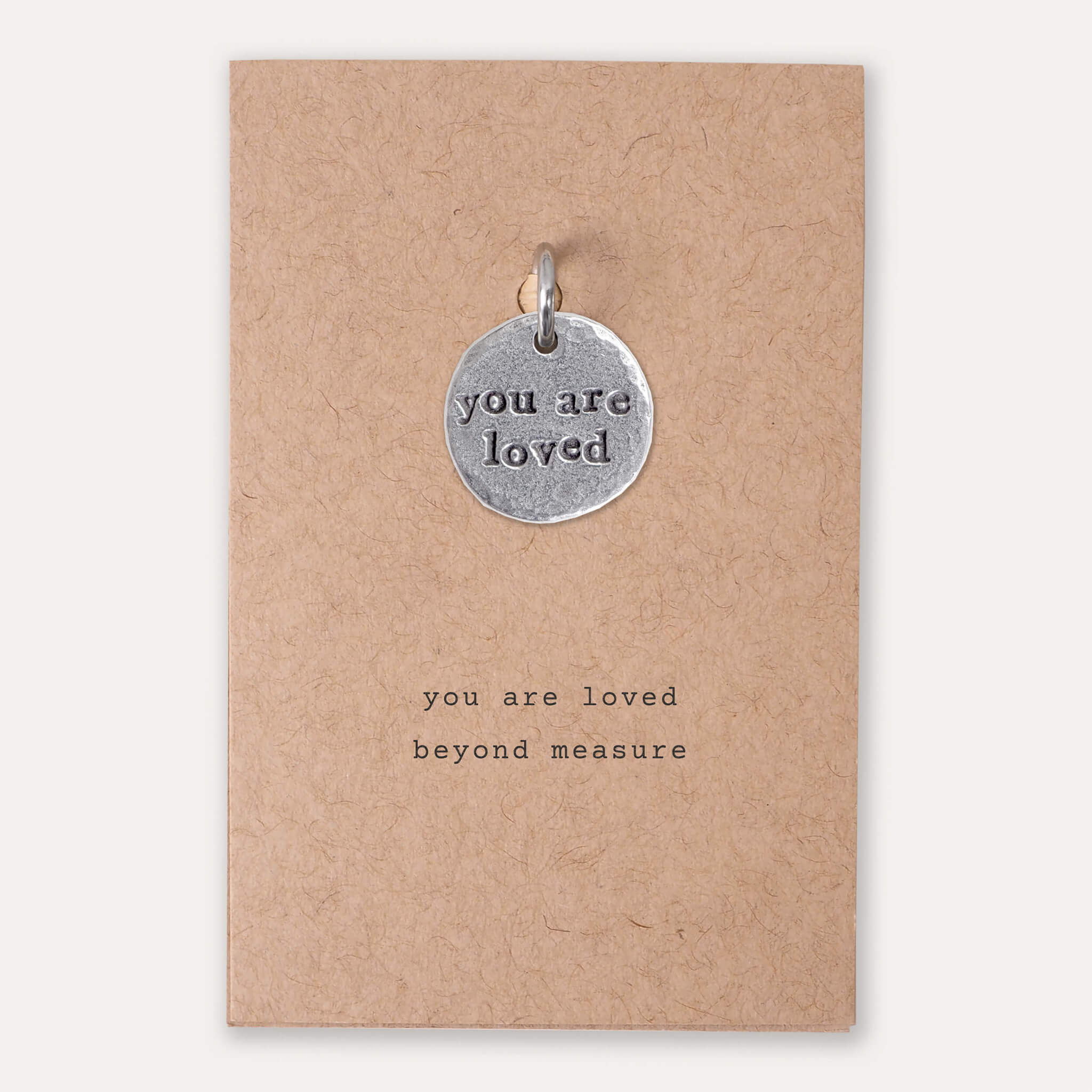
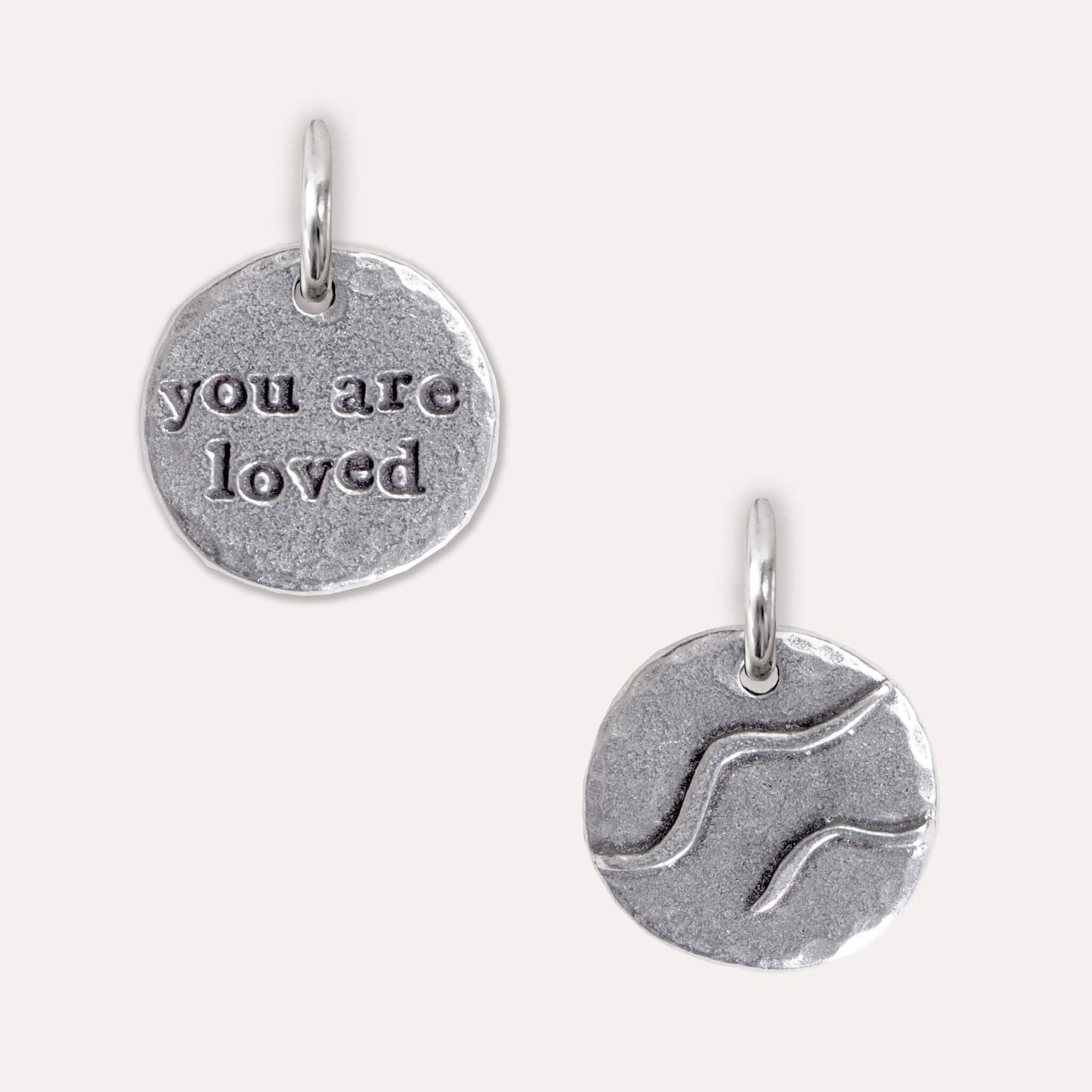
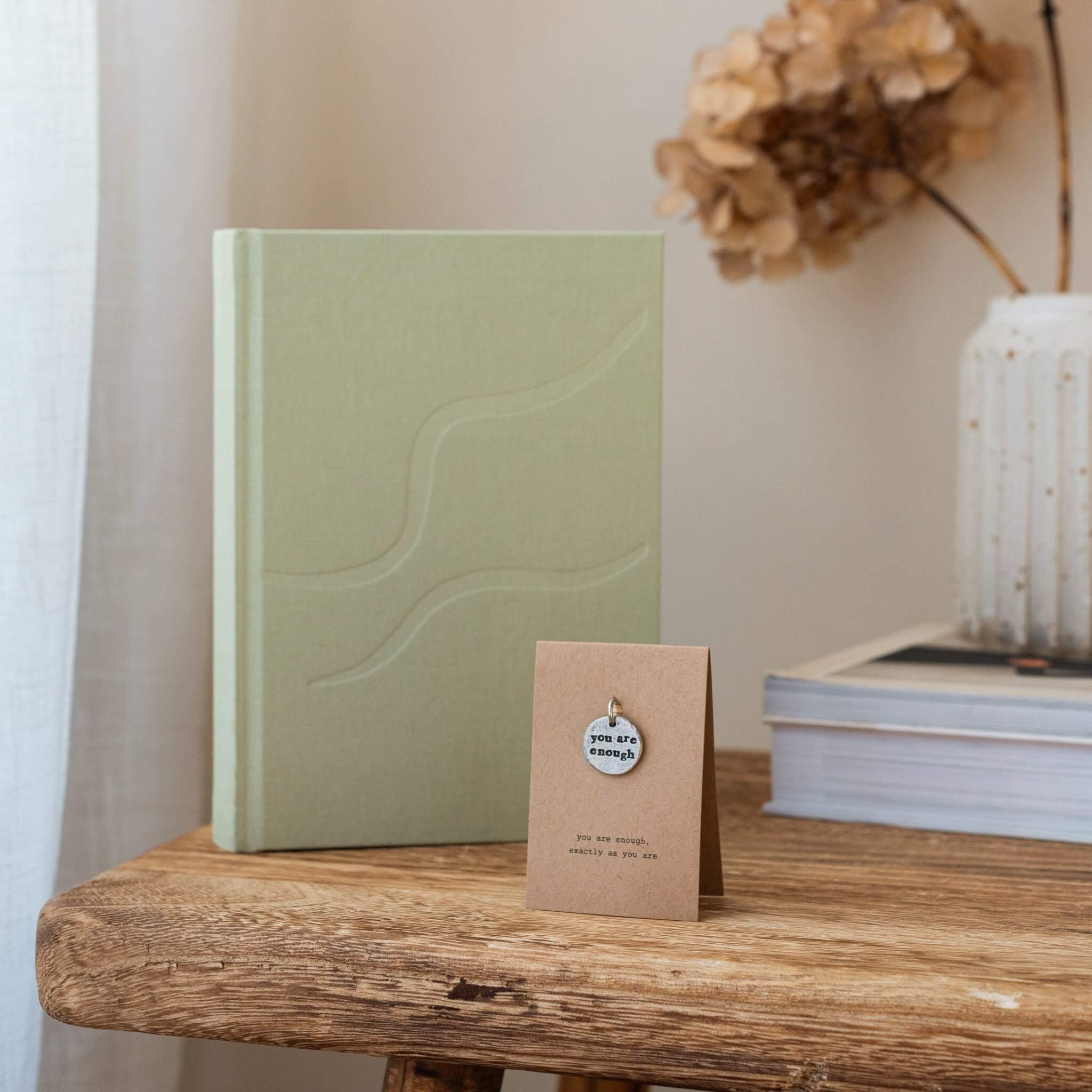
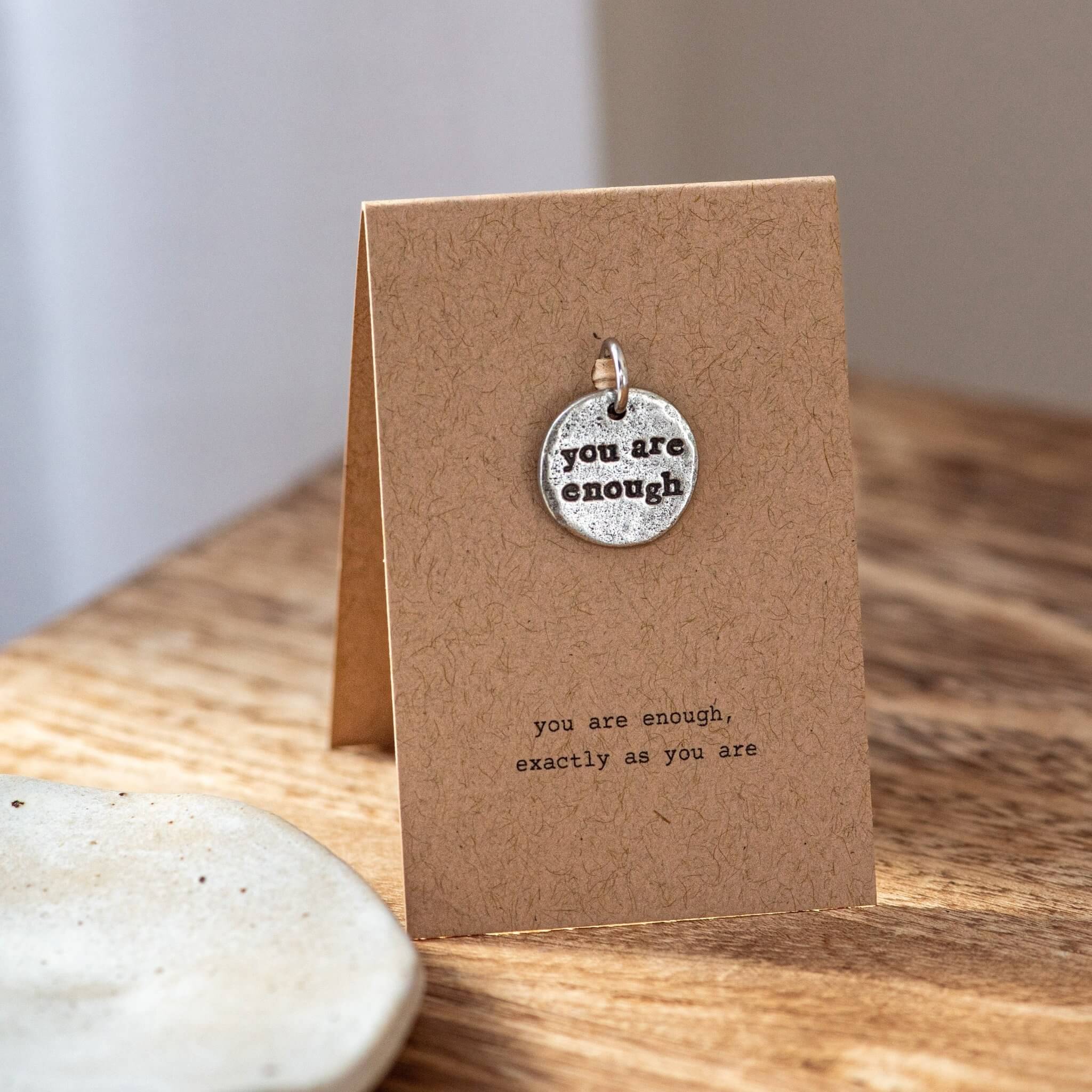
- You Are Enough Charm (£16.95) — Physical reminder of worth
- Other Evidence-Based Options — Additional thoughtful ideas
Why self-compassion tools work: Research by Dr. Kristin Neff shows self-compassion practices help people navigate difficult times with greater emotional resilience and wellbeing.
Note: I'm Rachel, and I created Give Yourself Kindness. I'll be transparent about which products are mine (most on this list) and which aren't. Clinical psychologists from Harvard and Oxford recommend my tools to their clients—but you'll see all the evidence so you can decide for yourself.
Finding a Gift That Actually Helps
Someone you care about is going through something difficult. You want to give them something that shows: I see you. I care. You're not alone.
But what actually helps someone during a hard time?
After my own experience recovering from mental illness through Compassion-Focused Therapy, I realised: a very powerful gift is one that supports people to be kinder to themselves.
That's why I created Give Yourself Kindness—and why I'm writing this guide to share what actually works, backed by research and recommended by mental health professionals.
Why You Can Trust These Recommendations
I want to be transparent with you from the start: Most of the products I'm recommending in this guide are my own. But here's why you can trust me:
- Clinical validation: My journal is recommended by clinical psychologists from Harvard Medical School (Dr. Chris Germer) and University of Oxford (Professor Willem Kuyken)
- Used by therapists: Licensed therapists worldwide use these tools with their clients—you can read their independent reviews here
- Research-grounded: Everything is based on peer-reviewed research on self-compassion, affect labeling (naming emotions), and evidence-based practices
- Honest approach: I'll tell you when gifts aren't appropriate, include other options, and be clear about limitations
I'm recommending my products because mental health professionals recommend them—and because I genuinely believe they help.
Why Self-Compassion Tools Help During Difficult Times
Research by Dr. Kristin Neff and Dr. Chris Germer shows that self-compassion—treating yourself with the same kindness you'd offer a friend—is one of the most effective approaches for navigating difficulty.
From their work on self-compassion and struggle:
Why this matters for gift-giving: The most helpful gifts teach self-compassion skills. They help someone:
- Identify and name emotions (research shows this reduces emotional intensity)
- Break rumination cycles that worsen anxiety and low mood
- Respond to themselves with kindness instead of harsh self-criticism
- Remember they're not alone in struggling—it's part of being human
This is why evidence-based self-compassion tools are more effective than generic "self-care" products—they address root causes, not just provide momentary distraction.
Thoughtful Gifts by Need
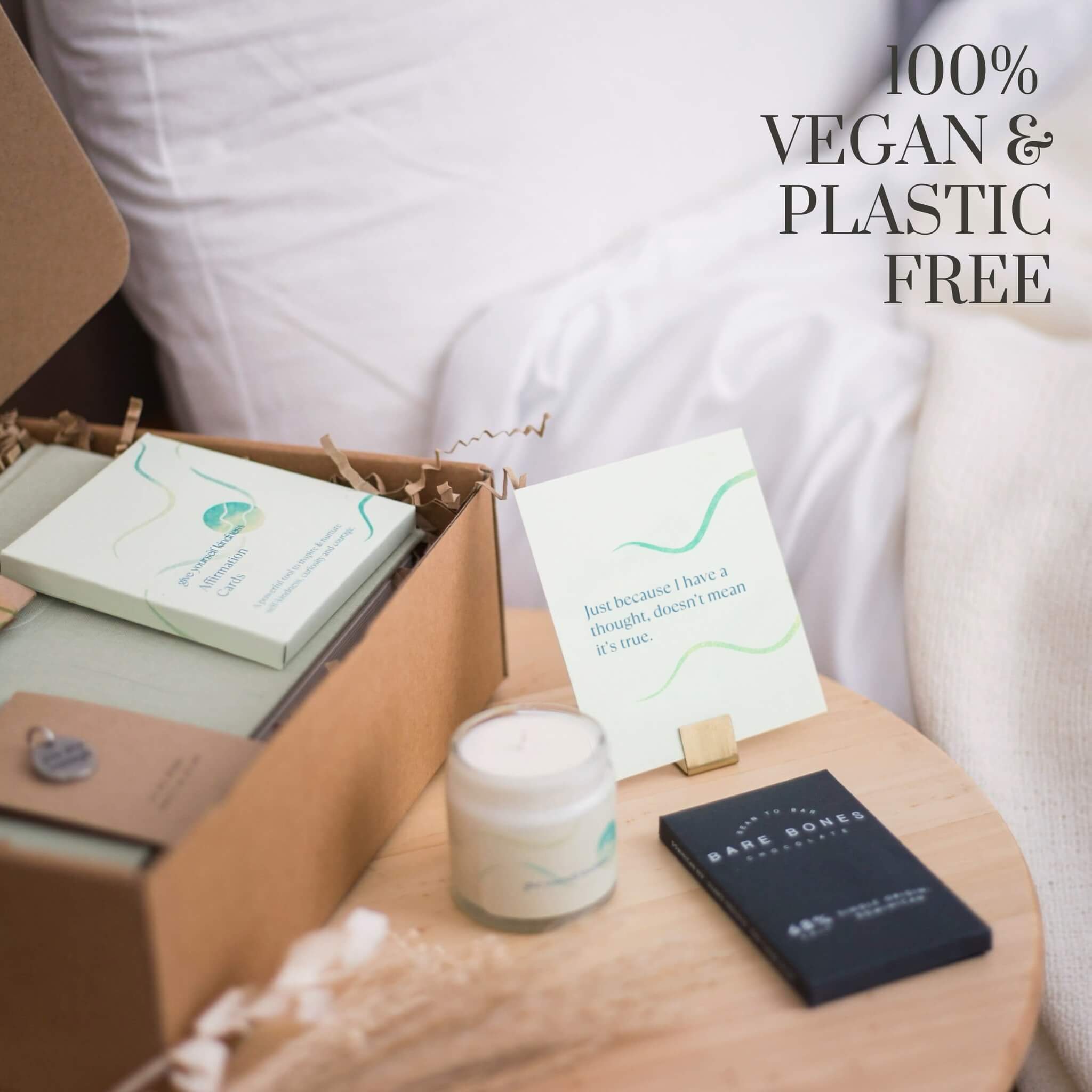
Complete Self-Care Collection
The most comprehensive, thoughtful gift you can give
What's included:
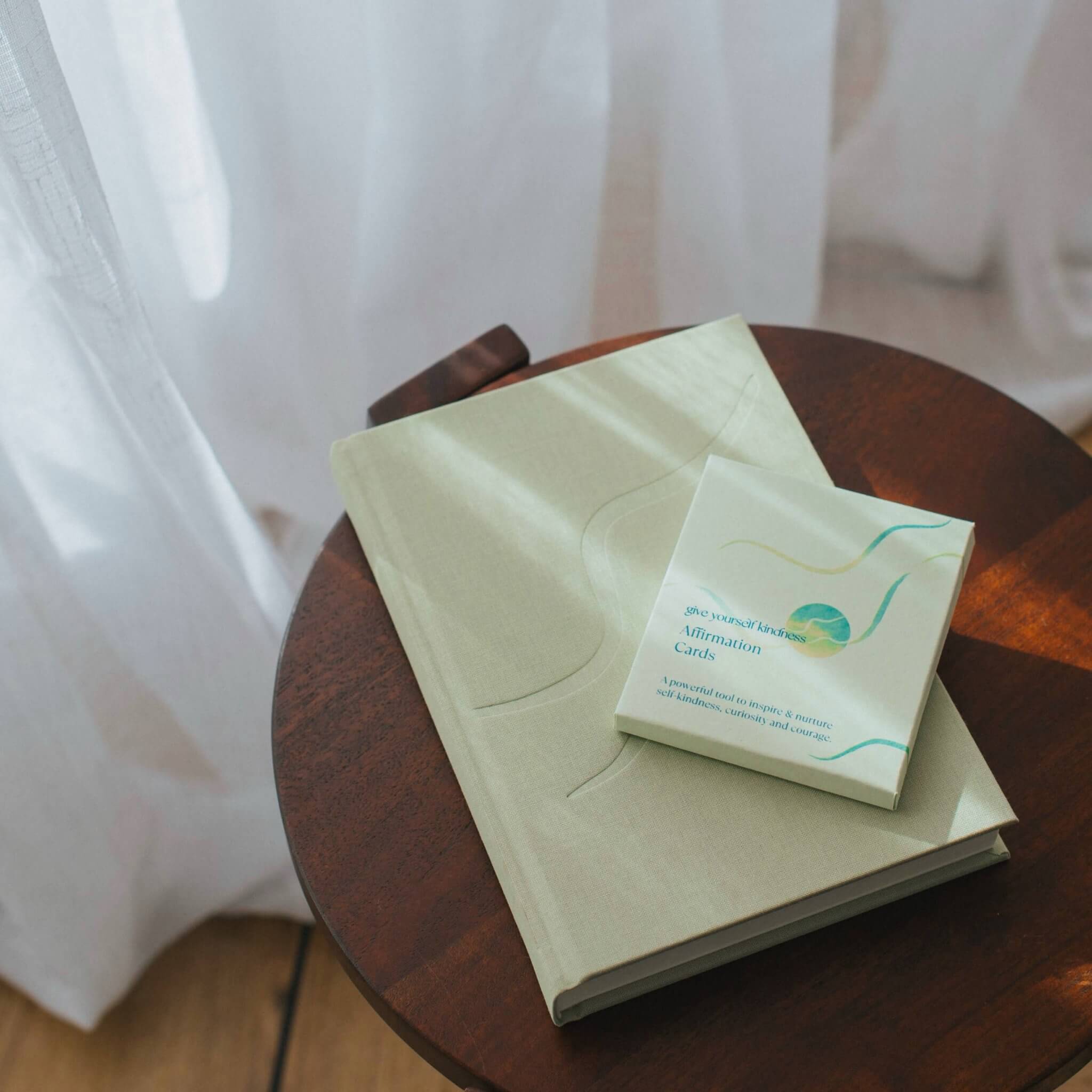
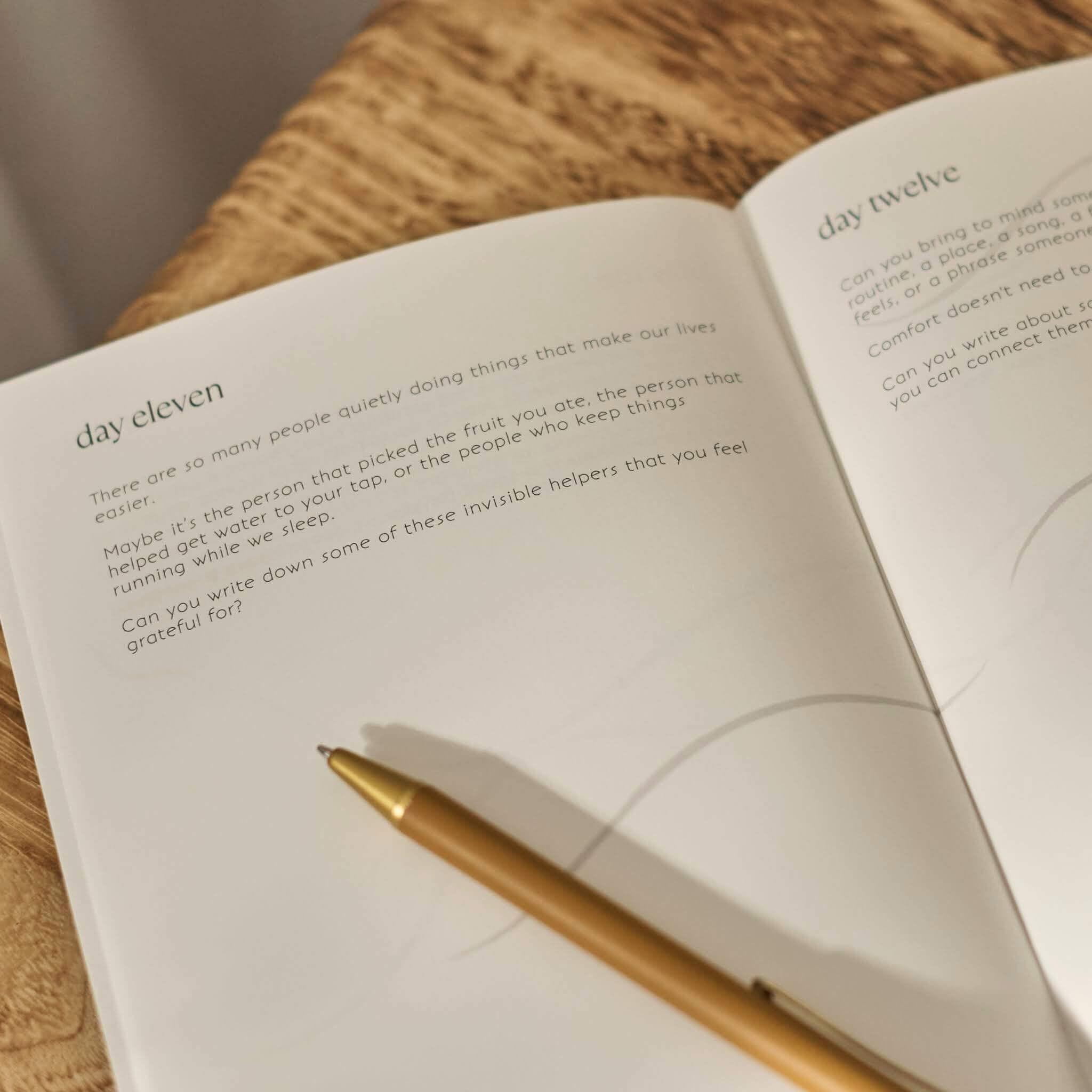
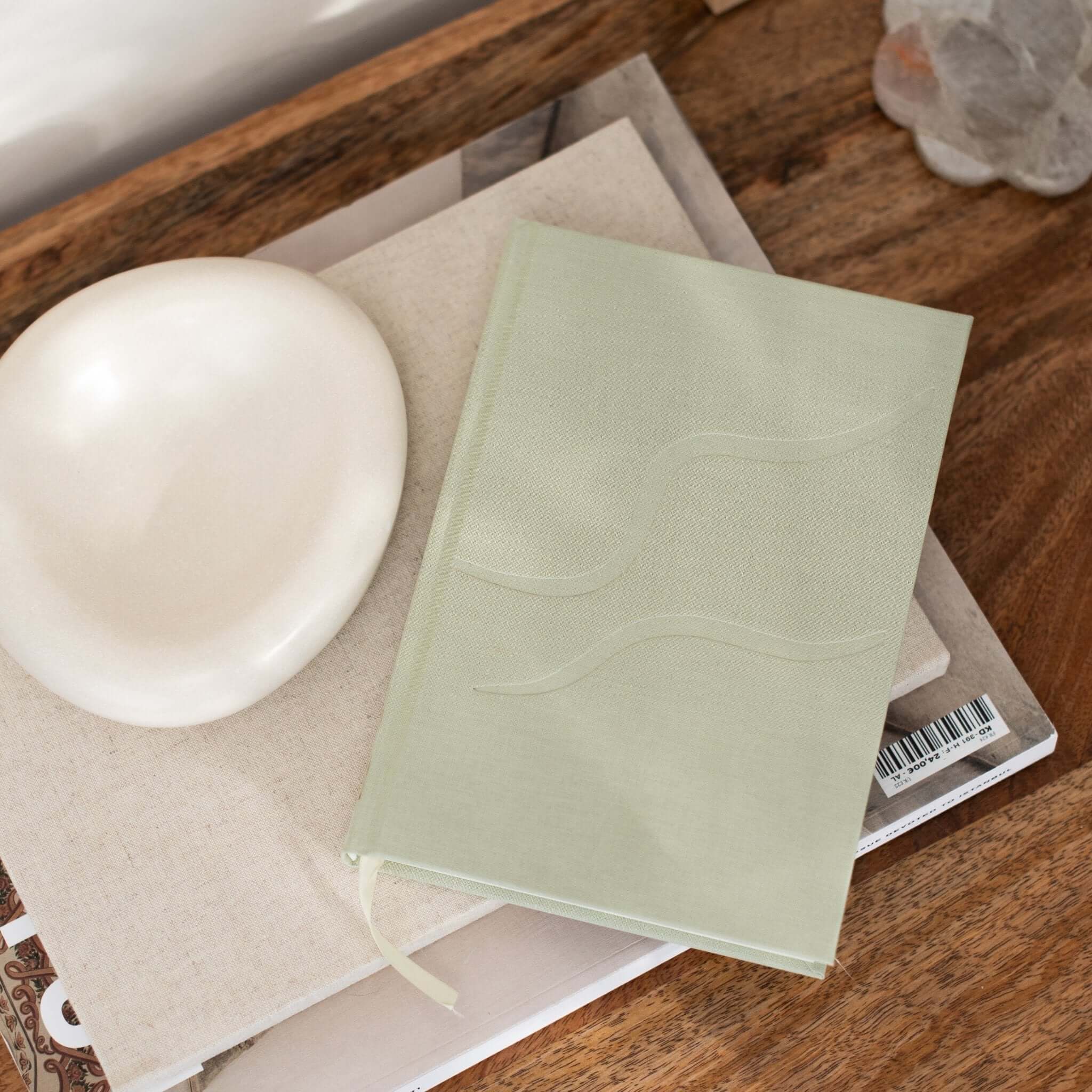
- The Give Yourself Kindness Journal — 90 unique prompts for daily emotional support
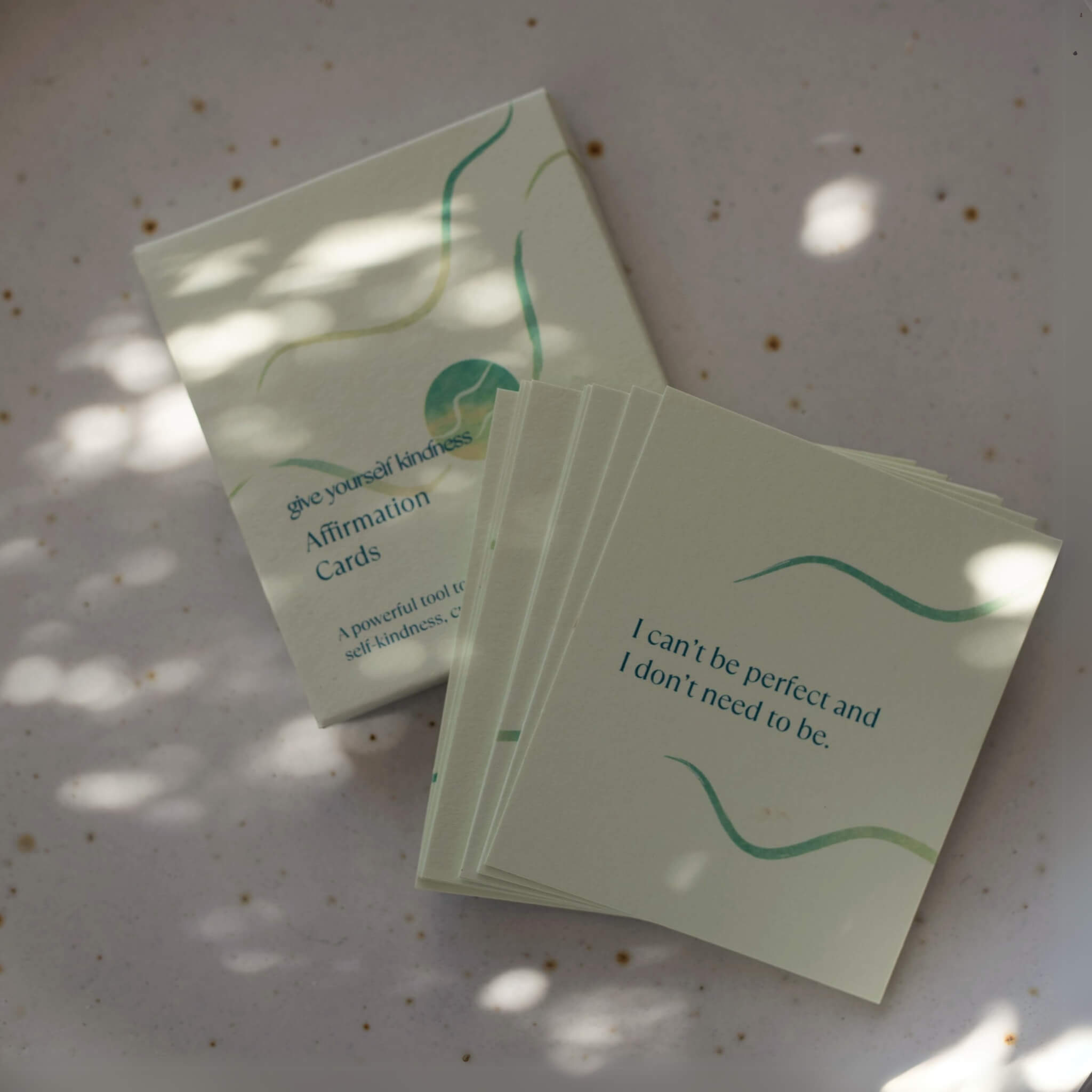
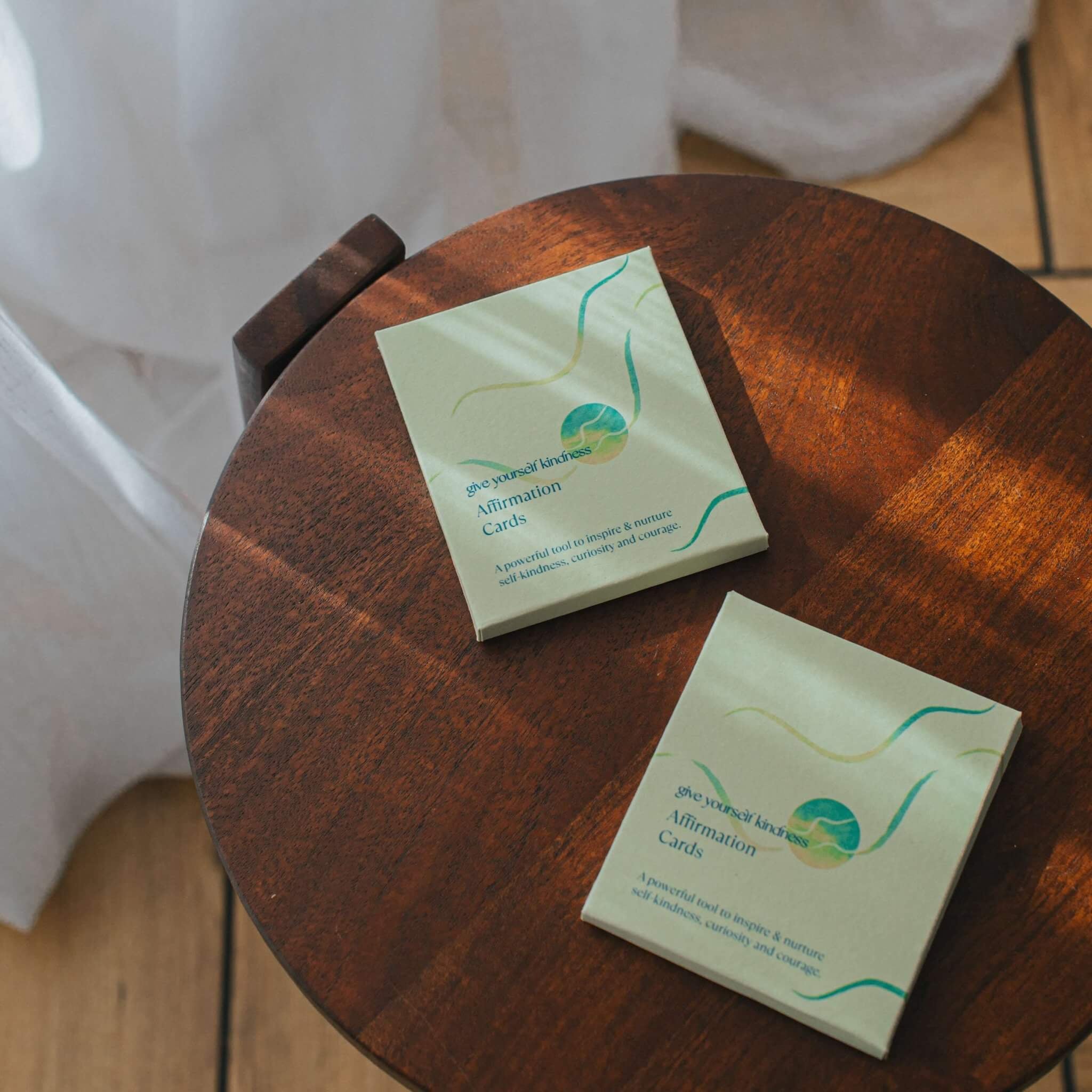
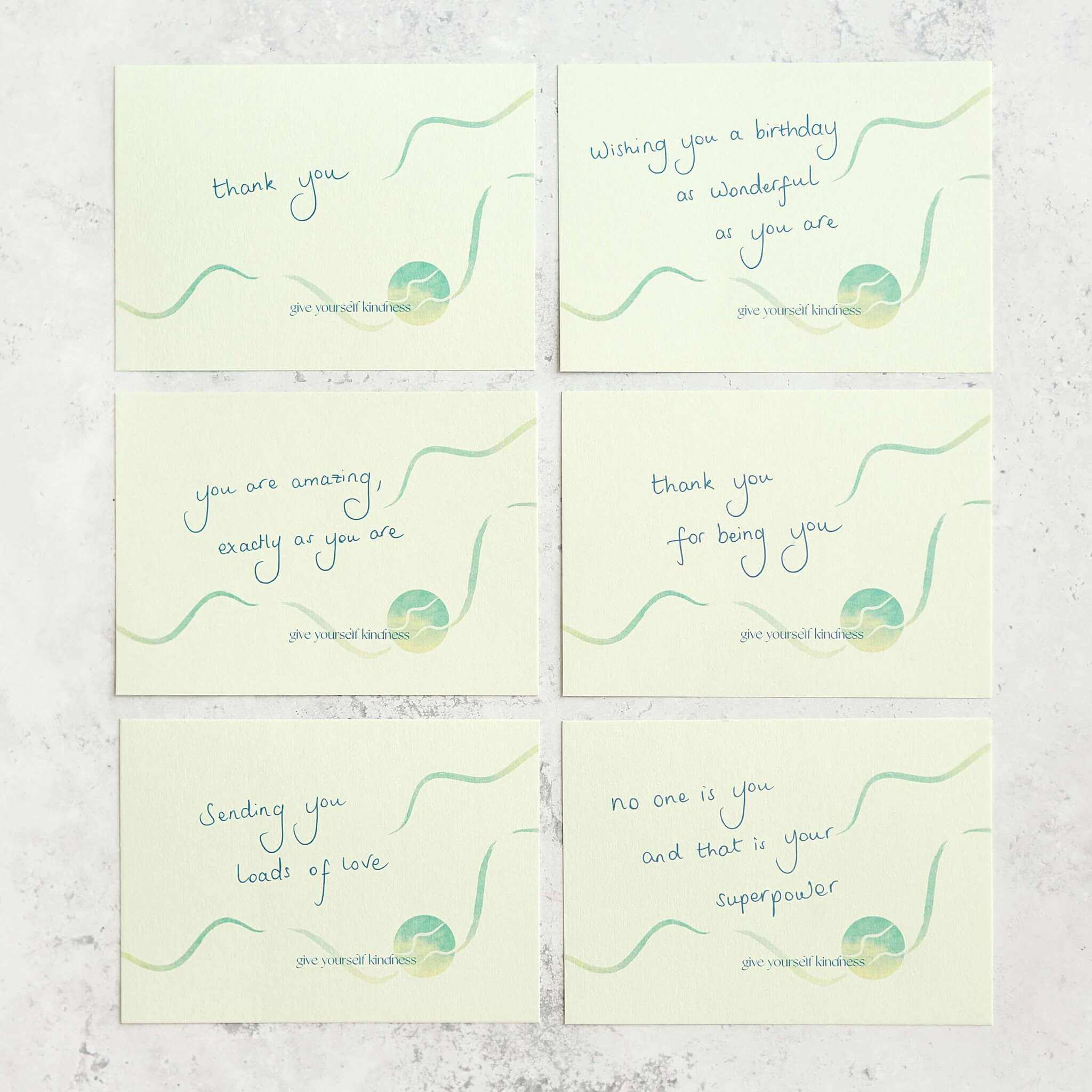
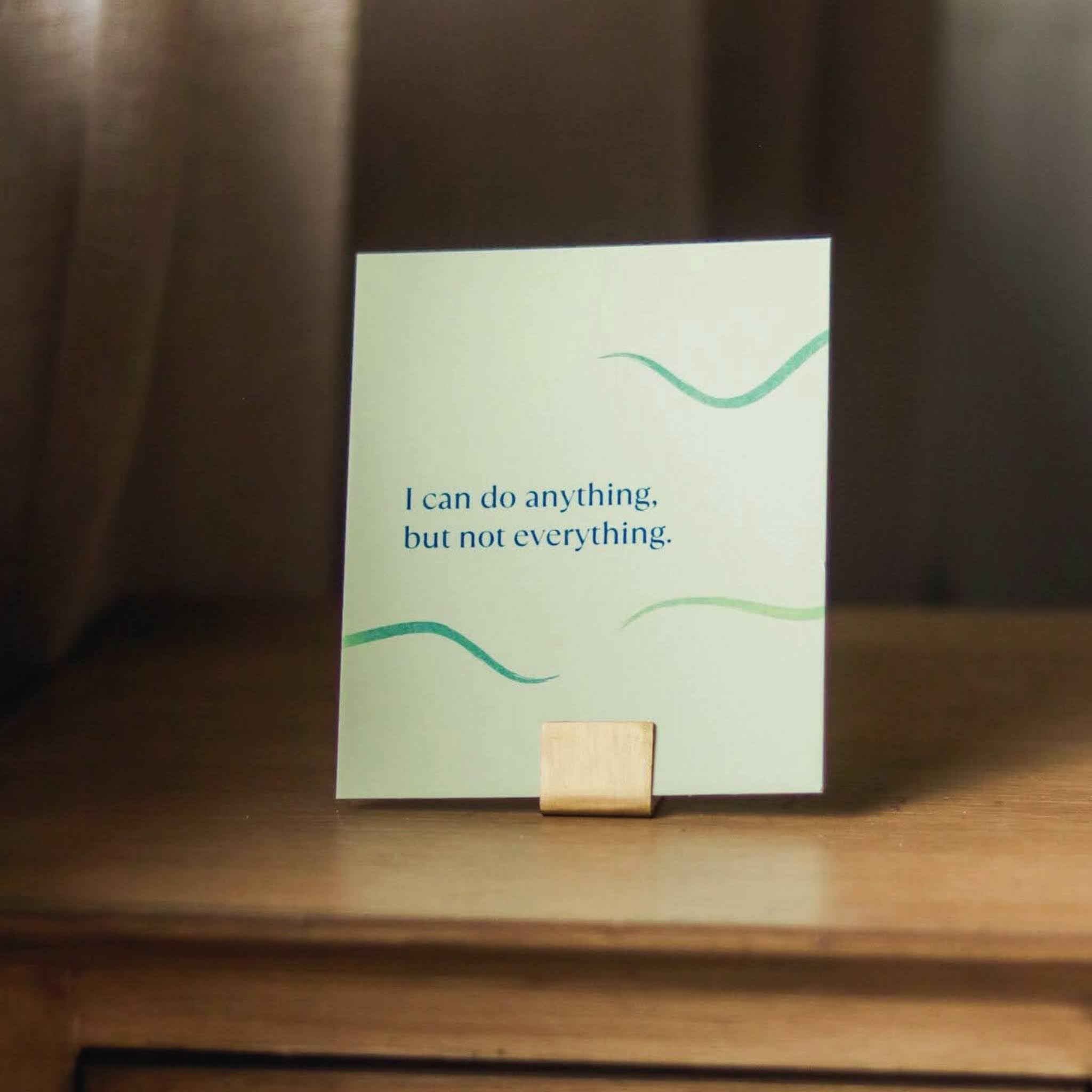
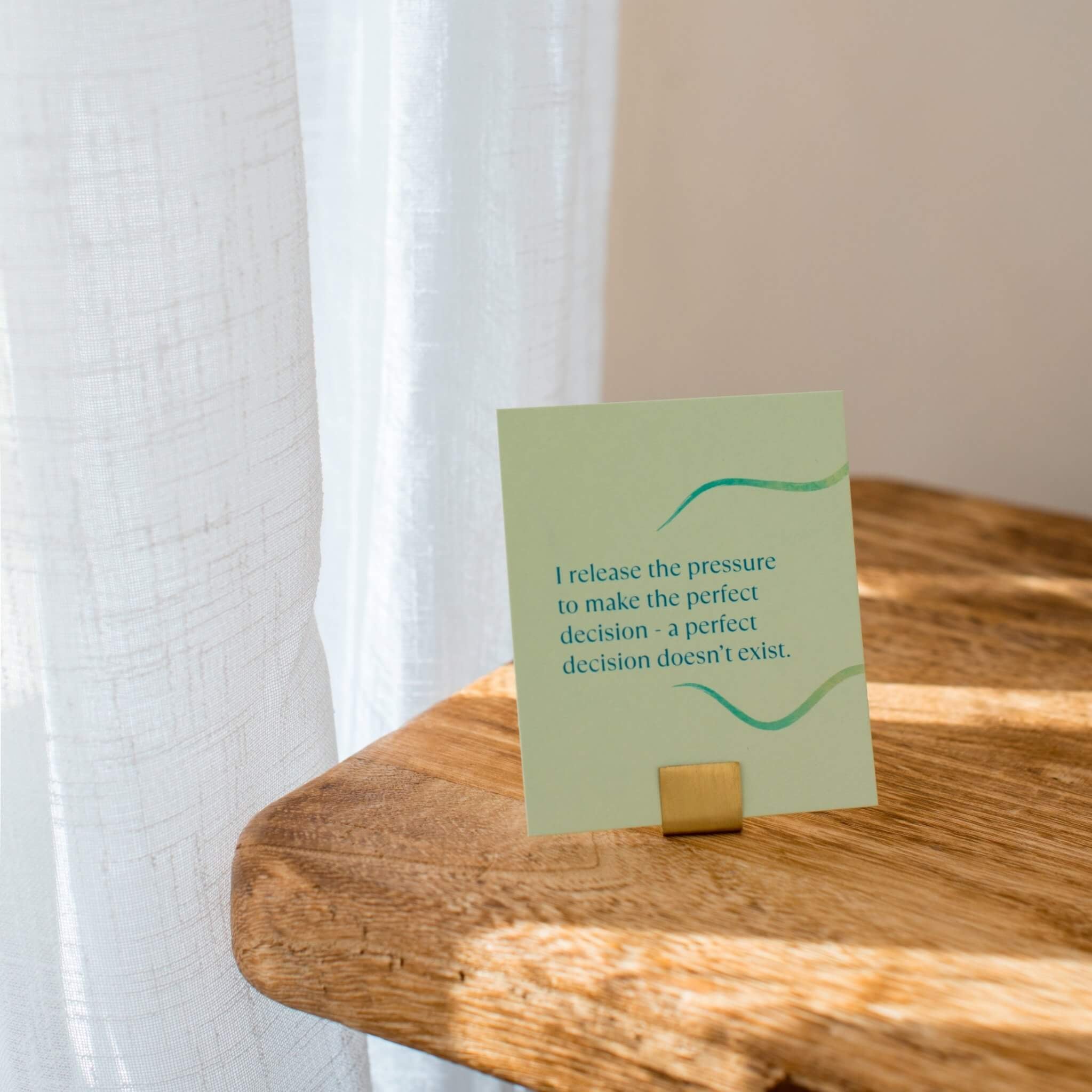
- Self-Compassion Affirmation Cards — 60 permission-based affirmations
- You Are Enough Charm — Bespoke pewter and stainless steel reminder
- Luxury vegan chocolate — "The best chocolate Rick Stein has ever tasted!"
- Natural face mask kit — 100% natural, vegan pampering
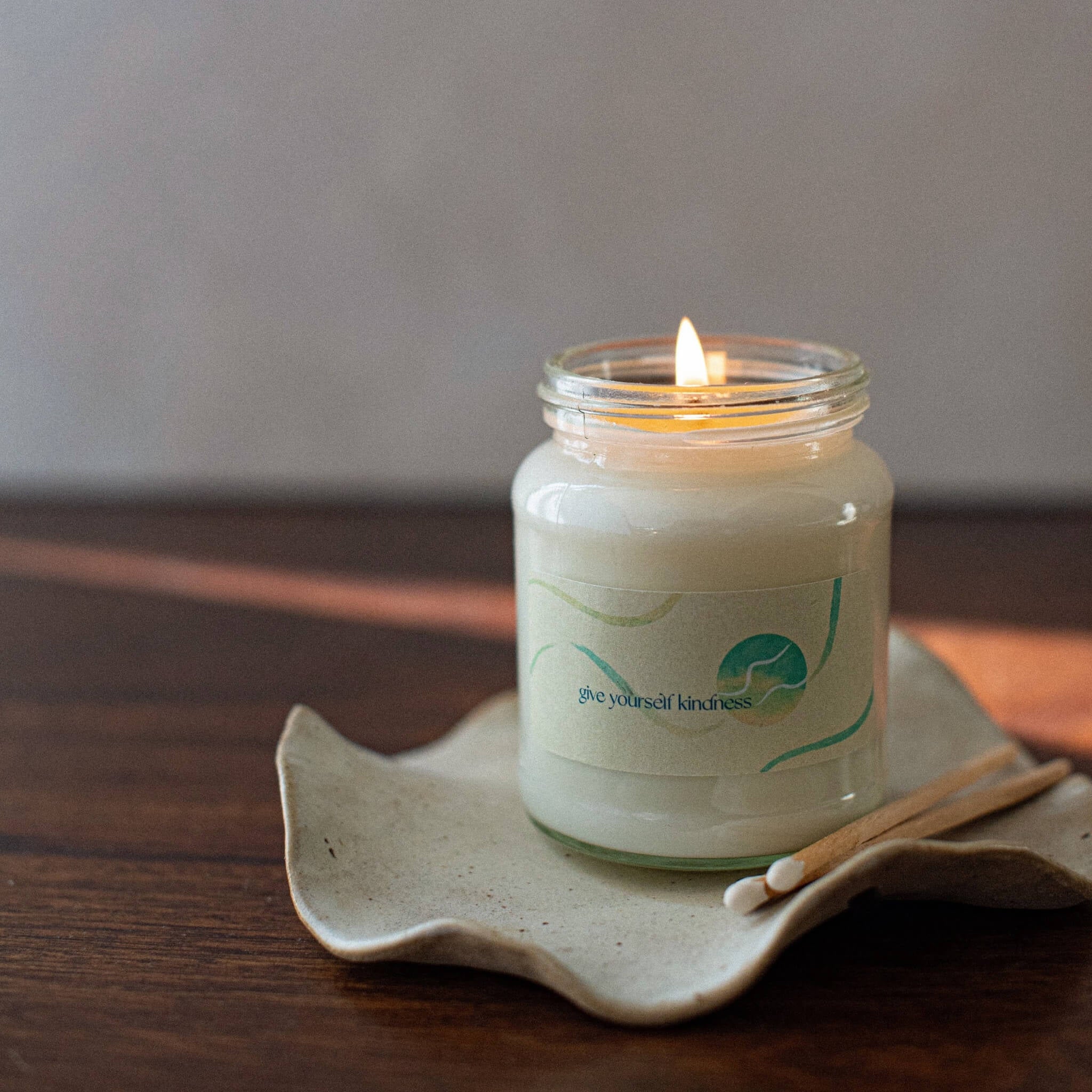
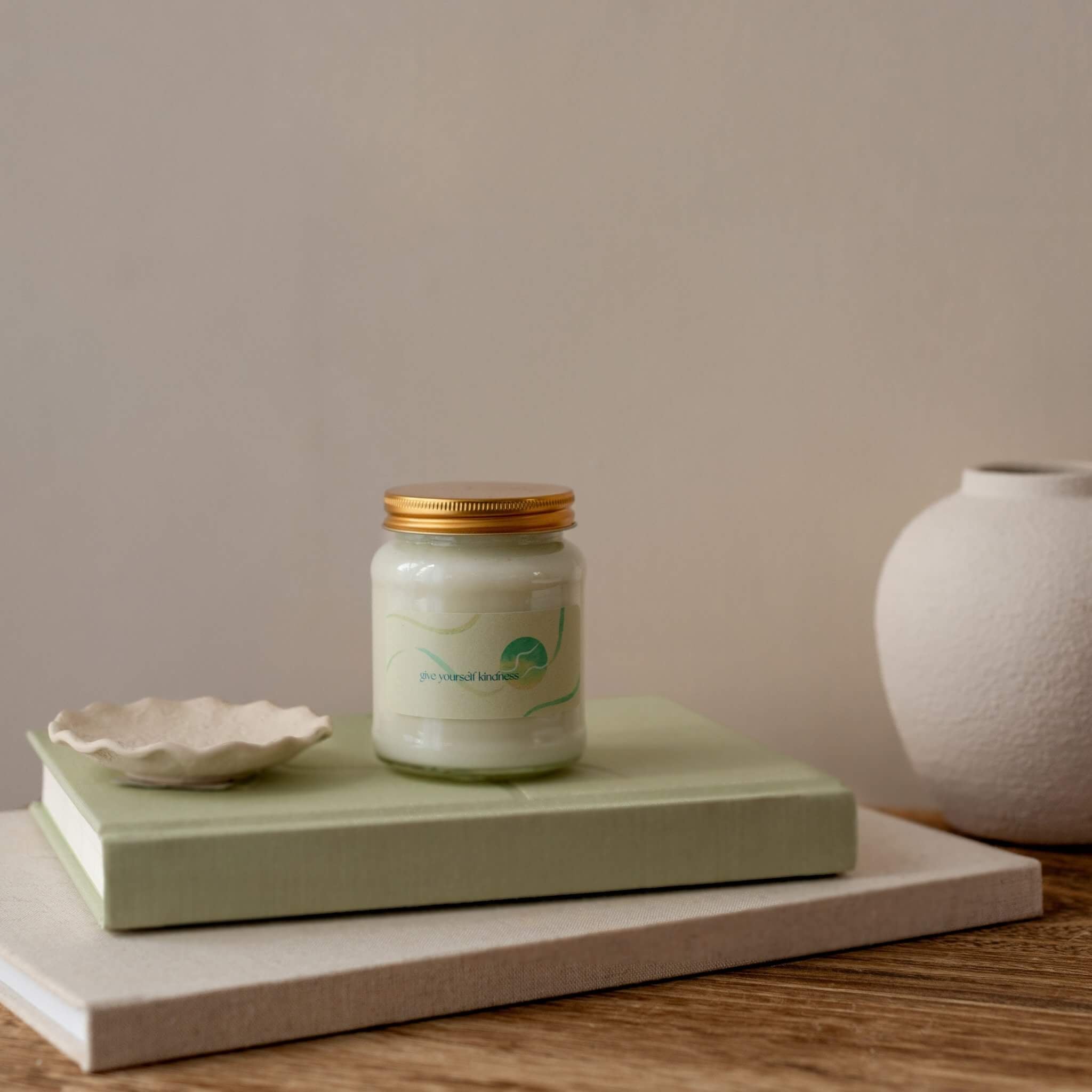
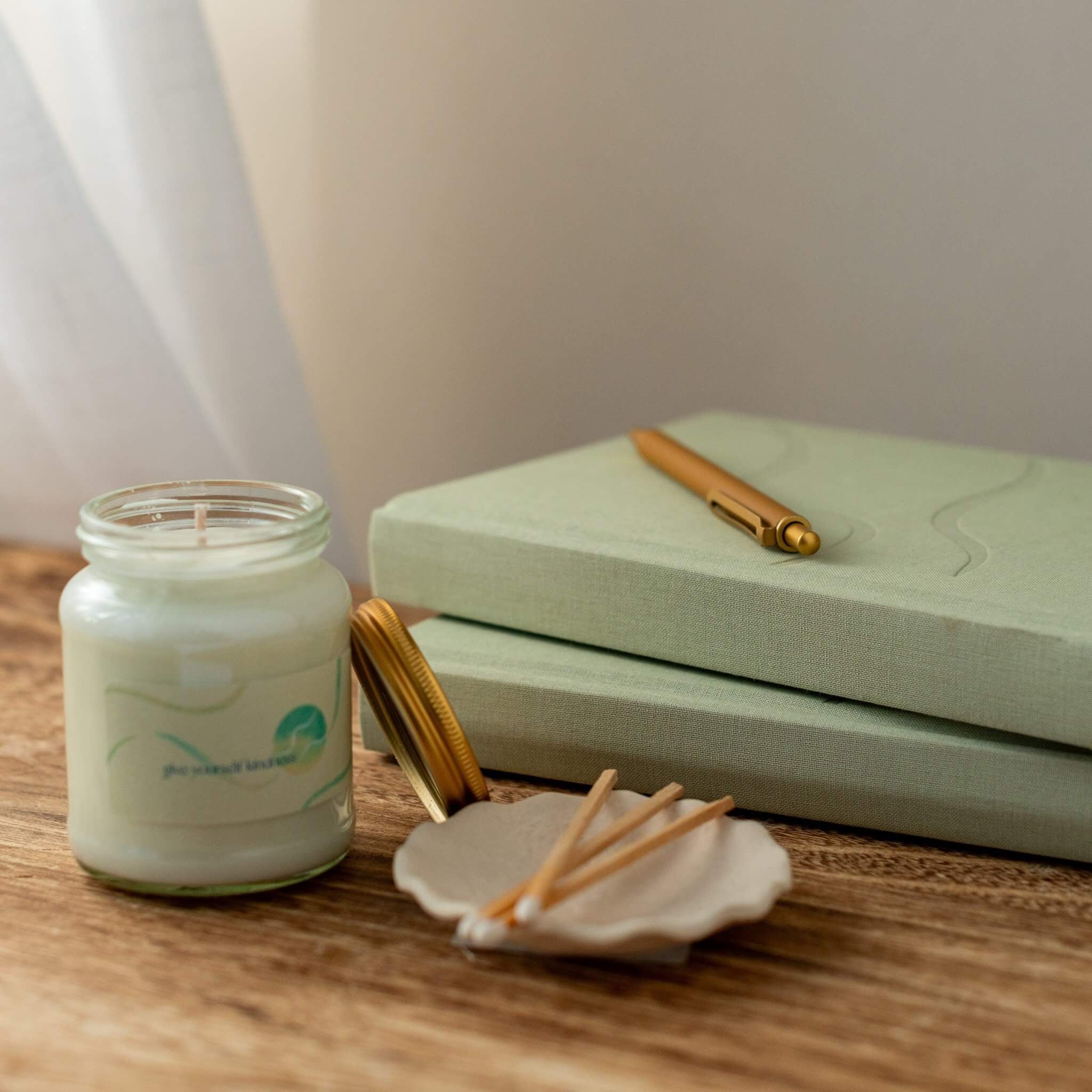
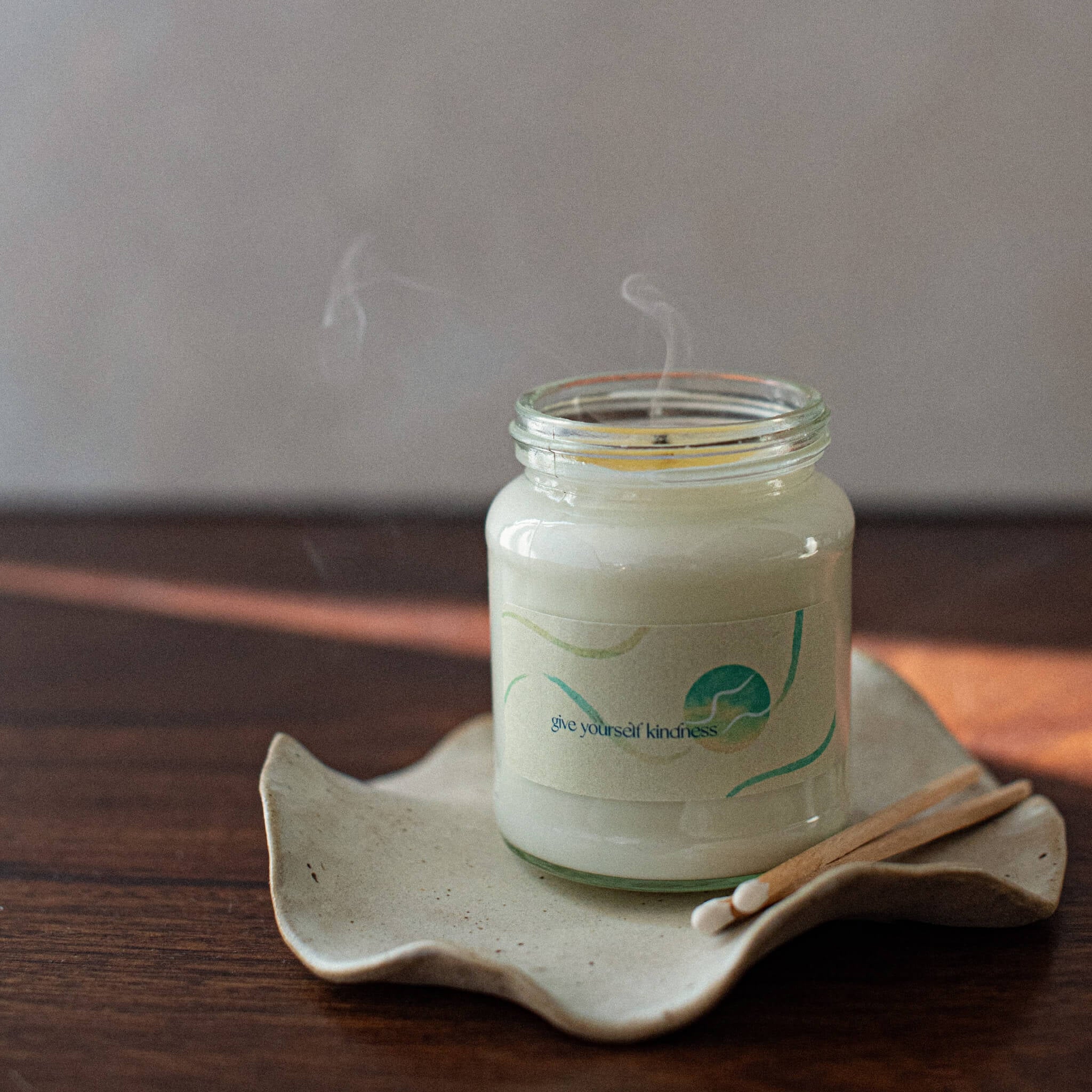
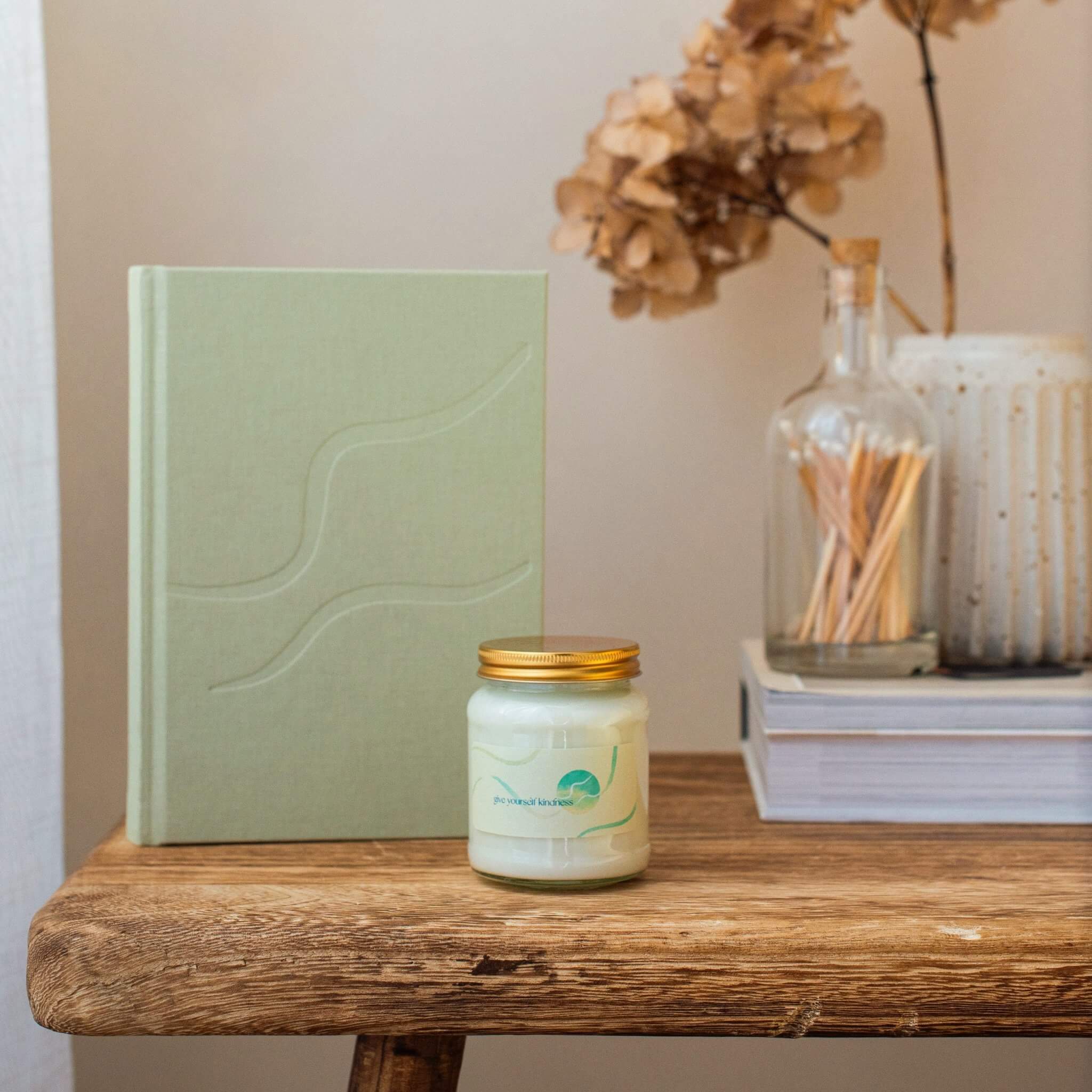
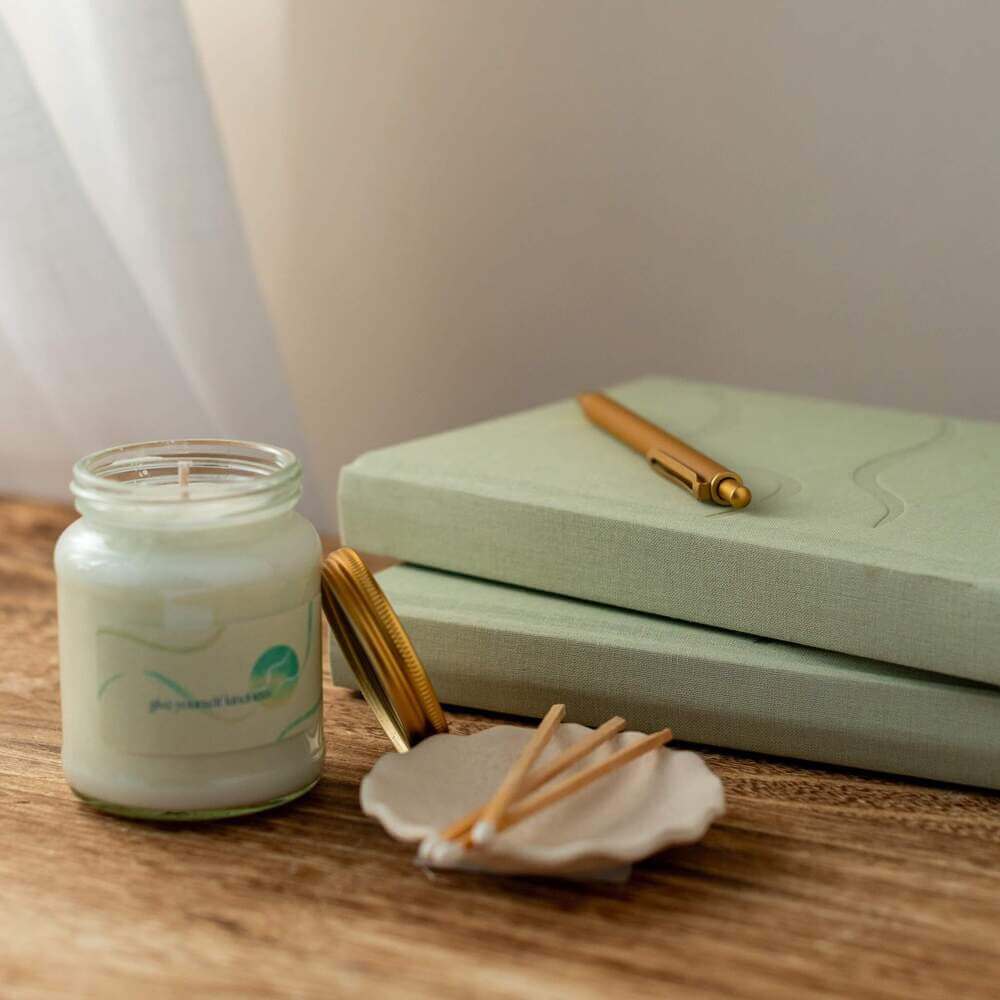
- Handcrafted candle — Gooseberry & elderflower, coconut & soy wax
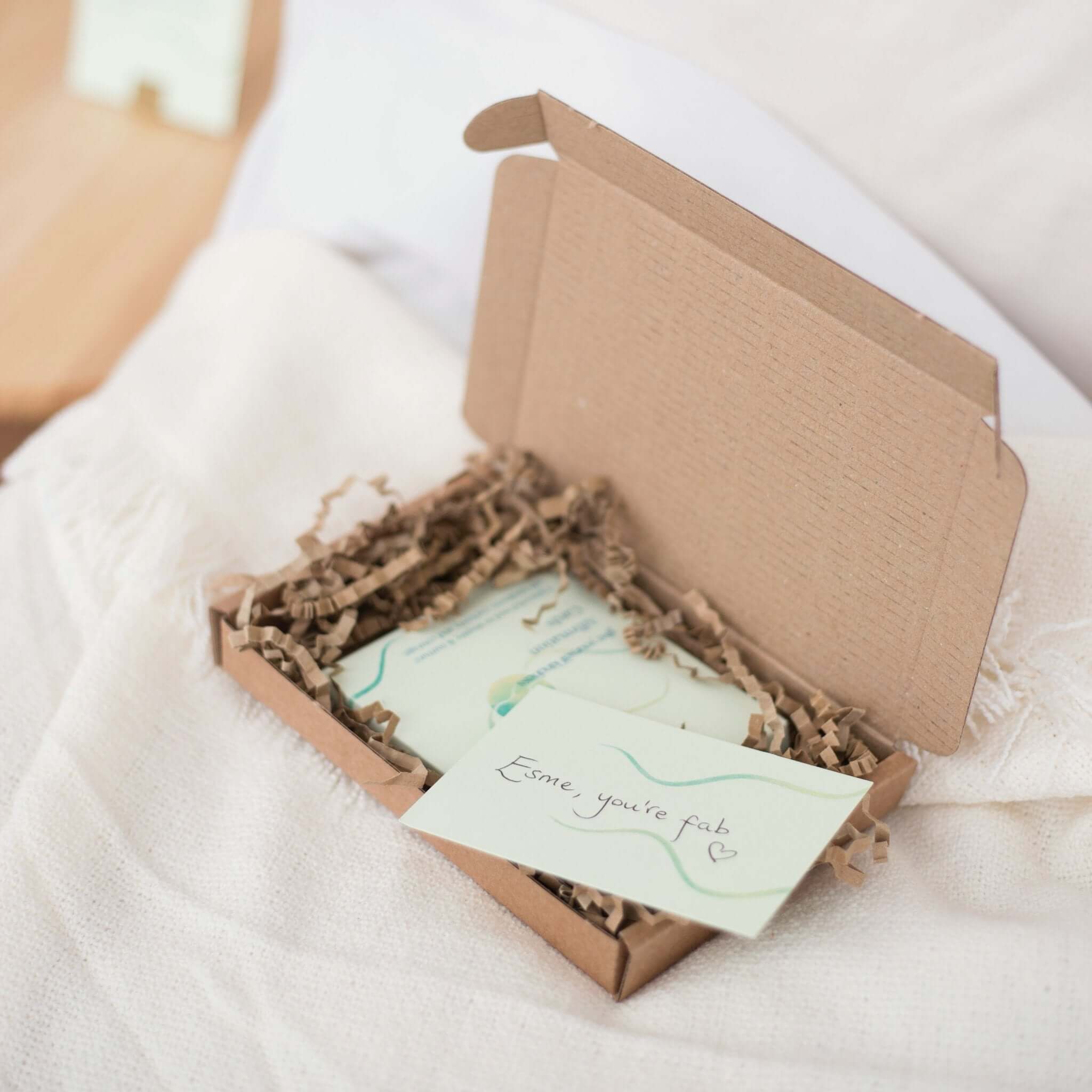
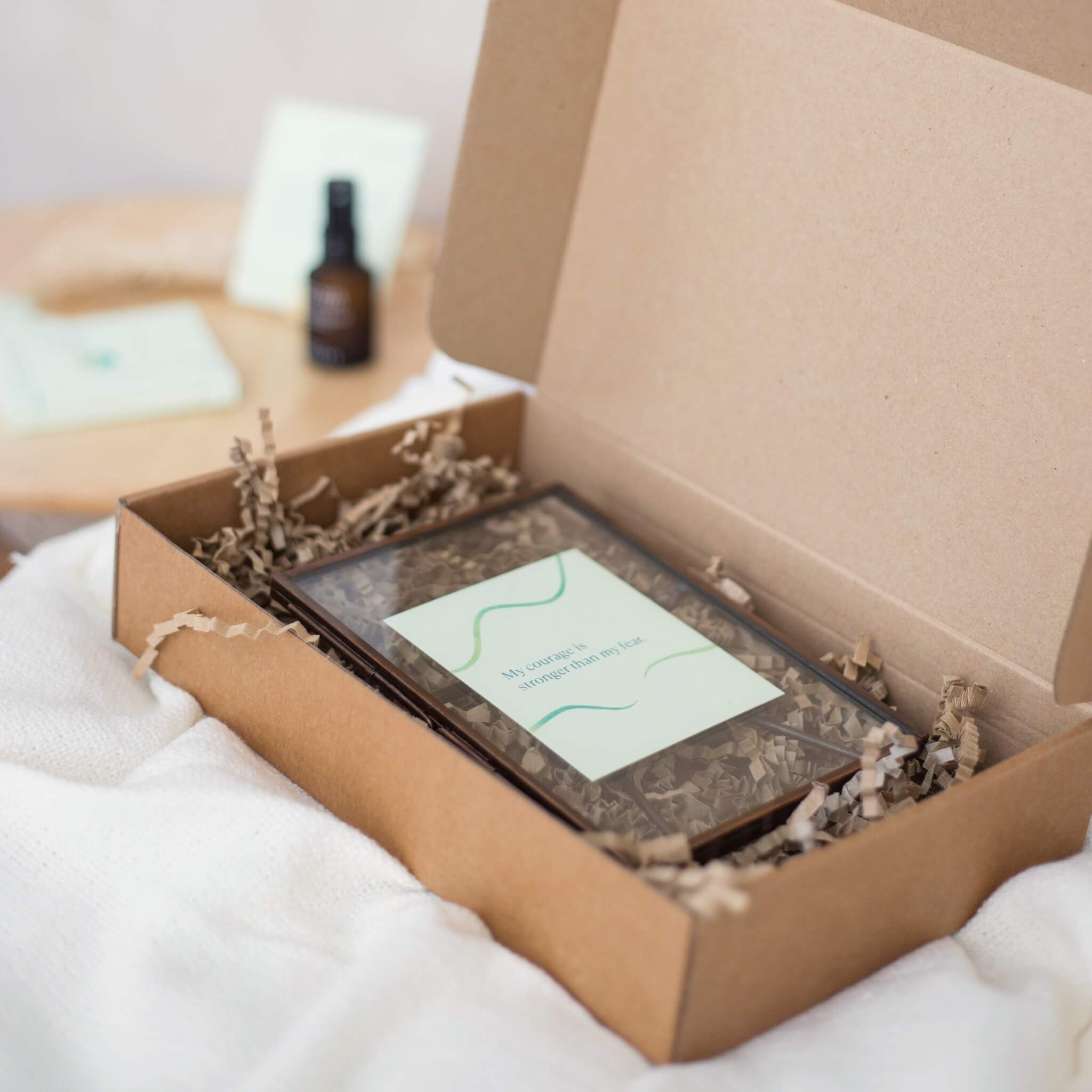
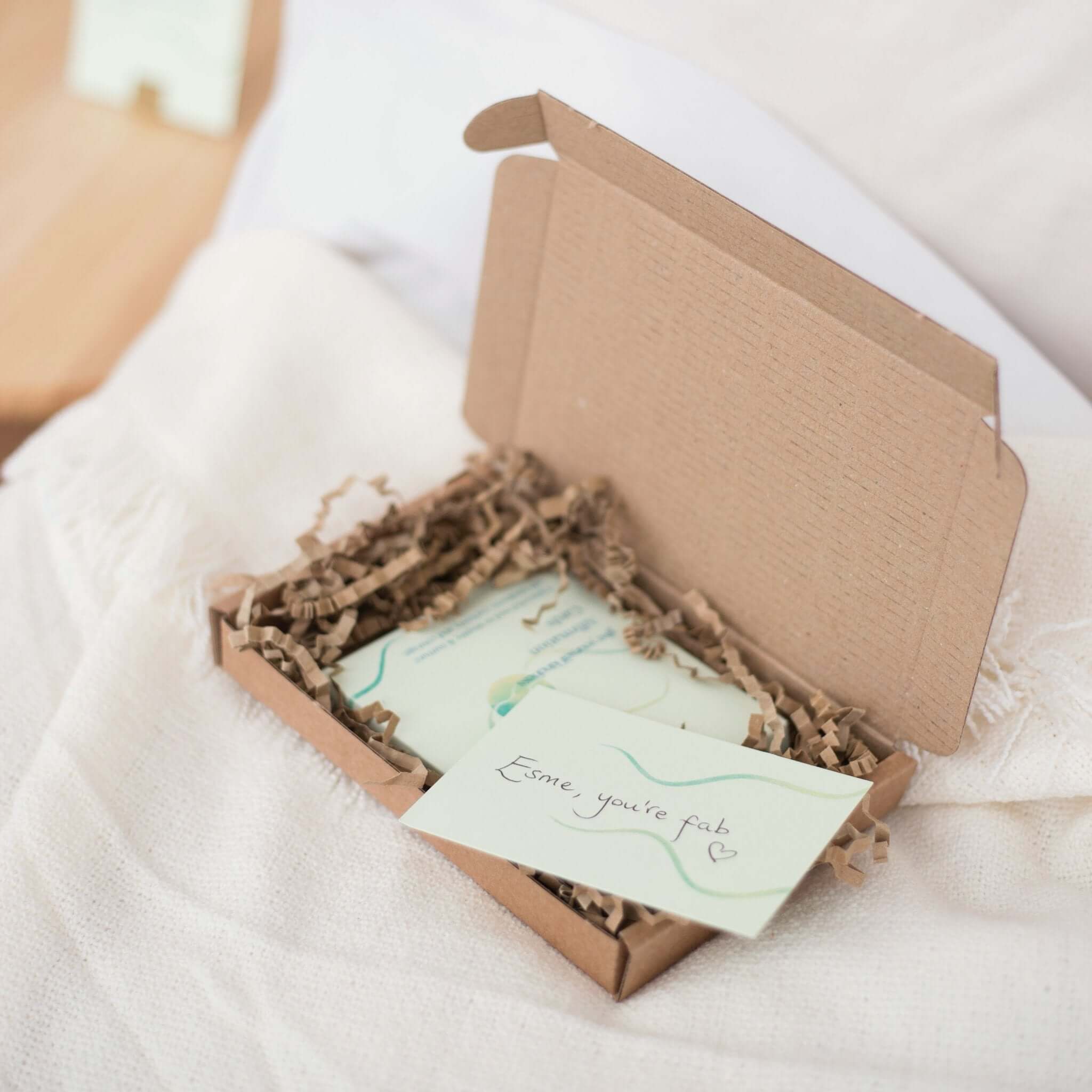
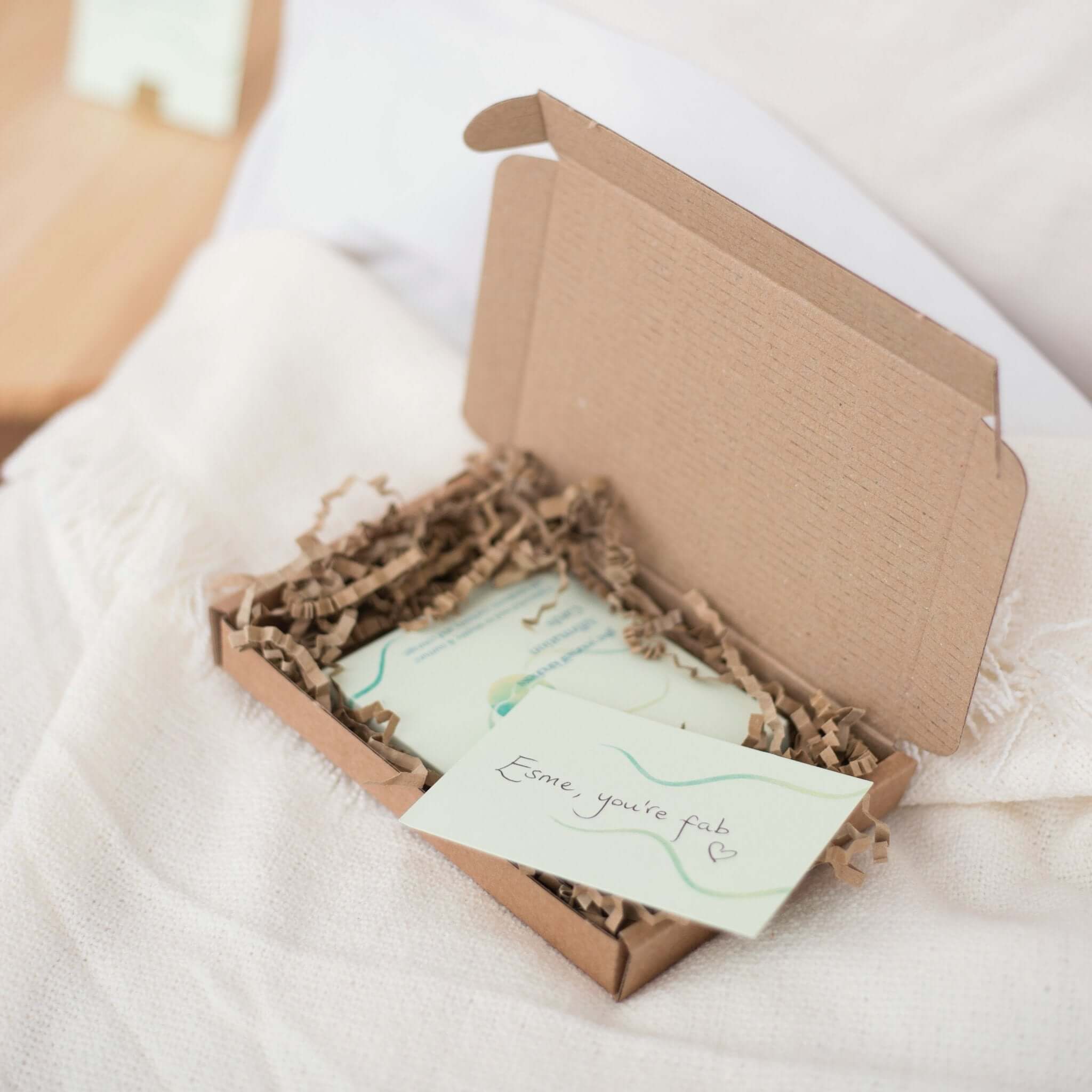
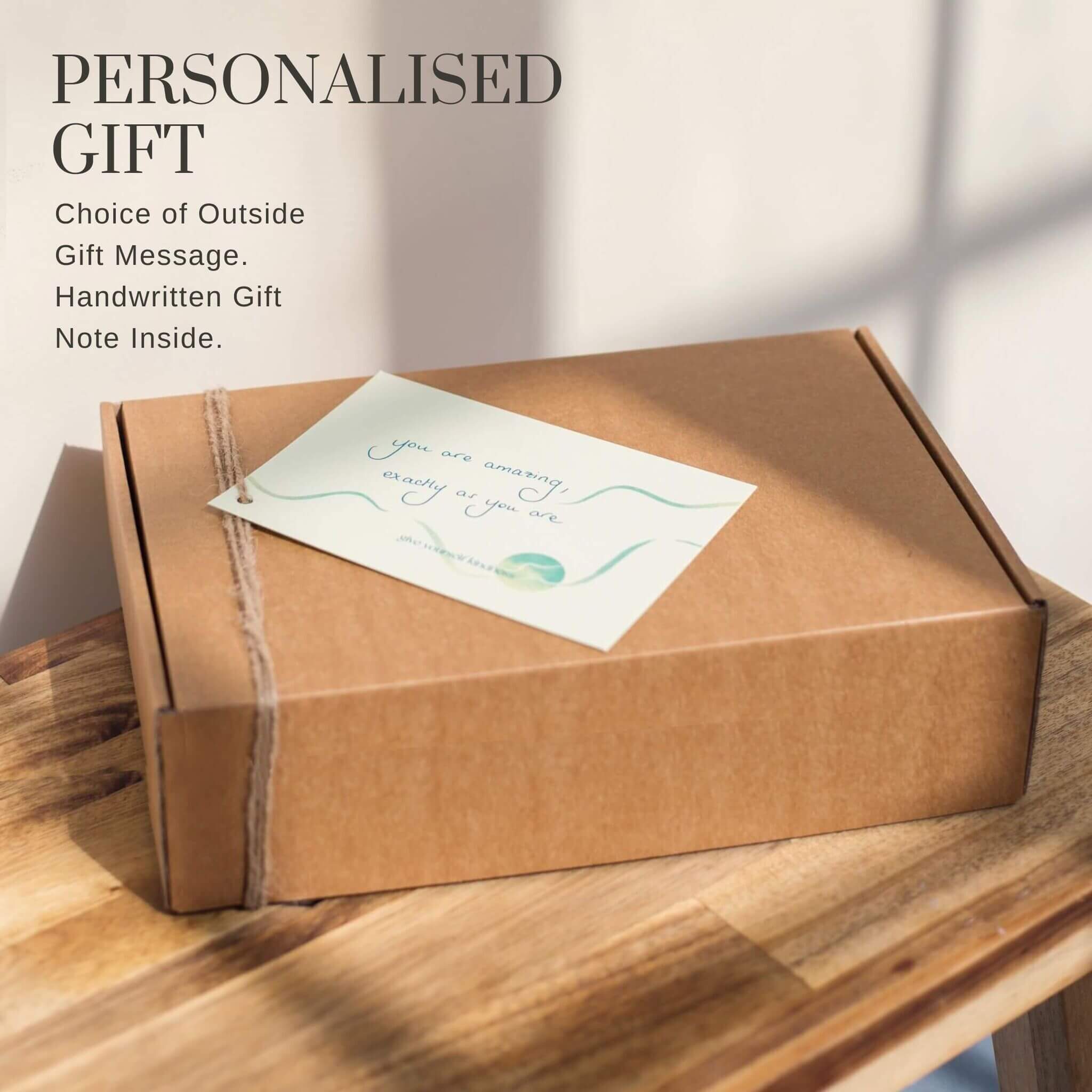
- Beautiful gift packaging + optional handwritten note
- Complete support system — Tools for different moments throughout their day
- Shows extraordinary thoughtfulness — Not just one thing, comprehensive care
- Best value — Saves £14.85 compared to buying separately
- Expert-validated — Journal recommended by Harvard and Oxford psychologists
- Physical comfort + emotional processing — Addresses wellbeing holistically
Perfect for: Someone going through a really tough time who deserves comprehensive support. When you want them to feel truly seen and cared for.
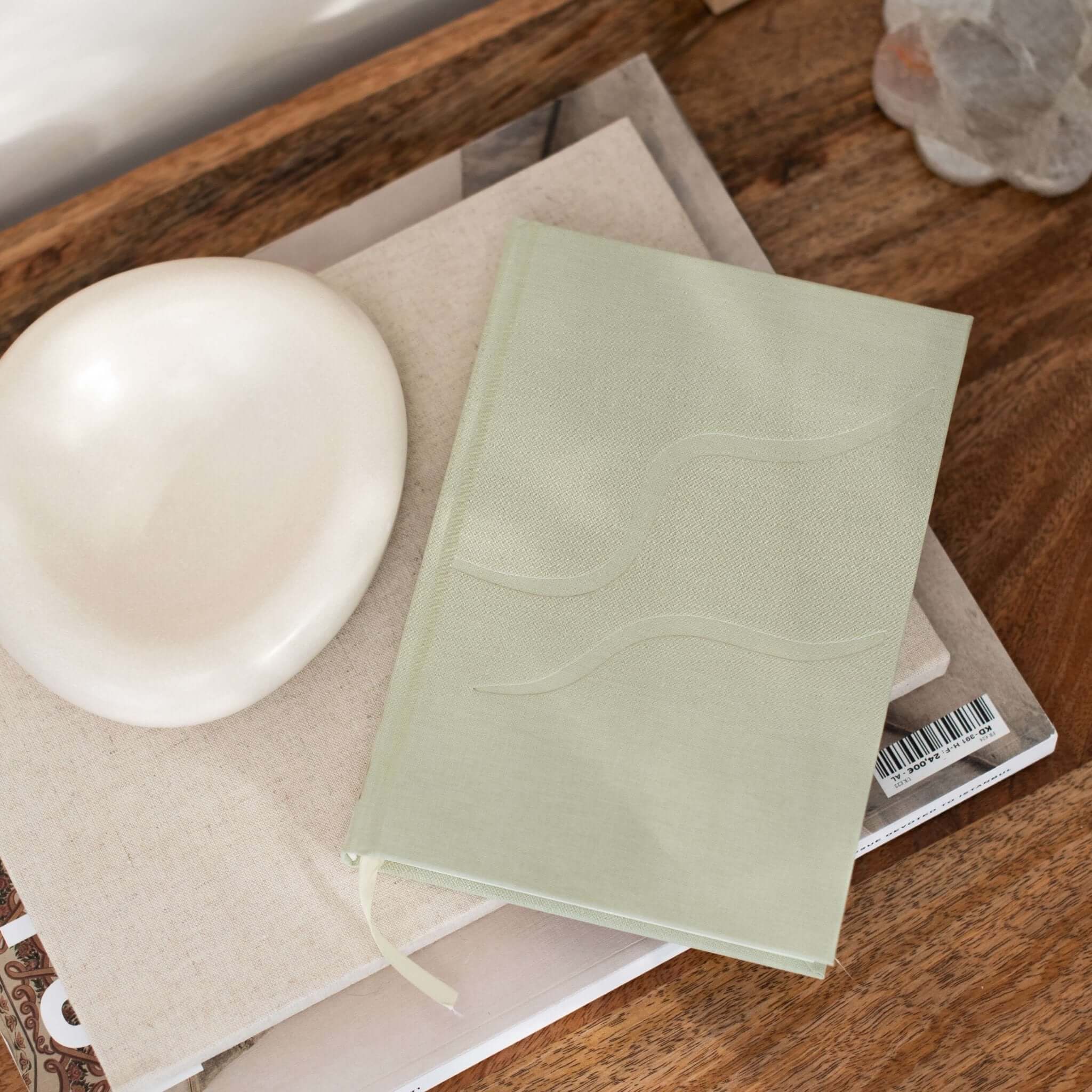
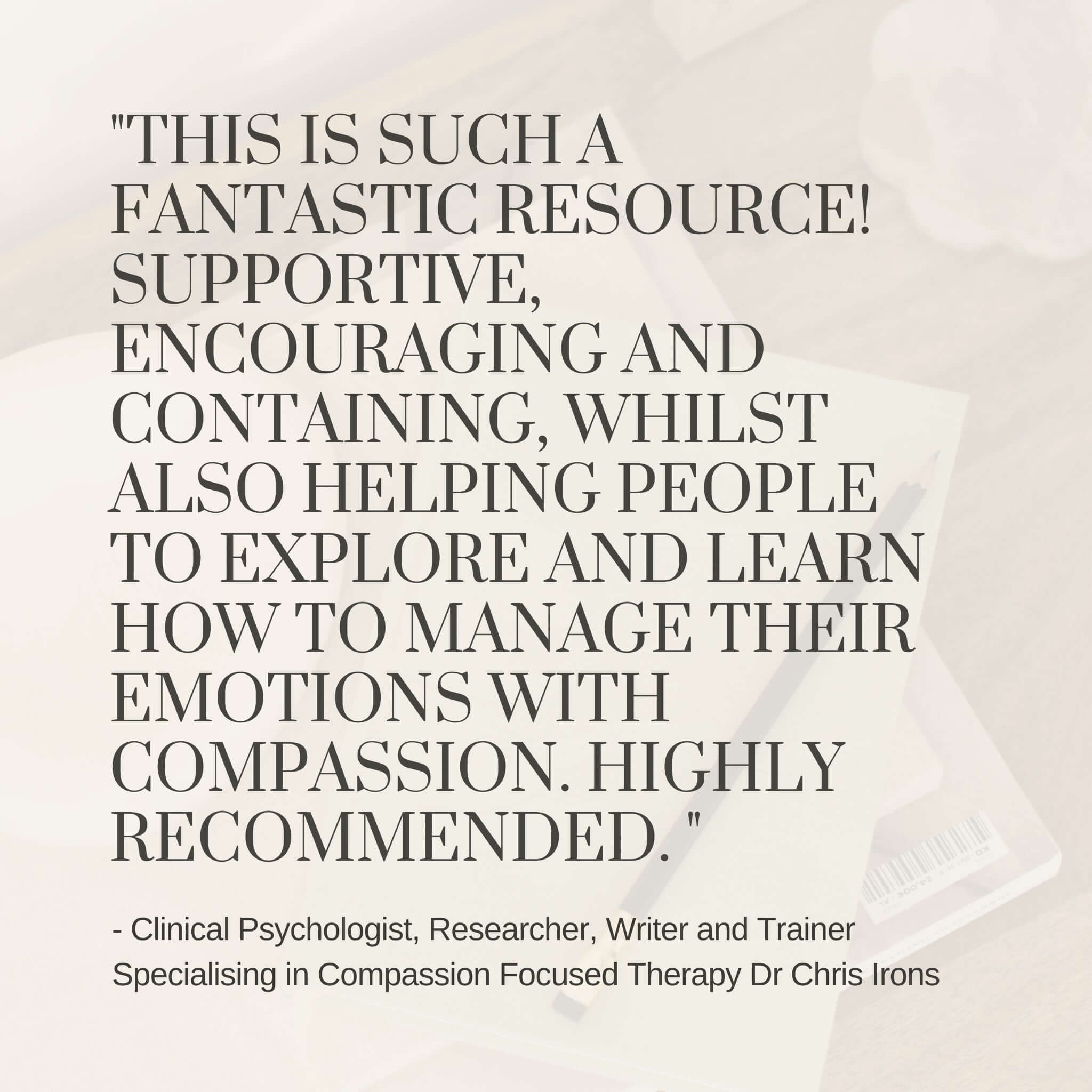
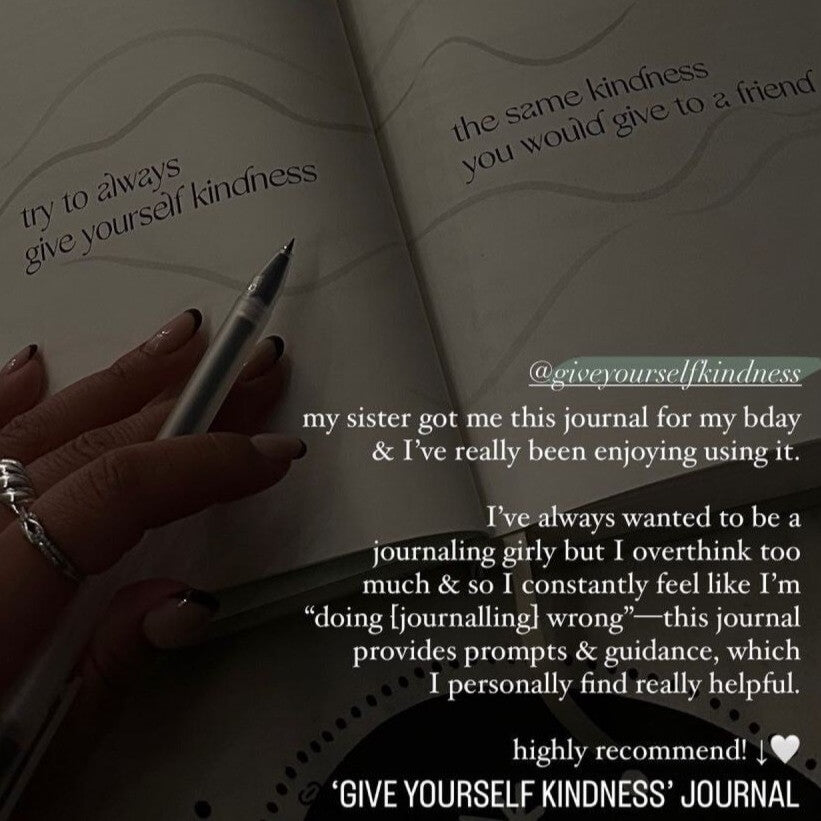
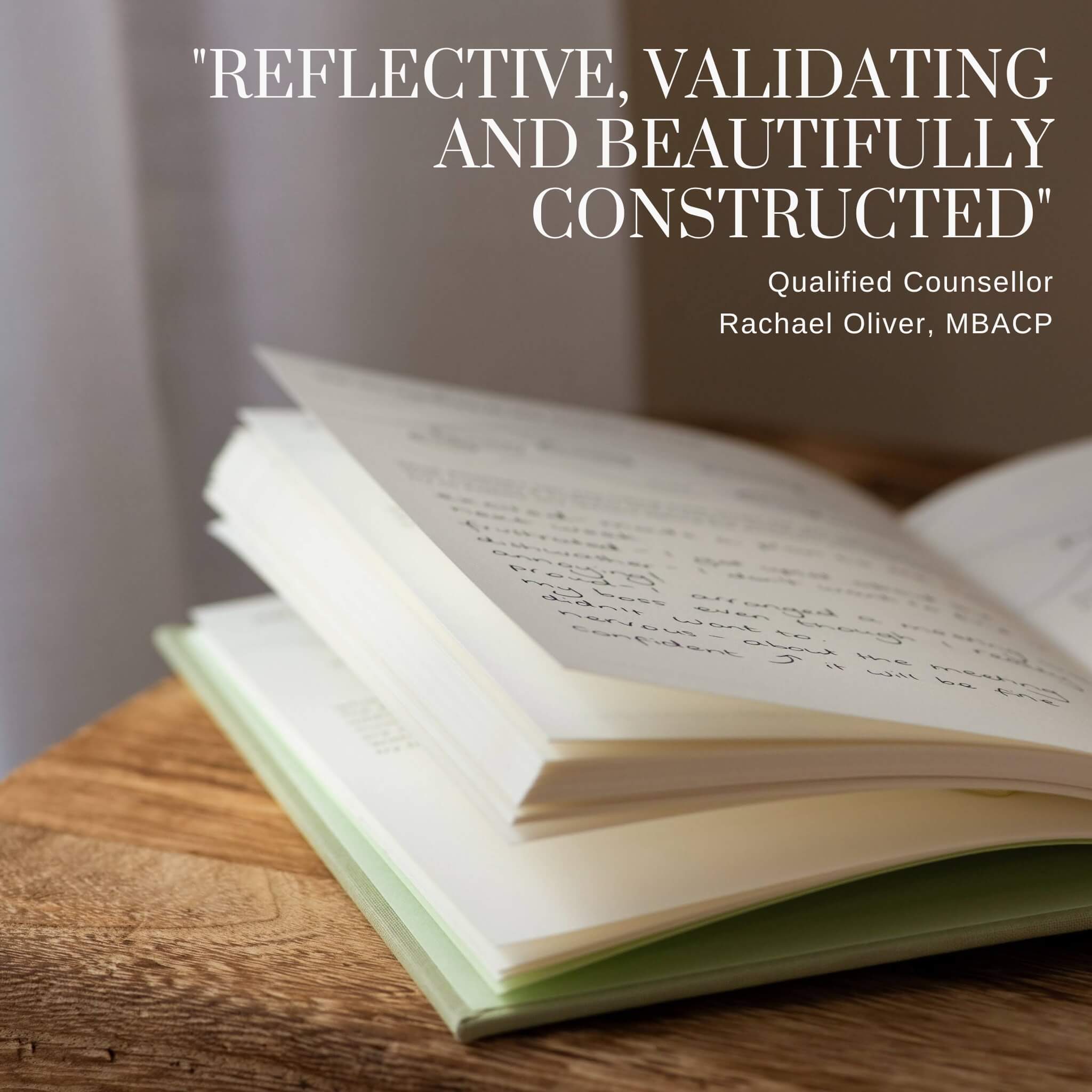
The Give Yourself Kindness Journal
For daily emotional support and self-compassion practice
Why this helps someone struggling:
When you're going through a hard time, your inner voice often gets harsh. "What's wrong with me?" "Everyone else is coping." "I should be handling this better."
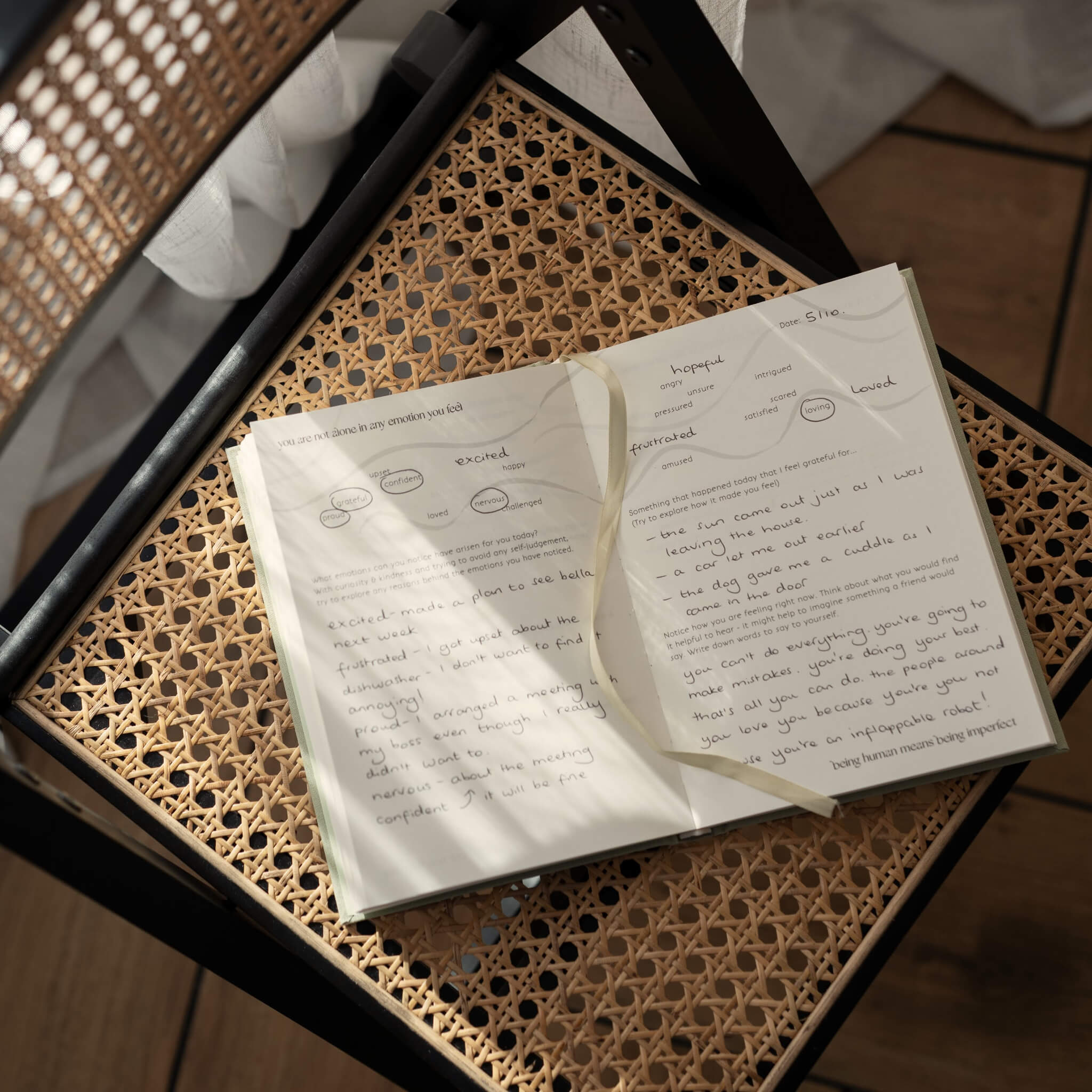
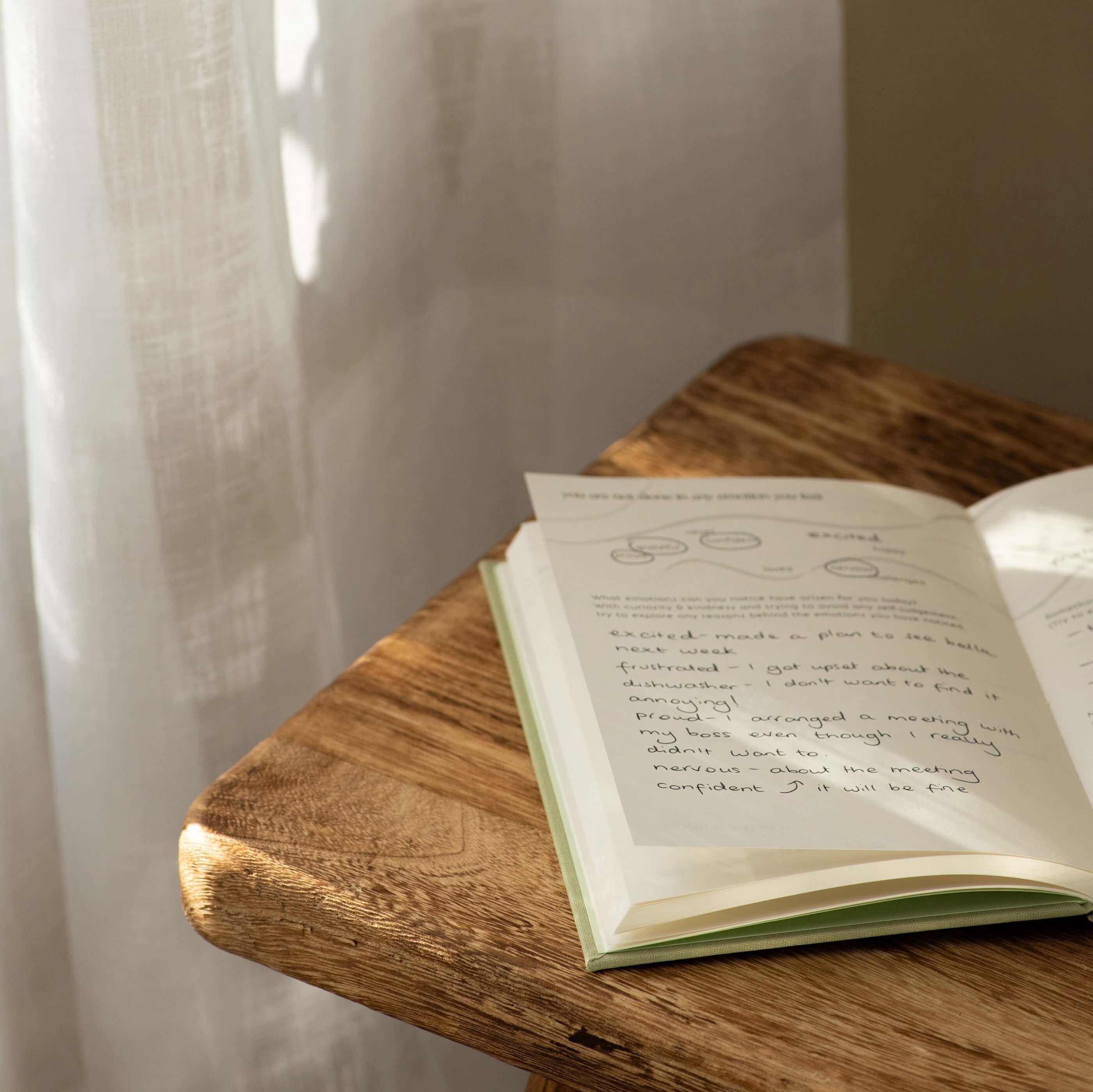
This journal interrupts that cycle. It doesn't ask you to "think positive" or force gratitude when you're genuinely struggling. Instead, it helps you:
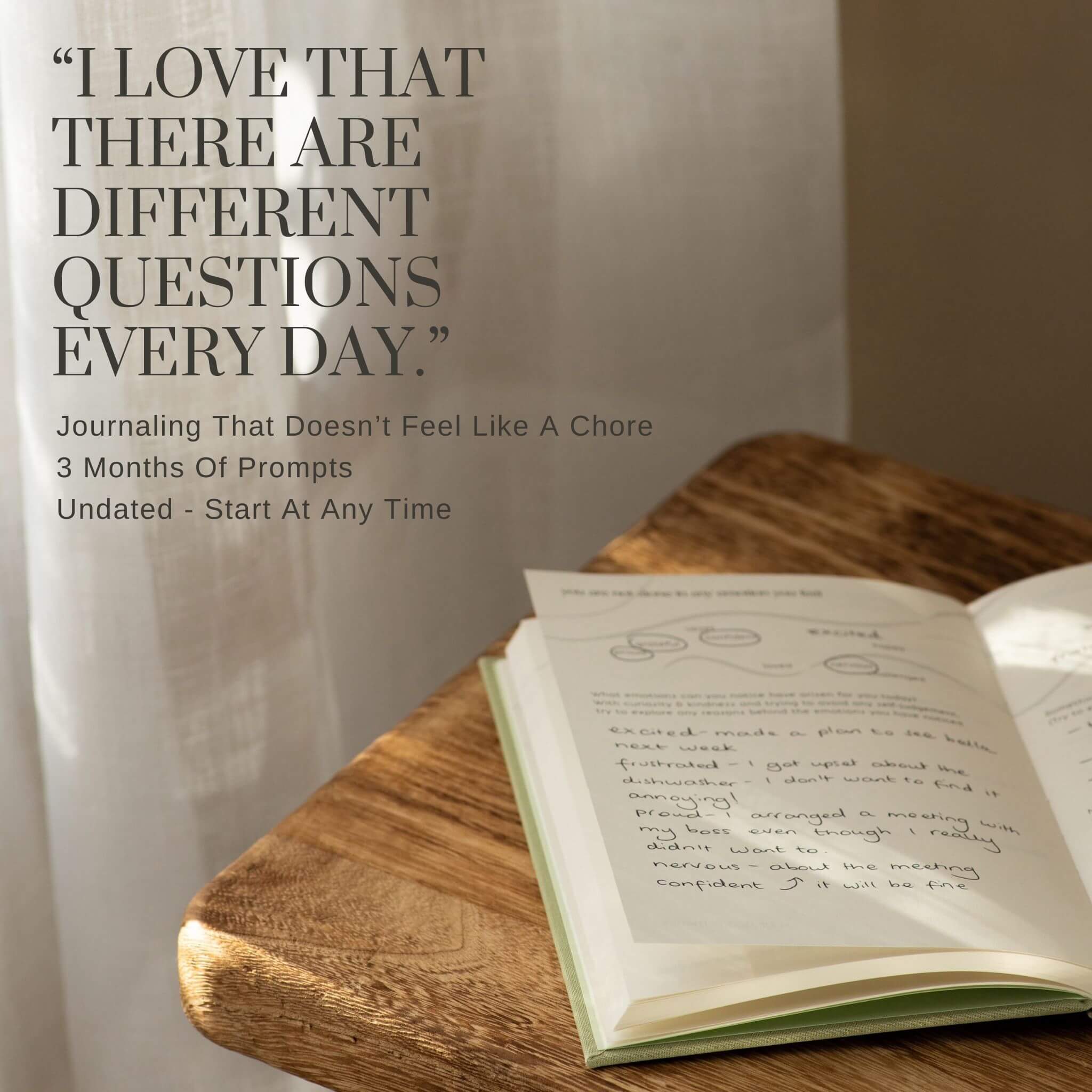
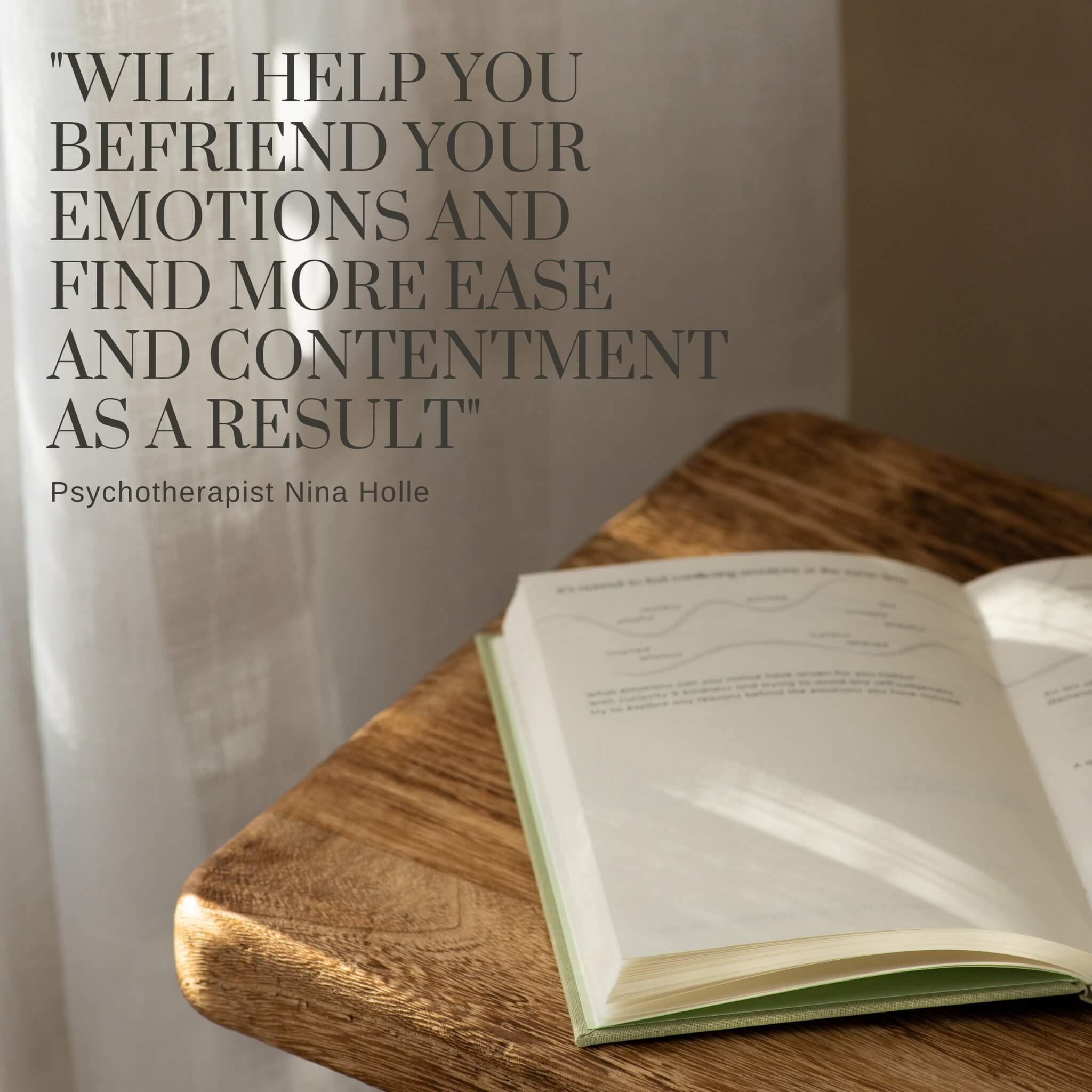
- Identify specific emotions (not just "bad" or "stressed") using the emotion wheel on every page—research shows naming emotions reduces their intensity
- Respond to yourself with kindness using self-compassion techniques from Dr. Kristin Neff's research
- Process what you're feeling with 90 completely unique prompts—never mechanical or repetitive
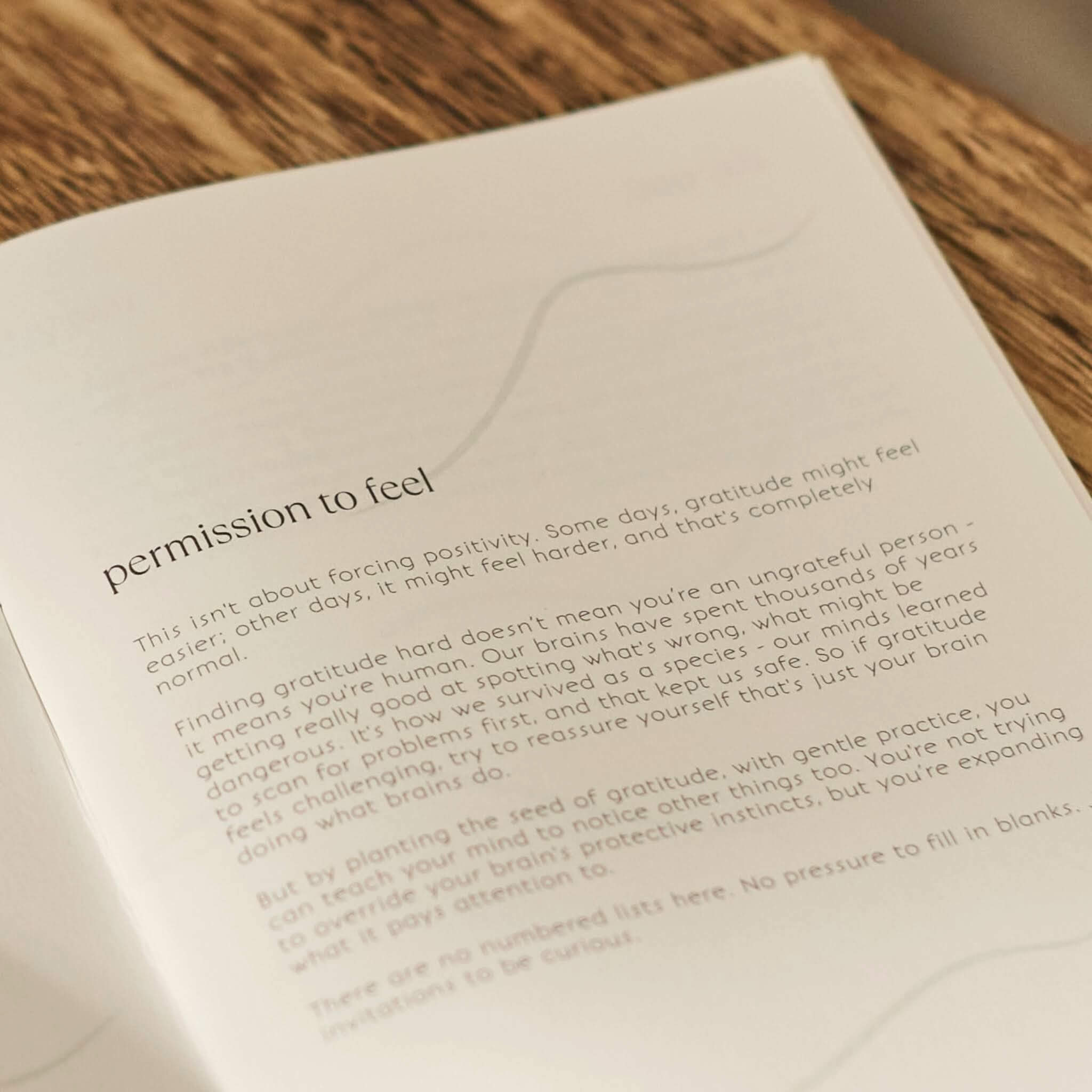
- Give yourself permission for difficult days—no toxic positivity or forced cheerfulness

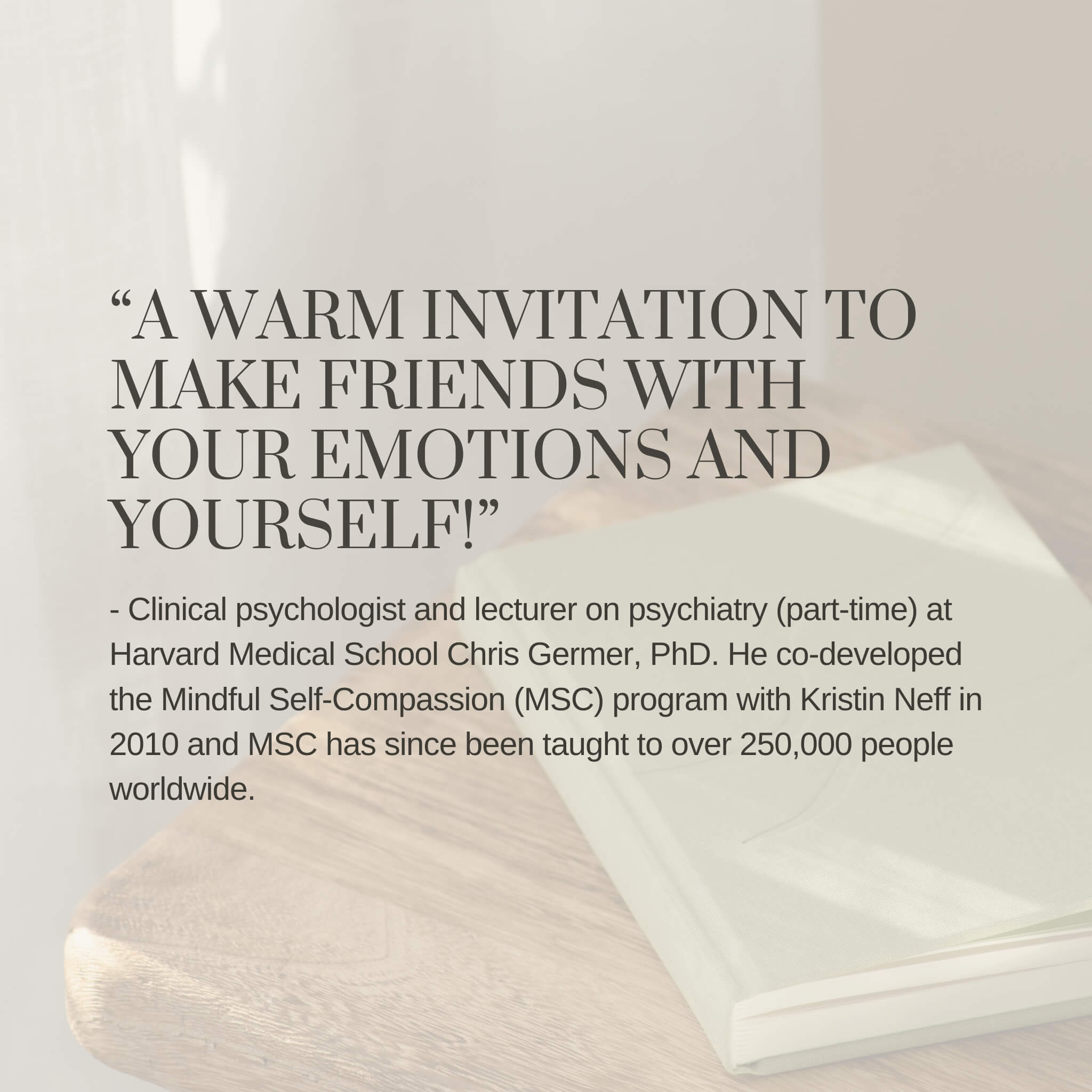
Dr. Chris Germer, PhD
Clinical Psychologist, Harvard Medical School | Co-developer of Mindful Self-Compassion (MSC) program taught to 250,000+ people worldwide
"A warm invitation to make friends with your emotions and yourself!"

Professor Willem Kuyken, PhD, DClinPsy
Ritblat Professor of Mindfulness and Psychological Science, University of Oxford | Top 1% most cited scientists worldwide
"Rachel has curated the experience to make the writing intrinsically rewarding and the journal something to treasure."
Perfect for: Someone struggling with anxiety, overwhelm, harsh self-talk, or navigating a difficult period. Used by therapists with clients worldwide.
Sleep Affirmation Cards
For when their mind won't quiet at night
Why this helps:
When you're struggling, sleep often suffers. Racing thoughts at bedtime. Worrying about tomorrow. Your mind won't switch off.
These cards use self-compassion principles to quiet an overactive mind before bed—not generic "sleep tips" but gentle reminders that help you be kind to yourself at night.

Dr. Olena Santangeli, PhD
Neuroscientist specializing in sleep and circadian rhythms | University of Oxford
"I particularly like how they foster positive thinking, relaxation, and self-compassion, which are key in managing sleep and stress. They wonderfully echo the principles of cognitive-behavioral therapy for insomnia."
Perfect for: Someone whose mind races at bedtime, struggling with insomnia during stress, or needing help "switching off."
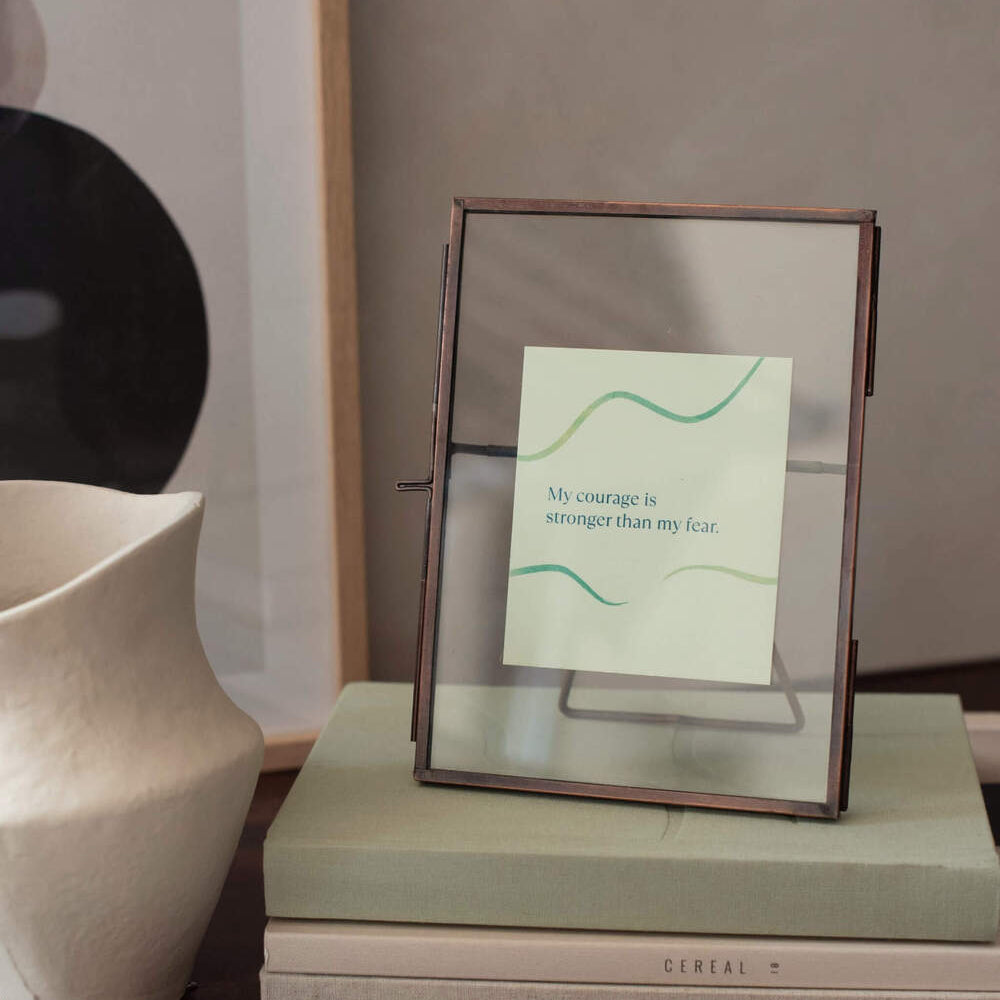
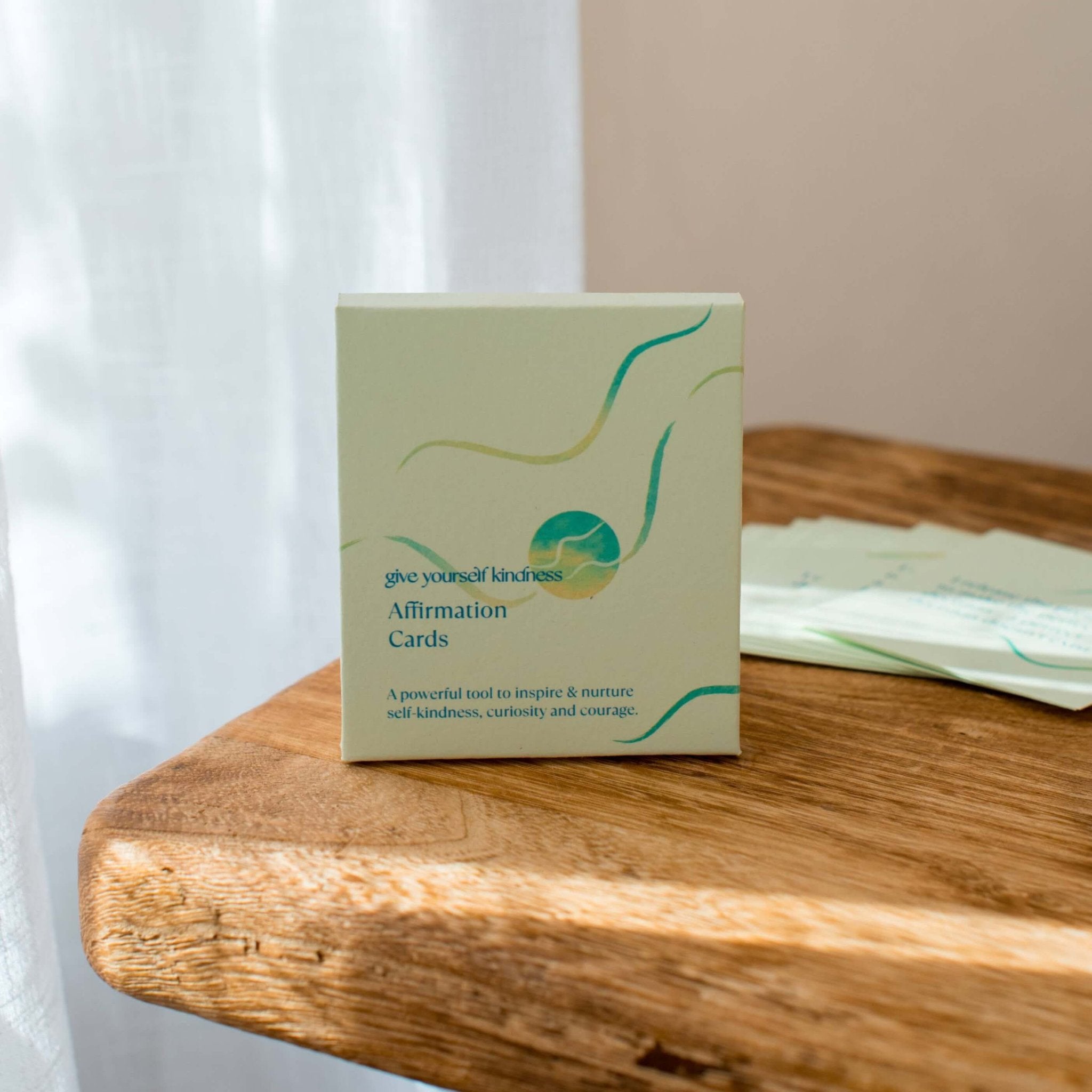
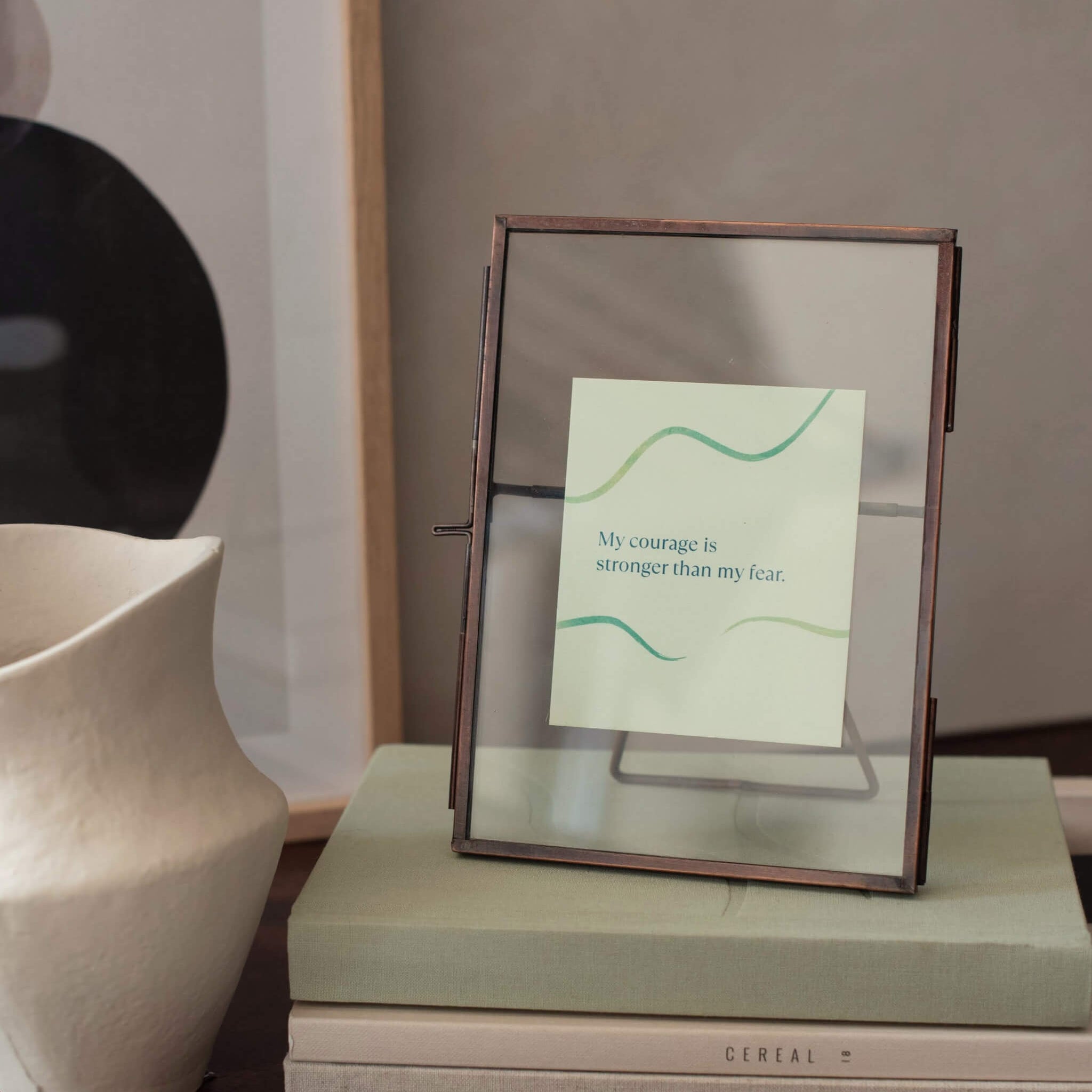
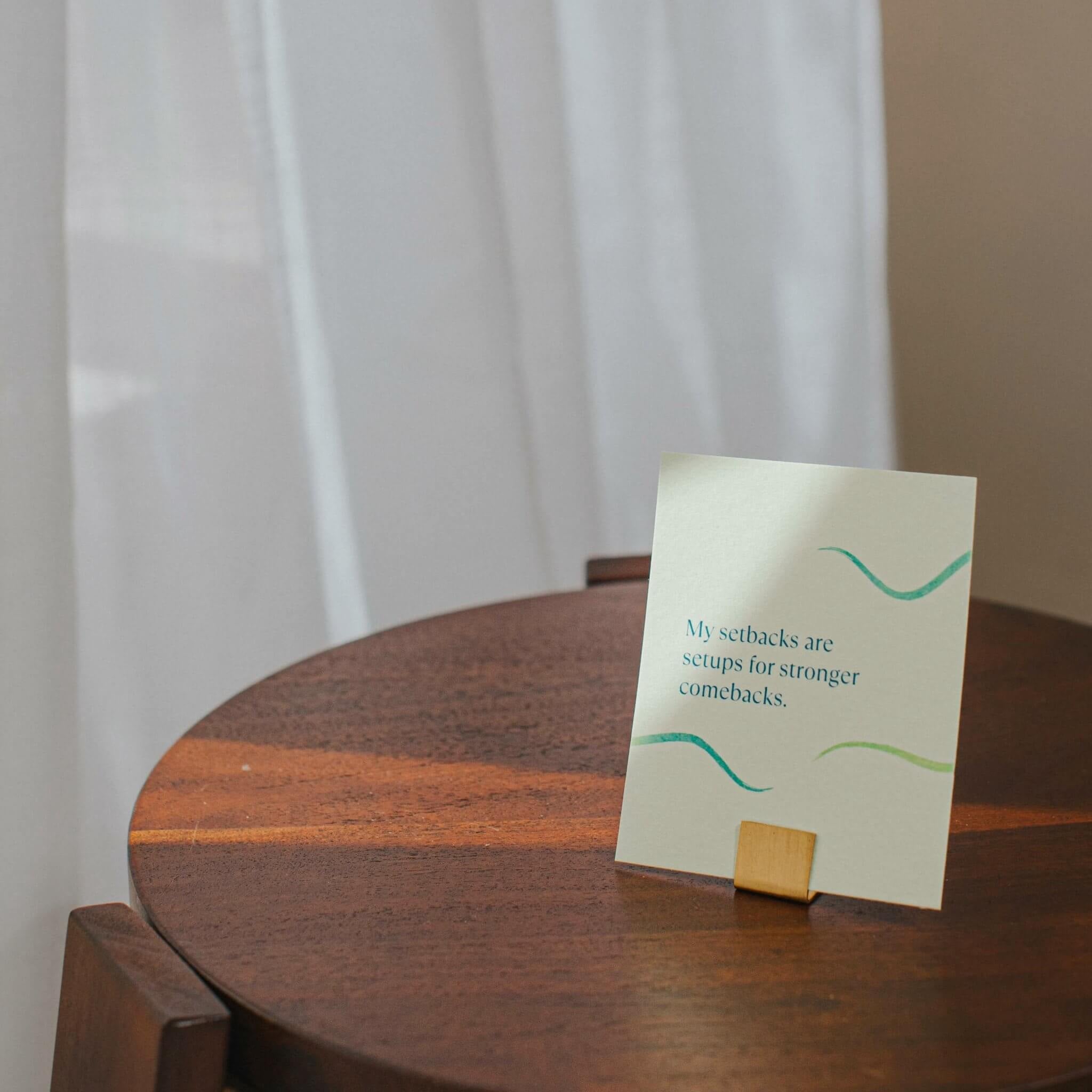
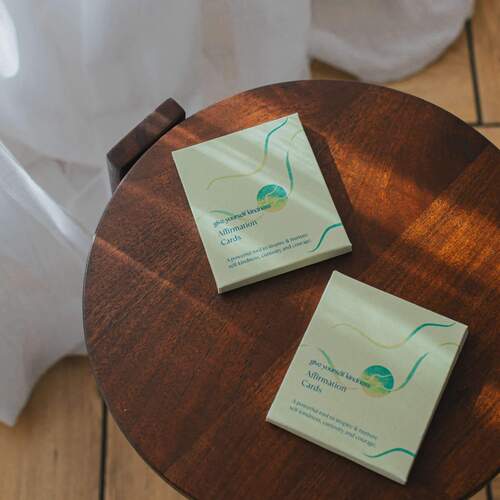
Self-Compassion Affirmation Cards
For daily gentle reminders
Why these are different:
Most affirmation cards feel hollow. "You're amazing!" "Good vibes only!" They don't address what someone struggling actually needs to hear.
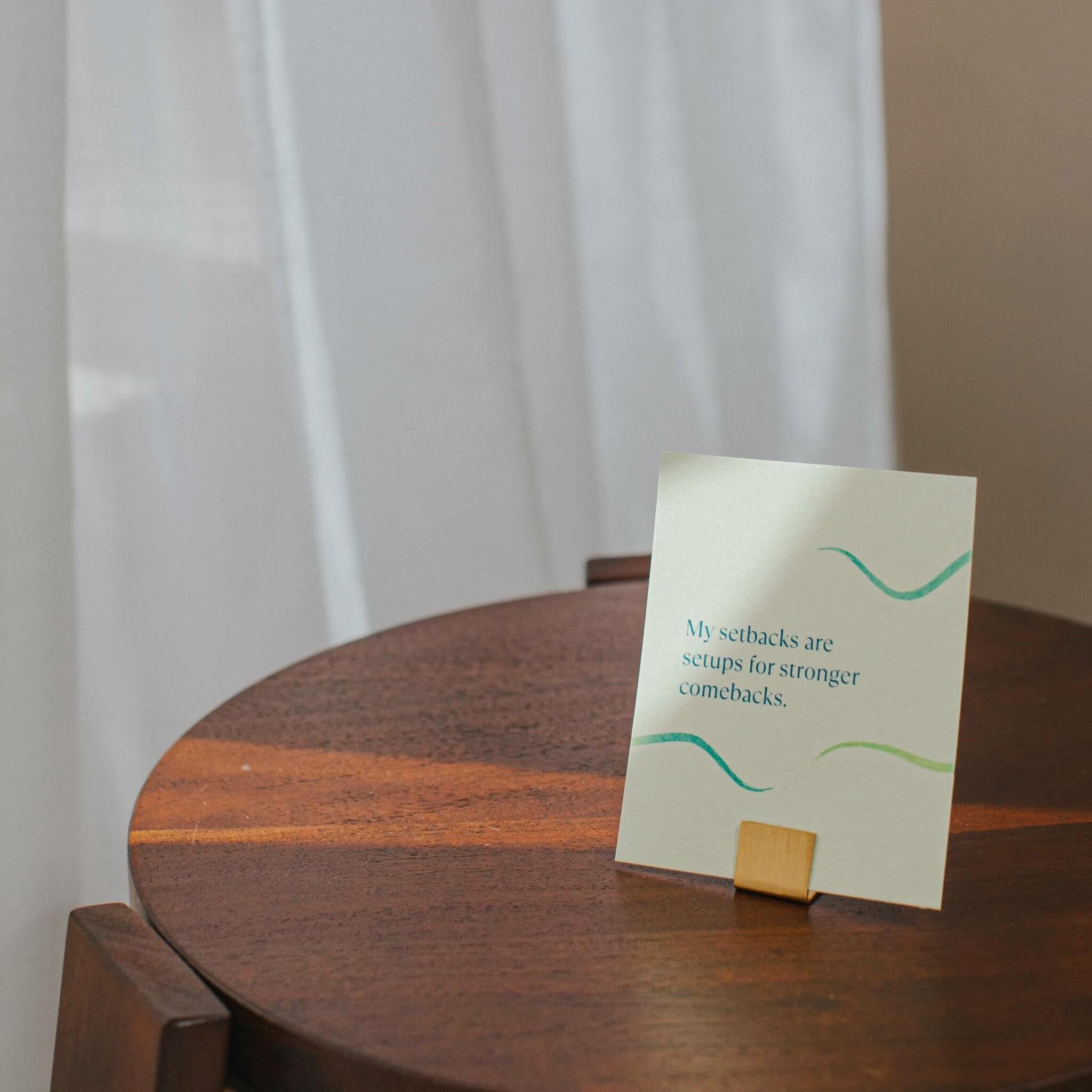
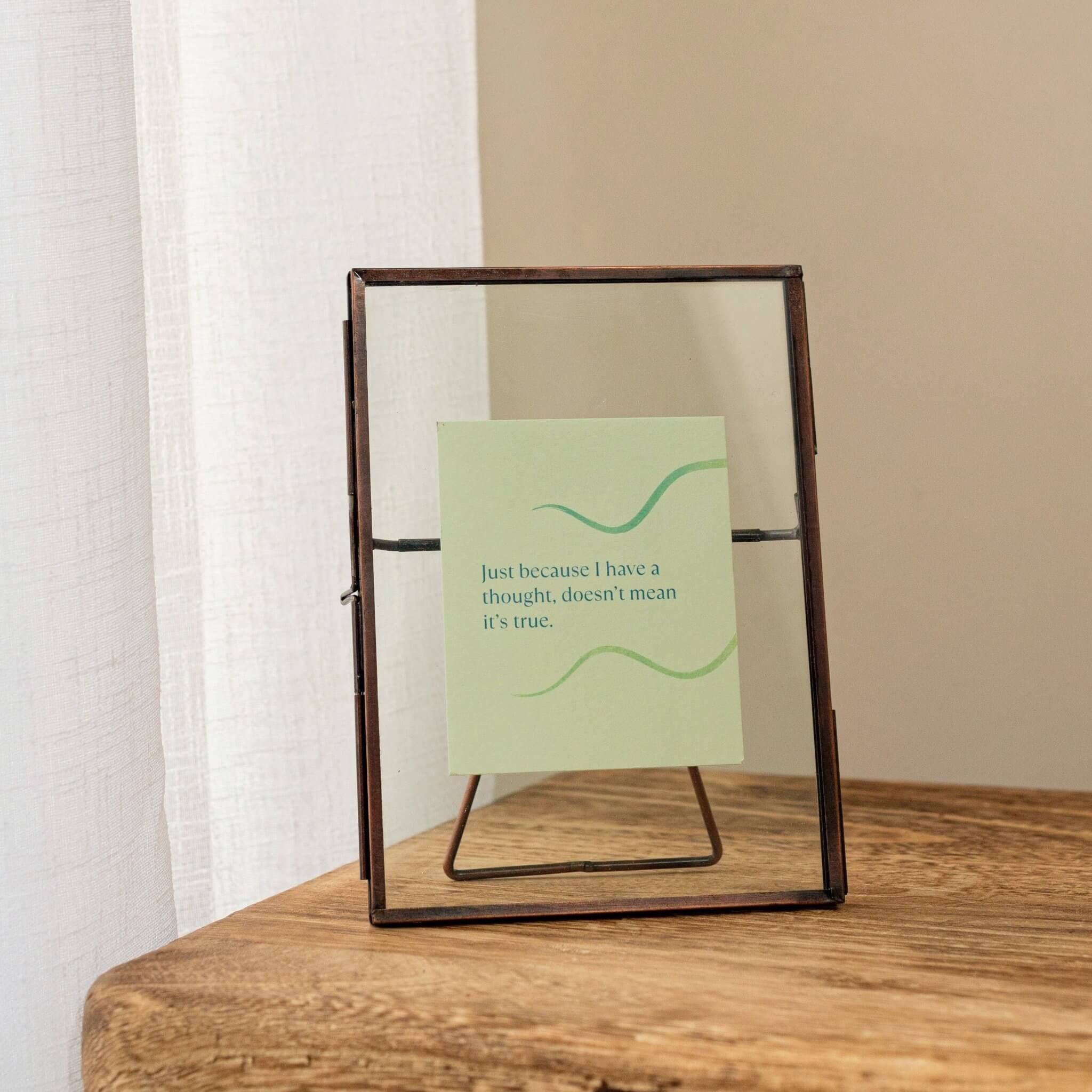
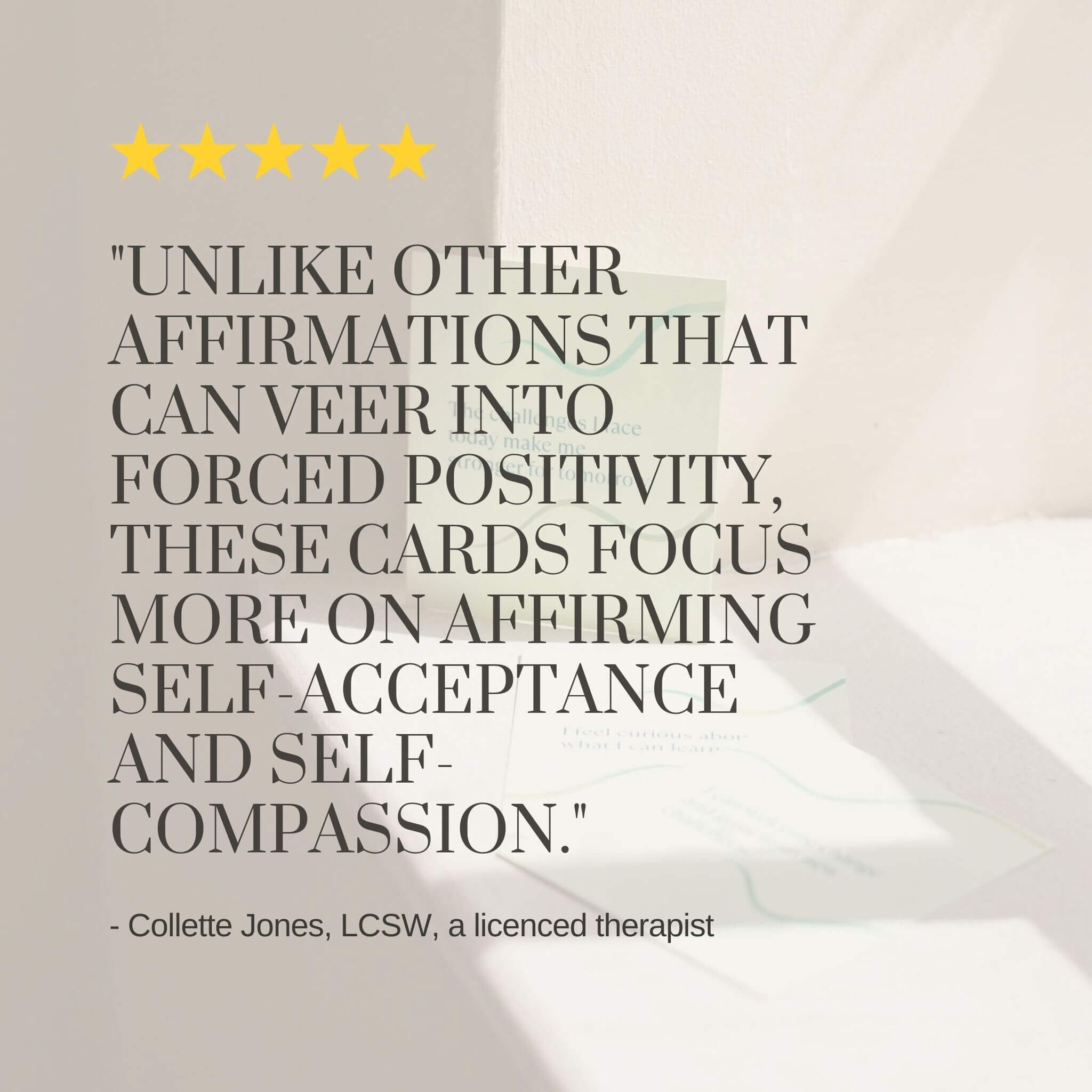
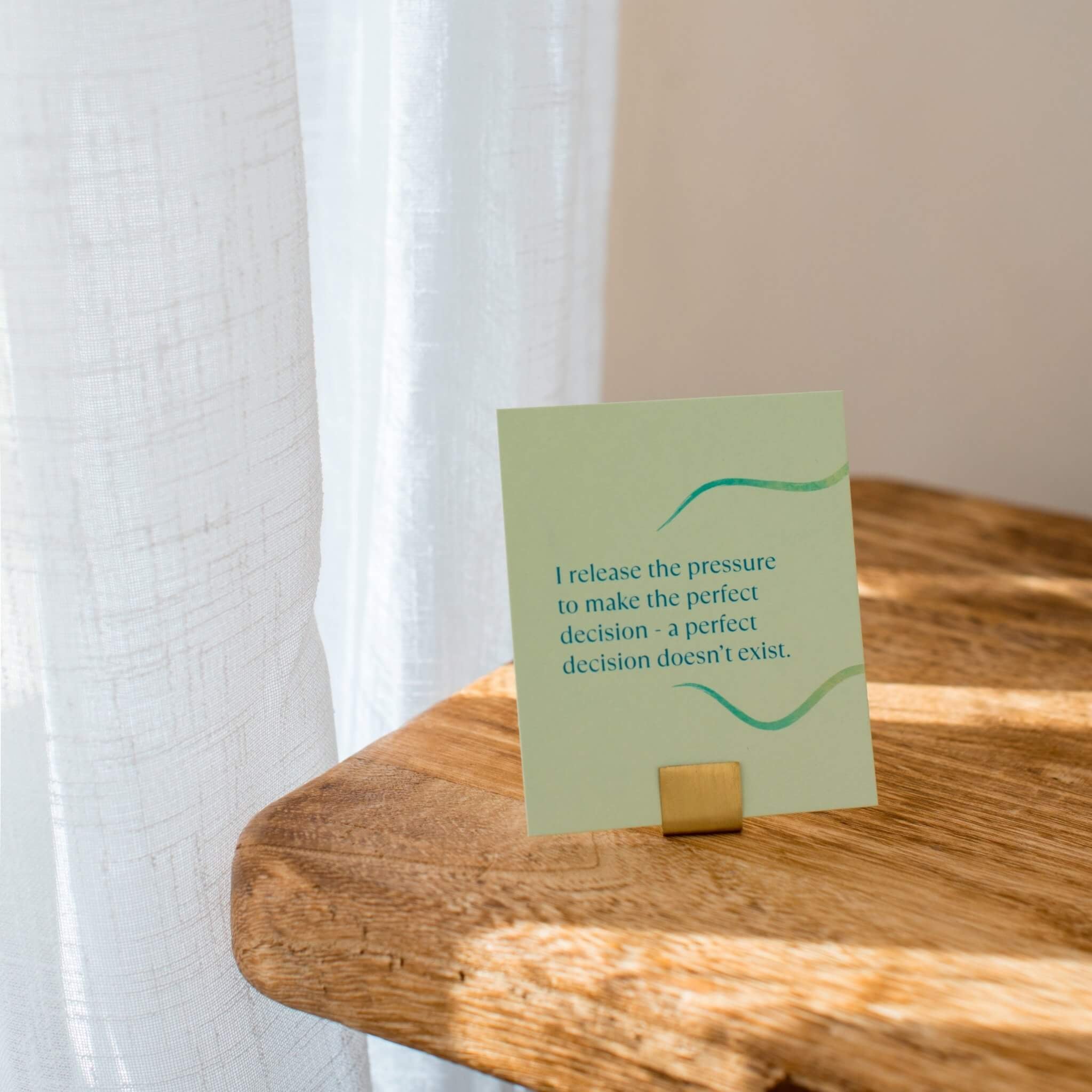
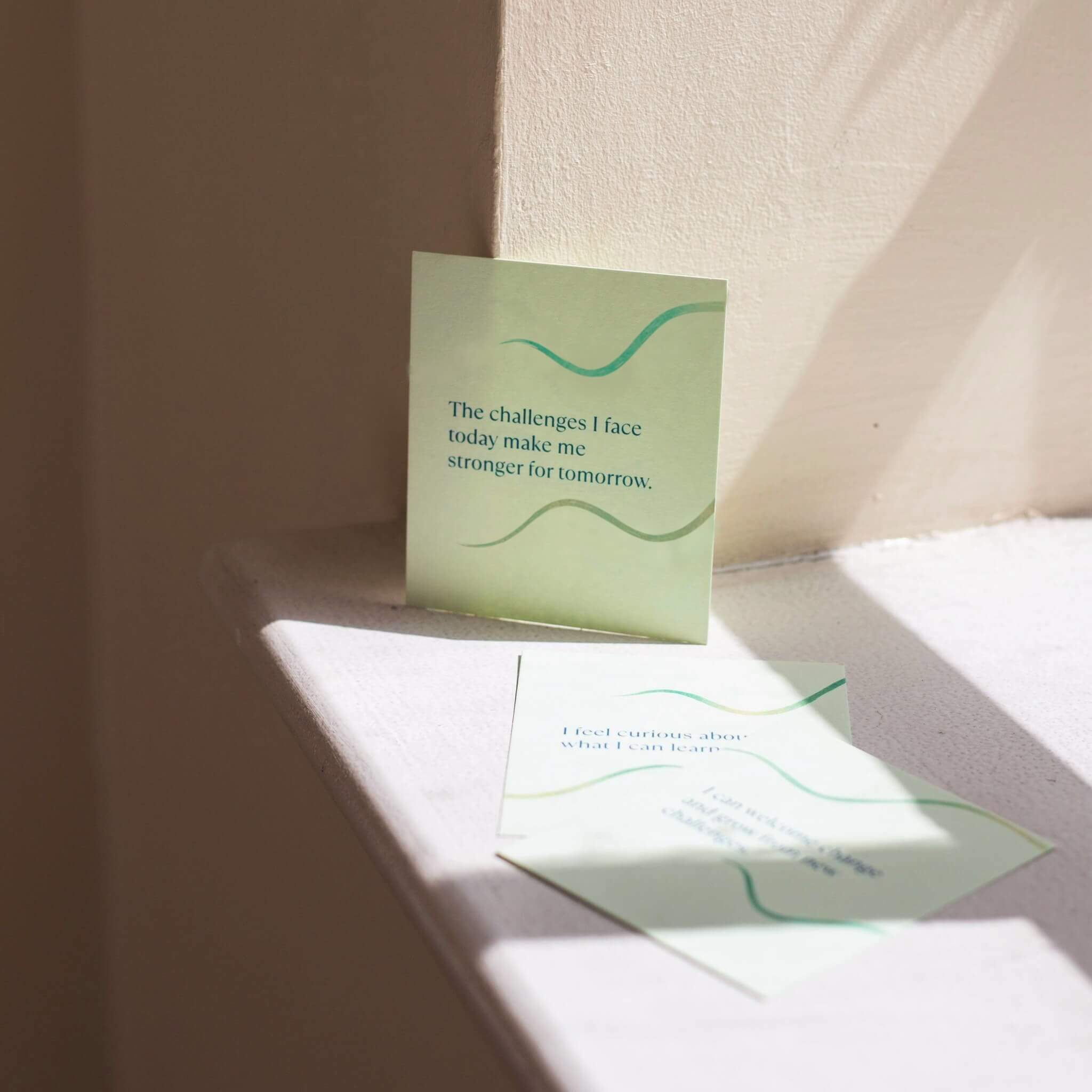
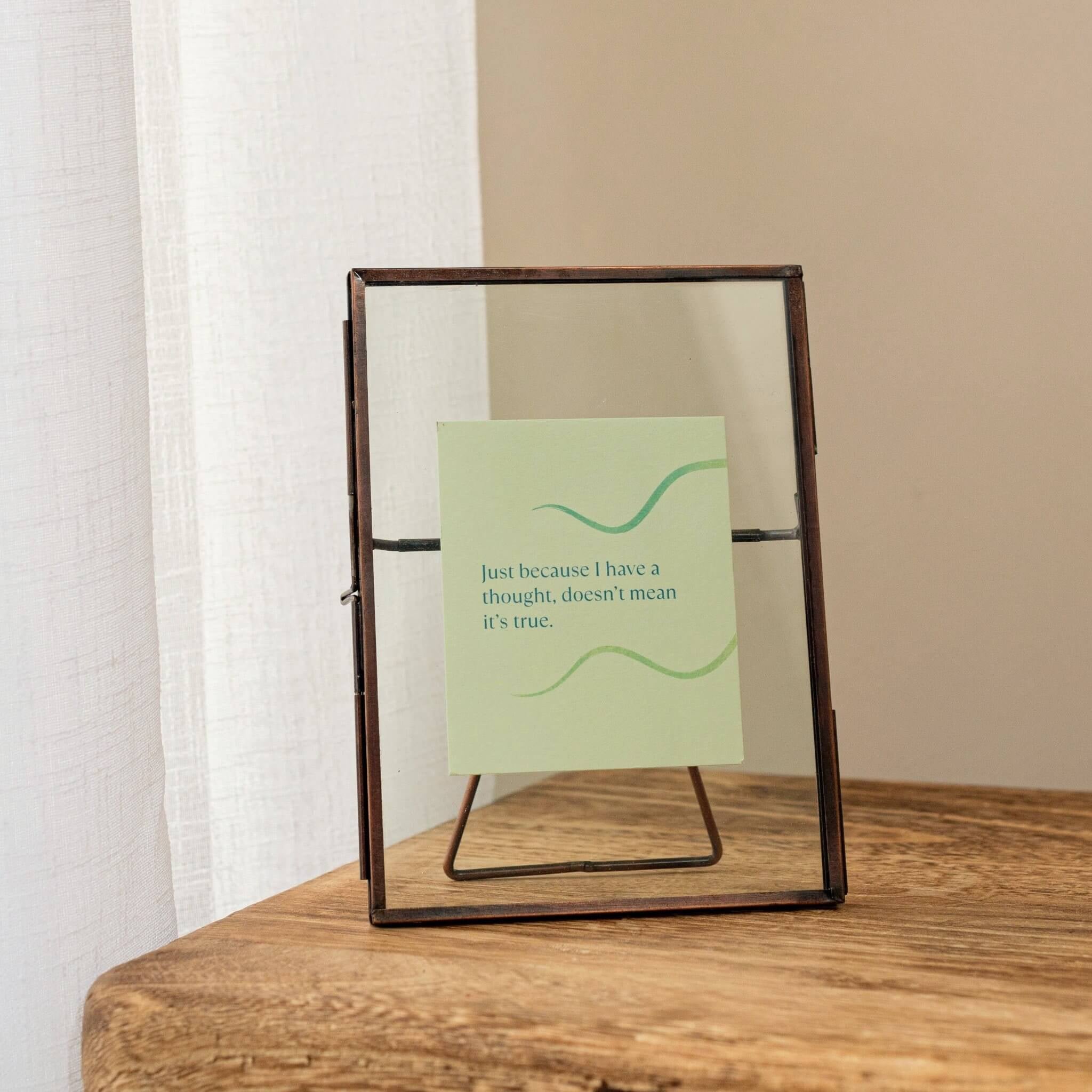
These cards acknowledge real difficulty while offering support. No toxic positivity—just permission to be human.
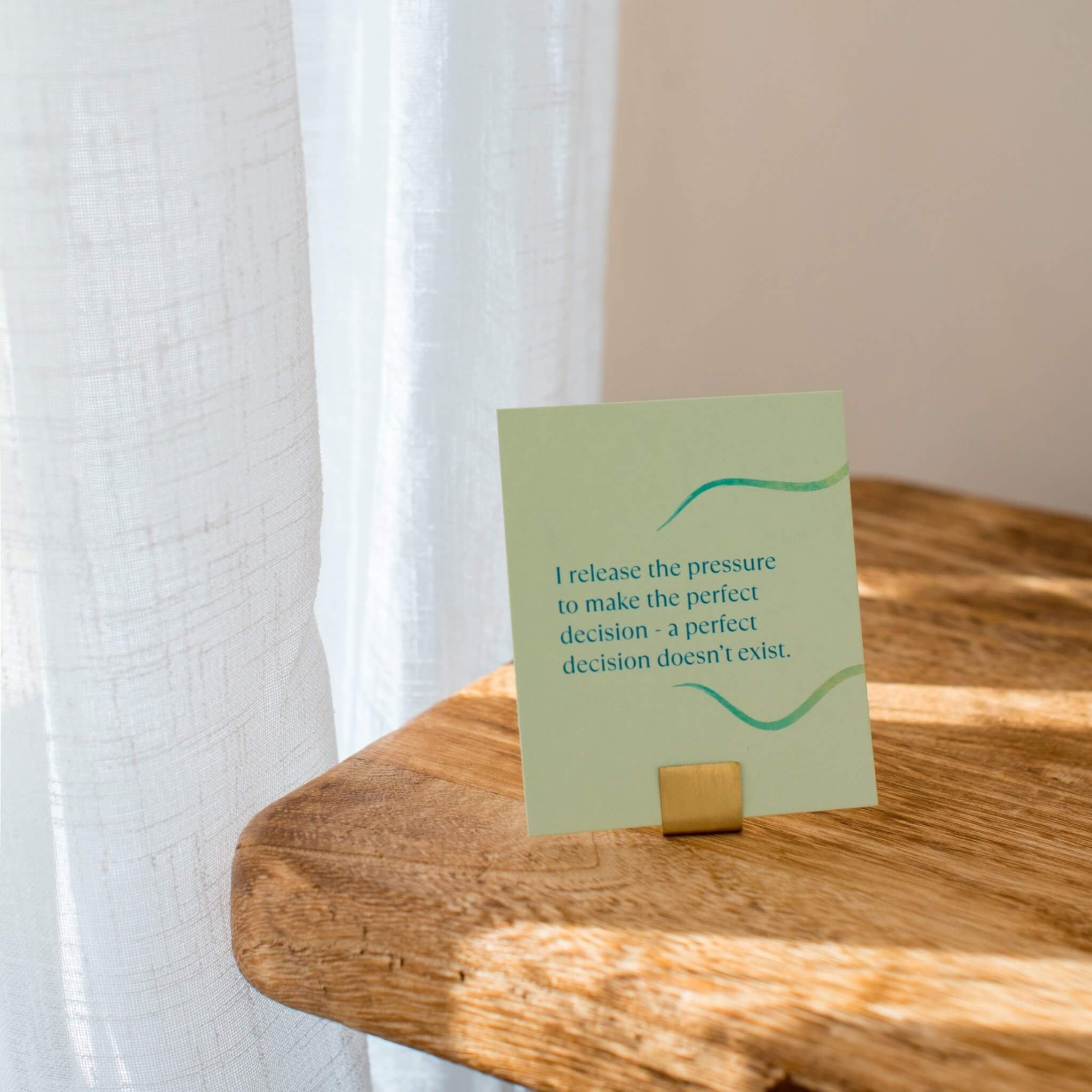
Example affirmations:
- "I can't be perfect, and I don't need to be"
- "All emotions are allowed and valid"
- "I'm learning to treat myself like someone I love"
- "Today, I did enough"
Perfect for: Someone who needs daily encouragement but finds traditional affirmations too intense or unrealistic. Takes only 30 seconds.
You Are Enough Charm
A physical reminder they can carry with them
Why this matters:
Sometimes people need a physical reminder they can touch, see, hold. Something tangible that says "you are enough, exactly as you are."
This handcrafted charm can be attached to keys, bags, journals—wherever they need the reminder most. Small enough to be with them always.
Perfect for: Someone who struggles with feeling "not enough," who needs tactile reminders, or who appreciates meaningful small objects they can keep close.
Other Evidence-Based Gift Ideas
While I believe the tools above provide comprehensive support, here are other research-backed options:
Weighted Blanket
Why it works: Research shows weighted blankets reduce anxiety through deep pressure stimulation. Choose 10% of body weight.
Best for: Anxiety, sensory overwhelm, sleep difficulties
Where to find: Gravity Blankets, John Lewis, Amazon (£80-120)
Therapy Session Contribution
Why it works: Professional support is often the most effective intervention.
Important note: Only offer this if they've expressed interest in therapy—don't assume someone needs professional help without knowing
Best for: Someone who wants therapy but cited cost as a barrier
Meditation App Subscription
Why it works: Research demonstrates mindfulness meditation reduces anxiety and improves emotional regulation
Options: Headspace (£50/year), Calm (£40/year), Insight Timer (free + premium)
Best for: Someone interested in meditation who needs guidance
Comfort Items
Why it works: Physical comfort supports emotional wellbeing during difficult times
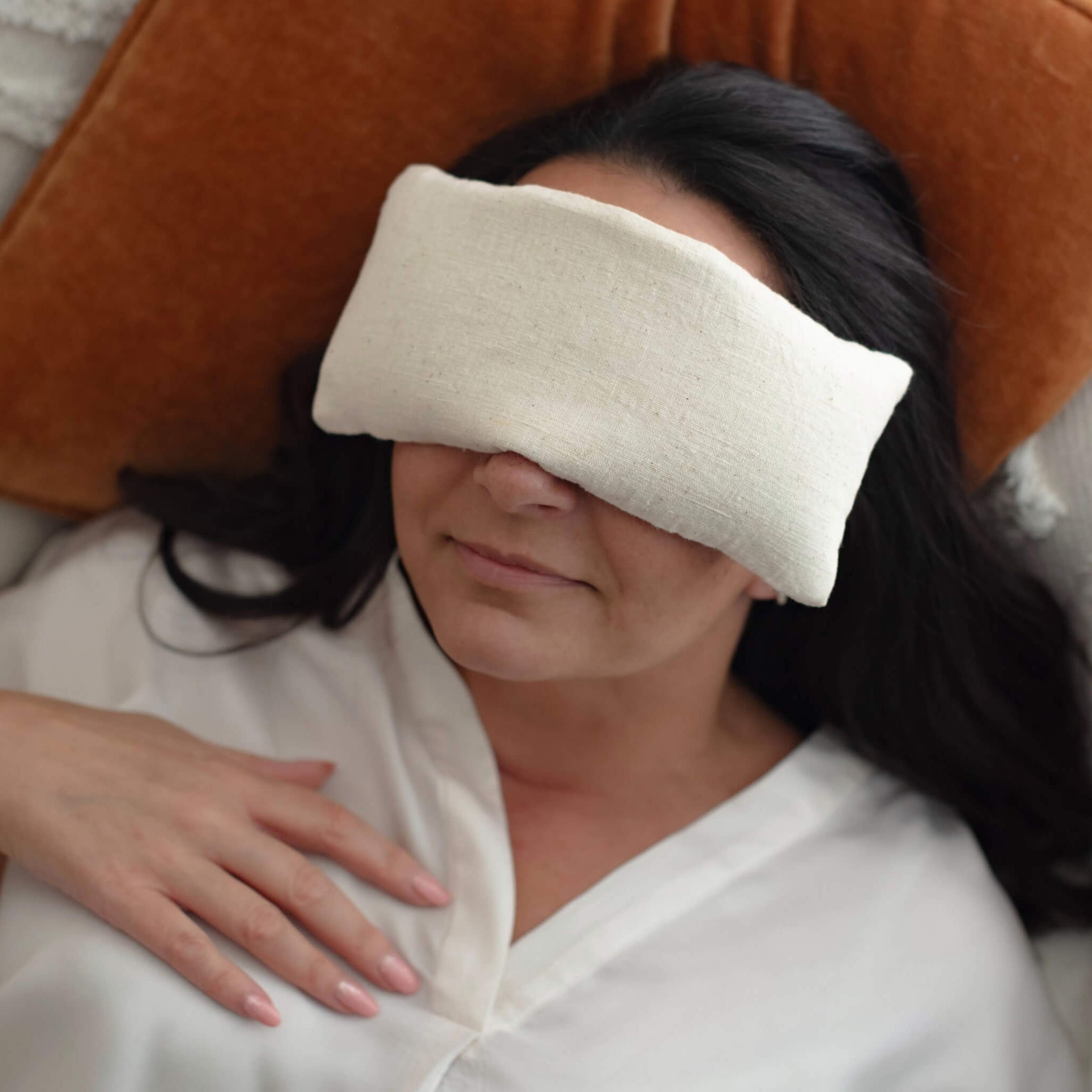
Ideas: Ultra-soft blanket, quality herbal tea collection, comfortable socks, noise-cancelling headphones
Best for: Sensory comfort and small moments of ease
When Gifts Aren't Enough
I need to be honest: These gifts provide support, but they're not treatment.
If someone is experiencing severe depression, suicidal thoughts, self-harm, substance abuse, eating disorders, or other serious conditions—they need professional help.
These gifts work well for:
- General stress and overwhelm
- Difficult life transitions
- Mild-to-moderate anxiety or low mood
- Supporting someone already in therapy
Professional help is essential for:
- Thoughts of self-harm or suicide
- Severe depression interfering with daily functioning
- Trauma requiring processing
- Substance abuse or eating disorders
Crisis resources:
- UK: Samaritans - 116 123 (24/7)
- US: 988 Suicide & Crisis Lifeline - 988
- Crisis Text Line: Text "HELLO" to 85258 (UK) or 741741 (US)
Sometimes the most loving gift is saying: "I'm here for you, and I think talking to someone professional might really help. Can I help you find support?"
How to Give Your Gift
The way you give a gift matters as much as what you give.
What to Say
Try:
- "I know things have been really hard. This helped someone I know, and I thought it might support you too. No pressure to use it—just wanted you to know I'm thinking of you."
- "You deserve support right now. I found these tools created by someone who's been through difficult times, and experts recommend them. I'm also here whenever you need to talk."
- "I've noticed you've been going through a lot. There's no pressure with this—just know I care and I'm here."
The Message
Whatever you say, the core message is: I see you. I support you. You're not alone.
No gift replaces your presence and care—but thoughtful tools can provide daily support when you can't be there.
Common Questions
How do I know they'll actually use it?
You can't guarantee it—and that's okay. What matters is showing you see they're struggling and care enough to give something thoughtful. Many people don't use these tools immediately but return to them later when ready. The undated format means no pressure, no expiration.
Why are you recommending your own products?
Because I created them out of genuine need, and independent experts from Harvard and Oxford recommend them. I've been transparent throughout this guide, and I've included other options. I recommend my products because clinical psychologists recommend them—not just because they're mine. You can read all independent expert reviews here.
Can I give these to myself?
Absolutely. Self-compassion research shows treating yourself with kindness is one of the most effective wellbeing strategies. You deserve support too.
Give a Gift That Shows You Care
These evidence-based tools provide genuine daily support during difficult times. Recommended by clinical psychologists from Harvard and Oxford. Used by therapists with clients worldwide.
All gifts include: Beautiful gift packaging and optional handwritten note
Related reading:
- Best Gifts for Burnout — Specific guide for burnout recovery
- Self-Compassion is Not Self-Pity — By Dr. Kristin Neff & Dr. Chris Germer
- What Mental Health Experts Say — Independent reviews from Harvard, Oxford psychologists
- The Research on Self-Compassion — Dr. Kristin Neff's research center
About the author: Rachel Smith (DipBSoM) is a qualified meditation teacher and the creator of Give Yourself Kindness. After her own experience with anxiety and harsh self-talk, she recovered through Compassion-Focused Therapy and created evidence-based tools when she couldn't find what she needed. Her journals are now recommended by clinical psychologists from Harvard Medical School (Dr. Chris Germer) and University of Oxford (Professor Willem Kuyken), and used by licensed therapists with clients worldwide.


“By far my favourite guided journal that I’ve used!”
There's a lot of journals out there. Most of which include tools that can be repetitive, boring or unhelpful. Give Yourself Kindness is about creating something new.