





⚠️ Important: A Journal Is Not Treatment for Depression
If you're experiencing depression, please work with a qualified therapist or medical professional. A journal can be a supportive tool alongside professional treatment, but it cannot replace therapy or medical care.
If you're in crisis, please contact:
- UK: Samaritans - 116 123 (24/7)
- US: 988 Suicide & Crisis Lifeline - Call or text 988
This page shares what therapists and clinical psychologists recommend when suggesting journals to support clients who are already receiving professional treatment for depression.
When I was struggling with my mental health, I tried journaling—but most journals made me feel worse. The forced positivity felt impossible. The daily tracking made me feel like I was failing.
What helped me was Compassion-Focused Therapy with a qualified therapist. And alongside therapy, I wanted a journal that wouldn't add to the pressure—one that acknowledged depression is real and hard.
So I created a journal based on what helped me in therapy, and had leading clinical psychologists review it to ensure it genuinely supports people—not one that makes empty promises.
This page shares what therapists look for when recommending journals to clients experiencing depression.
Rachel Smith (DipBSoM) is a qualified meditation teacher who created Give Yourself Kindness after Compassion-Focused Therapy helped her own mental health. She is not a therapist or psychologist. Her work is recommended by clinical psychologists including Dr. Chris Germer (Harvard Medical School) and used by therapists with clients experiencing depression worldwide.
Understanding Depression and Journaling
Depression is a real, clinical condition—not something you can "positive-think" your way out of. That's why it's crucial to understand what journaling can and cannot do.
What Research Shows About Self-Compassion and Depression

Dr. Chris Irons
Clinical Psychologist | One of the world's leading researchers, trainers & practitioners of Compassion Focused Therapy (CFT)
What clinical psychology research demonstrates:
Studies have found that people with higher levels of self-compassion tend to have higher levels of wellbeing, positive emotions and happiness, and lower levels of shame, self-criticism and symptomology related to psychological distress (for example, depression, anxiety and PTSD).
What Journaling Can Do (Alongside Therapy)
Research shows that journaling can support mental health when used as part of a comprehensive treatment plan. According to clinical psychologists, journaling may help with:

Dr. Josh Mirmelli
Licensed Psychologist (CA Lic. No. 31895) | 15+ years experience in mental health and addiction
Clinical psychologists note that journaling:
- Helps process emotions - Creating a safe space to understand and manage feelings
- Identifies negative thought patterns - "Journaling plays a crucial role in cognitive restructuring...especially helpful for those dealing with anxiety, depression, or trauma" (Dr. Josh Mirmelli)
- Builds self-awareness - Tracking patterns in thinking and behavior
- Supports self-monitoring - Noticing progress in mental health recovery
- Develops self-compassion - Responding to yourself with kindness instead of criticism
What Journaling Cannot Do
A journal is not:
- A replacement for therapy or medication
- A cure for depression
- Something that will make you feel better immediately
- Appropriate as your only form of support
If you're experiencing depression, please work with a qualified mental health professional. Many therapists recommend journals as a complement to treatment—not instead of it.
Why Most Journals Don't Help When You're Depressed
If you've tried journaling before and felt worse, it wasn't your fault. Many journals accidentally make depression harder:
❌ Toxic Positivity That Dismisses Real Pain
When you're depressed, being told to "think positive" or list three things you're grateful for can feel impossible—and make you feel worse, like you're ungrateful or broken.
Depression is real. Your feelings are valid. A good journal doesn't dismiss that.
❌ Dated Pages That Create Guilt
Depression makes everything harder—including journaling. Dated journals with missed days look like visible proof you're failing, adding to the shame depression already brings.
❌ Repetitive Prompts That Feel Meaningless
The same prompts every day ("1, 2, 3 things I'm grateful for") become mechanical and hollow. When you're depressed, you need prompts that acknowledge difficulty—not ones that force cheerfulness.
❌ Exercise and Weight Tracking
While movement can help mental health, daily body tracking can worsen depression—especially if you're already experiencing negative body image or disordered eating patterns.
These features don't support depression recovery. They reinforce shame, guilt, and self-criticism—exactly what depression already does to you.
What Therapists Look for in Journals for Depression
When clinical psychologists and therapists recommend journals to clients experiencing depression, these are the features they consider essential:
1. Space for Difficult Emotions (Not Just Positive Ones)
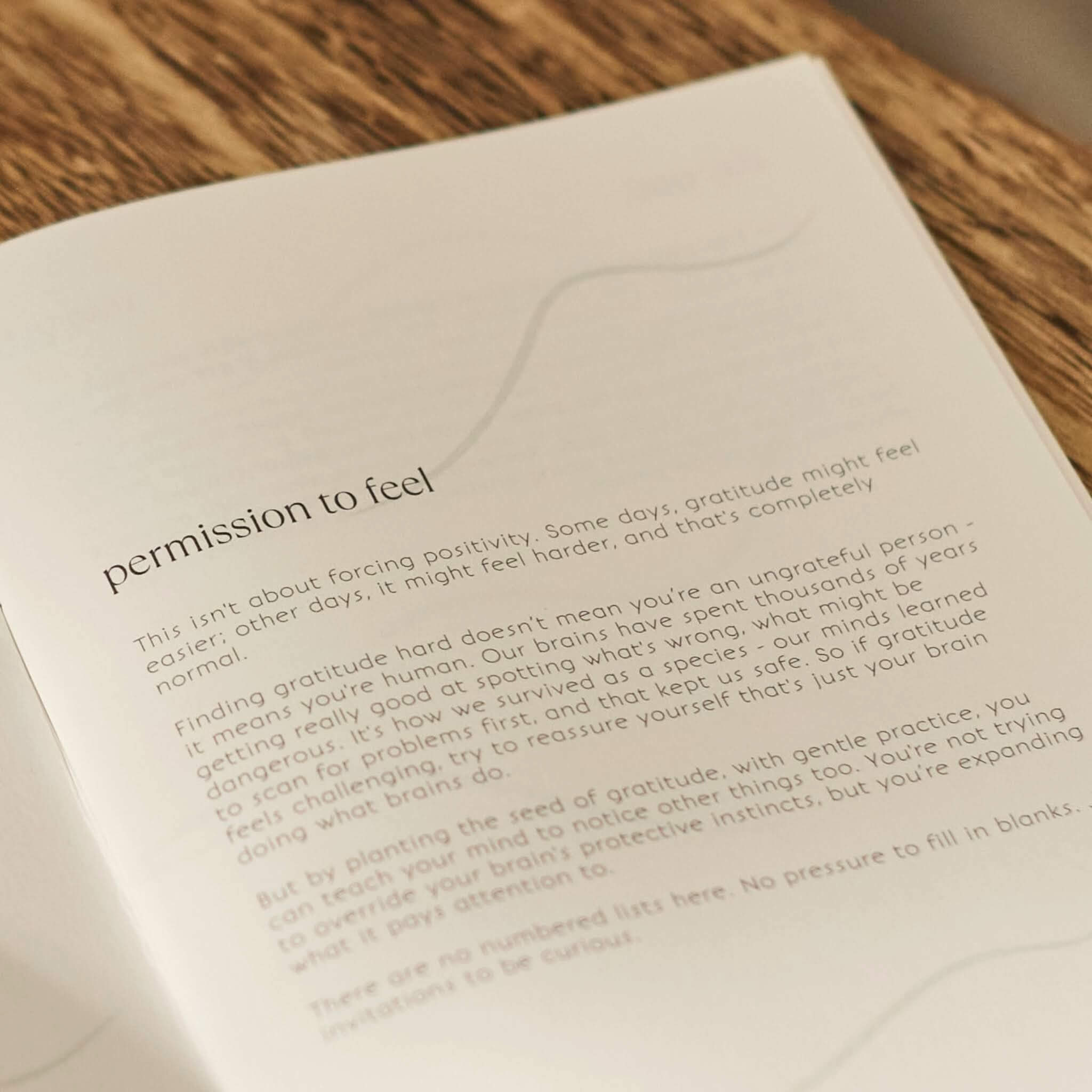
Why therapists recommend this: Depression brings difficult emotions. A therapeutic journal needs to welcome ALL feelings—not suppress them.

Nina Holle
Psychotherapist specializing in psychology, neuroscience, and wisdom traditions
Research shows that acknowledging and exploring difficult emotions (rather than suppressing them) is essential for mental health recovery.

Julie Burke, LPC-S
Licensed Therapist and Private Practice Owner
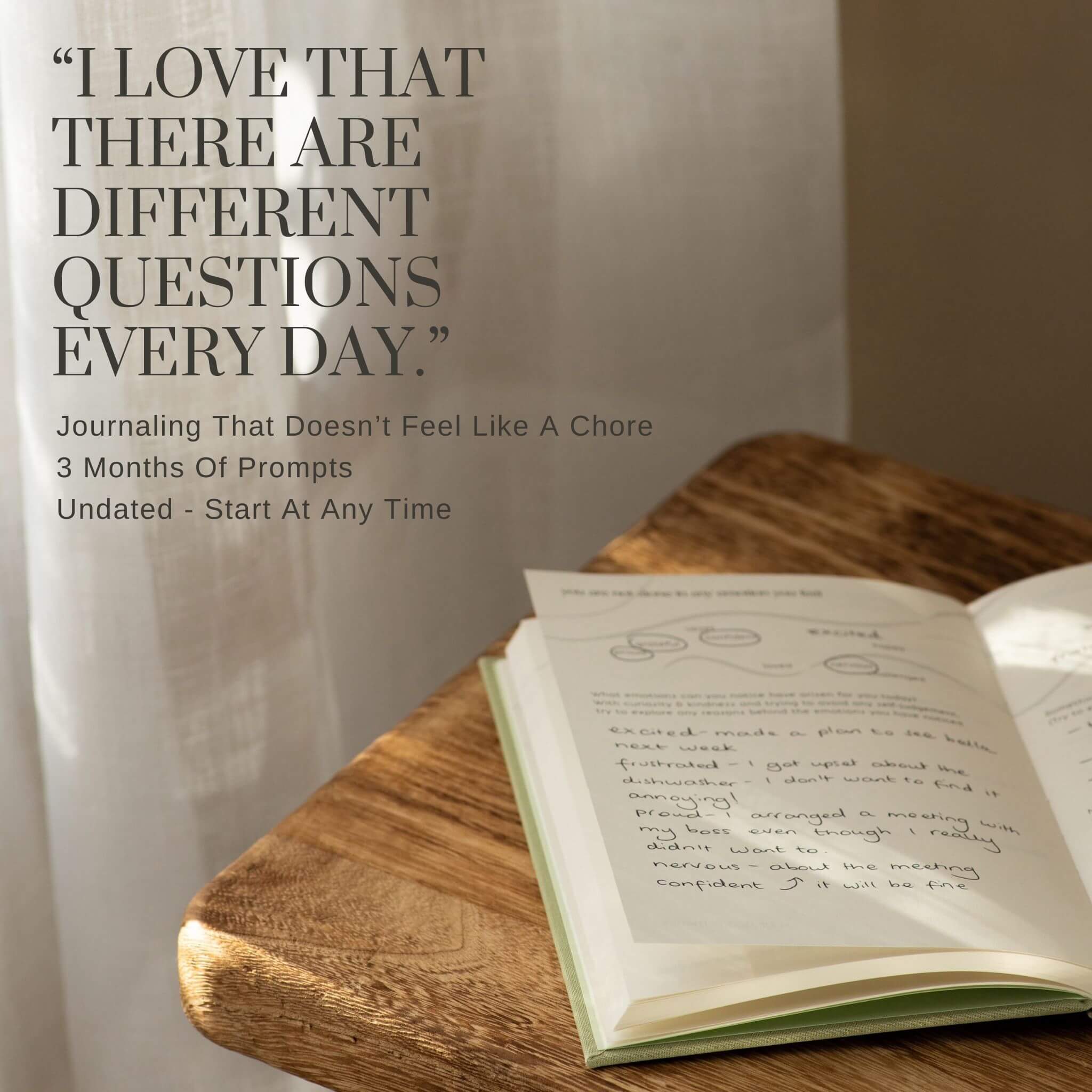
What to look for: Prompts like "What emotions can you notice have arisen for you today? With curiosity and kindness, try to explore reasons behind the emotions you've noticed"—not prompts that only ask about positive moments.
2. Self-Compassion (Not Self-Criticism)
Why therapists recommend this: Research shows self-compassion is more effective than self-criticism for improving mental health—especially for depression.
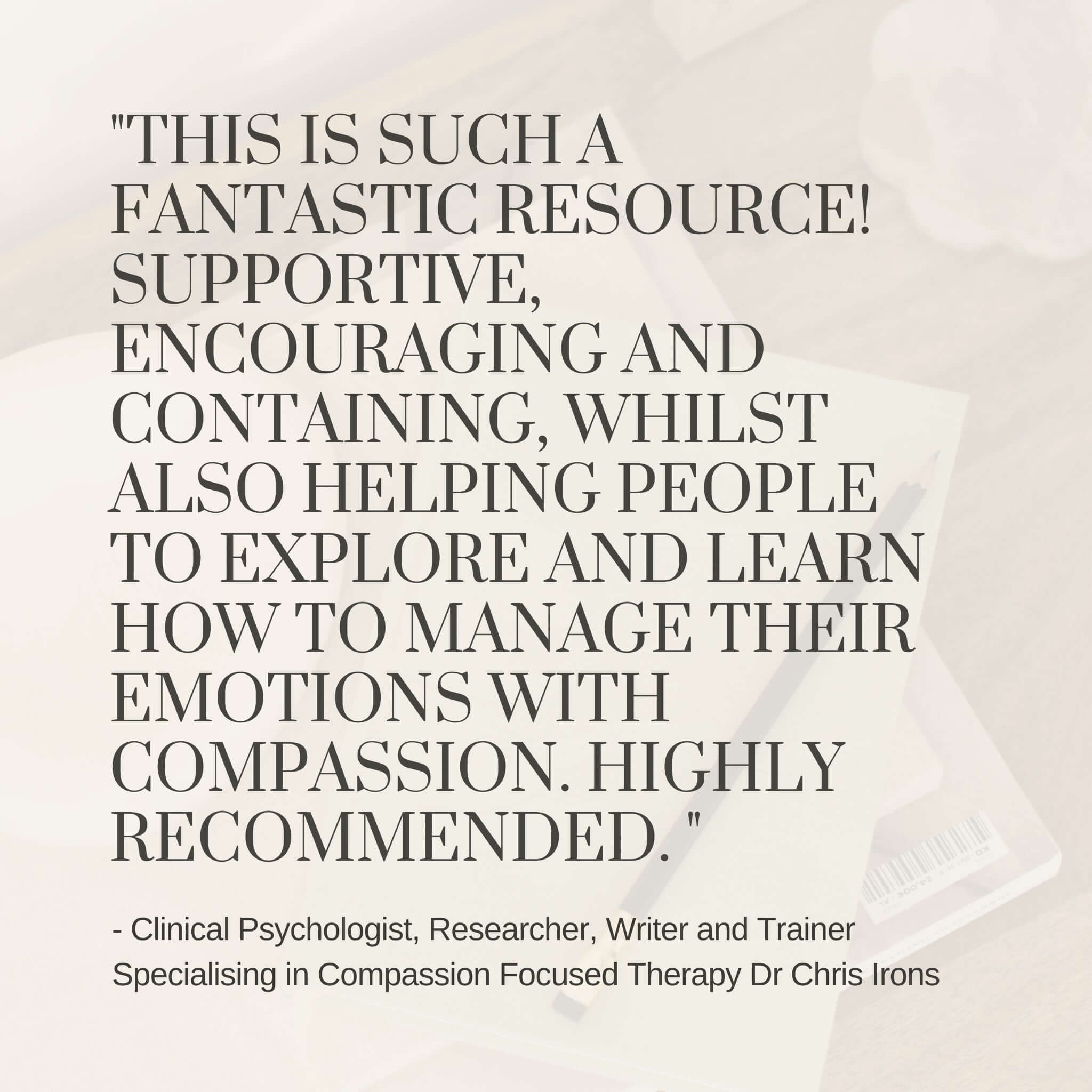
Dr. Chris Irons
Clinical Psychologist | CFT Expert
Depression often comes with harsh self-talk. A therapeutic journal helps you notice this and respond differently—with the same kindness you'd offer a friend who was struggling.

Dr. Annabelle Kyle Dortch, Psy.D.
Los Angeles based Clinical Psychologist | Specializes in life transitions, relationships, stress, anxiety, and trauma
What research shows about self-compassion and depression:
According to clinical psychology research by Dr. Kristin Neff, self-compassion is key in decreasing anxiety and depression and developing courage, resilience, and a growth-oriented mindset.
What to look for: Prompts like "What has challenged you today? Talk to yourself as you would talk to a friend—write down what you would say" rather than prompts that demand achievement or positivity.
3. Undated Format (No Guilt for Missing Days)
Why therapists recommend this: Depression makes consistency difficult. A journal that creates guilt for missed days reinforces shame—the opposite of what helps.

Carrie Pollard, MSW RSW
Experienced Psychotherapist
Life happens. Depression makes things harder. You're not a bad person if you don't journal every day.
What to look for: An undated journal that welcomes you back whenever you're ready—without visible gaps that look like failure.
4. Varied Prompts (Not Repetitive Lists)
Why therapists recommend this: Depression can make motivation difficult. Repetitive prompts feel mechanical and hollow. Varied prompts keep engagement meaningful.

Professor Willem Kuyken, PhD, DClinPsy
Ritblat Professor of Mindfulness and Psychological Science at the University of Oxford | Listed in the top 1% of most cited scientists worldwide
What to look for: Different prompts that rotate between emotional awareness, self-compassion, flexible gratitude, and reflection—so it feels meaningful rather than mechanical.
5. Realistic About Gratitude
Why therapists recommend this: Gratitude can support wellbeing, but rigid "list three things" exercises feel impossible when you're depressed—and create shame.

Amy Morin, LCSW
Psychotherapist and international bestselling author | Host of the Mentally Stronger podcast | One of the most popular TEDx talks of all time
Therapeutic journals use flexible, authentic gratitude that acknowledges when life is hard.
What to look for: Prompts like "Something that happened today I feel grateful for (try to explore how it made you feel)" or "An act of kindness someone has shown me recently"—not rigid daily lists that feel forced.
How to Use a Journal Alongside Therapy for Depression
Many therapists recommend journals to clients experiencing depression. Here's how they suggest using one:
Therapist-Recommended Approaches:
- Process therapy insights - Write about what came up in sessions
- Track patterns - Notice what triggers difficult emotions
- Practice self-compassion - Use prompts to respond to yourself with kindness
- Notice small shifts - Depression makes progress feel invisible; journaling helps you see it
- Share with your therapist - Bring journal reflections to sessions if it helps
- Be gentle with yourself - If you miss days, that's okay. Return when you're ready.

Rachael Oliver MBACP
Accredited Counsellor
Important reminder: A journal supports therapy—it doesn't replace it. If you're not currently working with a therapist and experiencing depression, please reach out for professional support.
Why Leading Experts Recommend This Approach
When I created the Give Yourself Kindness journal, I had it reviewed by leading clinical psychologists and self-compassion researchers to ensure it genuinely supports people experiencing depression.
Here's what they said:

Dr. Chris Germer, PhD
Clinical Psychologist, Harvard Medical School | Co-developer of the Mindful Self-Compassion (MSC) program with Kristin Neff in 2010. MSC has since been taught to over 250,000 people worldwide.
Dr. Chris Irons
Clinical Psychologist | CFT Expert
Professor Willem Kuyken, PhD, DClinPsy
Ritblat Professor of Mindfulness and Psychological Science at the University of Oxford | Listed in the top 1% of most cited scientists worldwide
Common Questions About Journaling for Depression
A journal can be a supportive tool alongside therapy and professional treatment, but it cannot treat depression on its own.
Research shows that journaling may help with processing emotions, practicing self-compassion, and tracking patterns—when used as part of comprehensive treatment.
If you're experiencing depression, please work with a qualified therapist or medical professional. Many therapists recommend journals like Give Yourself Kindness as a complement to therapy.
If journaling makes you feel worse, the approach probably isn't right. Many journals accidentally reinforce self-criticism, force positivity, or create guilt—exactly what doesn't help depression.

Michelle Shlafman, Ph.D., LPC, ACS
Holistic Psychotherapist
A journal should feel supportive, not like another thing you're failing at. If it doesn't, try a different approach—or discuss journaling with your therapist to see if it's right for you.
No. Depression makes consistency difficult, and that's okay. Research shows that what matters is meaningful reflection—not perfection.
The Give Yourself Kindness journal is undated so you can return whenever you're ready, without guilt. Life happens. You're not a bad person if you don't journal every day.
This is incredibly common, especially when experiencing depression. Dr. Chris Irons has identified 10 common fears of self-compassion—including worries that it will make you lazy, weak, or self-indulgent.
Research shows these fears aren't true. Self-compassion actually helps depression more than self-criticism does.
A good journal includes gentle prompts that help you practice self-compassion gradually—it doesn't force you into discomfort. As therapist Julie Burke notes, the prompts should "feel safe and encouraging" rather than demanding.
Because research by clinical psychologists shows self-compassion is more effective than positive thinking for depression.
Positive thinking asks you to pretend everything is fine. Self-compassion acknowledges that you're struggling—and responds with kindness anyway. It doesn't dismiss depression as something to "think positive" about.
That's why therapists recommend self-compassion approaches for clients experiencing depression.
No. If you're experiencing depression, you need professional support from a qualified therapist or medical professional.
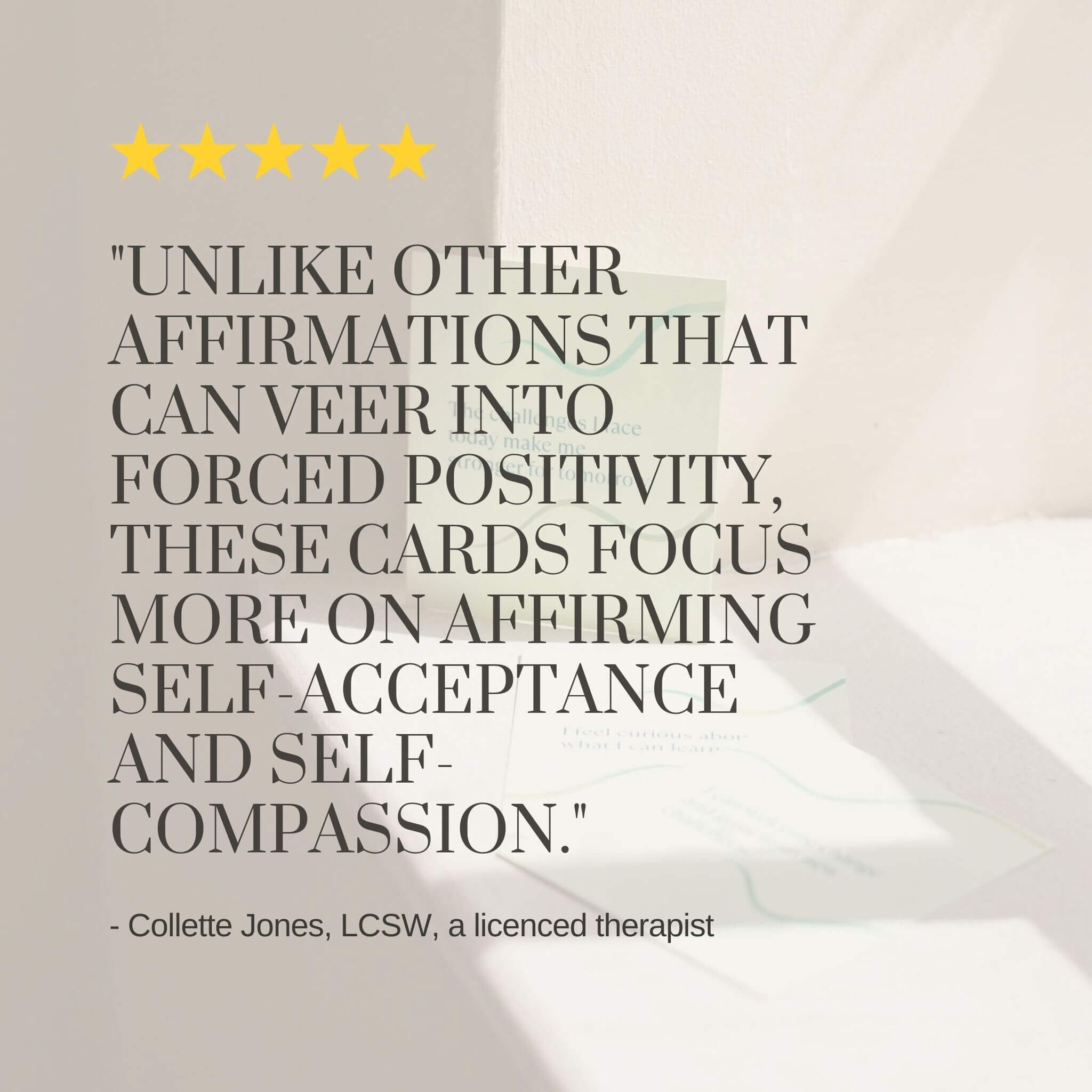
Many therapists use this journal with their clients as a supportive tool alongside therapy. Accredited counsellor Rachael Oliver MBACP says the journal is helpful for clients "throughout their counselling journeys" to "shine light on their feelings, experiences and thought processes."
Think of it as a companion to professional treatment—not a replacement.
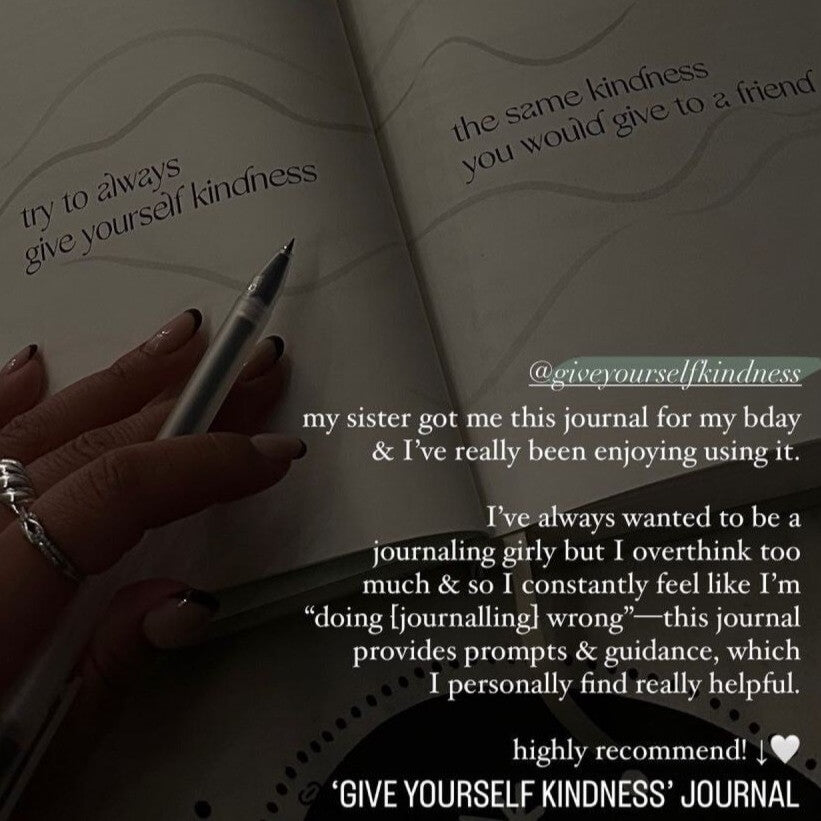
Yes. You don't need any experience. The prompts guide you every step of the way, and there are no "wrong" answers.
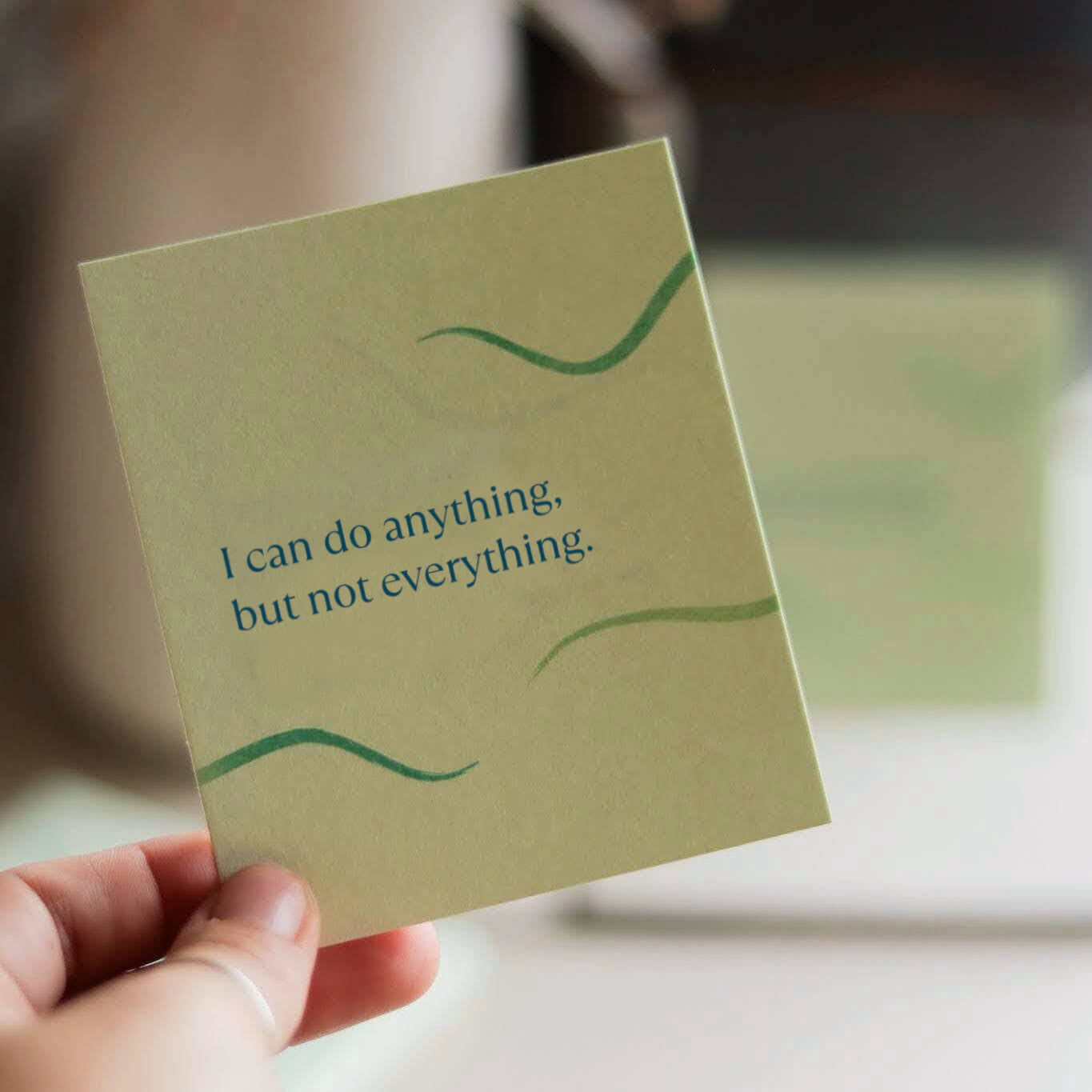
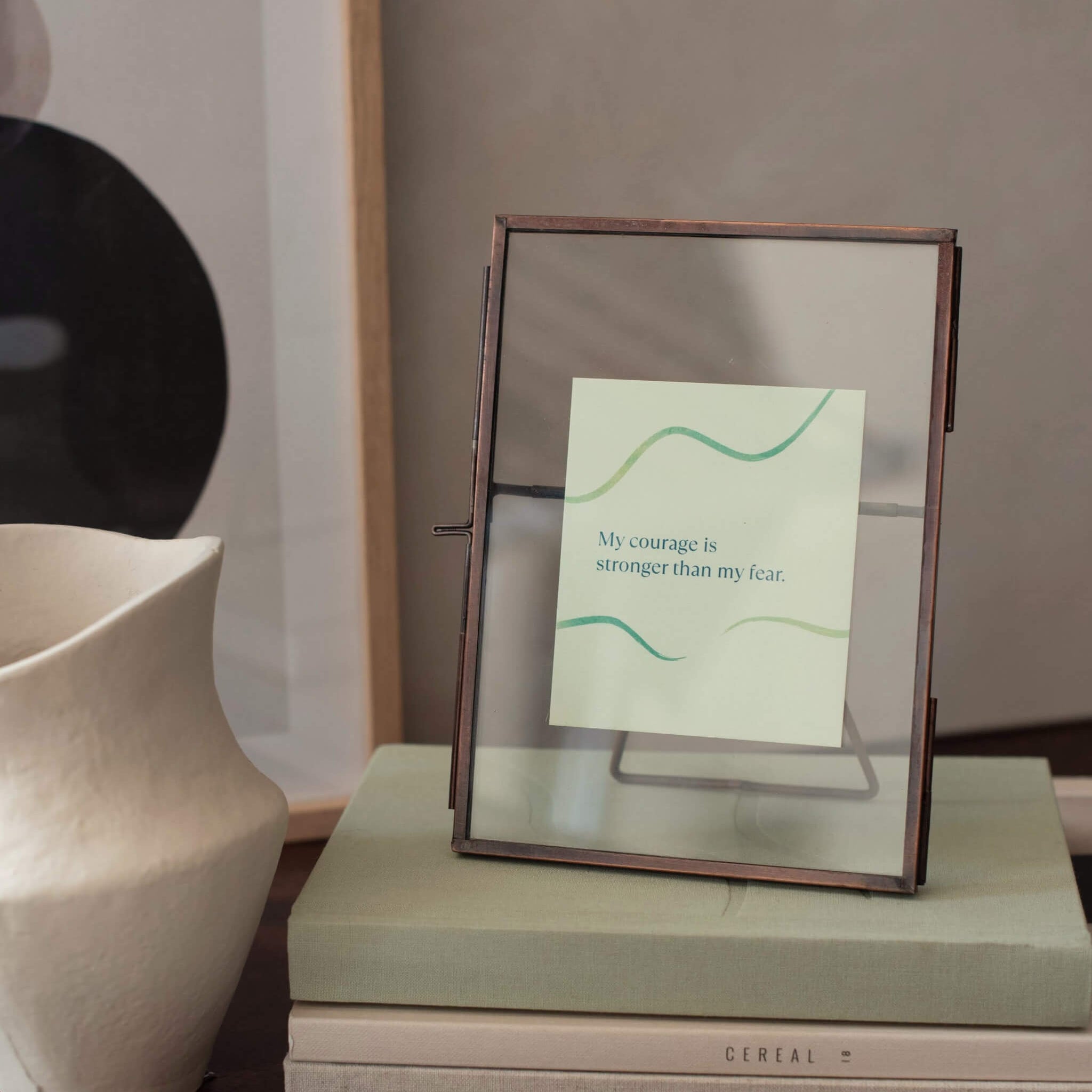
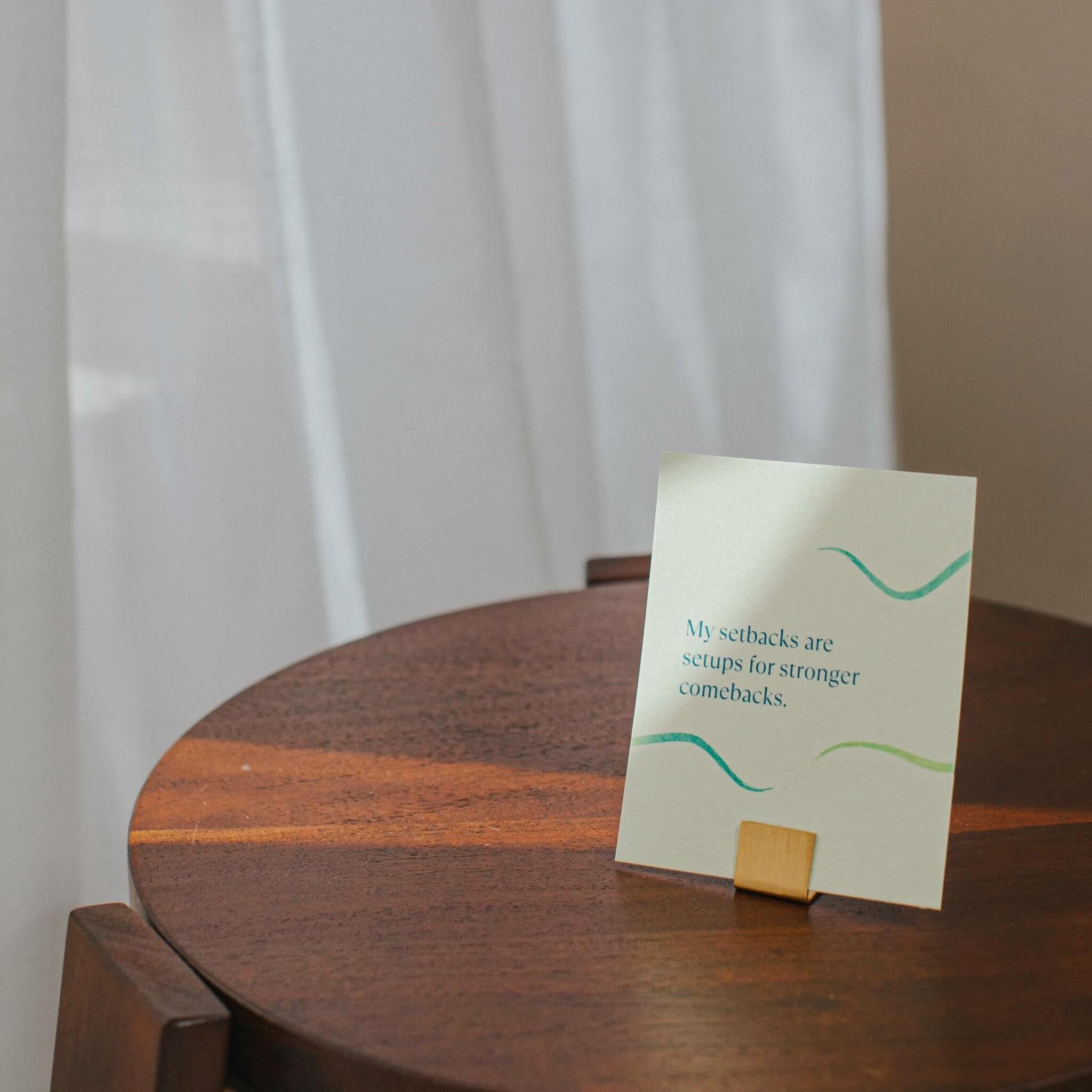
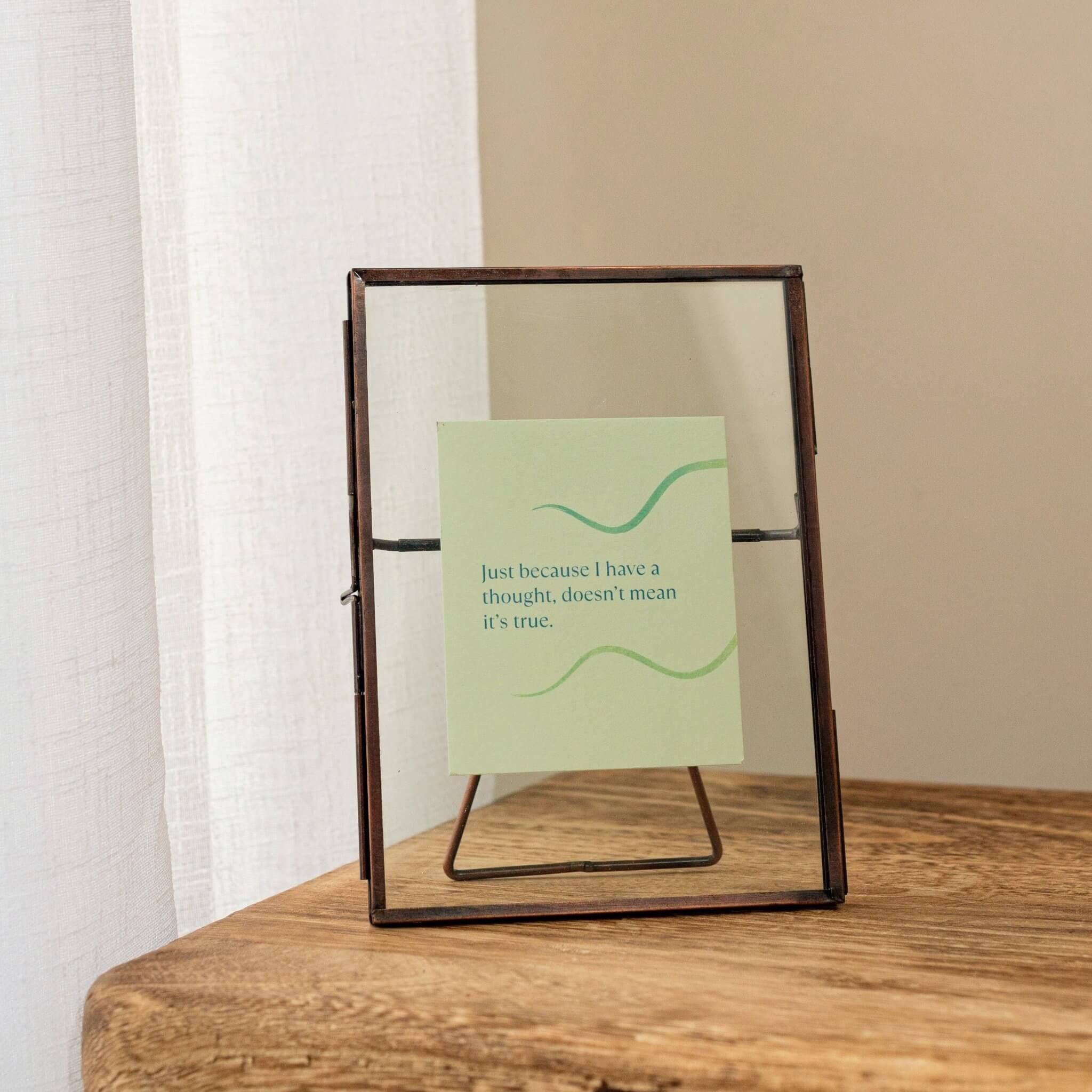
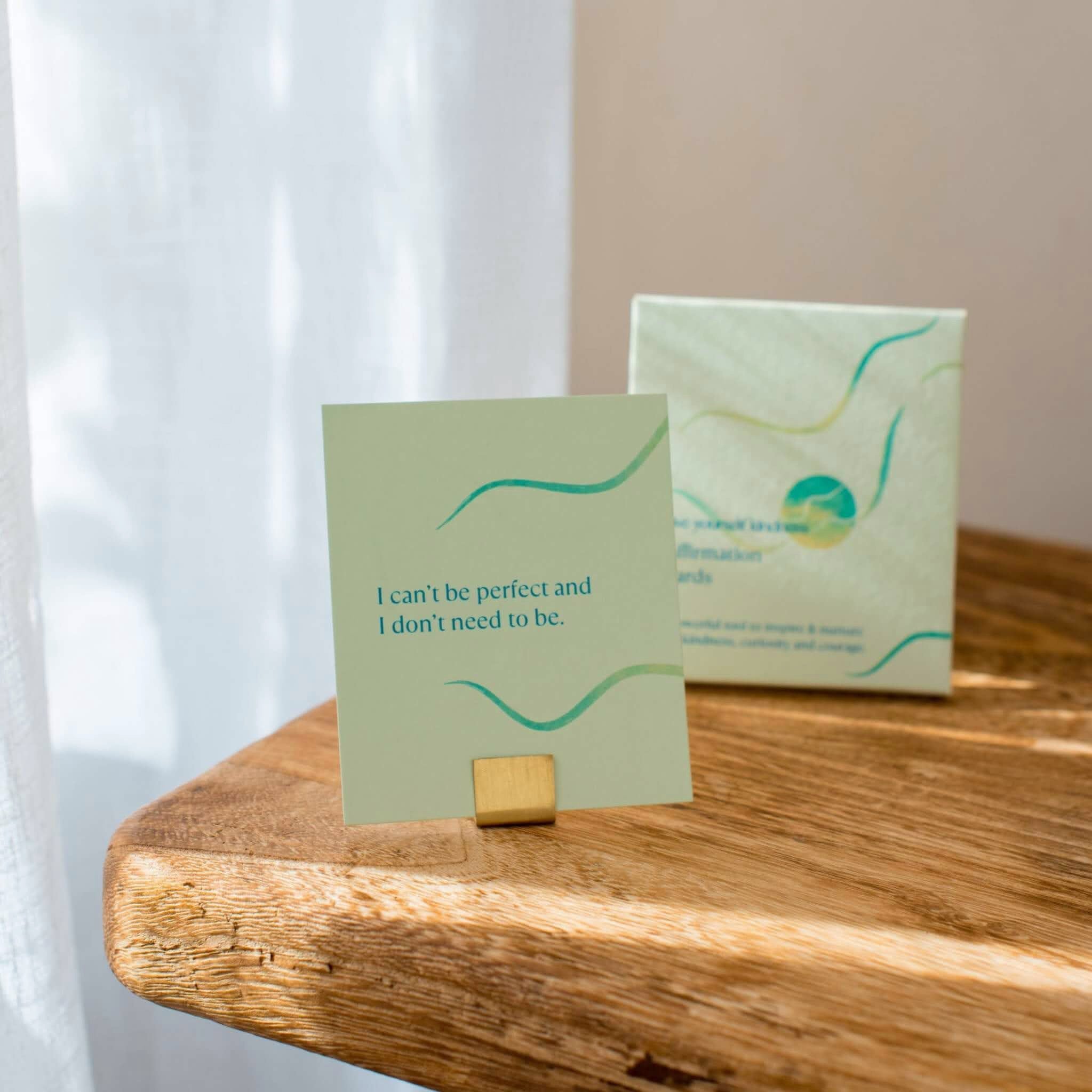
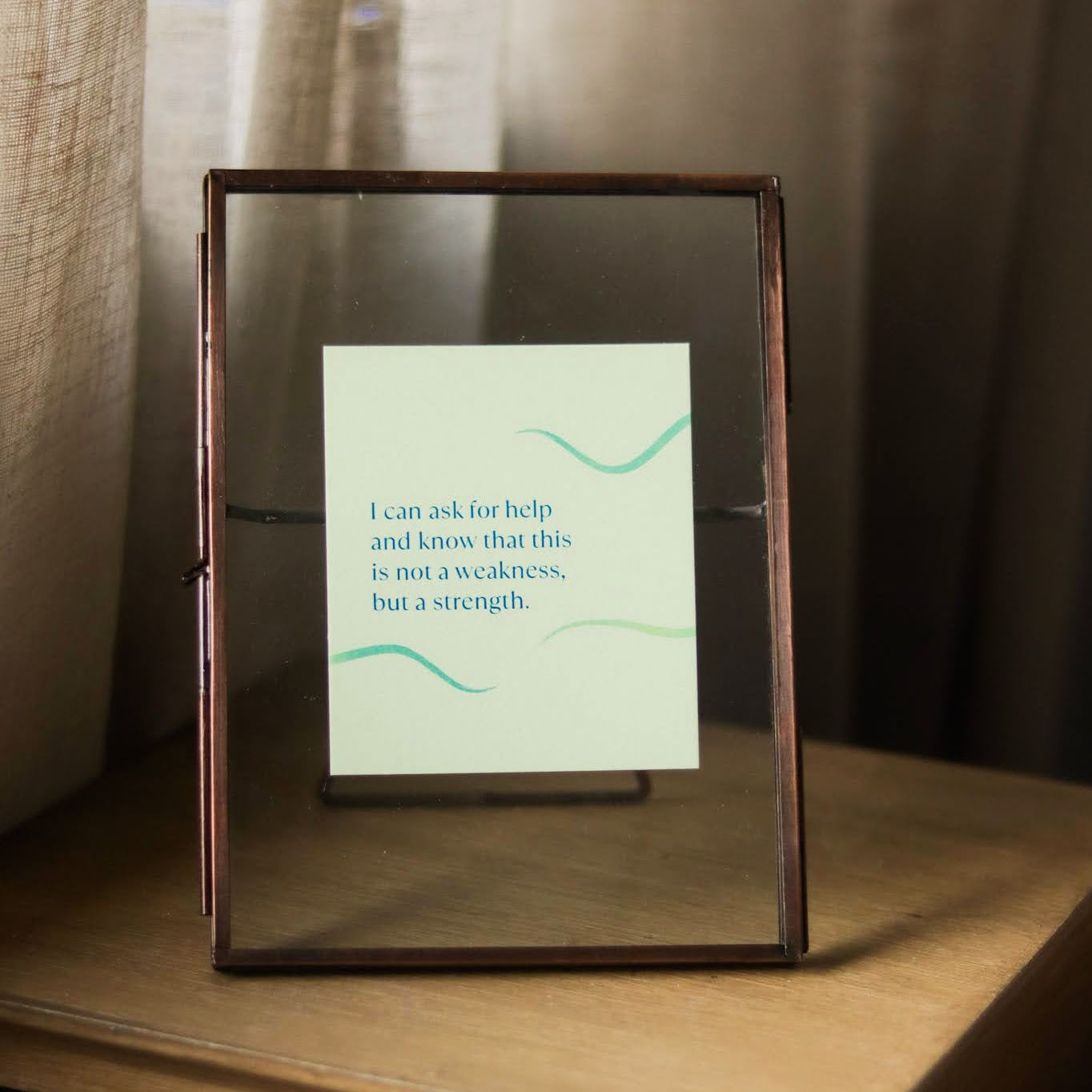
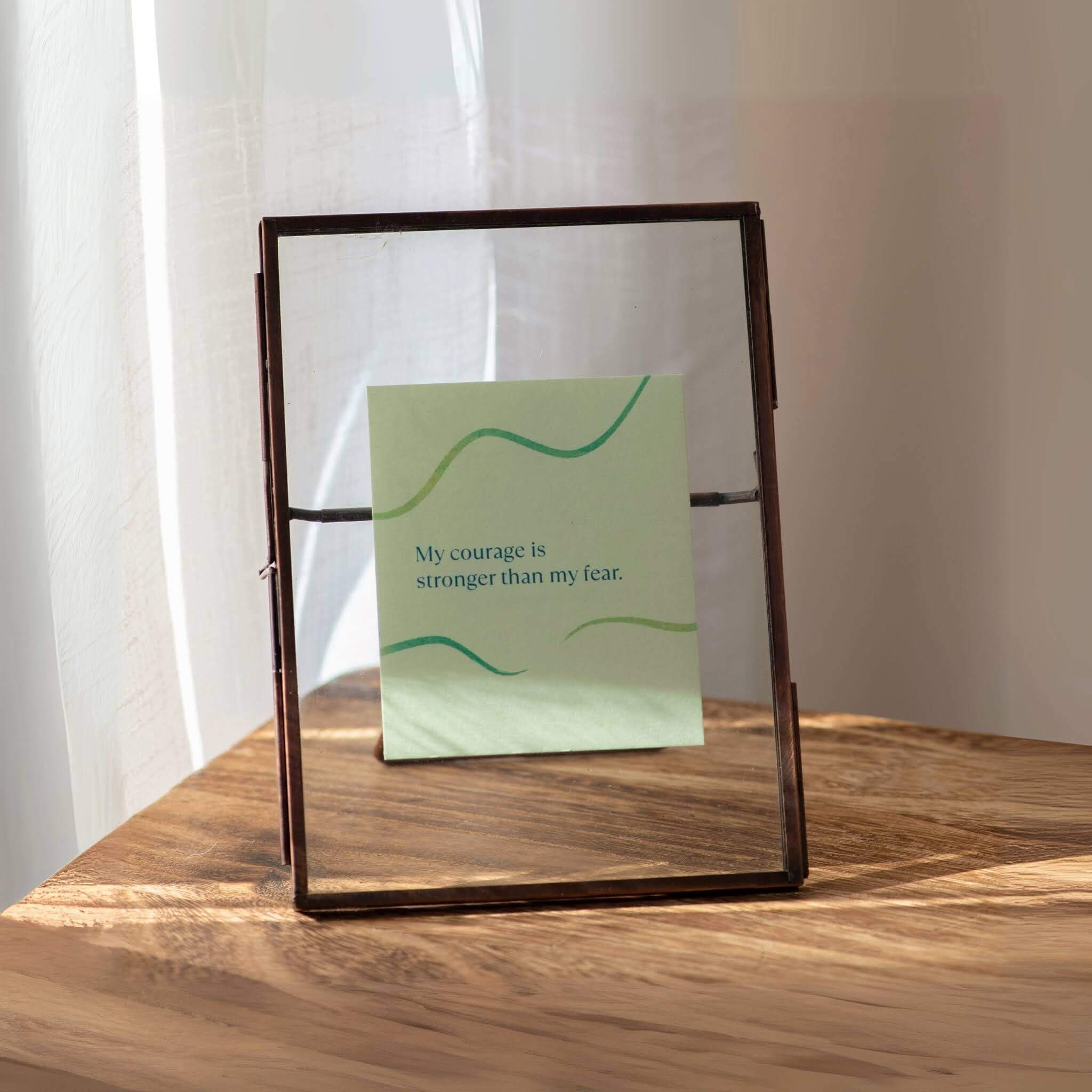
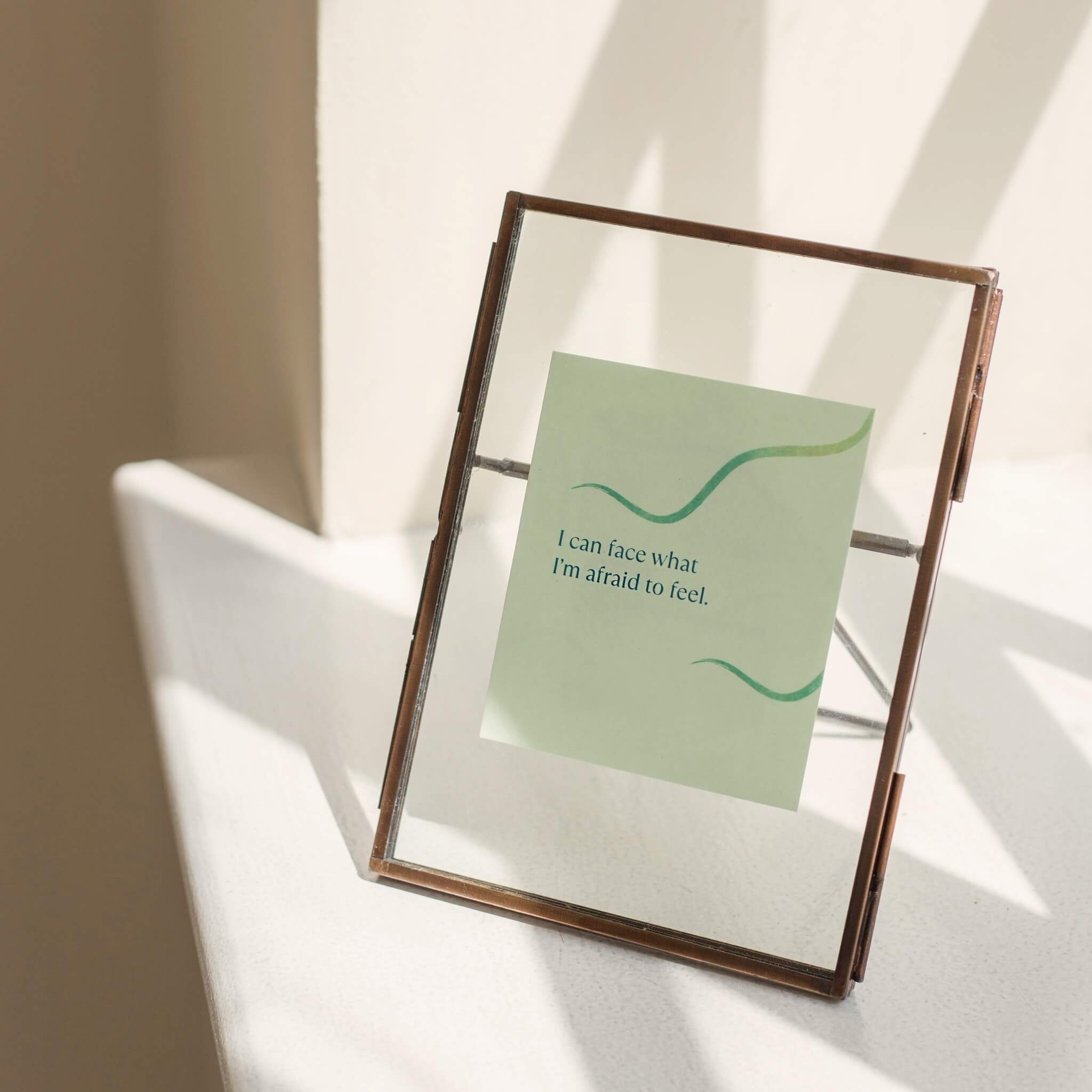
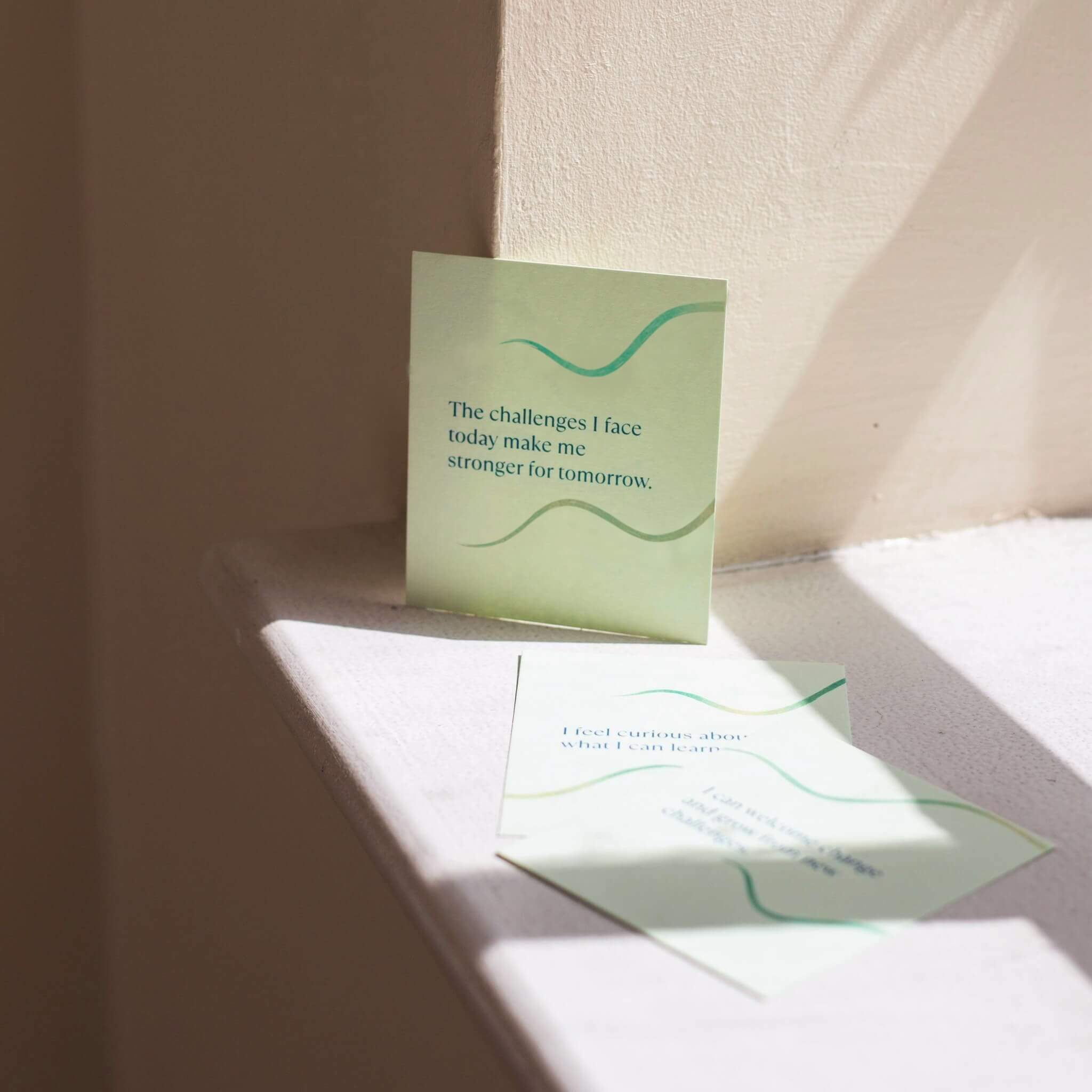
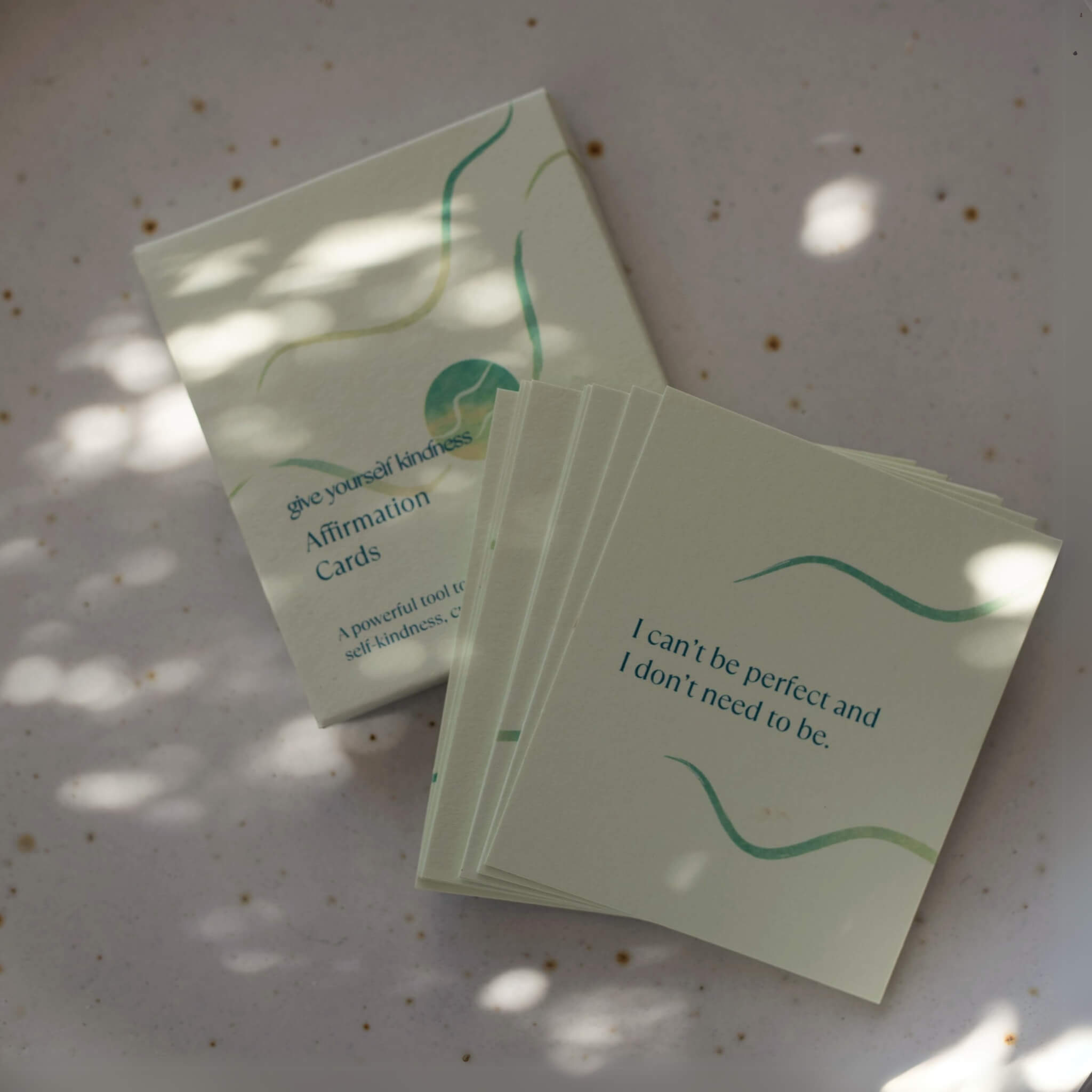
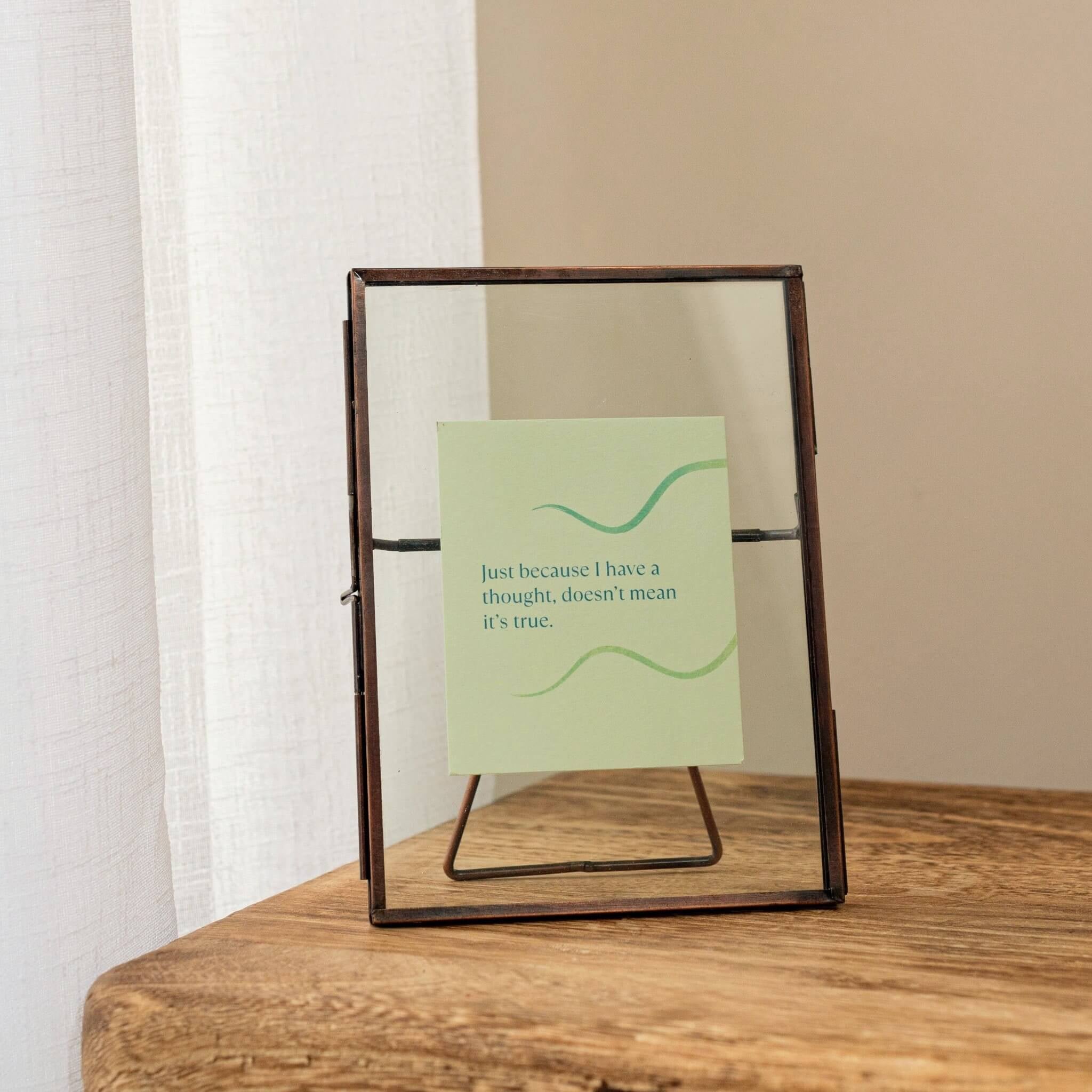
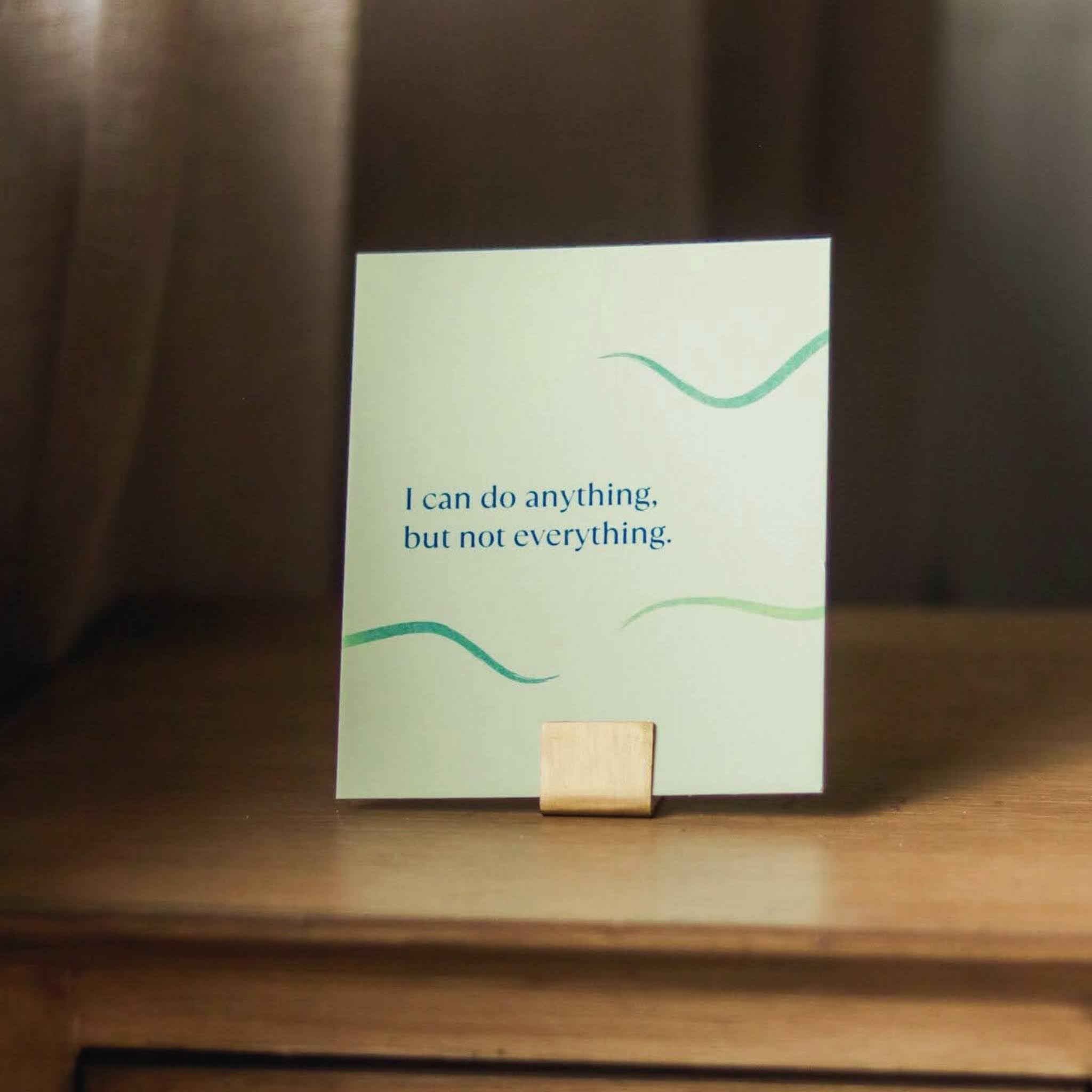
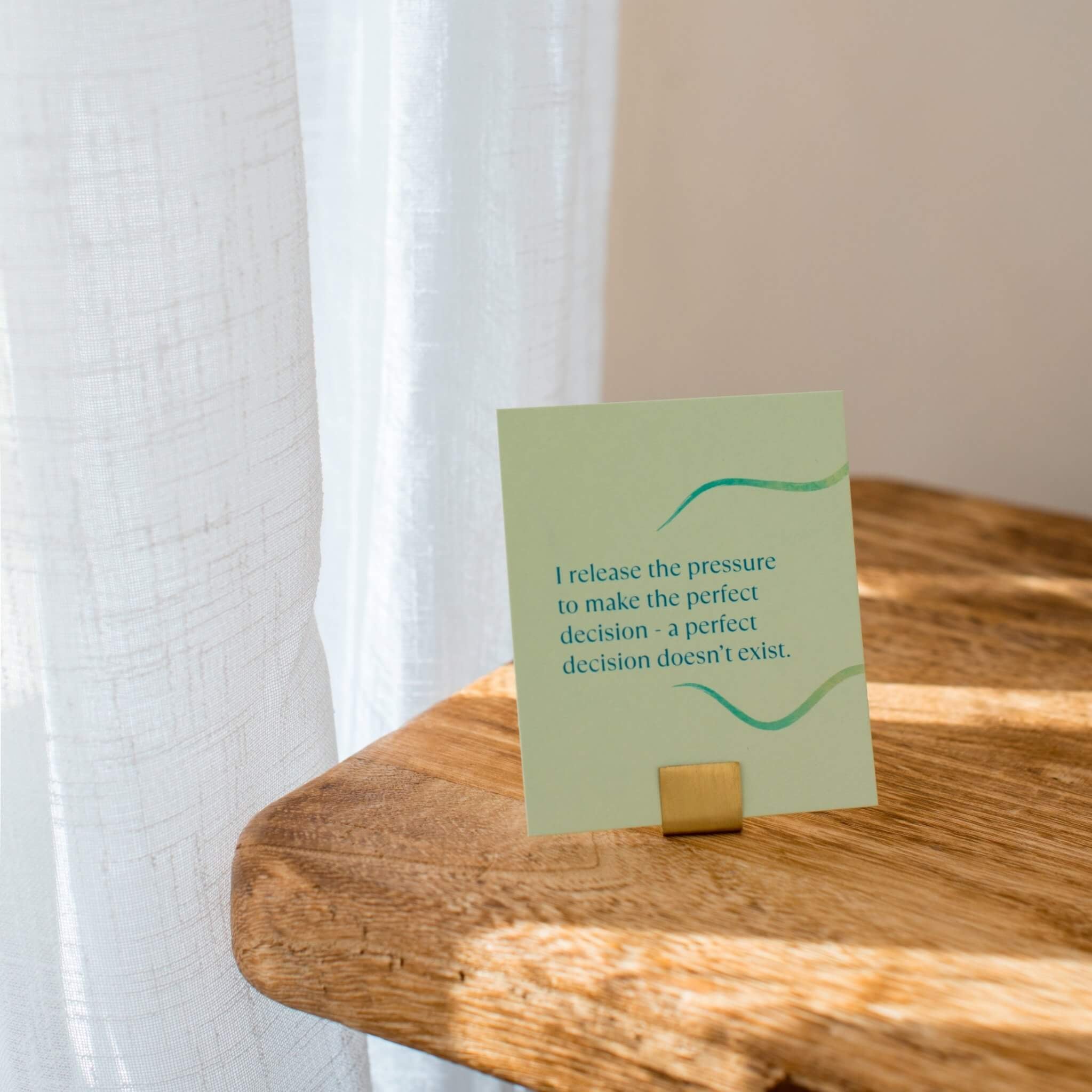
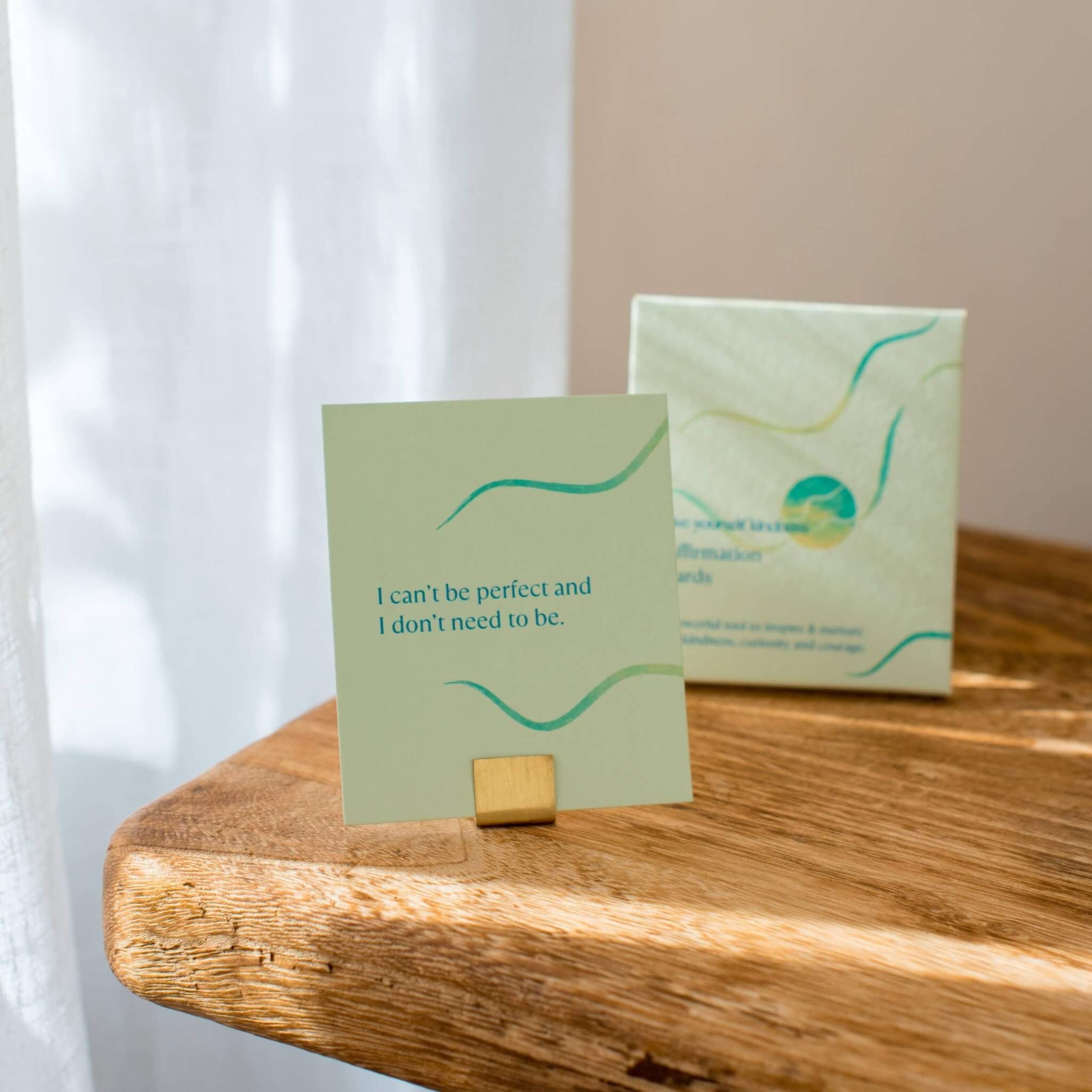
The journal includes gentle reminders like "be careful how you talk to yourself, you are listening" and "you can't be perfect, and you don't need to be" that make it feel supportive rather than intimidating.
If you're currently in therapy, you might want to discuss journaling with your therapist to see if it's a good fit for you right now.
What to Look for in a Journal for Depression
When considering a journal to support depression recovery, therapists recommend asking:
- Does it welcome difficult emotions, or only positive ones?
- Does it use self-compassion (not self-criticism or forced positivity)?
- Is it undated so missed days don't create guilt?
- Are prompts varied enough to stay meaningful?
- Is it backed by mental health professionals?
- Does it position itself as a complement to therapy—not a replacement?
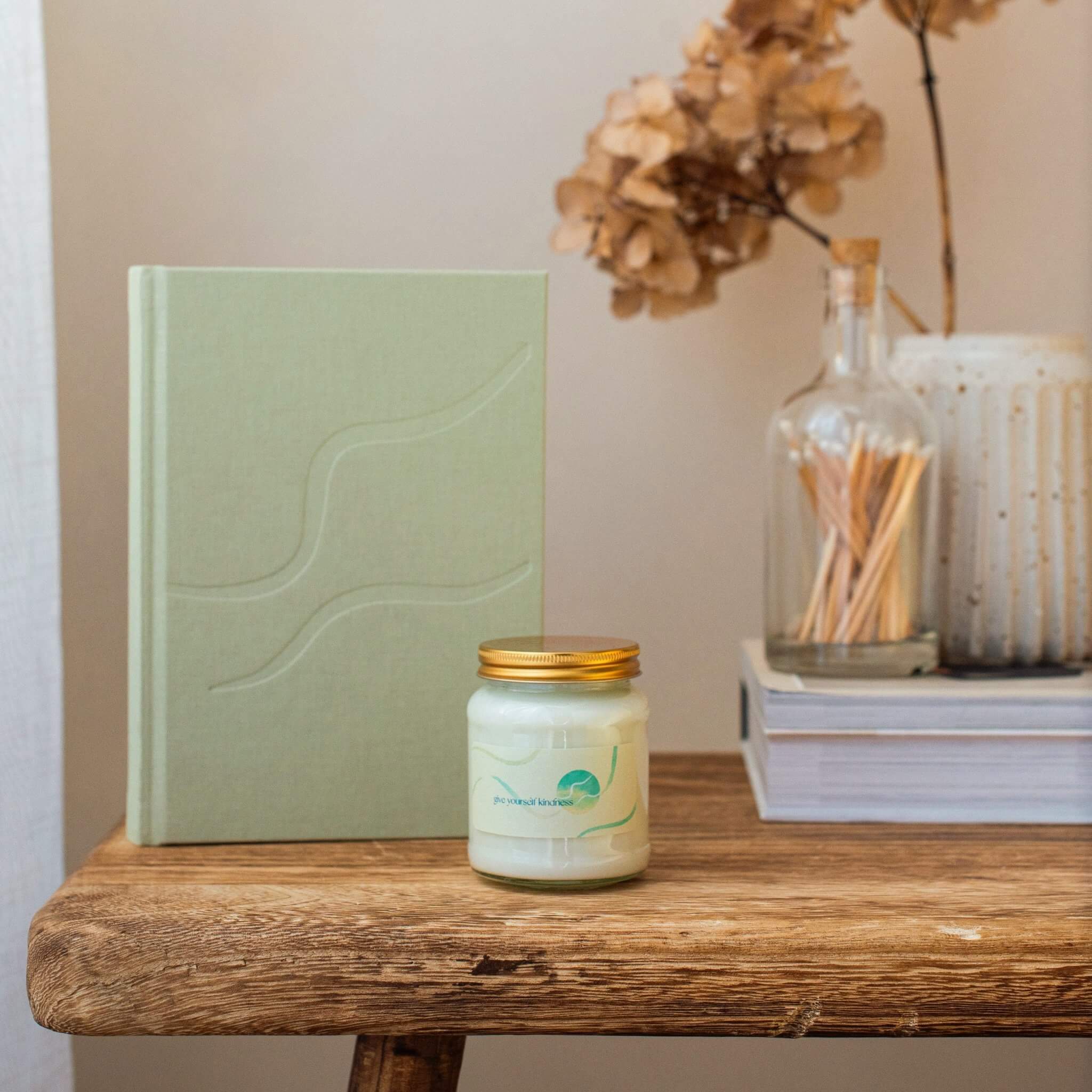
The Give Yourself Kindness Journal
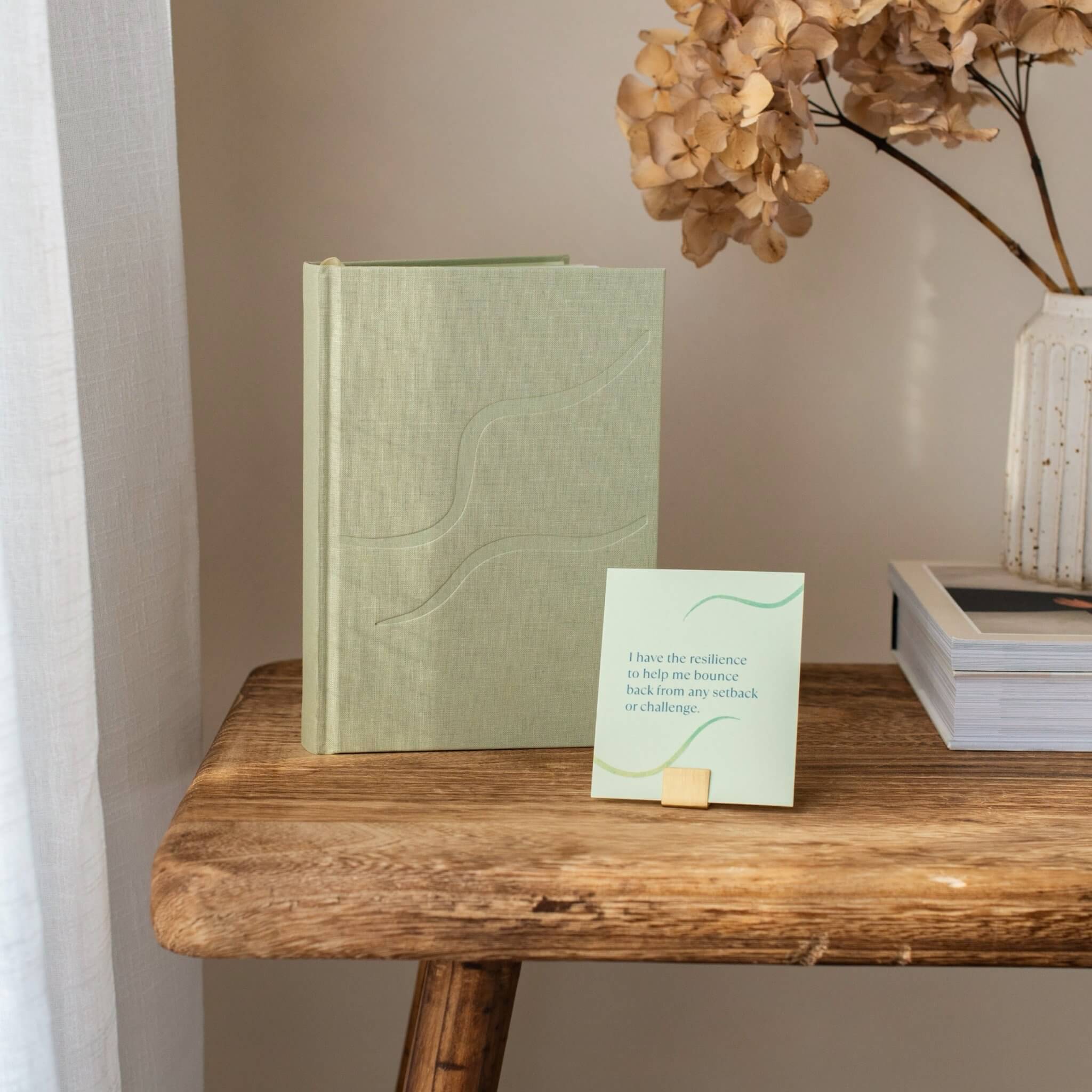
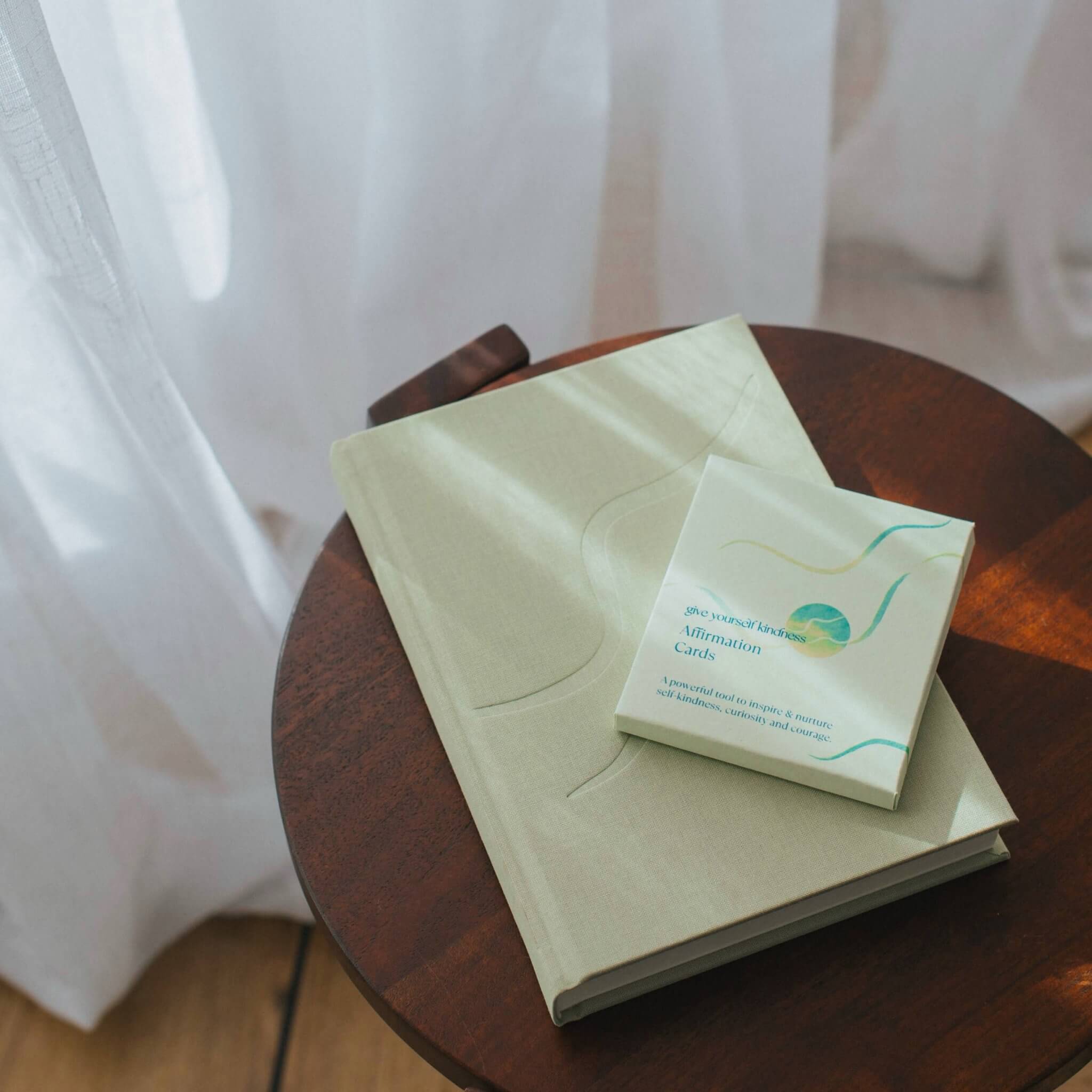
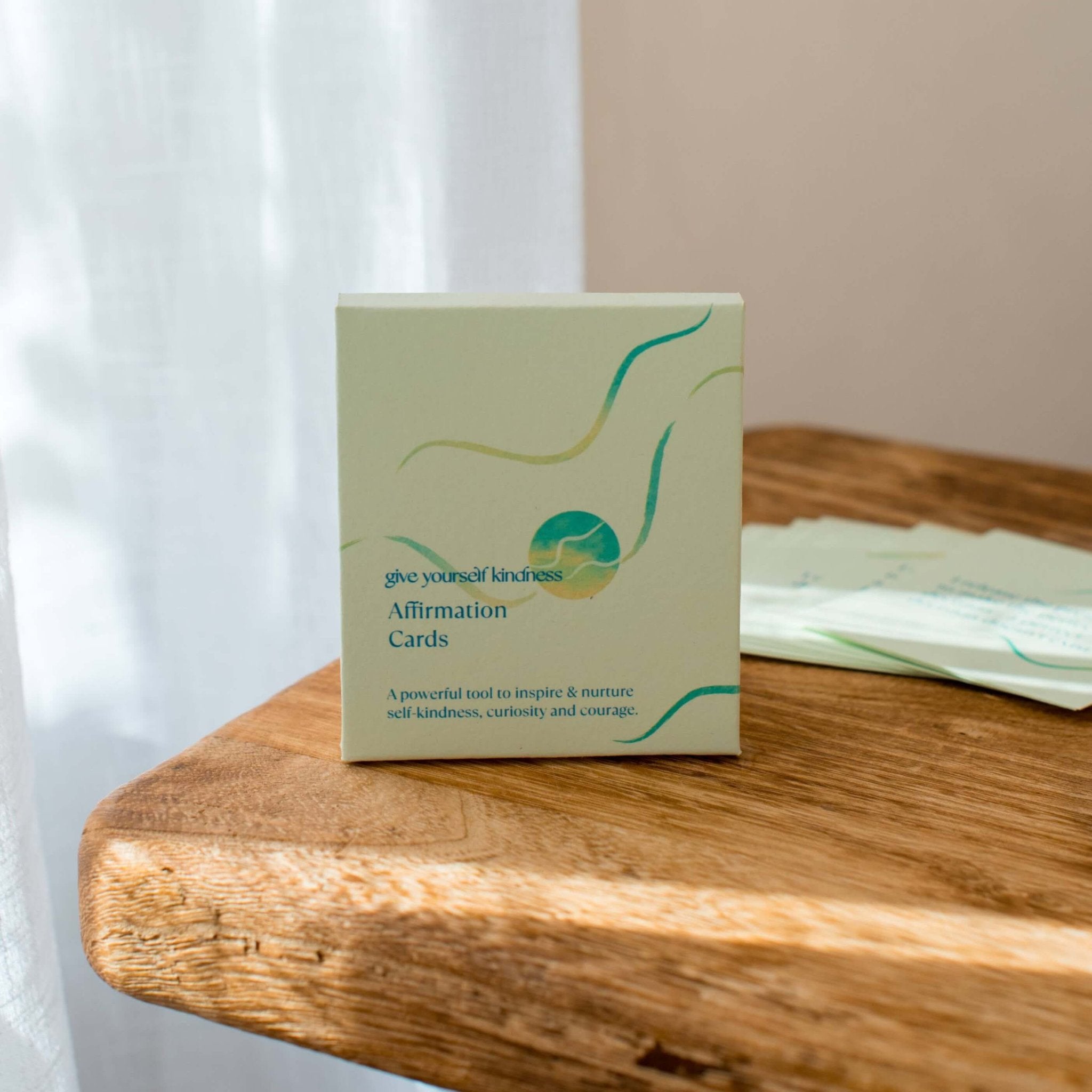
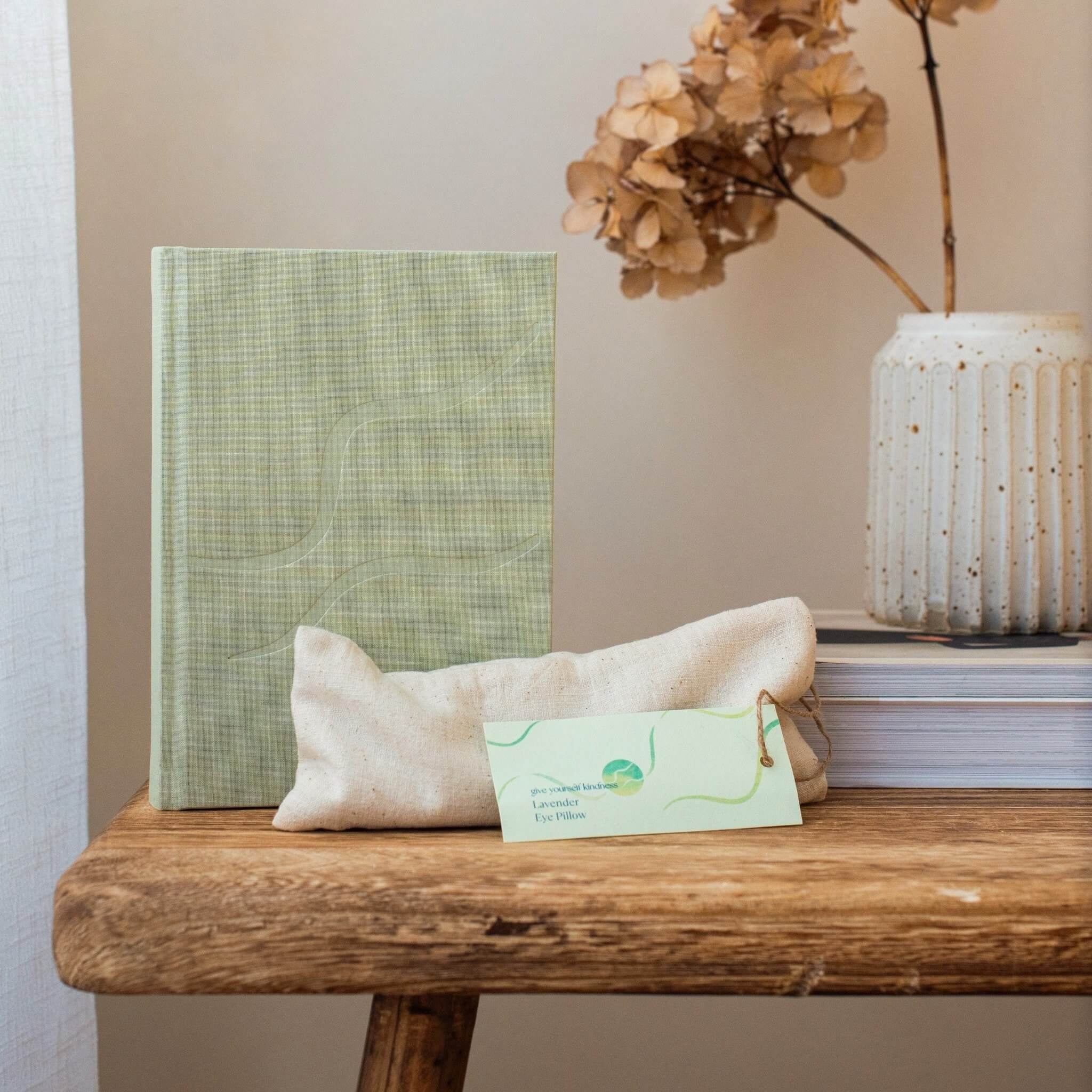
The Give Yourself Kindness journal was created with these principles in mind—and reviewed by leading clinical psychologists to ensure it genuinely supports people experiencing depression (alongside professional treatment).
Features therapists recommend:
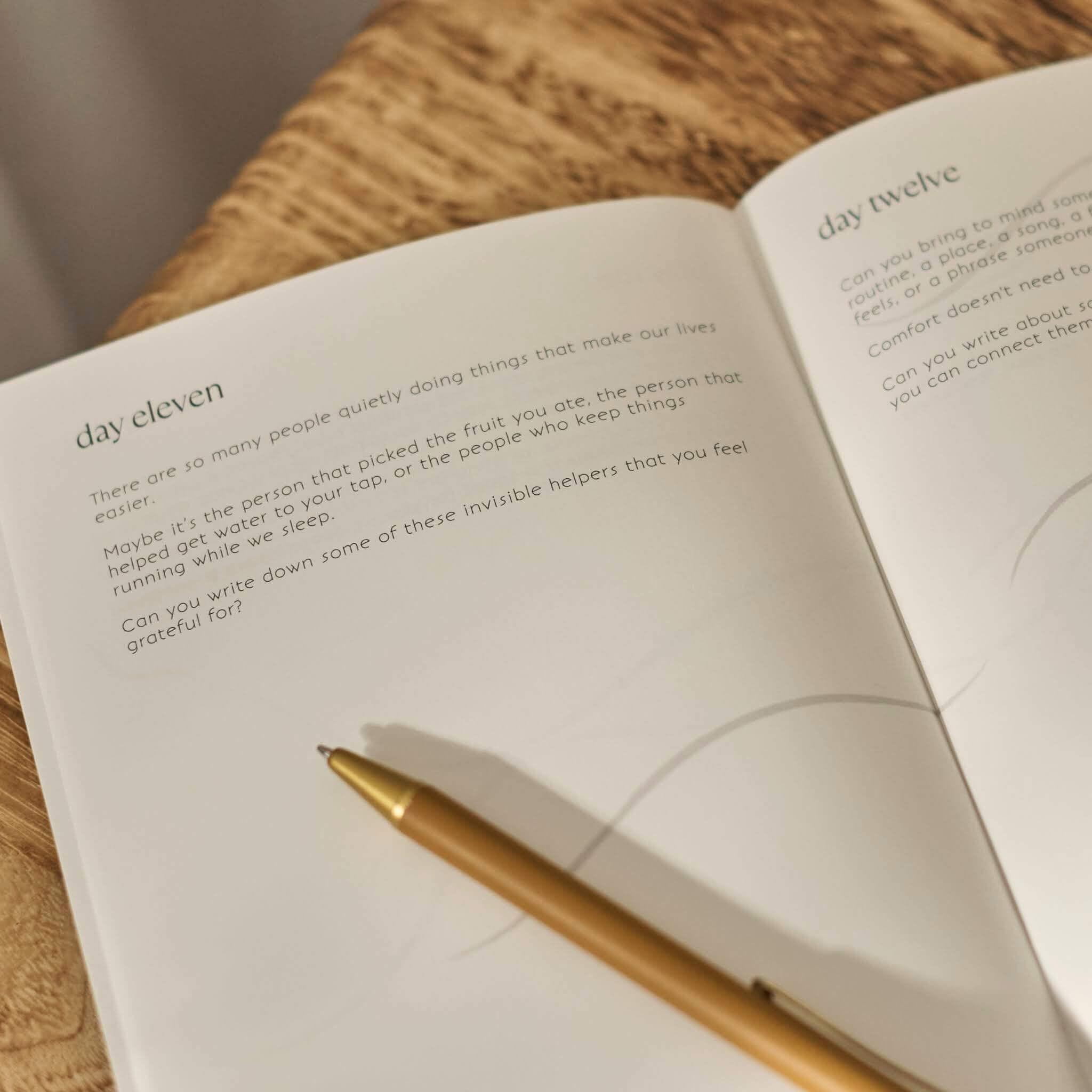
- 90 unique daily prompts — Never repetitive, rotating between emotional awareness, self-compassion, flexible gratitude, and reflection
- Emotional awareness tool on every page — Helps you notice and name emotions without judgment
- Undated format — No guilt when depression makes consistency hard
- Self-compassion focus — Backed by research showing this approach helps depression more than self-criticism
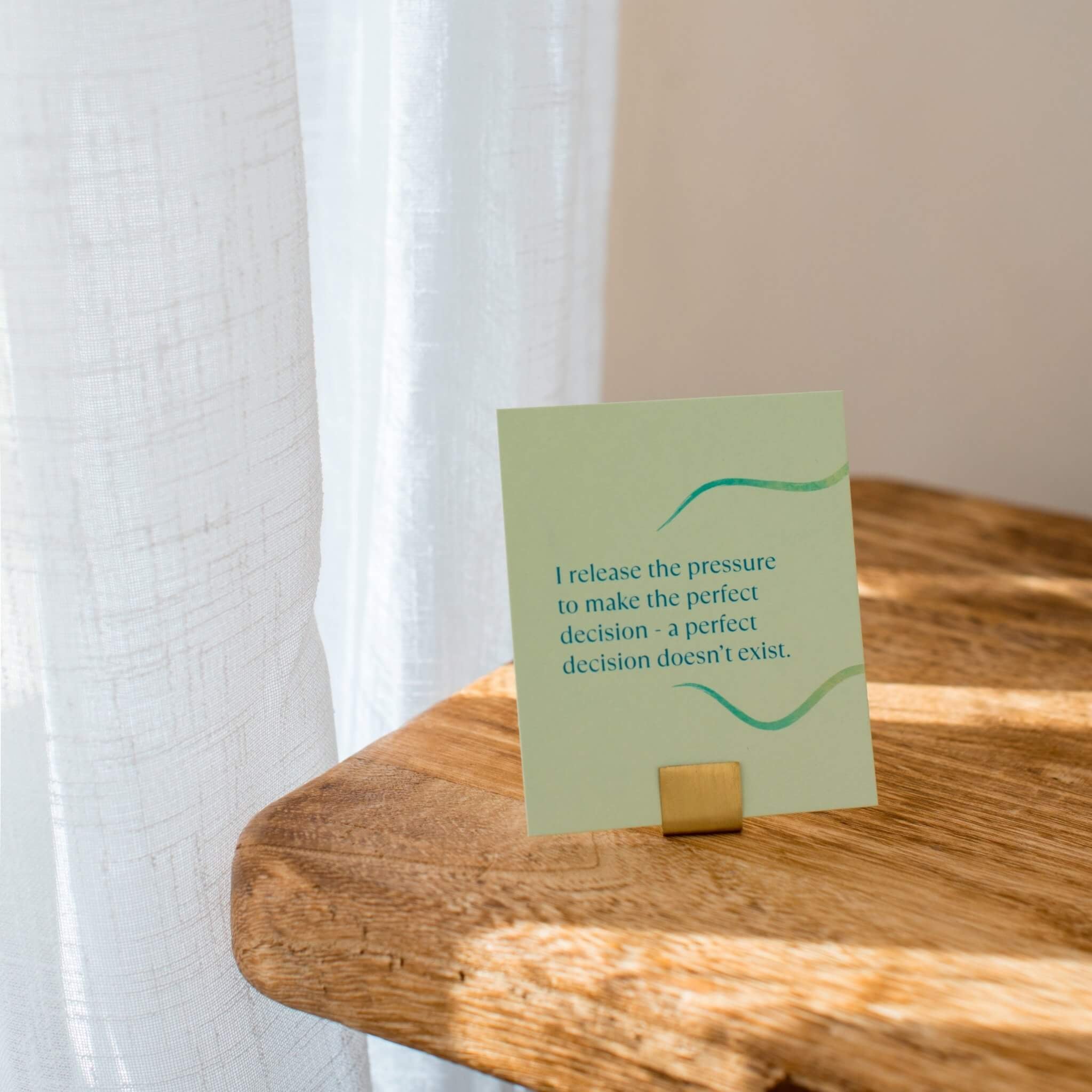
- Over 50 gentle reminders — "The way you speak to yourself matters," "You can't be perfect, and you don't need to be"
- Space for difficult emotions — Acknowledges depression is real and hard
- Expert-backed — Recommended by Dr. Chris Germer (Harvard Medical School), Dr. Chris Irons (CFT expert), Professor Willem Kuyken (University of Oxford)
Therapists worldwide use this journal with clients experiencing depression. It's been reviewed and recommended by clinical psychologists, and loved by thousands with 150+ 5-star reviews.
Remember:
This journal supports therapy—it doesn't replace it. If you're experiencing depression, please work with a qualified mental health professional.
Many therapists recommend this journal to clients as part of comprehensive treatment. If you're in therapy, you might want to discuss with your therapist whether journaling would be helpful for you right now.


“By far my favourite guided journal that I’ve used!”
There's a lot of journals out there. Most of which include tools that can be repetitive, boring or unhelpful. Give Yourself Kindness is about creating something new.