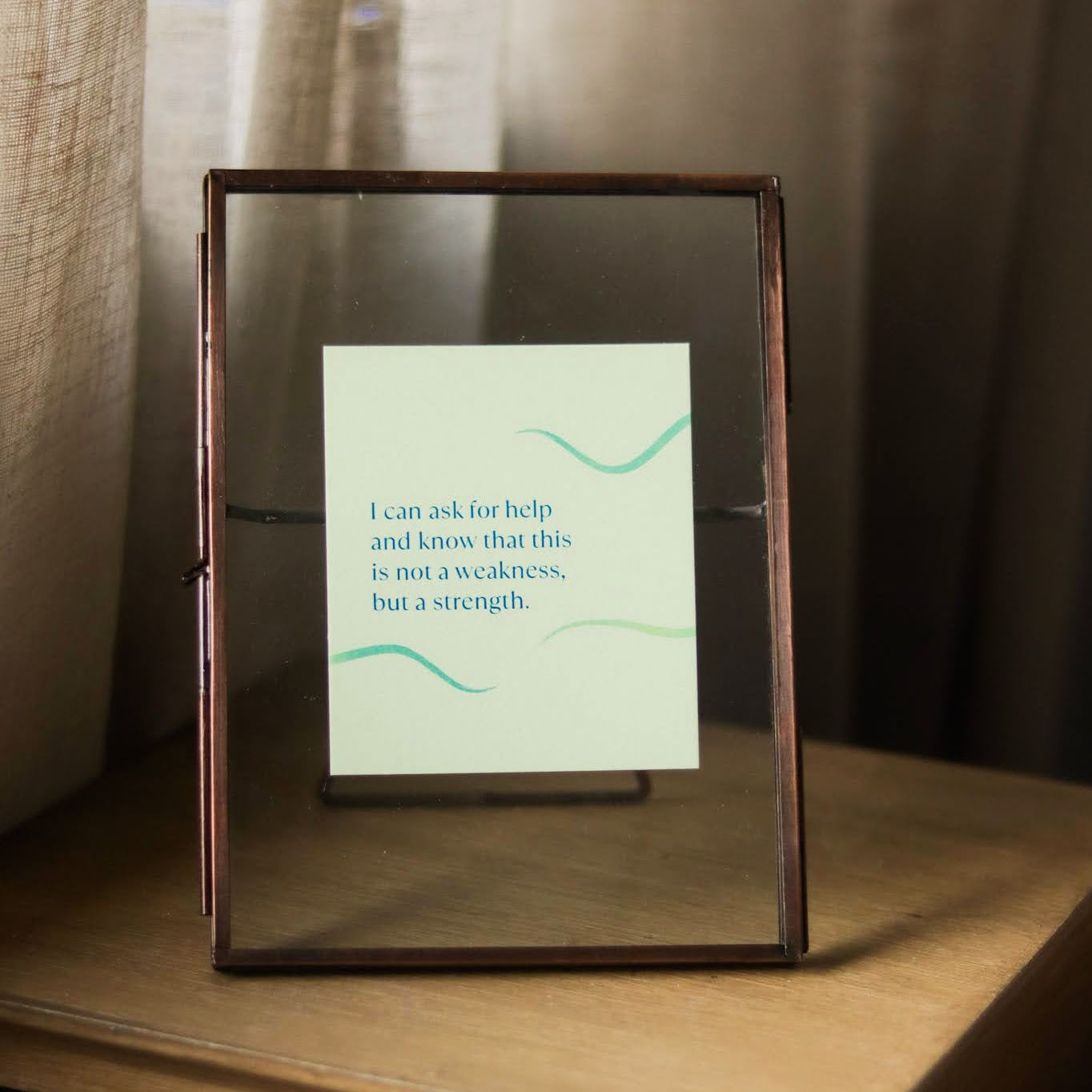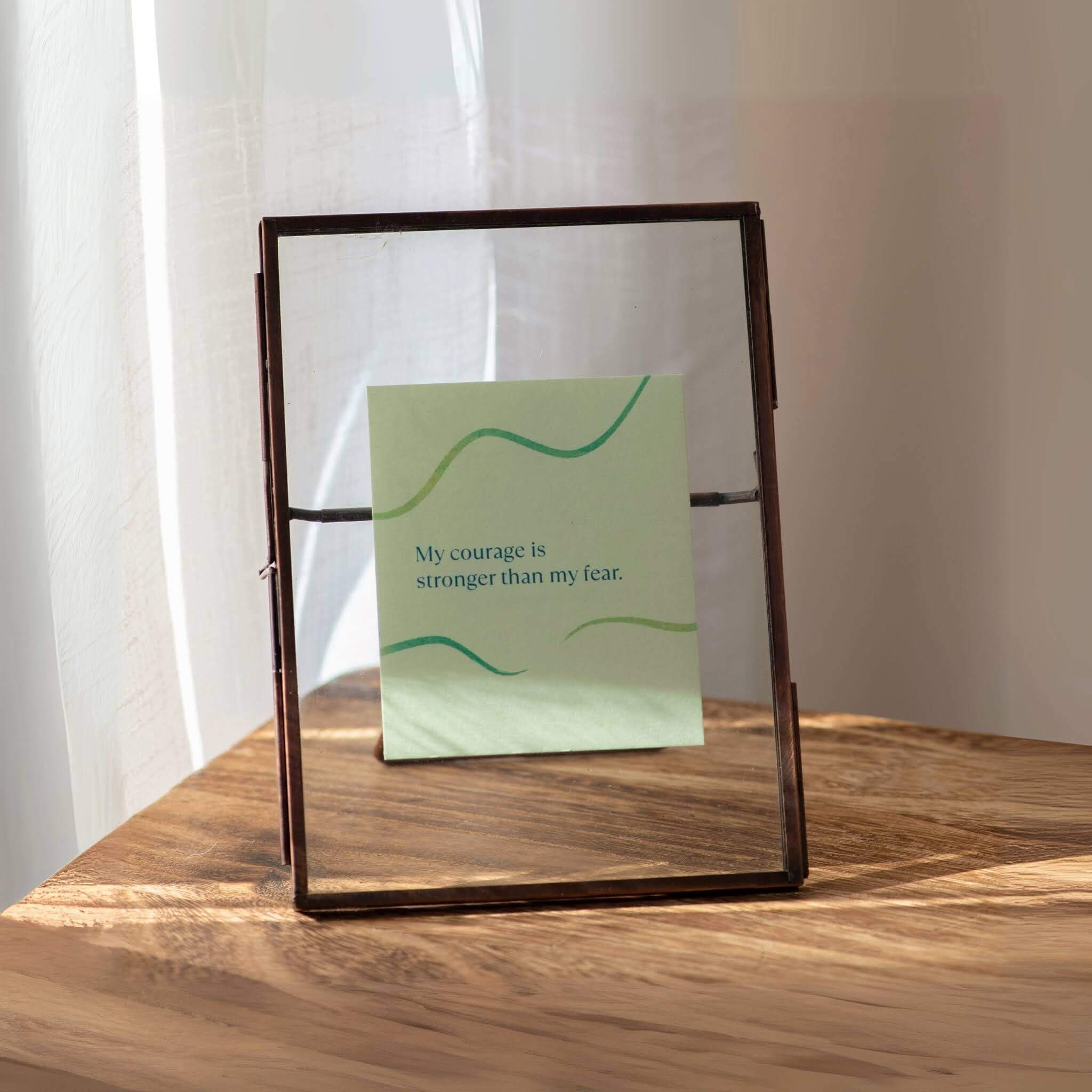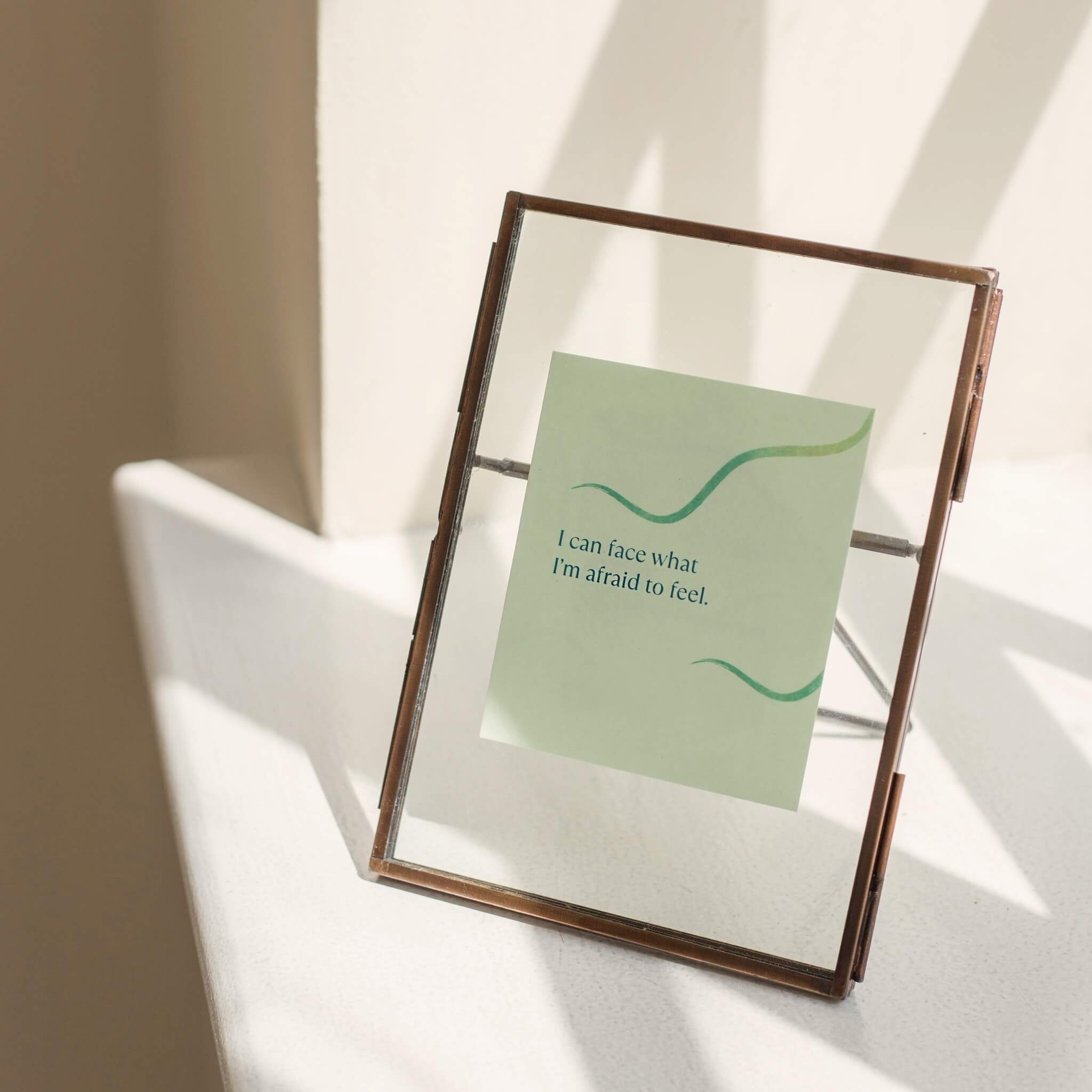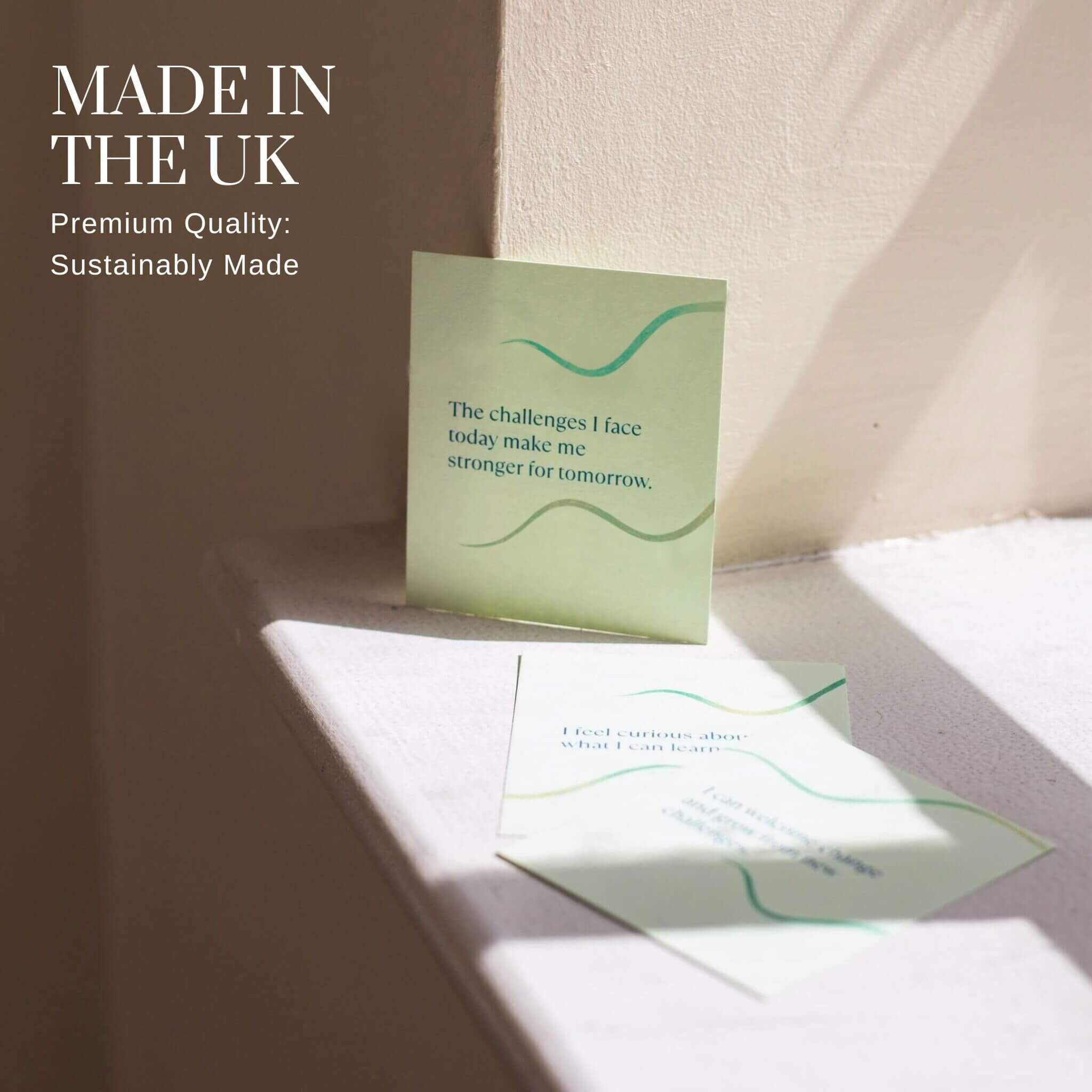



Last updated: January 3, 2026 | By Rachel Smith, DipBSoM
Quick Answer
If you've tried wellness journals before and found them either boring (same prompts every day) or overwhelming (too much forced positivity when you're having a hard time), you're not alone. The right journal makes all the difference.
This guide compares wellness journals based on what actually matters: their approach to emotions (all of them, not just the "positive" ones), backing from mental health professionals, and whether they help or hinder when you're struggling.
Quick Comparison: Best Wellness Journals
Here's how the top wellness journals compare. If you want mental health support (not just habit tracking), look for expert backing and an approach that welcomes difficult emotions.
| Journal | Best For | Expert Backing | Approach | Duration |
|---|---|---|---|---|
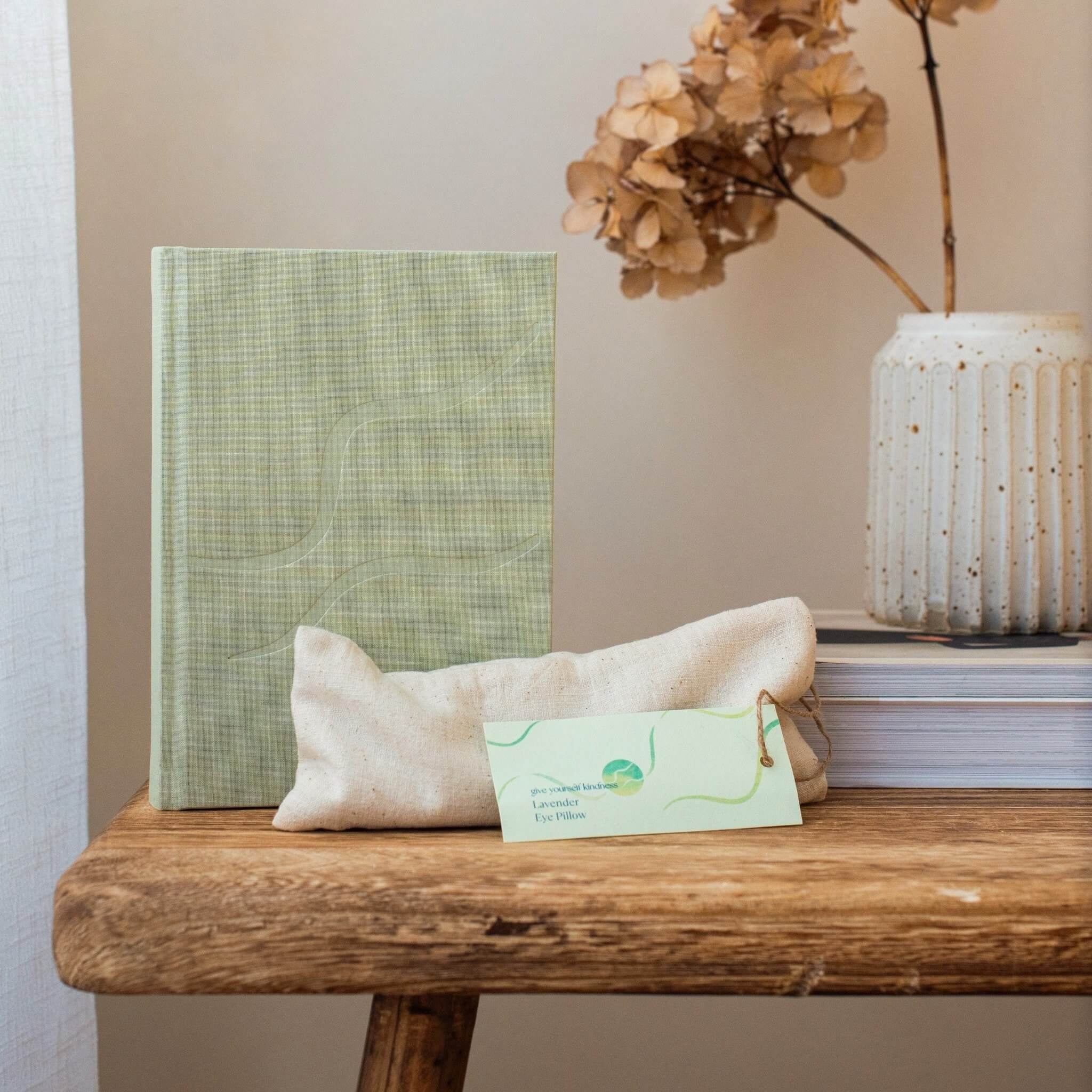
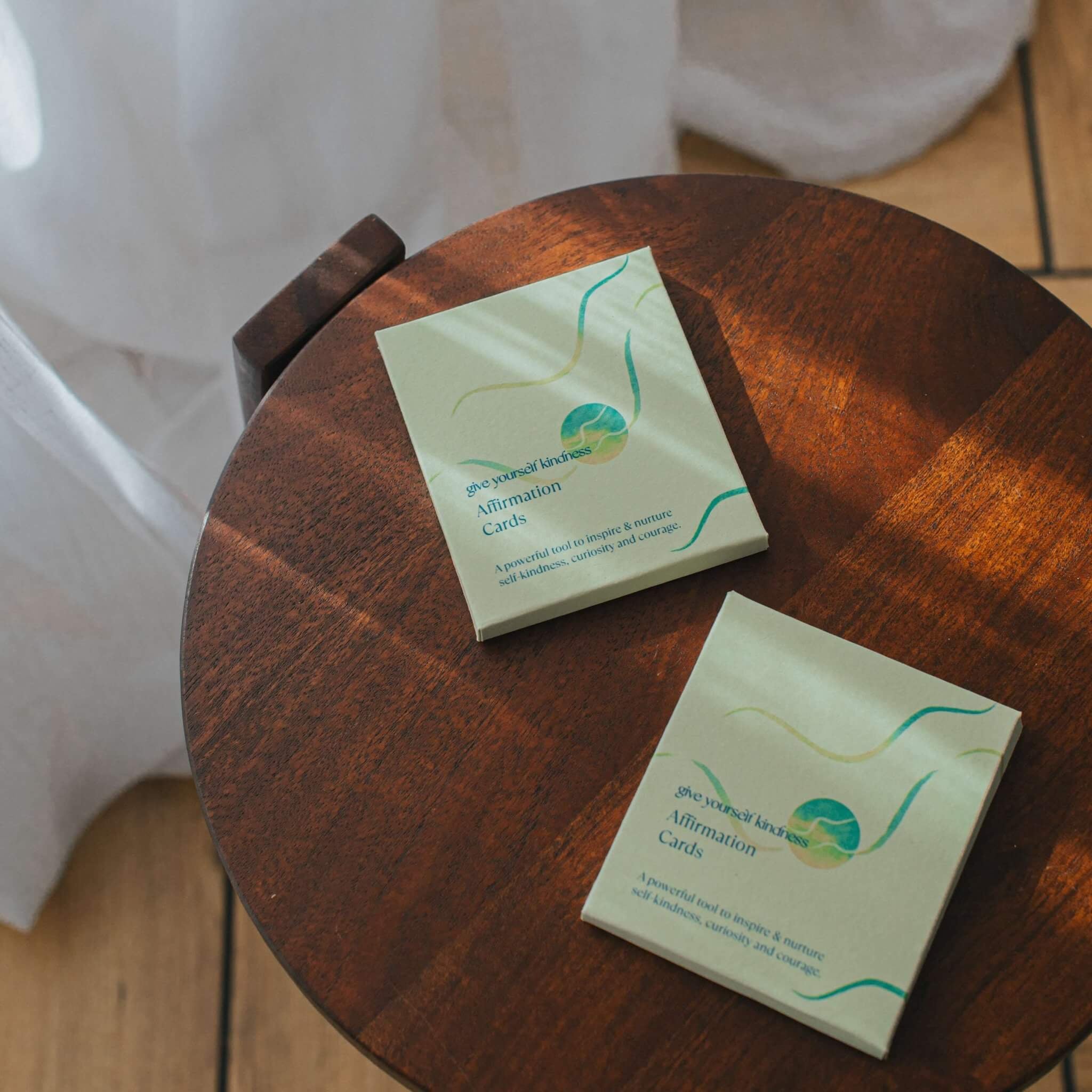
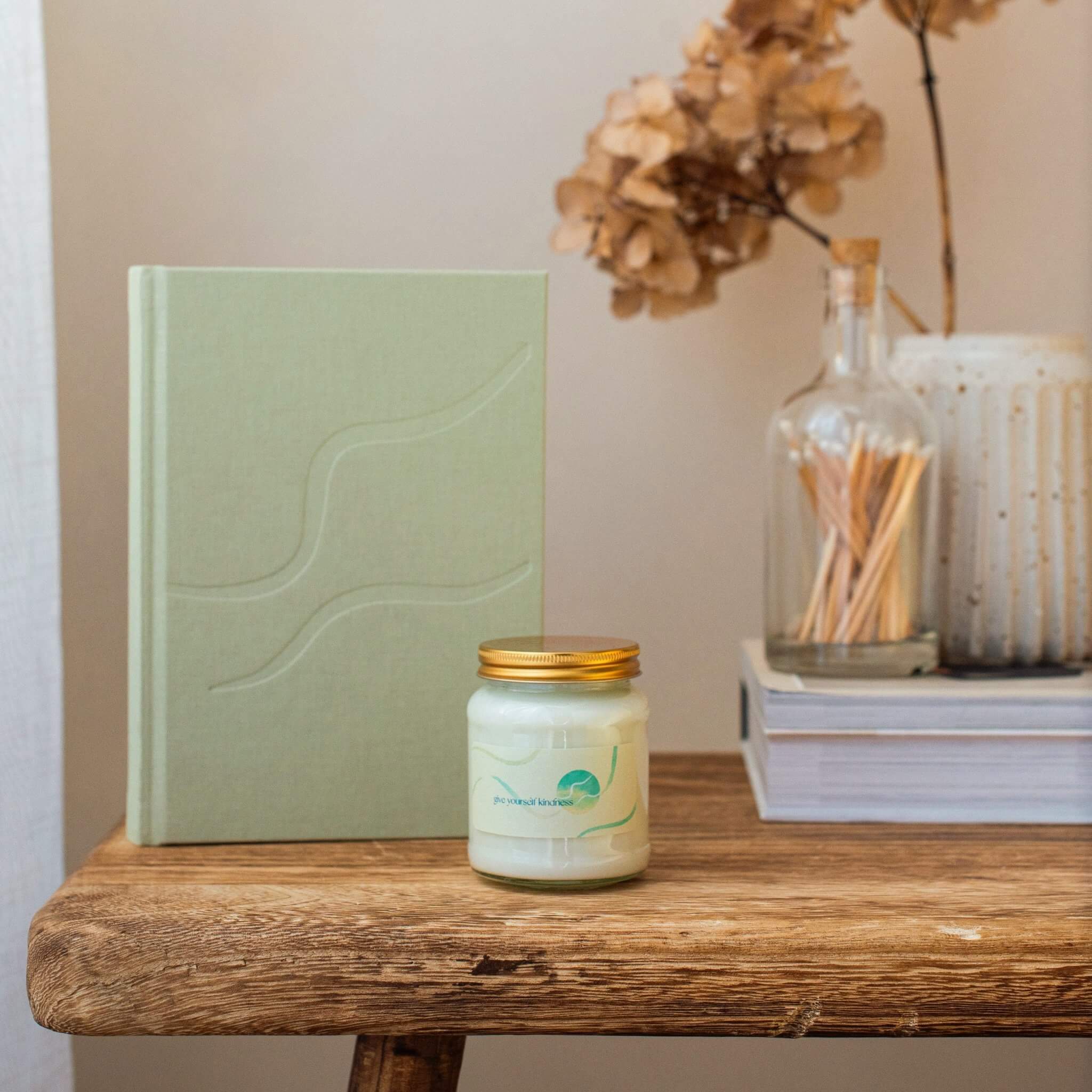
| Give Yourself Kindness | Emotional wellbeing & mental health | ✓ Harvard, Oxford, Clinical Psychologists | Self-compassion, evidence-based | 3 months (90 unique pages) |
| 5-Minute Journal | Quick gratitude practice | — | Gratitude prompts | 6 months |
| Papier Wellness | Holistic tracking | — | Metrics & reflection | 12 weeks |
| Clever Fox Wellness | Lifestyle planning | — | Health, nutrition, exercise | Undated |
Detailed Comparison: Best Wellness Journals
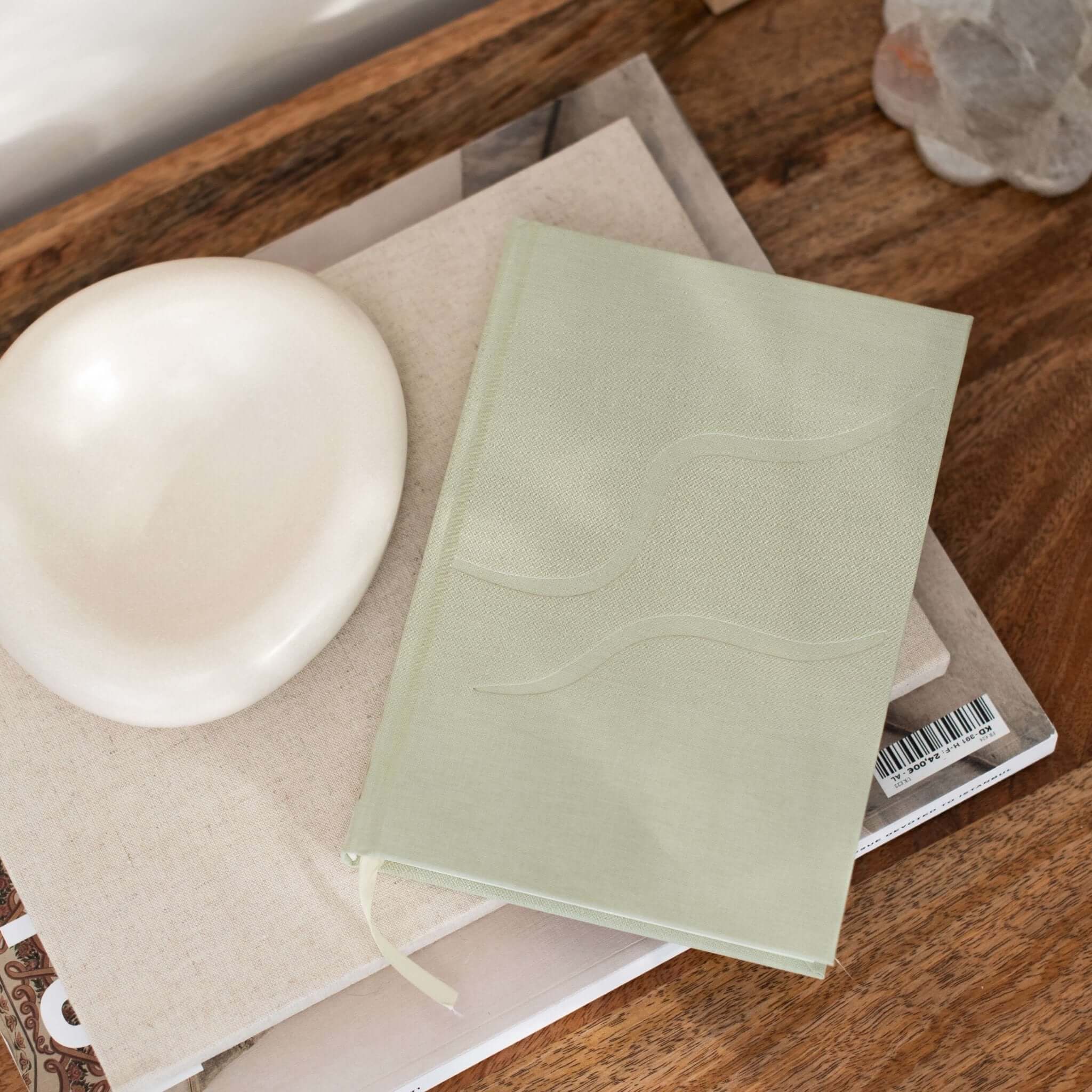
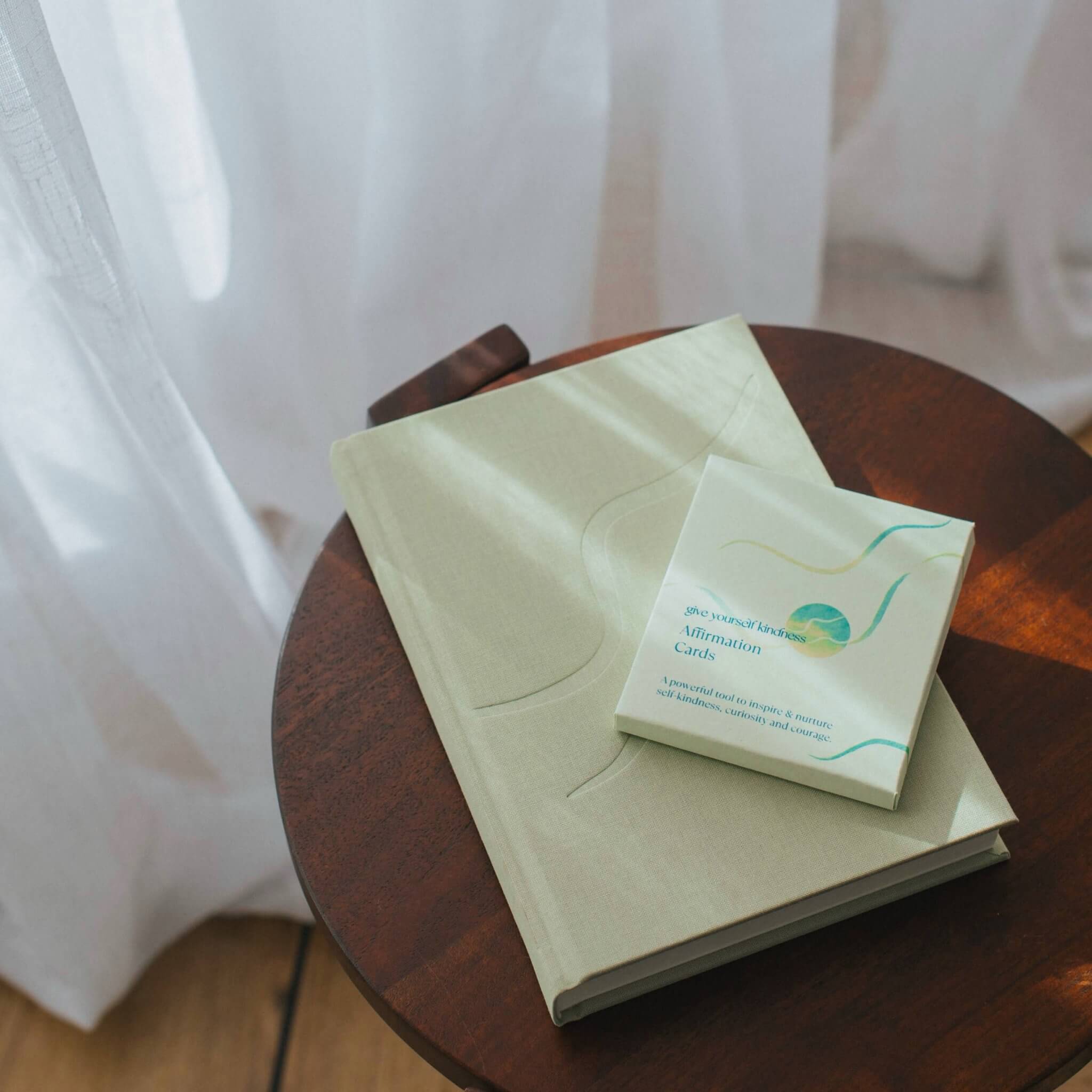
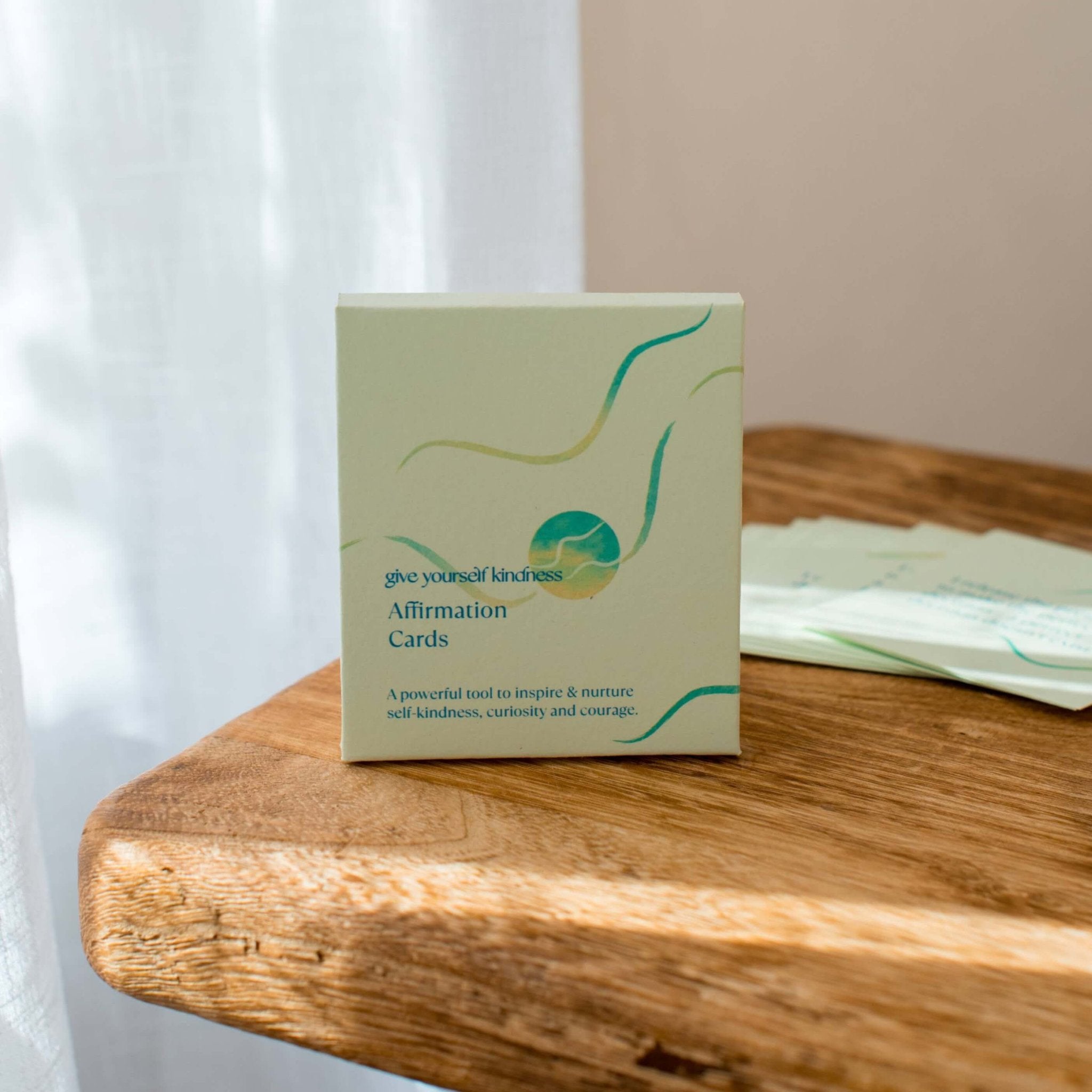
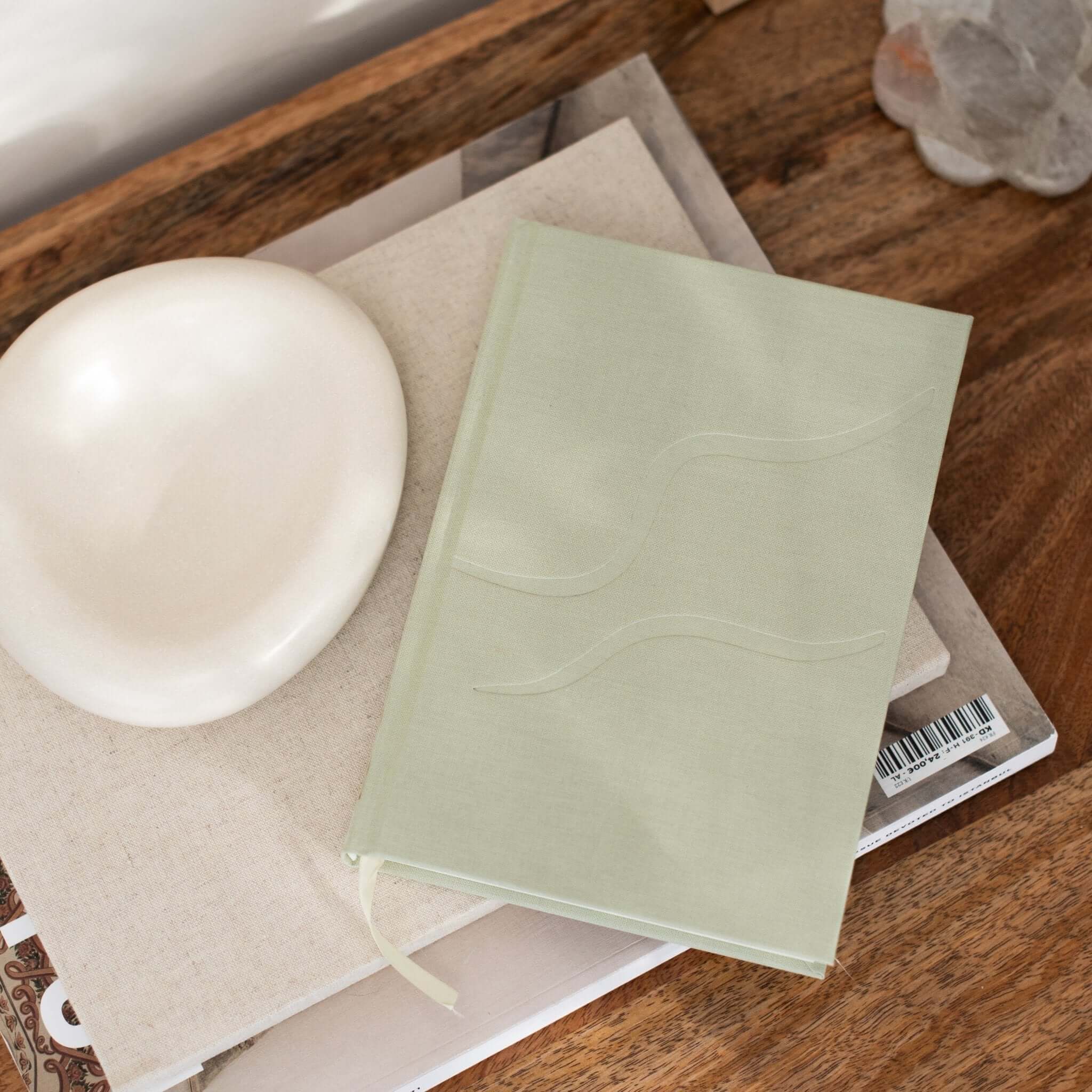
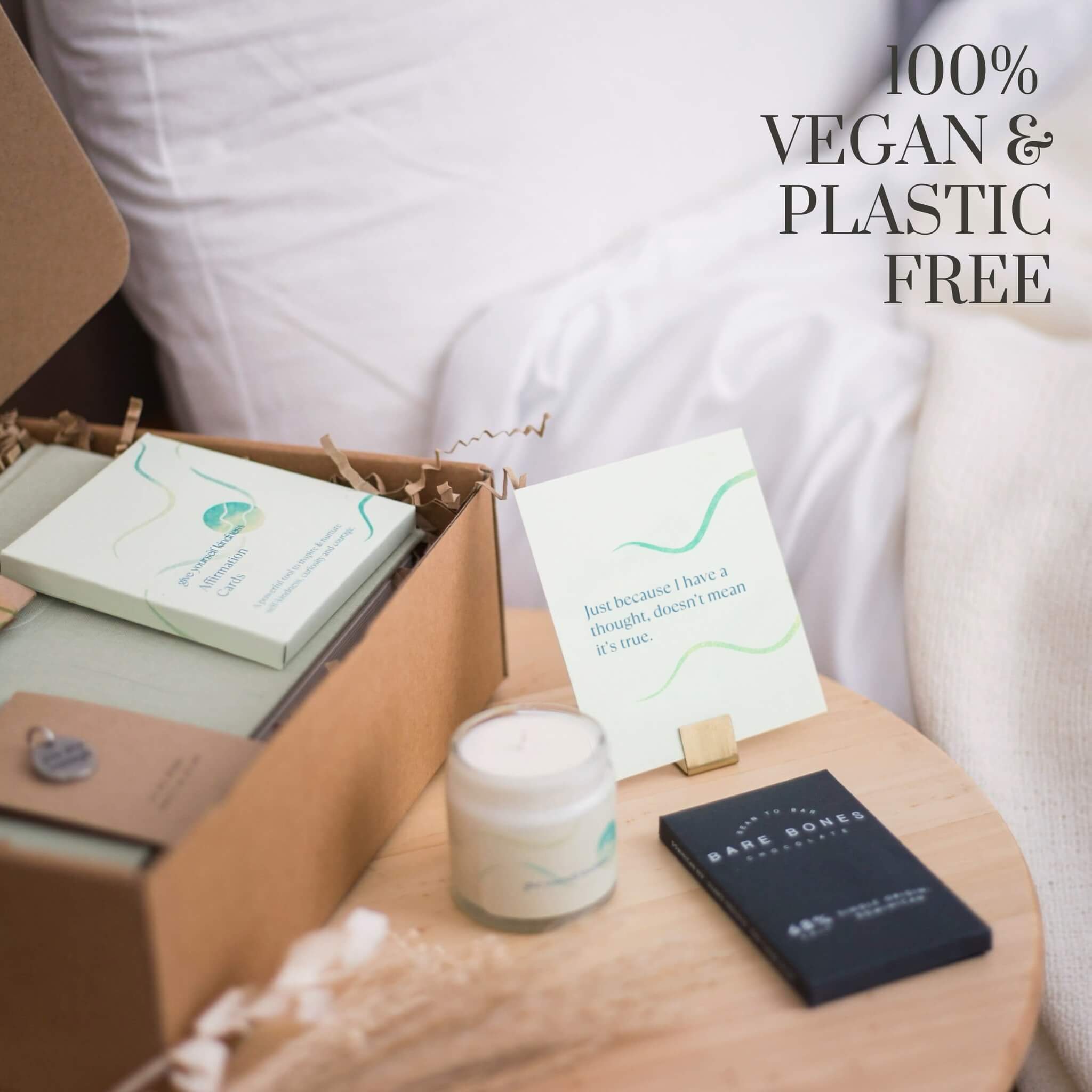
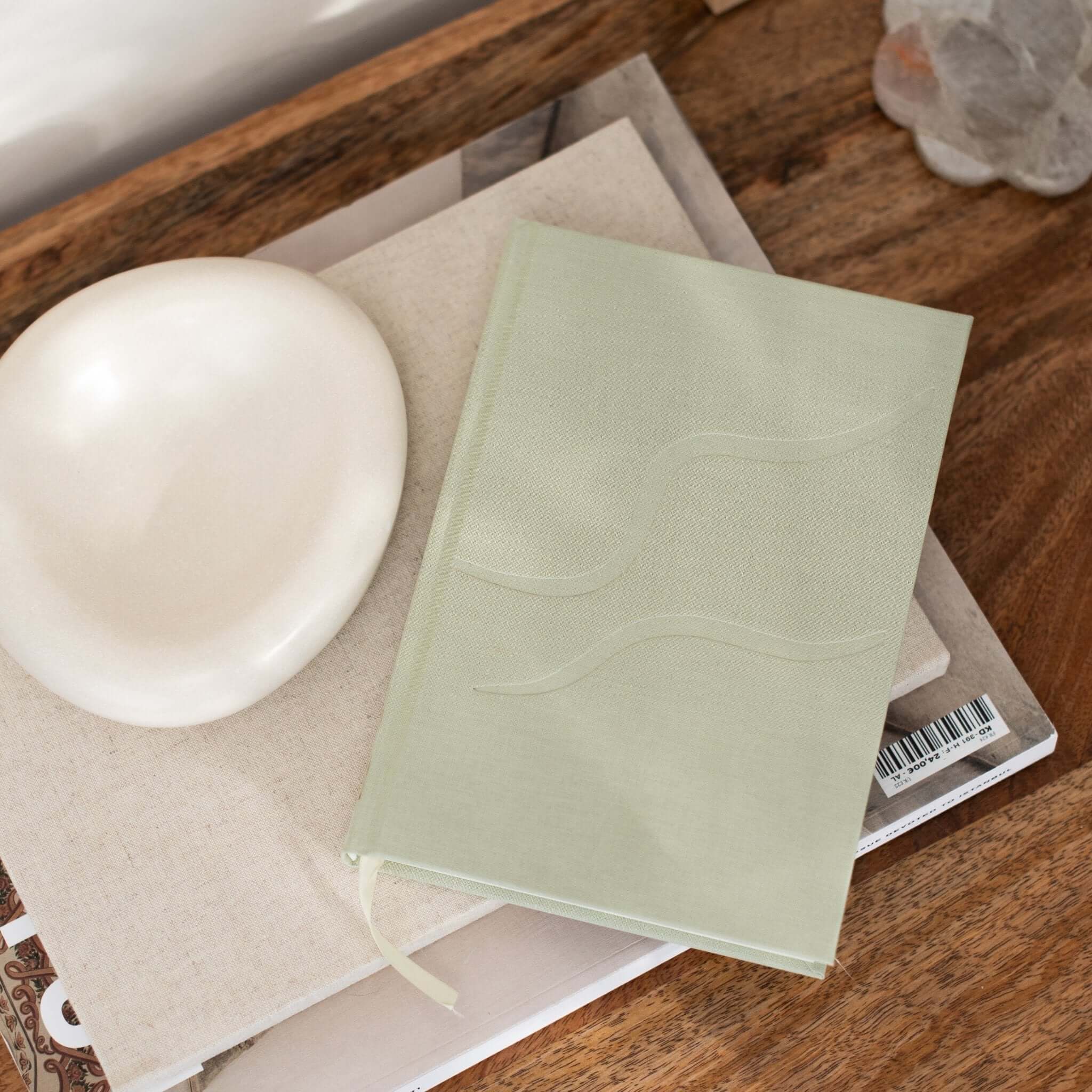
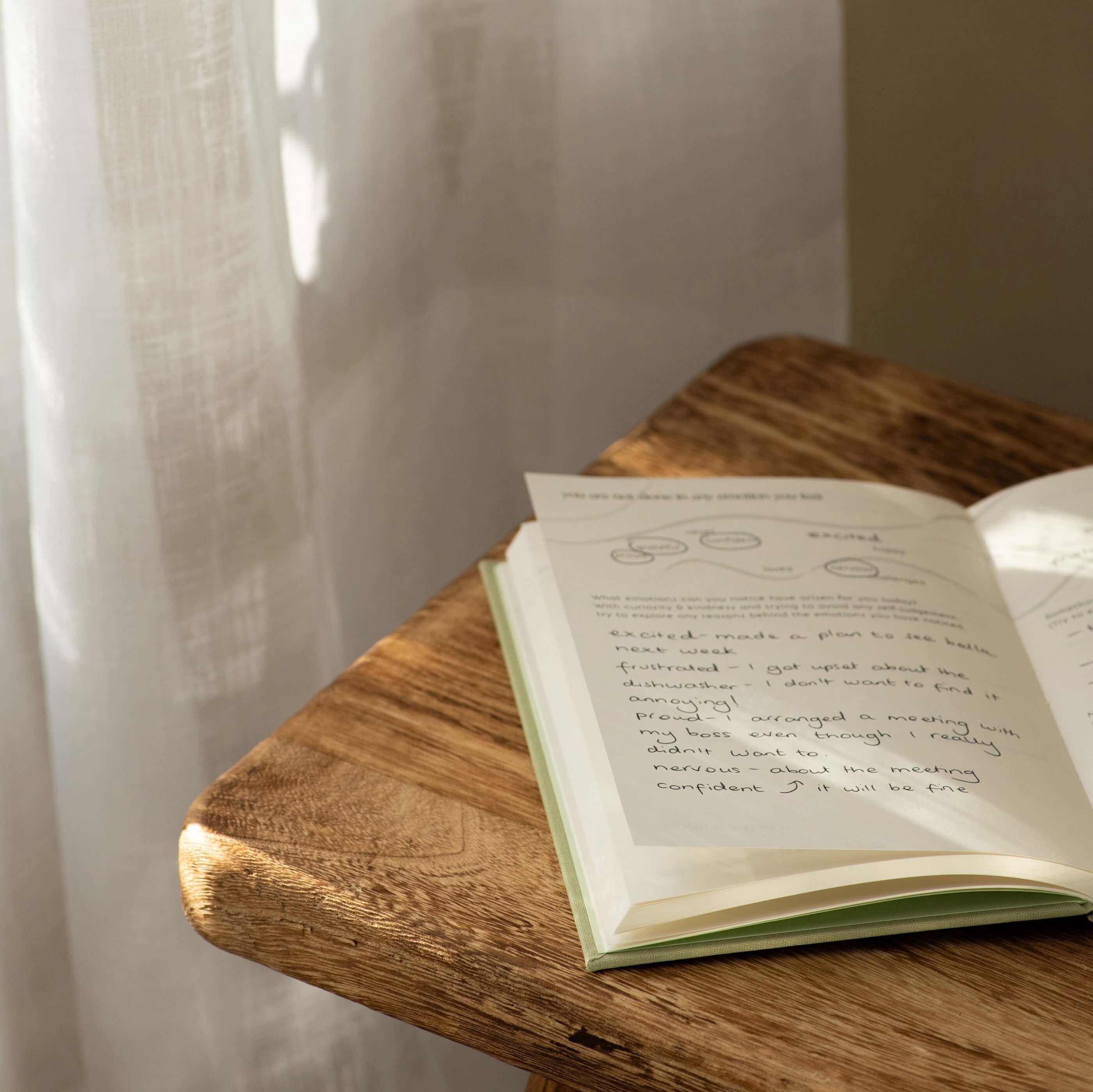
The Give Yourself Kindness Journal
Expert Recommendations from Leading Mental Health Professionals

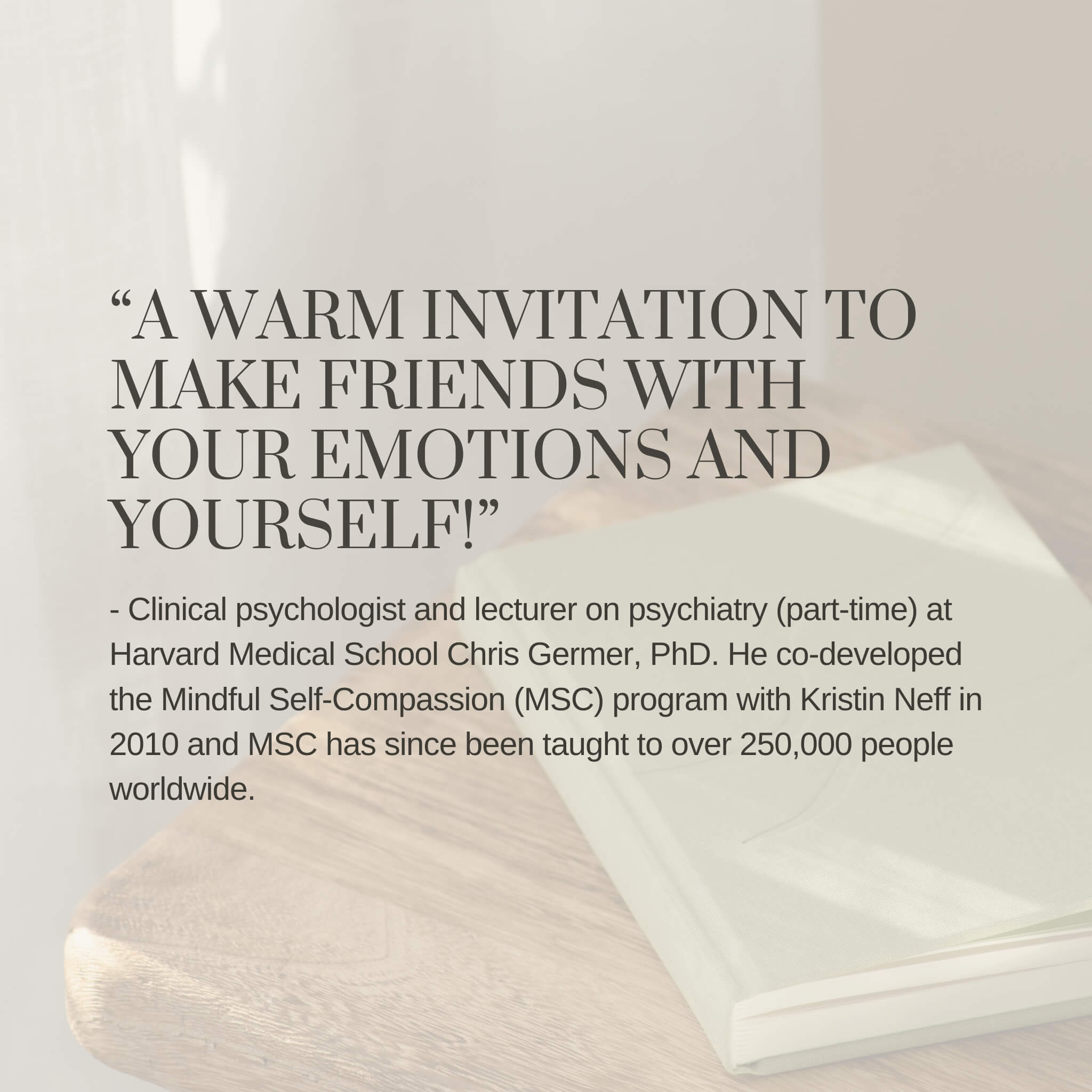
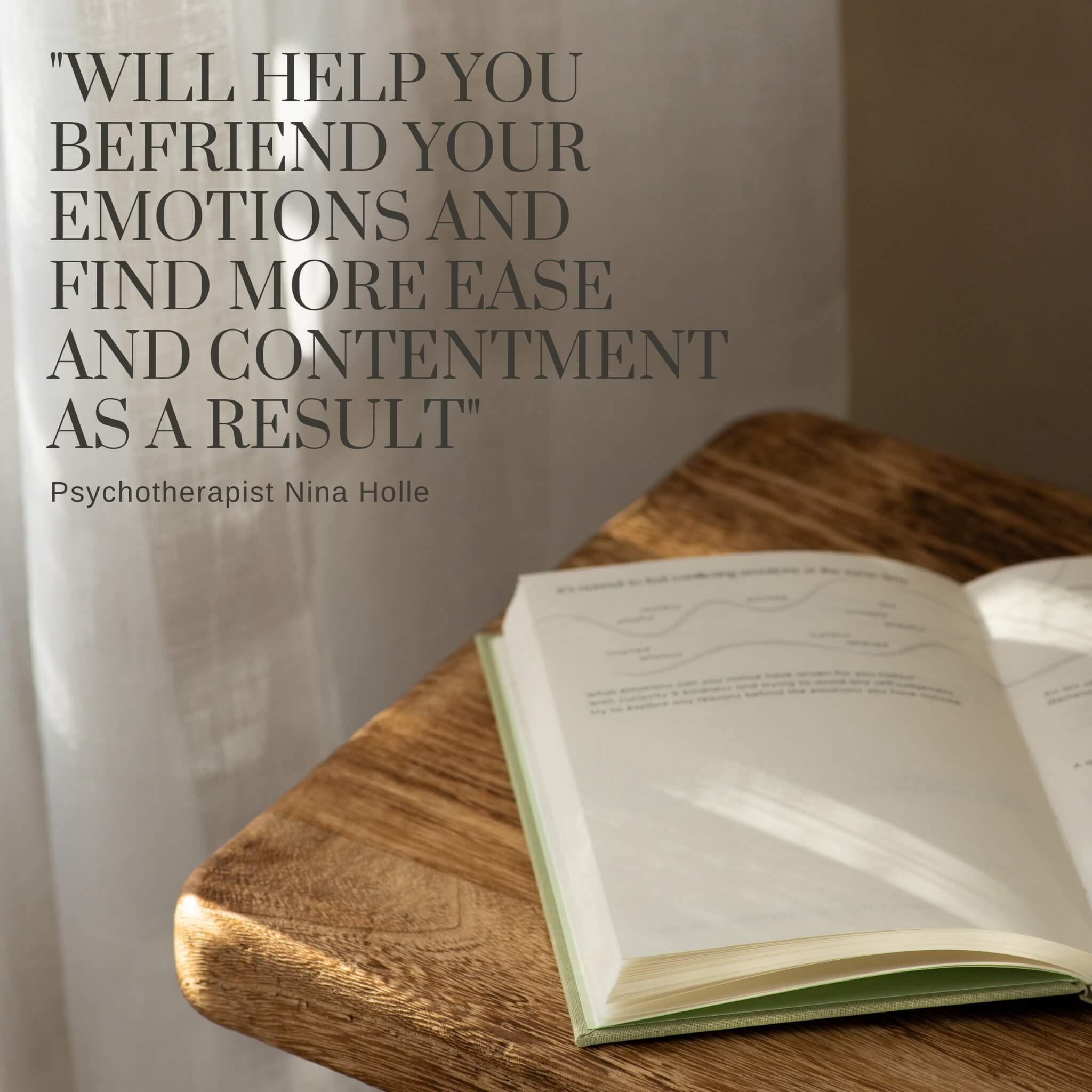
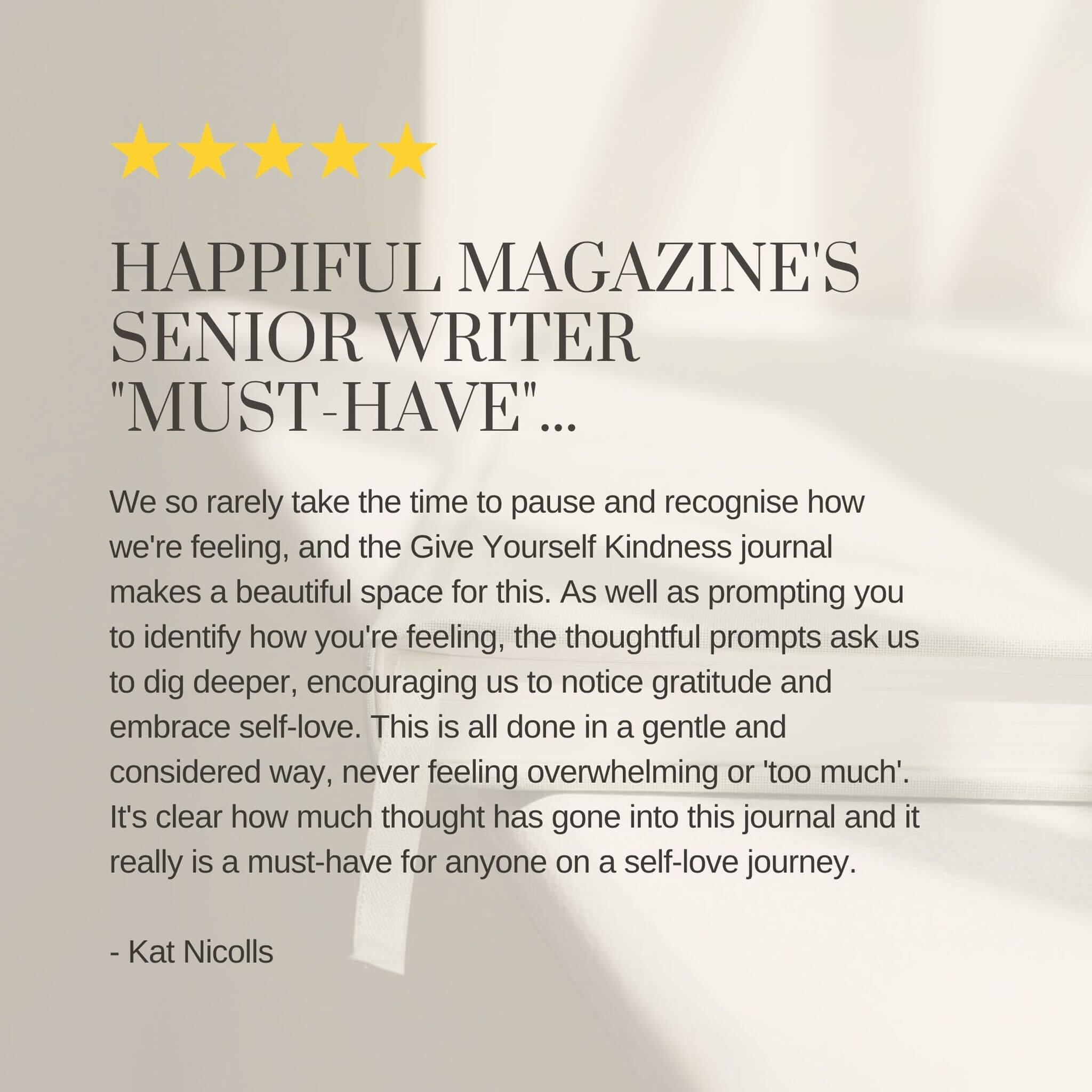
"A warm invitation to make friends with your emotions and yourself!"
Dr. Chris GermerClinical Psychologist & Lecturer at Harvard Medical School. Co-developed the Mindful Self-Compassion (MSC) program with Kristin Neff in 2010, which has since been taught to over 250,000 people worldwide.

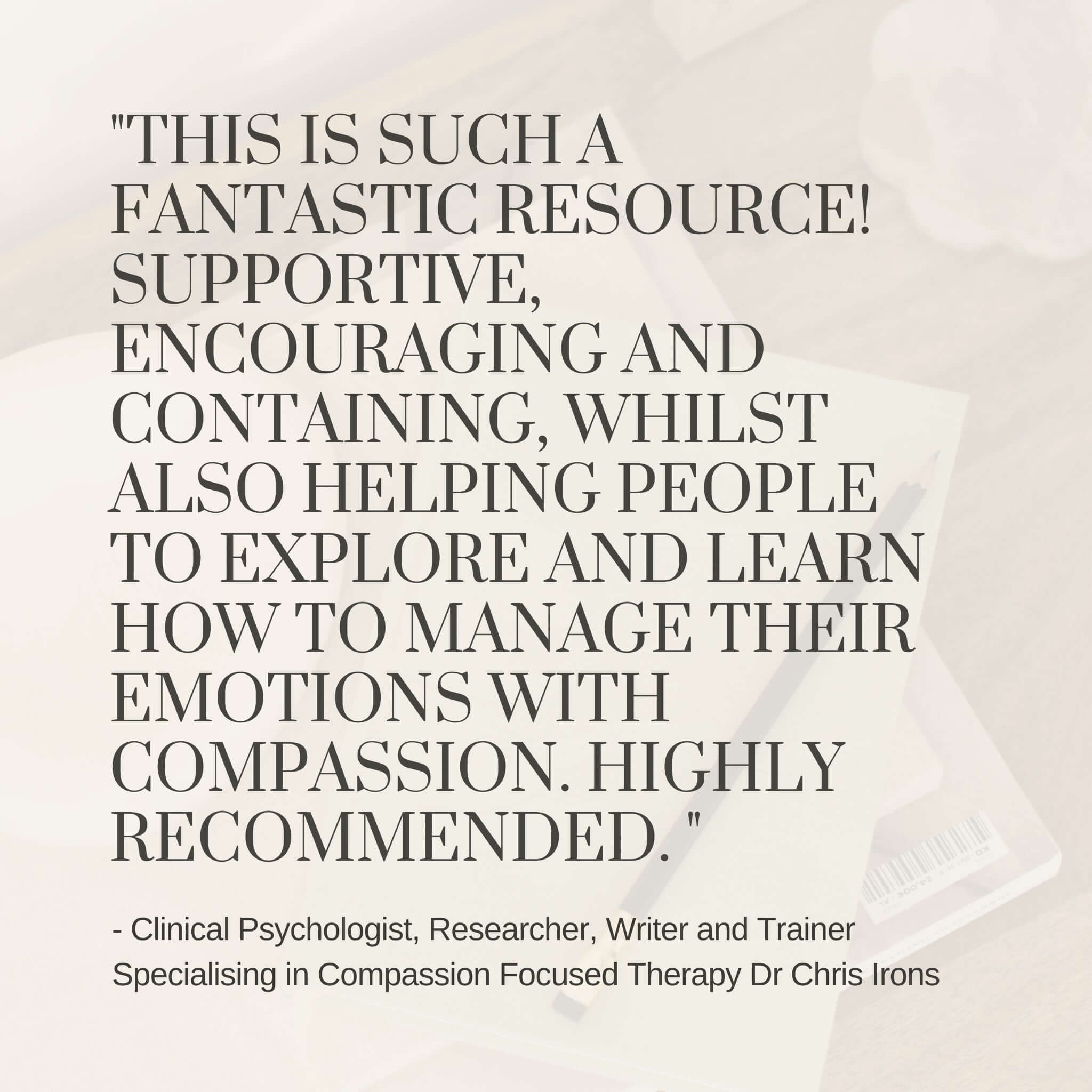
"This is such a fantastic resource! Supportive, encouraging and containing, whilst also helping people to explore and learn how to manage their emotions with compassion. Highly recommended."
Dr. Chris IronsClinical Psychologist, Researcher, Writer and Trainer Specialising in Compassion Focused Therapy (CFT)

"Rachel has curated the experience to make the writing intrinsically rewarding and the journal something to treasure. Writing can be creative, beautiful, resourcing, but it can also invoke an inner critic, rumination and procrastination. Rachel has curated the experience to make the writing intrinsically rewarding and the journal something to treasure."
Professor Willem Kuyken, PhD, DClinPsyRitblat Professor of Mindfulness and Psychological Science at the University of Oxford. Listed by Web of Science as in the top 1% of the most cited scientists in the world.
Why It's Different (And Why That Matters)
Who It's For
- Want mental health support backed by leading experts
- Need help navigating difficult emotions, not just tracking good ones
- Get bored with repetitive journal prompts
- Are tired of forced positivity that makes you feel worse
- Value evidence-based approaches to wellbeing
- Want something your therapist would recommend
- Are looking for a meaningful gift that truly helps
- Want organizational features: This focuses purely on emotional wellness (no meal planning or schedules)
- Prefer tracking physical metrics: Papier or Clever Fox are designed specifically for sleep, exercise, and nutrition tracking
The 5-Minute Journal
What Makes It Different
Structured around the same simple prompts every day: morning gratitude, daily affirmations, and evening reflections on what went well. The consistency is the point—building a quick habit.
Papier Wellness Journal
What Makes It Different
Combines wellness tracking (sleep, water, exercise) with reflection prompts. Includes weekly and monthly check-ins covering six "pillars" of wellness: energy, mind, movement, nourishment, connection, and rest. More structured and productivity-oriented than purely emotional.
Clever Fox Wellness Planner
What Makes It Different
Comprehensive planner with prompts and self-assessment tools covering all aspects of wellbeing including health, nutrition, and exercise. Includes goal-setting frameworks and detailed progress tracking. More planner than journal.
How to Choose the Right Wellness Journal
Find Your Best Match Based on What You Need:
Recommended by Harvard Medical School and Oxford University professors—designed specifically for emotional wellbeing
Find quick, consistent gratitude practice when time is limited
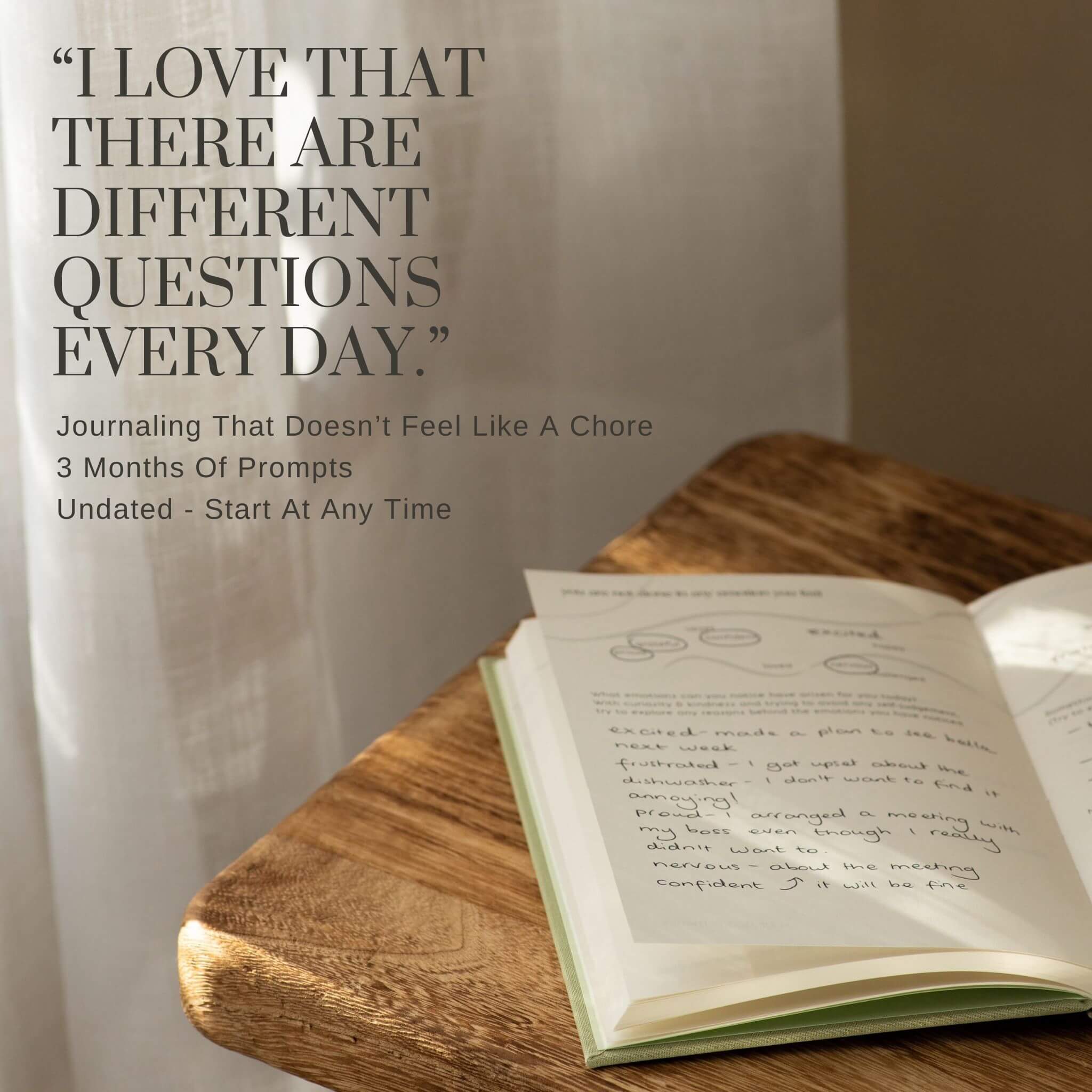
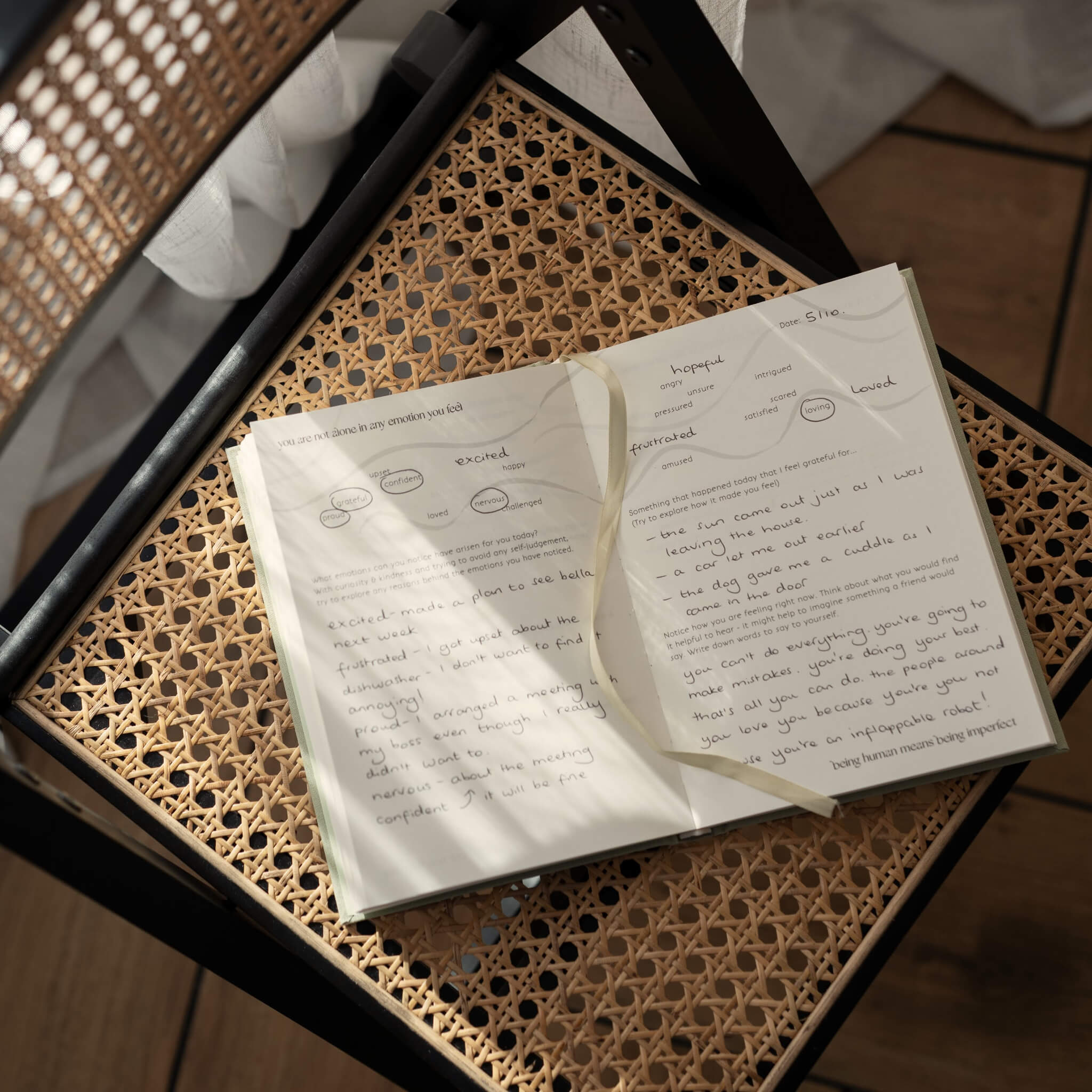
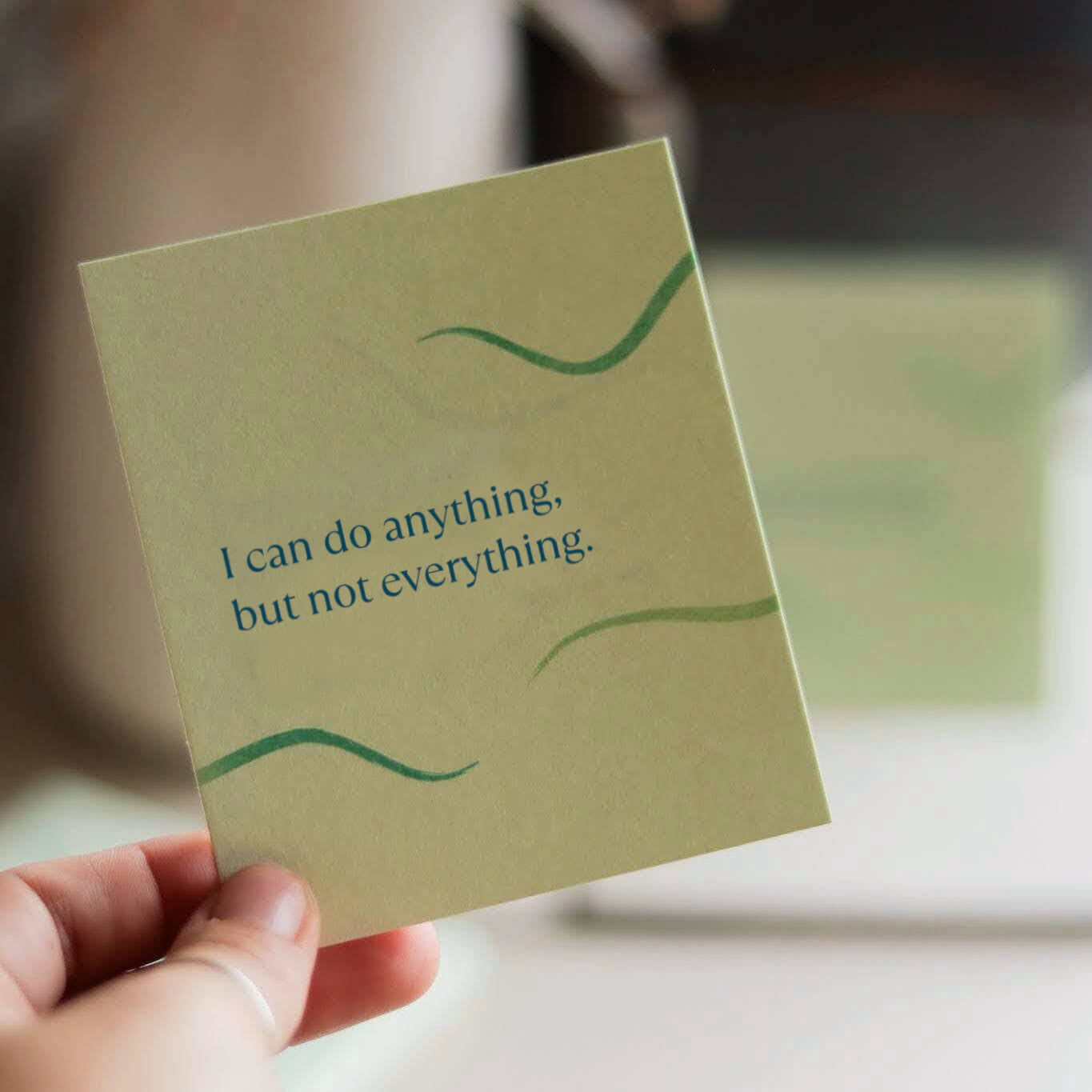
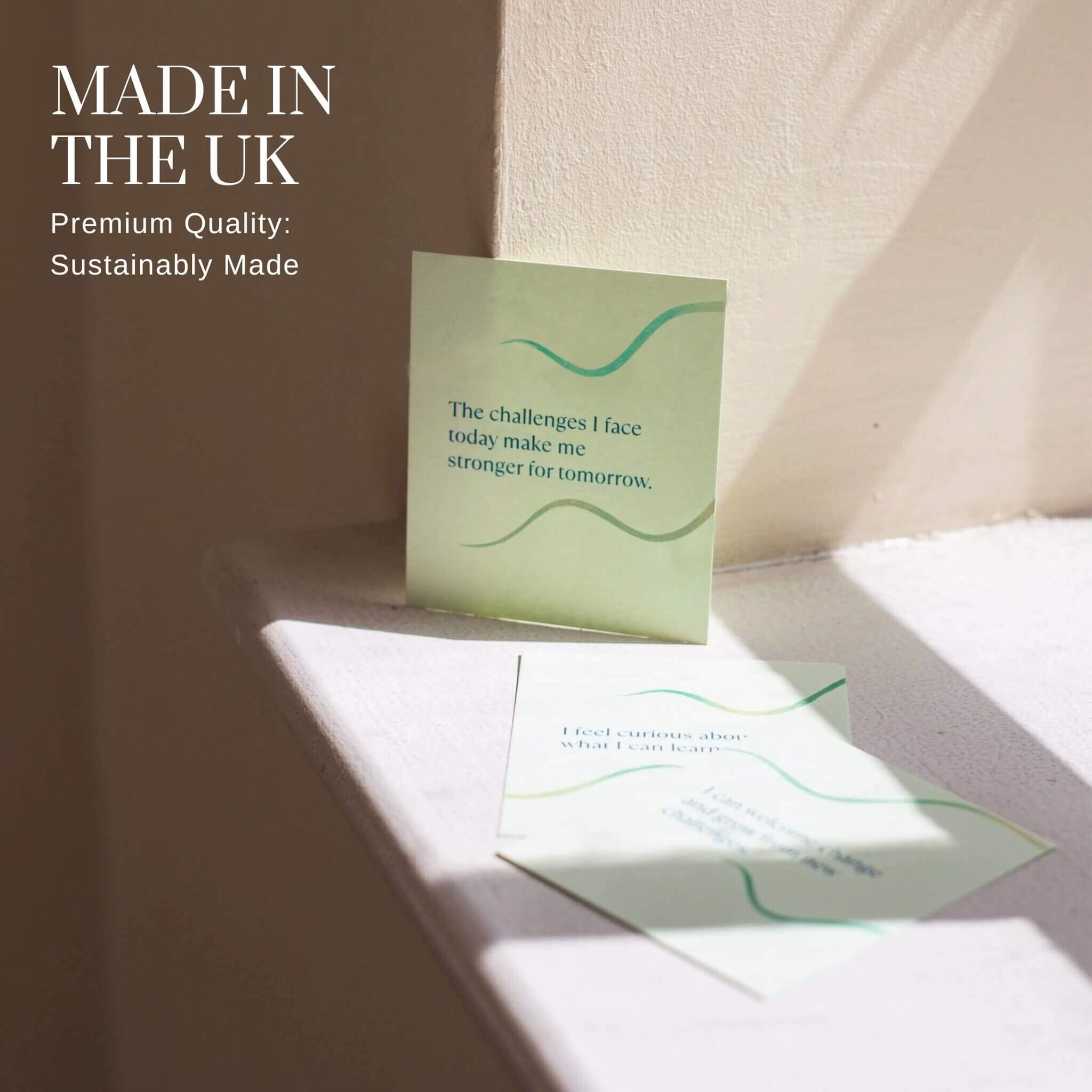
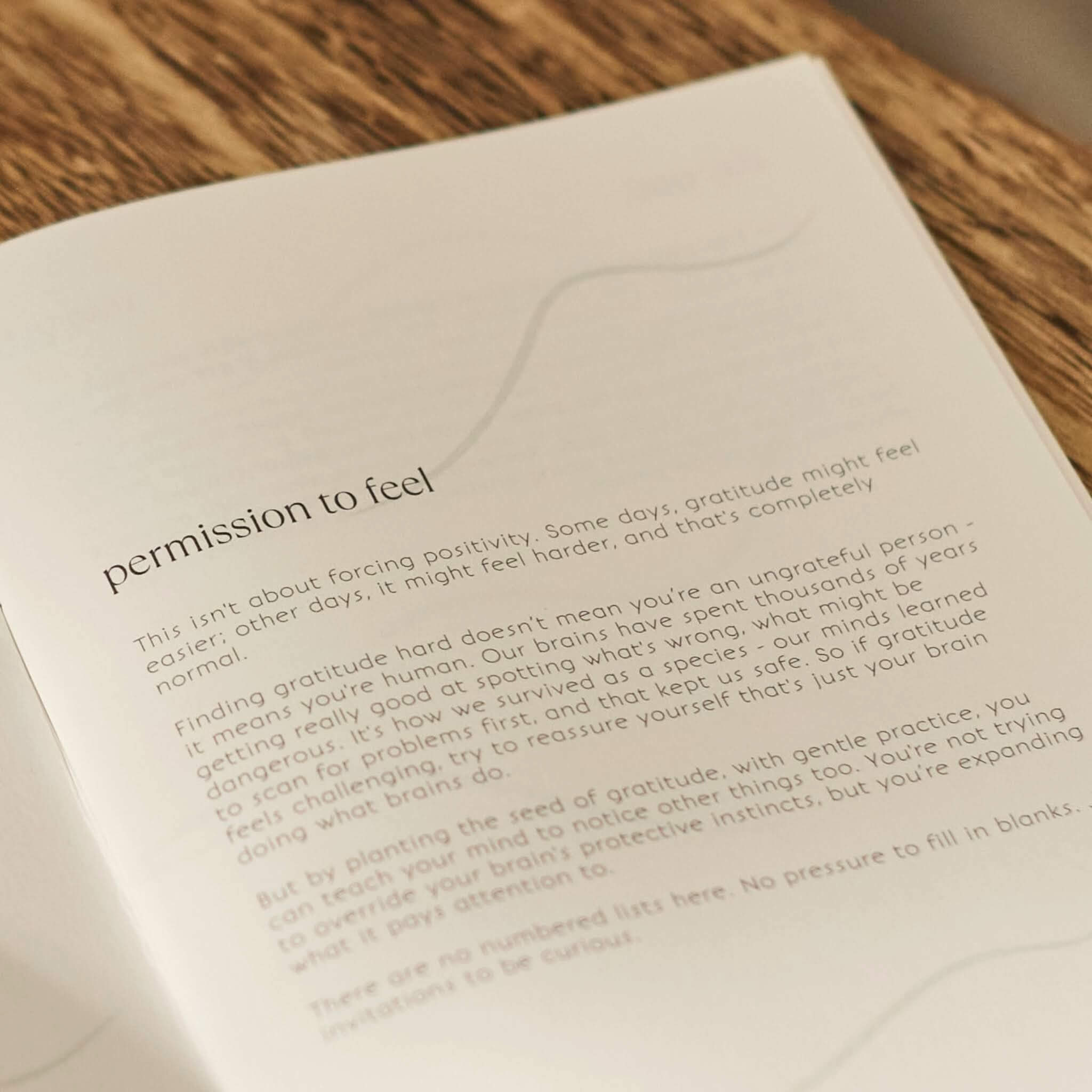
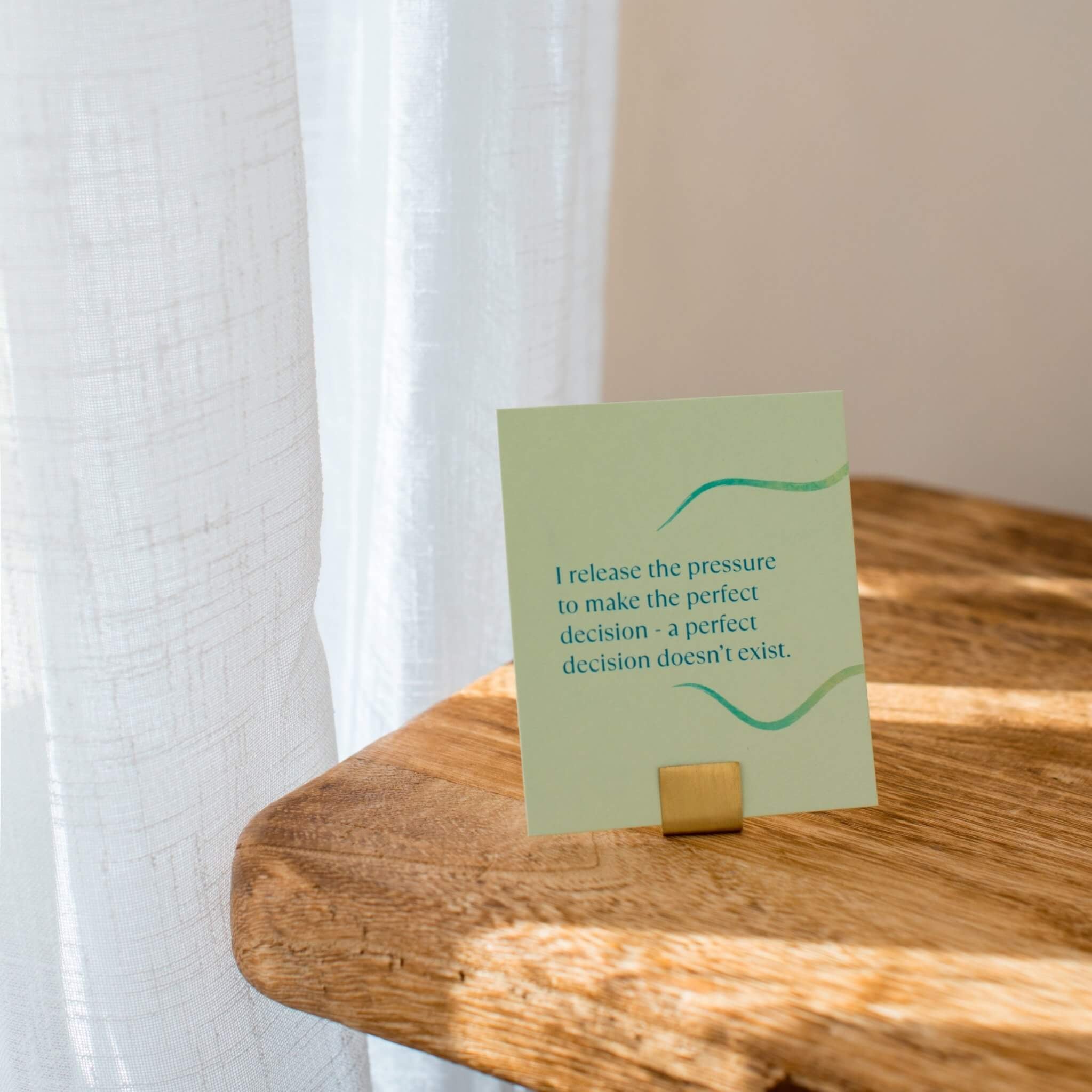
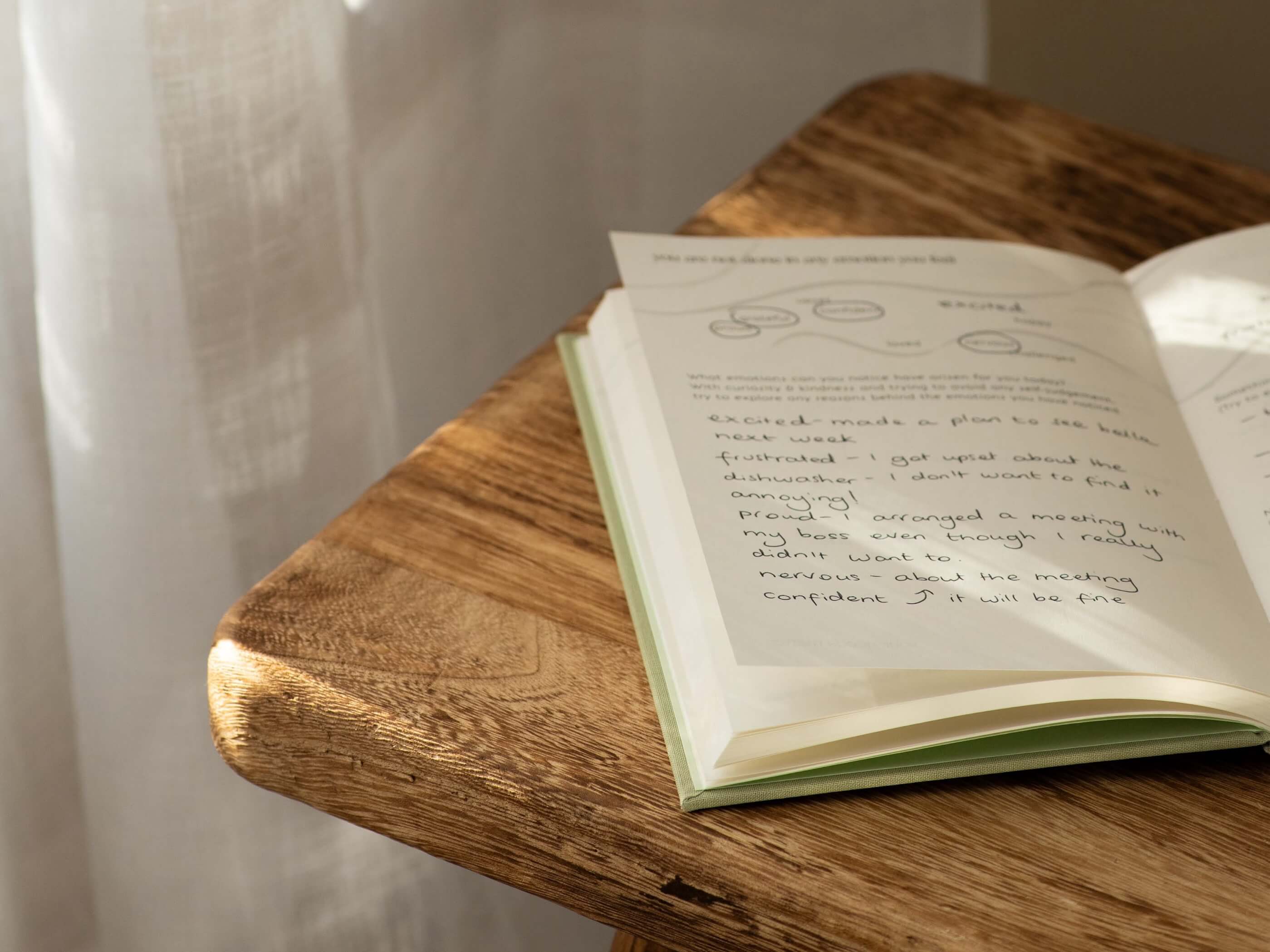
90 completely unique pages keep your practice fresh and engaging
Self-compassion approach that welcomes all emotions, not just positive ones
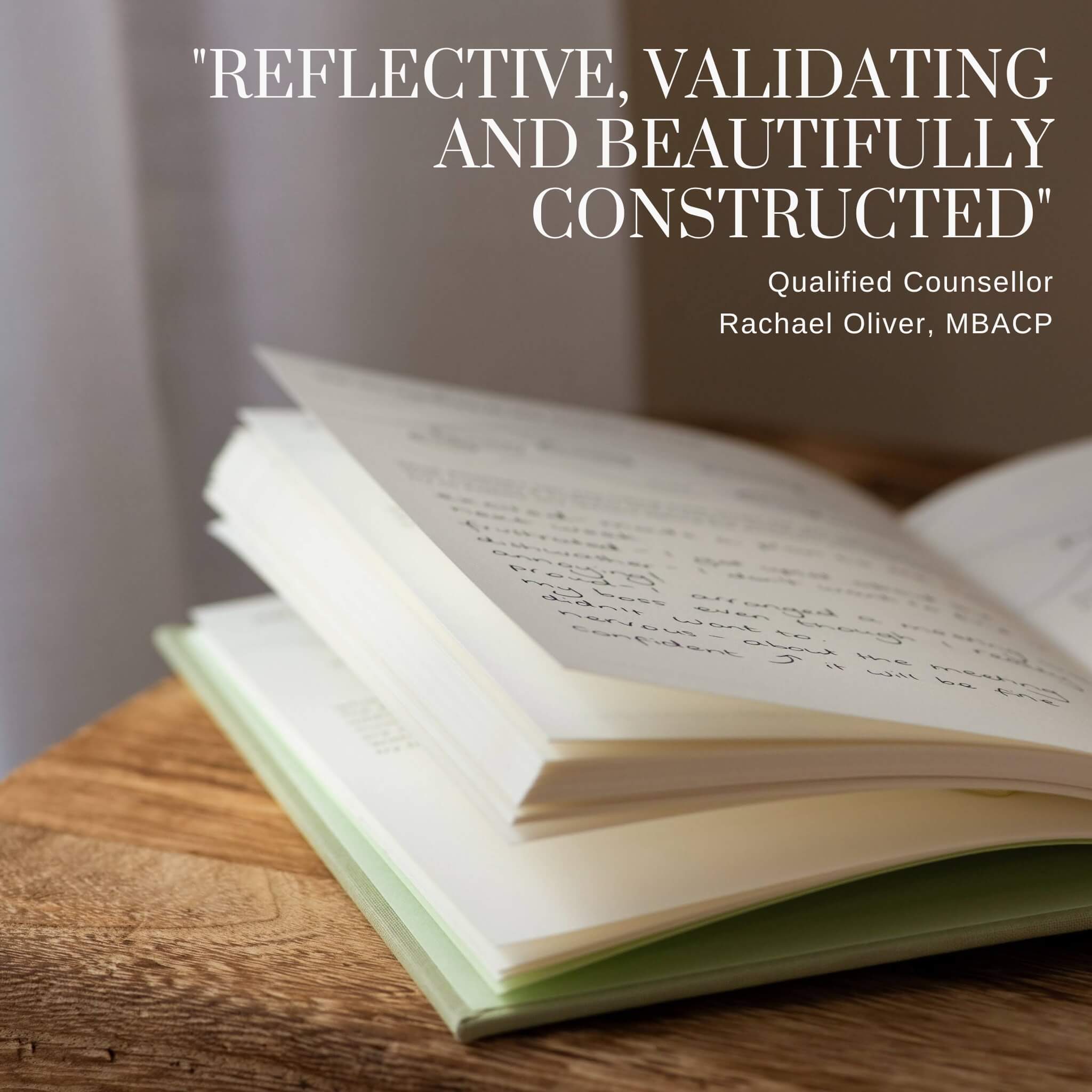
Used by therapists with their clients worldwide, backed by leading mental health researchers
Why Journaling Works: The Science Behind Wellness Journals
Before choosing a wellness journal, it helps to understand why journaling works in the first place. We asked three clinical psychologists to explain the science behind journaling's benefits for mental health.

Licensed Clinical Psychologist | 15+ years in mental health
"Journaling can significantly boost mental health and well-being. One of the main benefits is that it helps people express and process their emotions. When you write about your thoughts and feelings, it creates a safe, private space for your emotions, allowing you to understand and manage them better... This act of putting emotions on paper can increase self-awareness and provide insight, helping you spot patterns in your thinking and behavior."

PhD Clinical Psychologist | EMDRAA Accredited Practitioner | 15+ years experience
"Decades of studies have demonstrated [journaling's] wide-ranging benefits... Writing down thoughts and feelings can provide many of us with a healthy outlet for processing emotions, reducing stress, and gaining clarity. This can lead to insights, and better decision-making and problem-solving skills. Overall, journaling is a versatile and accessible tool that supports mental health, personal growth, and emotional development."
Clinical Psychologist | Specialist in Compassion Focused Therapy | Co-director of Balanced Minds
"Journalling can be a powerful way of developing self-reflection, self-discovery and enhancing emotion regulation. However, from a Compassion Focused Therapy (CFT) point of view, it's useful to consider which part of ourselves is doing the journalling... CFT tries to support people by initially helping them to develop a compassionate part of self - a part that is wise, strong and caring."
Read the full article: The Benefits of Journaling from 3 Clinical Psychologists →
The key takeaway: Not all journaling approaches are equal. Evidence-based approaches like self-compassion and CBT have demonstrated effectiveness, which is why mental health professionals recommend journals grounded in research rather than just popular trends.
Our Recommendation for Emotional Wellbeing
Best for mental health: The Give Yourself Kindness Journal
If you need genuine support with difficult emotions (not just a place to track good things), want variety that keeps you engaged, and need something that works on hard days—not just easy ones—this journal was designed for exactly that.
What makes it different: The backing from Harvard Medical School and University of Oxford professors means it's grounded in actual research. The 90 unique pages mean you won't get bored. And the self-compassion approach means it works when you're struggling, not just when you're already feeling good.
Explore Give Yourself Kindness Journal →Frequently Asked Questions
Do wellness journals actually work for mental health?
Yes, but not all journals work equally well. Research shows journaling can support mental wellbeing, reduce stress, and help you process emotions—but the approach matters.
Journals that welcome all your emotions (not just positive ones) and use evidence-based techniques like self-compassion tend to be more helpful than those pushing forced positivity. When you're already struggling, being told to "just be grateful" often makes things worse.
What makes a wellness journal effective for mental health?
Mental health professionals look for journals that:
- Welcome all emotions (not just positive ones)
- Are grounded in research-backed approaches
- Offer genuine variety to maintain engagement
- Support emotional intelligence and self-compassion
- Are recommended by clinical psychologists or therapists
How long should I spend journaling each day?
This depends on your needs and the journal. Quick gratitude journals work well with 5 minutes. For deeper emotional processing and self-compassion work, 10-20 minutes allows for more meaningful reflection.
Consistency matters more than duration. Choose a timeframe that feels sustainable for you.
What if I'm not good at journaling?
If you've struggled with blank journals, that doesn't mean you're "not good at journaling"—it means you need structure. Staring at a blank page when you're already struggling is genuinely hard, not a personal failing.
Guided journals give you prompts so you know what to write. No more wondering if you're "doing it right" or what you should say. You just follow the prompts.
The Give Yourself Kindness Journal is specifically designed to feel natural, not forced. Every page guides you through what to write.
I've tried wellness journals before and got bored. Will this be different?
Getting bored with the same prompts every single day is completely understandable. "What are you grateful for today?" gets old fast.
The Give Yourself Kindness Journal has 90 completely unique pages—every single day is different. You'll never see the same prompt twice. This solves the boredom problem most journals have.
If your issue was time (not boredom), the 5-Minute Journal's shorter format might work better.
Can I use a wellness journal if I'm in therapy?
Absolutely. Many therapists recommend wellness journals to their clients as a between-sessions tool.
The Give Yourself Kindness Journal is specifically used by therapists worldwide with their clients. Always discuss with your therapist to ensure it complements your treatment.
What if I miss days?
This is completely normal and doesn't mean you've failed. Choose undated journals that let you pick up where you left off without guilt.
Self-compassion on difficult days is more important than perfect consistency. All the journals in this comparison are undated or flexible.
Which journal is recommended by mental health professionals?
The Give Yourself Kindness Journal is recommended by professors from Harvard Medical School and the University of Oxford, and is used by therapists with their clients worldwide.
It's grounded in self-compassion research—an evidence-based approach demonstrated to improve mental health outcomes.
What's the difference between wellness journals and gratitude journals?
Gratitude journals focus specifically on tracking things you're grateful for. Wellness journals take a broader approach, often including emotional awareness, self-compassion, mindfulness, and sometimes physical wellness tracking.
The best wellness journals include gratitude but also help you navigate difficult emotions, not just positive ones.


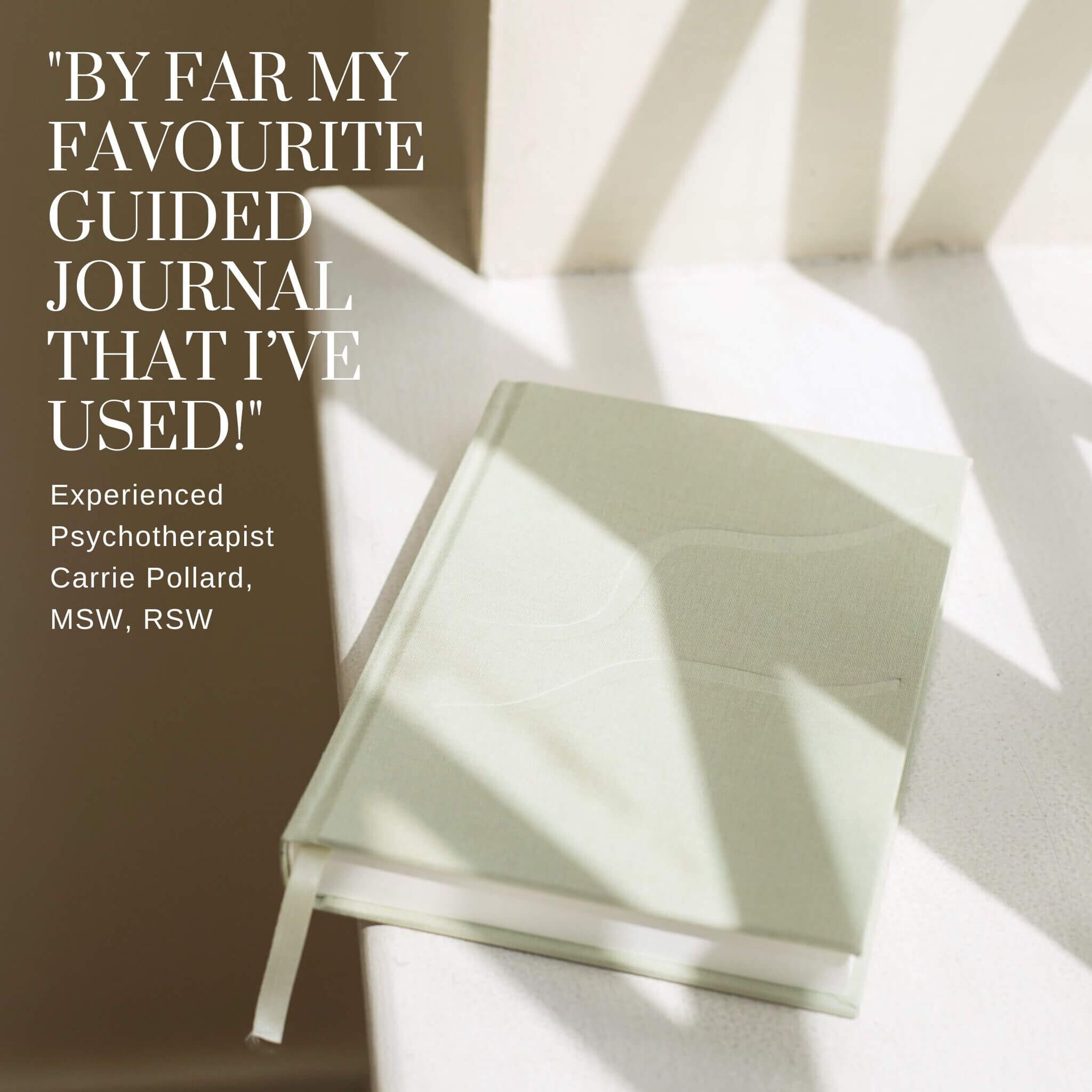
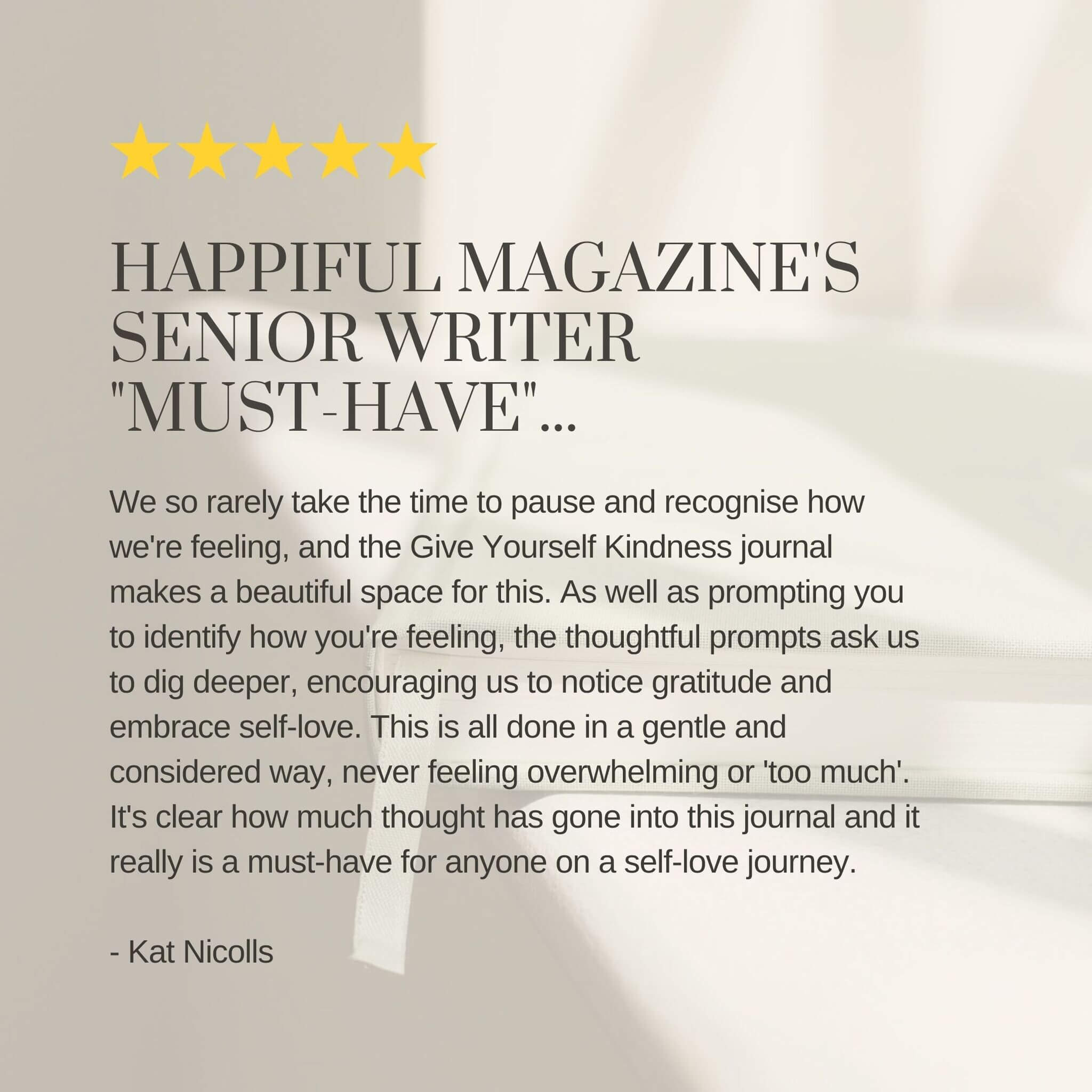
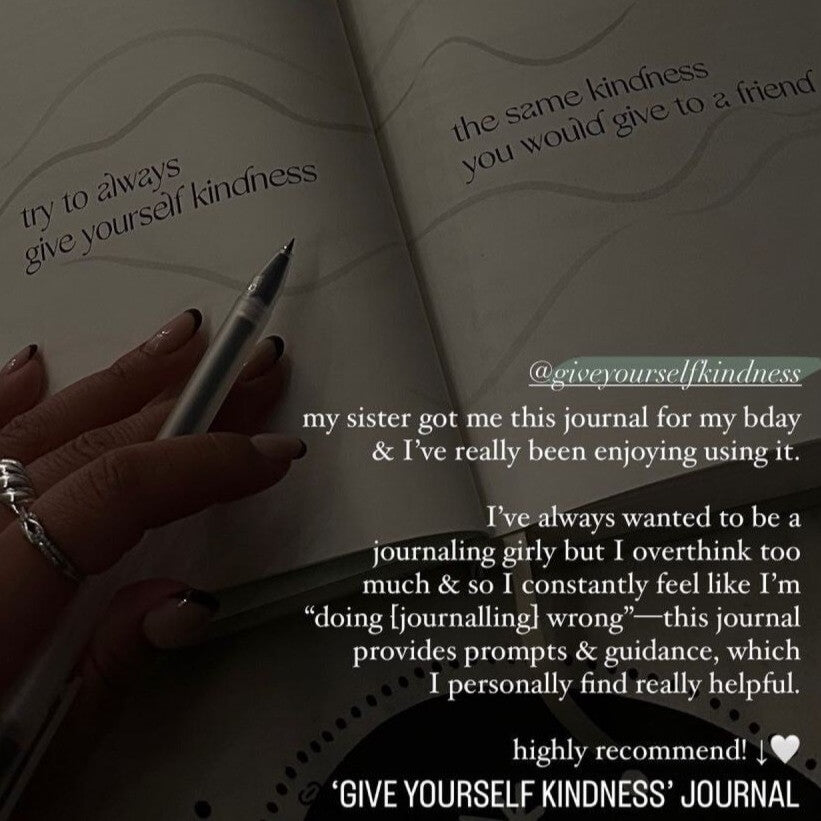
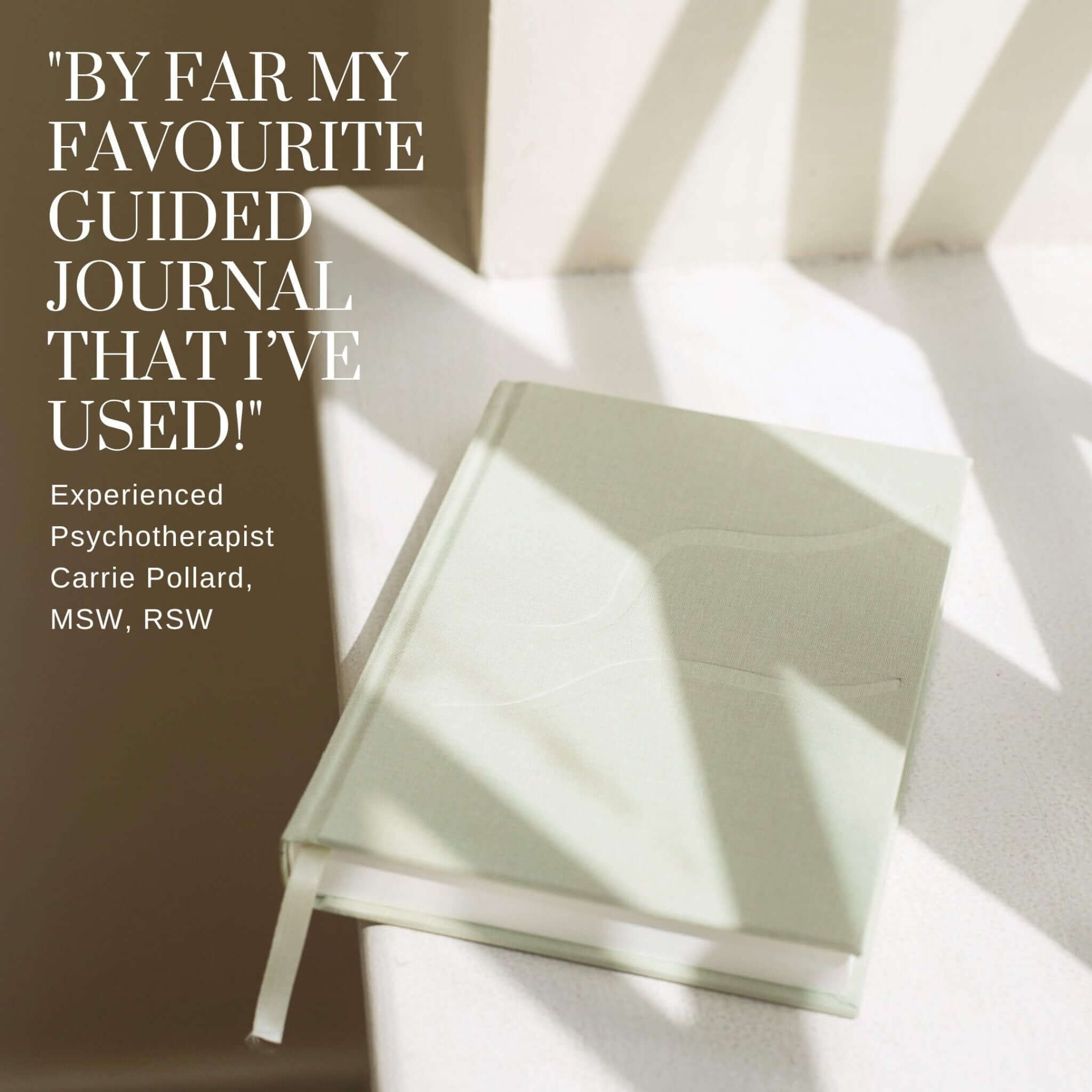
“By far my favourite guided journal that I’ve used!”
There's a lot of journals out there. Most of which include tools that can be repetitive, boring or unhelpful. Give Yourself Kindness is about creating something new.