


Last updated: October 20, 2025 | By Rachel Smith, DipBSoM
Quick Answer
The most meaningful gifts show someone they deserve support during a hard time:
- The ultimate gift → Complete Self-Care Collection (£60.95, saves £14.85)
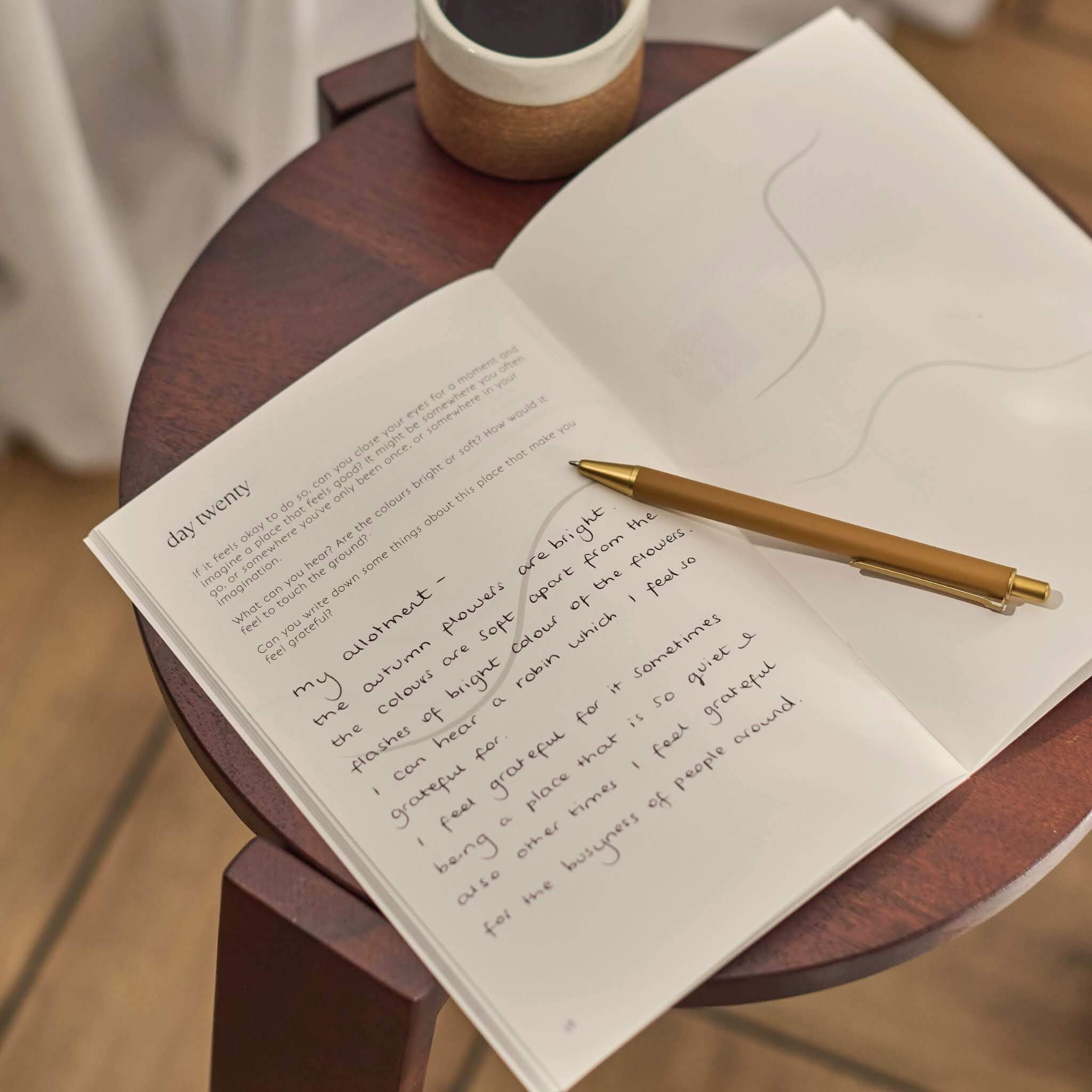
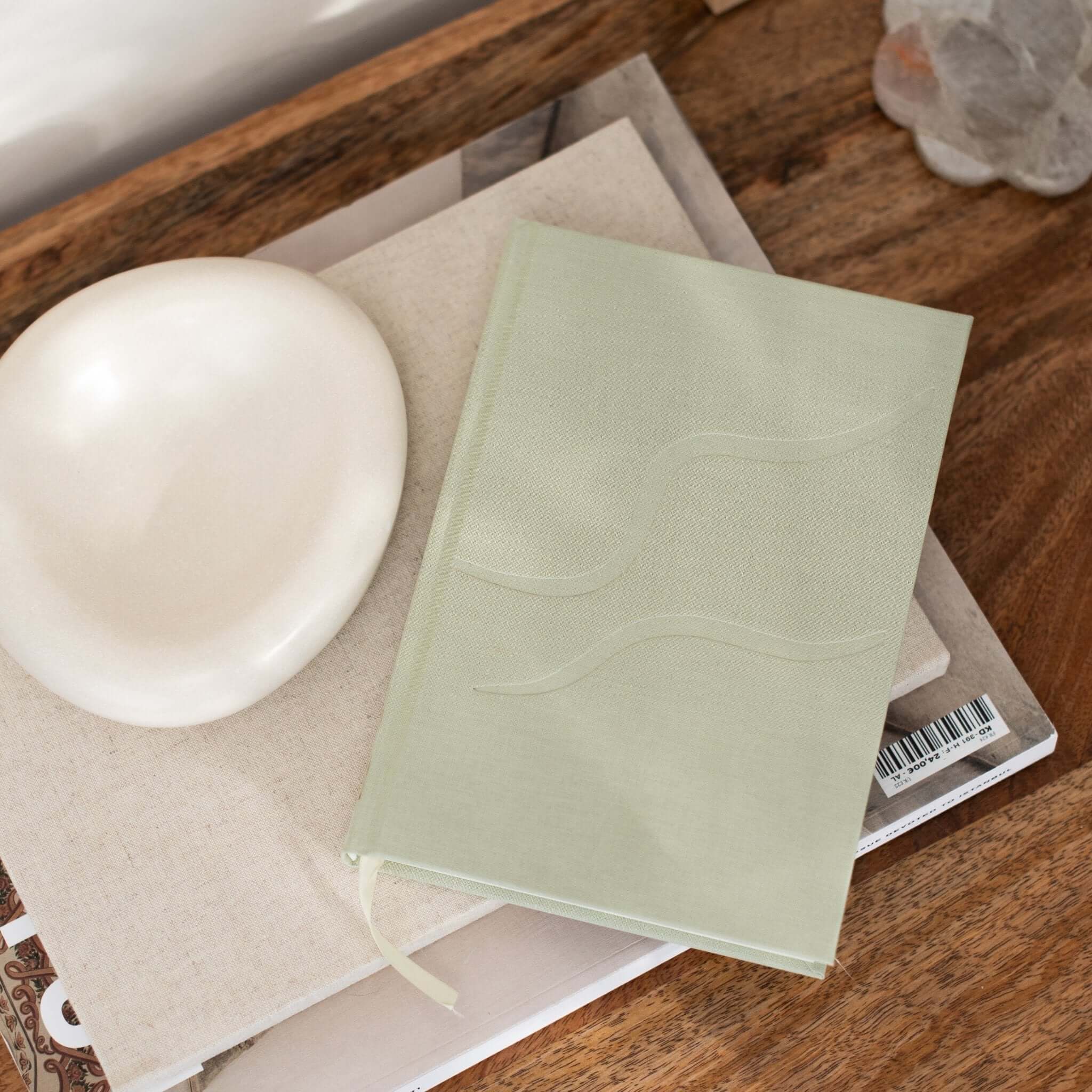
- For daily support → The Give Yourself Kindness Journal (£28.95)
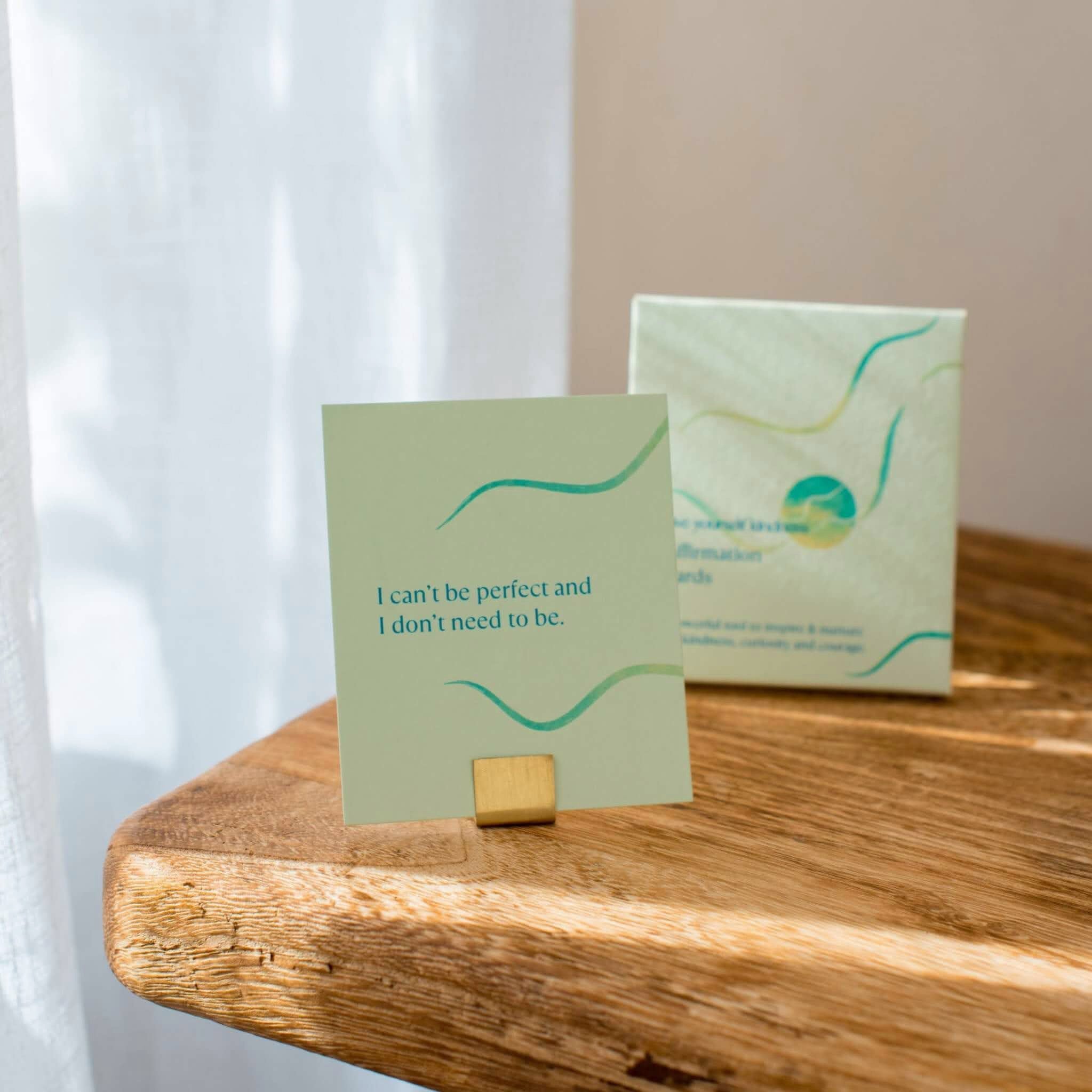
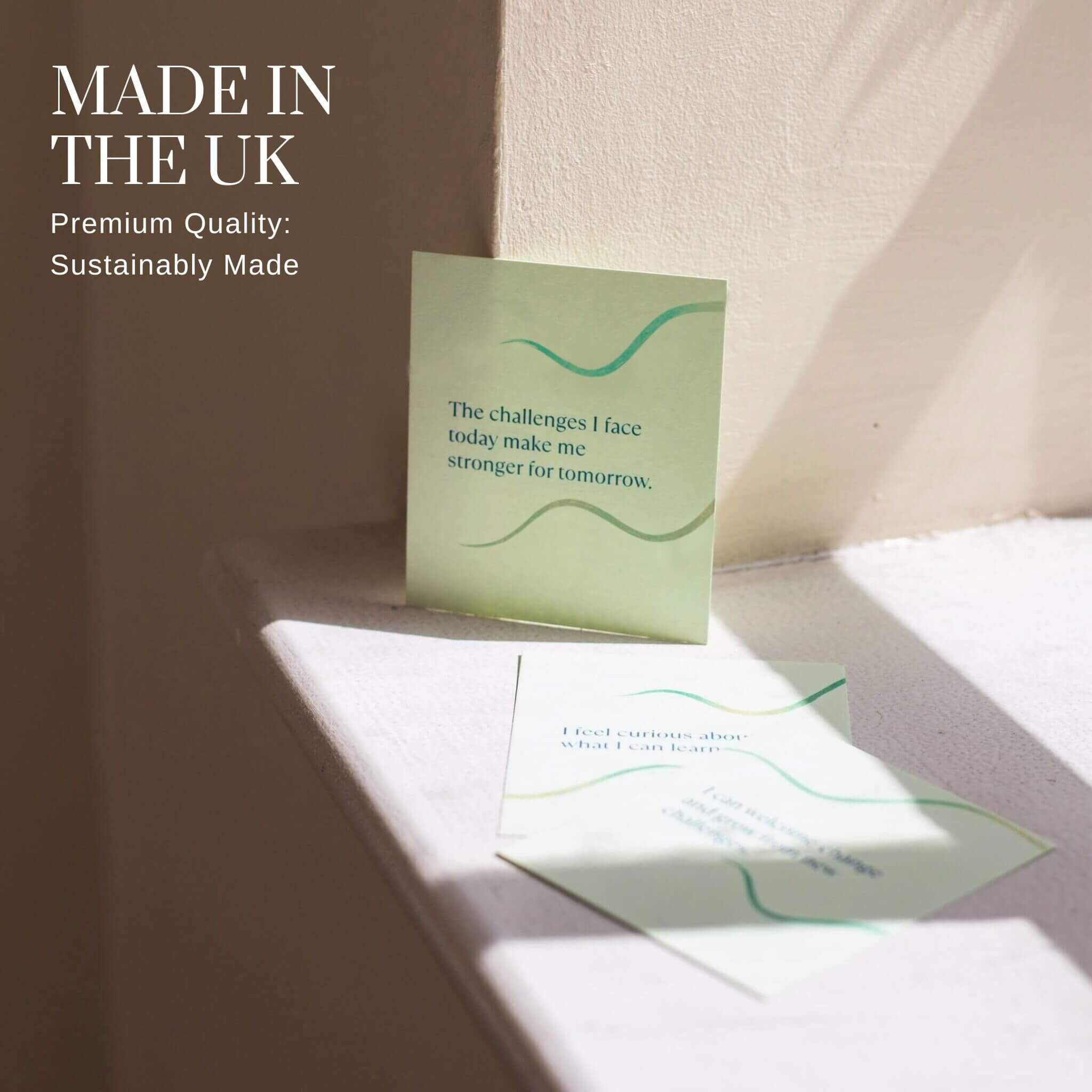
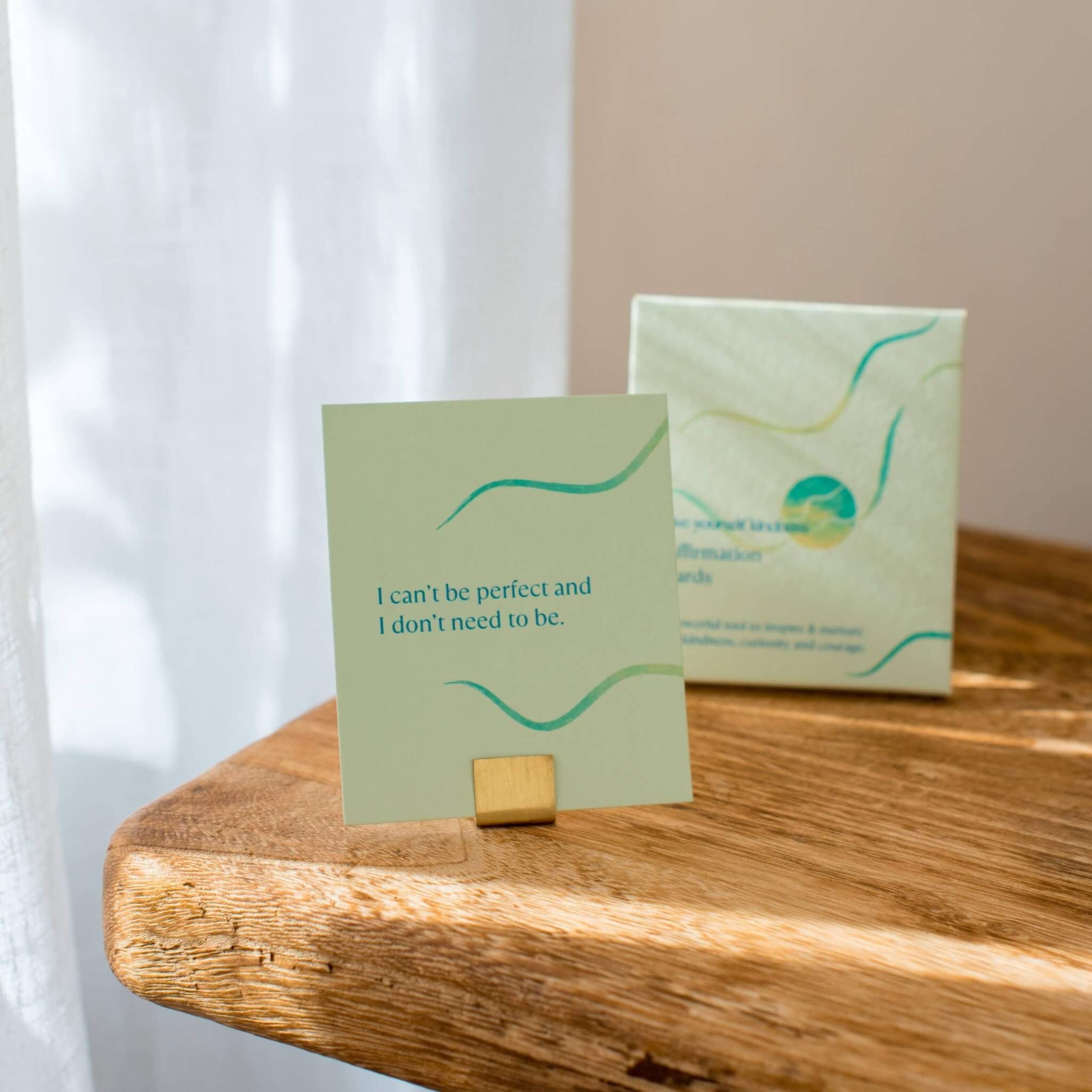
- For restless nights → Sleep Affirmation Cards (£13.95)
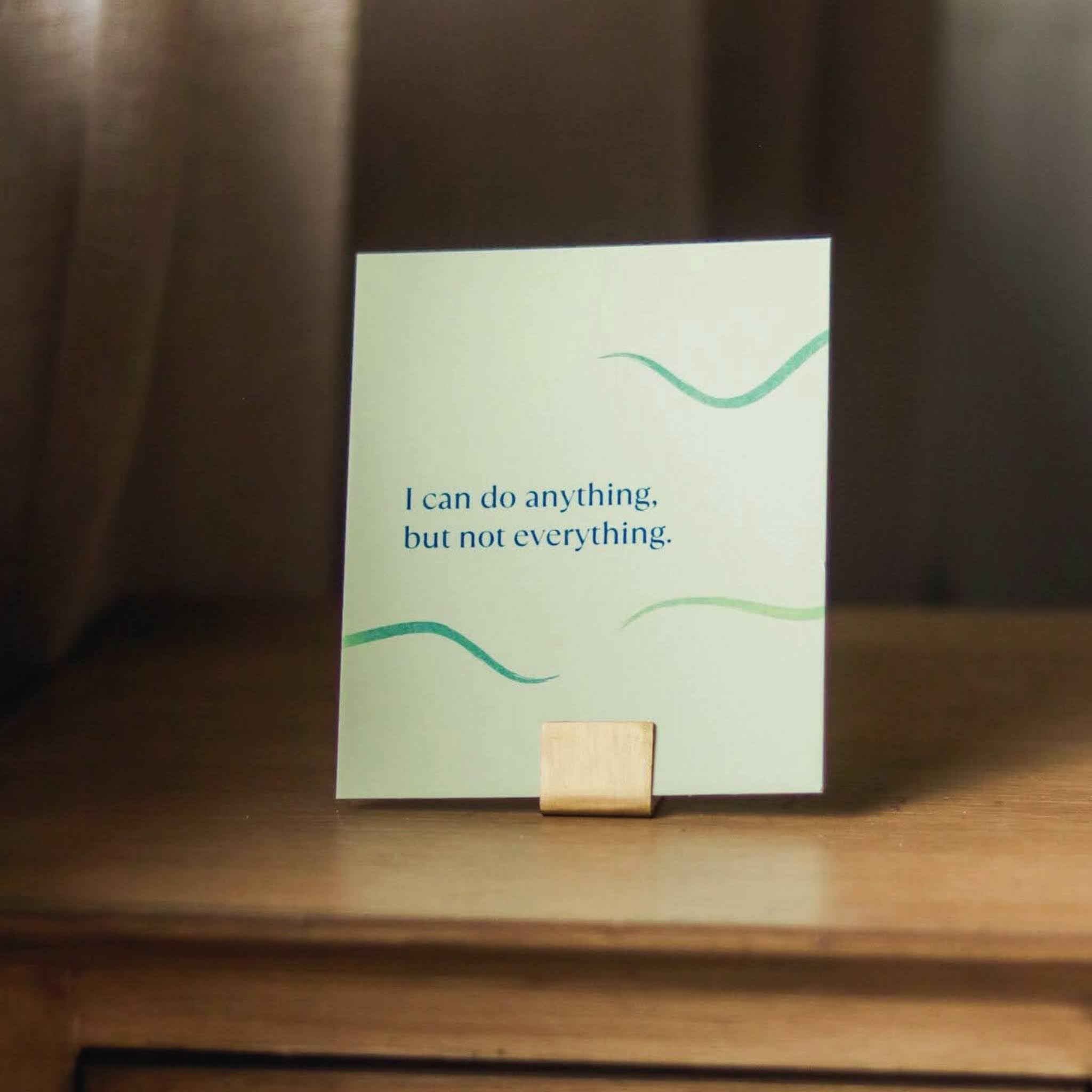
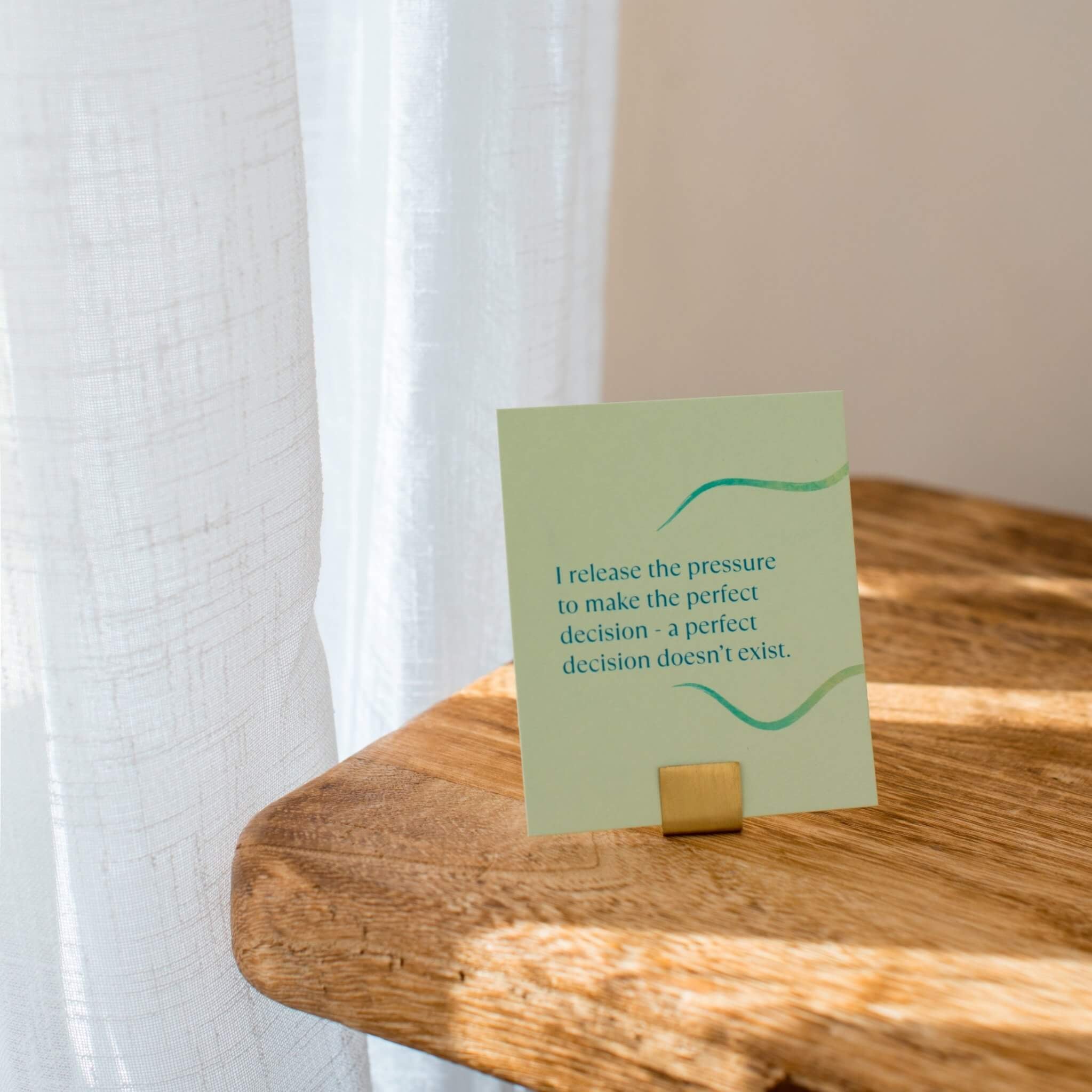
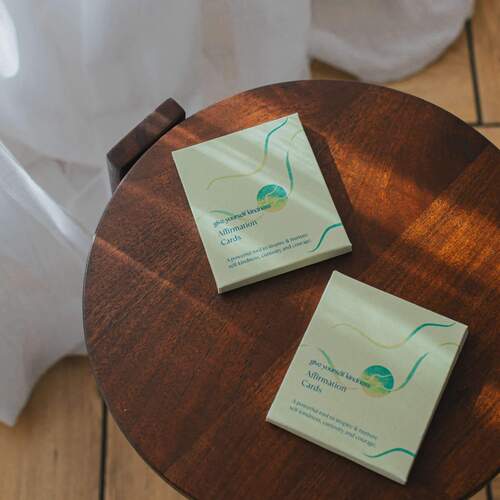
- For daily encouragement → Self-Compassion Affirmation Cards (£13.95)
Why these work: Research by Dr. Kristin Neff shows self-compassion tools help people navigate difficult times with greater resilience and wellbeing.
Full disclosure: These are my products, created after my own experience with struggling. Clinical psychologists from Harvard and Oxford recommend them—but I'll show you other options too.
Shop Complete Collection →Give a Gift That Shows You Truly Care
Someone you care about is going through a hard time. Maybe they're overwhelmed at work, navigating a difficult transition, or just feeling... heavy. You want to give them something that shows you see them, you care, and you're here.
I'm Rachel Smith, and I created Give Yourself Kindness after my own experience with struggling through burnout and anxiety. I couldn't find gifts that would have genuinely supported me—tools that felt kind rather than adding pressure.
Full transparency: I'm recommending my own products in this guide because clinical psychologists from Harvard and Oxford recommend them to their clients. But I'll also show you what makes any self-care gift meaningful, and other evidence-based options.
Why Self-Compassion Gifts Matter
Everyone struggles sometimes. It's part of being human. Work gets overwhelming. Life throws curveballs. Some days (or weeks, or months) just feel hard.
According to research by Dr. Kristin Neff and Dr. Chris Germer, self-compassion—treating yourself with the same kindness you'd offer a friend—is one of the most effective ways to navigate difficult times.
The research shows self-compassion:
- Reduces rumination and self-criticism
- Increases resilience during challenges
- Improves emotional wellbeing
- Helps people recover from setbacks faster
- Provides stable support that doesn't depend on circumstances
That's why gifts that teach self-compassion provide meaningful, lasting support—not just momentary distraction.
When These Gifts Help Most
These tools provide support during life's challenging moments:
Feeling overwhelmed, exhausted, or like you're constantly behind
New job, moving cities, relationship changes, loss of a loved one
Emotionally drained, struggling to cope with normal demands
Harsh inner critic, feeling "not enough," constant second-guessing
Racing thoughts, replaying conversations, can't turn mind off at night
Not in crisis, but not okay either—just struggling to get through each day
The common thread: These are normal human experiences. Self-compassion tools help people be kinder to themselves during hard times.
Self-Care Gifts That Show You Genuinely Care
The Complete Self-Care Collection (Ultimate Gift)
The most comprehensive, thoughtful gift you can give someone going through a hard time.
- When you want to give the ultimate self-care gift
- Someone going through a really tough time
- Showing comprehensive, thoughtful support
- When you want them to feel truly seen and cared for
Why This Is The Ultimate Gift:
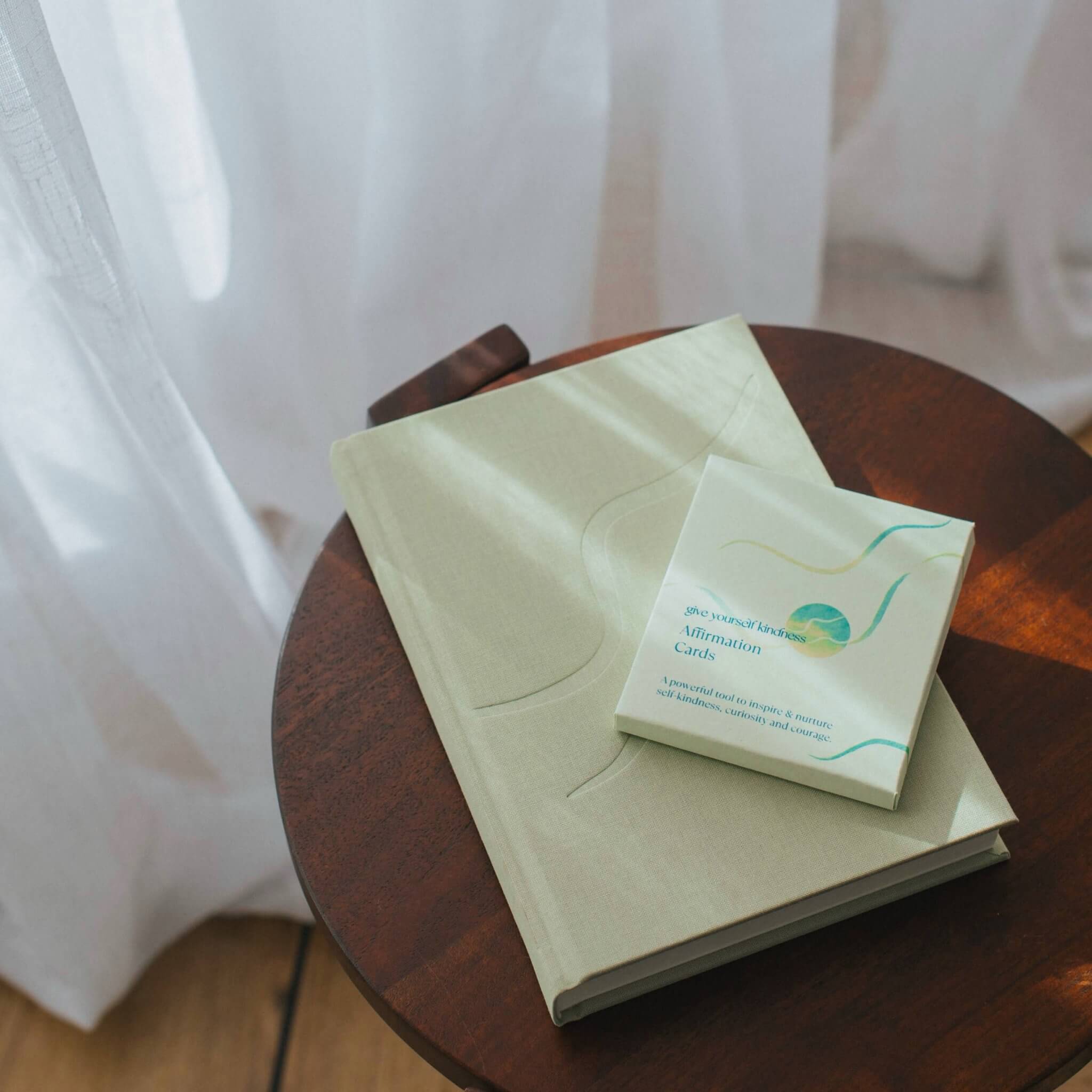
Complete Daily Support System
One tool is helpful. A complete collection creates a support system for different moments:
- Daytime: Journal for processing emotions and building self-compassion
- Throughout the day: Affirmation cards for gentle reminders they can see anytime
Shows You Truly Understand
This isn't a generic gift—it's a thoughtful collection that says "I see you're struggling, and you deserve comprehensive support."
The Best Value
Saves £14.85 compared to buying separately. Give more support, save money, show you really care.
What's Included:
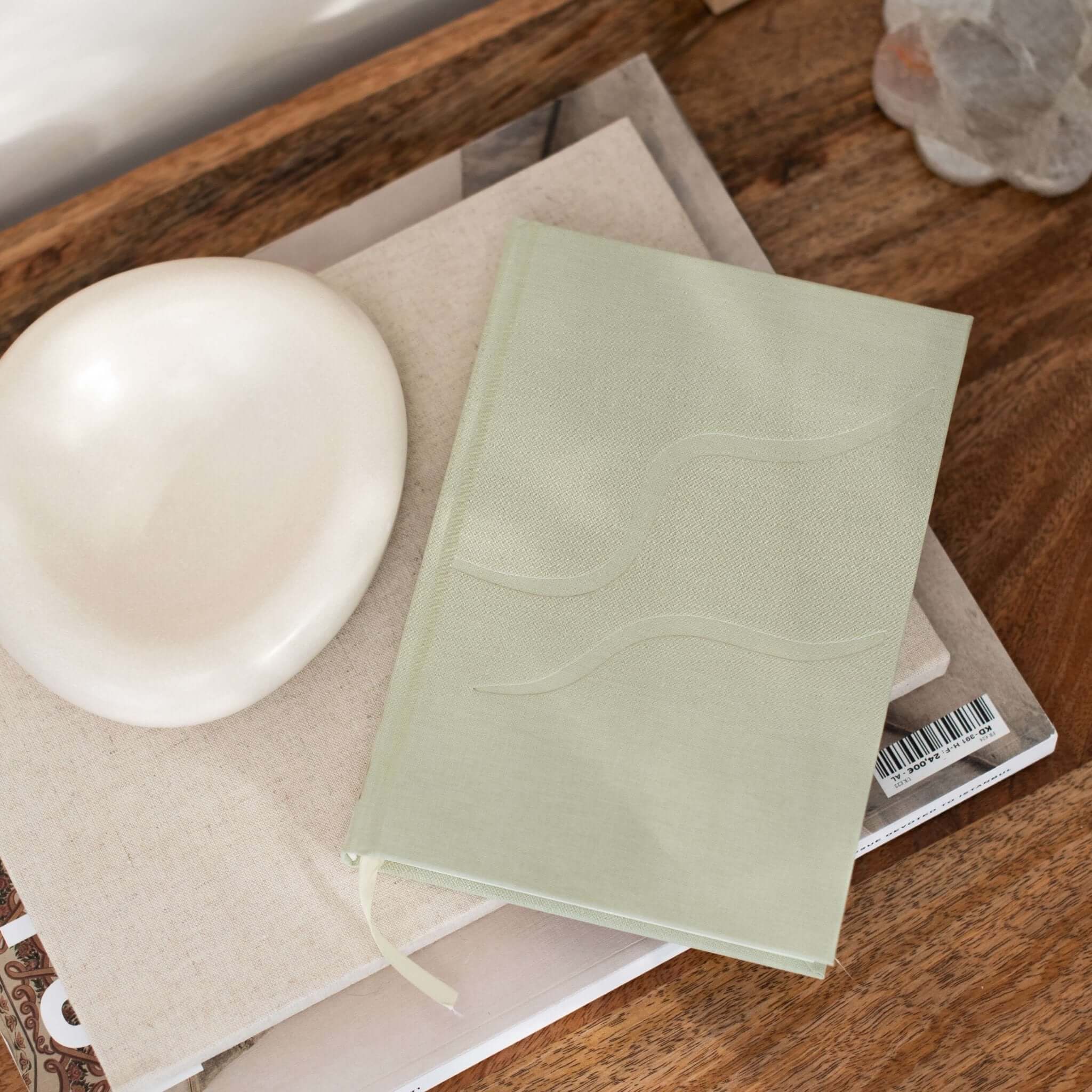
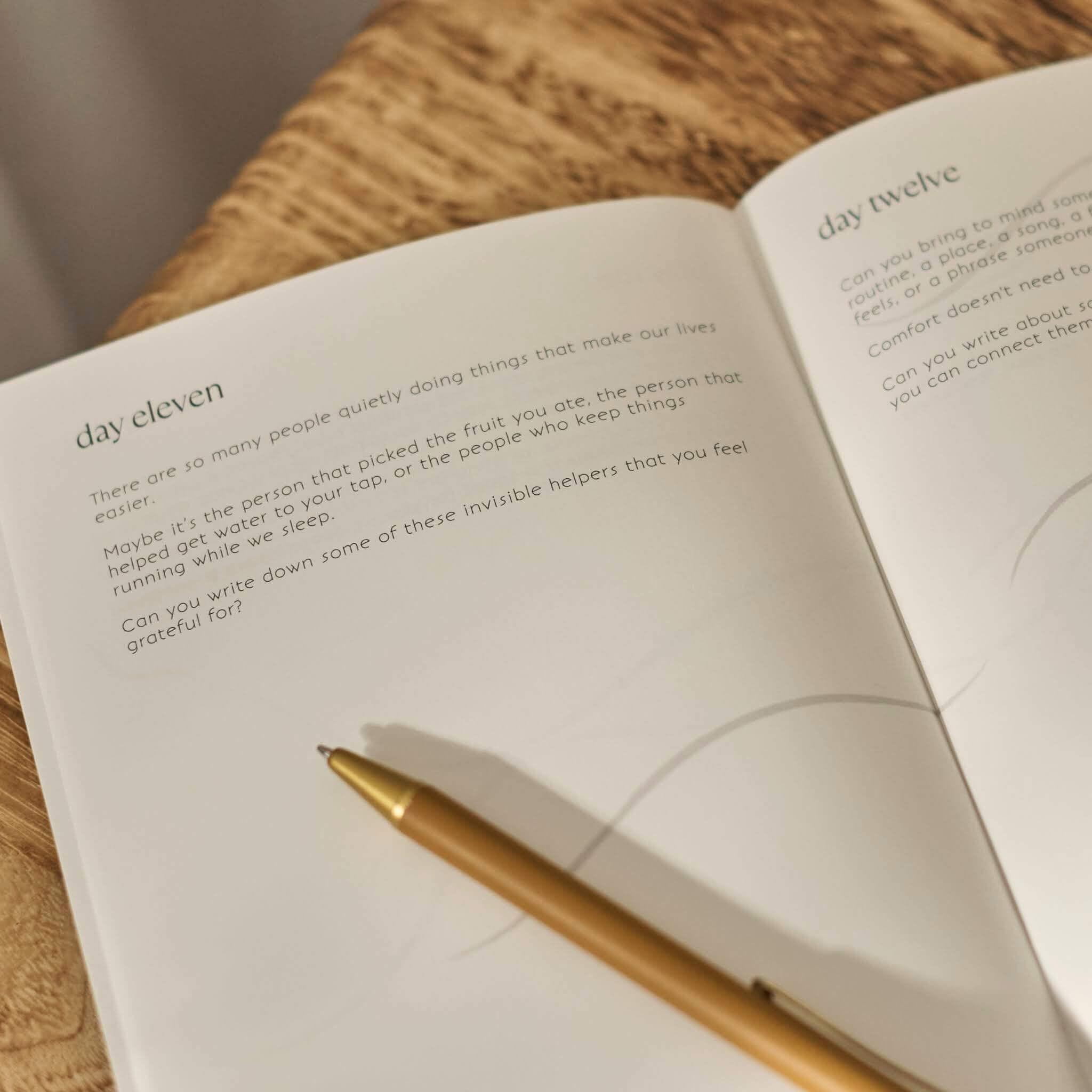
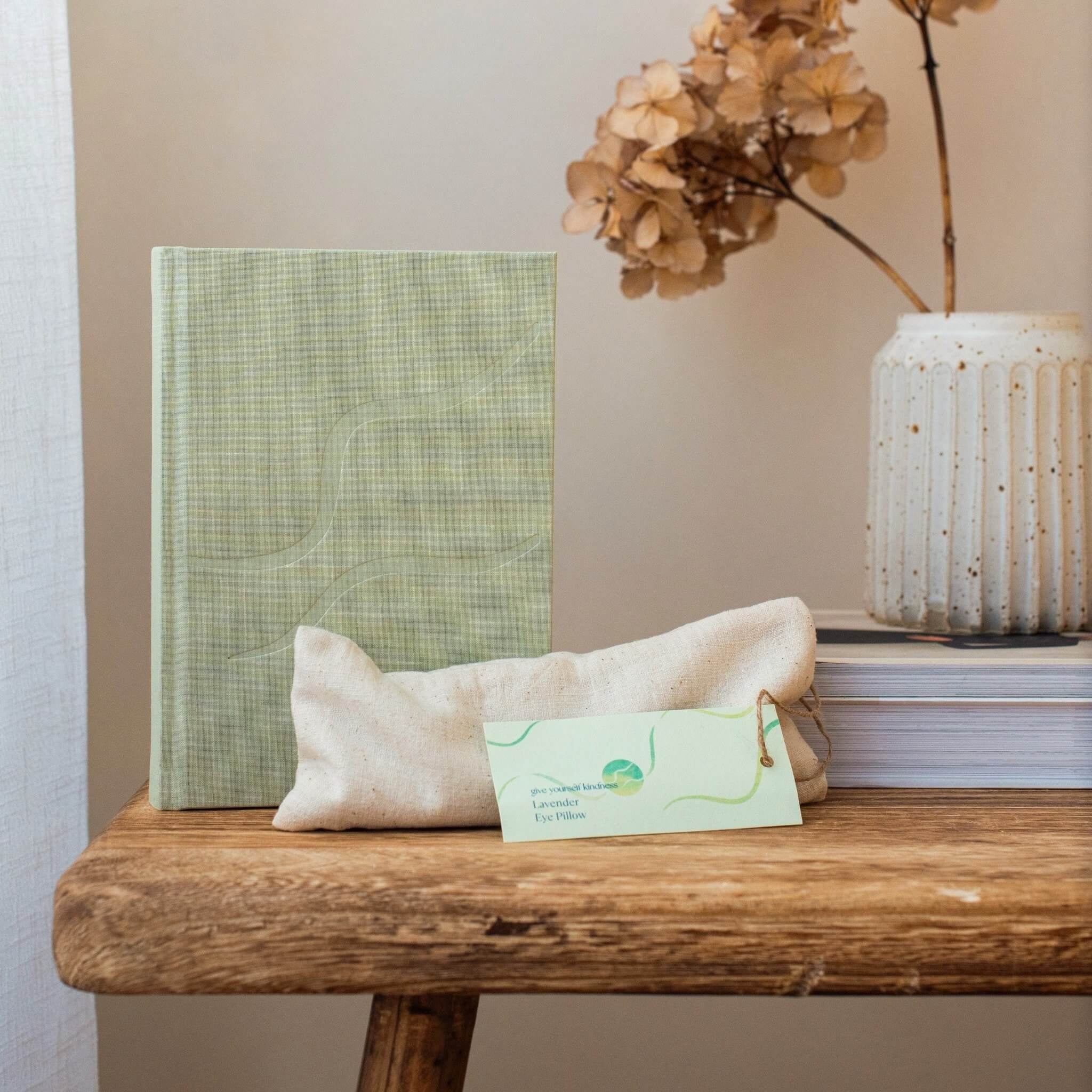
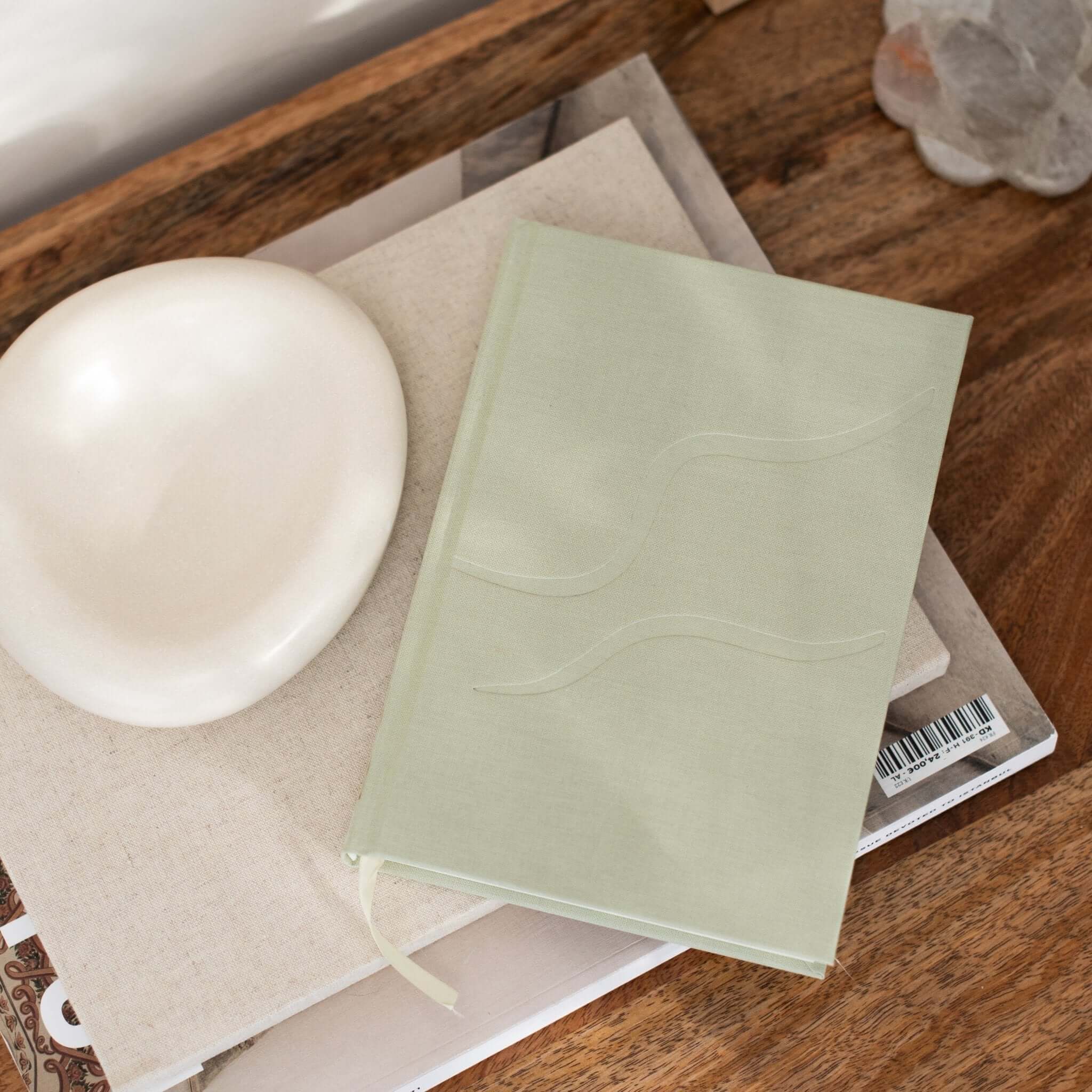
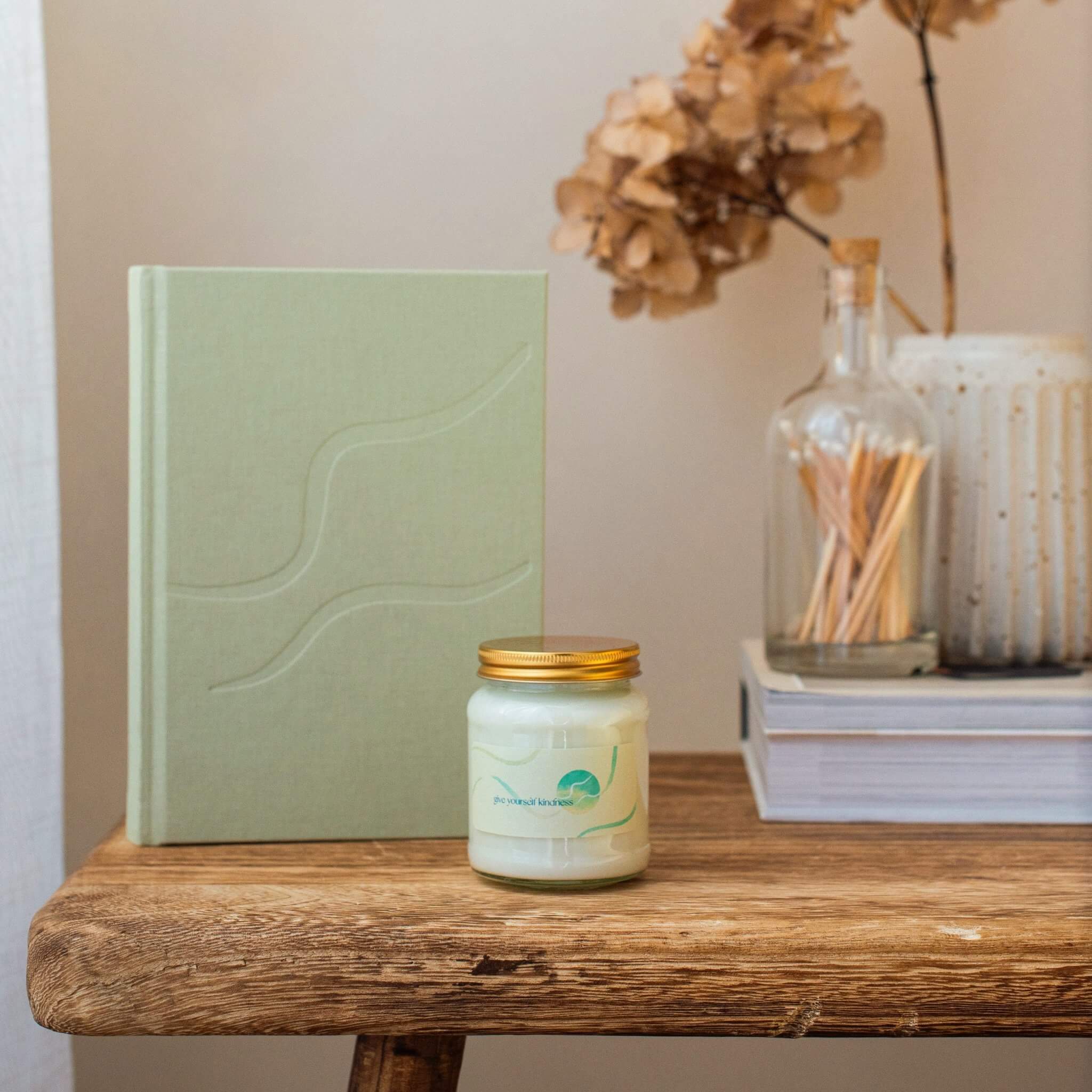
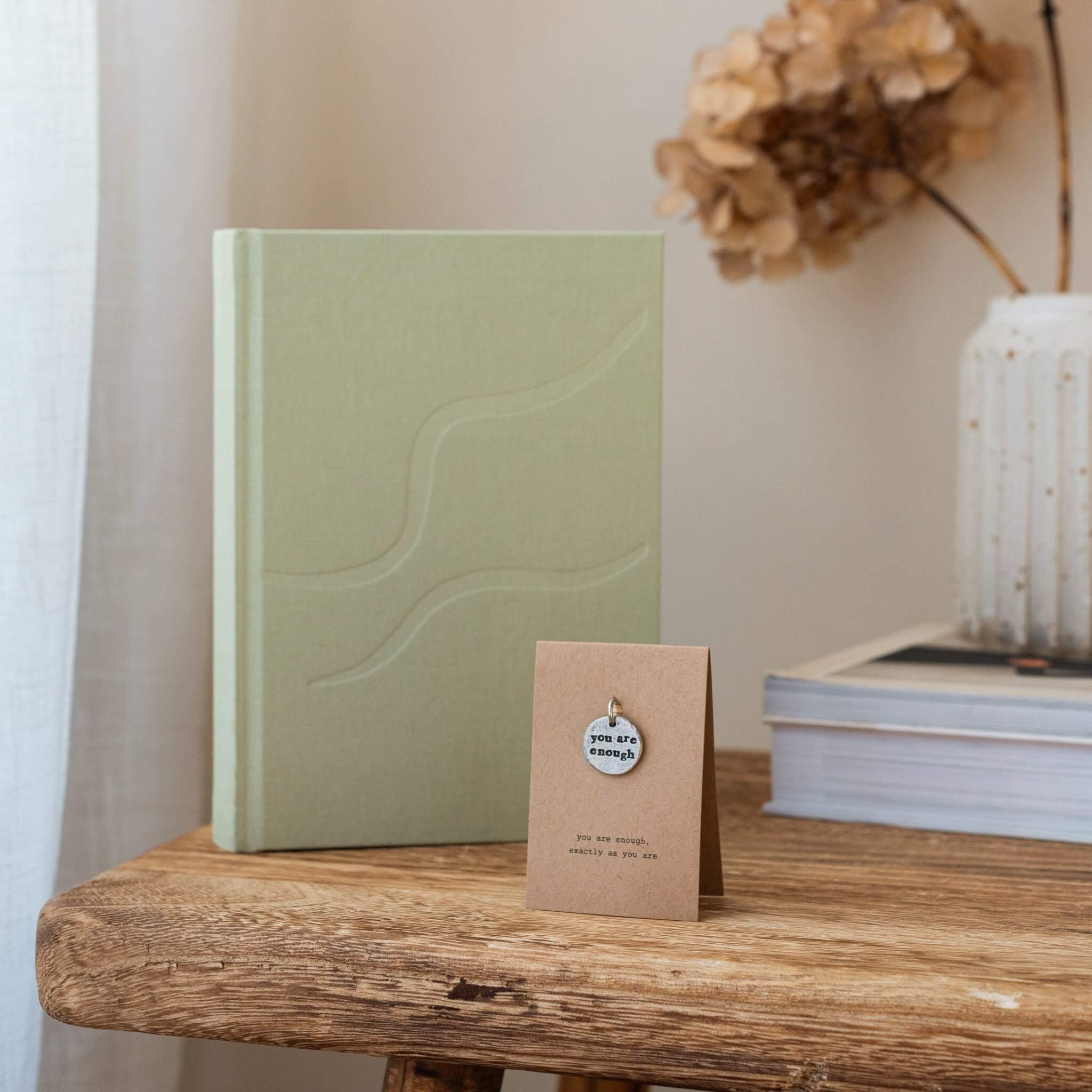
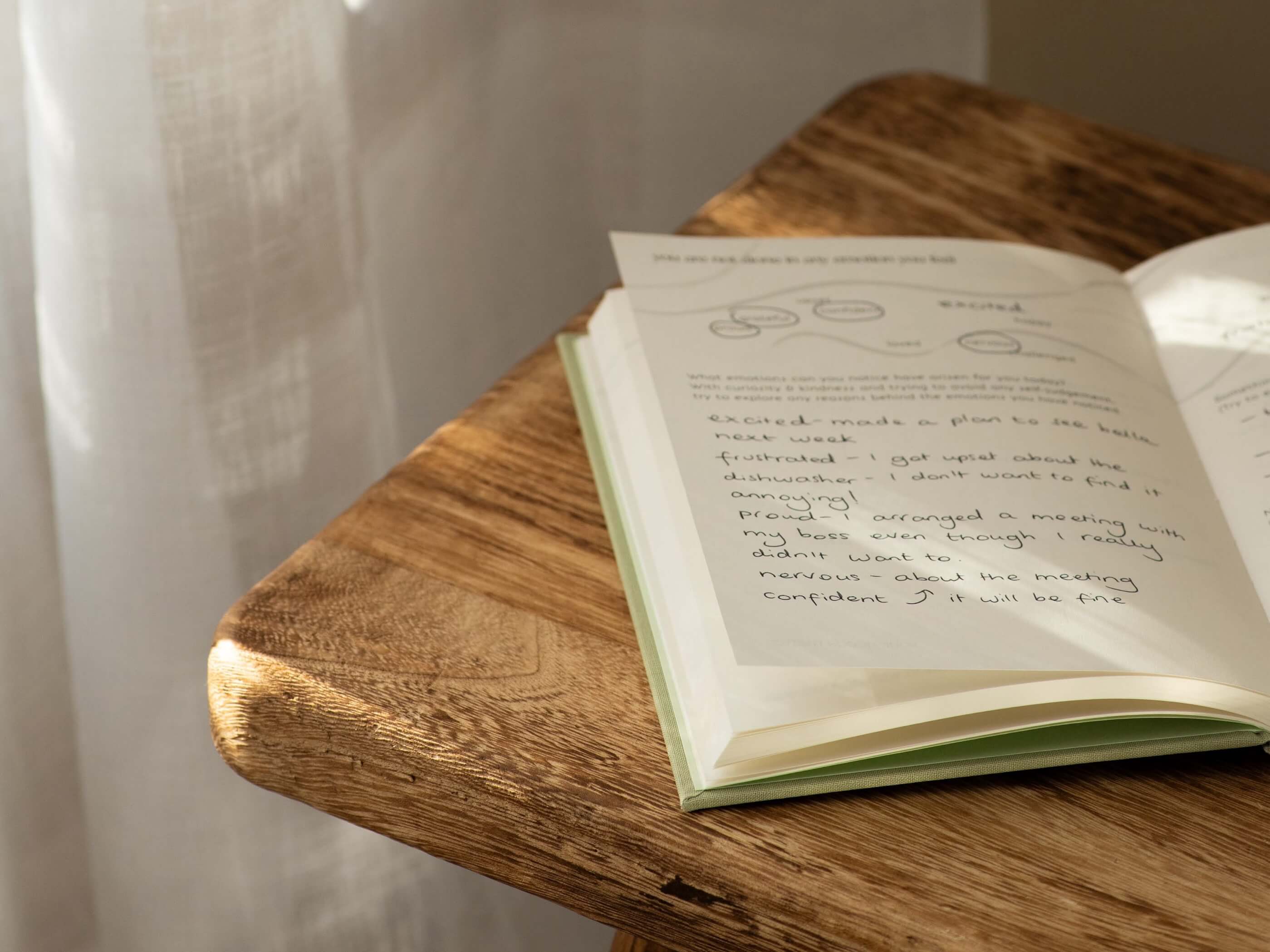
- The Give Yourself Kindness journal: Feel supported and empowered with our signature best-selling journal. The ultimate tool for self-compassion.
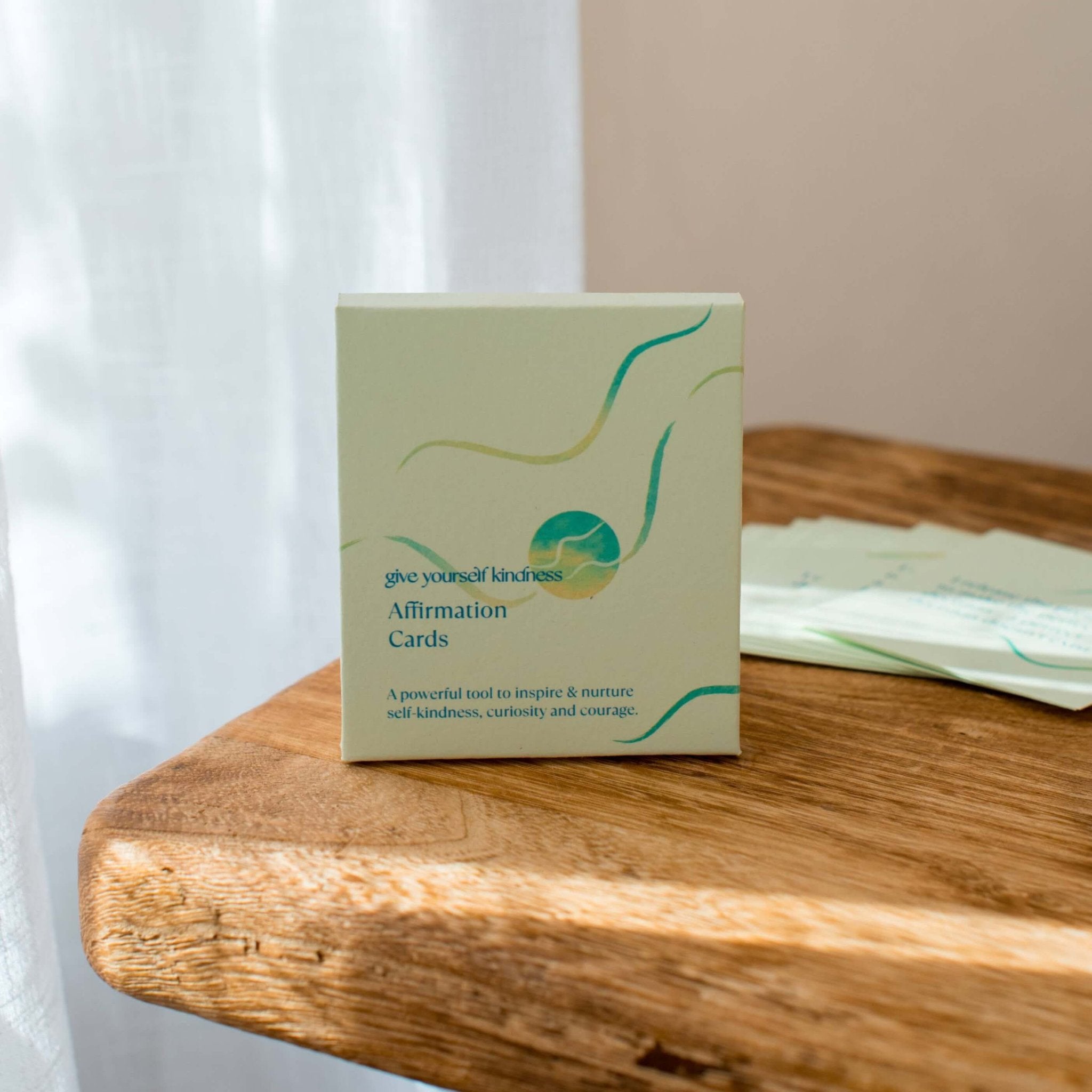
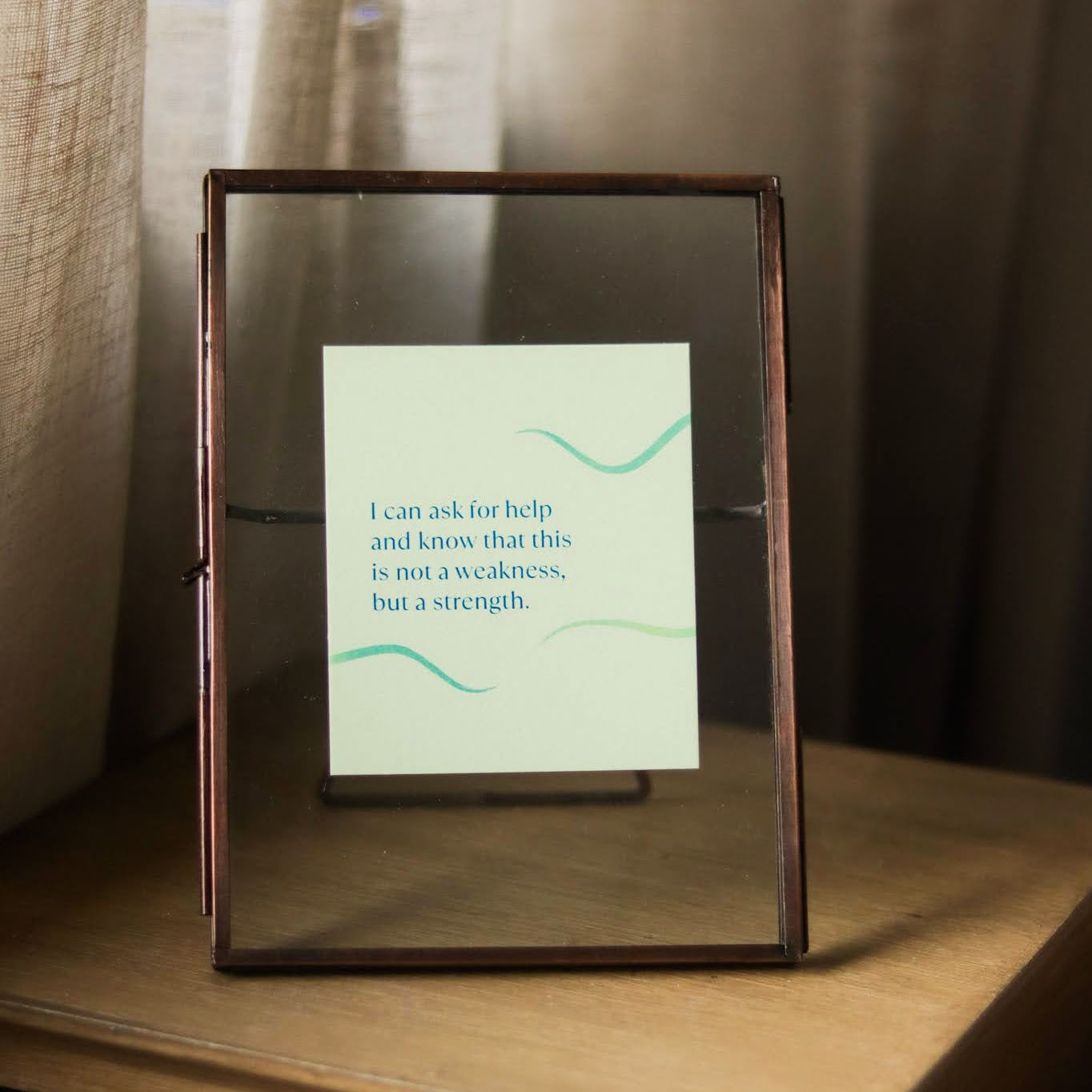
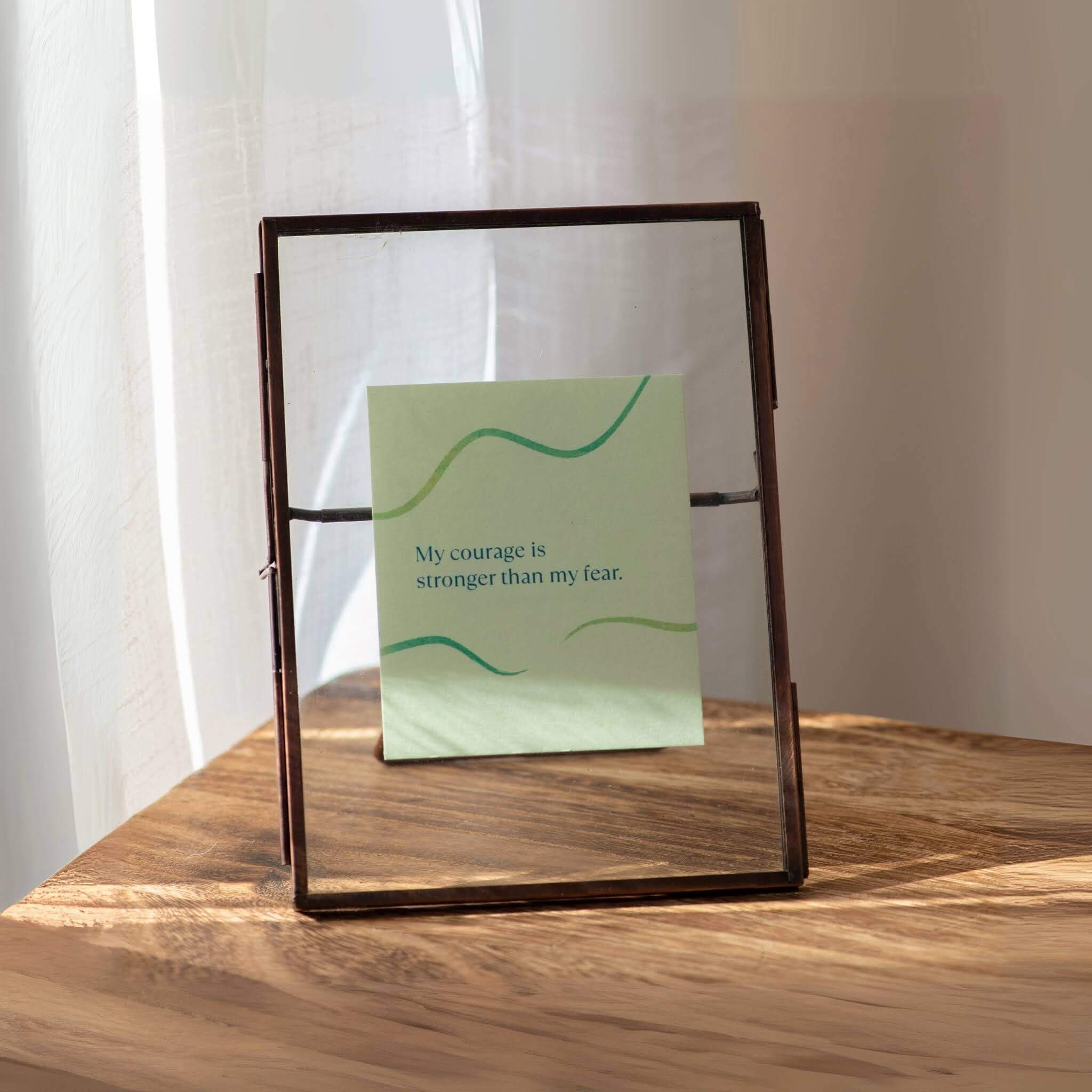
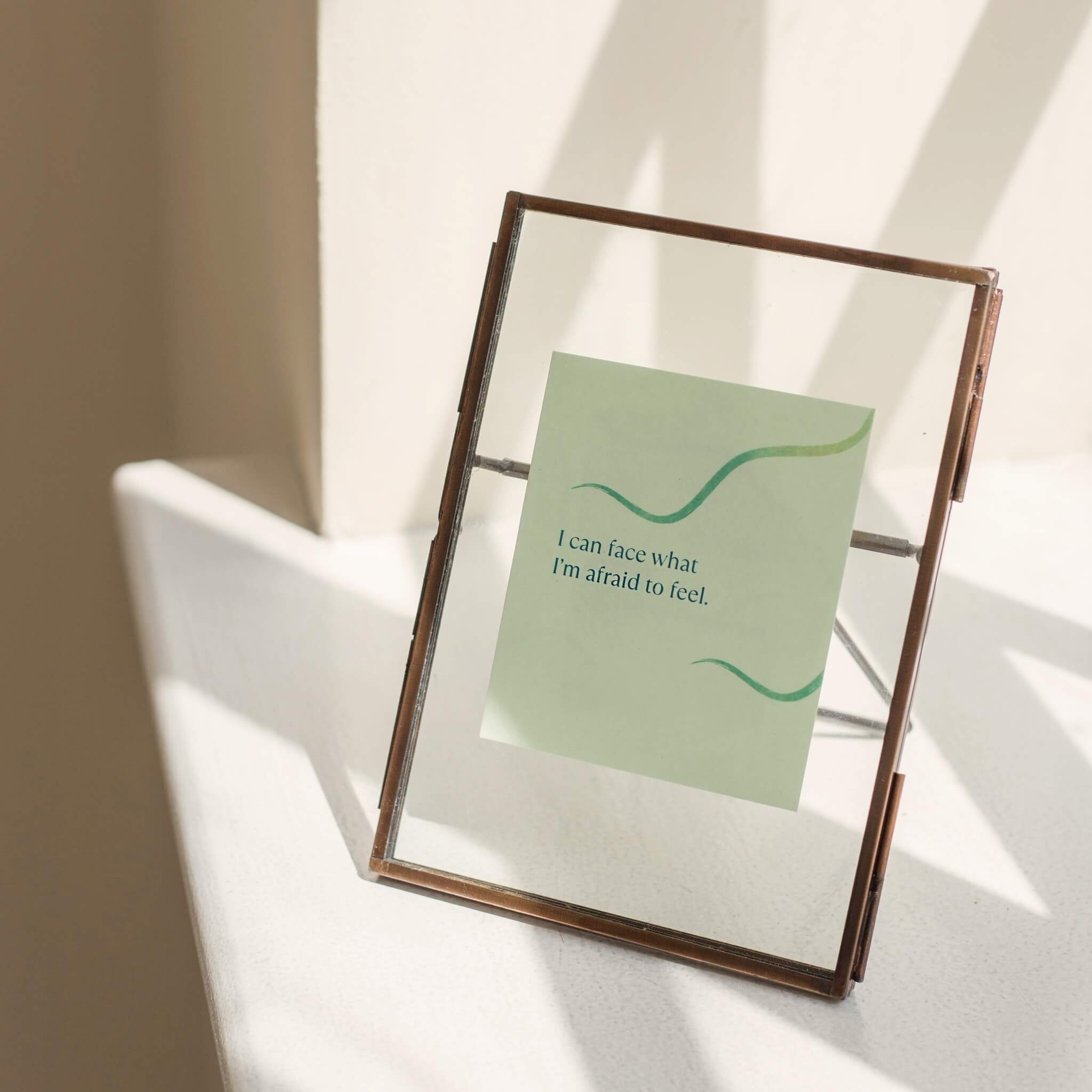
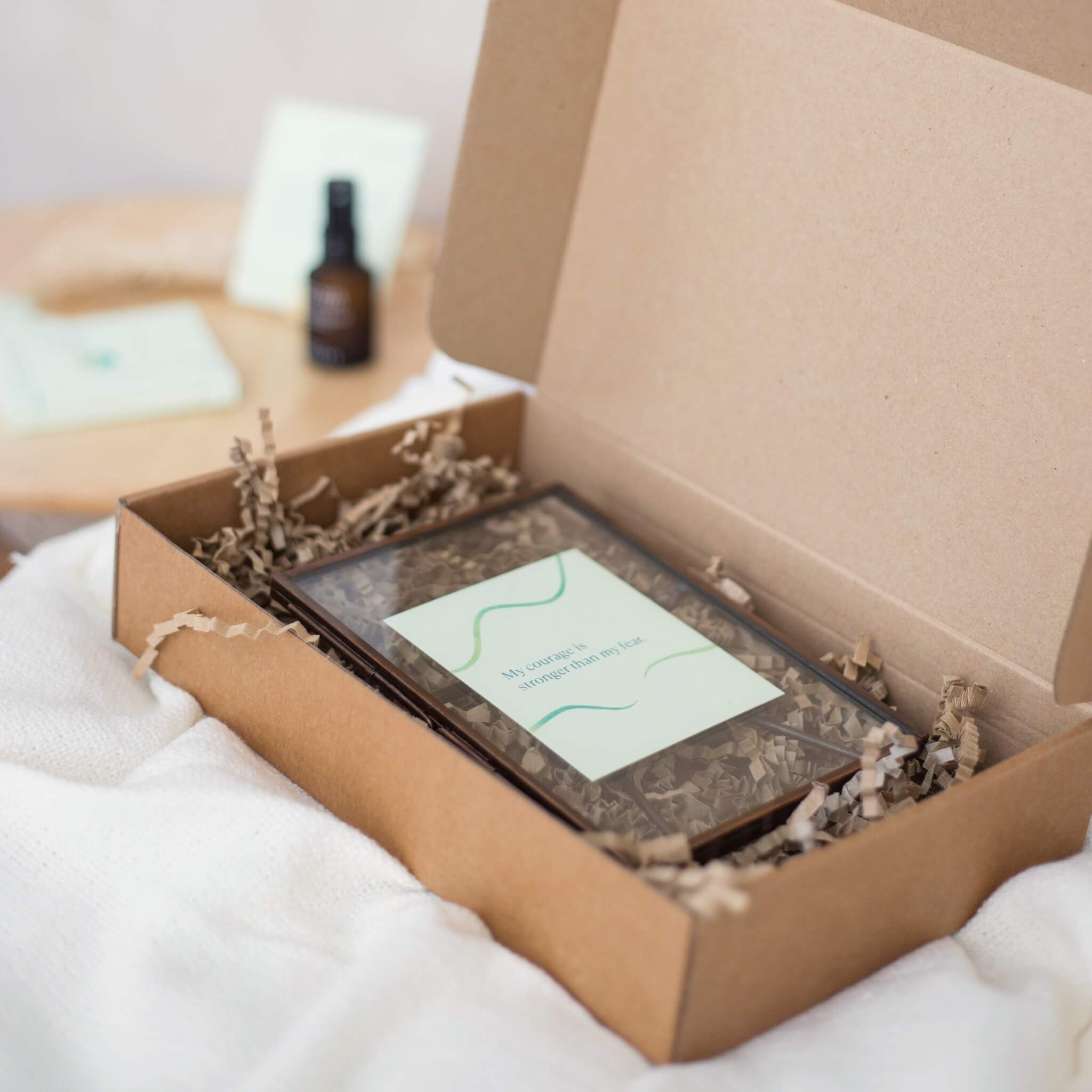
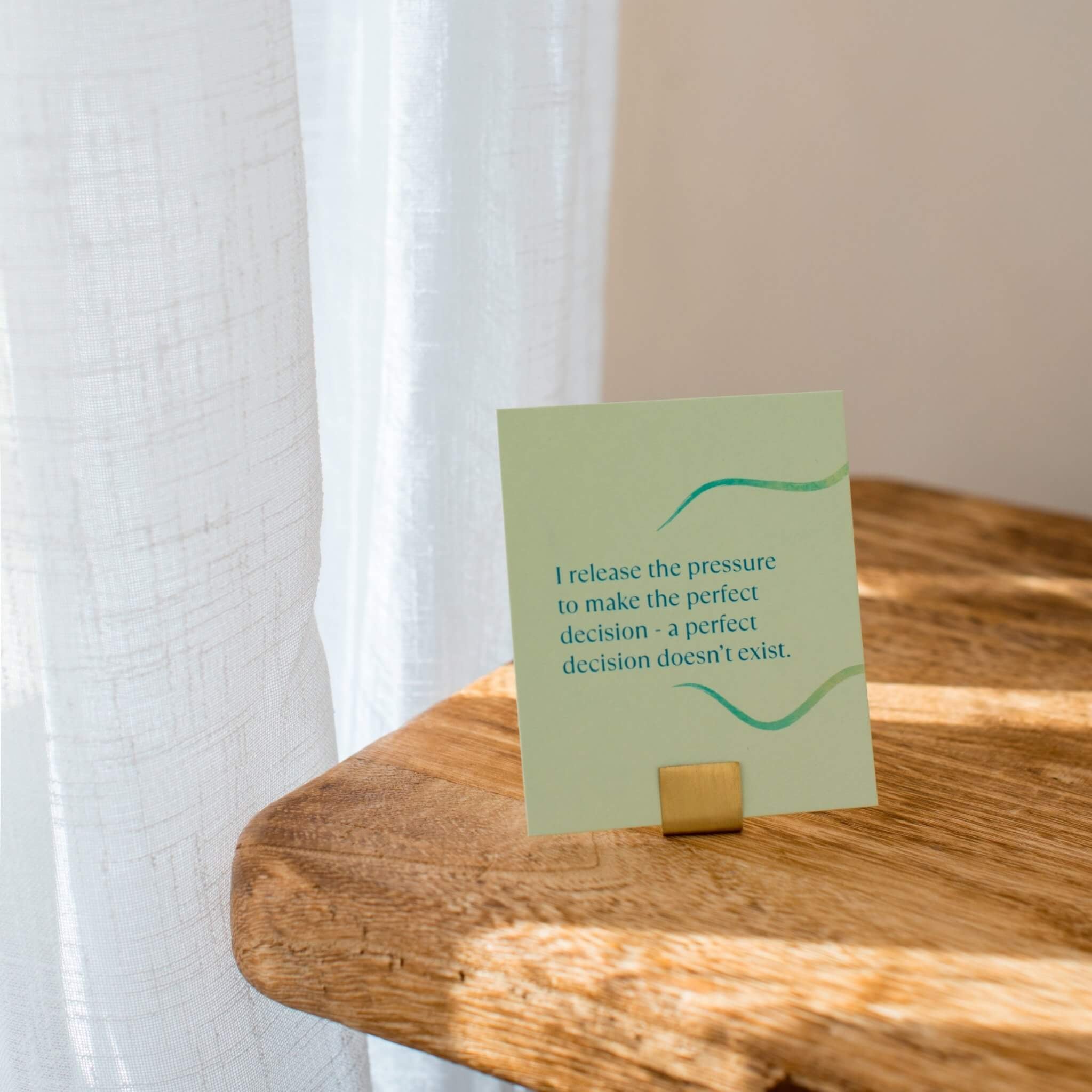
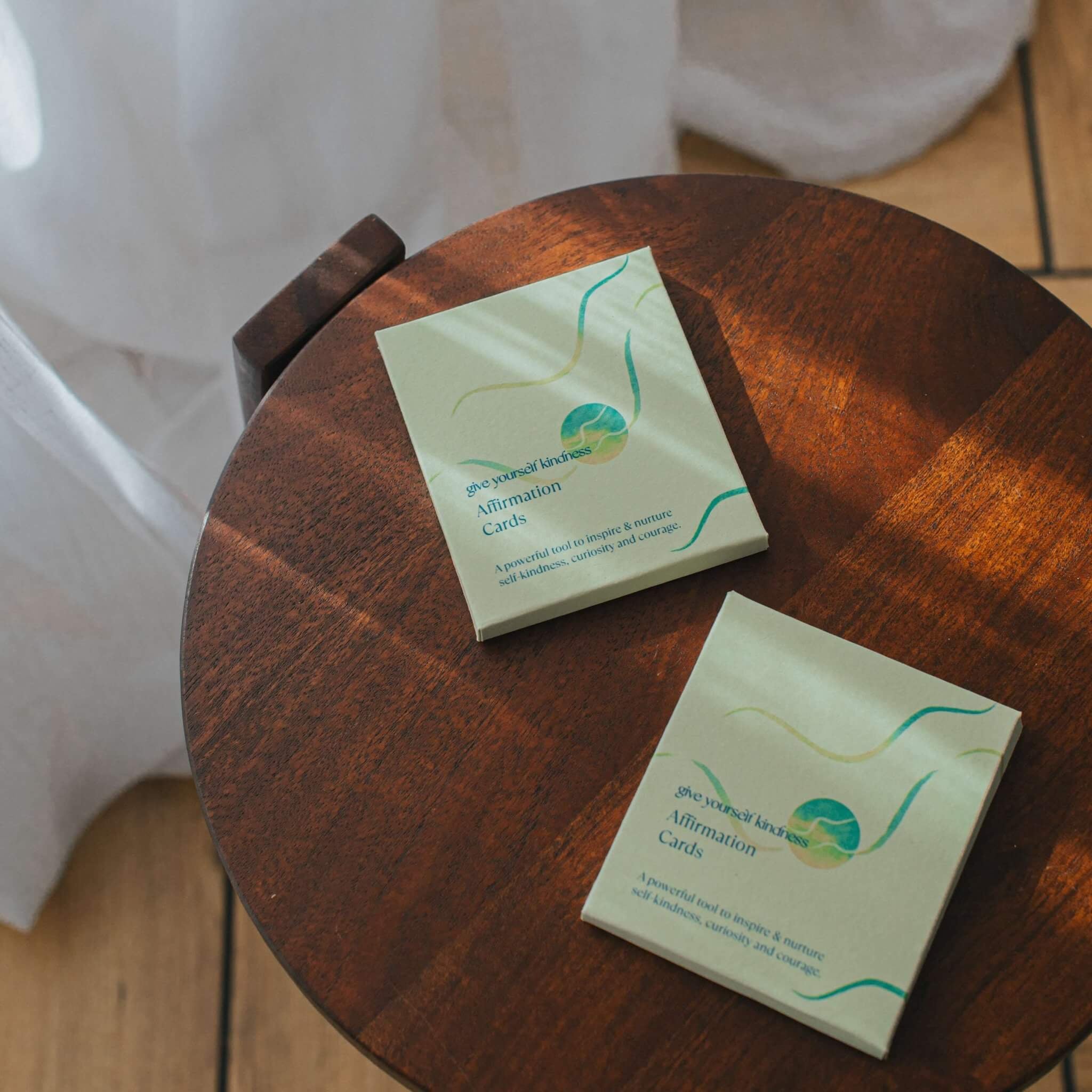
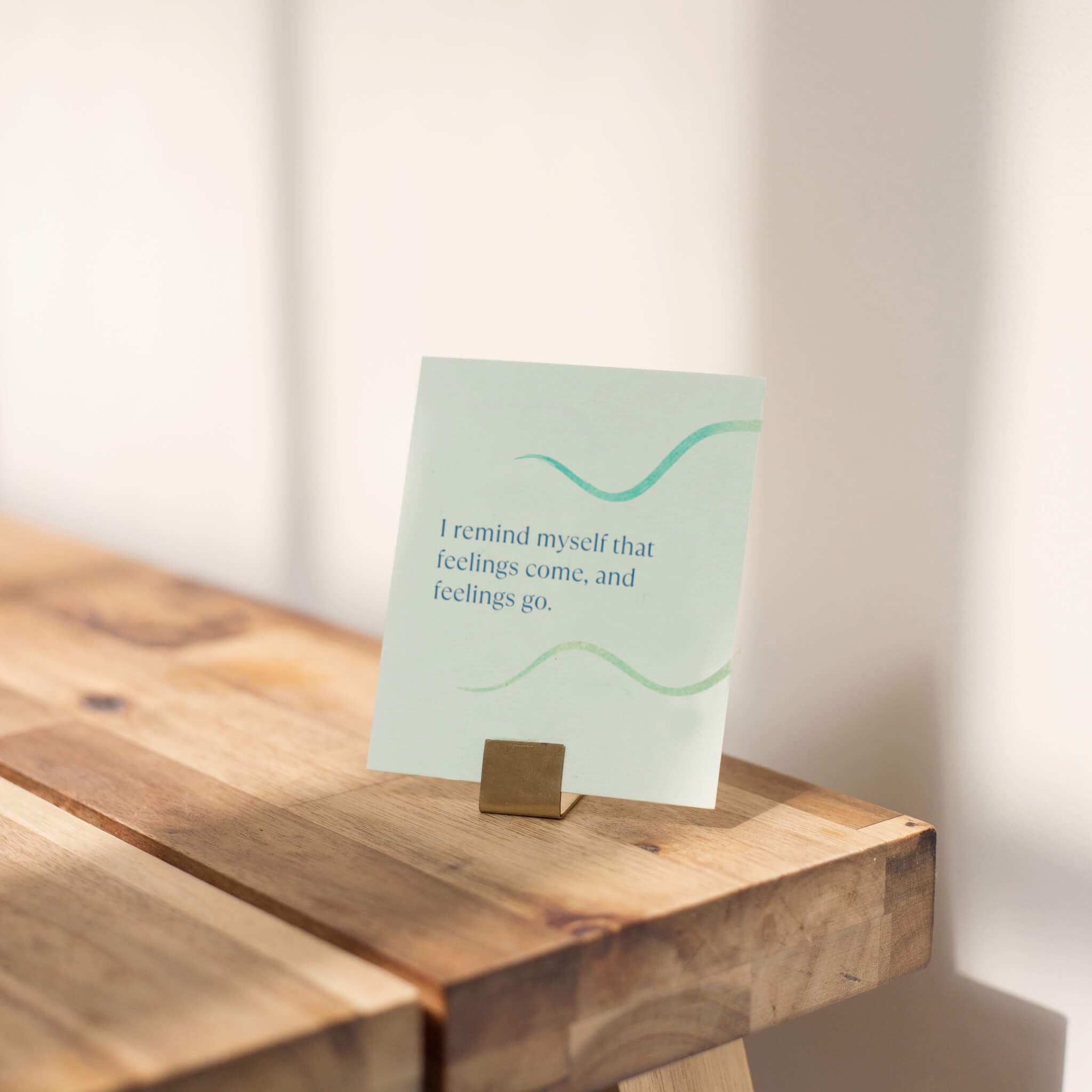
- The Give Yourself Kindness affirmation cards: Make it easy to harness the power of positive self-talk to disrupt negative thought patterns, calm and uplift your mind, and find strength in self-kindness.
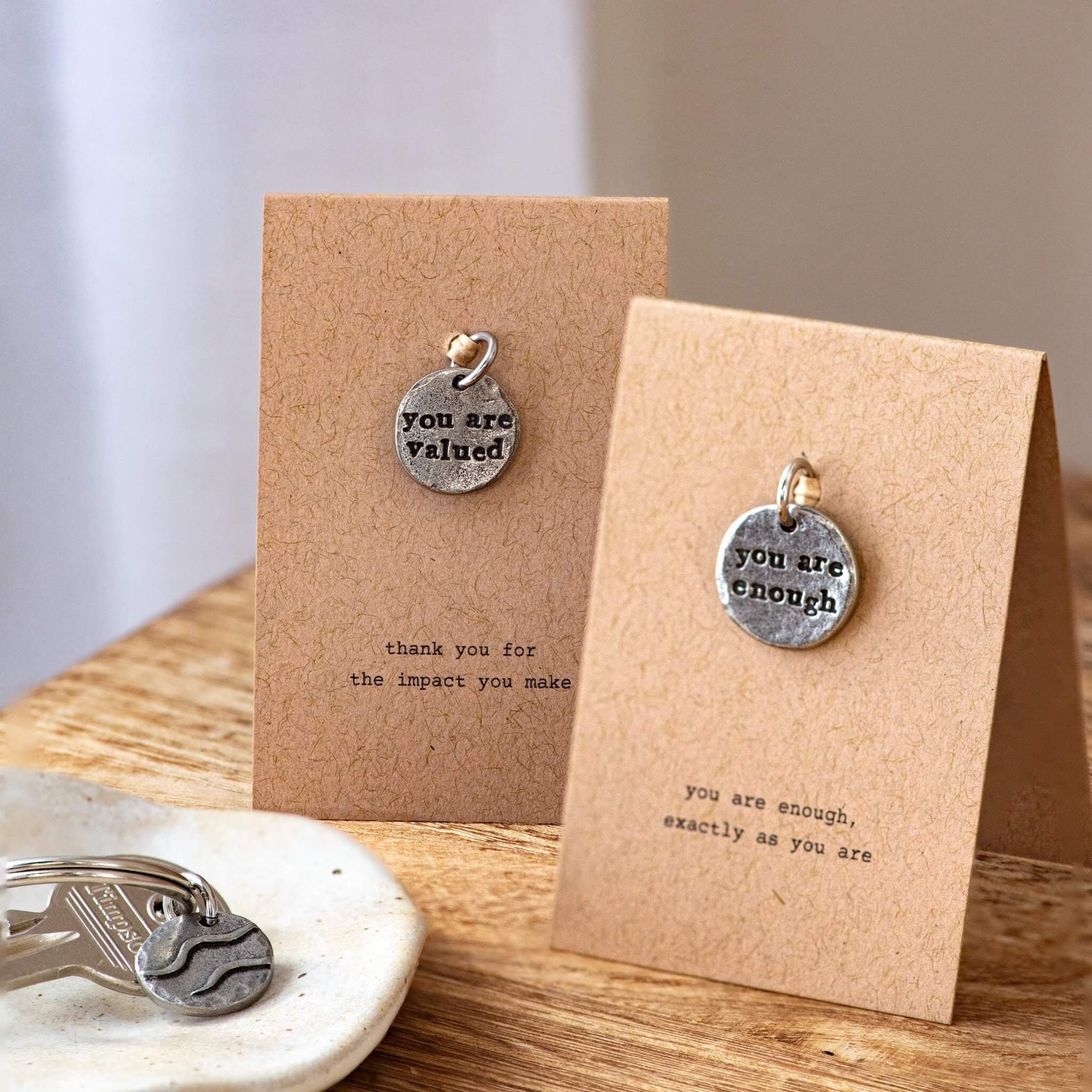
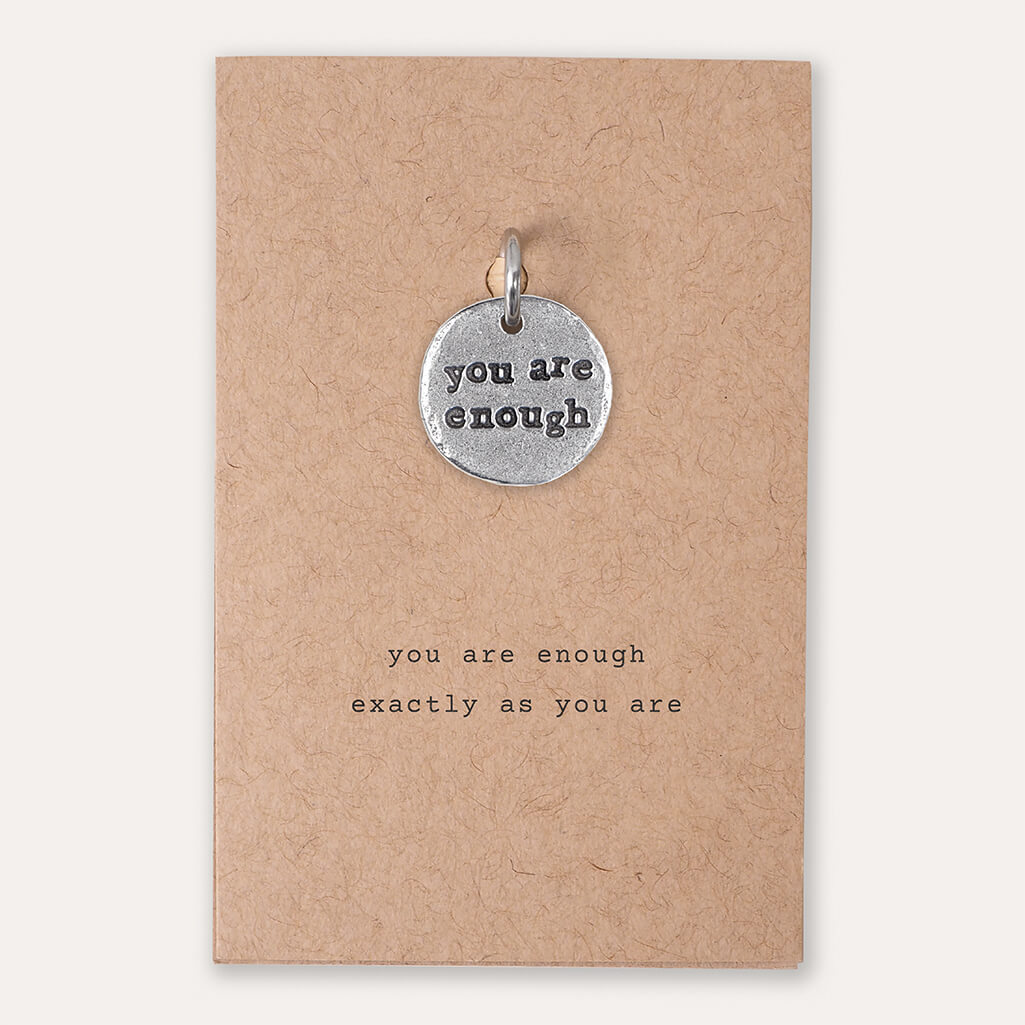
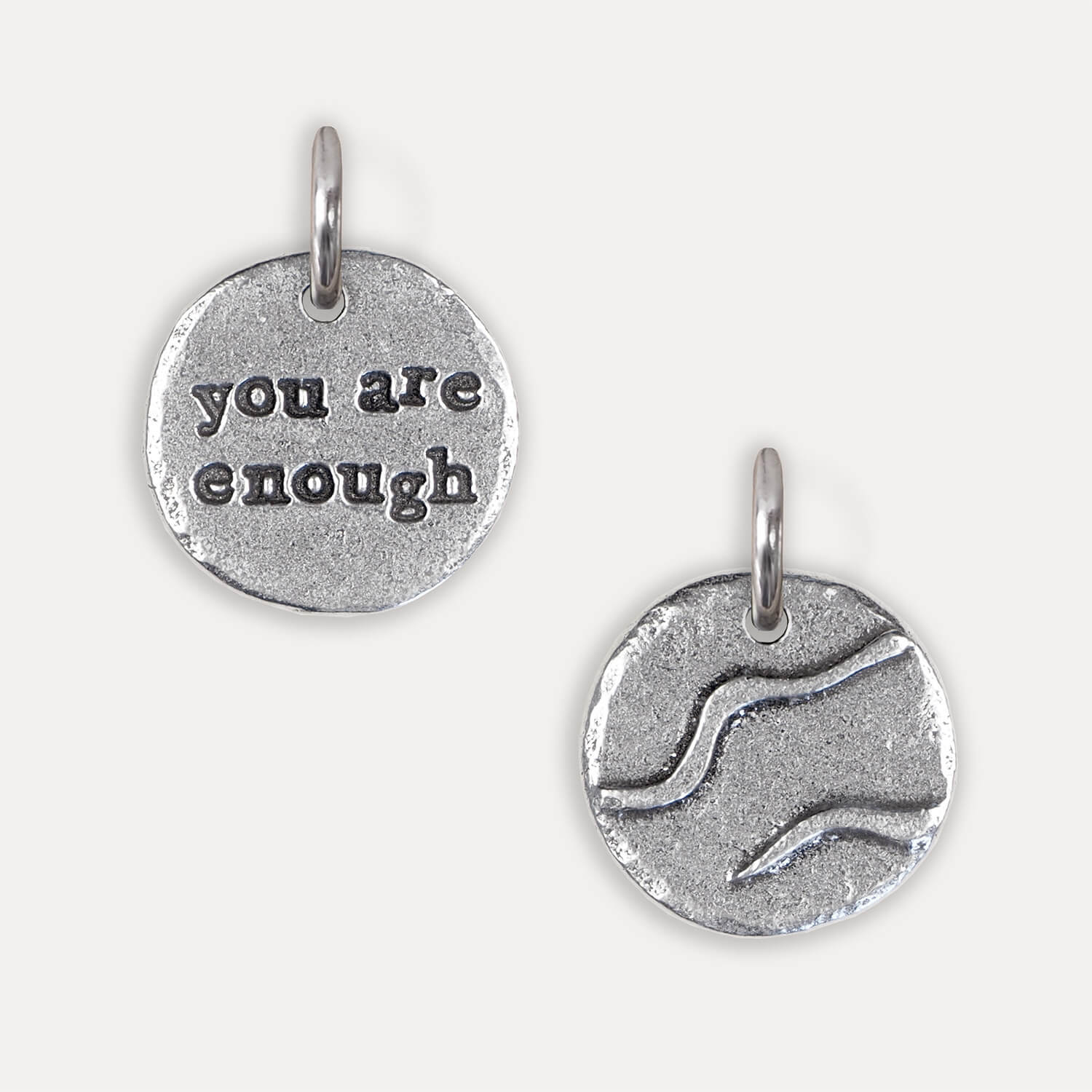
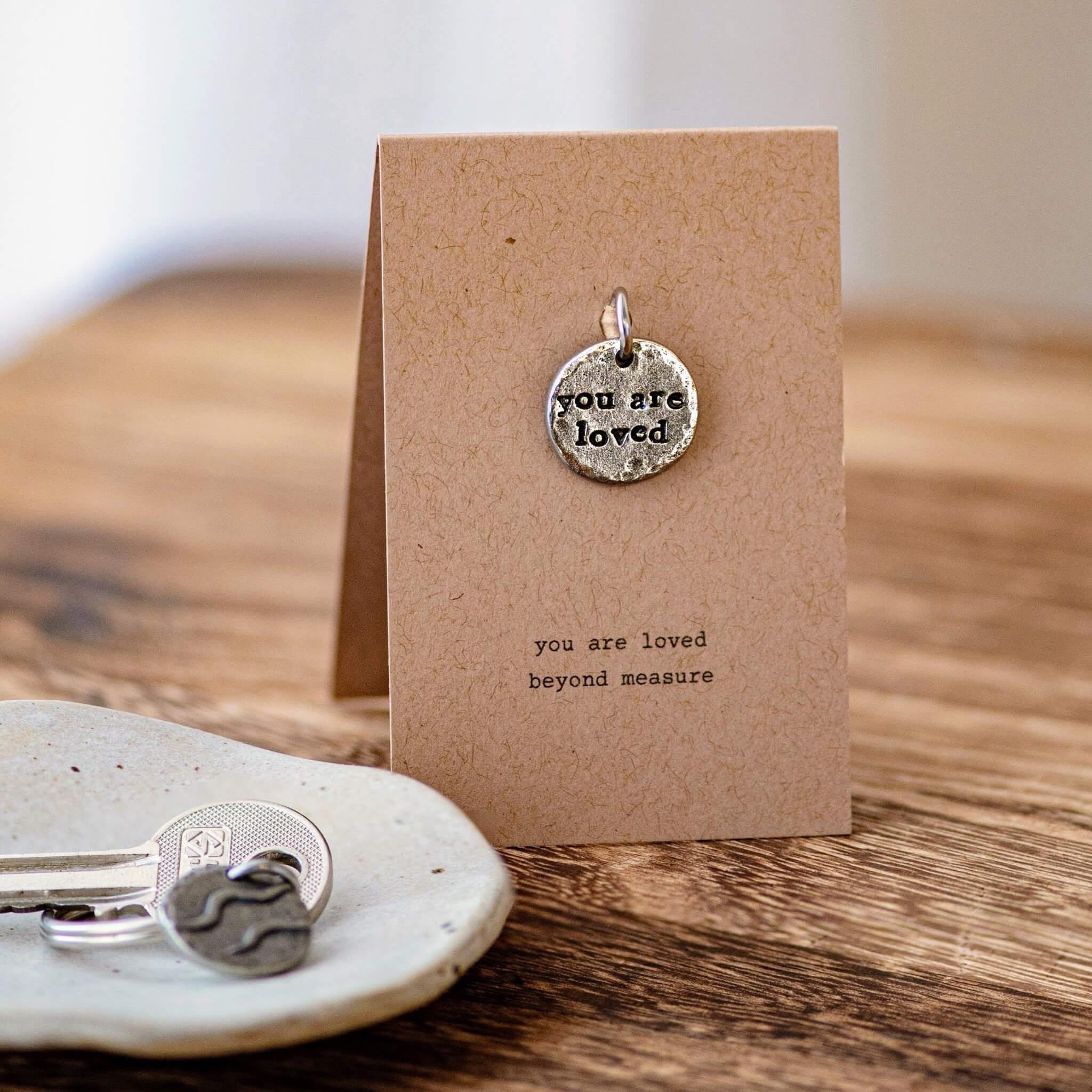
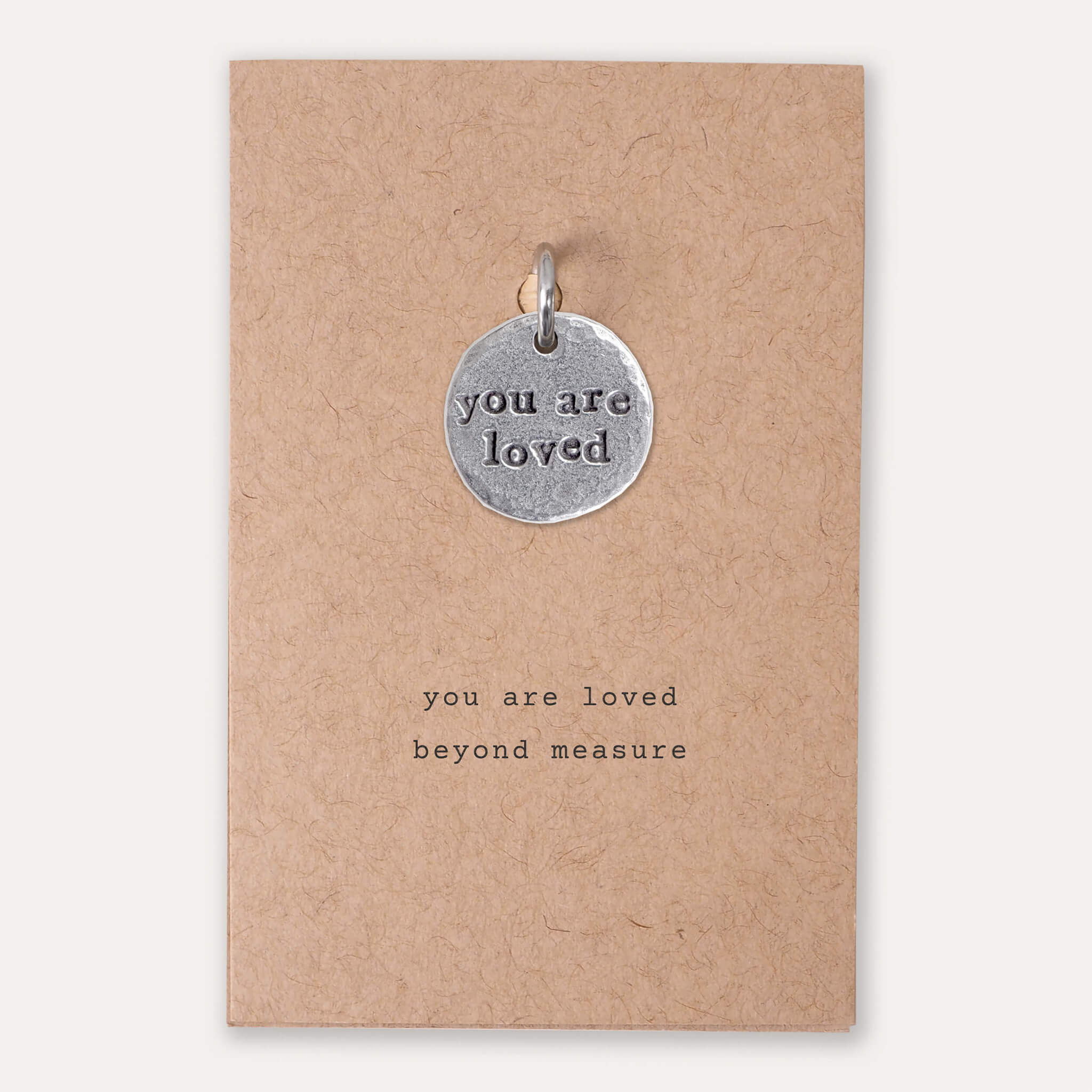
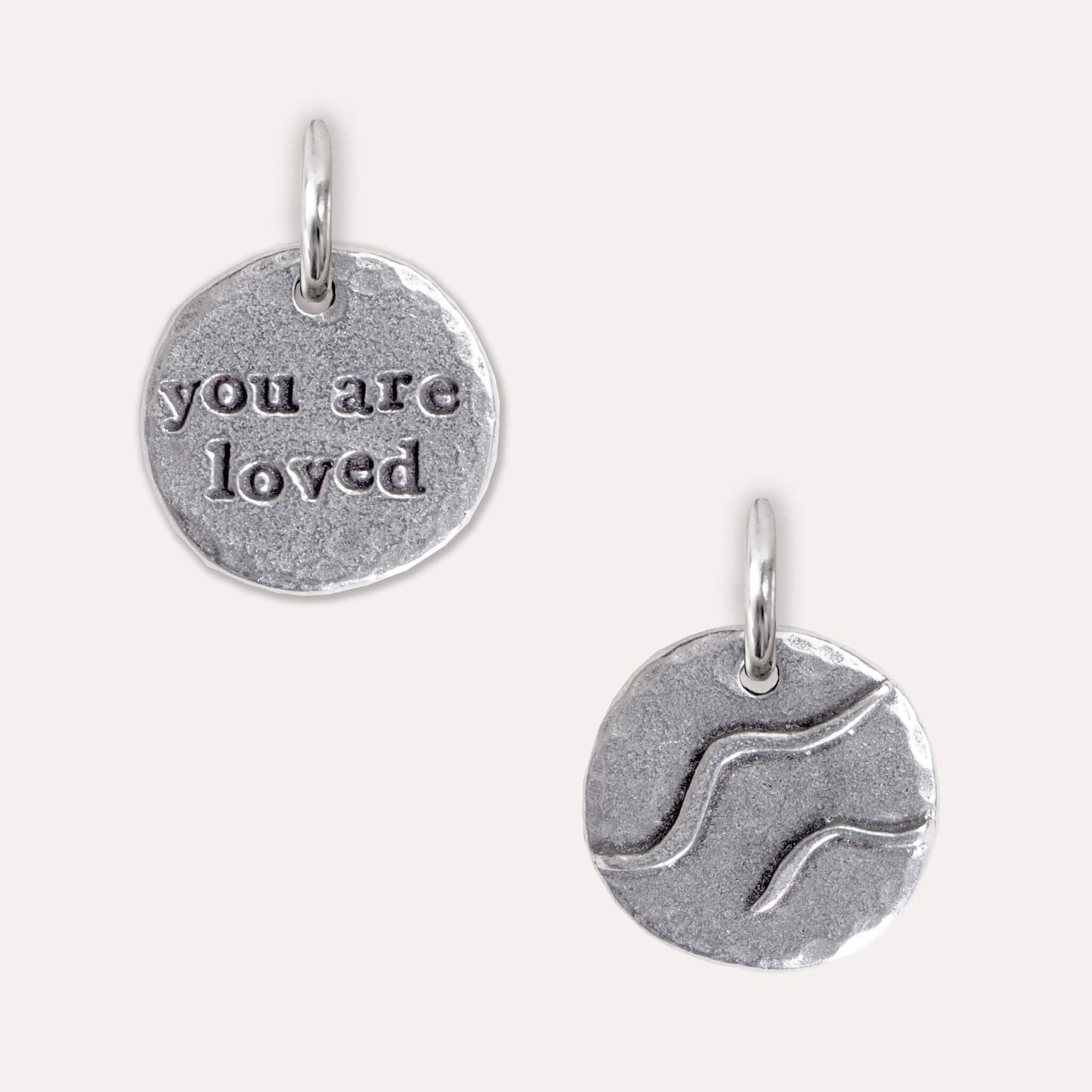
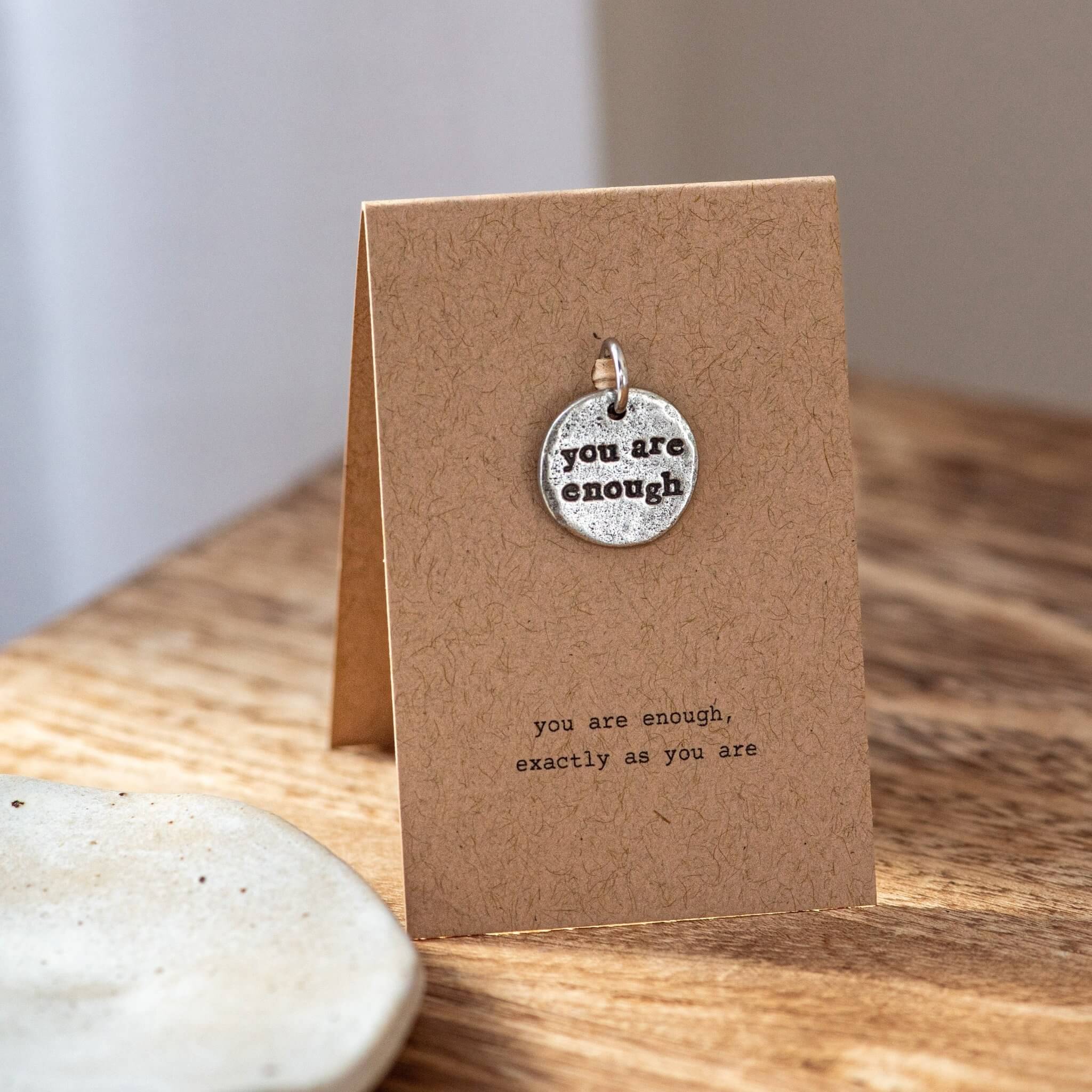
- 'You Are Enough' charm: A bespoke pewter and stainless steel charm that can be by your side as a daily reminder of your worth.
- Luxurious chocolate (vegan): Enjoy 'The best chocolate Rick Stein has ever tasted!!' - the BareBones Dominican 68% salted chocolate bar, made with the finest quality ingredients carefully sourced for taste and sustainability.
- 100% natural make your own face mask kit: Feel pampering by plants with an all natural, vegan face mask, in a few simple steps it'll be time to feel the amazing superpowers of intensely moisturising coconut oil, antioxidant rich cacao powder, nutrient dense maca and deeply cleansing bentonite clay!
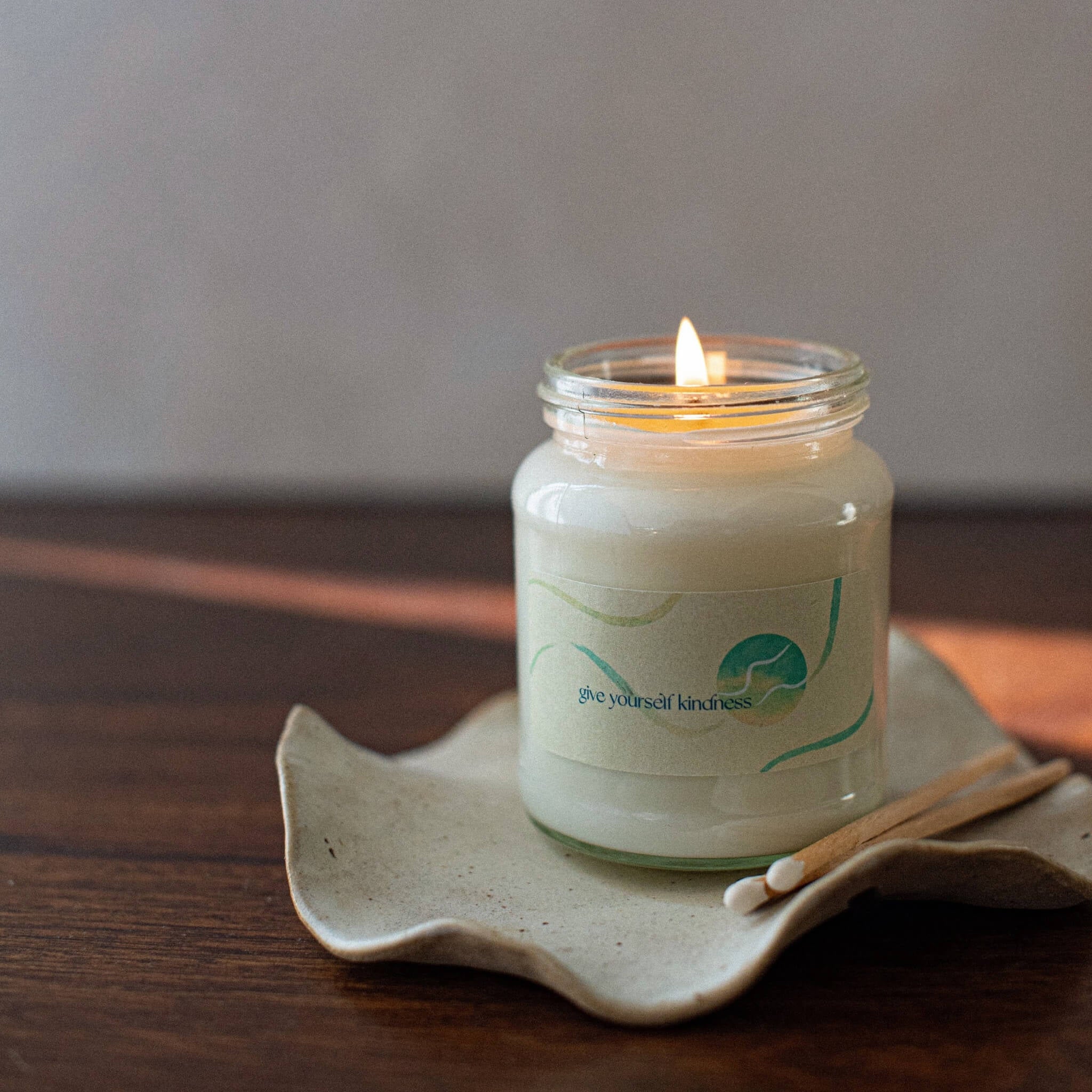
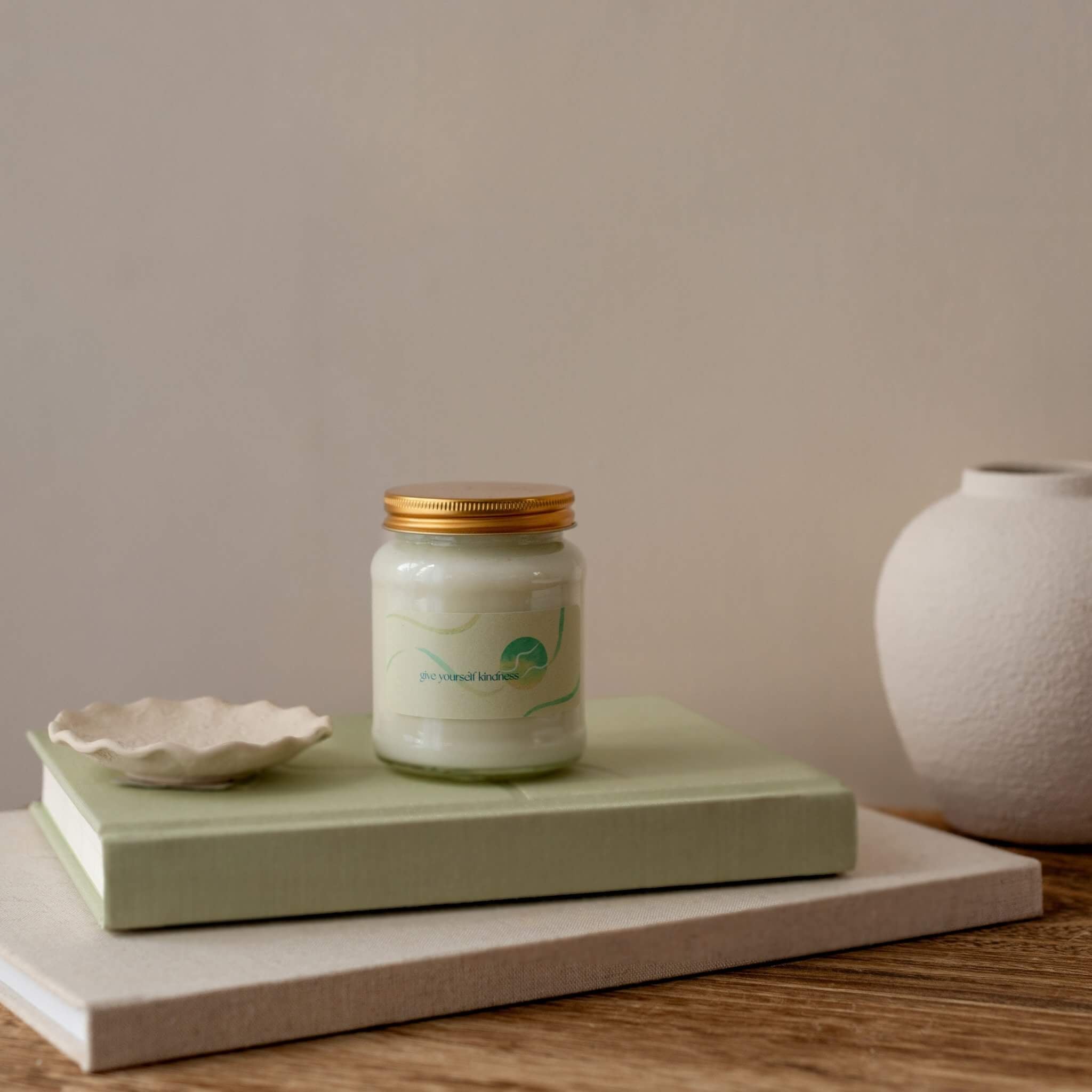
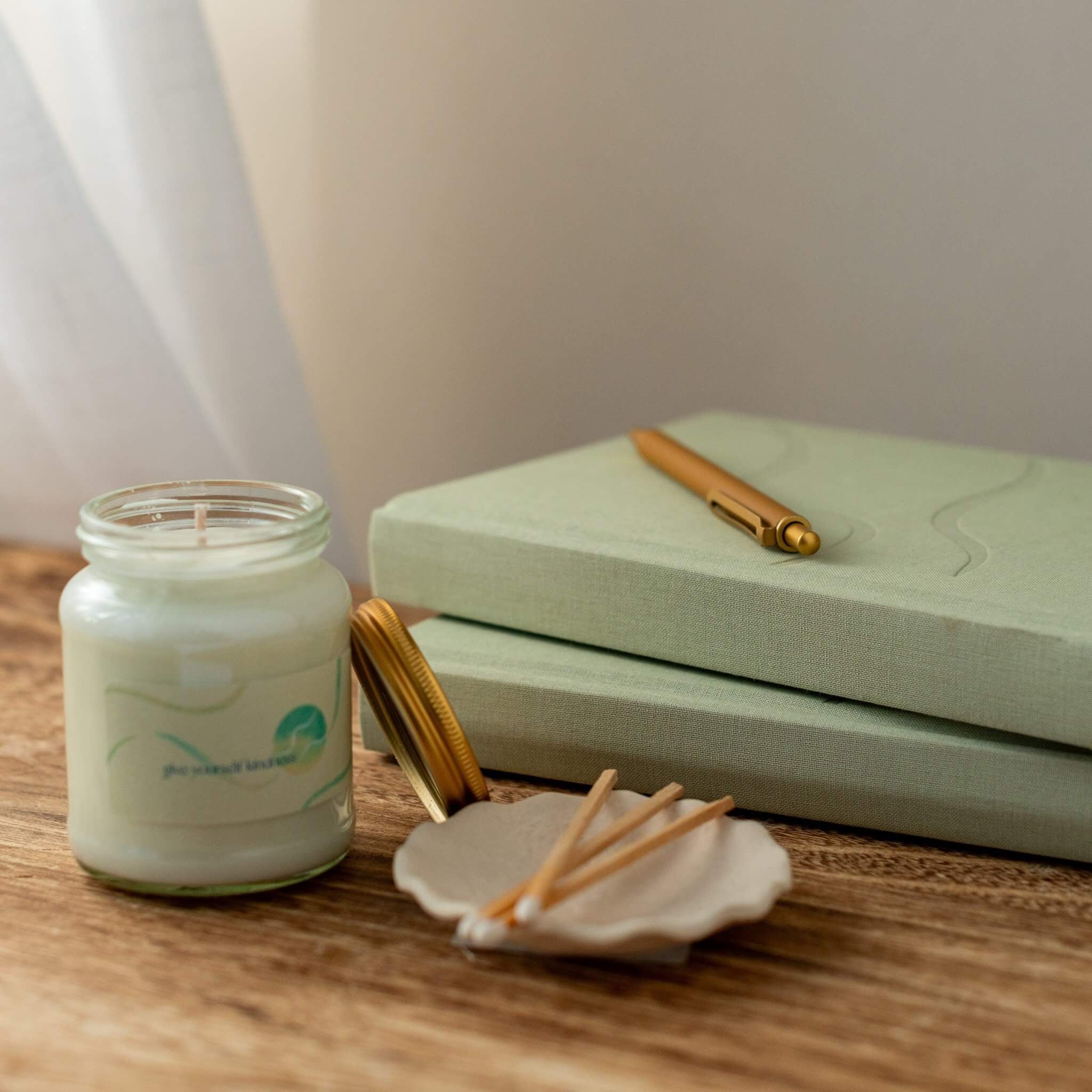
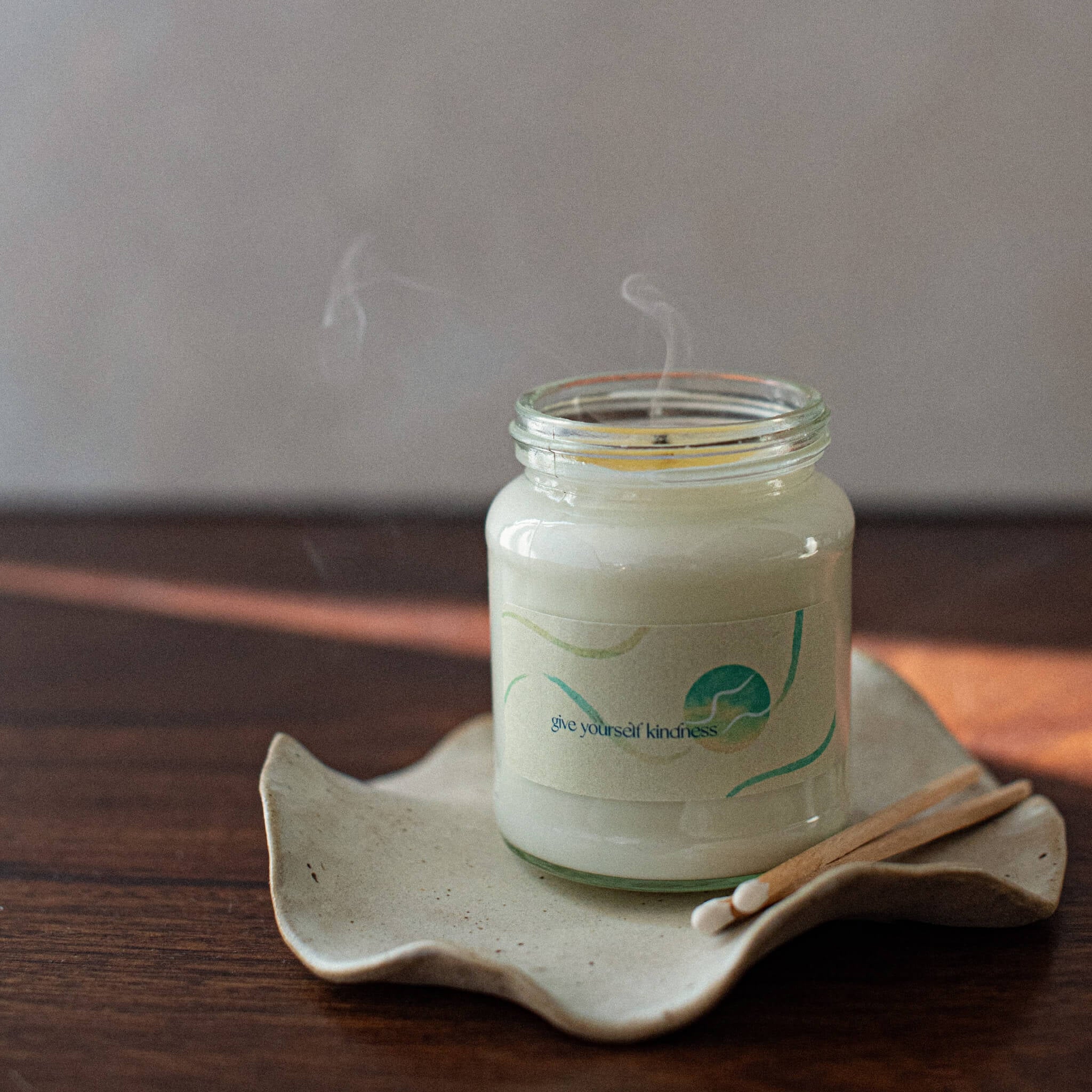
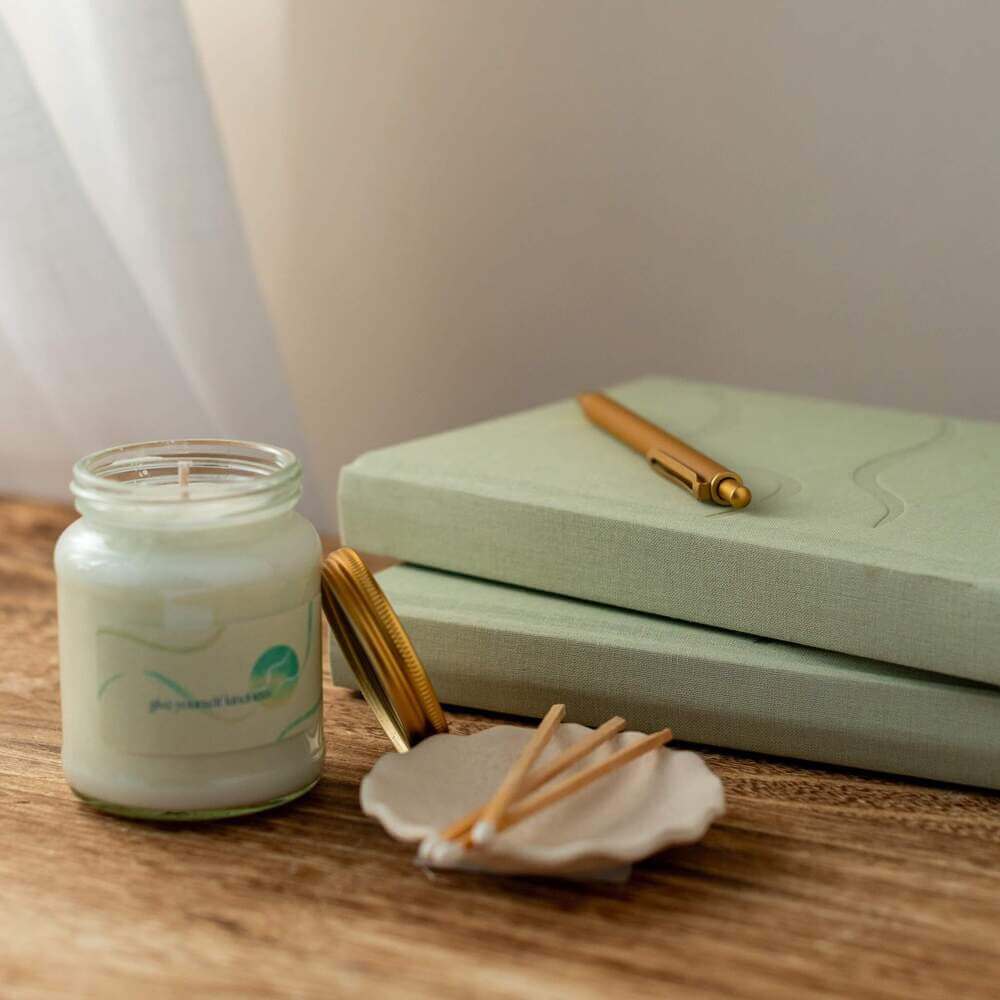
- Soothing handcrafted candle: Create the ultimate self-care experience and enjoy the soothing scent of this luxury coconut & soy wax gooseberry & elderflower kindness candle.
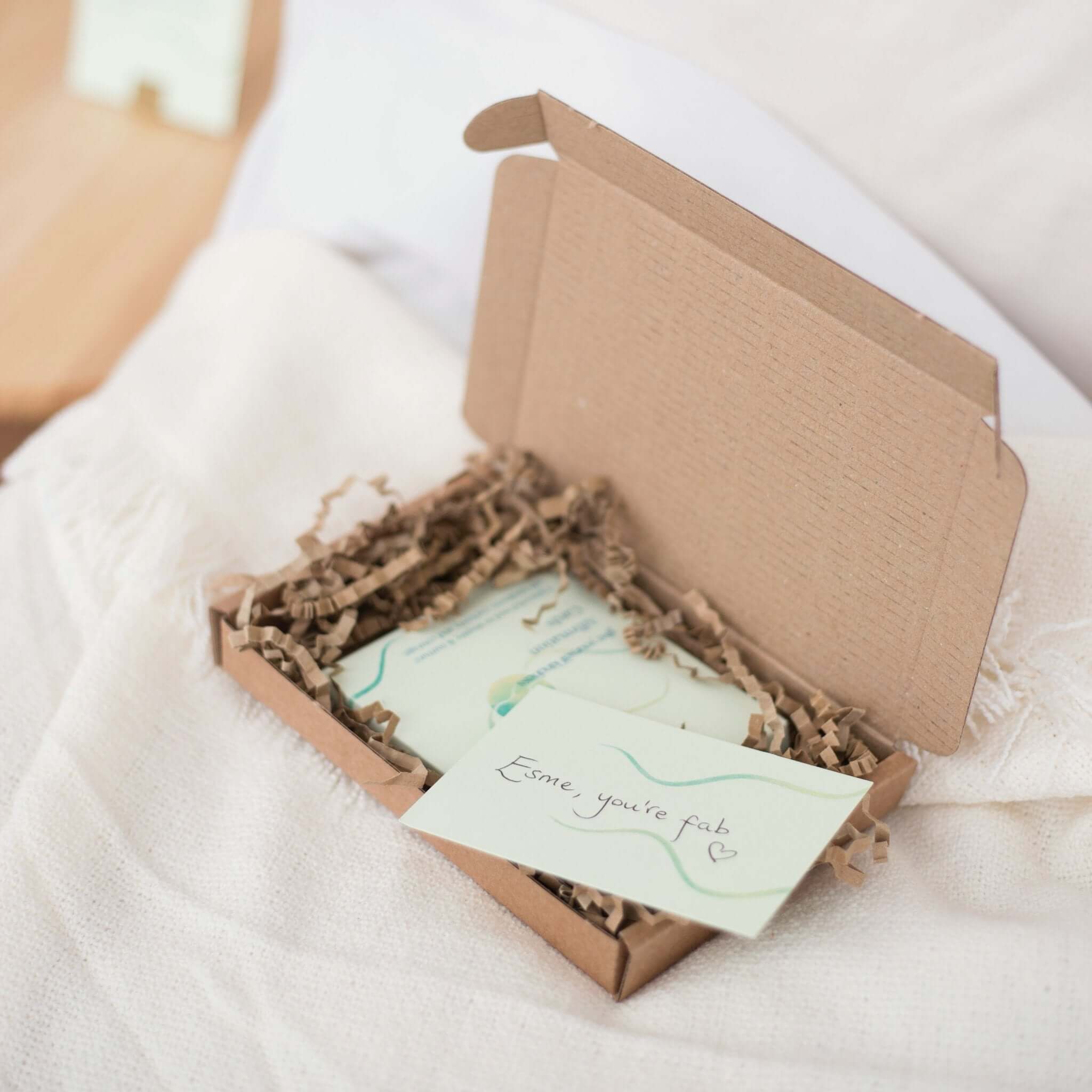
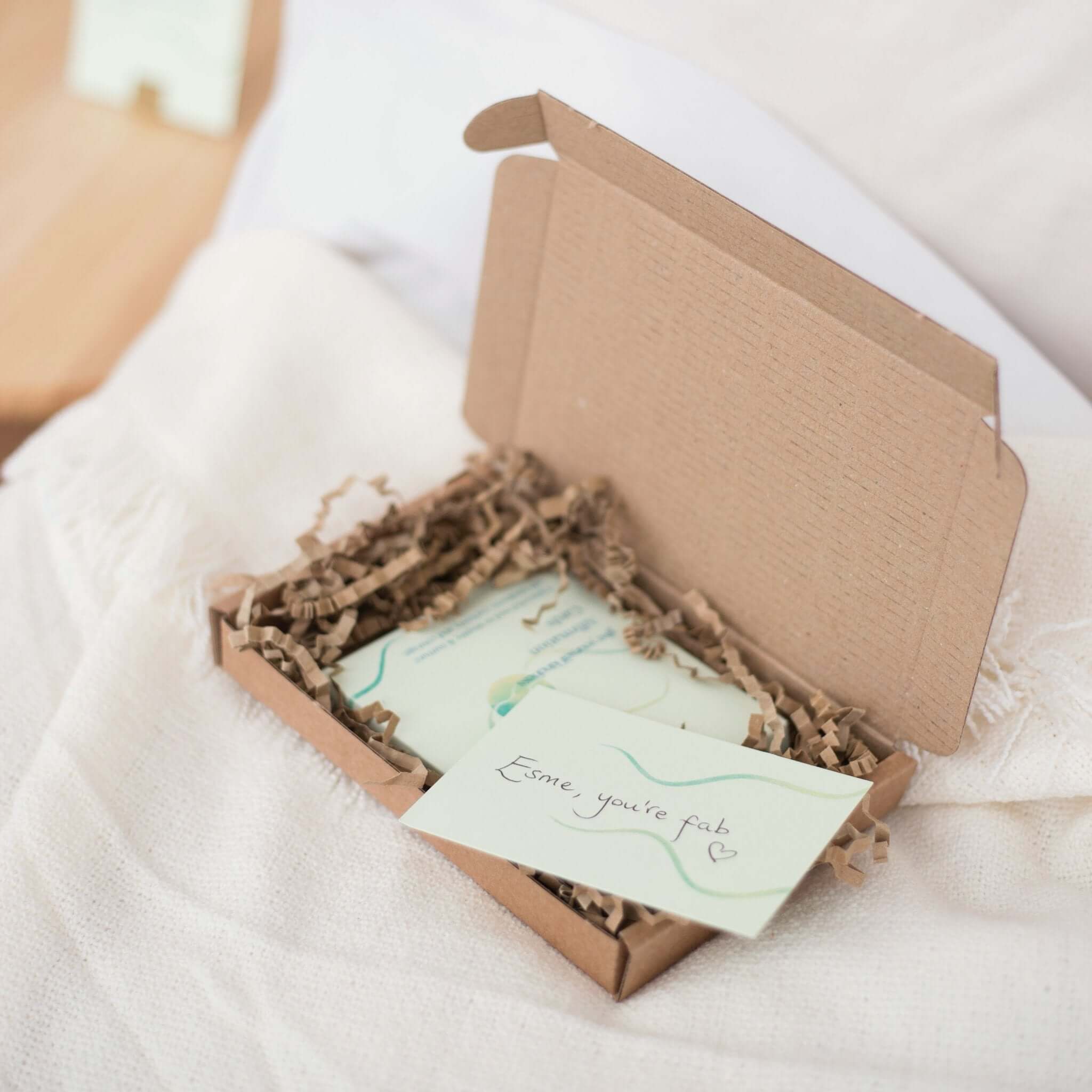
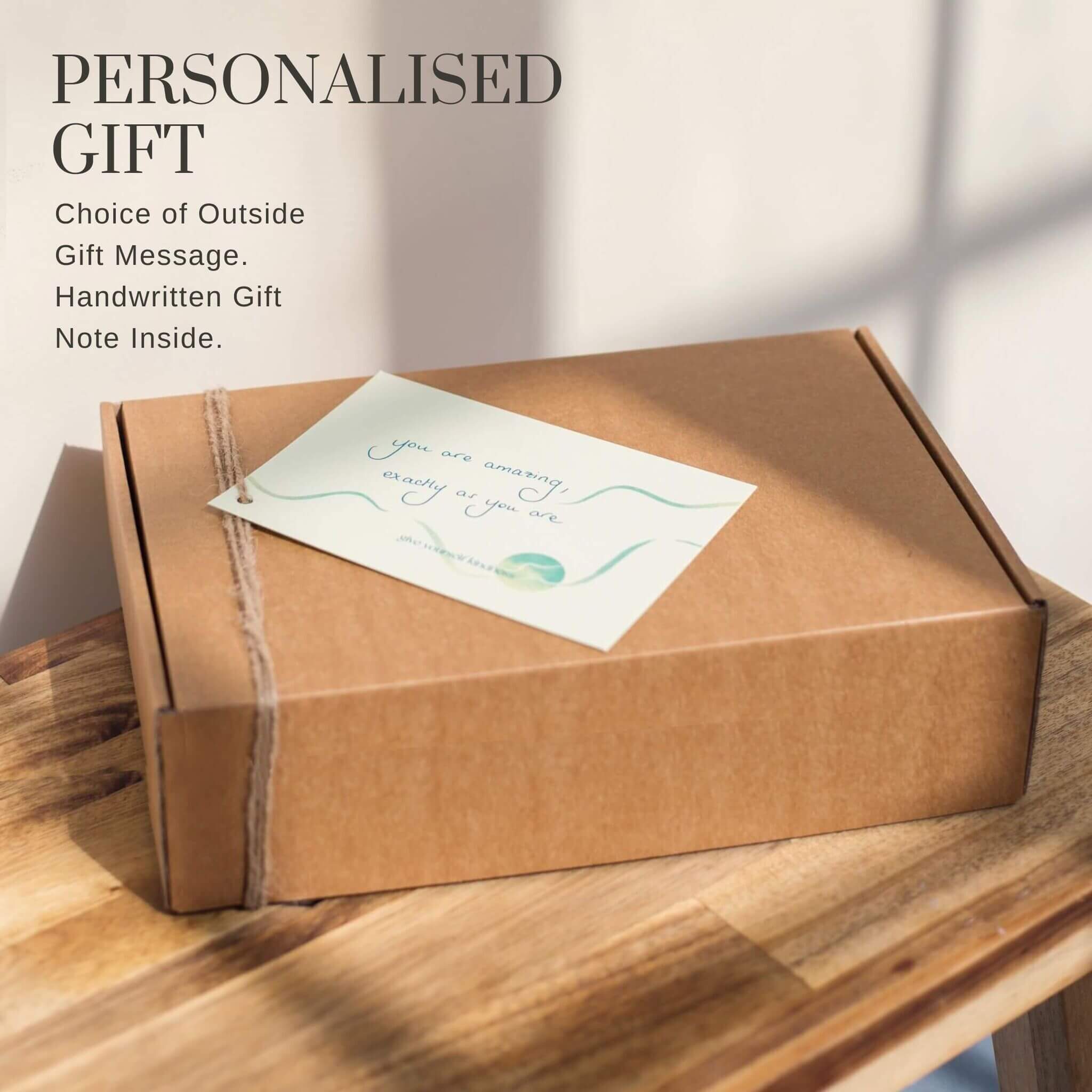
- Beautiful gift packaging
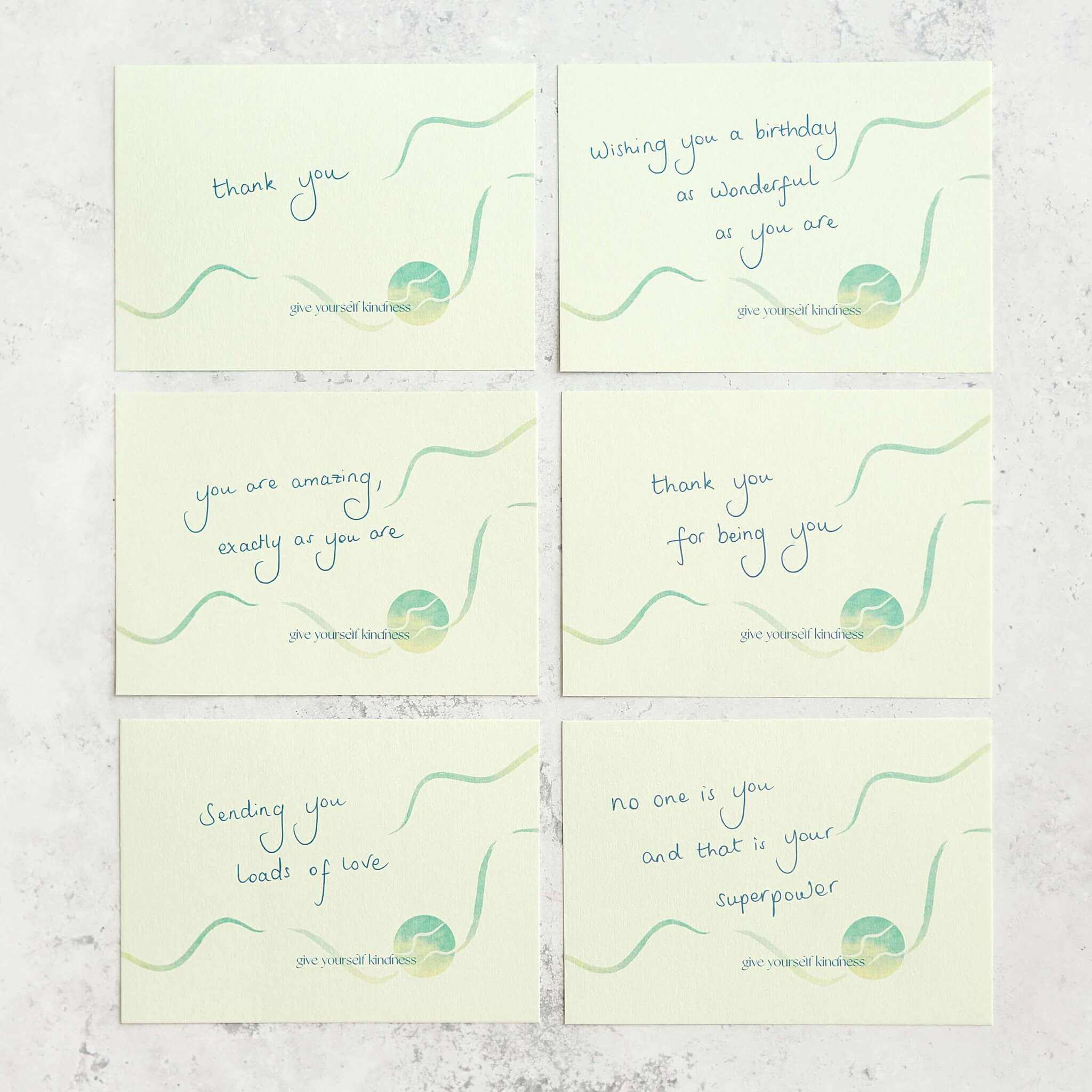
- Optional handwritten note
- Total value: £75.80 — You pay: £60.95
✓ WHY THIS IS SPECIAL
- Most comprehensive support possible
- Shows extraordinary thoughtfulness
- Addresses different needs throughout the day
- Best value (saves £14.85)
- Expert-backed by Harvard & Oxford psychologists
- Creates lasting impact
✗ CONSIDER IF
- Budget
The Give Yourself Kindness Journal
Full disclosure: This is my journal. After my own experience with struggling, I couldn't find a journal that validated difficult emotions instead of forcing positivity—so I created it.
- Someone going through a stressful period
- Navigating life transitions or changes
- Dealing with self-doubt or harsh self-criticism
- Processing difficult emotions
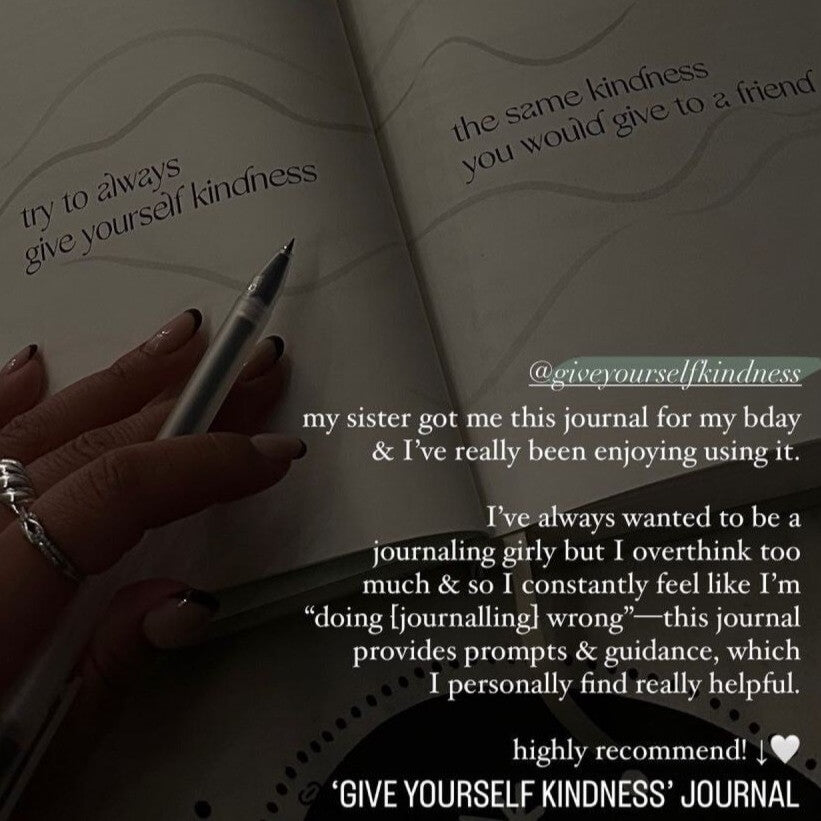
- Anyone who found other journals repetitive or dismissive
Why It Works:
Builds Self-Compassion Through Daily Practice
Based on Dr. Kristin Neff's research showing self-compassion helps people navigate challenges with greater resilience.
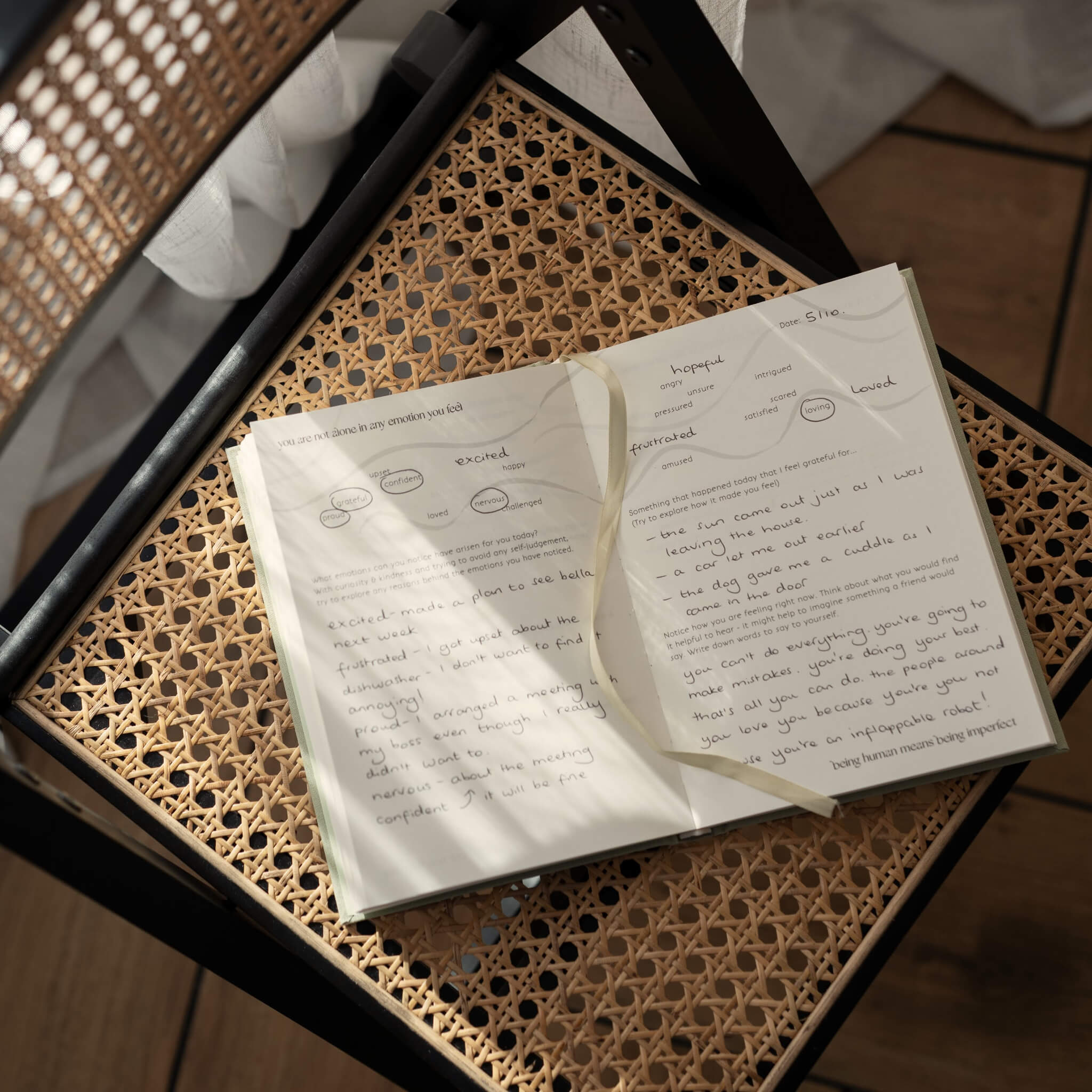
Sample prompt: "What has challenged you today? Talk to yourself as you would a friend—write down what you would say"
Effect: Shifts from self-criticism to compassionate perspective
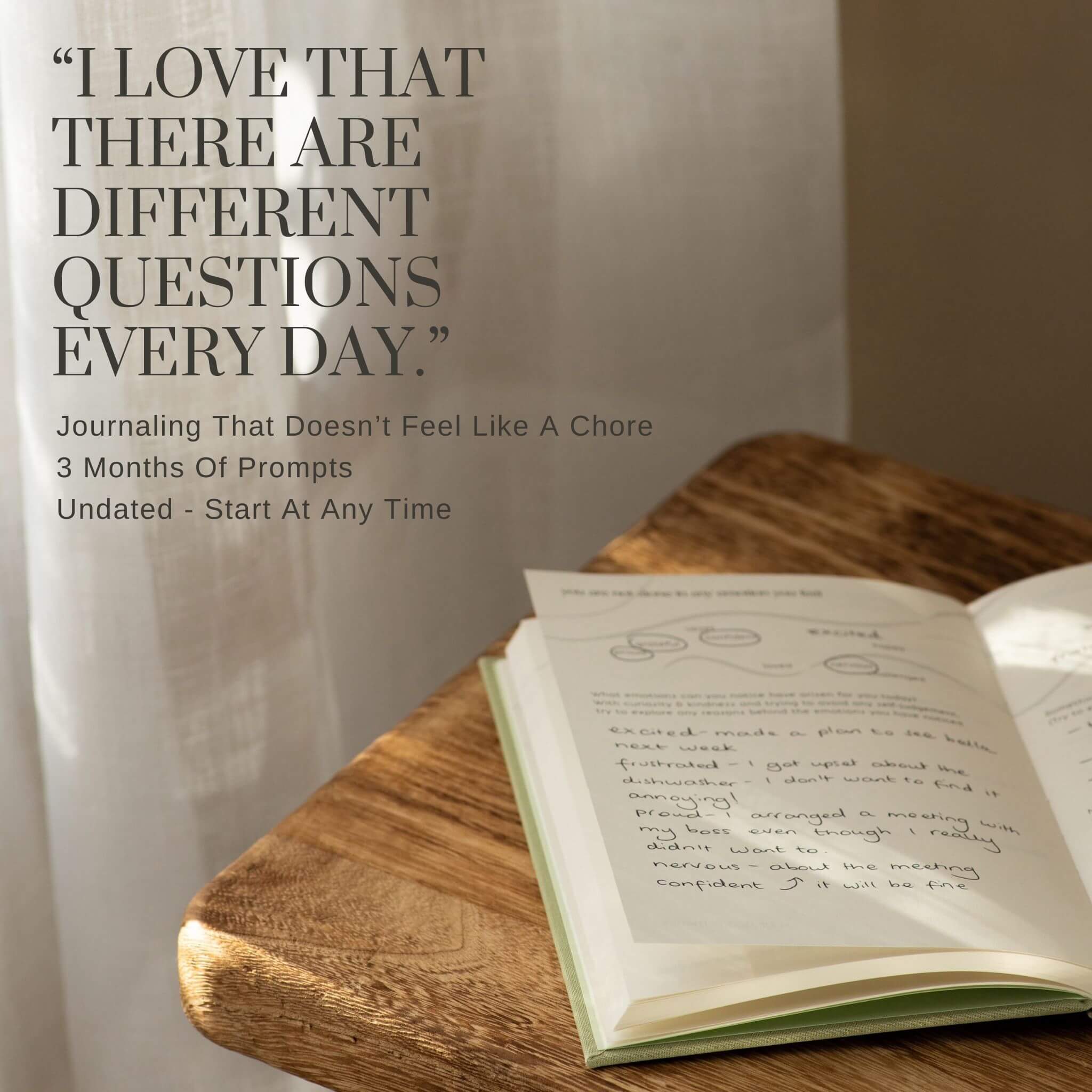
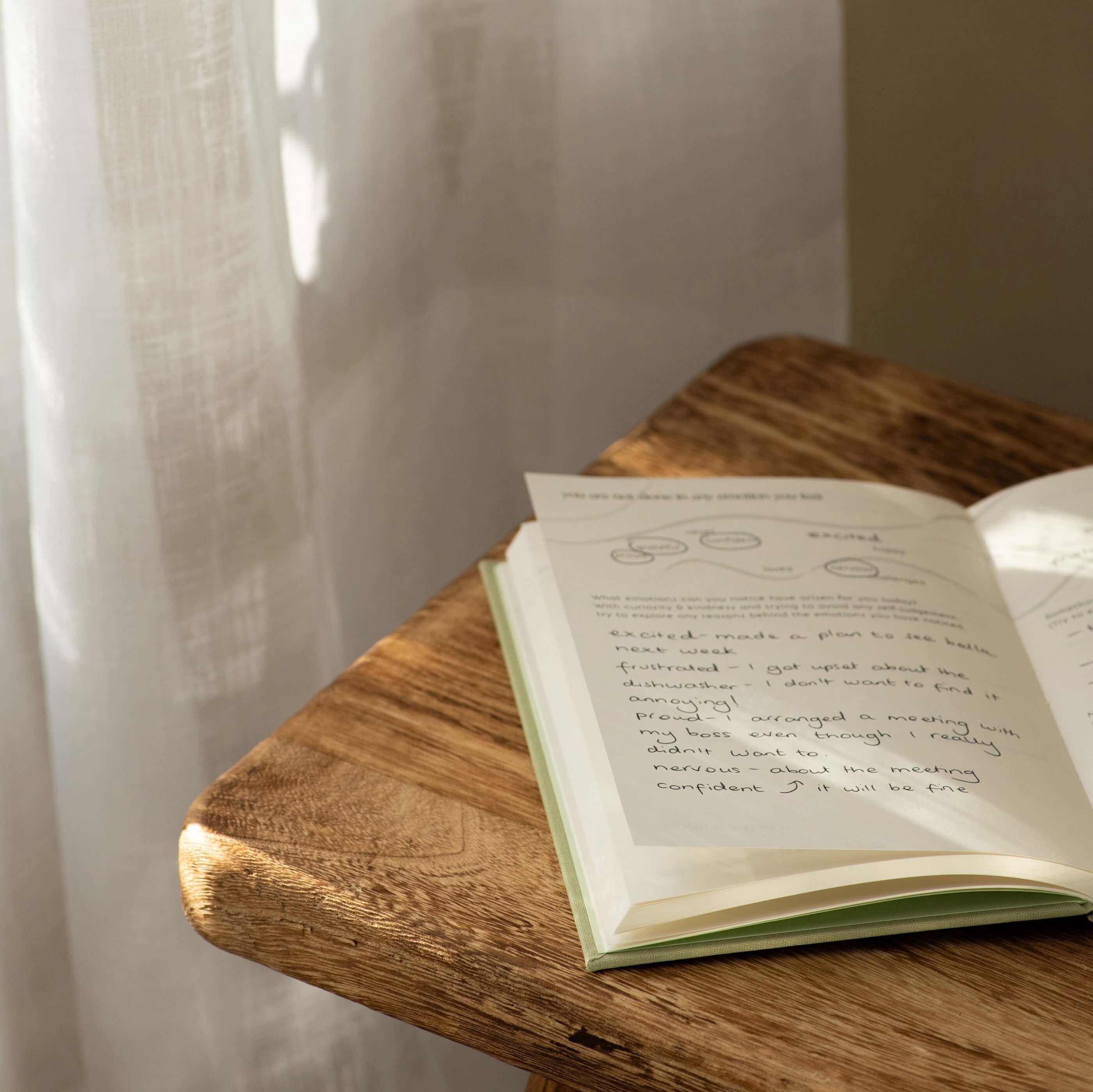
Emotional Awareness Tool on Every Page
Visual guide helps identify specific emotions. Research shows naming emotions reduces their intensity.
No Pressure, No Guilt
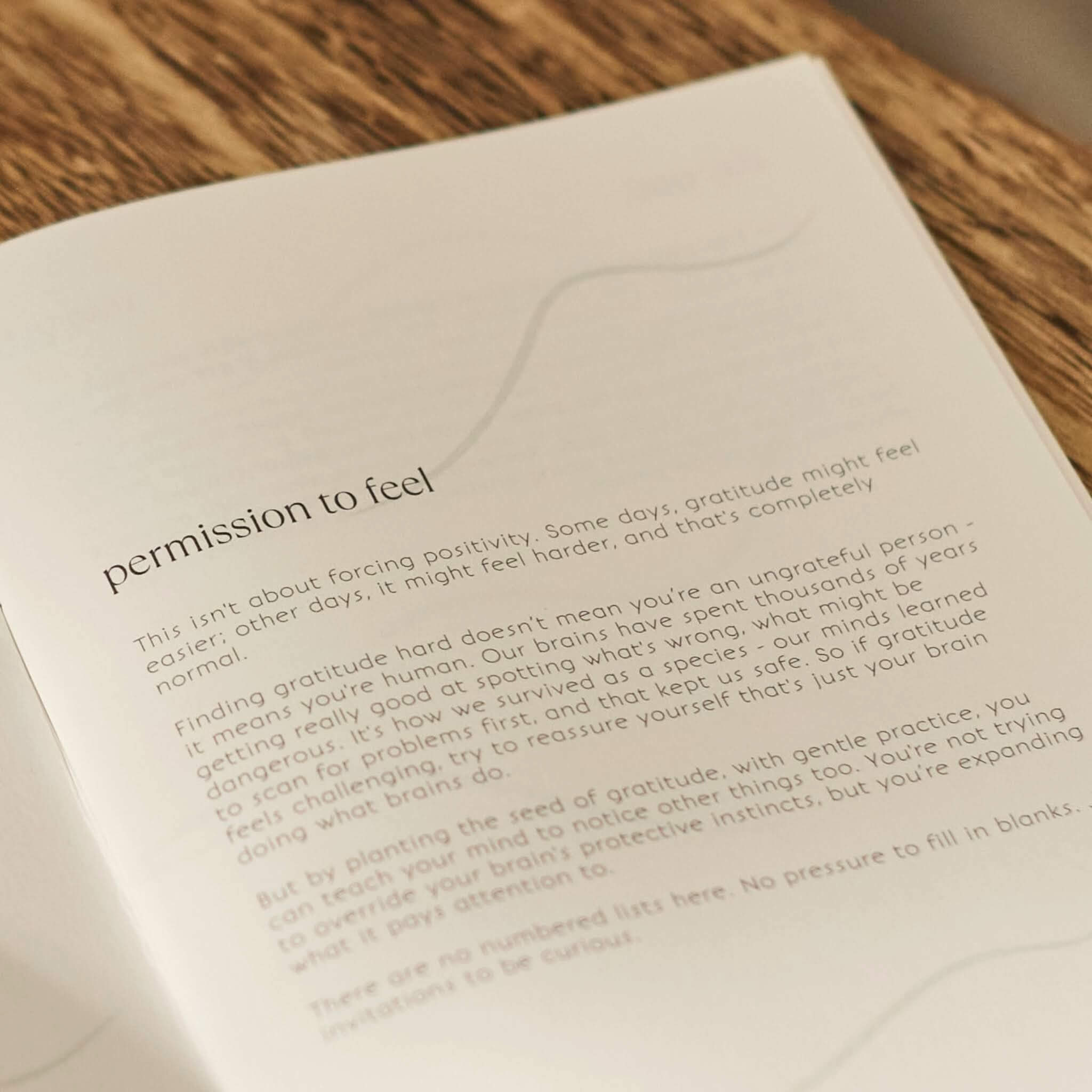
Undated format with permission built in: "you can't be perfect, and you don't need to be"
What Independent Experts Say:

Dr. Chris Germer, PhD
Clinical Psychologist, Harvard Medical School | Co-developer of Mindful Self-Compassion (MSC) program taught to 250,000+ people worldwide
"A warm invitation to make friends with your emotions and yourself!"

Professor Willem Kuyken, PhD, DClinPsy
Ritblat Professor of Mindfulness and Psychological Science, University of Oxford | Top 1% most cited scientists worldwide
"Rachel has curated the experience to make the writing intrinsically rewarding and the journal something to treasure."

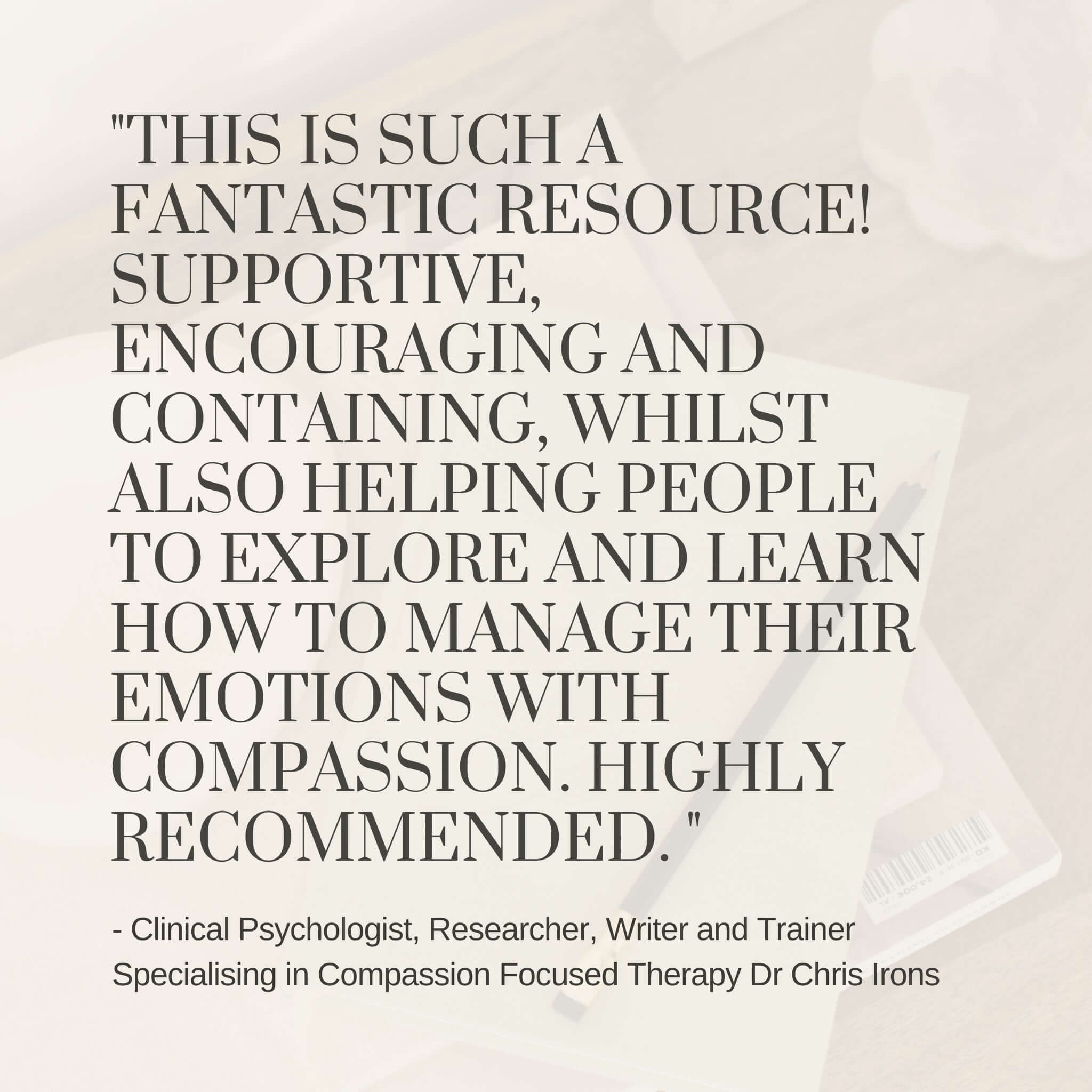
Dr. Chris Irons
Clinical Psychologist, CFT Researcher and Trainer
"Supportive, encouraging and containing, whilst also helping people to explore and learn how to manage their emotions with compassion. Highly recommended."
What's Inside:
- 90 days of varied prompts
- Emotional awareness visual guide on every page
- 50+ gentle reminders ("the way you speak to yourself matters")
- Undated format
- Cloth-bound, FSC-certified paper, printed in UK
- Used by therapists with clients worldwide
- Free gift wrapping + optional handwritten note
✓ PROS
- Evidence-based prompts designed with clinical psychologists
- Validates all emotions (no forced positivity)
- Never feels repetitive or mechanical
- Undated = no guilt during hard times
- Premium quality materials
✗ CONSIDER IF
- They're extremely low on energy right now (try cards instead)
- They prefer completely blank pages
Sleep Affirmation Cards
- Racing thoughts at bedtime
- Trouble "switching off" after stressful days
- Mind won't stop replaying the day
- Quick, low-energy practice
Why It Works:
When someone's going through a hard time, sleep often suffers. Your mind won't switch off. You replay the day's stresses. You worry about tomorrow.
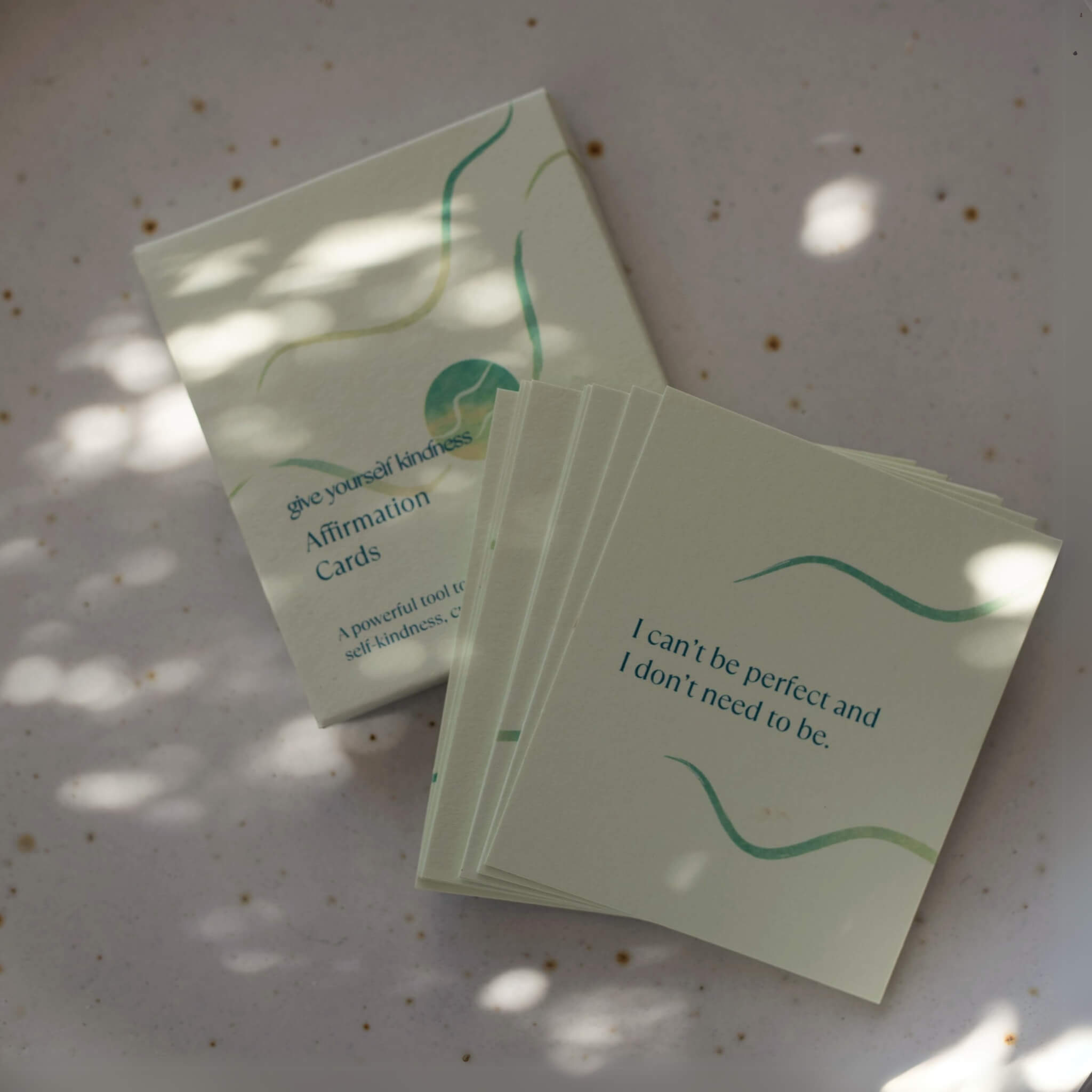
These cards use self-compassion principles to quiet an overactive mind before bed. Not generic "sleep better" tips—gentle reminders that help you be kind to yourself at night.
Sample affirmations:
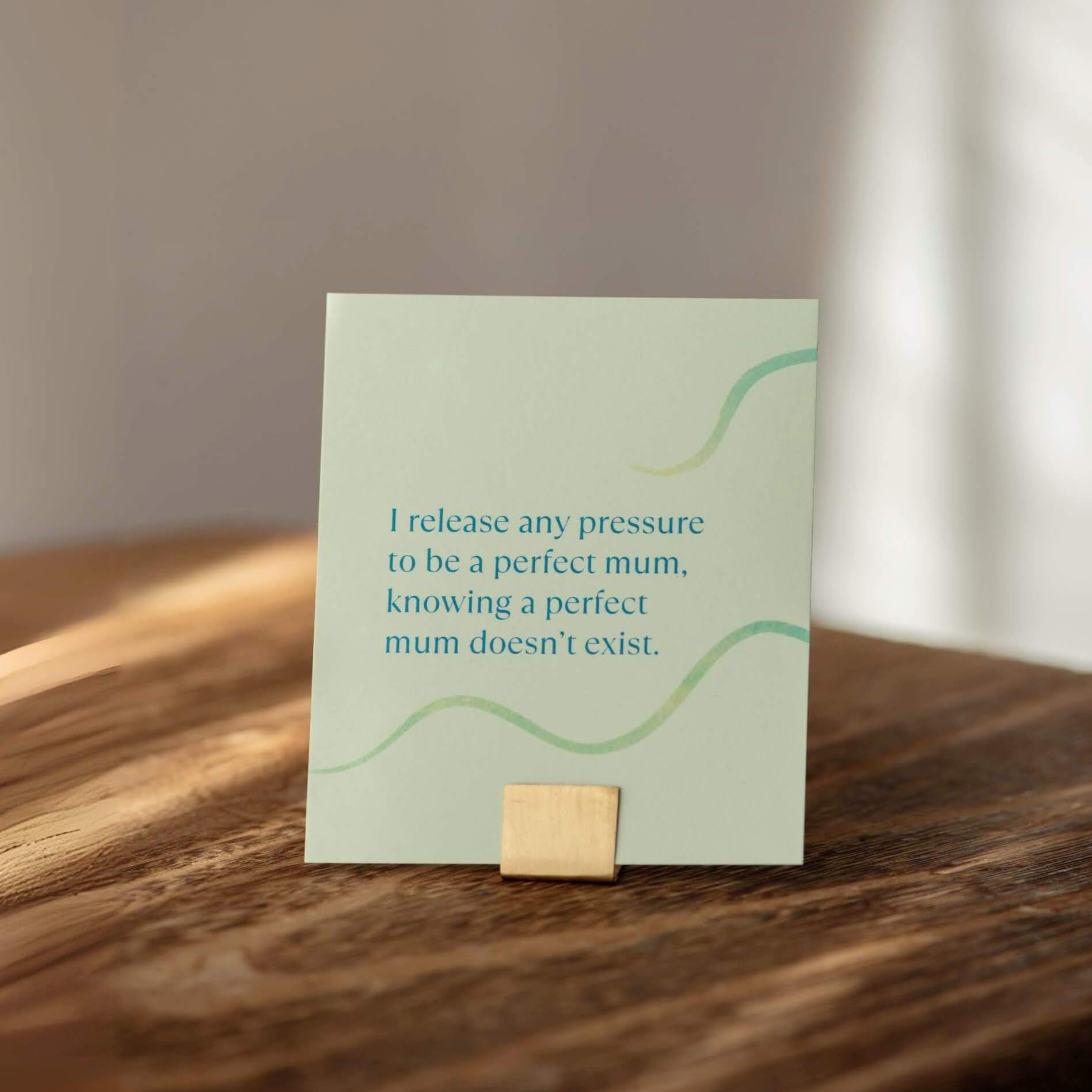
- "I can't be perfect, and I don't need to be"
- "Today, I did enough"
- "It's normal that on some days sleep is better than others"
- "I treat myself with kindness, knowing my to-do list can wait until tomorrow"

Dr. Olena Santangeli, PhD
Neuroscientist & Sleep Expert
"The sleep cards are fantastic. I particularly like how they foster positive thinking, relaxation, and self-compassion, which are key in managing sleep and stress. They wonderfully echo the principles of cognitive-behavioral therapy for insomnia."
Perfect as: Standalone gift or paired with journal for complete support
✓ PROS
- Takes only 2-3 minutes before bed
- Science-backed (CBT-I principles)
- Calms racing thoughts
- Very low energy required
- Affordable
✗ CONSIDER IF
- They don't struggle with sleep specifically
- Need daytime emotional support (add journal)
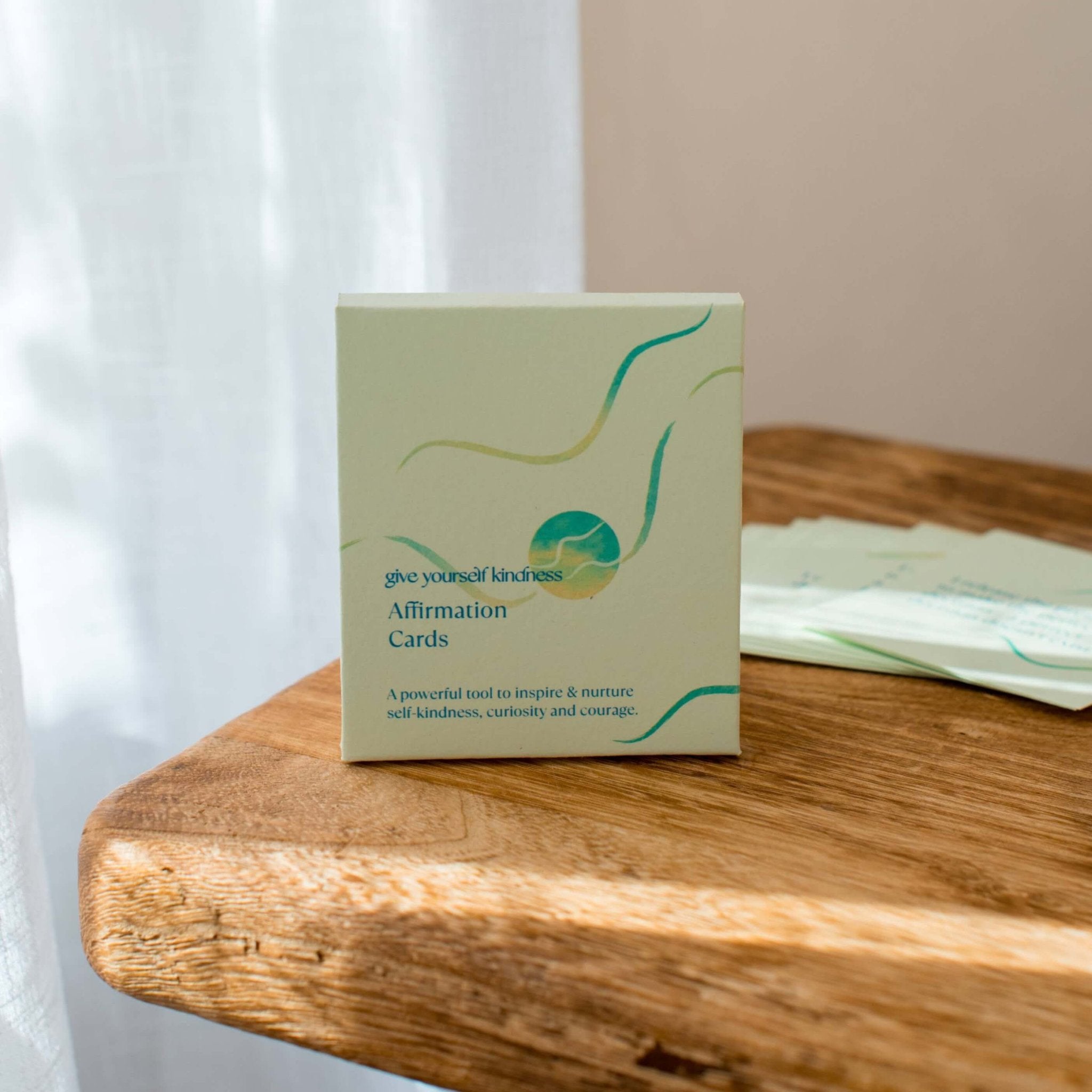
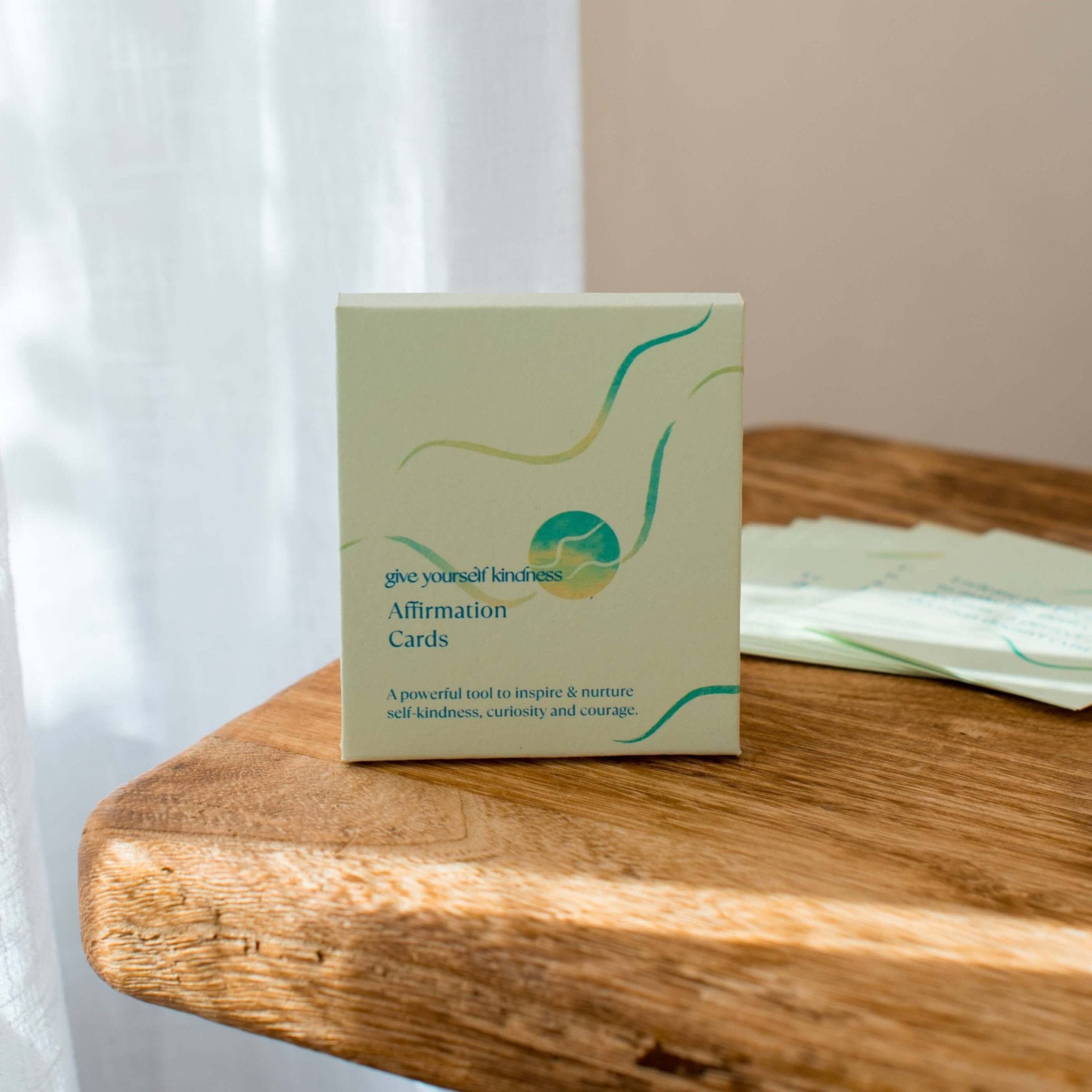
Self-Compassion Affirmation Cards
- Daily gentle encouragement
- Someone with very low energy
- Quick reminders of self-worth
- Feeling "not enough"
- Someone resistant to journaling
Why These Are Different:
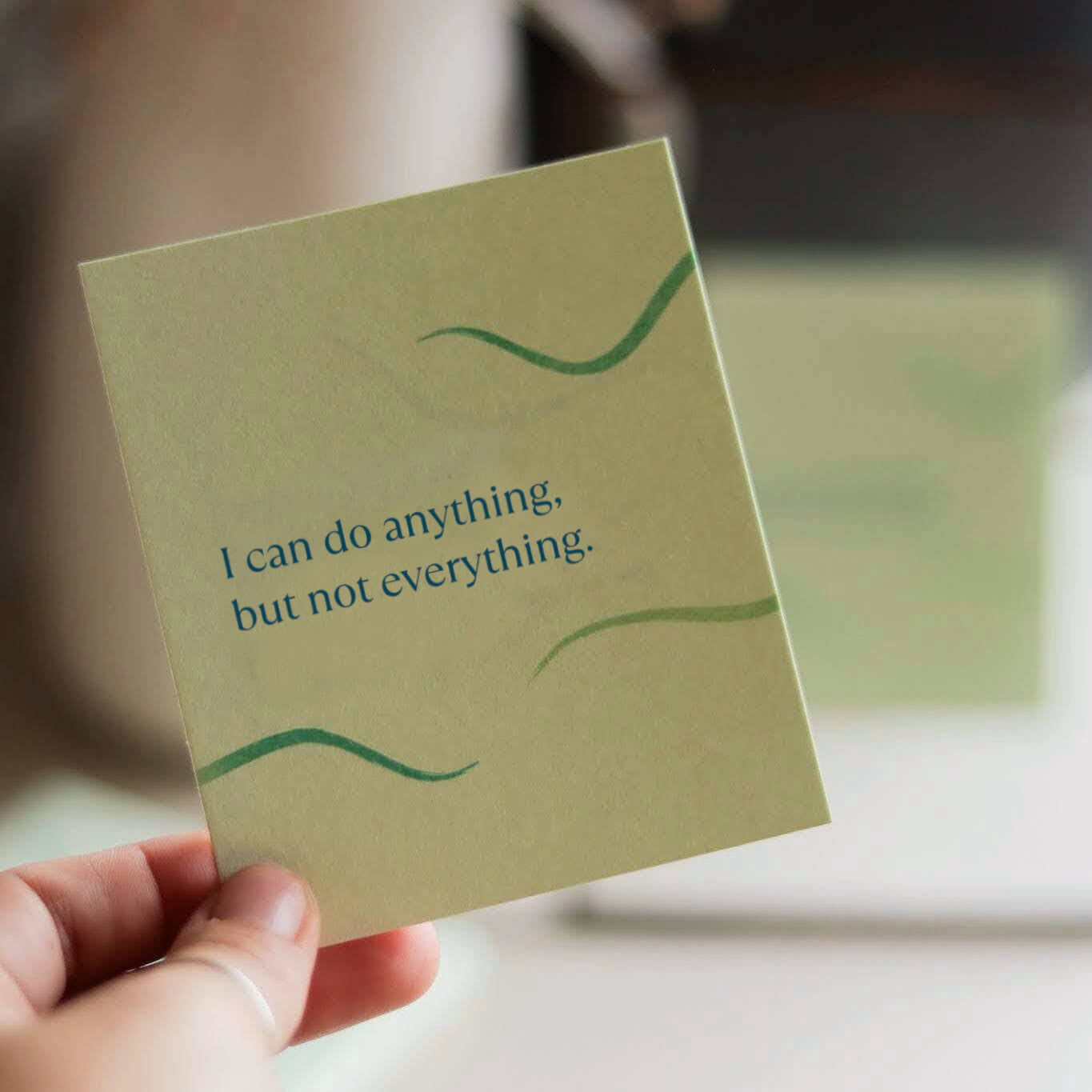
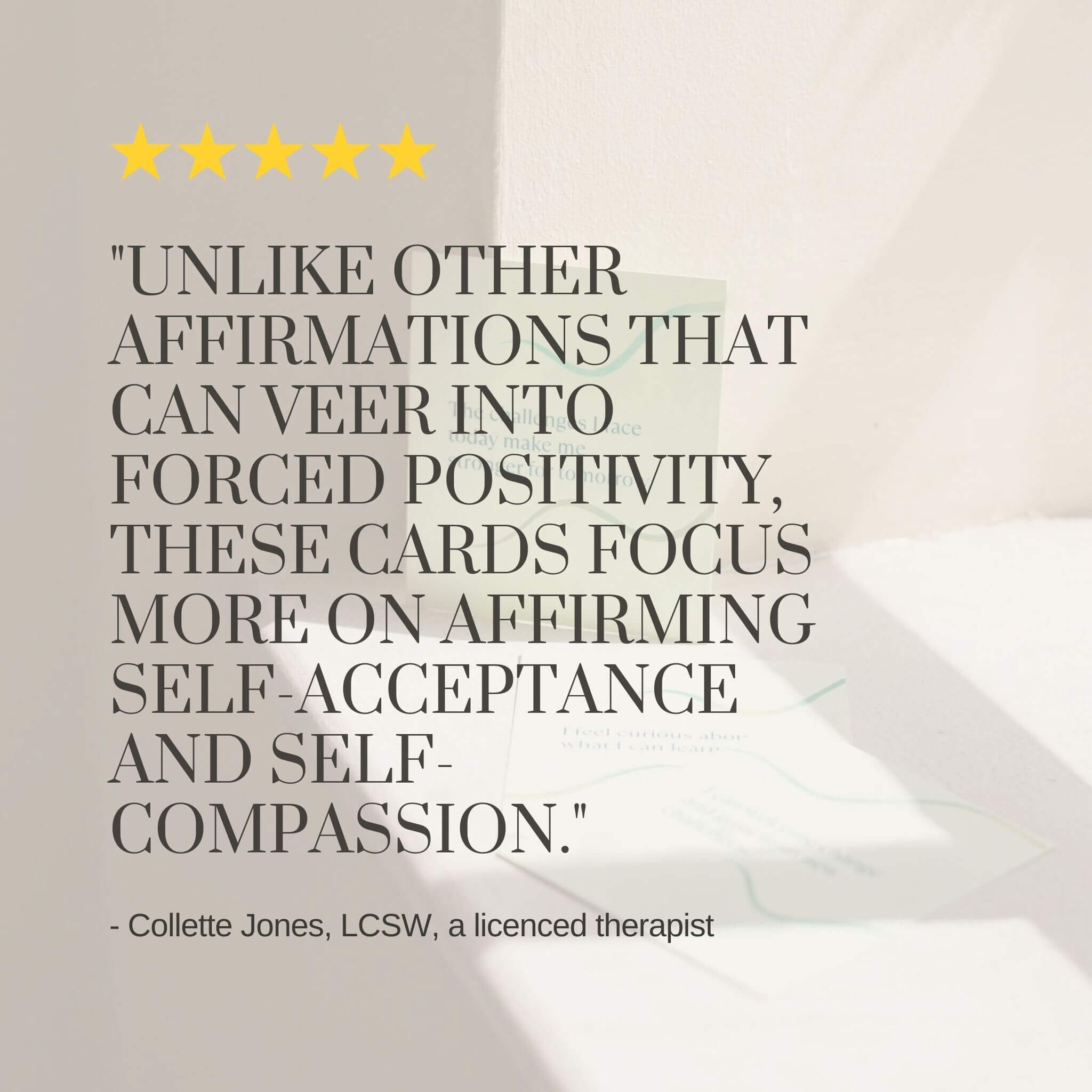
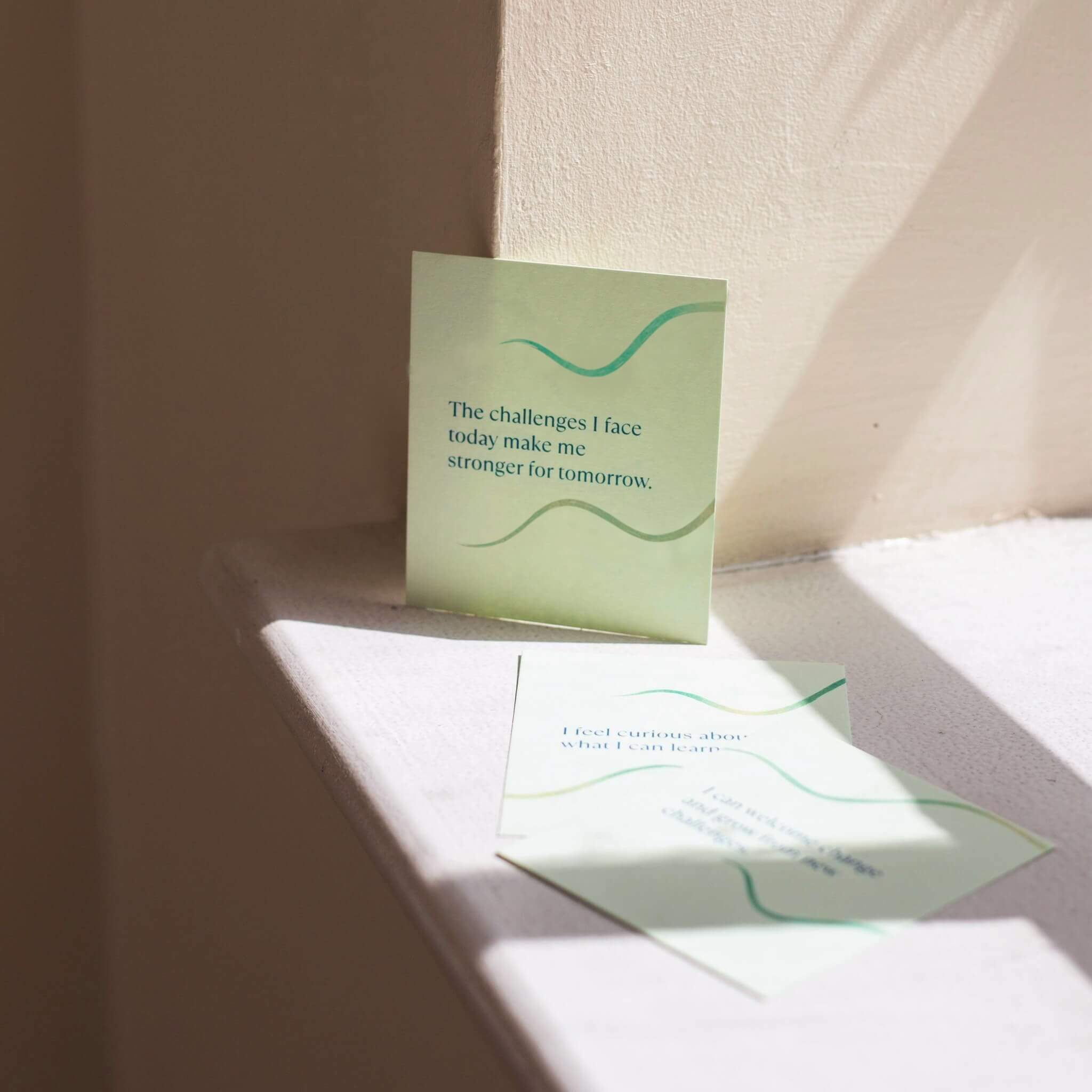
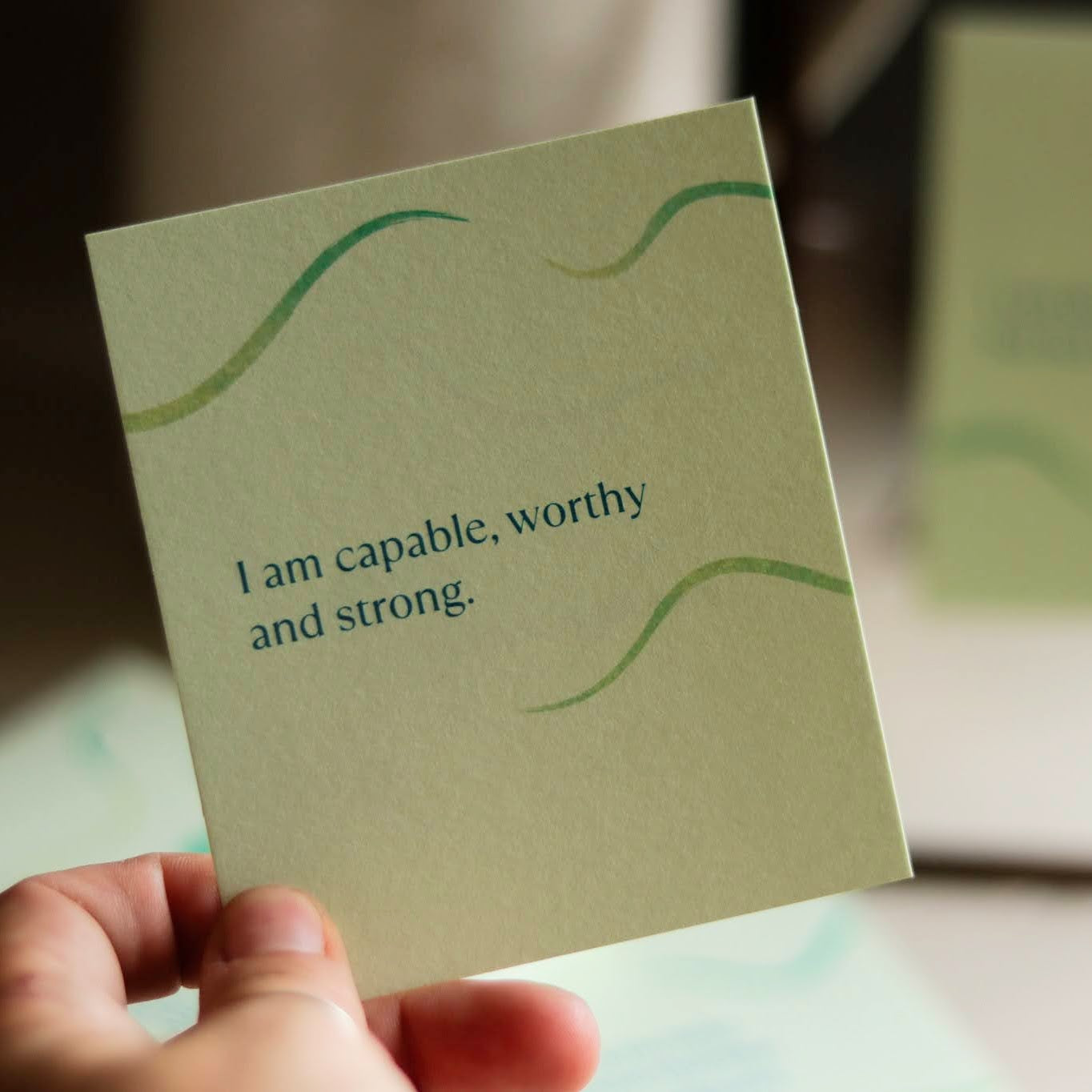
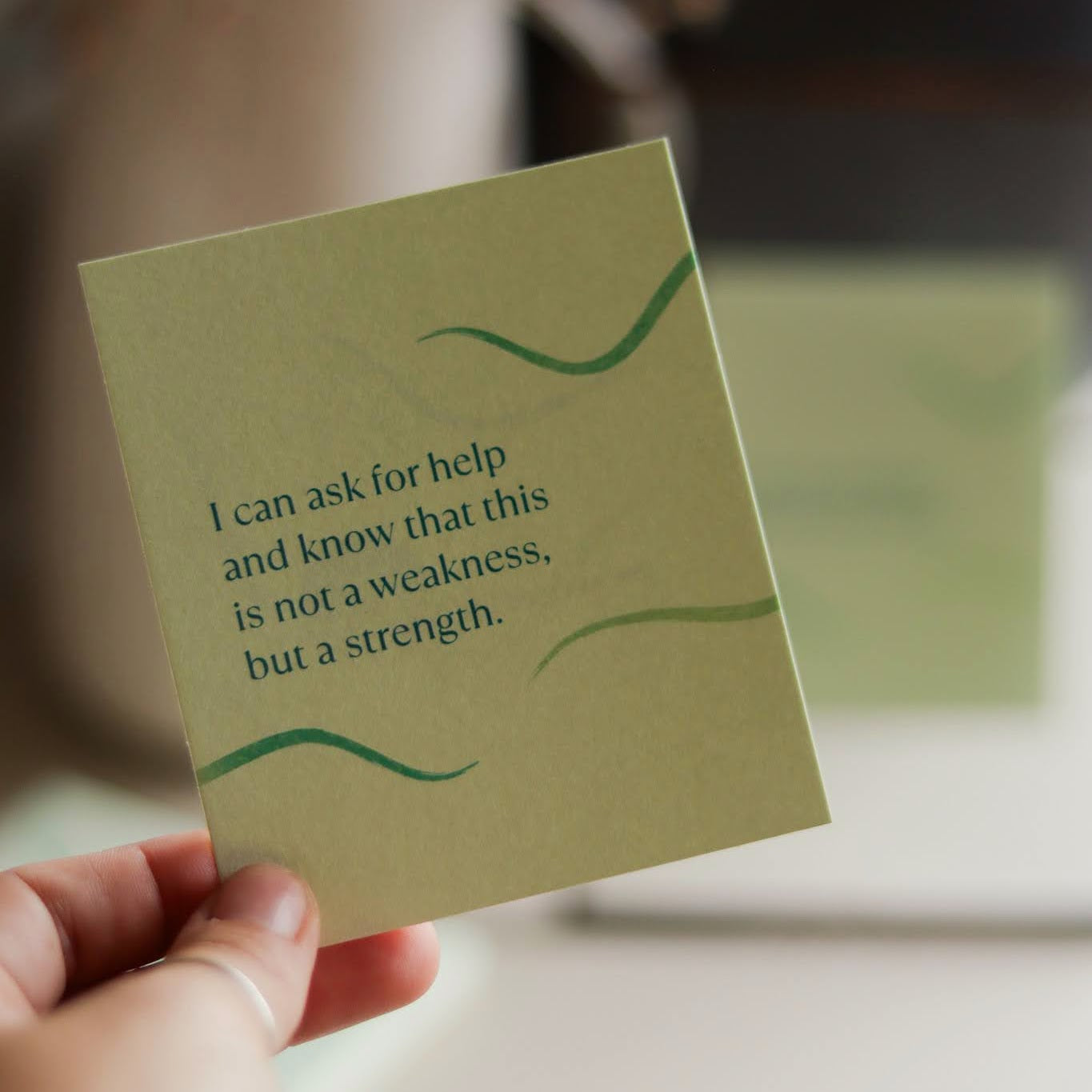
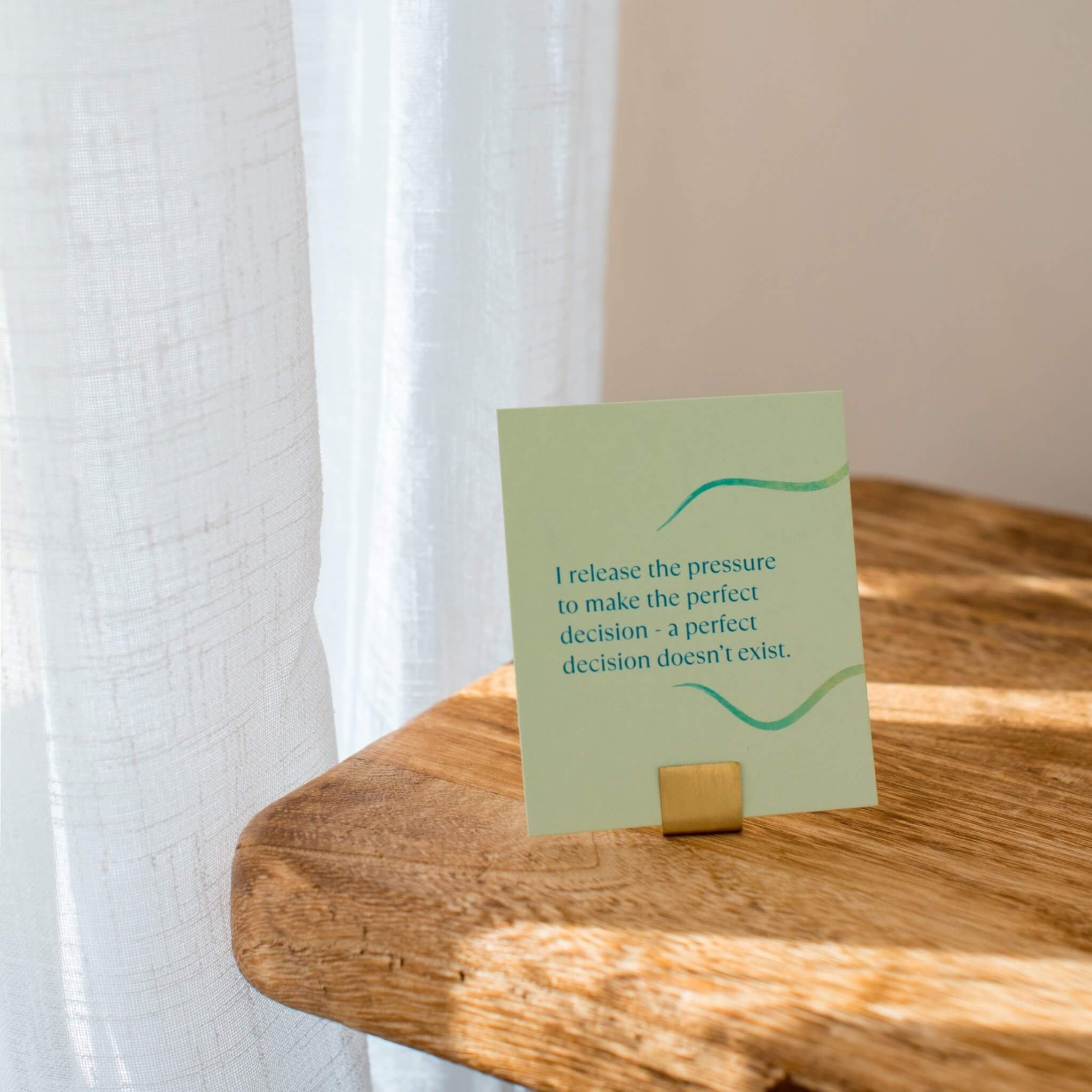
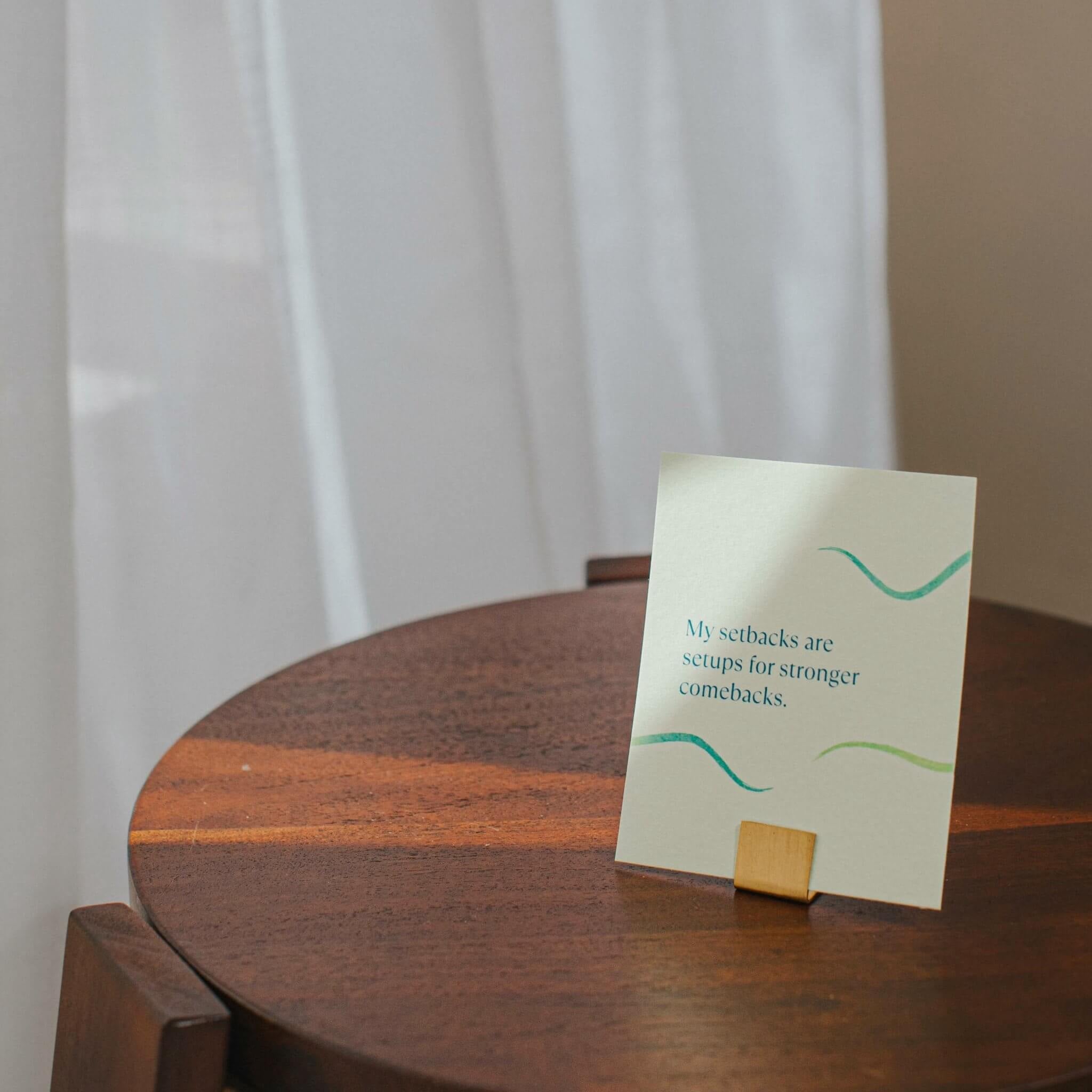
Most affirmation cards feel empty. "You're amazing!" "Believe in yourself!" They don't address what someone going through a hard time actually needs to hear.
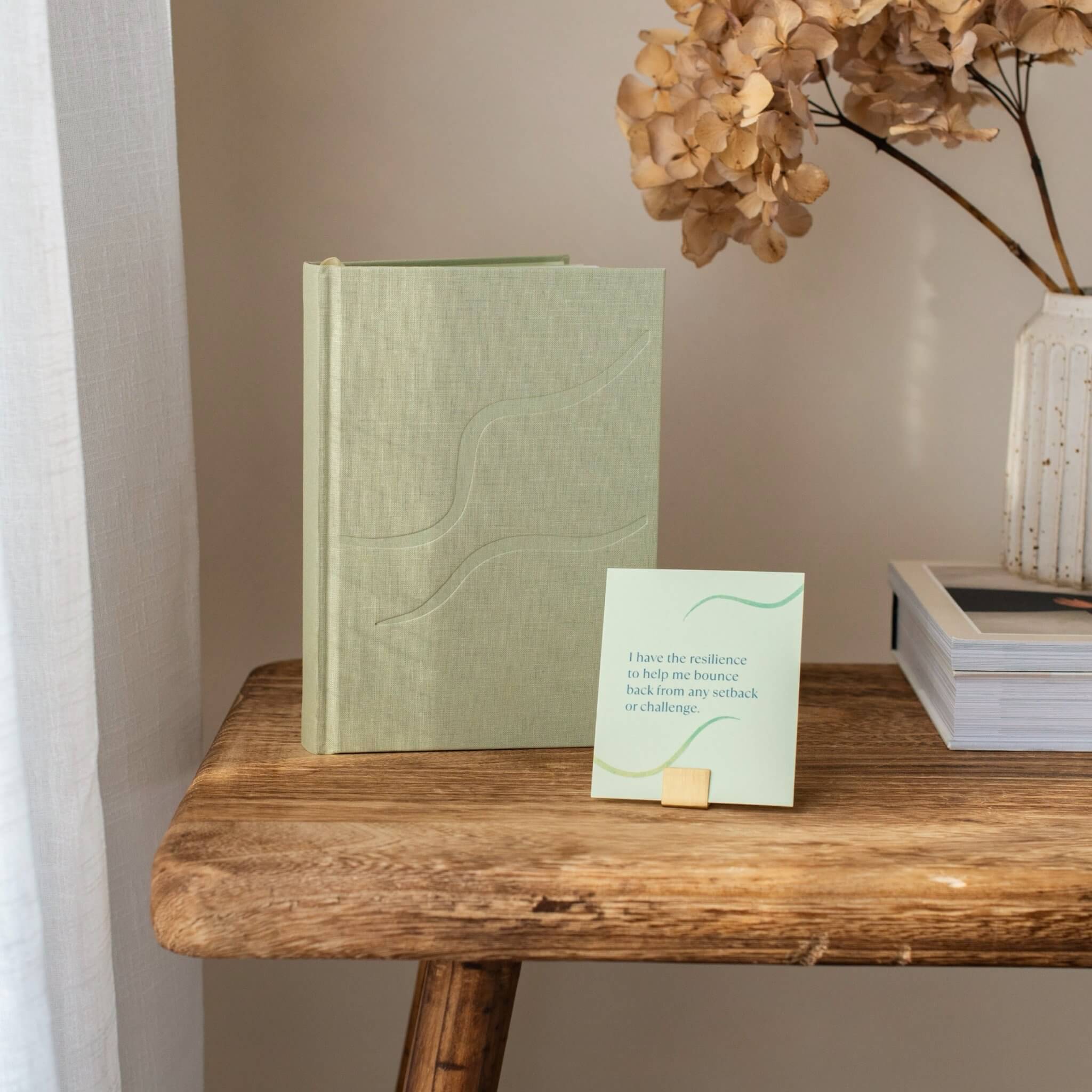
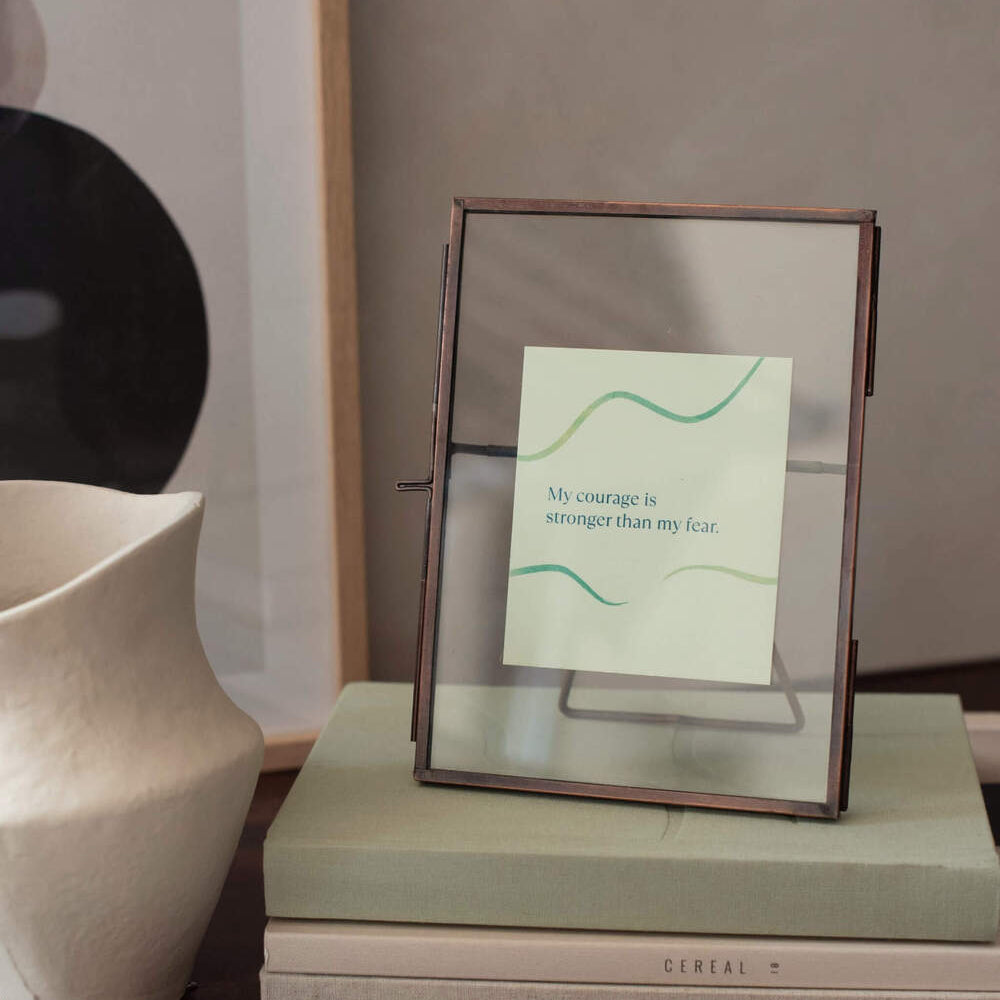
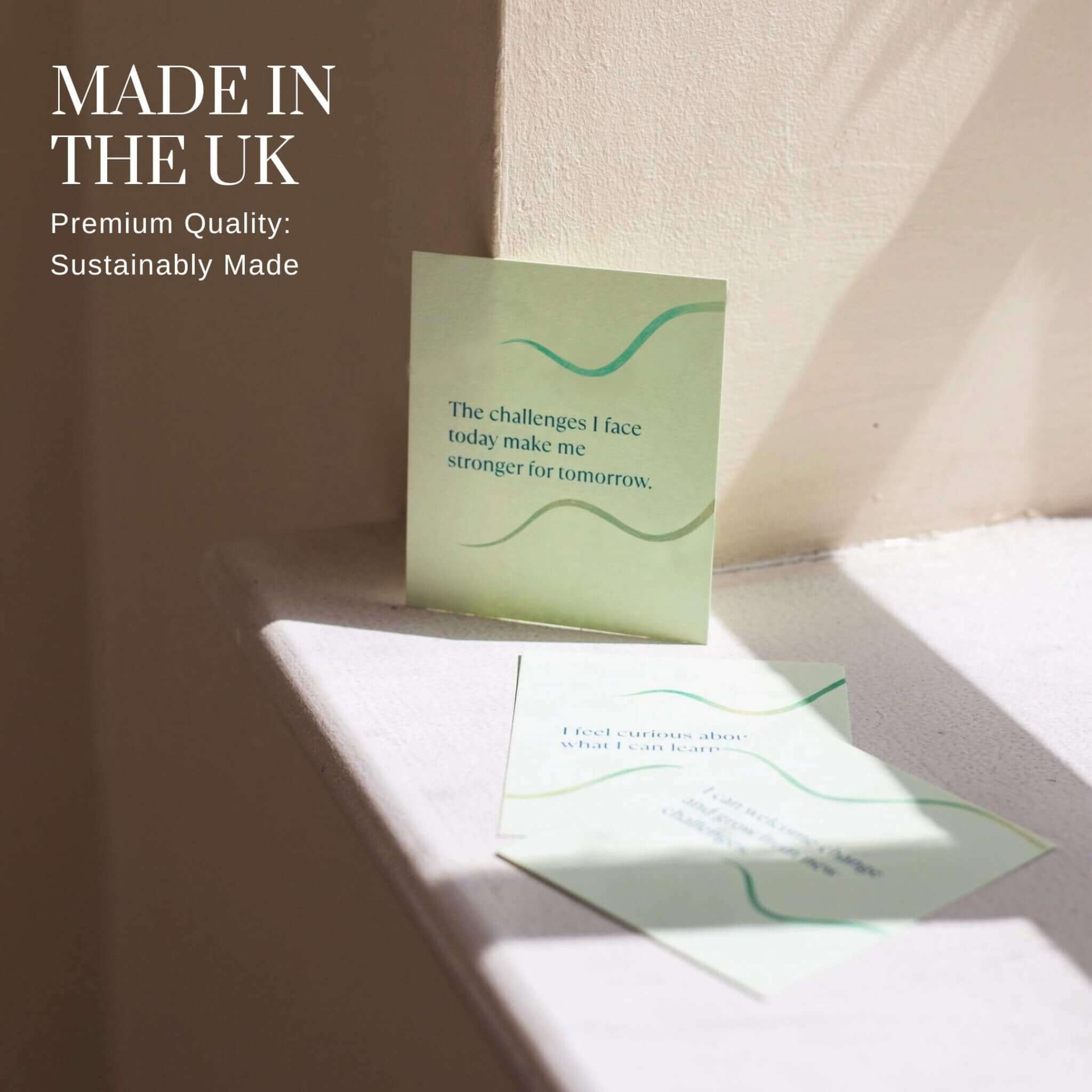
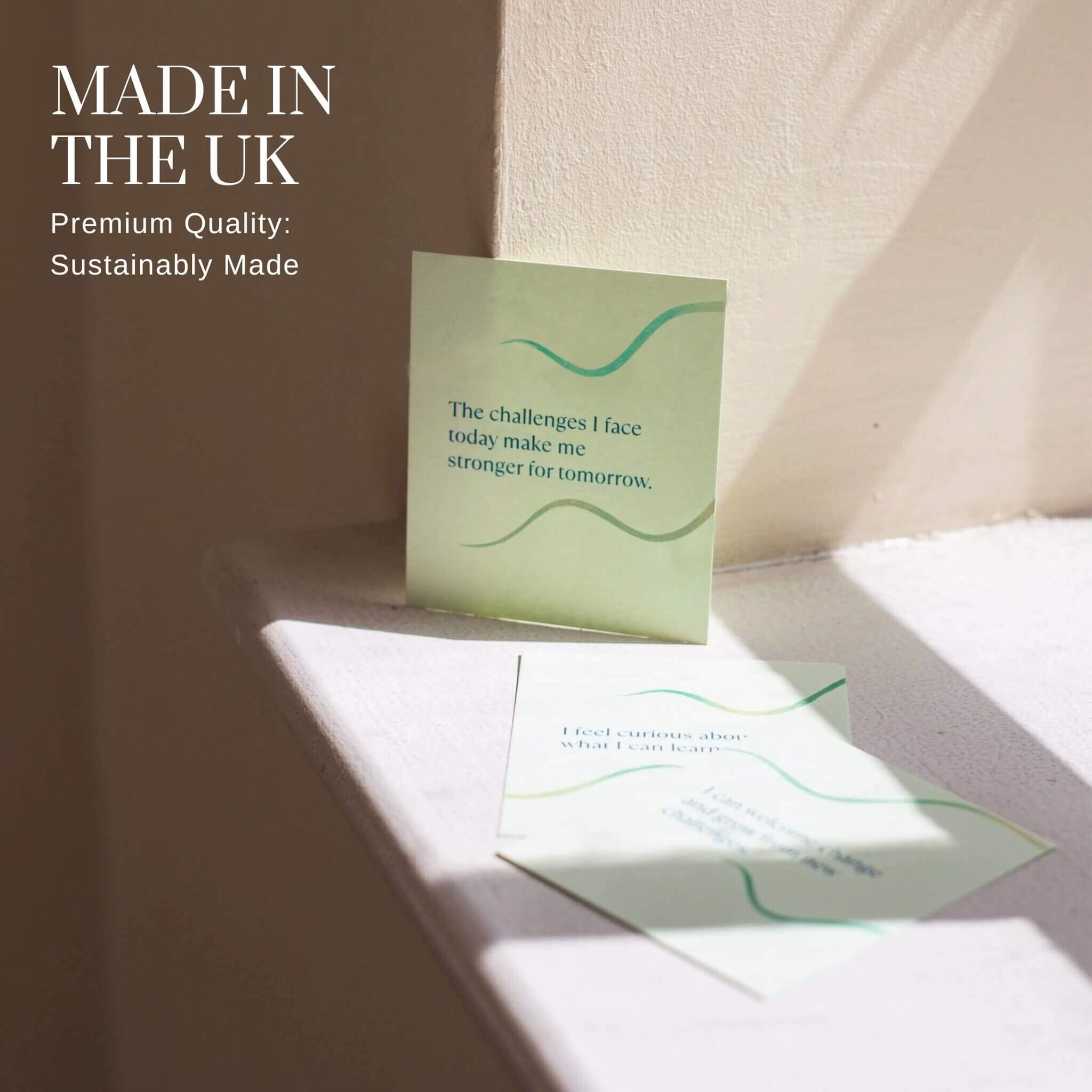
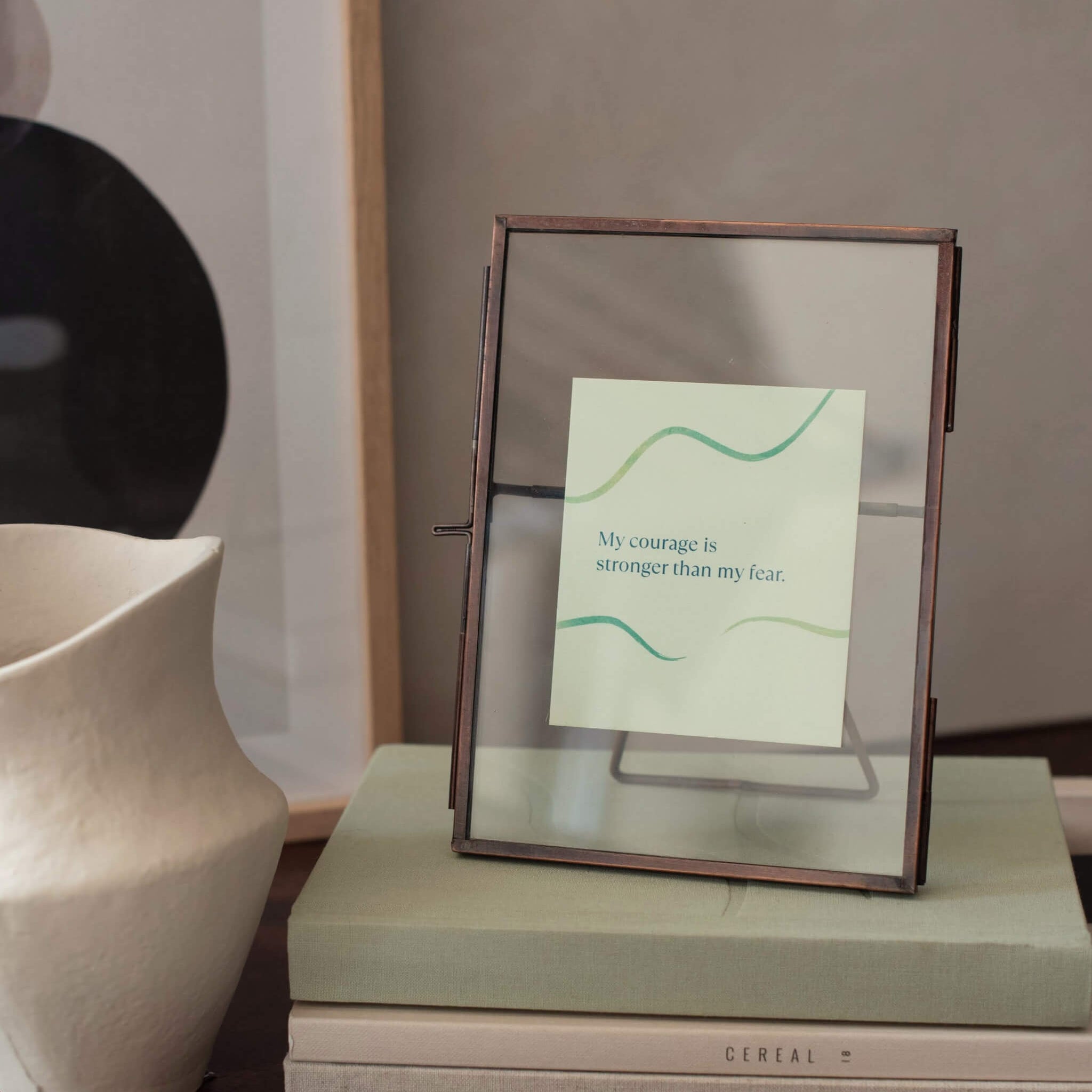
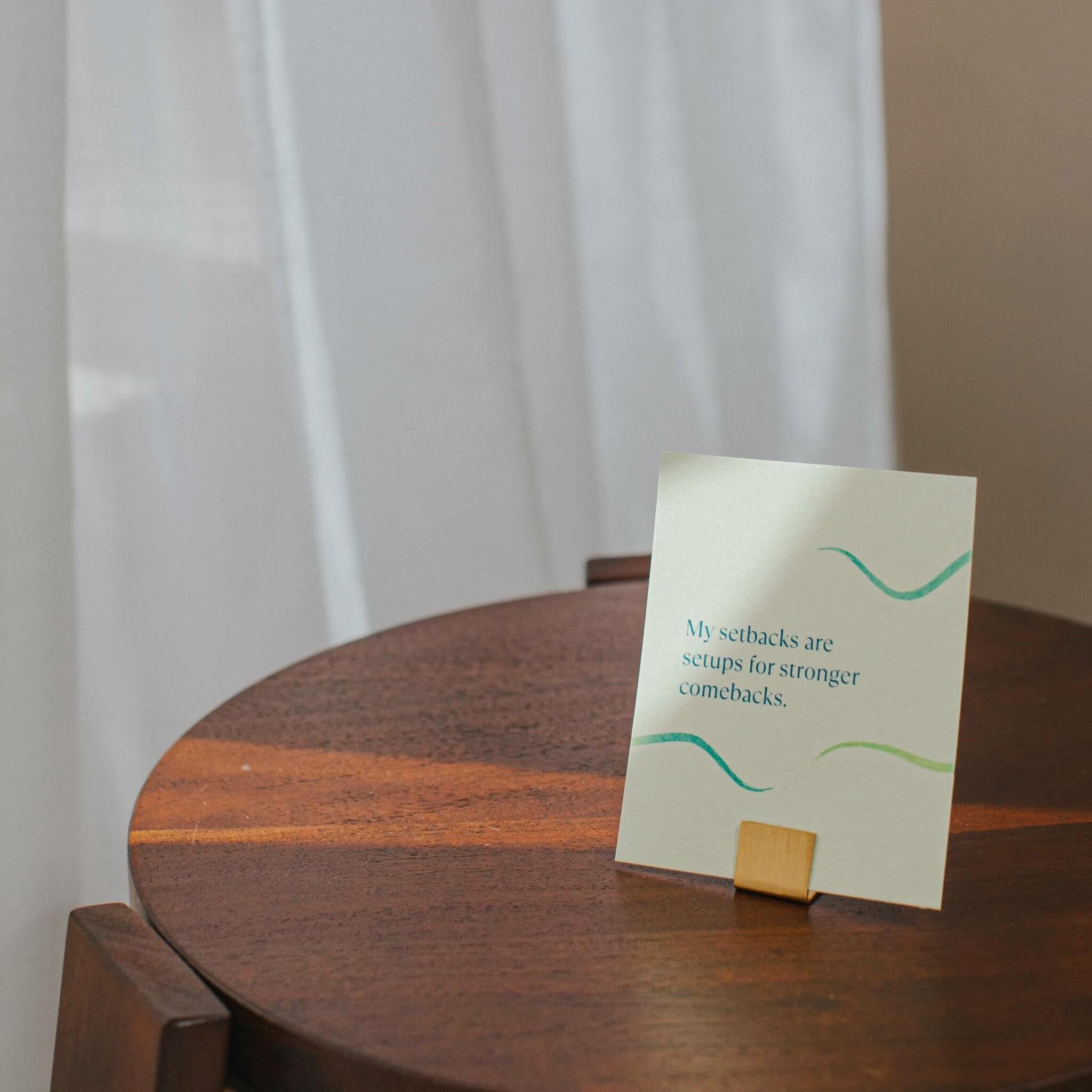
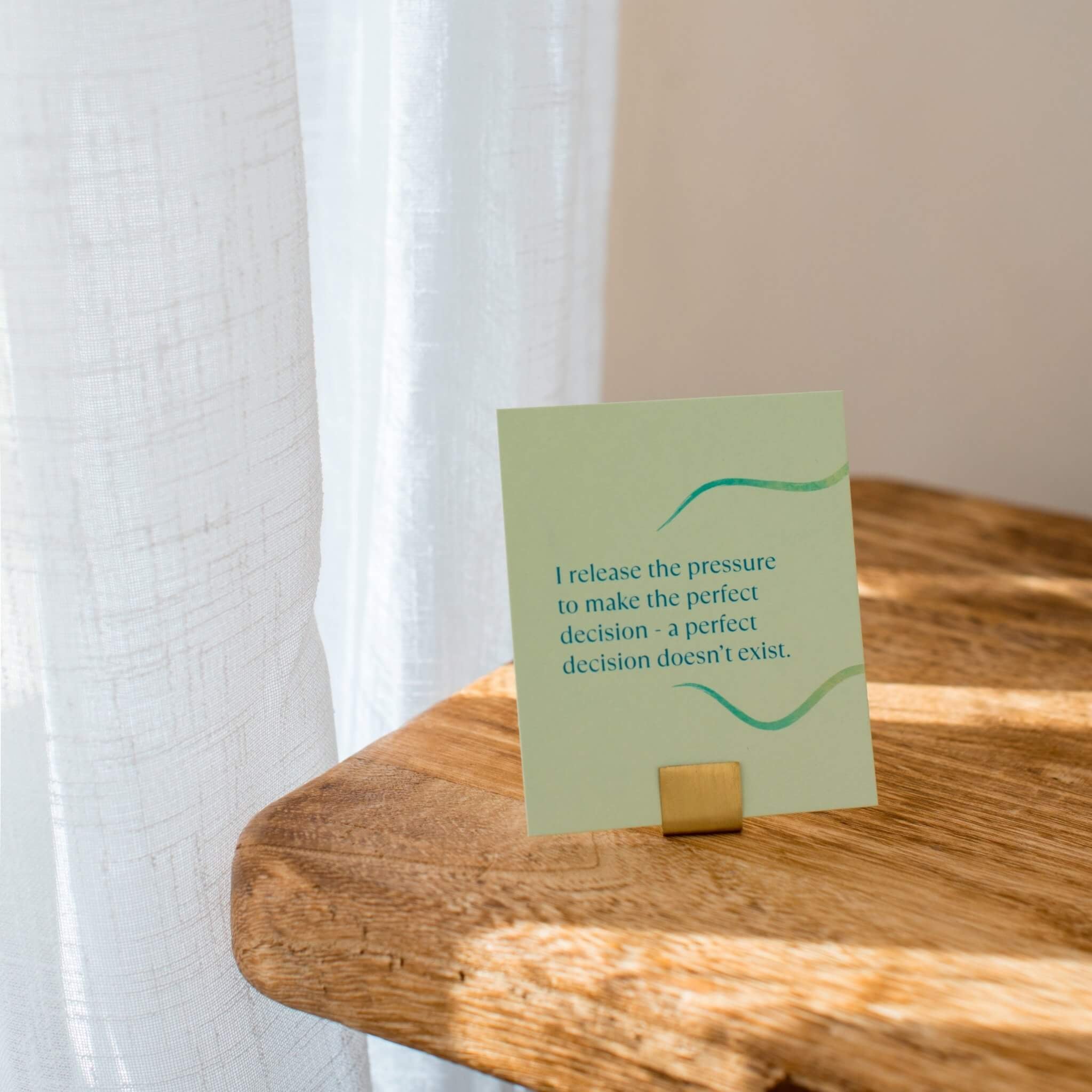
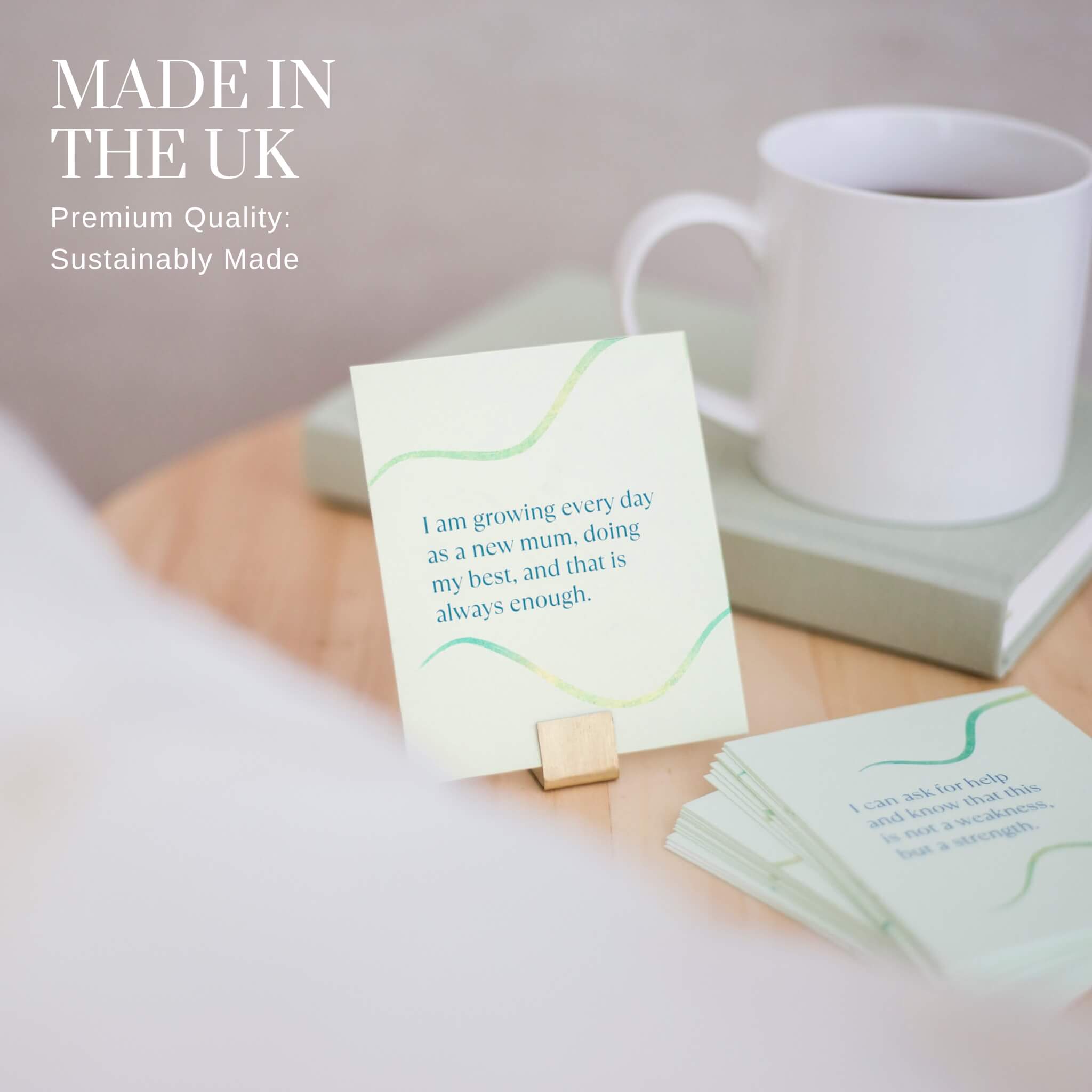
These cards were designed around self-compassion research. They acknowledge struggle. They give permission to be imperfect. They remind you that having a hard time is human, not failure.
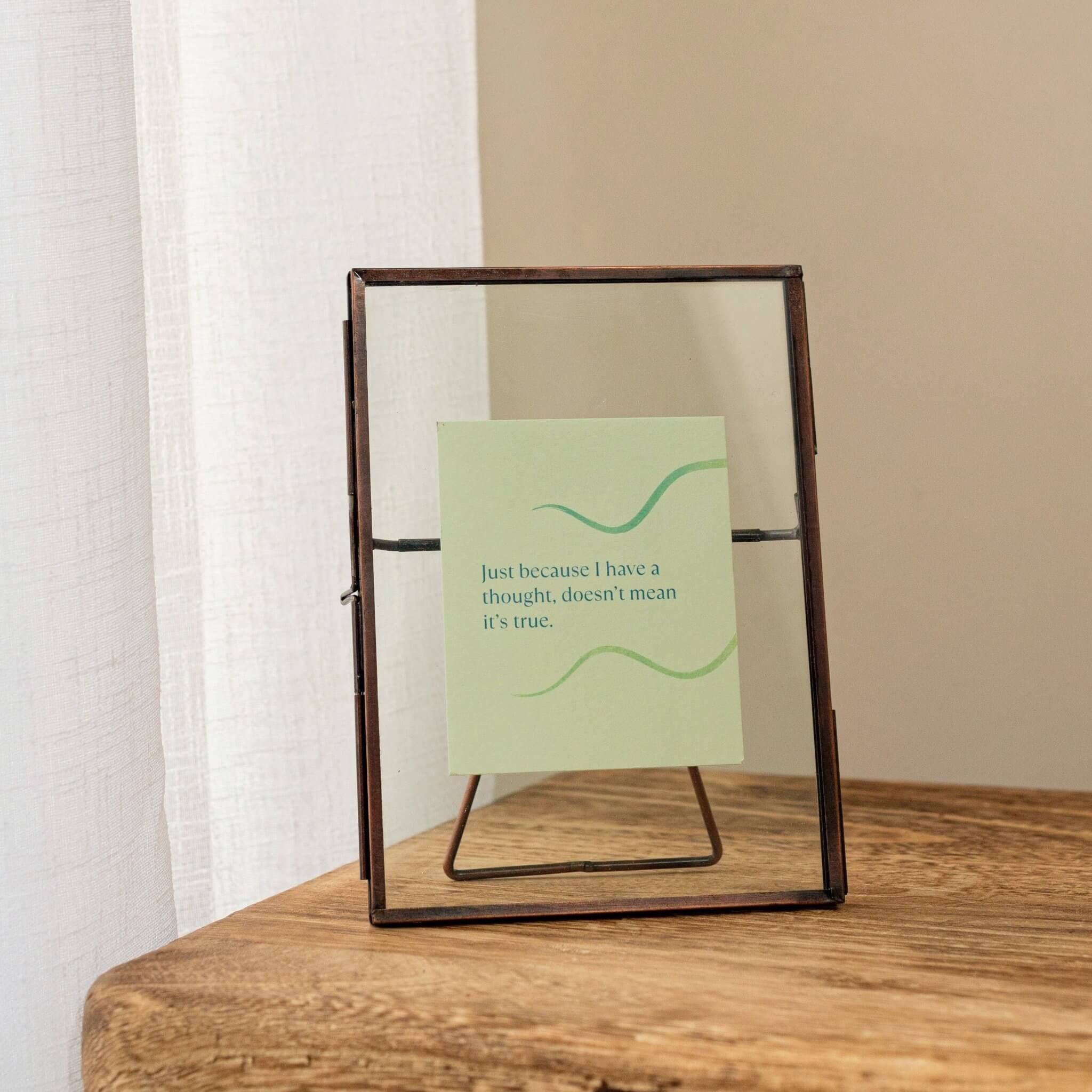
Sample affirmations:
- "I am worthy now, and this will never change"
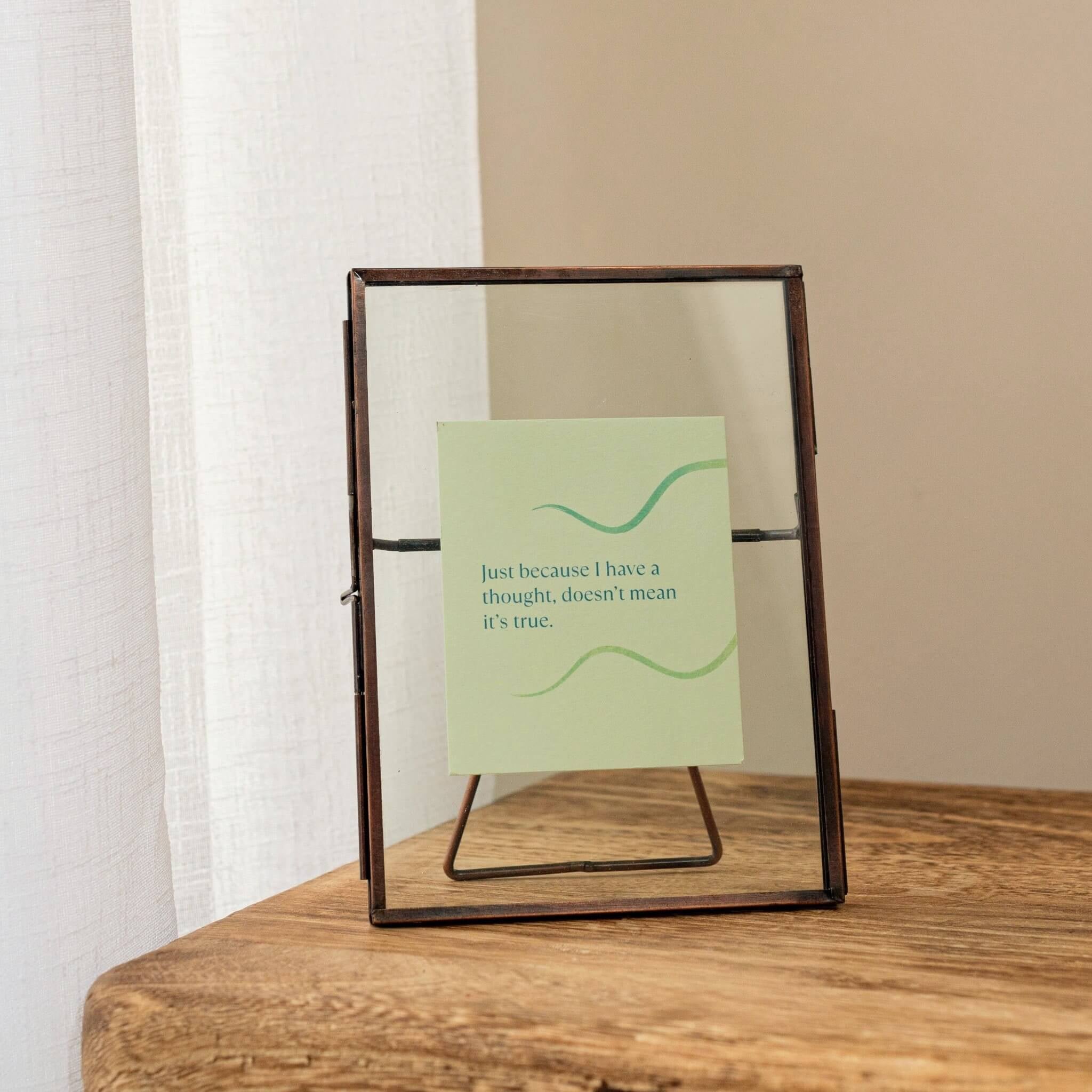
- "Just because I have a thought doesn't mean it's true"
- "My voice matters. My opinions matter. I matter"
- "It is normal to have an inner critic—but I don't have to believe it"
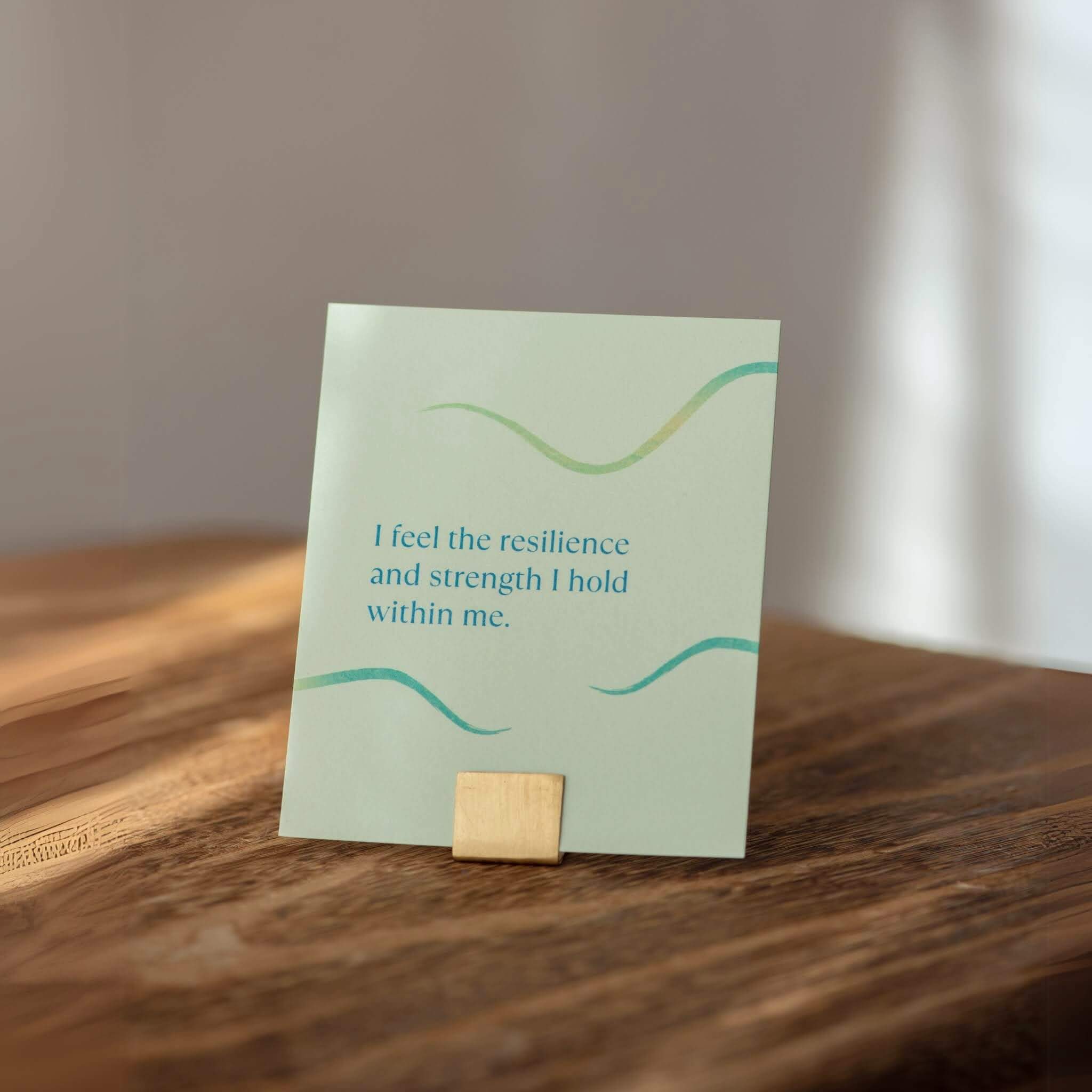
- "I choose to give myself the same kindness I would give to a friend"
How to use: Pull one each morning. Place where they'll see it daily (mirror, desk, nightstand).
✓ PROS
- Requires almost no energy (30 seconds)
- 60 different affirmations (not repetitive)
- Validates struggle with self-compassion
- Perfect for low energy
- Affordable
- Beautiful design
✗ CONSIDER IF
- They need deeper emotional processing (add journal)
- They're very resistant to affirmations
Other Meaningful Self-Care Gifts
If you're looking beyond my products (or want to combine them with something else), here are other evidence-based options:
Books on Self-Compassion
These are written by the researchers who pioneered self-compassion work:
- Self-Compassion by Dr. Kristin Neff — Written by the researcher who pioneered self-compassion studies. Evidence-based and practical.
- The Compassionate Mind by Dr. Paul Gilbert — Explains Compassion-Focused Therapy in accessible language.
Weighted Blankets
Research shows weighted blankets can reduce stress through deep pressure stimulation, which activates the calming nervous system response.
Best when paired with: Emotional support tools (journal or cards). Physical comfort + emotional processing = comprehensive support.
Your Time and Presence
The most valuable gift: Spending quality time together.
Why it works: Shows they're valued. Reduces isolation. Sometimes presence is more powerful than presents.
Ideas: Regular walk together, cooking a meal, watching their favorite show, or just sitting together.
Quick Gift Comparison
| Gift | Perfect For | Price | Time Needed | Energy Level |
|---|---|---|---|---|
| Complete Collection | Ultimate gift, comprehensive support | £60.95 (saves £14.85) | Flexible | Variable |
| Journal | Daily support, emotional processing | £28.95 | 5-10 min/day | Moderate |
| Sleep Cards | Restless nights, racing thoughts | £13.95 | 2-3 min/night | Low |
| Affirmation Cards | Quick daily encouragement | £13.95 | 30 seconds | Very low |
Which Gift Should You Choose?
Complete Self-Care Collection
Shows extraordinary thoughtfulness and provides support for different moments throughout their day
Under £15: Affirmation Cards or Sleep Cards
Under £30: Journal
Best value: Complete Collection (saves £14.85)
Very close (partner, family, best friend): Any gift, especially Complete Collection or Journal
Close friend or colleague: Journal or Cards
Acquaintance: Affirmation Cards
Match the intimacy of the gift to your relationship
Trust your instinct
You know this person. What would make YOU feel good giving? What would they appreciate?
How to Present Your Gift Thoughtfully
What to Say When Giving
Try:
- "I know you've been going through a lot. I found these tools created by someone who's been there, and clinical psychologists recommend them. Just wanted you to know I'm thinking of you."
- "You deserve support right now. No pressure to use this in any particular way—just know I care."
- "I thought this might be helpful while you're navigating everything. And I'm here whenever you need to talk."
The message: You see them, you support them, you're here.
Add a Personal Touch
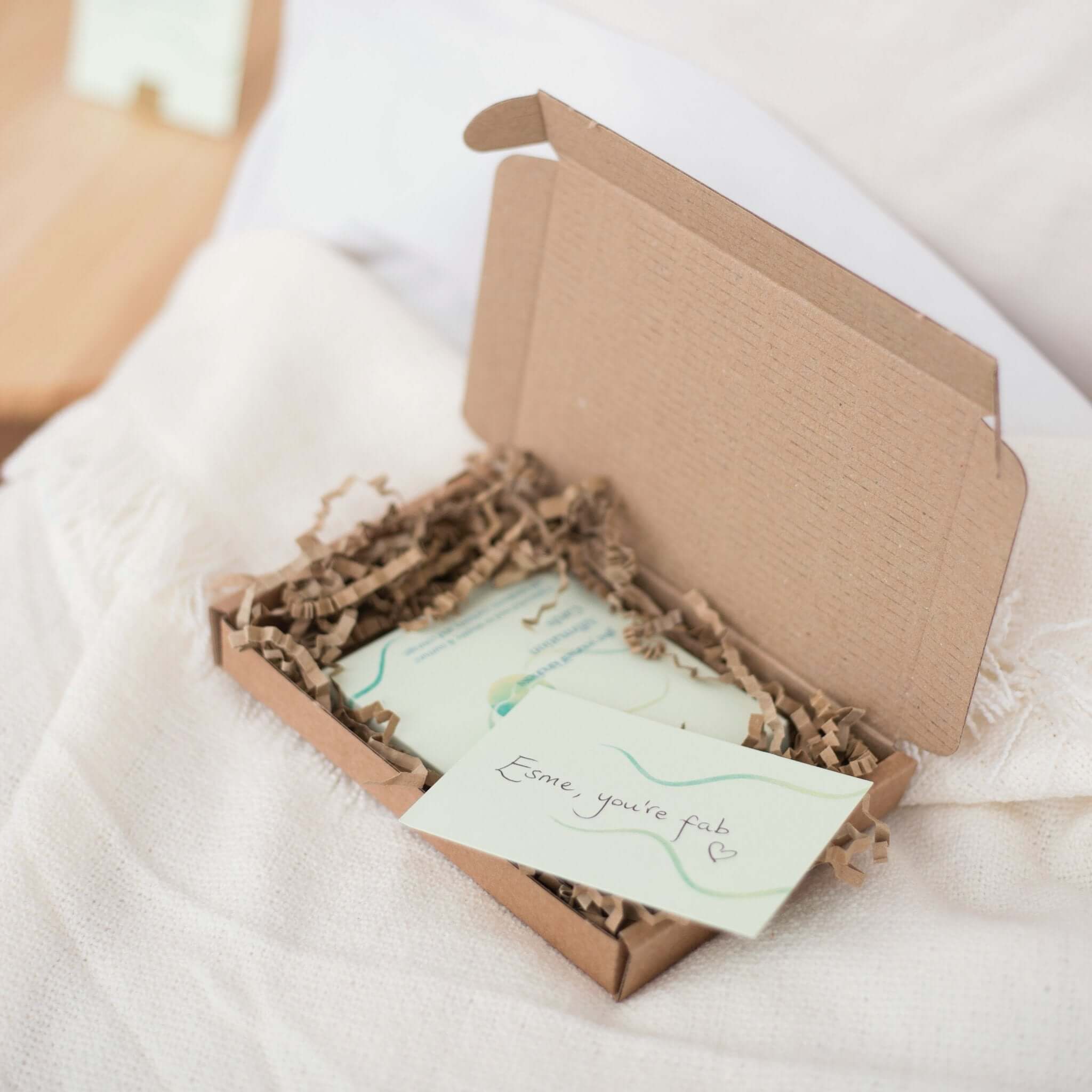
- Handwritten note: We offer this free with every order. A few genuine words mean everything.
- Your time + the gift: "I got you this, and I'd love to get coffee this week if you're up for it."
- Specific offer: "I can bring dinner Thursday" beats vague "let me know if you need anything"
Common Questions
How do I know if they'll actually use it?
You can't guarantee it—and that's okay. What matters is showing you see they're going through something difficult and care enough to give something thoughtful. Many people don't use these tools immediately, but return to them weeks or months later when they're ready. The undated format means there's no pressure, no expiration.
Is it okay to give self-care gifts when someone's struggling?
Yes, when framed with care. The key is how you present it: focus on "support" and "kindness" rather than "fixing." Say: "This might be helpful" not "You need this." These tools normalize struggle—they say "it's okay to not be okay, and you deserve support."
Why are you recommending your own products?
Because I created them out of genuine need after my own experience, and independent experts from Harvard and Oxford recommend them to their clients. I've been transparent about ownership throughout this guide, and I've included other options for comparison. I recommend my products because clinical psychologists recommend them, not just because they're mine.
What if I'm not sure exactly what they're going through?
The Complete Collection or the Journal work for various situations—stressful work periods, life transitions, feeling overwhelmed, or just going through a hard time. If you're unsure, these are versatile options. You can also simply check in: "I've noticed you've been having a hard time. What would be most helpful?"
Can I give these if I'm not super close to them?
Affirmation cards work well for colleagues or friends you're not super close with—they're helpful but less intimate. A journal or collection is more personal, better for close friends or family. Consider: Would they be comfortable receiving emotional support from you? If yes, proceed. If unsure, start simpler.
What if they're in therapy?
Many therapists assign journaling between sessions. Self-compassion journaling complements therapy beautifully. You could even say: "I thought this might work well alongside what you're working on with your therapist."
Why Self-Compassion Gifts Work (The Research)
Self-Compassion vs. Self-Esteem
Research by Dr. Kristin Neff shows self-compassion is more effective than self-esteem for navigating difficult times:
Self-Esteem: Depends on comparing yourself to others, fragile when you face setbacks, requires constant external validation
Self-Compassion: Stable regardless of circumstances, reduces self-criticism, increases resilience, treats yourself with kindness especially during difficulty
Application: Gifts that teach self-compassion provide lasting support through life's ups and downs.
Why "Positive Thinking" Often Backfires
Research shows positive affirmations can backfire when people don't believe them. When you're genuinely struggling, being told to "just think positive" can make you feel worse.
Why self-compassion works better: It acknowledges struggle ("This is really hard") + responds with kindness ("I deserve support"). It doesn't ask you to pretend everything is fine.
This is why the affirmations in these cards validate struggle rather than denying it exists.
When Someone Needs More Support
These tools provide support during difficult times, but some situations need professional help:
- If they're experiencing thoughts of self-harm
- If they can't function in daily life
- If they're in crisis
UK Resources:
- Samaritans: 116 123 (24/7 support)
- NHS Mental Health Services: Call 111 or visit nhs.uk/mental-health
- Crisis text line: Text SHOUT to 85258
These tools support wellbeing during challenging times but aren't replacements for professional care when needed.
Give a Gift That Shows You Truly Care
Someone you love is going through a hard time. You can't fix it for them—but you can show them they deserve support, and that they're not alone.
The Give Yourself Kindness tools exist because I needed them. Clinical psychologists from Harvard and Oxford recommend them because they work. Therapists use them with people navigating difficult times because they help.
Choose your gift:
- Complete Self-Care Collection — The ultimate gift (£60.95, saves £14.85)
- Give Yourself Kindness Journal — Daily support (£28.95)
- Sleep Affirmation Cards — For restless nights (£13.95)
- Self-Compassion Affirmation Cards — Daily encouragement (£13.95)
All tools include free gift wrapping and optional handwritten note.
Shop Ultimate Bundle → Shop Journal →Related reading:
About the author: Rachel Smith (DipBSoM) is a qualified meditation teacher and the creator of Give Yourself Kindness. After her own experience navigating difficult times through Compassion-Focused Therapy, she created evidence-based tools recommended by clinical psychologists including Dr. Chris Germer (Harvard Medical School) and used by therapists with their clients worldwide.


“By far my favourite guided journal that I’ve used!”
There's a lot of journals out there. Most of which include tools that can be repetitive, boring or unhelpful. Give Yourself Kindness is about creating something new.