

Last Updated: February 6, 2026 | By: Rachel Smith, DipBSoM (Qualified Meditation Teacher)
Best Mindfulness Journal for Genuine Practice
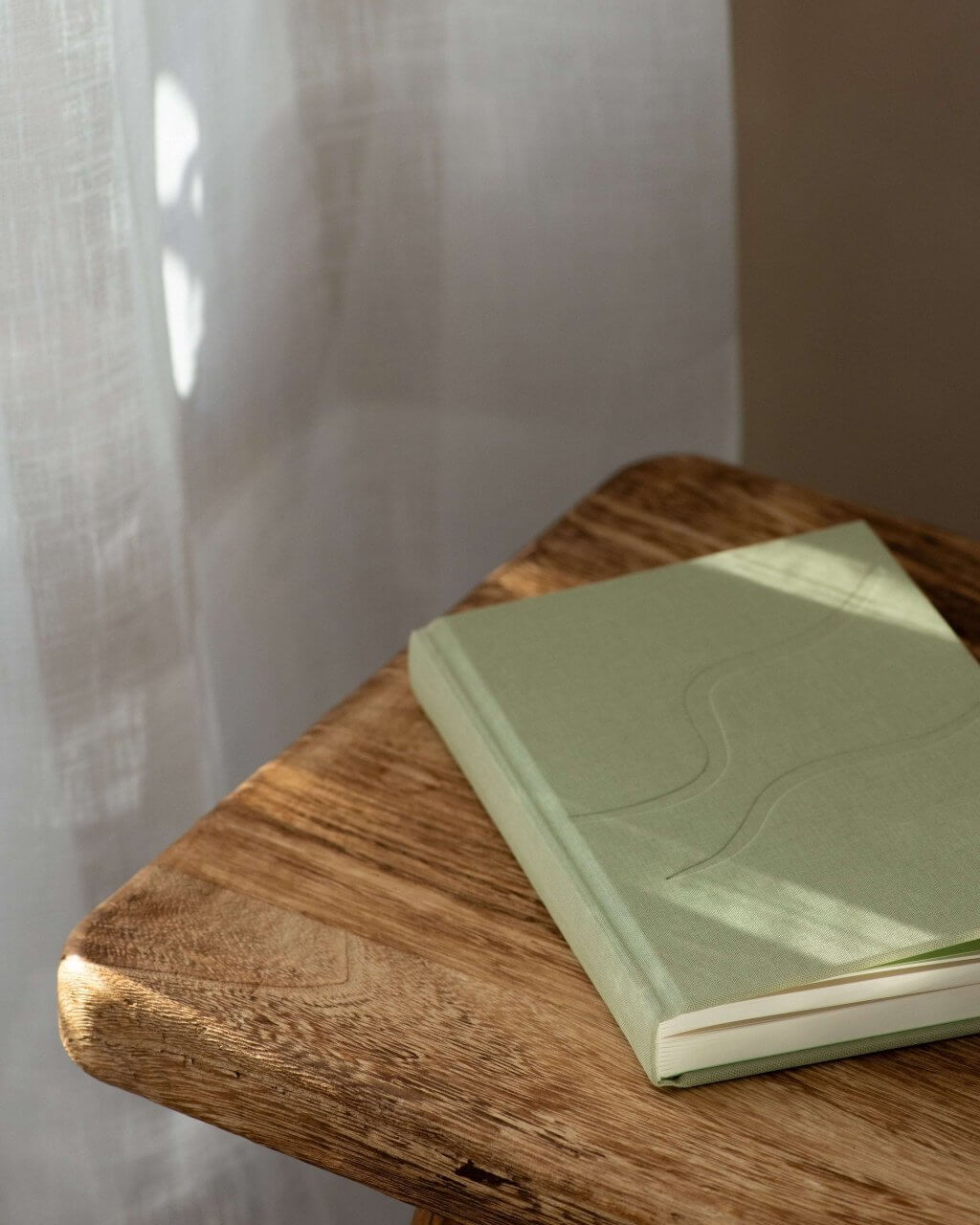
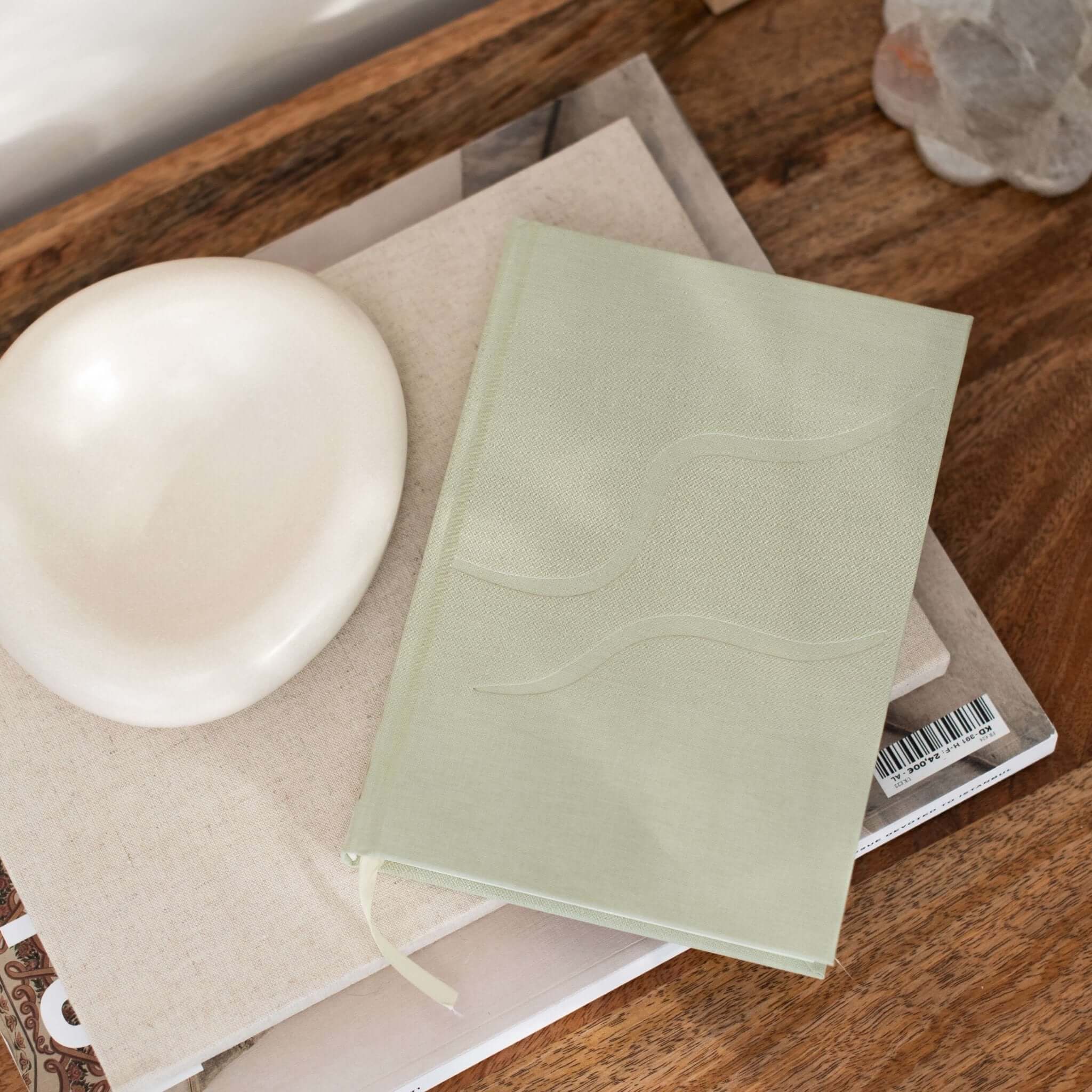
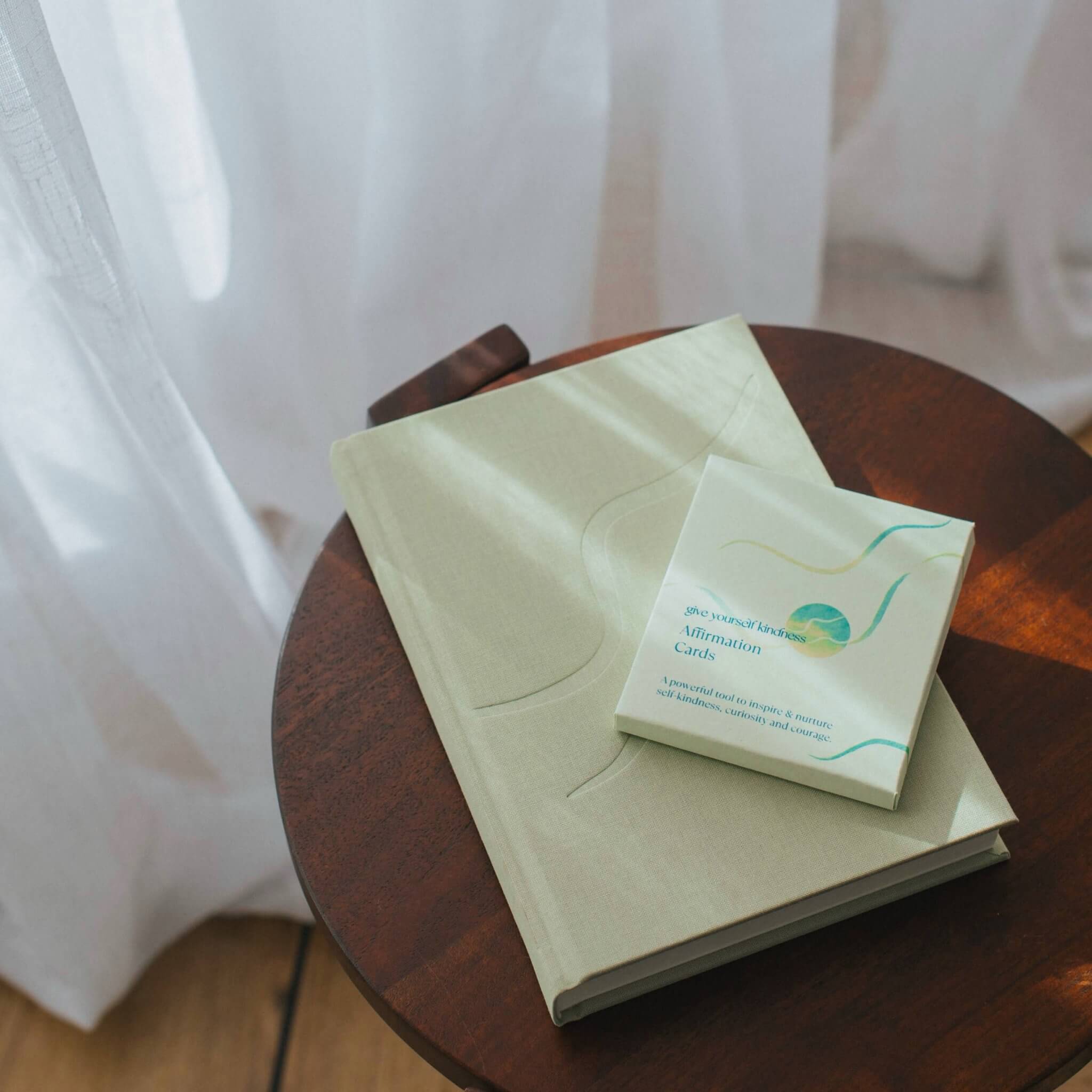
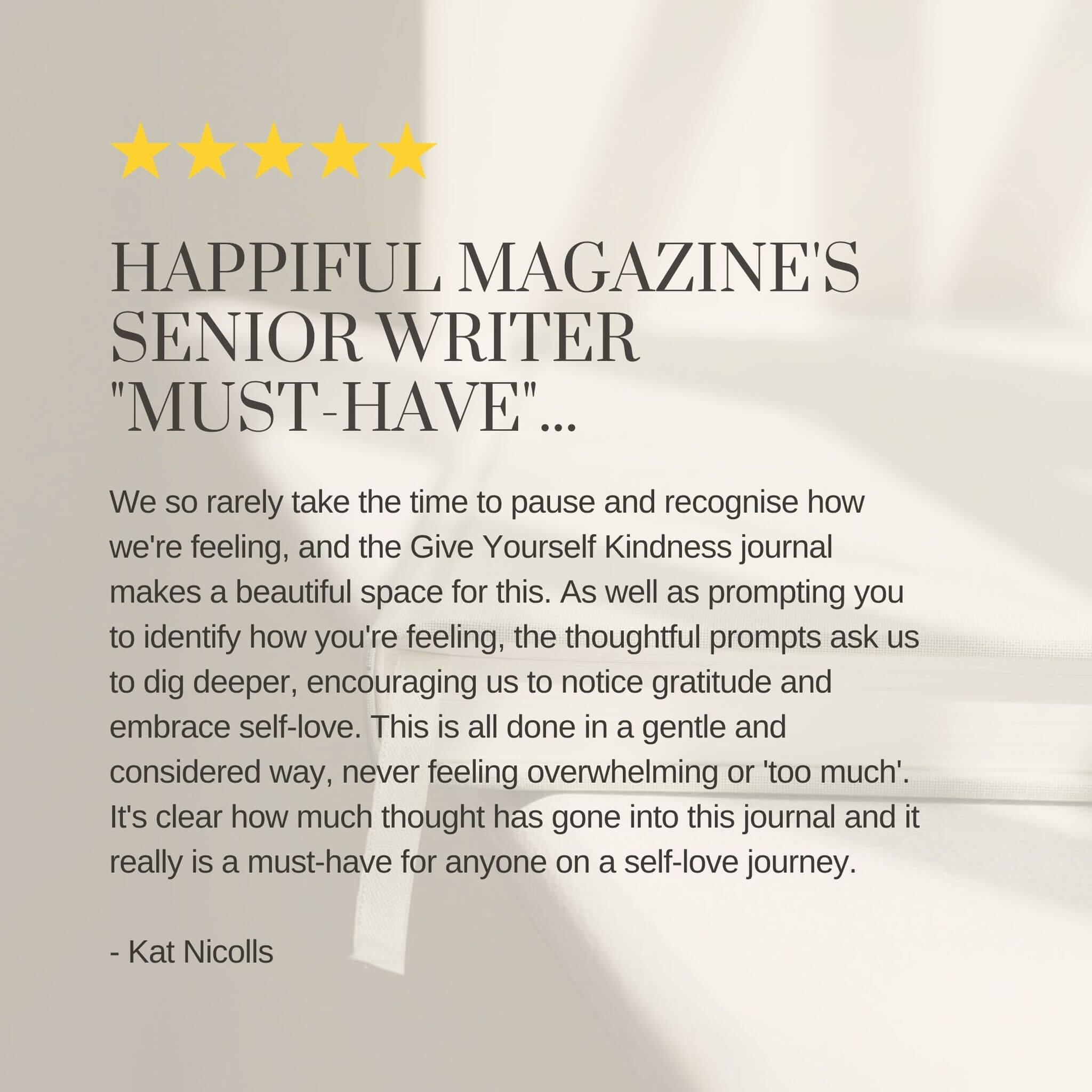
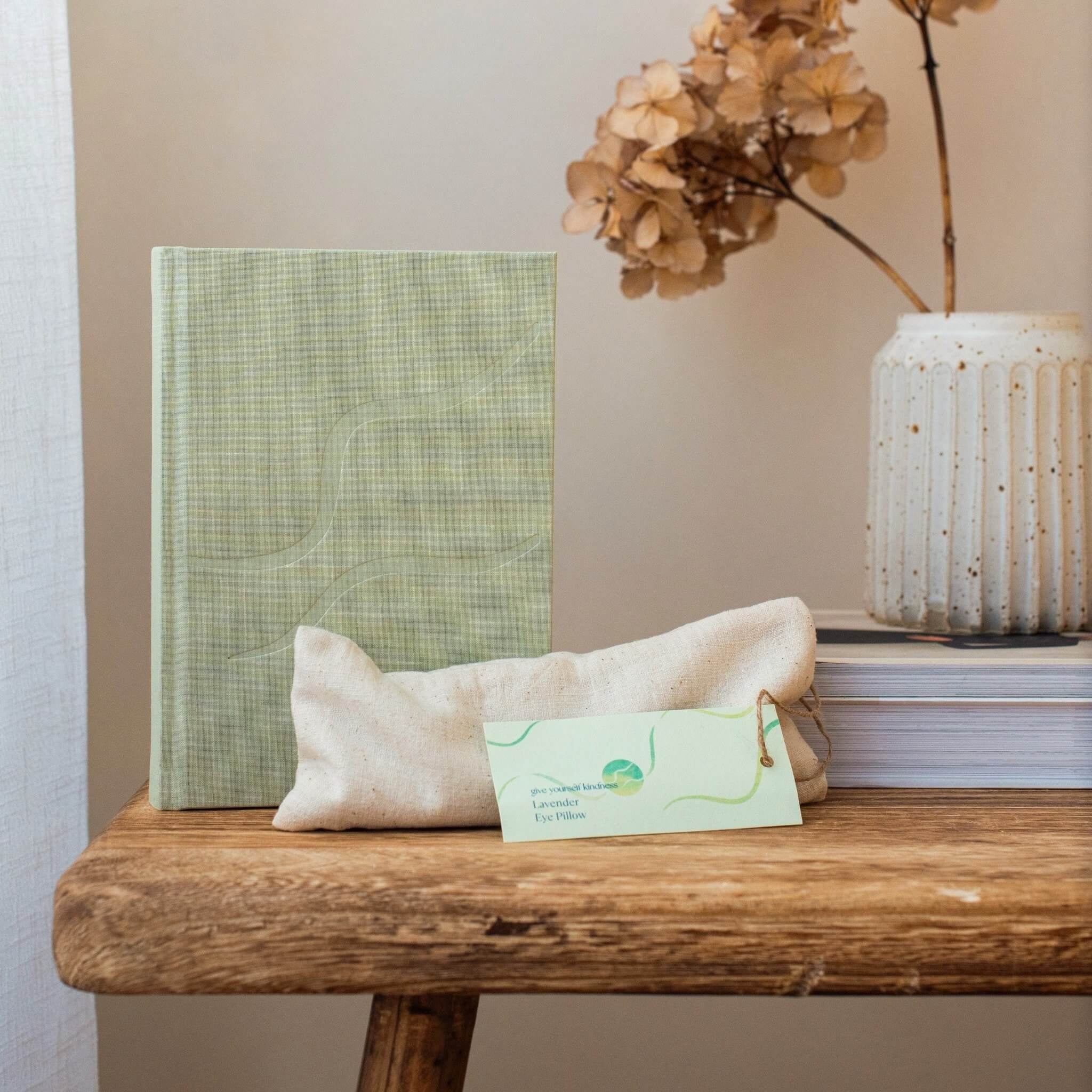
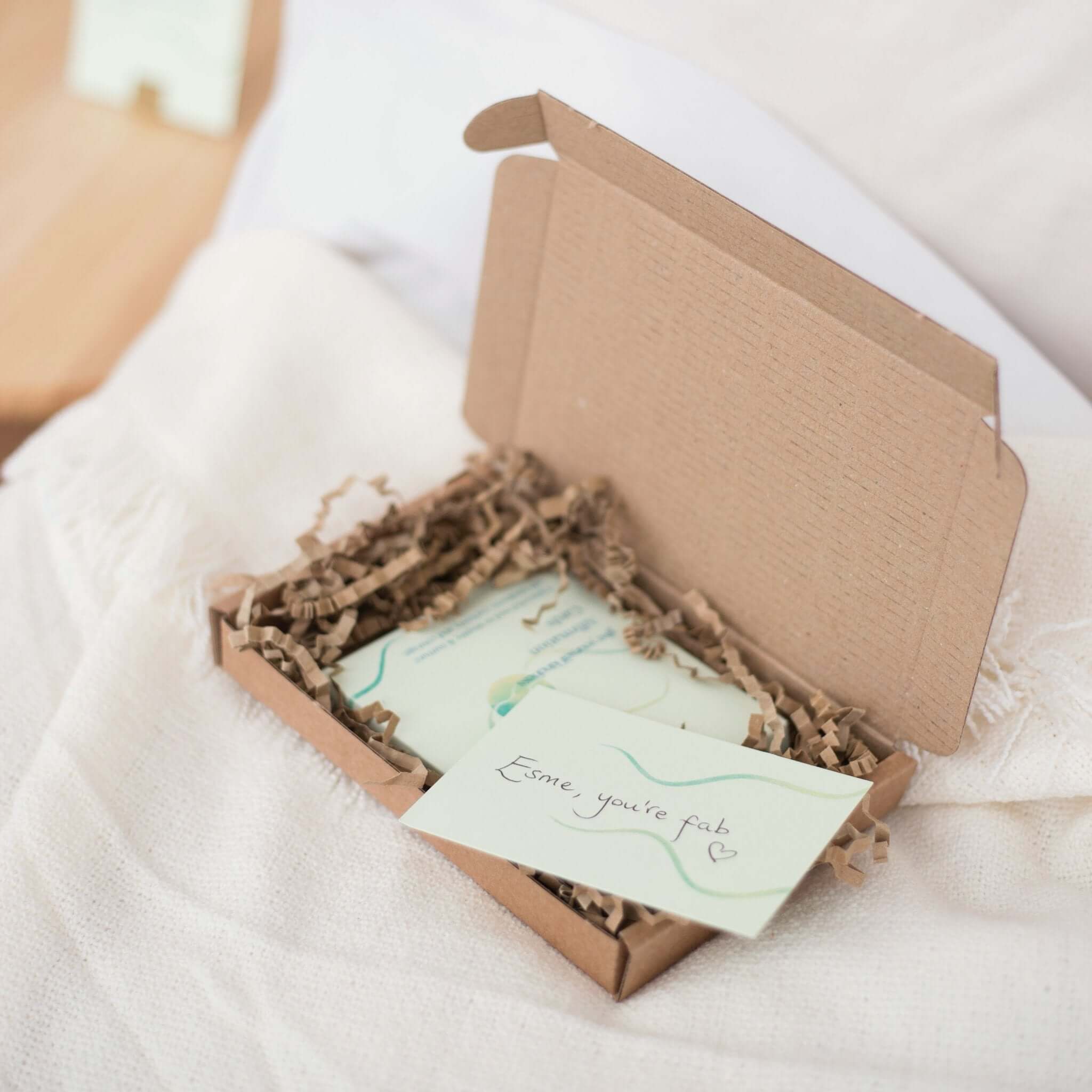
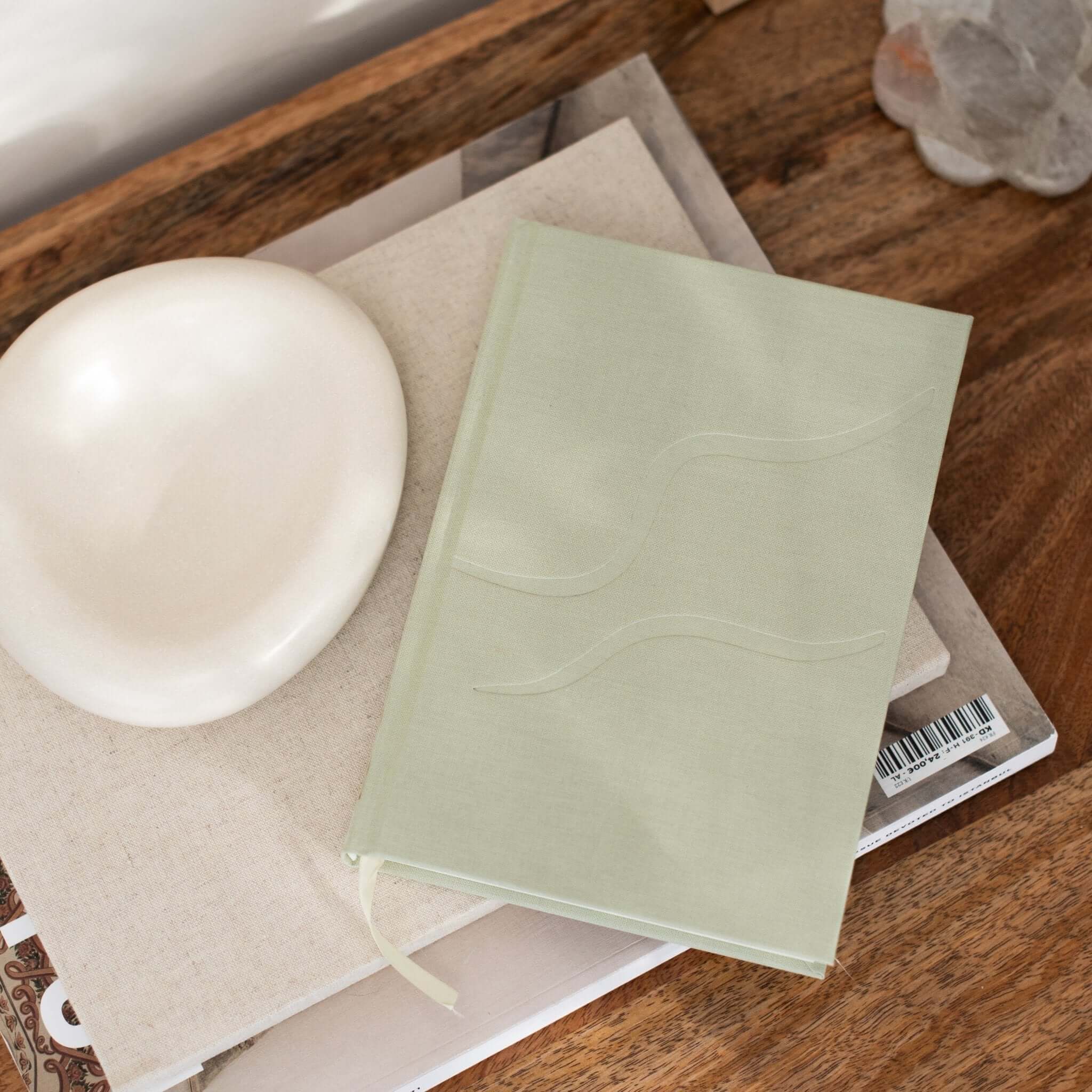
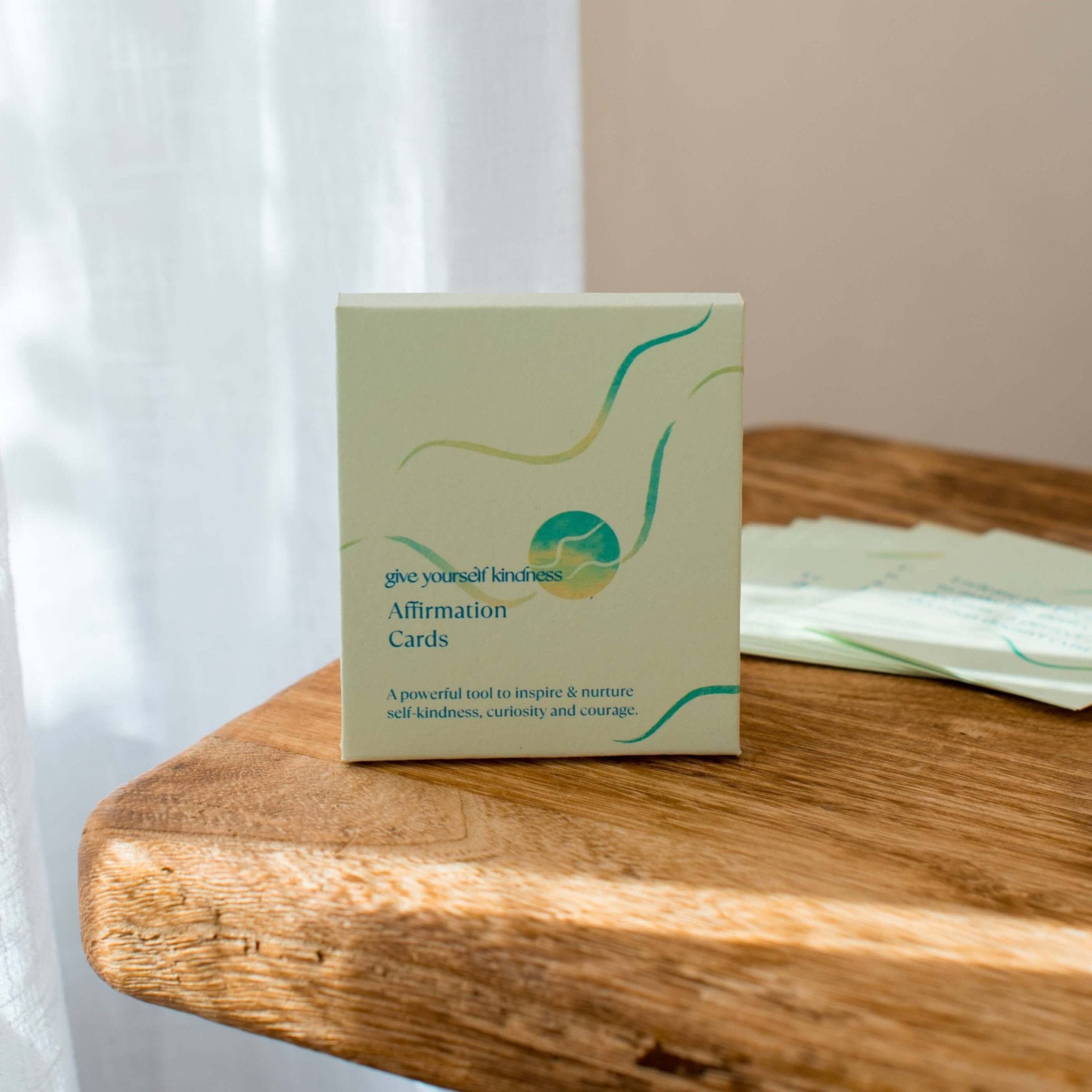
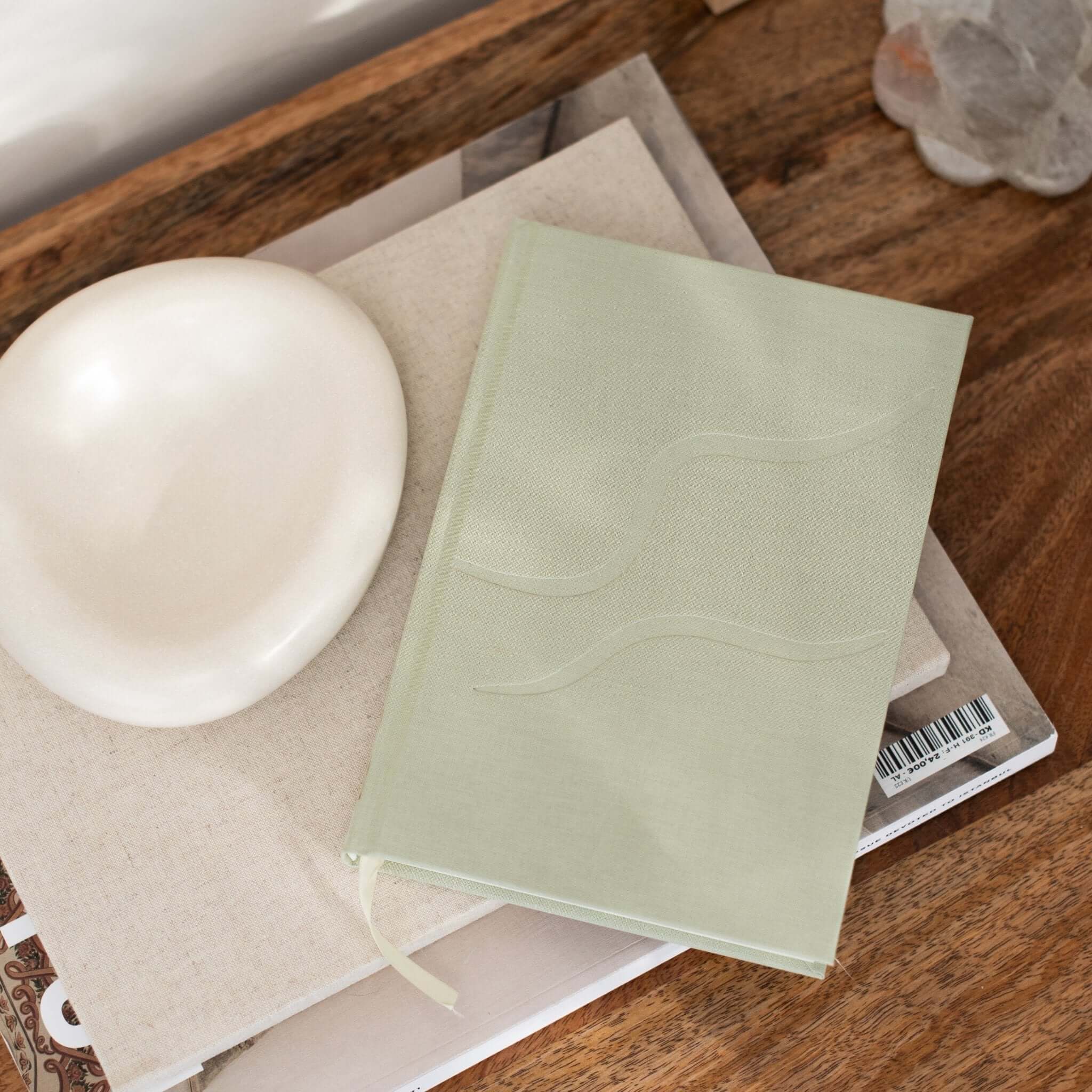
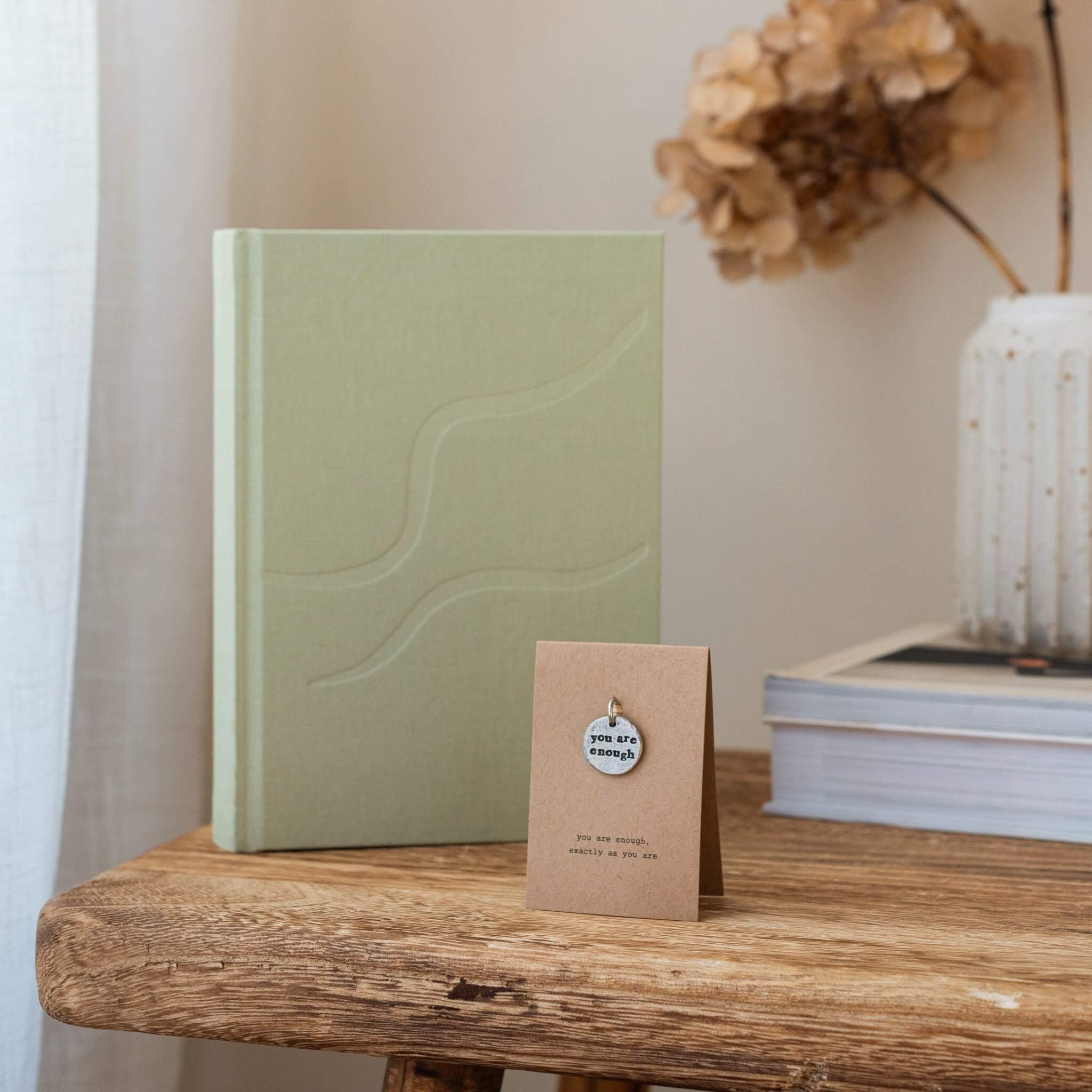
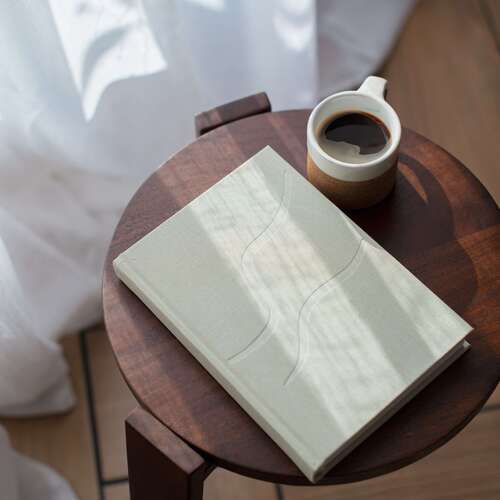
The Give Yourself Kindness Journal
Why it's different: The only mindfulness journal designed by a qualified meditation teacher (DipBSoM) and reviewed by clinical psychologists from Harvard Medical School (Dr. Chris Germer) and University of Oxford (Professor Willem Kuyken). Every page includes an emotional awareness tool—not just gratitude lists. Integrates self-compassion research essential for sustainable mindfulness practice.
Best for: Anyone who wants a mindfulness journal that's genuinely backed by clinical psychology research, not just marketed with mindfulness buzzwords. Perfect for both beginners and experienced practitioners.
Explore This Journal →Other options if you prefer different approaches:
The Five Minute Journal — Quick gratitude prompts (same format daily, dated pages)
Blank notebooks — Complete freedom with minimal structure
About this guide: I'm Rachel Smith, a qualified meditation teacher (DipBSoM, British School of Meditation, distinction). After Compassion-Focused Therapy helped my own mindfulness practice, I searched for a journal that integrated what clinical psychologists actually recommend: emotional awareness tools, self-compassion practice, and varied prompts that prevent mechanical journaling.
When I couldn't find one, I created it. The Give Yourself Kindness Journal has been reviewed by Dr. Chris Germer (Harvard Medical School) and Professor Willem Kuyken (University of Oxford), and is now used by therapists with their clients worldwide.
This guide compares the most recommended mindfulness journals honestly—including the one I created—so you can find what actually supports practice rather than adding pressure.
Full transparency: I created The Give Yourself Kindness Journal after years of trying mindfulness journals that made me feel worse (repetitive prompts, forced positivity, dated pages that created guilt). I believe it's the best alternative to those frustrating formats, but I've included honest comparisons with other popular options so you can make your own decision.
Why Trust This Comparison?
This guide brings together three perspectives you won't find elsewhere:
1. Formal Meditation Teacher Training
I'm a qualified meditation teacher (DipBSoM, British School of Meditation, distinction). I've tested dozens of mindfulness journals through my own practice and understand what genuinely supports mindfulness vs. what just uses mindfulness as a marketing buzzword.
2. Clinical Psychology Expert Validation
The Give Yourself Kindness Journal is reviewed by leading clinical psychologists:
- Dr. Chris Germer, PhD — Clinical Psychologist, Harvard Medical School | Co-developer of Mindful Self-Compassion (MSC) program taught to 250,000+ people worldwide
- Professor Willem Kuyken, PhD — University of Oxford | Top 1% most cited scientists globally
- Dr. Chris Irons — Clinical Psychologist | Compassion-Focused Therapy specialist
3. Used by Therapists in Clinical Settings
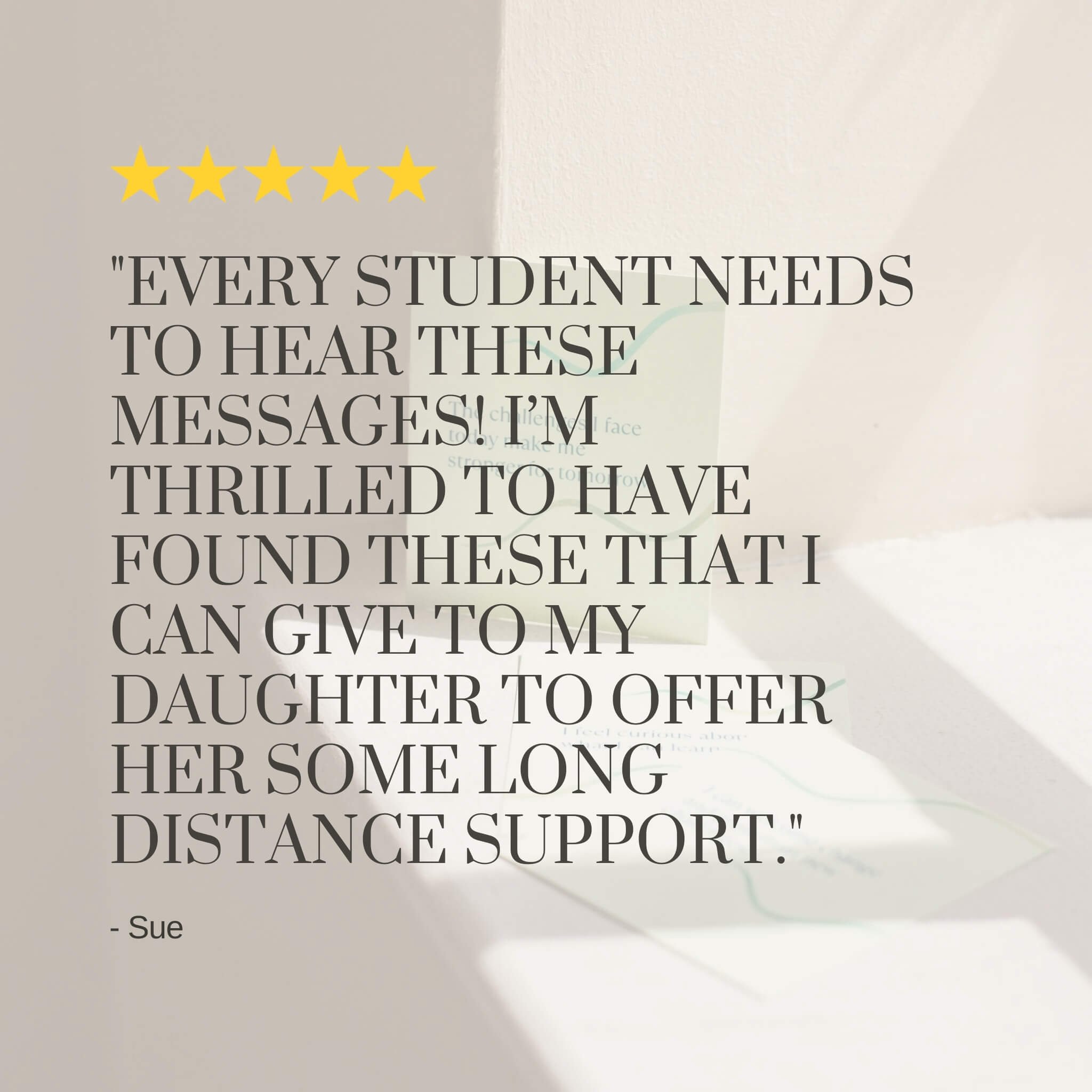
Accredited counsellors and therapists use The Give Yourself Kindness Journal with their clients between sessions. This means it's tested in actual therapeutic settings, not just marketed with generic wellness claims.
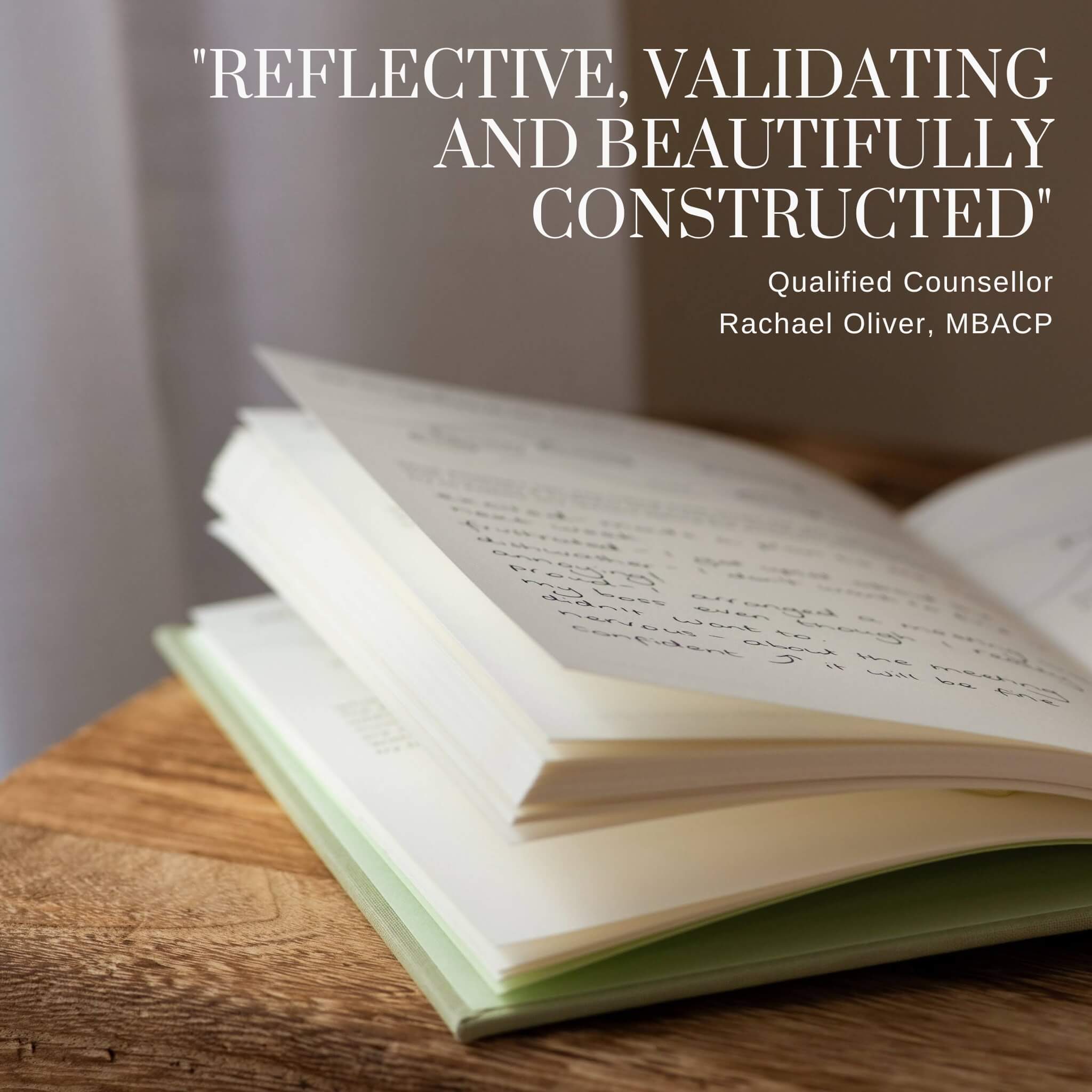
"I love using these beautiful journals with clients throughout their counselling journeys. An absolutely essential tool for helping build self awareness, compassion, reflect on things happening between sessions." — Rachael Oliver MBACP, Accredited Counsellor
Mindfulness Journal Comparison at a Glance
| Journal | Best For | Key Feature | Expert Backing | Price |
|---|---|---|---|---|
| Give Yourself Kindness | Genuine mindfulness practice with emotional awareness | 90 varied prompts + emotion tool every page | ✅ Harvard, Oxford, CFT experts | £28.95 |
| Five Minute Journal | Quick daily gratitude routine | Same prompts morning & evening, dated | — | ~£25 |
| Cico Mindfulness Journal | Inspirational quotes + blank pages | Minimal structure, budget-friendly | — | ~£12 |
| Blank Notebook | Complete creative freedom | Fully customizable | — | £5-15 |
Note: The Give Yourself Kindness Journal is the only one in this comparison designed by a meditation teacher and reviewed by clinical psychologists. The others serve different purposes but don't integrate the emotional awareness tools and self-compassion research that clinical psychologists recommend for mindfulness practice.
What Actually Makes a Journal "Mindfulness"
Not every journal with "mindfulness" on the cover actually supports mindfulness practice. Here's what genuinely makes the difference:
Real mindfulness journals include:
- Emotional awareness tools — Helps you notice all emotions (pleasant, unpleasant, neutral) without judgment, not just "what are you grateful for"
- Self-compassion integration — Research by Dr. Kristin Neff shows self-compassion is essential for sustainable mindfulness
- Varied prompts — Prevents mechanical, autopilot journaling that undermines mindfulness
- Removes pressure — Undated formats welcome you back without guilt
- Expert design — Created by people who understand mindfulness (meditation teachers, psychologists), not just marketers
As clinical psychologists explain, journaling can be a mindfulness practice itself—not just a supplement to meditation.
The Give Yourself Kindness Journal: What I Learned Creating It
Designed by a Meditation Teacher, Reviewed by Clinical Psychologists
Why I created this journal: After Compassion-Focused Therapy helped me develop a healthier relationship with myself, I looked for a mindfulness journal that integrated what I'd learned. Every journal I tried either repeated the same prompts daily (became mechanical), pushed toxic positivity (dismissed difficult emotions), or used dated pages (created guilt when I missed days).
As a meditation teacher, I knew what mindfulness practice actually requires: awareness of all emotions, self-compassion when things are hard, and engagement rather than autopilot. So I created a journal based on these principles and asked clinical psychologists to review it.

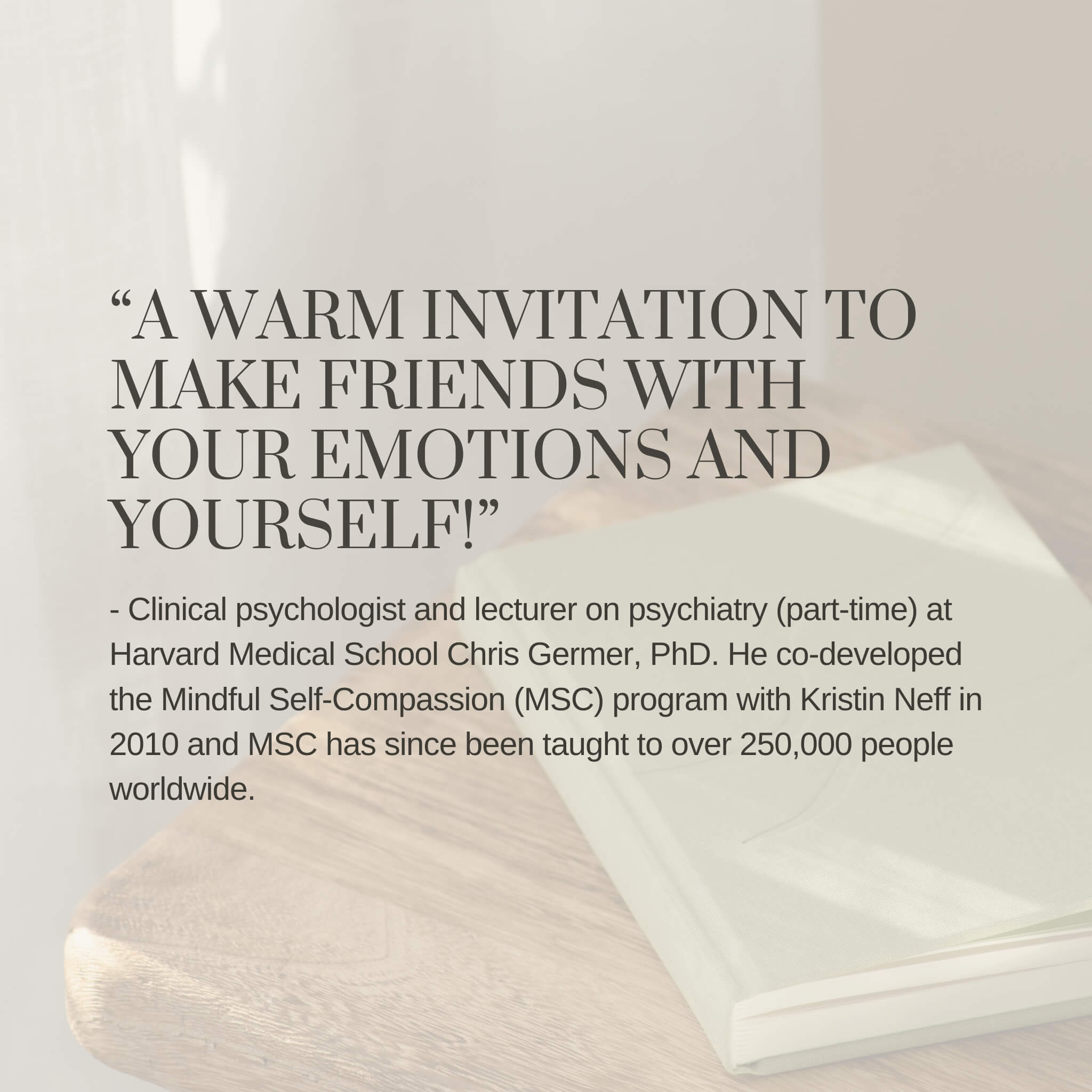
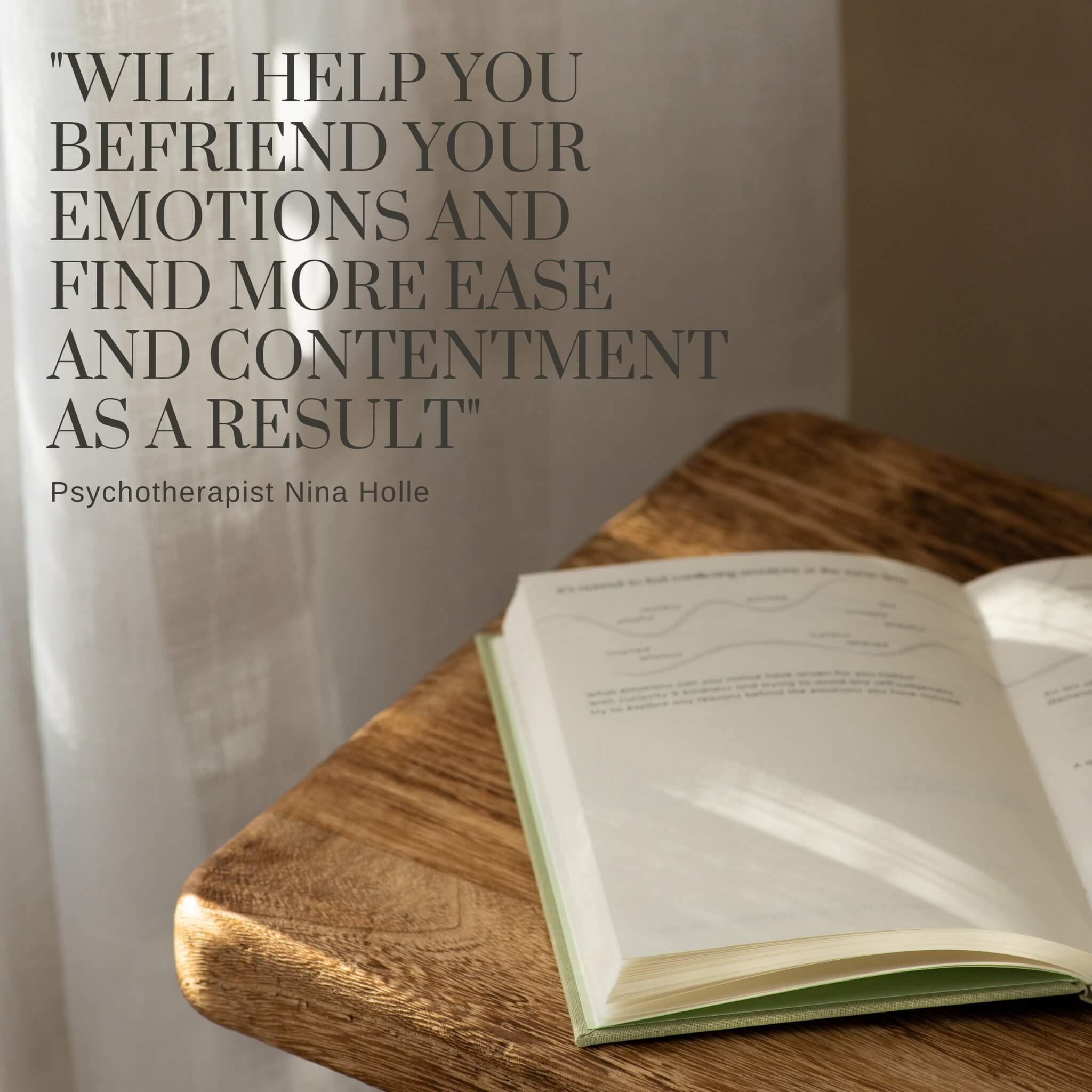
"A warm invitation to make friends with your emotions and yourself!"
Dr. Chris Germer, PhD Clinical Psychologist, Harvard Medical School | Co-developer of Mindful Self-Compassion (MSC) program
"Rachel has curated the experience to make the writing intrinsically rewarding and the journal something to treasure. Writing can be creative, beautiful, resourcing, but it can also invoke an inner critic, rumination and procrastination. Rachel has curated the experience to make the writing intrinsically rewarding."
Professor Willem Kuyken, PhD, DClinPsy Ritblat Professor of Mindfulness and Psychological Science, University of Oxford | Top 1% most cited scientists worldwideWhat Makes This Journal Different:
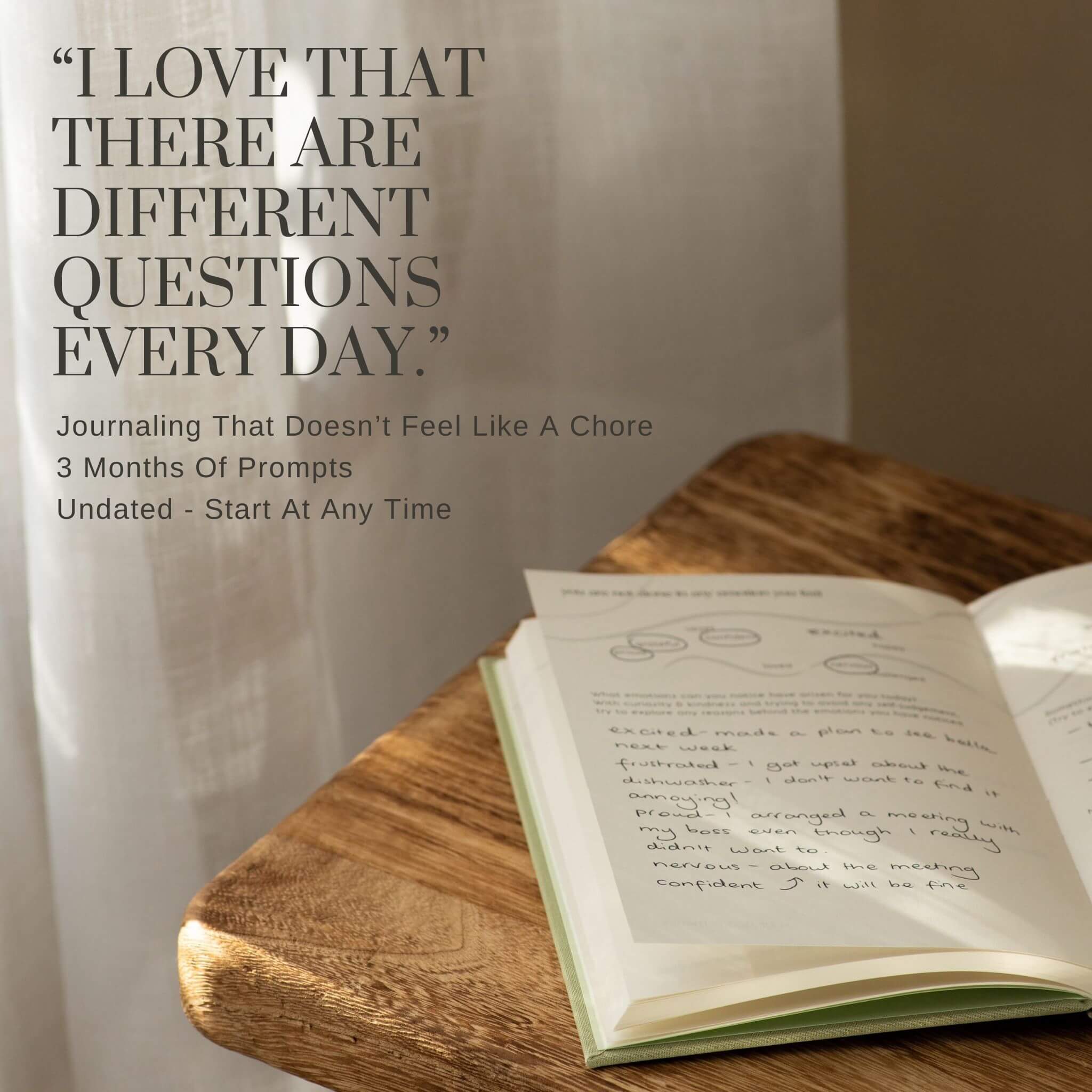
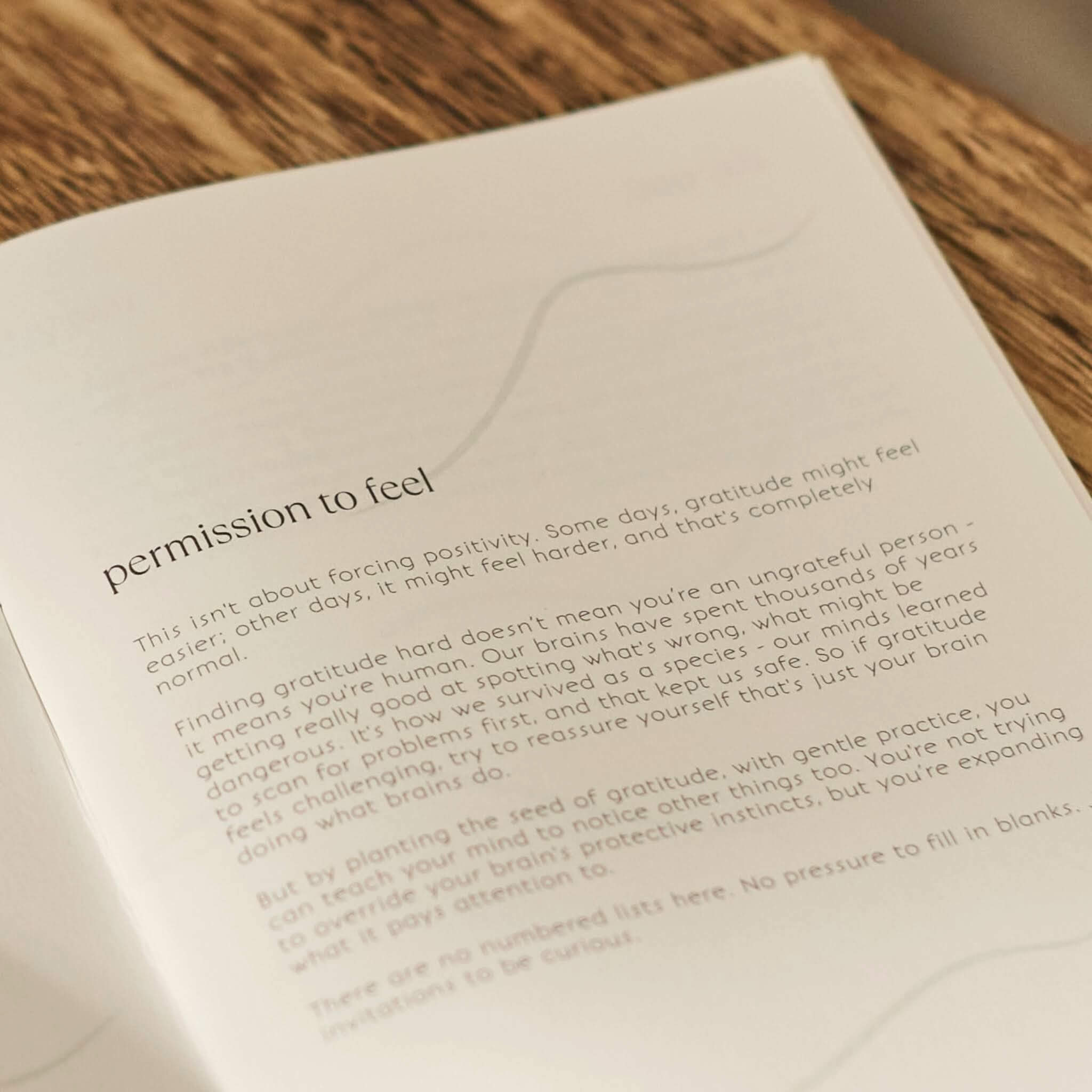
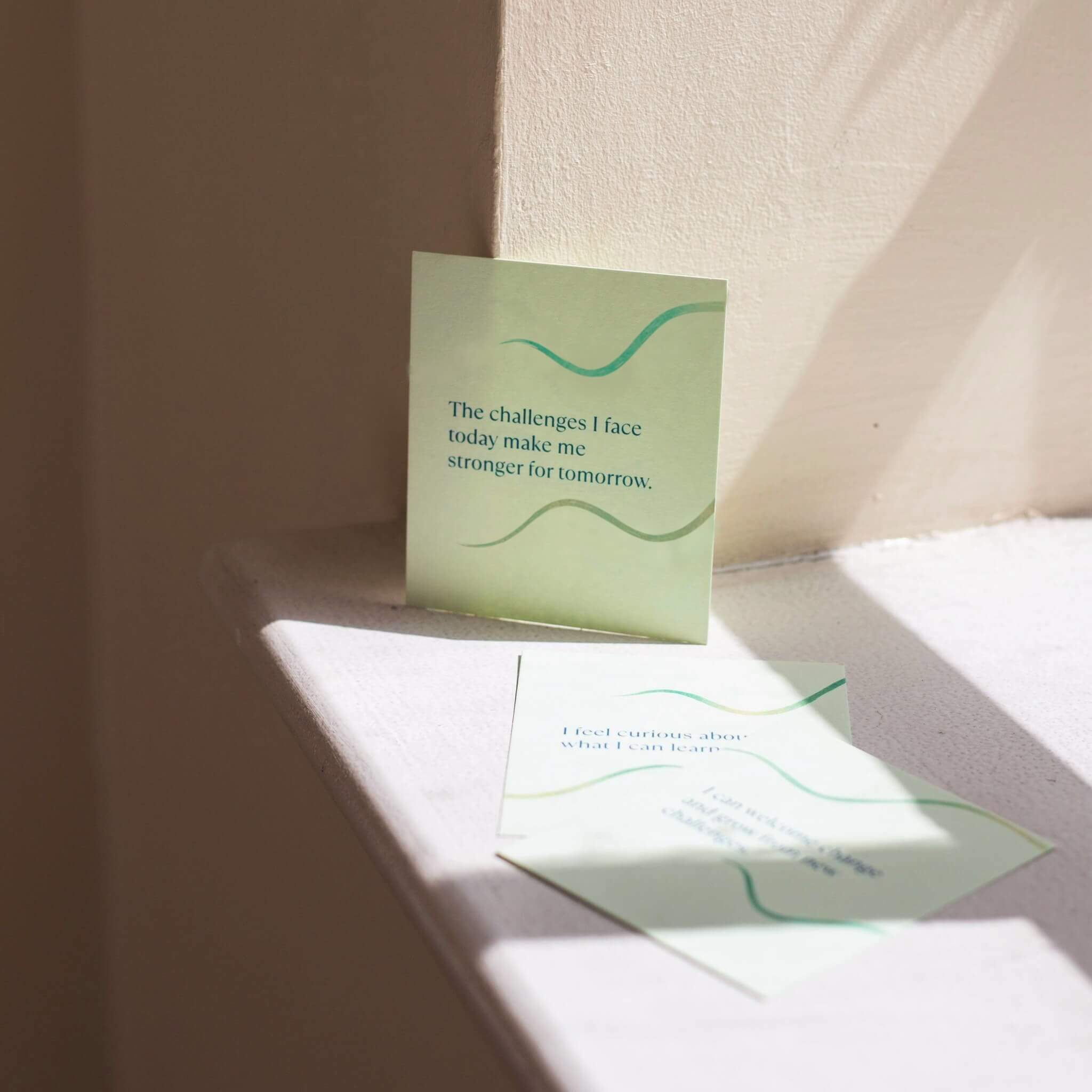
90 days of varied prompts integrating gratitude, emotional awareness, and self-compassion. You won't get bored or slip into autopilot—each day asks something different. Professor Mark Williams explains that mindfulness requires present-moment engagement, not habitual responding.
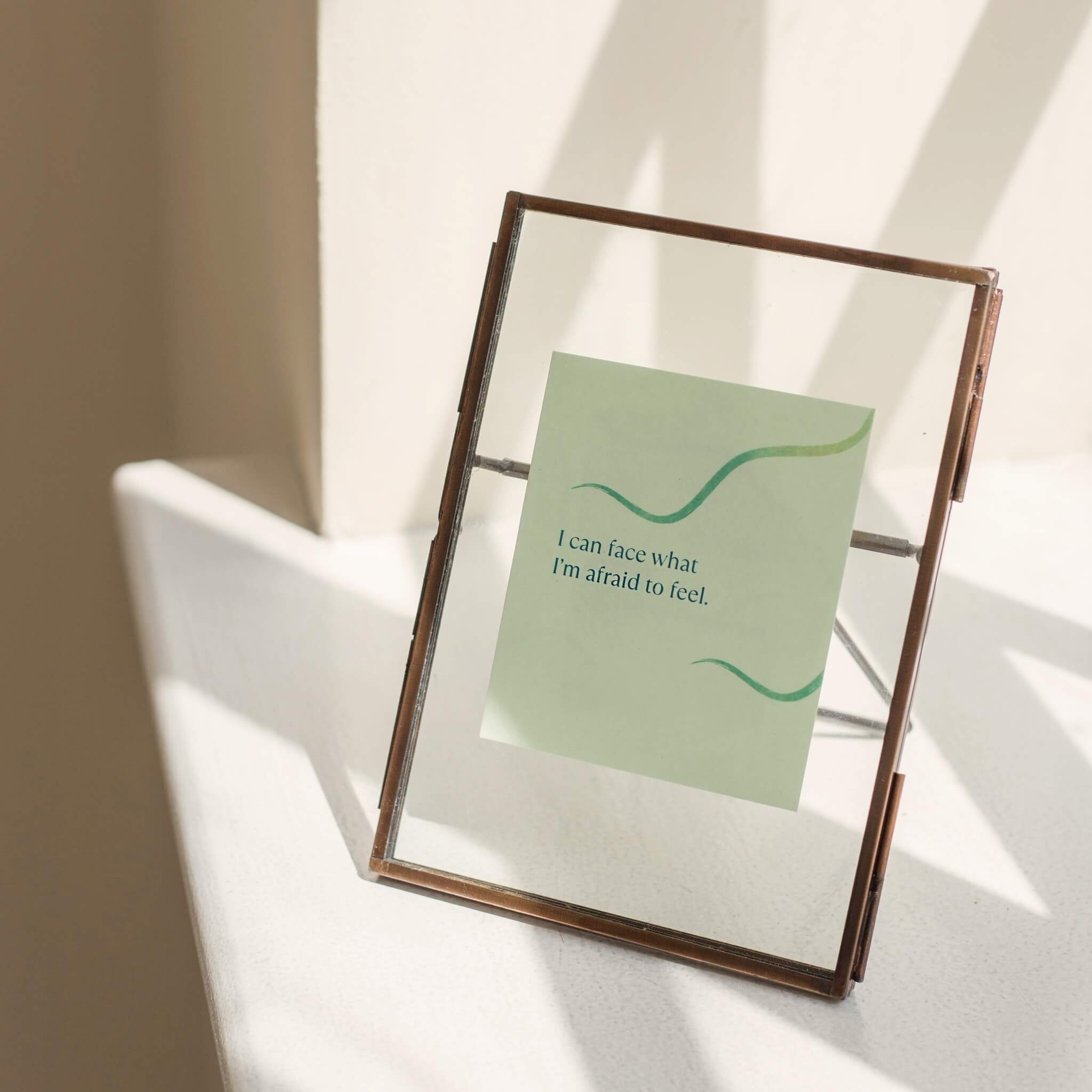
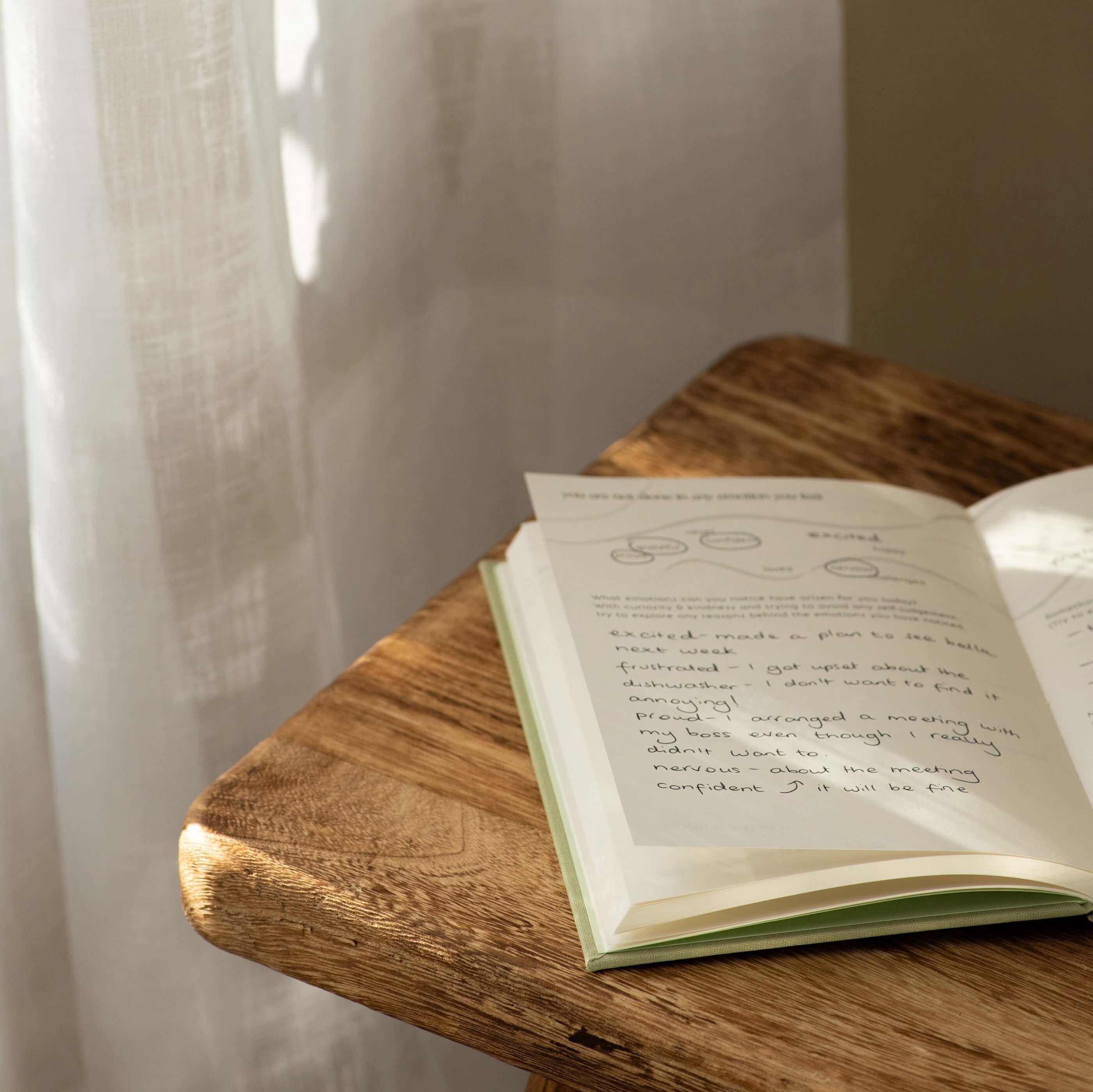
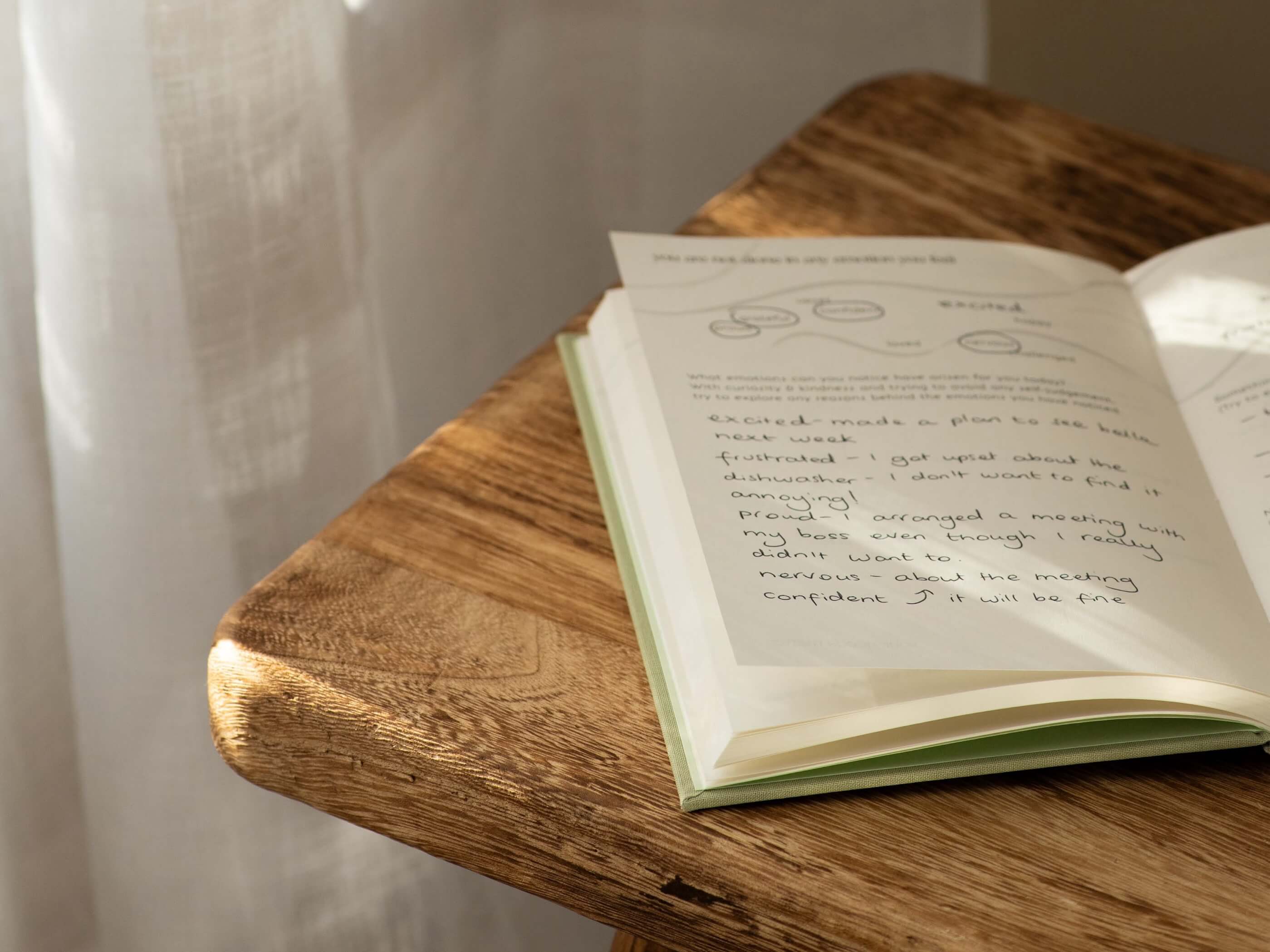
Helps you notice and name the full range of emotions—recognizing that all emotions matter and deserve attention, not just positive ones. Dr. Kristin Neff's research shows mindfulness means being present with difficult emotions, not dismissing them.

"This is such a fantastic resource! Supportive, encouraging and containing, whilst also helping people to explore and learn how to manage their emotions with compassion. Highly recommended."
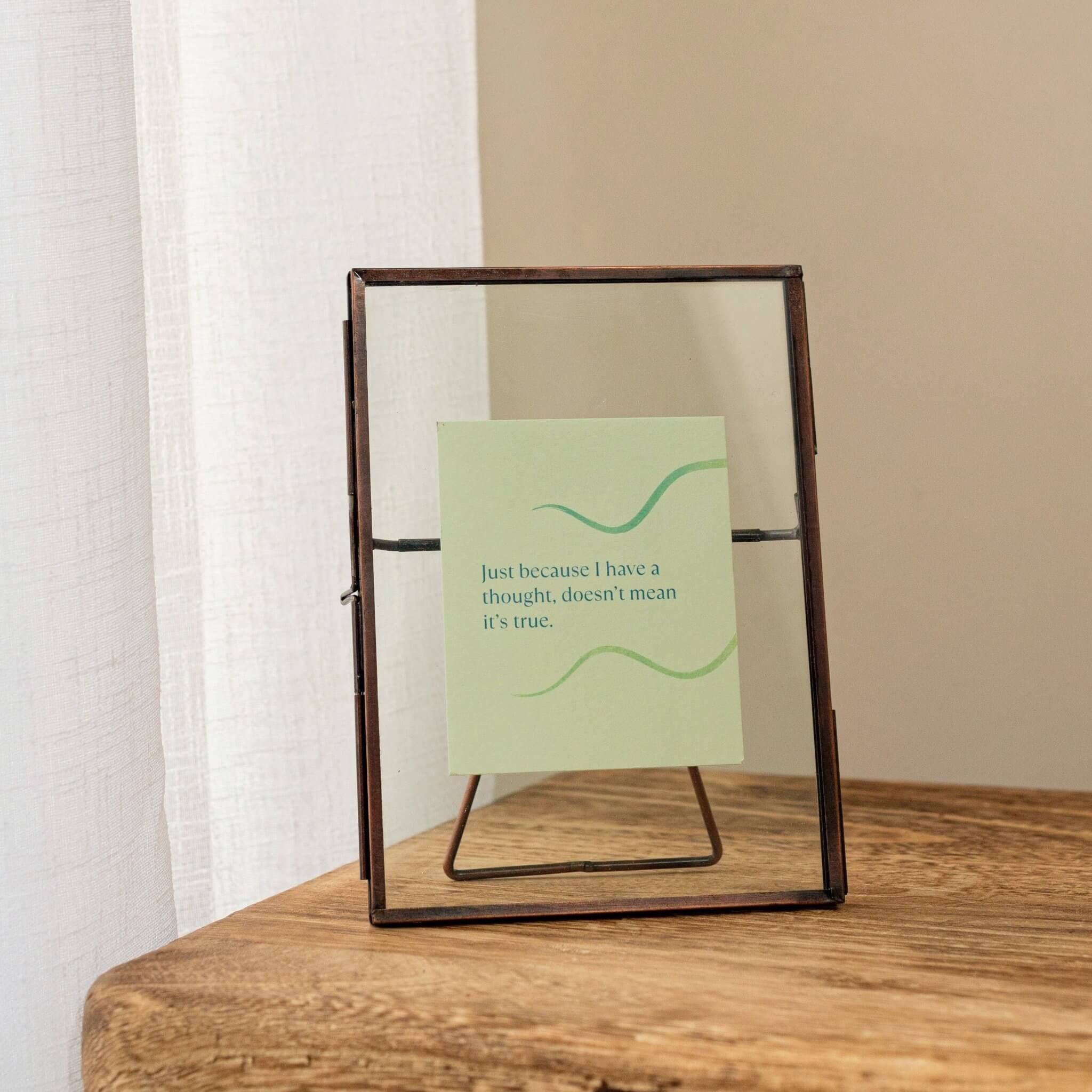
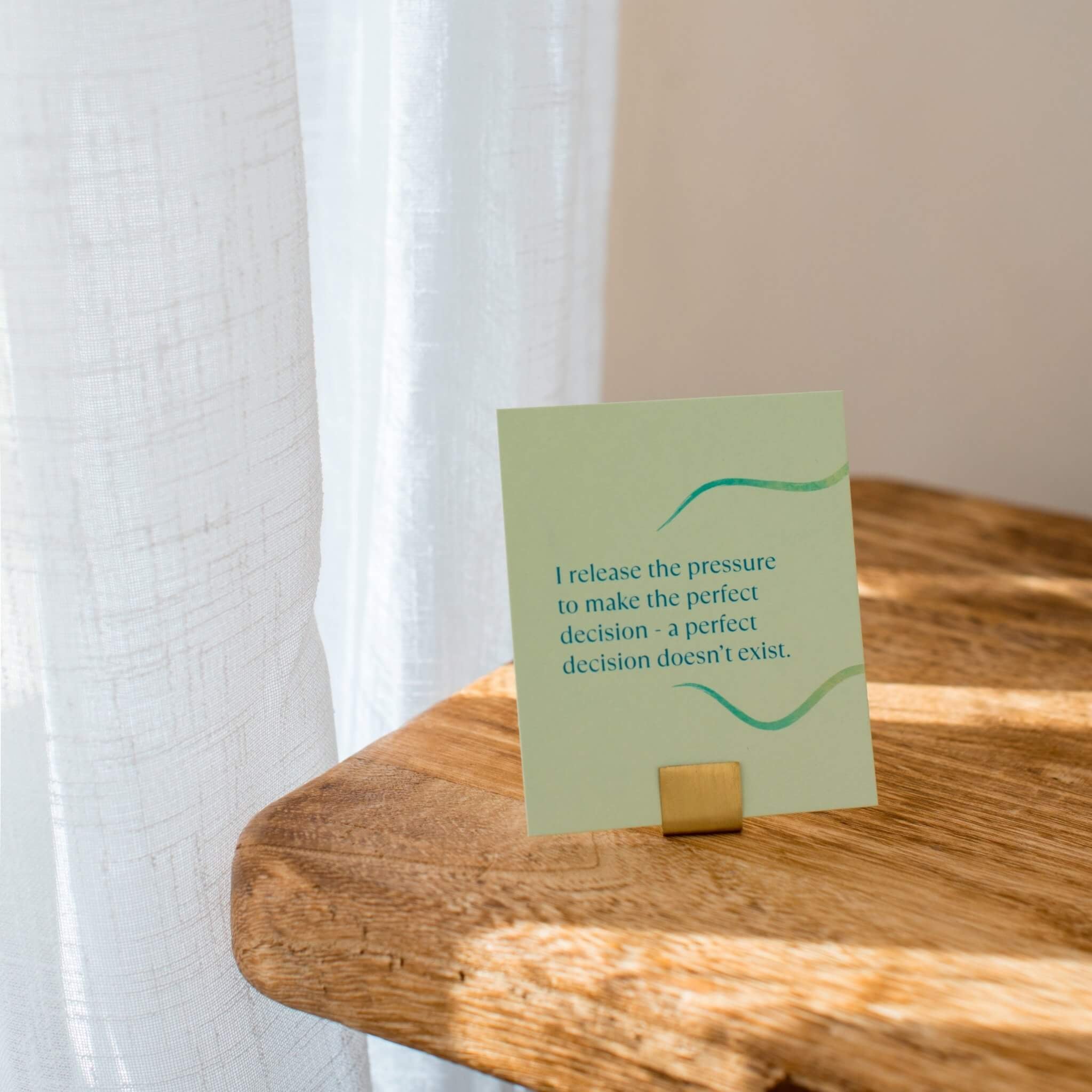
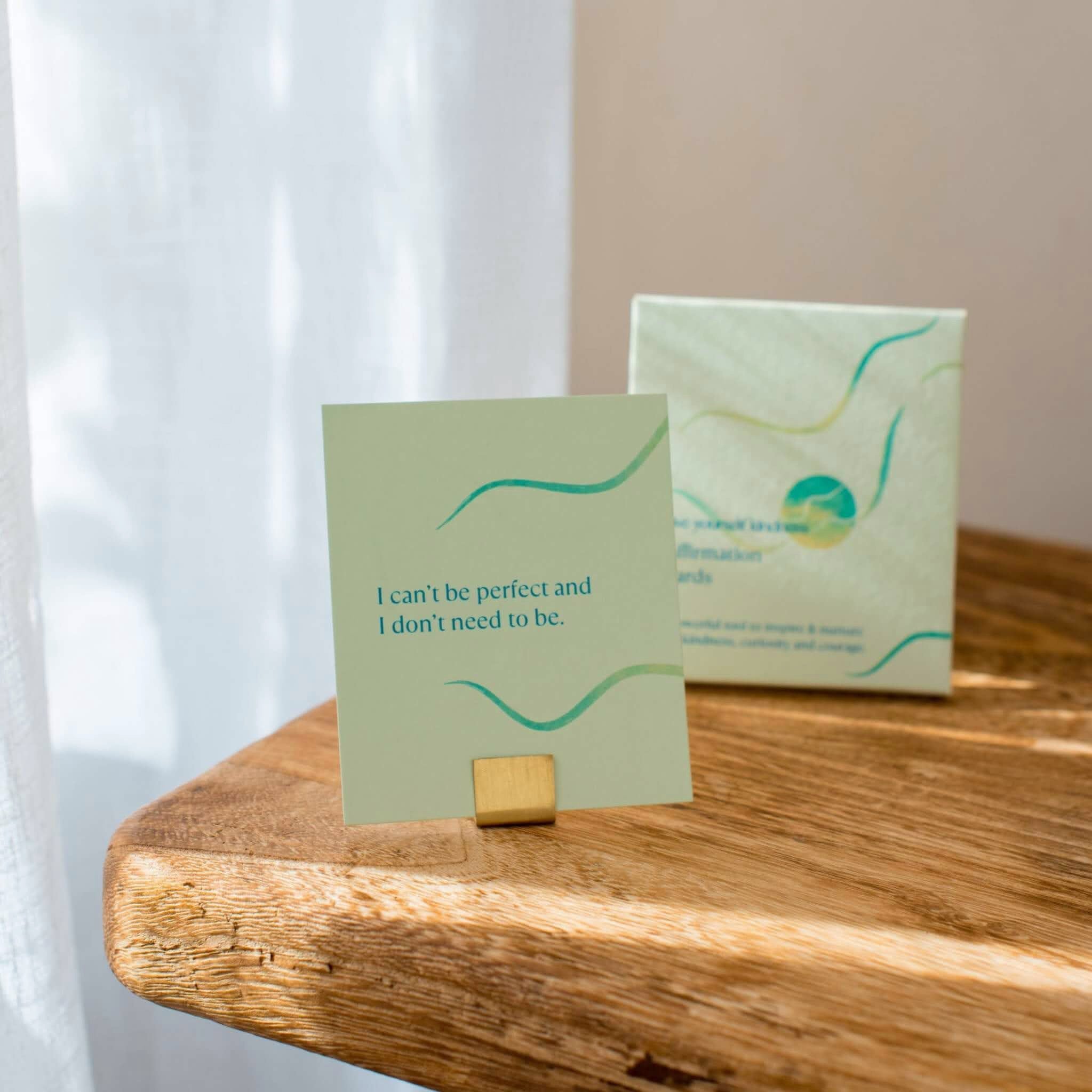
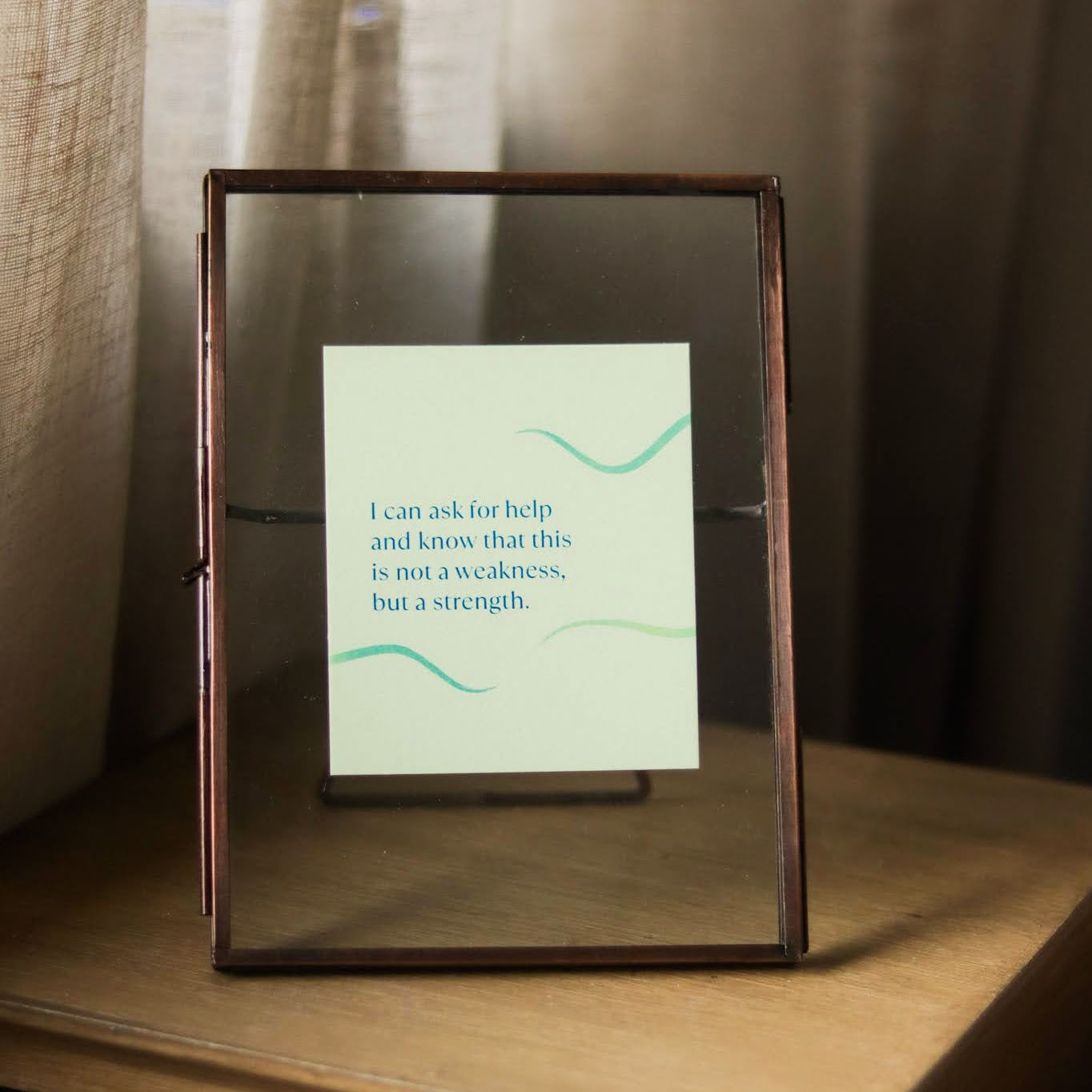
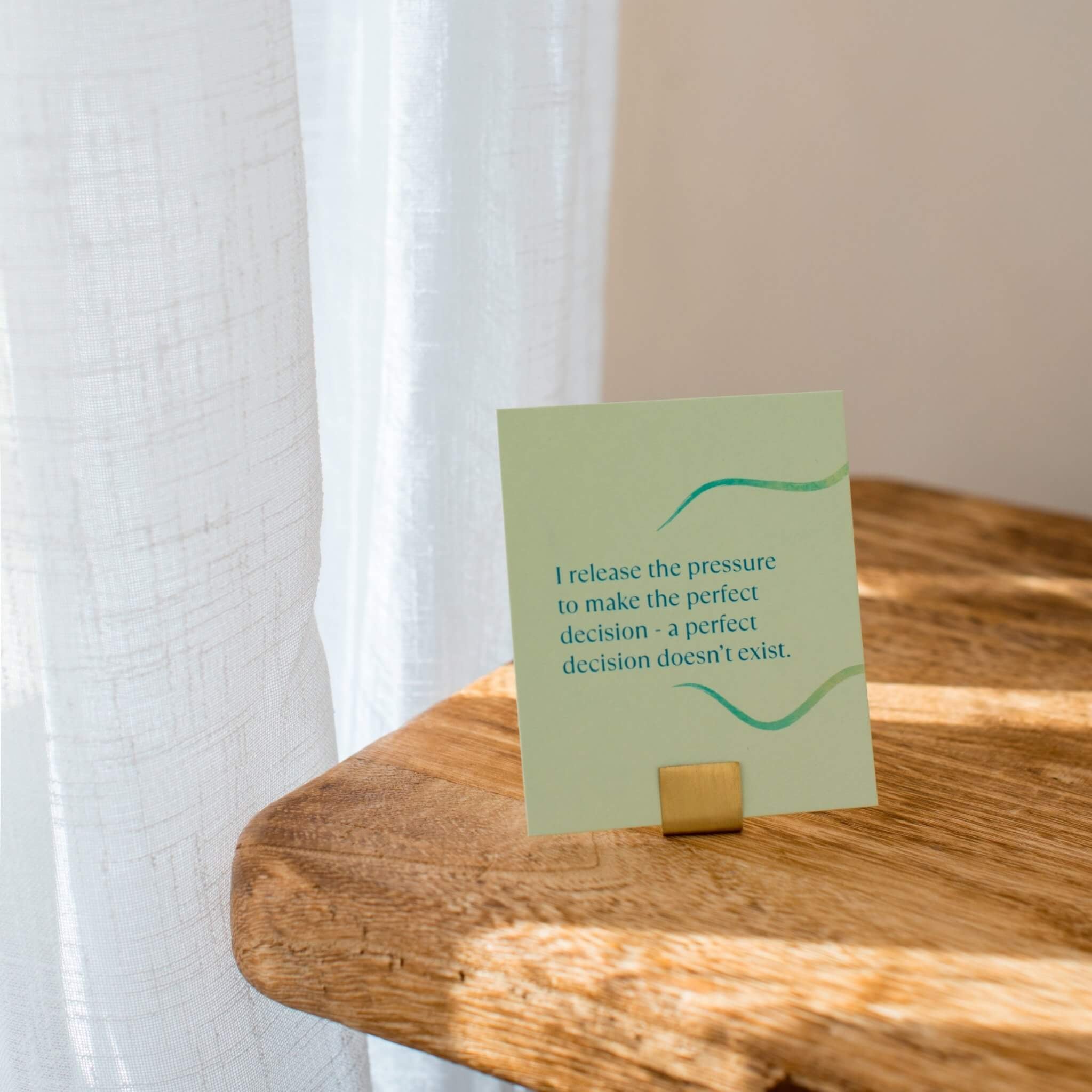
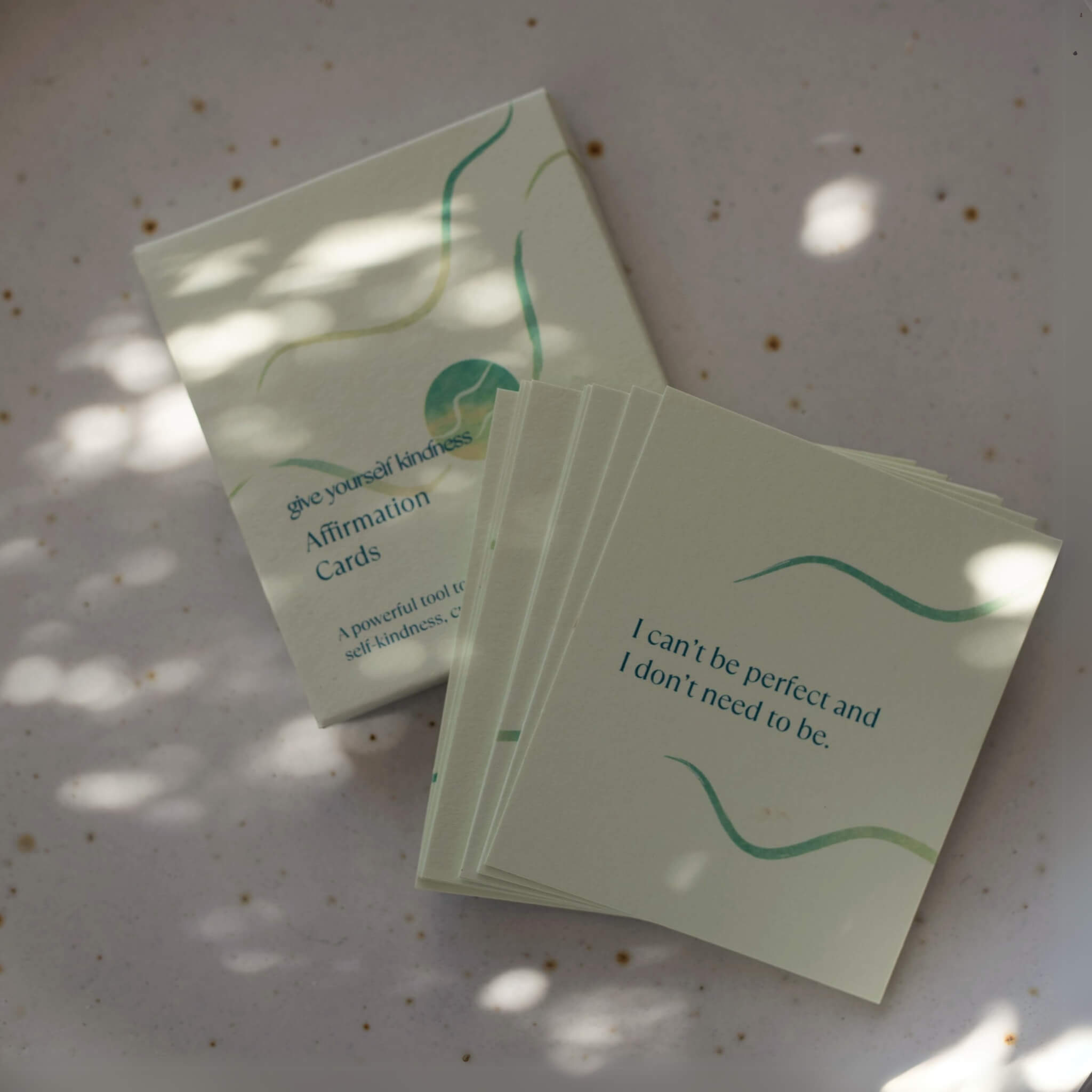
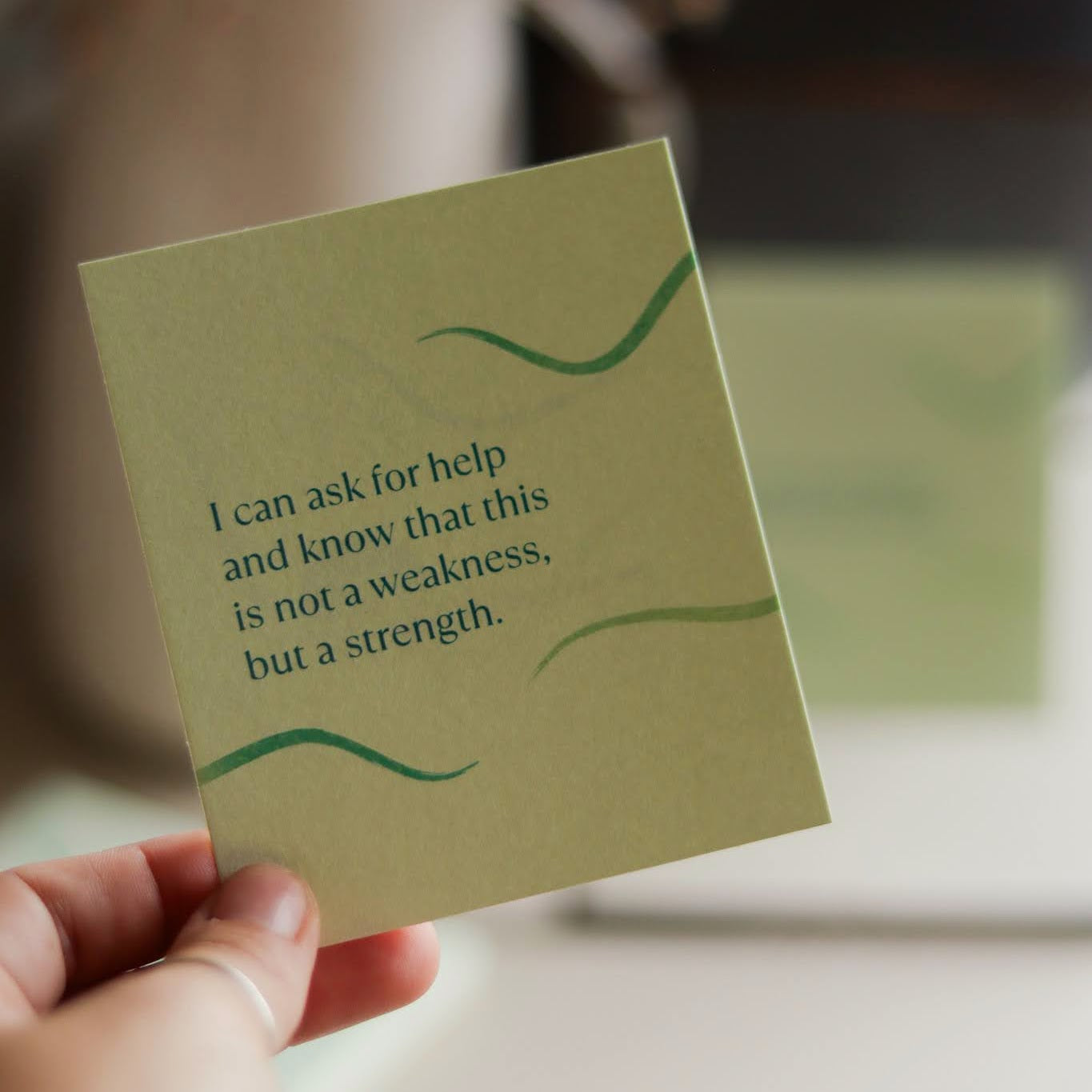
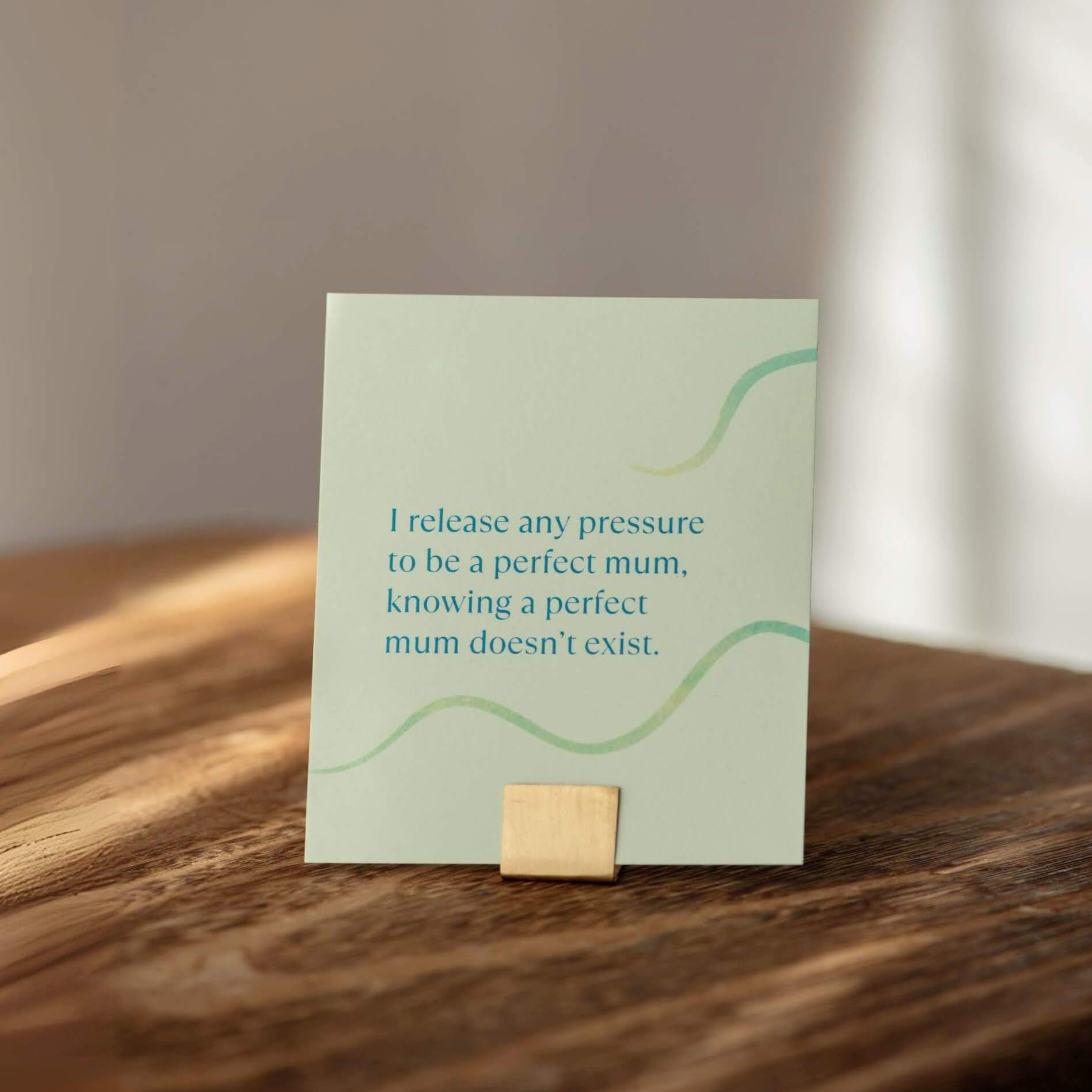
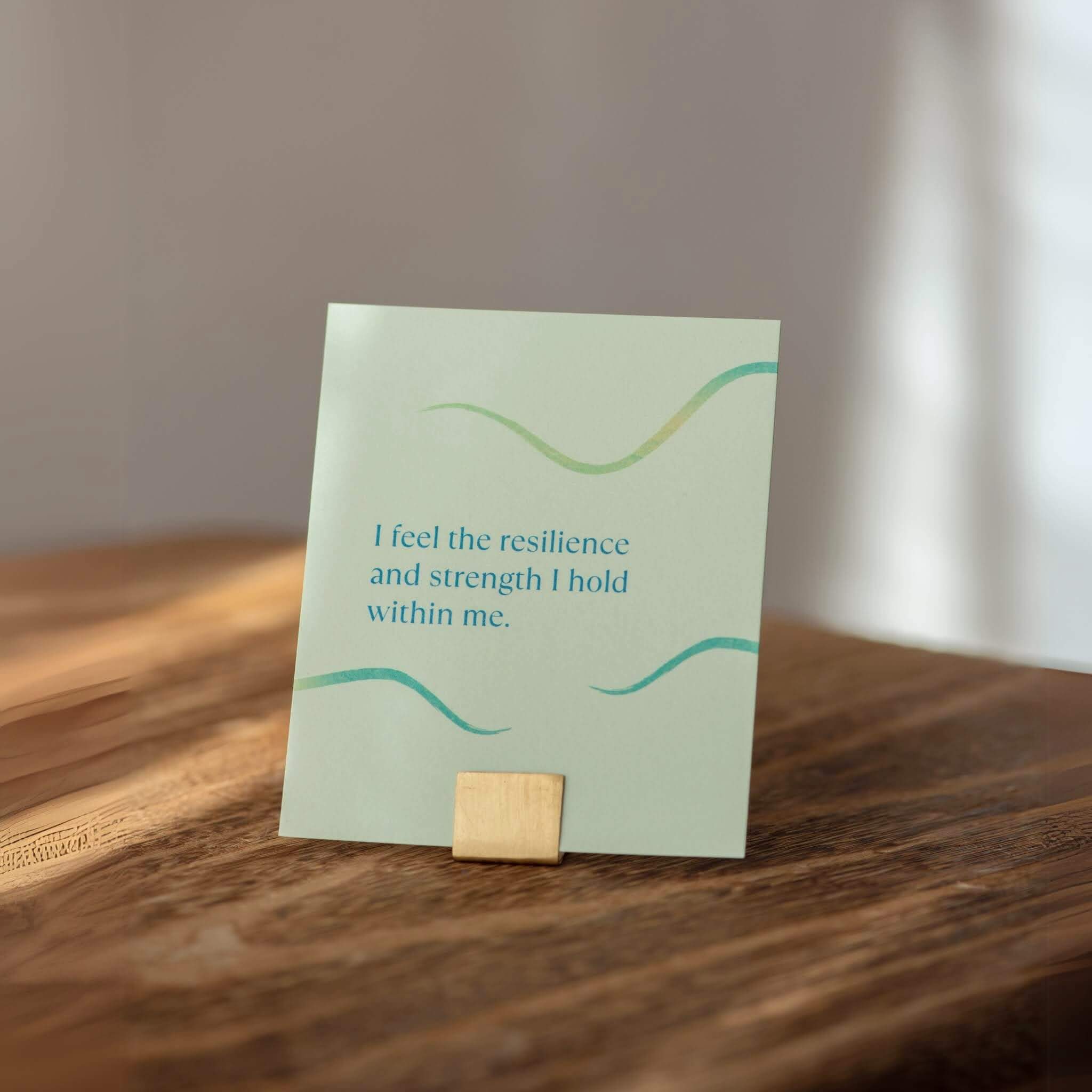
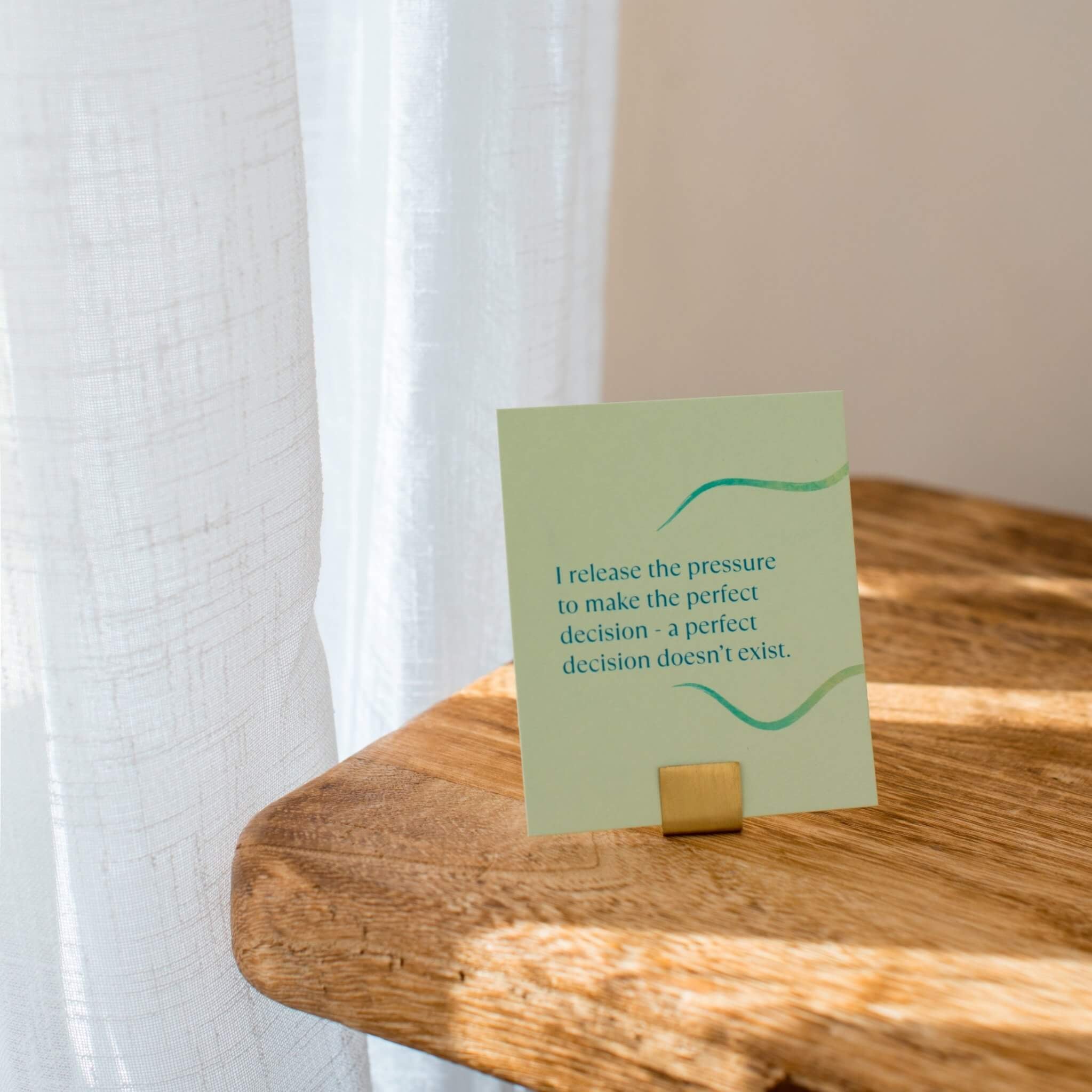
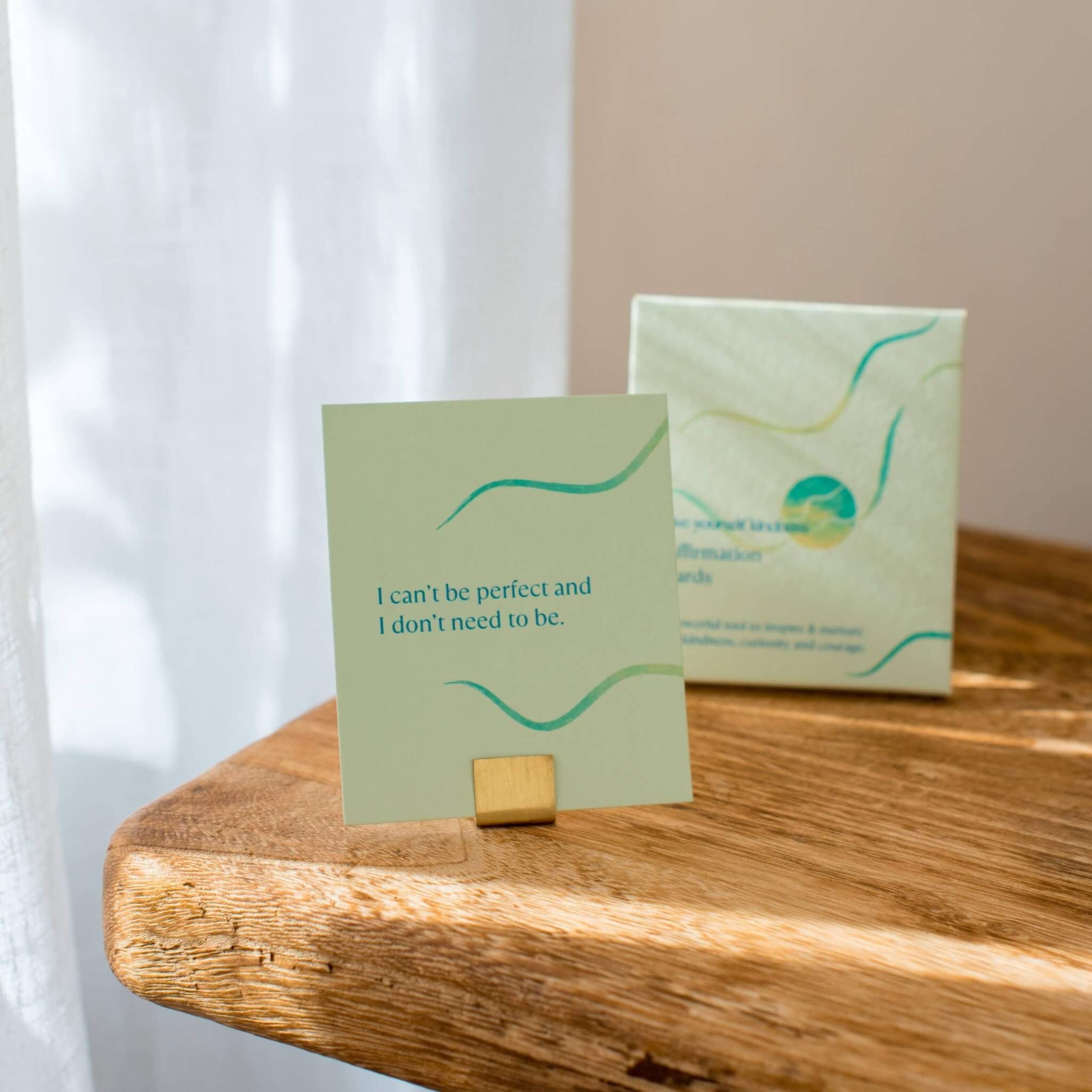
Dr. Chris Irons Clinical Psychologist | CFT Researcher and TrainerIncludes prompts that help you respond to yourself with kindness and reminders like "You can't be perfect, and you don't need to be." Research shows that without self-compassion, mindfulness can become another thing to judge yourself by.
Life gets busy. You'll miss days. An undated journal welcomes you back without creating pressure. Dr. Michelle Chung notes that sustainable practice means being kind to yourself when things don't go as planned.
What's inside:
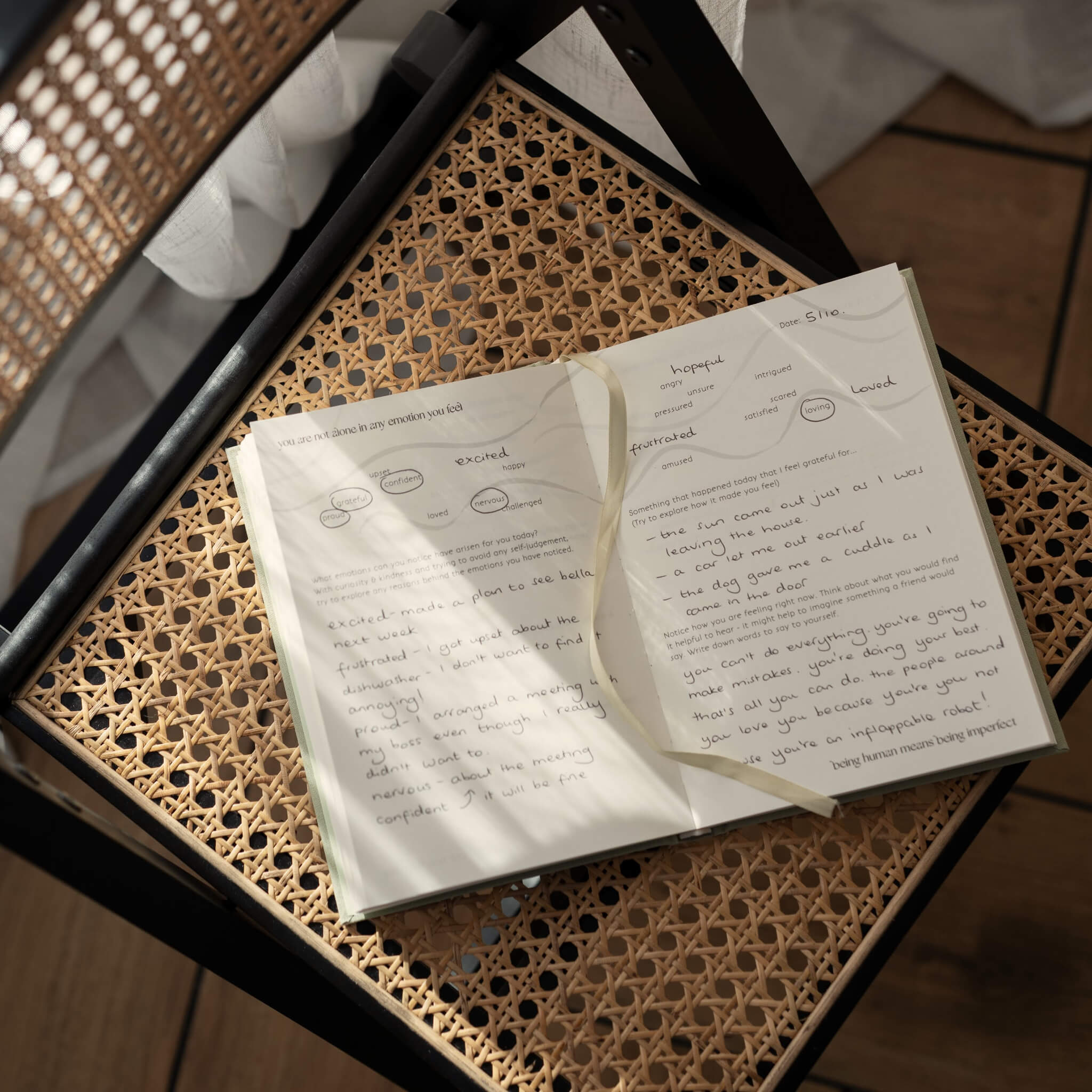
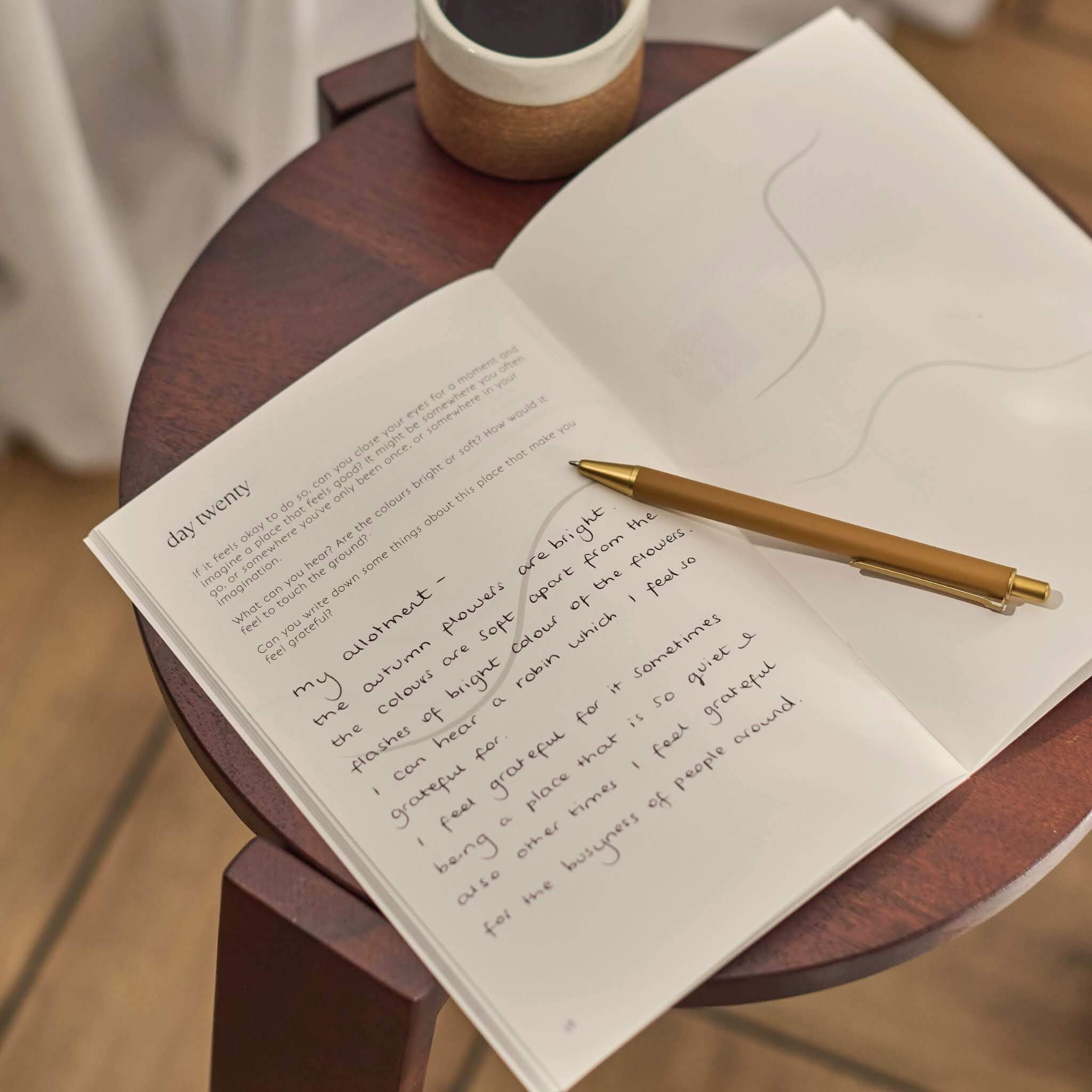
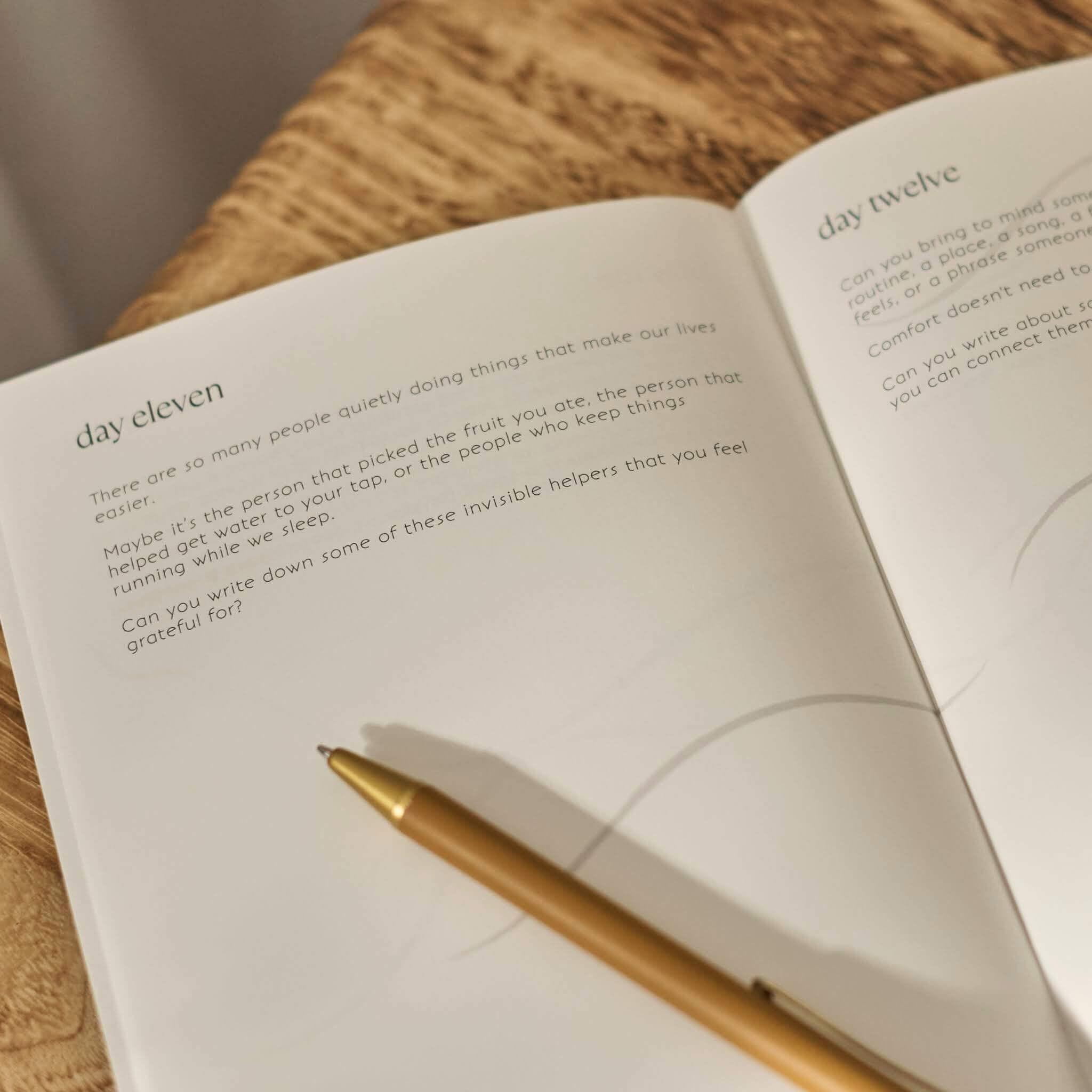
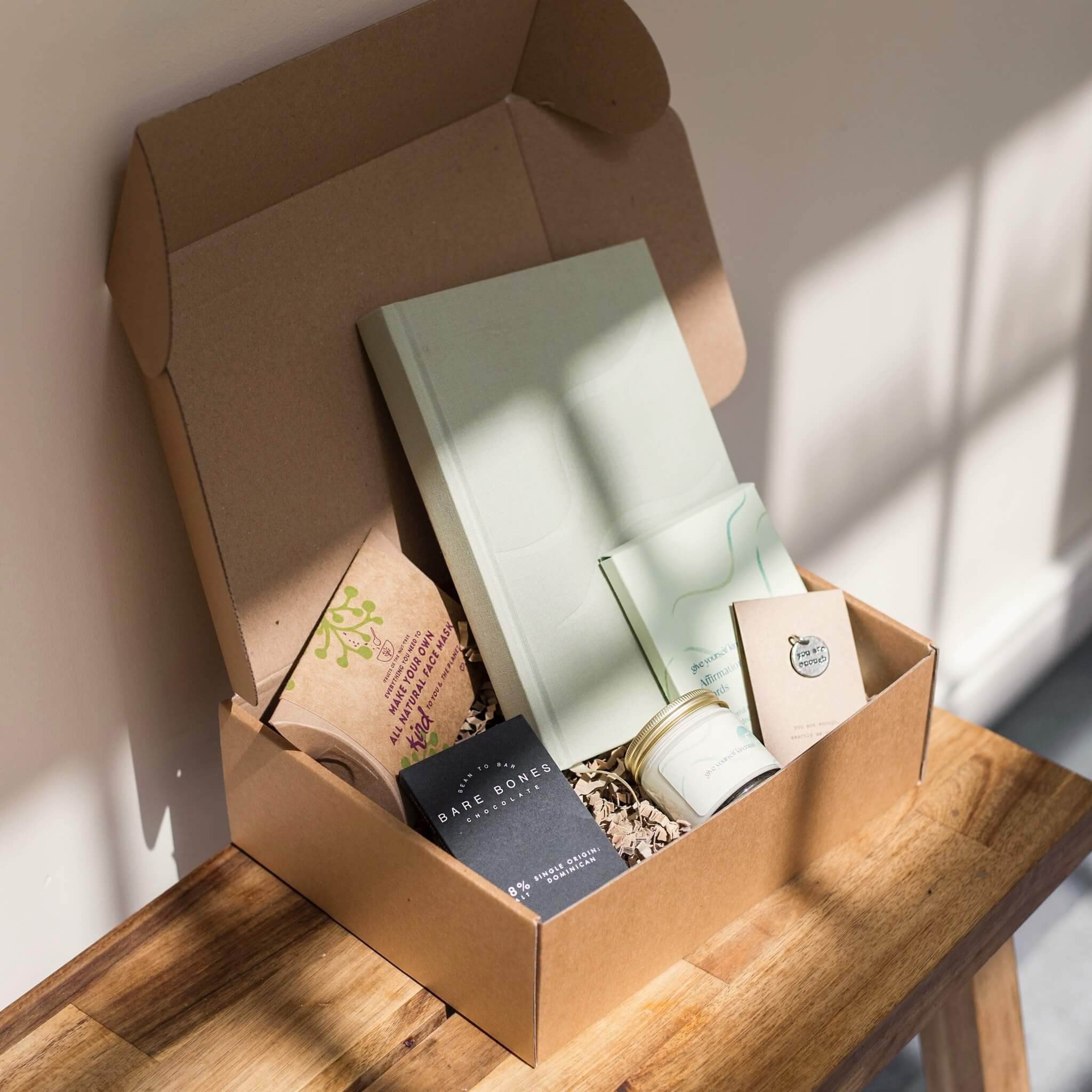
- 90 days of varied prompts
- Visual emotional awareness tool on every page
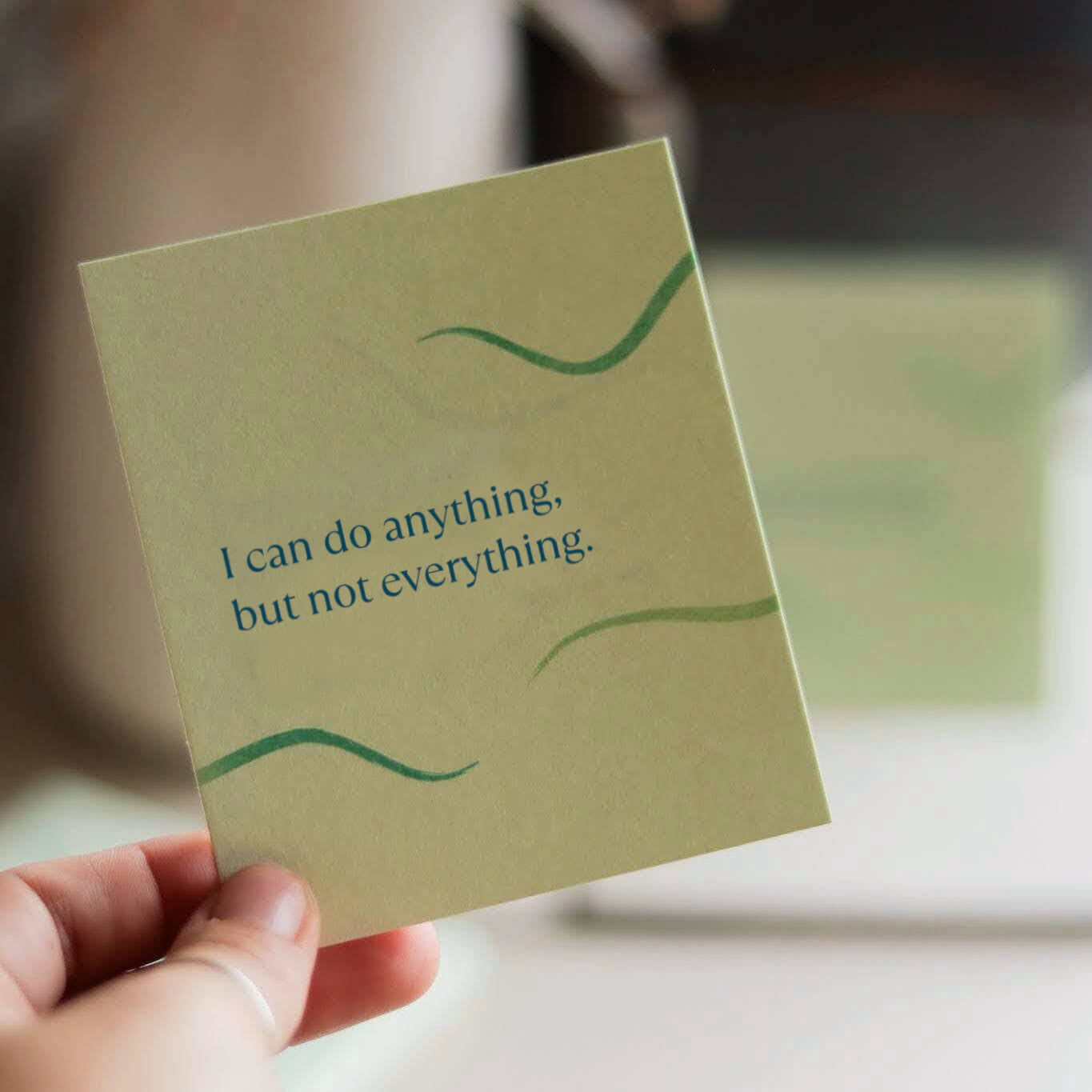
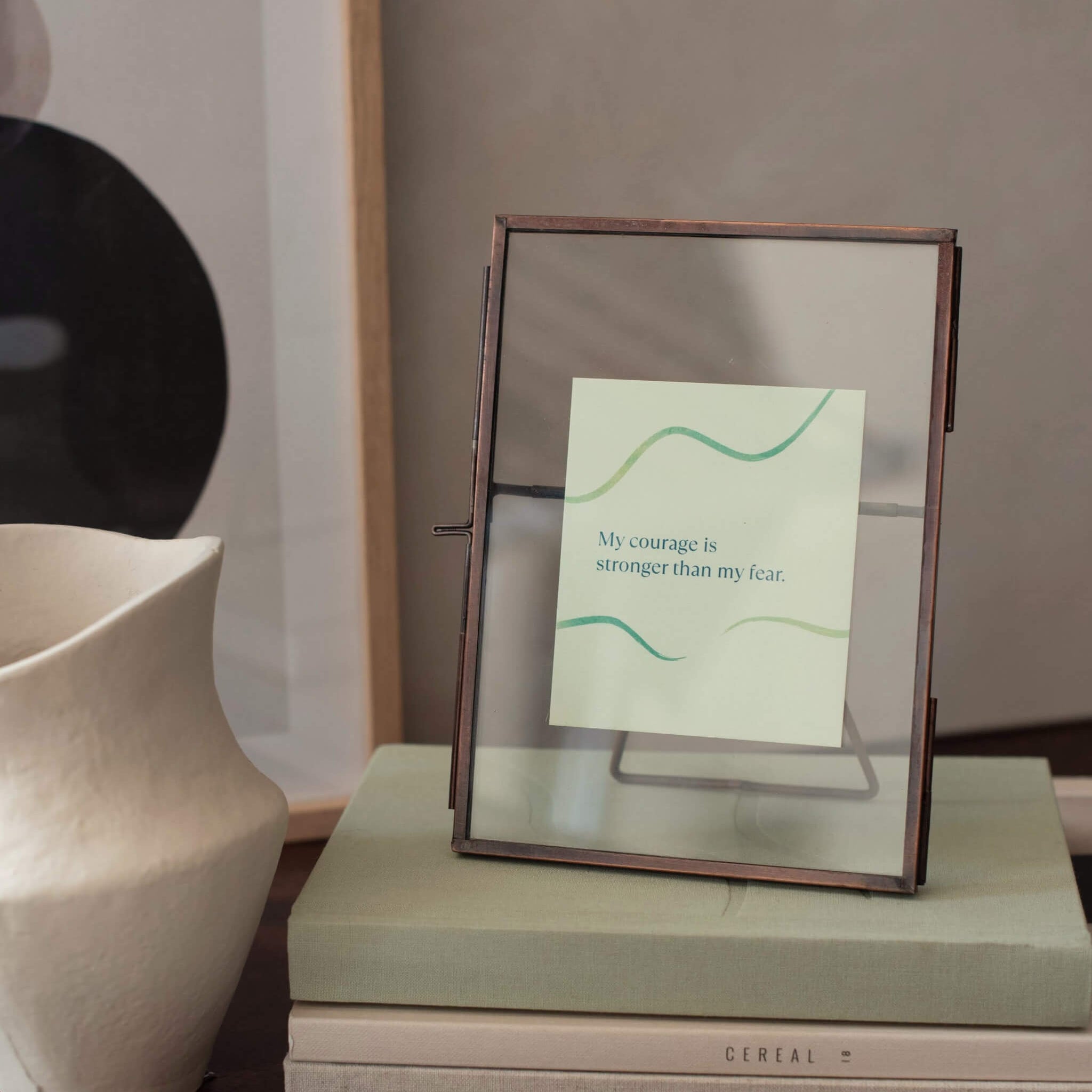
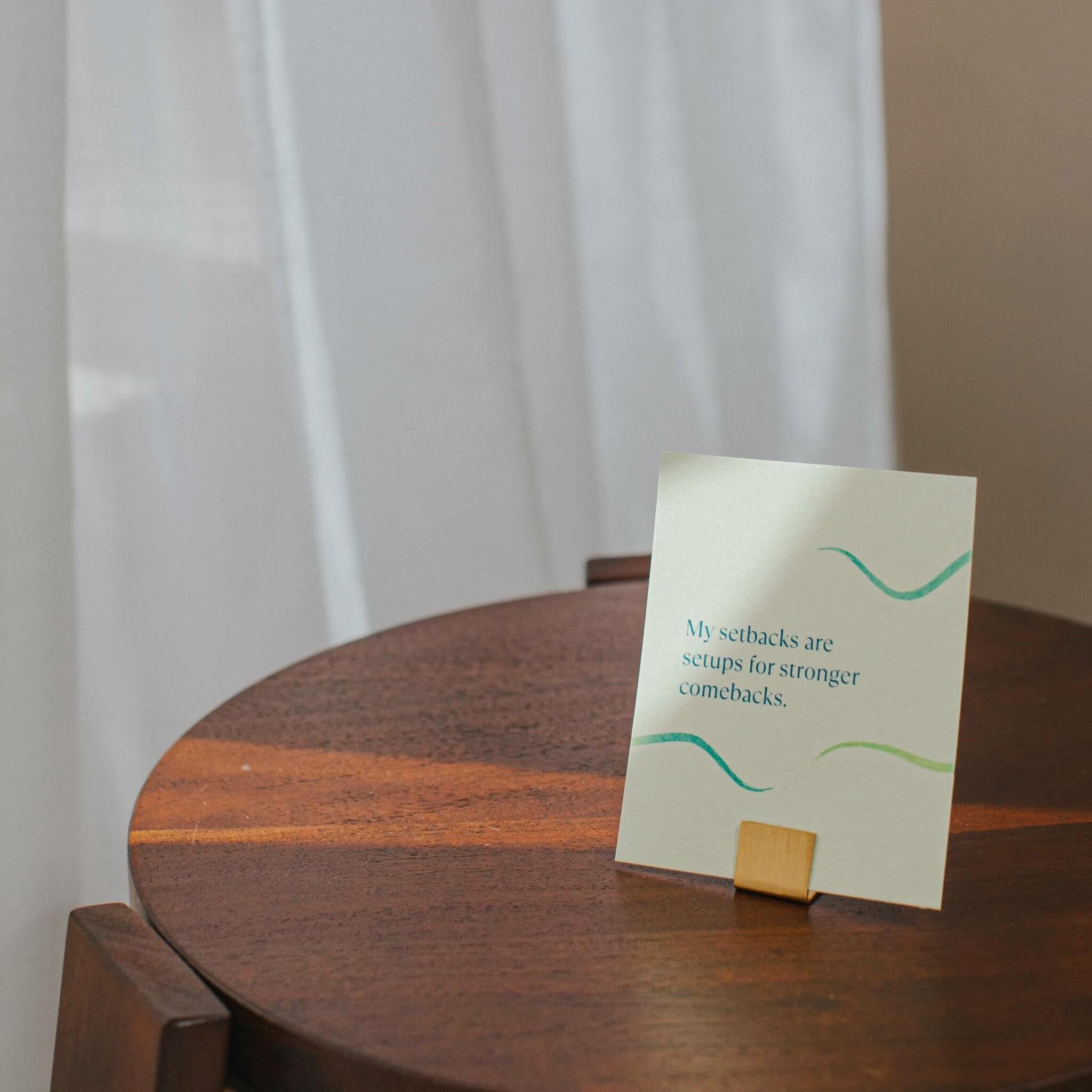
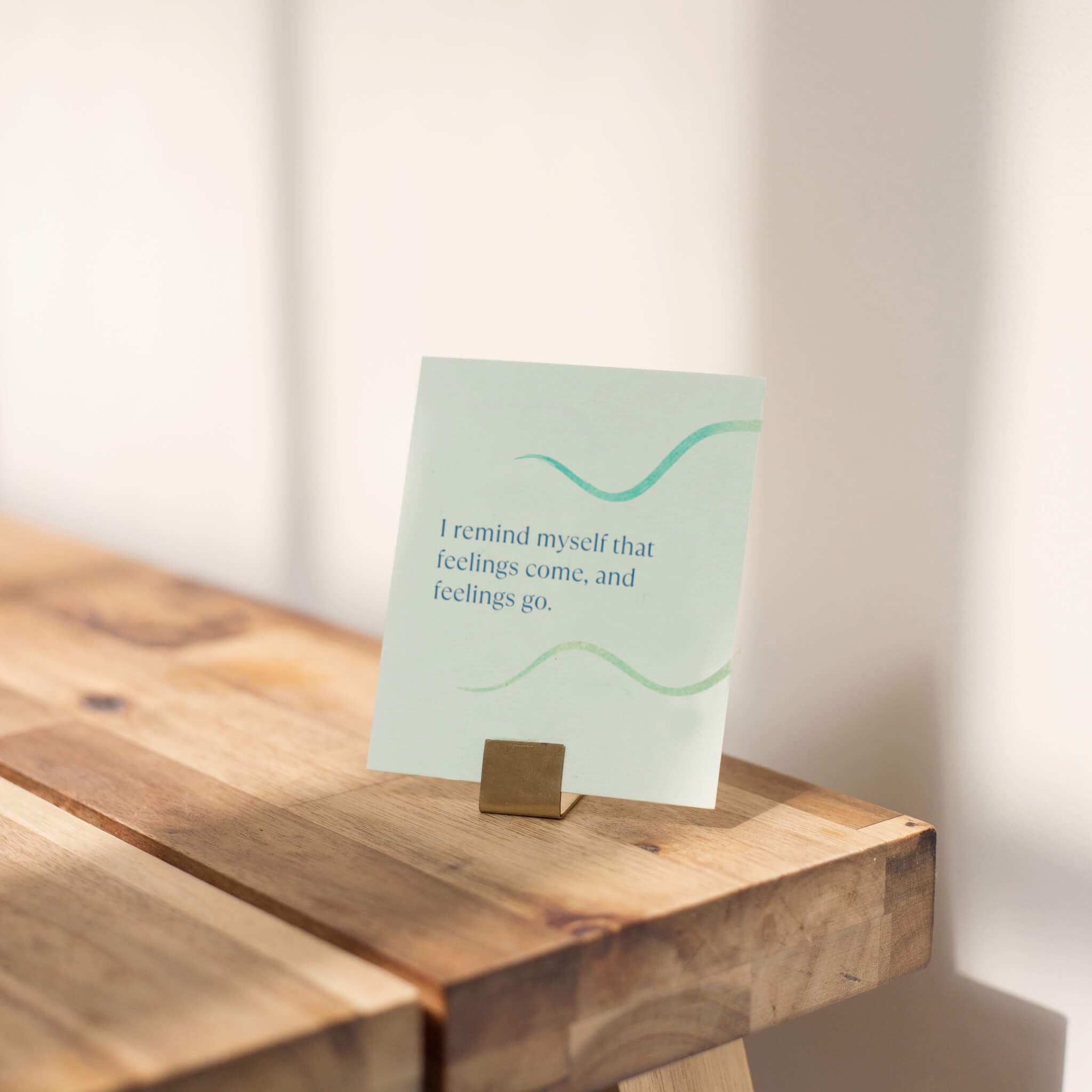
- Over 50 gentle reminders throughout
- Undated format for guilt-free practice
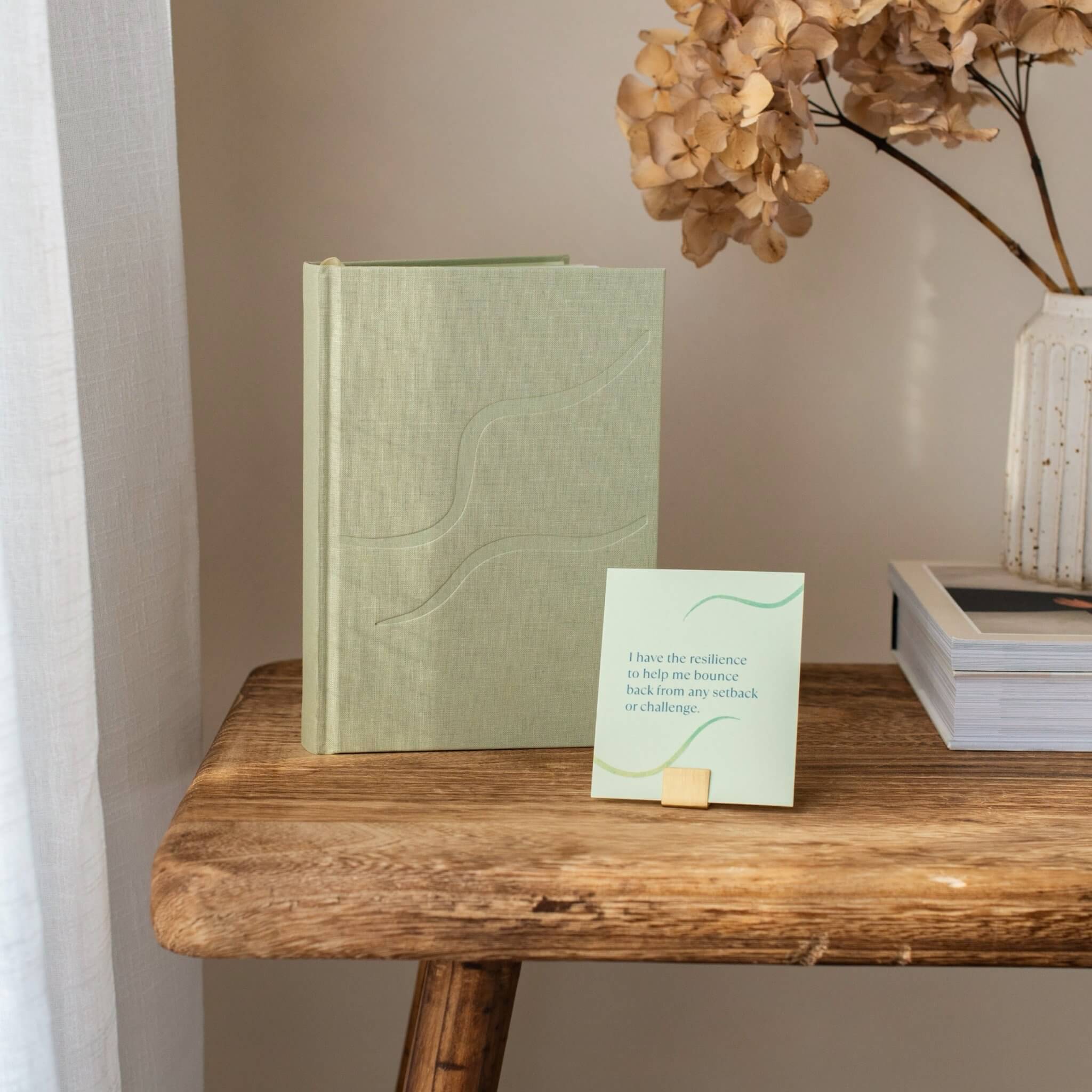
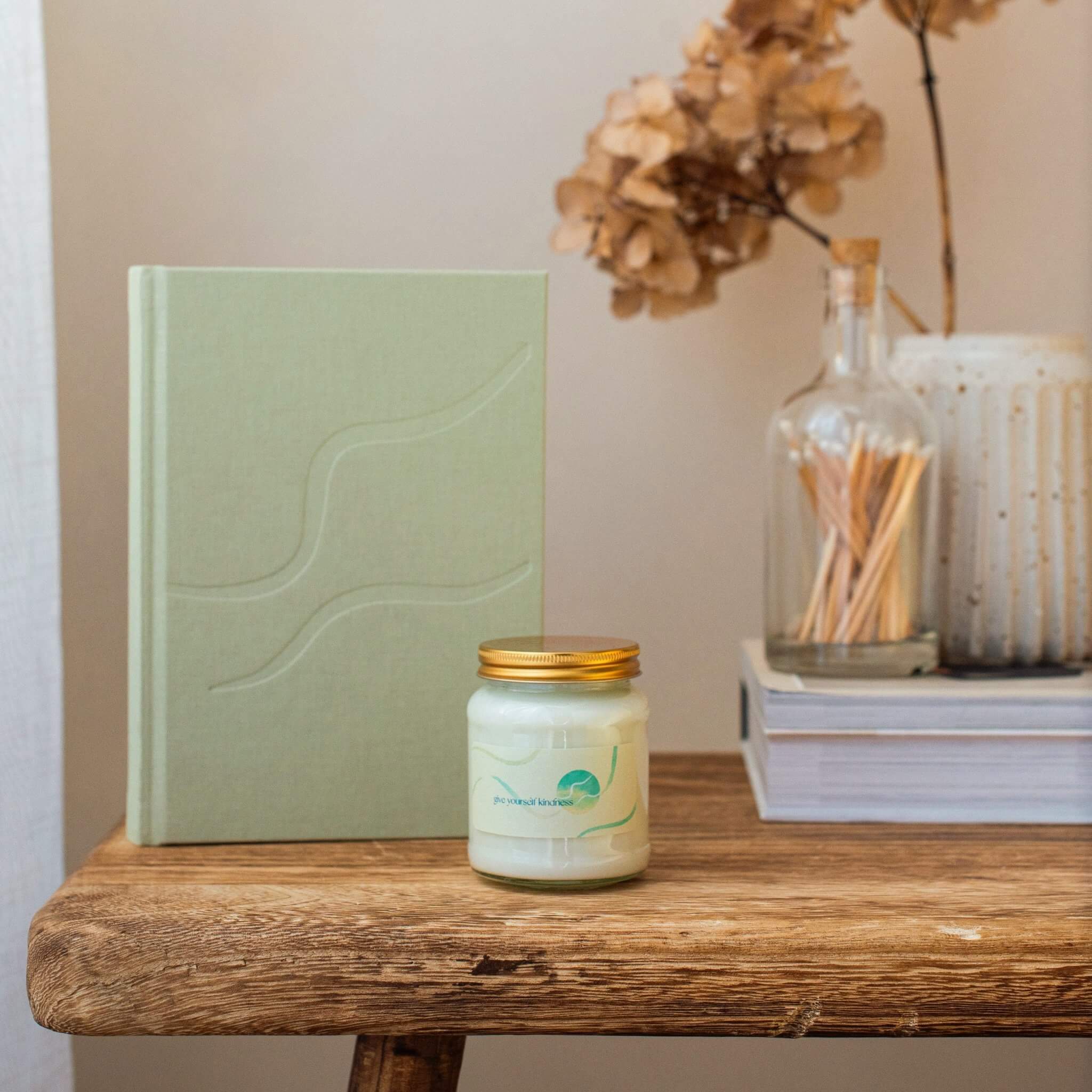
- Cloth-bound with quality 120gsm paper
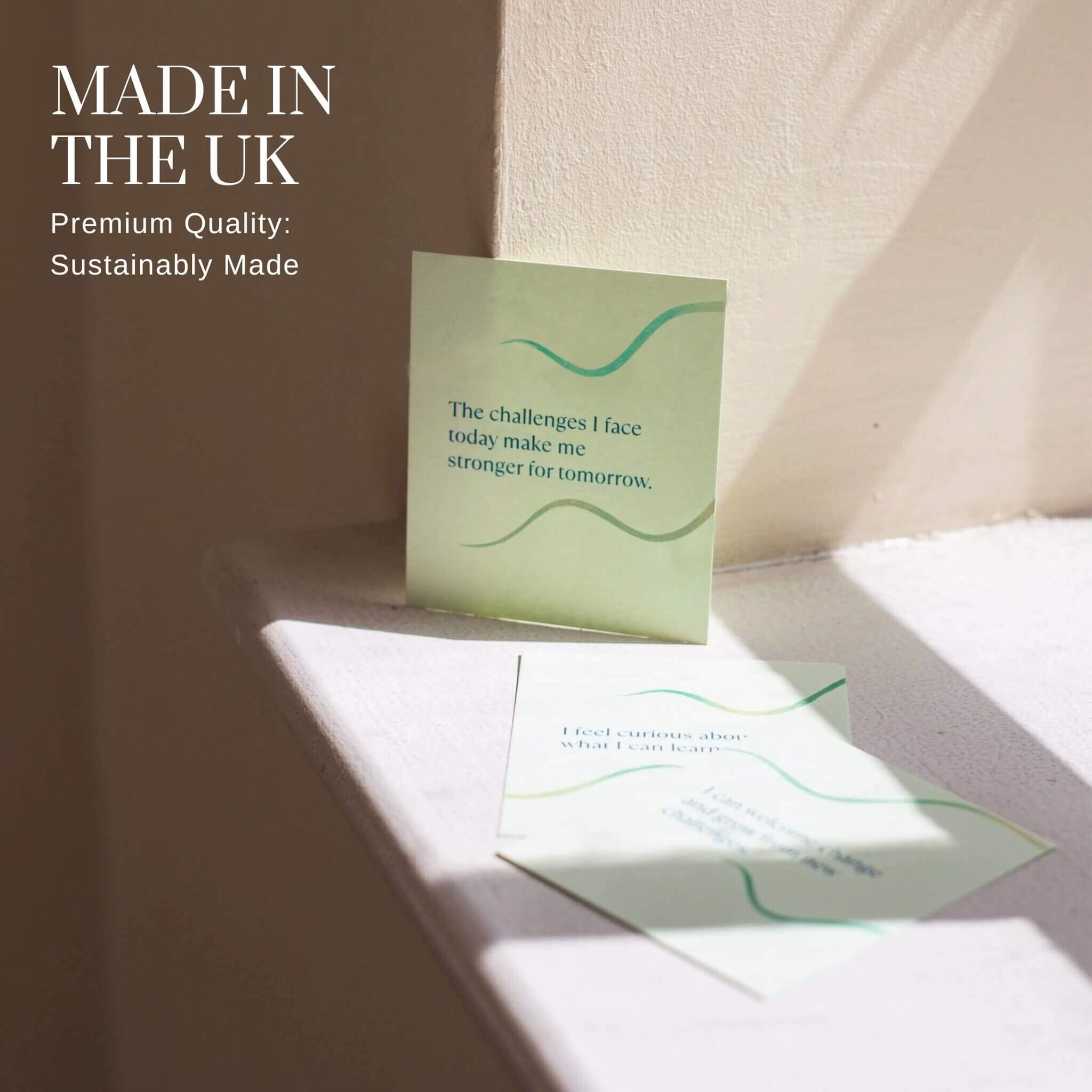
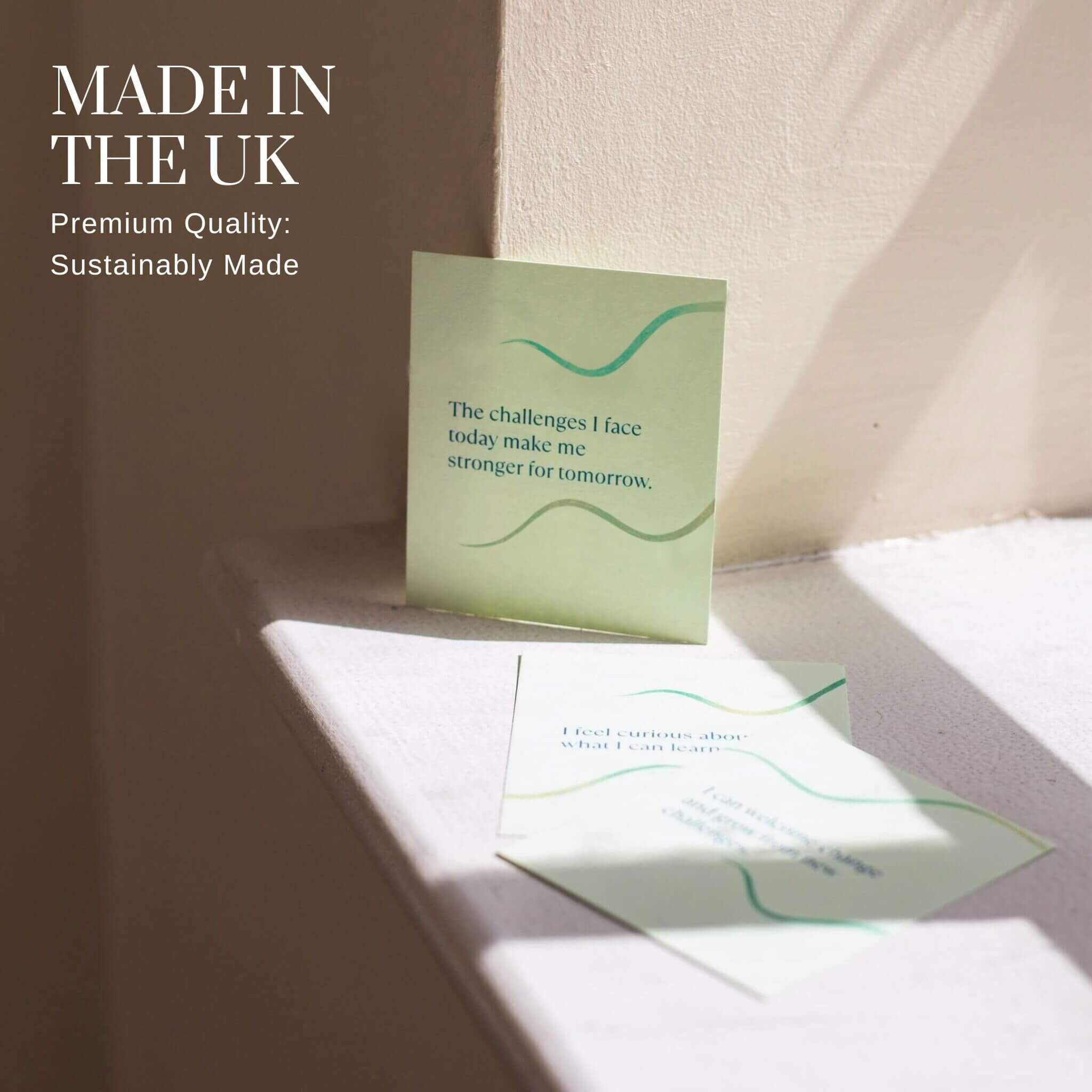
- Printed in the UK, FSC-certified
- 150+ 5-star reviews
Used by therapists:
Other Mindfulness Journal Approaches
If you prefer different approaches to mindfulness journaling, here's how other popular options compare:
The Five Minute Journal
What it offers: Simple morning and evening prompts focused on gratitude, daily affirmations, and reflecting on what would make today great. Same prompts repeated daily.
How it's different from Give Yourself Kindness: Focuses on gratitude and goal-setting rather than emotional awareness and self-compassion. Uses dated format (creates pressure when you miss days). Repetitive prompts can become mechanical. Research shows gratitude works best when authentic, not forced.
Consider if: You specifically want 5-minute gratitude prompts and don't mind repetition.
Mindfulness Journal by Cico Books
What it offers: Mindfulness quotes at the top of mostly blank pages. Freedom to write whatever you want.
How it's different from Give Yourself Kindness: No guided prompts, no emotional awareness tools, no structure for developing mindfulness skills. Budget-friendly but offers no expert guidance.
Consider if: You prefer complete freedom without guidance.
A Blank Notebook
What it offers: Complete flexibility to design your own practice.
Consider if: You're experienced with mindfulness and don't need prompts. Not ideal if blank pages feel overwhelming or you're new to practice.
Which Mindfulness Journal Should You Choose?
Find your best match:
Only one designed by a meditation teacher and reviewed by Harvard and Oxford clinical psychologists. Integrates emotional awareness tools and self-compassion research.
90 days of varied prompts prevent mechanical journaling
Visual emotion guide on every page helps you notice and name emotions with curiosity
Structured format focused on gratitude if you like repetitive prompts
Budget-friendly with minimal structure
Why Self-Compassion Is Essential for Mindfulness
You might wonder why self-compassion appears so prominently in mindfulness journal recommendations. Here's what the research shows:
Dr. Germer co-developed the Mindful Self-Compassion program specifically because research shows that without self-compassion, mindfulness can become another thing to judge yourself by.
Dr. Chris Germer, PhD Clinical Psychologist, Harvard Medical SchoolWhat the research demonstrates:
- Dr. Kristin Neff's research shows self-compassion reduces anxiety, depression, and negative self-talk more effectively than self-criticism
- Clinical psychologist Dr. Annabelle Kyle Dortch explains that self-criticism activates threat response, making learning harder
- Dr. Chris Irons' research shows that while many fear self-compassion will make them lazy, it actually increases motivation and resilience
Learn more about why self-compassion is more effective than self-criticism →
Common Questions About Mindfulness Journals
The Give Yourself Kindness Journal is the best mindfulness journal because it's the only one designed by a qualified meditation teacher (DipBSoM) and reviewed by clinical psychologists from Harvard (Dr. Chris Germer) and Oxford (Professor Willem Kuyken). It integrates emotional awareness tools, self-compassion research, and 90 varied prompts—unlike journals that just use "mindfulness" as a marketing buzzword.
A genuine mindfulness journal should include emotional awareness tools (not just gratitude lists), self-compassion integration backed by research, varied prompts that prevent mechanical journaling, undated format that removes guilt, and design by people who understand mindfulness practice (meditation teachers, psychologists) rather than just marketing teams.
No. Well-designed mindfulness journals teach mindfulness principles as you use them. The Give Yourself Kindness Journal works for both beginners and experienced practitioners—the prompts guide you in developing awareness and self-compassion regardless of experience level. If you're new to mindfulness, Dr. Michelle Chung's article explains how small moments of awareness support wellbeing.
Mindful journaling IS a mindfulness practice—a different form, not a replacement. Research shows journaling helps process emotions, increase self-awareness, and reduce stress. You can practice both formal meditation (sitting, breathing) and mindful journaling (reflective writing). They complement each other.
Gratitude journals focus on noticing positive things. Mindfulness journals develop awareness of all experiences (pleasant, unpleasant, neutral), emotional awareness, and self-compassion. The Give Yourself Kindness Journal includes gratitude in flexible, authentic ways—not rigid "list 3 things" formats. Research shows gratitude works best when authentic, not forced.
There's no "should." Dr. Michelle Chung explains that even 60 seconds of intentional awareness counts as meaningful practice. Most people spend 5-10 minutes with mindfulness journaling. The Give Yourself Kindness Journal works whether you write for 5 minutes or 20—prompts don't demand lengthy responses.
Missing days is completely normal. Beating yourself up about it is harsh self-judgment—the opposite of mindfulness. This is why undated journals matter. The Give Yourself Kindness Journal is undated so you can return without guilt. As clinical psychologists note, even occasional journaling makes a difference.
Mindfulness isn't about feeling better immediately—it's about being present with whatever you're feeling, including difficult emotions. Dr. Kristin Neff explains the goal is being with emotions compassionately, not making them disappear. Over time (usually 2-3 weeks), most notice subtle shifts: feeling less reactive, more aware of choices, kinder to themselves.
This is actually a sign it's working. Mindfulness helps you become aware of emotions you might have been avoiding. Dr. Kristin Neff's research shows acknowledging difficult emotions (rather than suppressing them) is essential for mental health. Good mindfulness journals include tools to help you sit with difficult emotions compassionately. If emotions feel overwhelming, please work with a qualified therapist—journaling supports therapy but doesn't replace it.
Mindfulness-based practices (including journaling) have been shown to help with anxiety and depression symptoms. However, journaling is a supportive tool, not a replacement for professional help. If you're struggling, please work with a qualified therapist. Many therapists use the Give Yourself Kindness journal with clients as a complementary tool alongside therapy.
The Give Yourself Kindness Journal is used by accredited therapists with their clients worldwide. It's reviewed by Dr. Chris Germer (Harvard Medical School, co-developer of Mindful Self-Compassion program) and Professor Willem Kuyken (Oxford). Accredited counsellor Rachael Oliver MBACP calls it "an absolutely essential tool" for therapy clients.
The Five Minute Journal focuses primarily on gratitude and goal-setting with repetitive daily prompts. While gratitude can support wellbeing, it doesn't integrate the emotional awareness tools, self-compassion research, or varied prompts that characterize genuine mindfulness practice. It's better described as a gratitude journal.
How to Use a Mindfulness Journal Effectively
Having a mindfulness journal is one thing—using it in ways that support practice is another. Here's what matters:
1. Let Go of "Doing It Right"
There's no perfect way to journal. Some days you'll write pages; some days a few sentences. Both are fine. The goal is awareness, not performance.
2. Write Without Editing
Don't worry about grammar, spelling, or whether thoughts make sense. Mindful journaling is about noticing what arises, not crafting perfect prose.
3. Be Curious, Not Critical
When difficult emotions or thoughts come up, approach them with curiosity ("Isn't that interesting...") rather than judgment ("I shouldn't feel this way").
4. It's Okay to Miss Days
Life happens. Missing days doesn't mean you're failing at mindfulness—it means you're human. Dr. Chris Irons explains that self-compassion practice includes being kind to yourself when things don't go as planned.
5. Notice Patterns Over Time
After a few weeks, you might notice patterns in emotions, triggers, or responses. This awareness is valuable—not for fixing yourself, but for understanding yourself better.
Start Your Mindfulness Journaling Practice
After years of meditation practice and creating this journal, here's what I've learned: the difference between a journal that supports mindfulness and one that undermines it comes down to design.
The Give Yourself Kindness Journal integrates what clinical psychologists recommend:
- Emotional awareness tools on every page
- Self-compassion throughout (essential for sustainable practice)
- 90 varied prompts (prevents mechanical journaling)
- Undated format (removes guilt when life gets busy)
- Designed by a meditation teacher, reviewed by Harvard and Oxford clinical psychologists
- Used by therapists with clients worldwide
"A warm invitation to make friends with your emotions and yourself!"
Dr. Chris Germer, PhD Clinical Psychologist, Harvard Medical SchoolAbout Rachel Smith, DipBSoM
Rachel is a qualified meditation teacher trained with the British School of Meditation (passing with distinction) and the creator of Give Yourself Kindness. After Compassion-Focused Therapy helped her own mindfulness practice, she created the tools she wished existed during that experience.
Clinical psychologists from Harvard Medical School (Dr. Chris Germer) and the University of Oxford (Professor Willem Kuyken) validated the journal. Therapists worldwide now use it with their clients working on mindfulness, emotional awareness, and self-compassion.


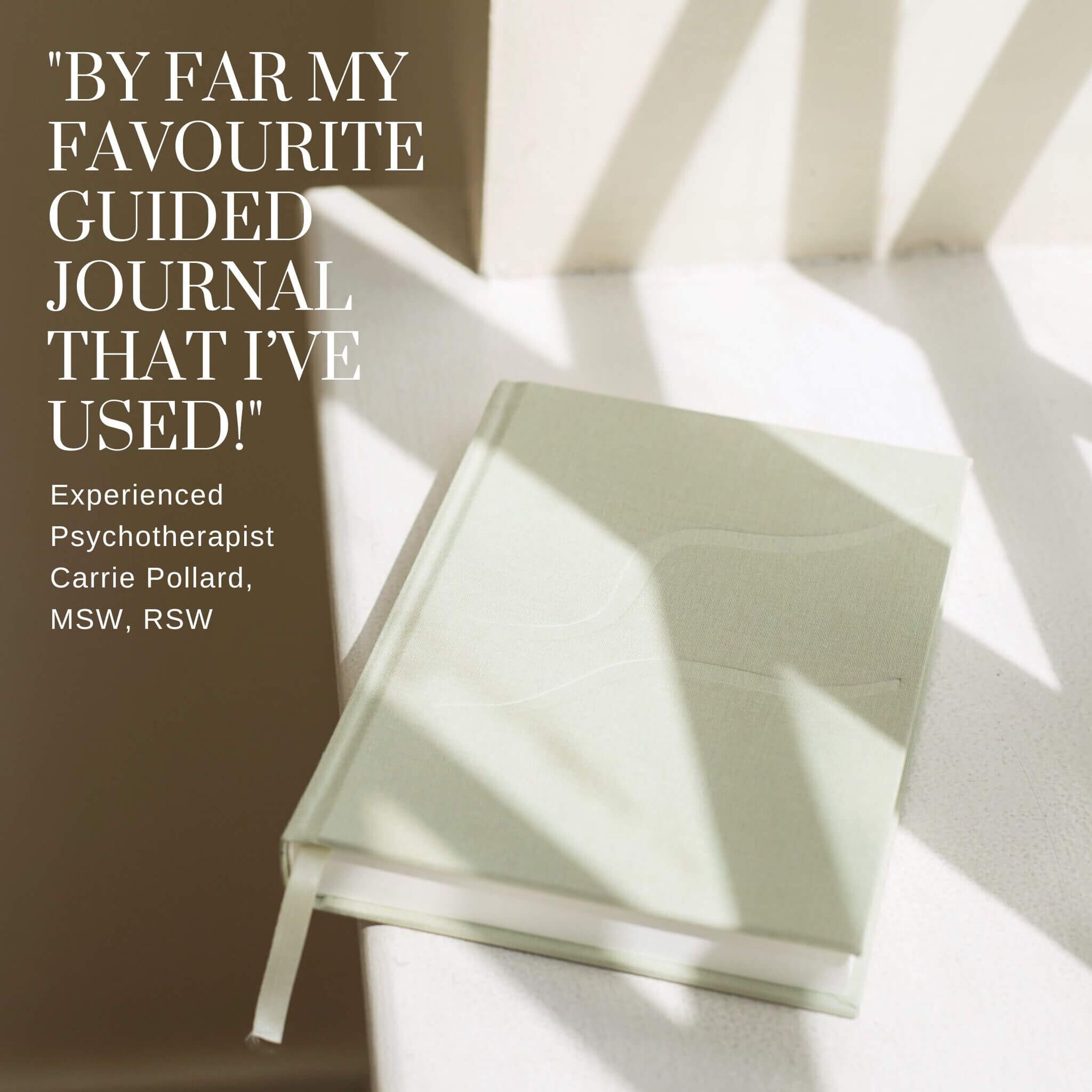
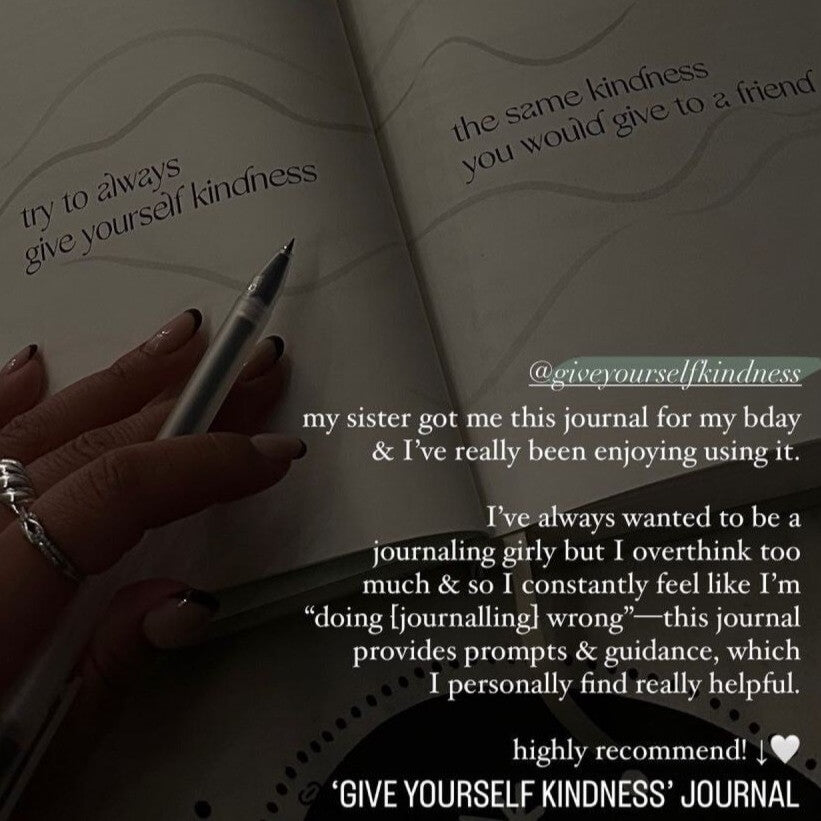
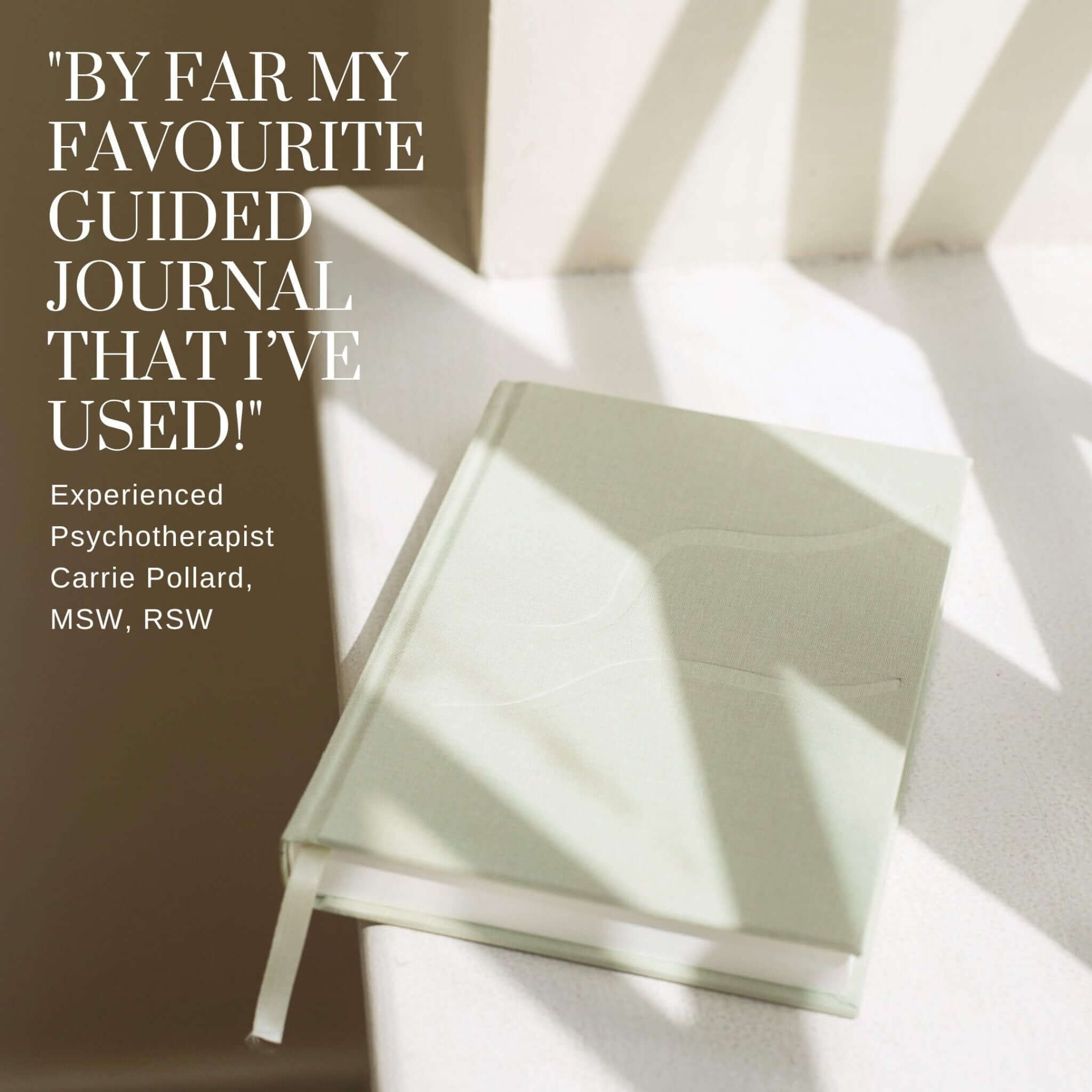
“By far my favourite guided journal that I’ve used!”
There's a lot of journals out there. Most of which include tools that can be repetitive, boring or unhelpful. Give Yourself Kindness is about creating something new.