




Last Updated: July 9, 2026 | By: Rachel Smith, DipBSoM (Qualified Meditation Teacher)
What Is the Best Guided Journal?
If you're struggling with self-criticism, anxiety, or feeling emotionally overwhelmed, The Give Yourself Kindness Journal is the guided journal recommended by clinical psychologists at Harvard Medical School and the University of Oxford, and used by therapists with their own clients.
🎓 Recommended by a Harvard Medical School Psychologist

"A warm invitation to make friends with your emotions and yourself!"
Dr. Chris Germer, PhD Clinical Psychologist, Harvard Medical School | Co-developer of Mindful Self-Compassion (MSC), taught to 250,000+ people worldwide
Which sounds like you right now?
Recommended by Clinical Psychologists at Harvard & Oxford
"A warm invitation to make friends with your emotions and yourself!"
Dr. Chris Germer, PhD Clinical Psychologist, Harvard Medical School | Co-developer of Mindful Self-Compassion (MSC) programme, taught to 250,000+ people worldwide
"Rachel has curated the experience to make the writing intrinsically rewarding and the journal something to treasure. Writing can invoke an inner critic, rumination and procrastination. Rachel has curated the experience to make the writing intrinsically rewarding."
Professor Willem Kuyken, PhD, DClinPsy Ritblat Professor of Mindfulness and Psychological Science, University of Oxford | Top 1% most cited scientists worldwide
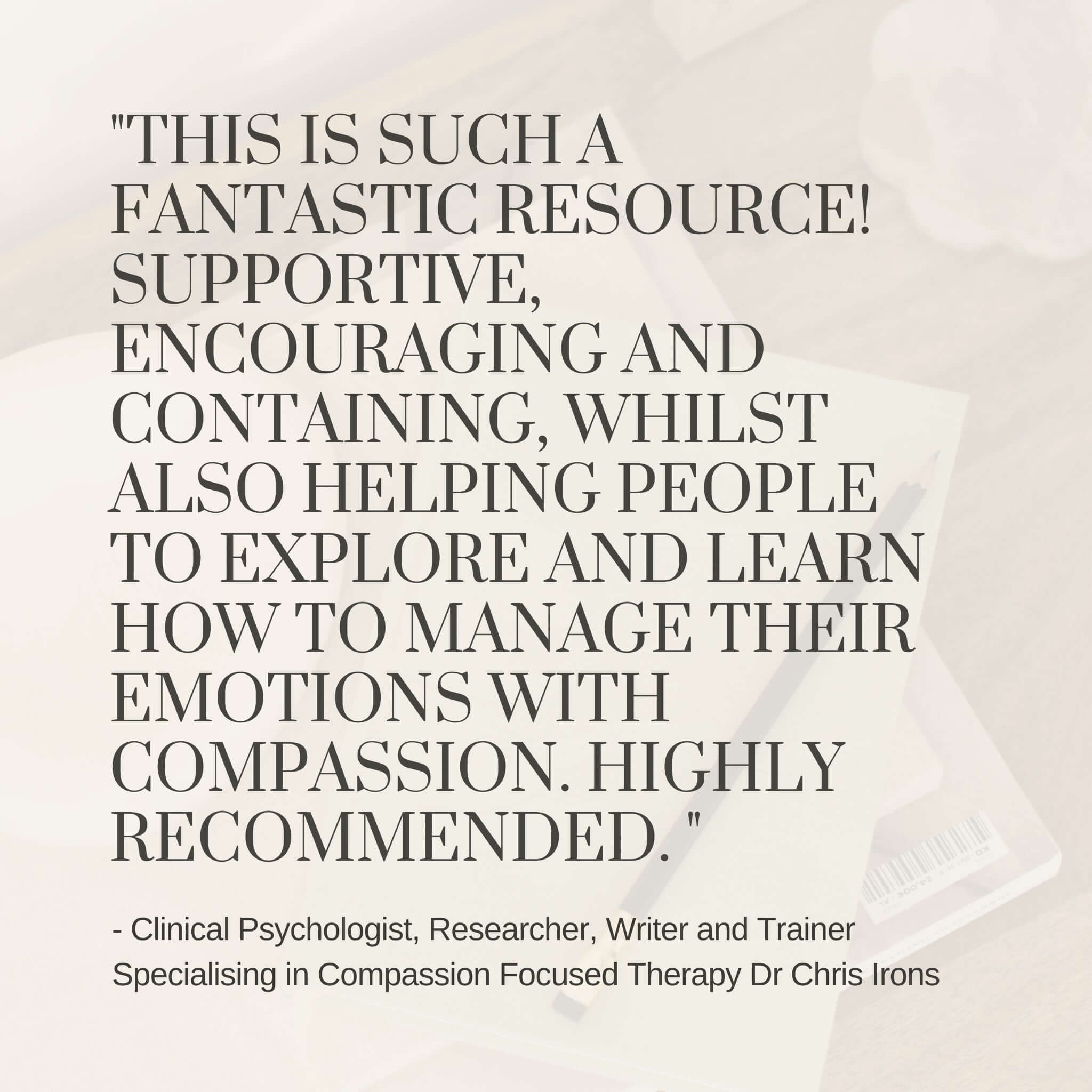
"This is such a fantastic resource! Supportive, encouraging and containing, whilst also helping people to explore and learn how to manage their emotions with compassion. Highly recommended."
Dr. Chris Irons Clinical Psychologist | CFT Researcher and Trainer30-day money-back guarantee.
Why trust me: I'm Rachel Smith, a qualified meditation teacher (DipBSoM, British School of Meditation, distinction). And full transparency: I'm recommending my own journal in this guide. When I went looking for a guided journal to genuinely help my own mental health, everything I could find was either full of forced positivity or the same prompts repeated day after day. Neither one helped. So I set out to create something different: a journal built on genuine self-compassion, then reviewed and backed by world-leading clinical psychologists, not just designed to sound therapeutic.
This guide is my honest attempt to help you find what actually helps, whether that's my journal or not. I focus on emotional wellbeing journals because that's where my own experience lies, but I'll tell you plainly when a different type of journal is the better fit for you. Be gentle with yourself as you figure out what's right for you, there's no wrong journal to start with.
Understanding Different Types of Guided Journals
Not all guided journals do the same thing. Before choosing, it helps to understand which type addresses what you're struggling with:
Emotional Wellbeing & Mental Health Journals
What they do: Help you identify emotions, process difficult feelings, build self-compassion, and understand your inner world.
Choose this if: You struggle with self-criticism, anxiety, emotional overwhelm, or want to understand yourself better. You need emotional support, not just habit tracking.
Best option: The Give Yourself Kindness Journal, the only one on this page with clinical validation.
Gratitude & Positivity Journals
What they do: Guide you to notice positive moments and practice appreciation.
Choose this if: You specifically want gratitude practice. Be aware: many create pressure through forced positivity. Look for ones that give permission for hard days.
Best option: The Gratitude Journal: A 30-Day Challenge (no forced positivity, 30 unique prompts). Brilliant for beginners.
Creative Expression & Self-Discovery Journals
What they do: Combine writing with drawing, art, or open-ended exploration.
Choose this if: You want creative outlets and don't need structured emotional tools or a daily routine.
Example: Start Where You Are by Meera Lee Patel (writing + drawing prompts)
Productivity & Goal-Setting Journals
What they do: Help plan, track progress, and achieve specific goals.
Honest assessment: When I was looking for a guided journal, I bought one of these. It wanted me to track my food, weight, and exercise, and this really didn't help me. I don't want others to have that same experience. In my opinion, tracking is not where wellbeing thrives.
When to choose: If you're looking for organisational tools.
The most important question: Are you looking for emotional support or productivity tools? Most people searching for "best guided journal" actually need emotional wellbeing support, they're struggling with feelings, not lacking organisational systems. If that's you, focus on journals designed for emotions, not efficiency.
Which Guided Journal for What You're Struggling With
If you struggle with harsh self-criticism or negative self-talk
You need a journal that helps you notice when you're being harsh with yourself and respond differently, not one that just asks "what went well today?"
Specifically designed to help you notice self-critical thoughts and respond with self-compassion. Used by therapists with clients working on this exact issue. Clinical validation from Dr. Chris Germer (Harvard) and Professor Willem Kuyken (Oxford).
If you can't identify what you're feeling (very normal, it's genuinely hard)
You need a journal with tools to help you build emotional vocabulary, not just prompts asking how you feel.
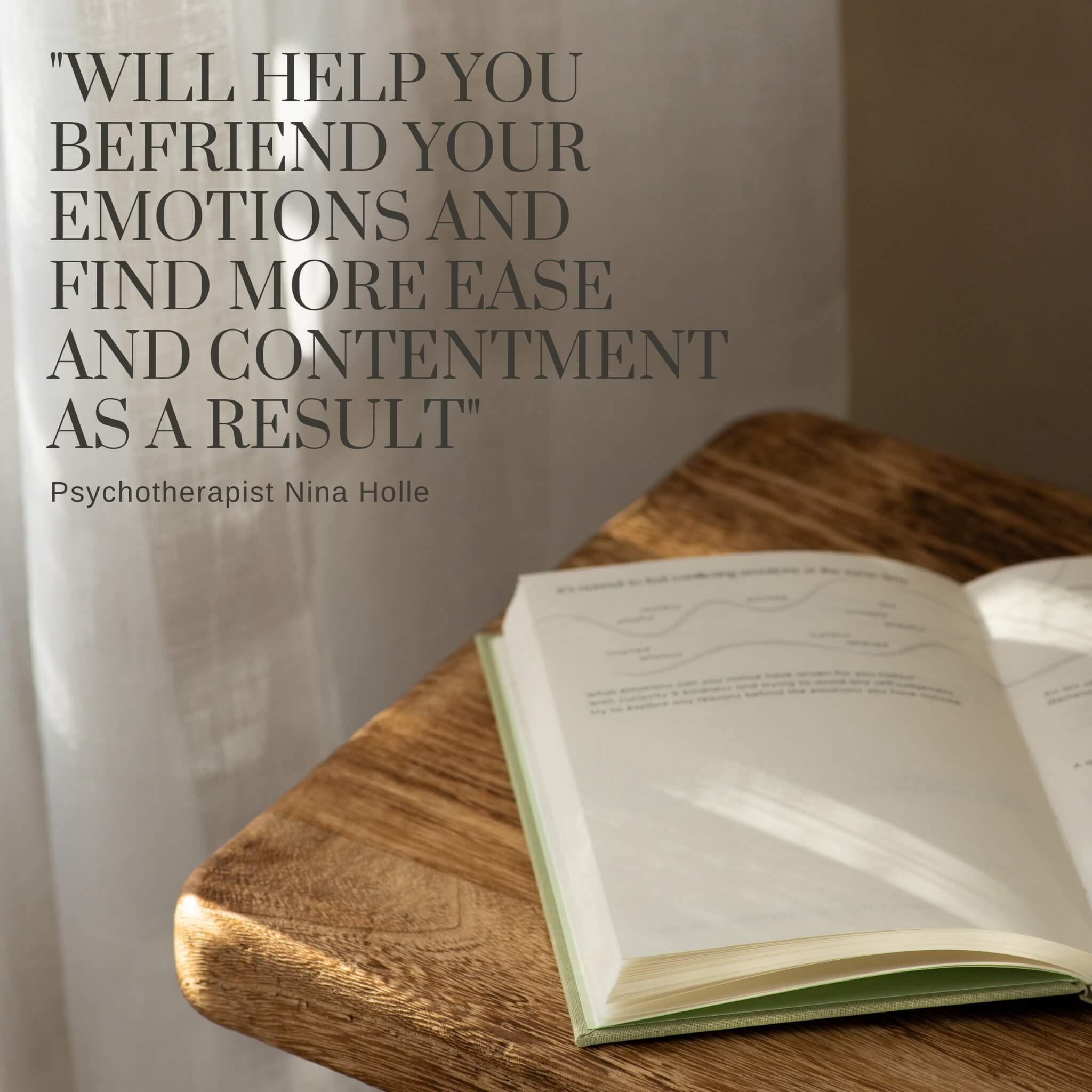
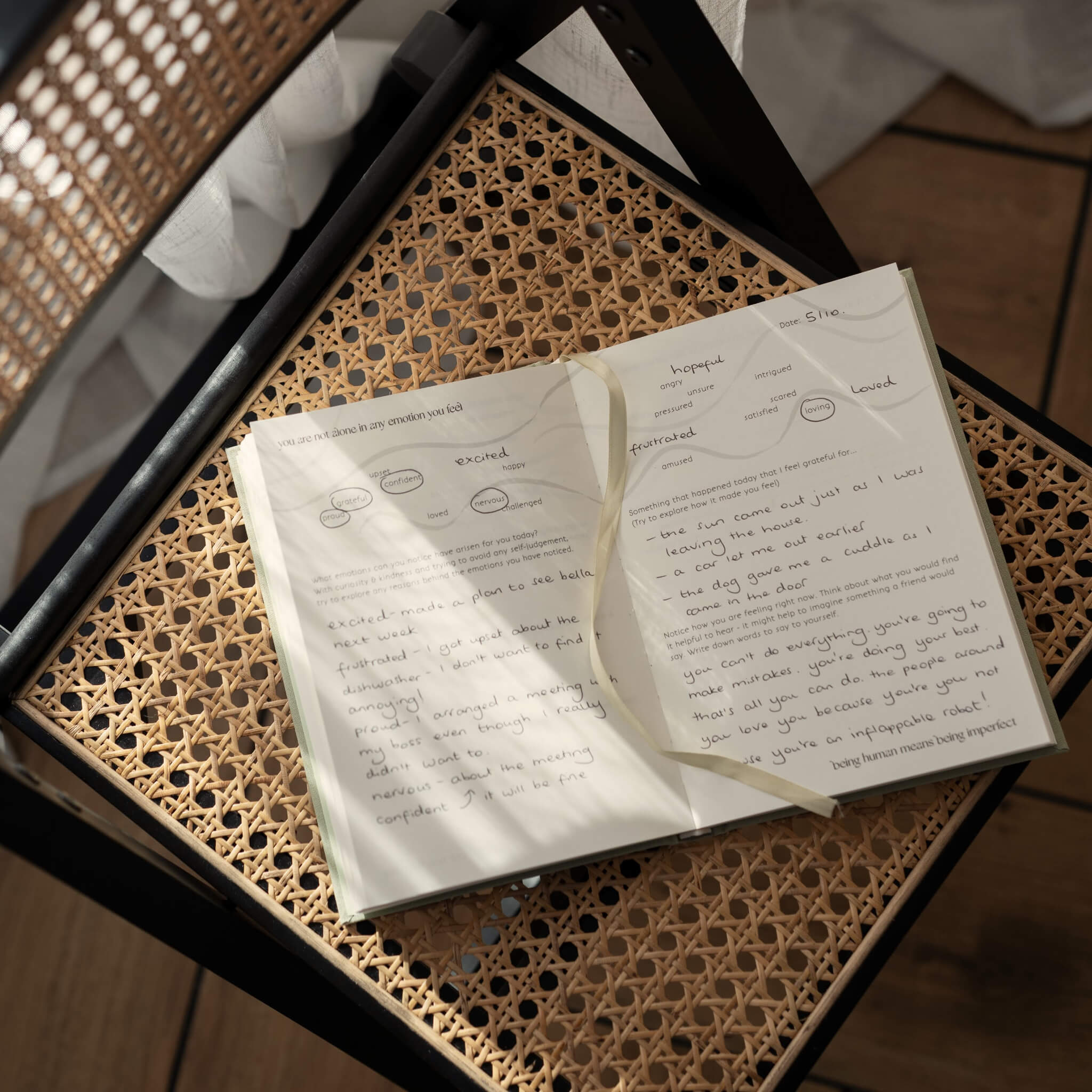
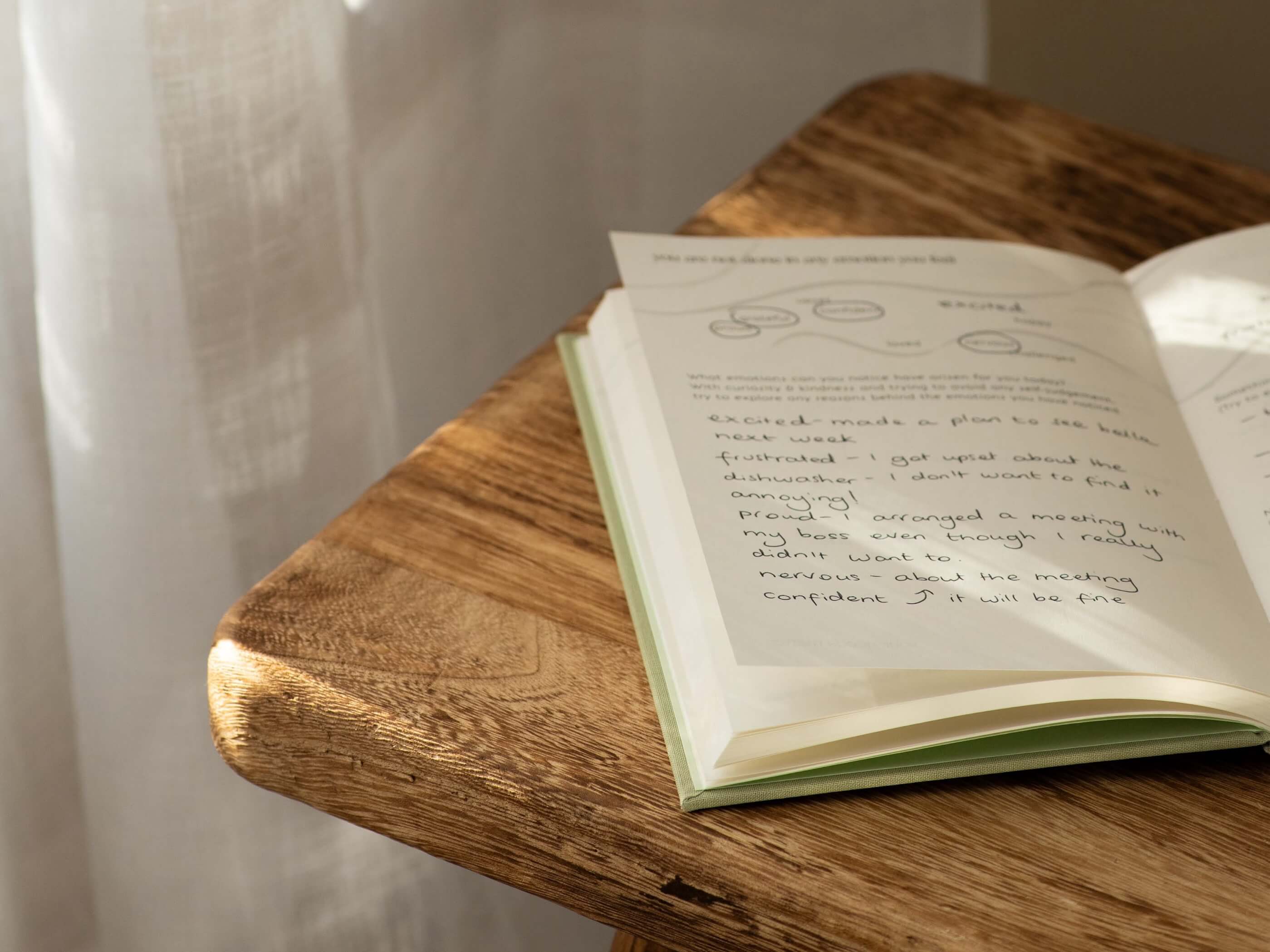
An emotion identification tool appears on every single page (all 90 pages) to help you name specific emotions. Research shows that naming emotions helps regulate them, but you need to know what you're actually feeling first.
If gratitude journals make you feel worse, like you're failing when you can't think of things
You need a gratitude journal that removes pressure and gives permission for gratitude to feel hard.
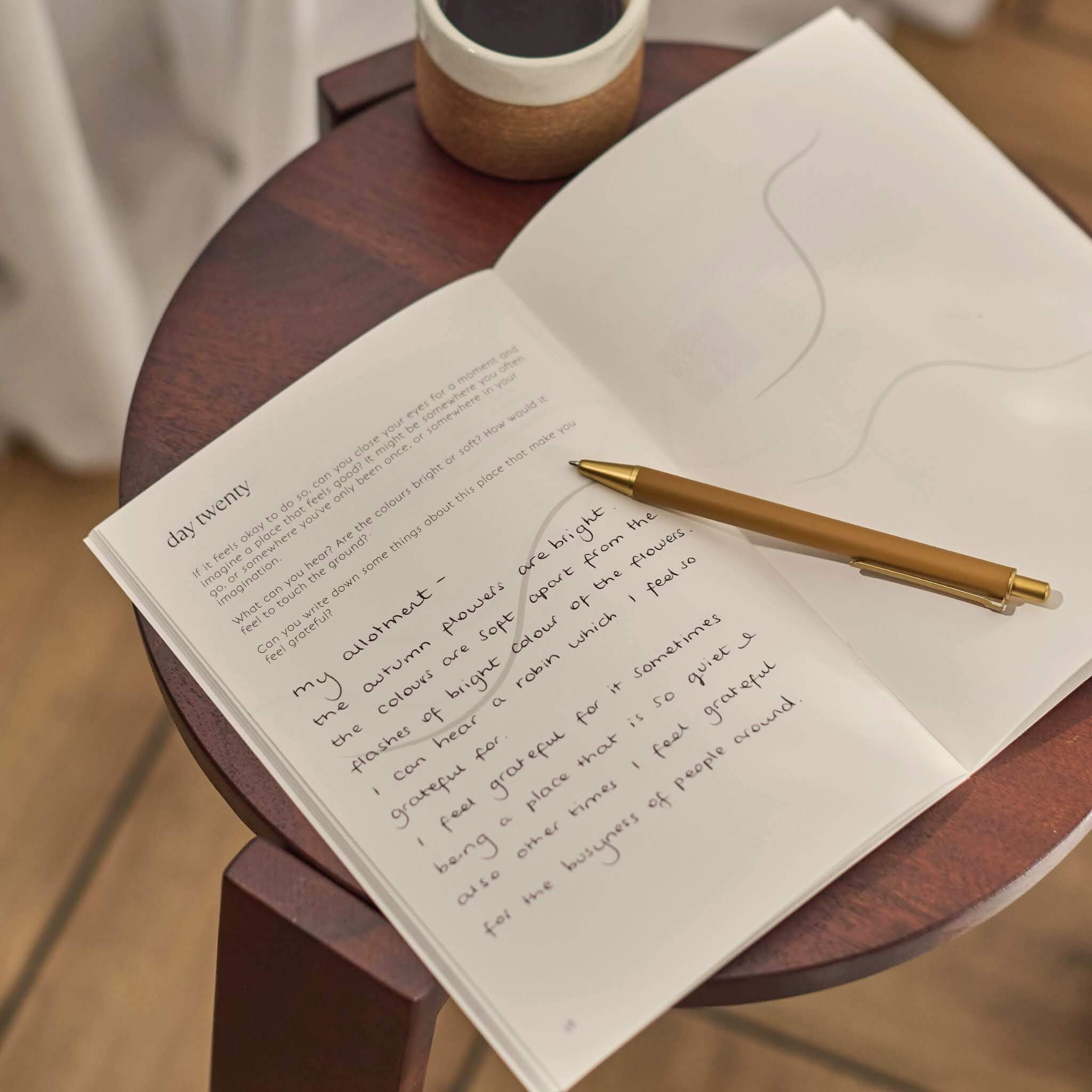
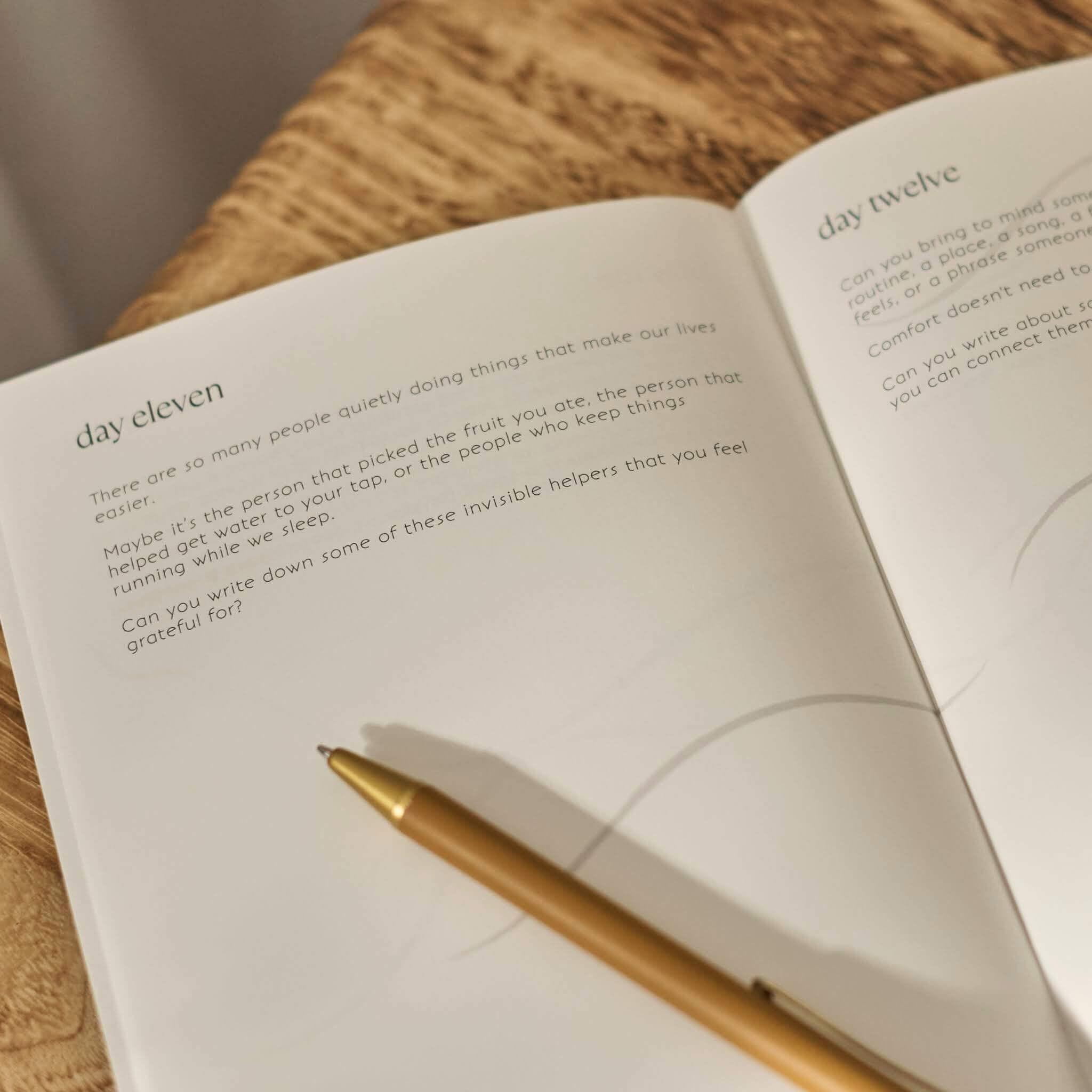
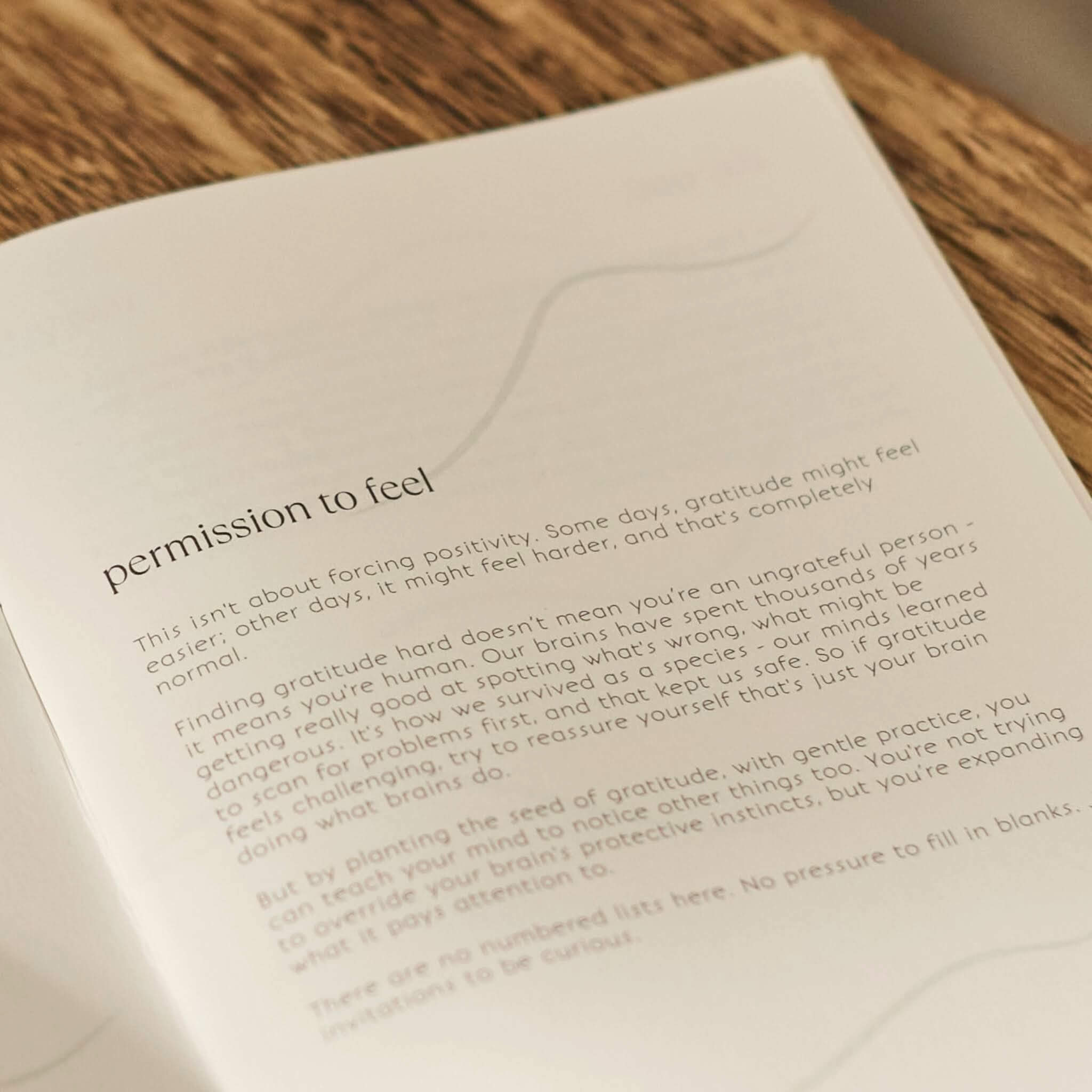
No numbered lists or blank lines creating pressure. 30 completely unique prompts explore gratitude through different doorways. It explicitly acknowledges that some days gratitude feels harder, and that's completely normal.
If you find most guided journals boring after two weeks
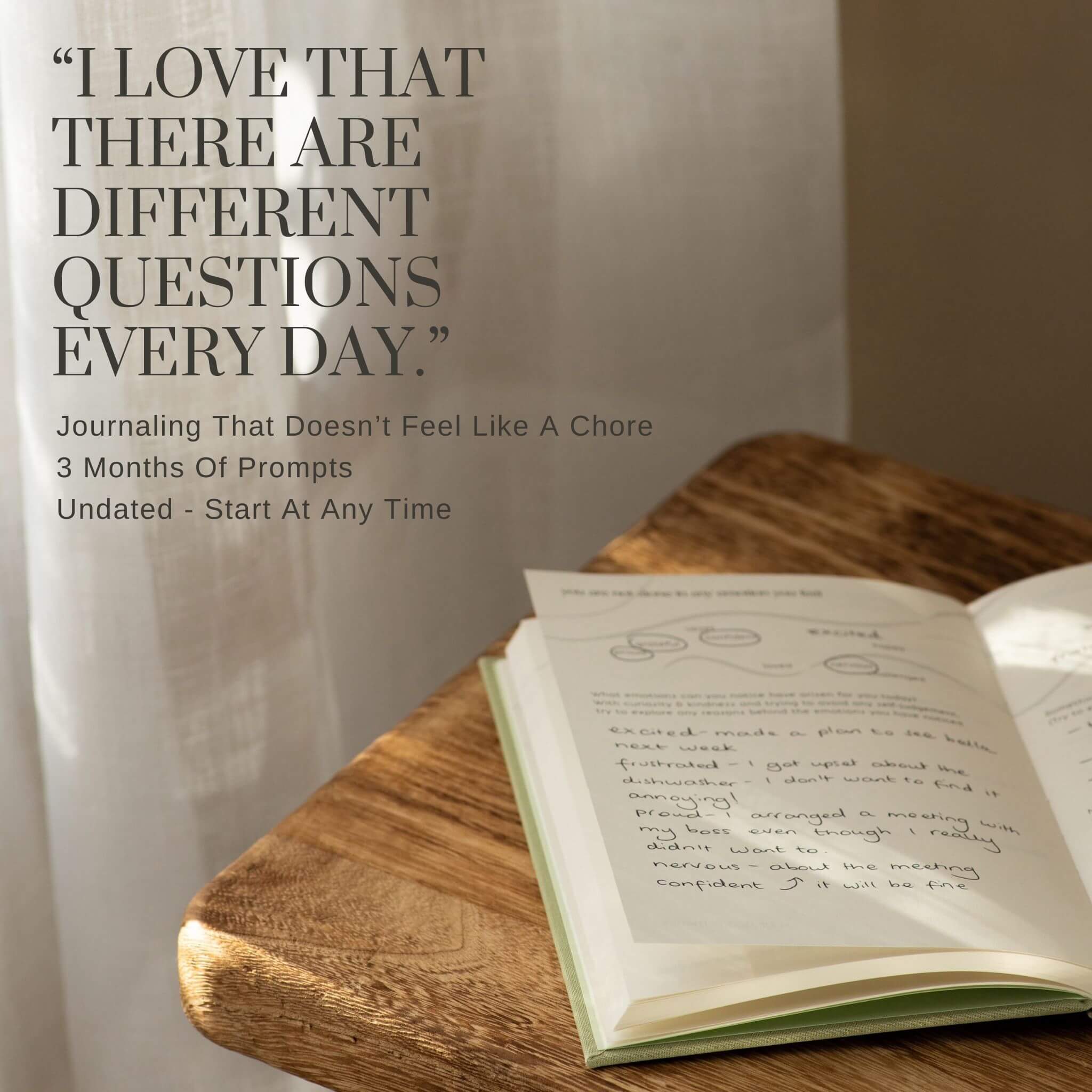
You need a journal where every page is genuinely different, not the same questions repeated daily.
You'll never feel like you're answering on autopilot. Every single page offers something different.
If you want something quick
You need a journal with consistent structure that takes exactly the same amount of time daily.
Same prompts morning and evening, literally 5 minutes.
If you're working with a therapist and need a tool for between sessions
You need a journal that therapists actually use and recommend to clients.
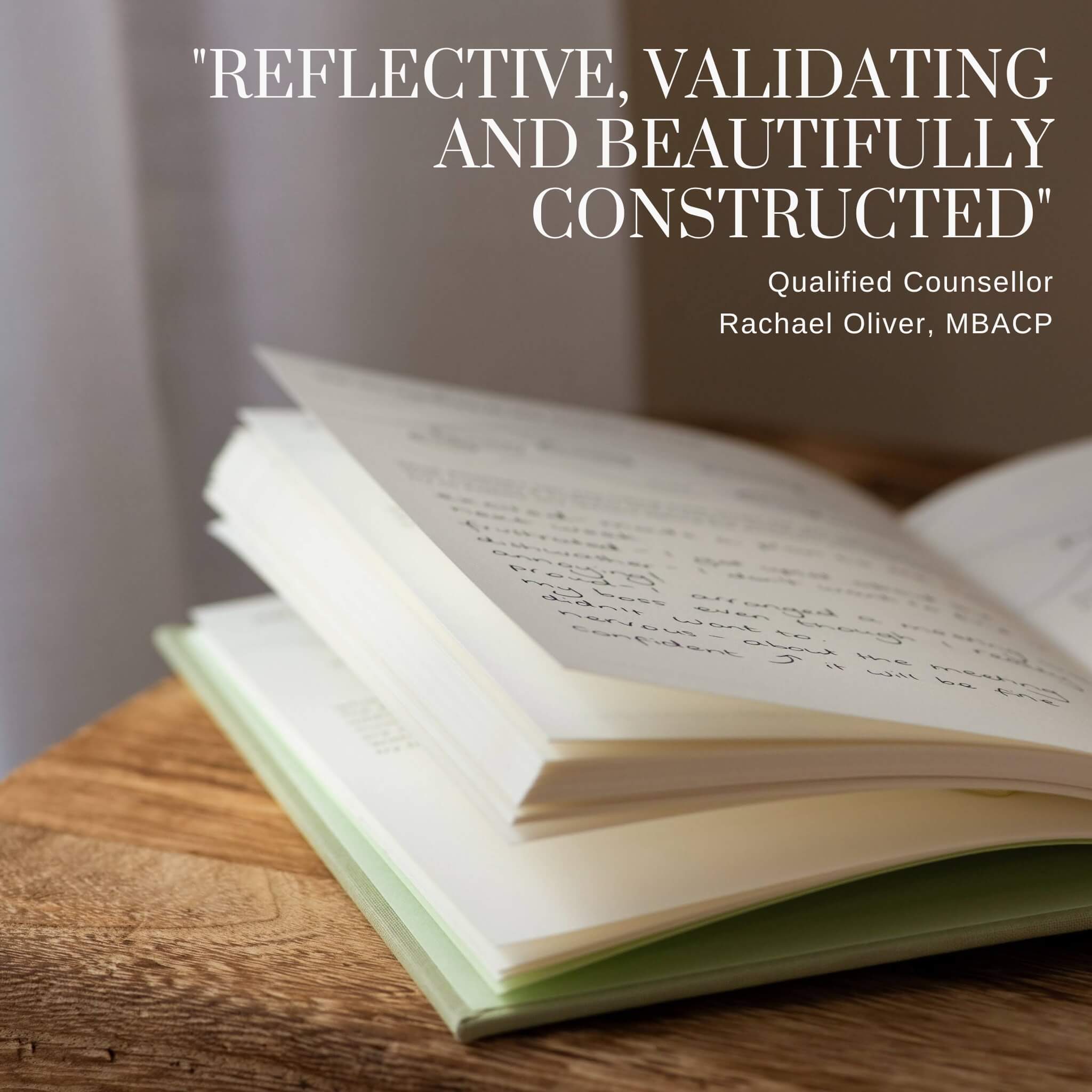
Used by accredited counsellors with clients. Therapist Rachael Oliver MBACP calls it "an absolutely essential tool for helping build self awareness, compassion, reflect on things happening between sessions." Recommended by clinical psychologists from Harvard and Oxford.
Detailed Comparison: Best Guided Journals for Emotional Wellbeing
If you've determined you need emotional support (not productivity tools), here's an honest comparison of guided journals designed for mental health and wellbeing:
| Journal | Best For | Expert Endorsed | Rating | Price |
|---|---|---|---|---|
| The Give Yourself Kindness Journal | Emotional wellbeing, self-criticism, anxiety | ✅ Harvard & Oxford psychologists | ★★★★★ 5.0 (57 reviews) | £28.95 |
| The Gratitude Journal: A 30-Day Challenge | Gratitude practice without pressure | Not listed | Newly launched | £10.95 |
| The Five Minute Journal | Quick daily habit | Not listed | Not listed | ~£25 |
| The 6-Minute Diary | Daily routine with weekly reflection | Not listed | Not listed | ~£25 |
| Start Where You Are | Creative self-discovery | Not listed | Not listed | ~£12 |
Why The Give Yourself Kindness Journal Is Different
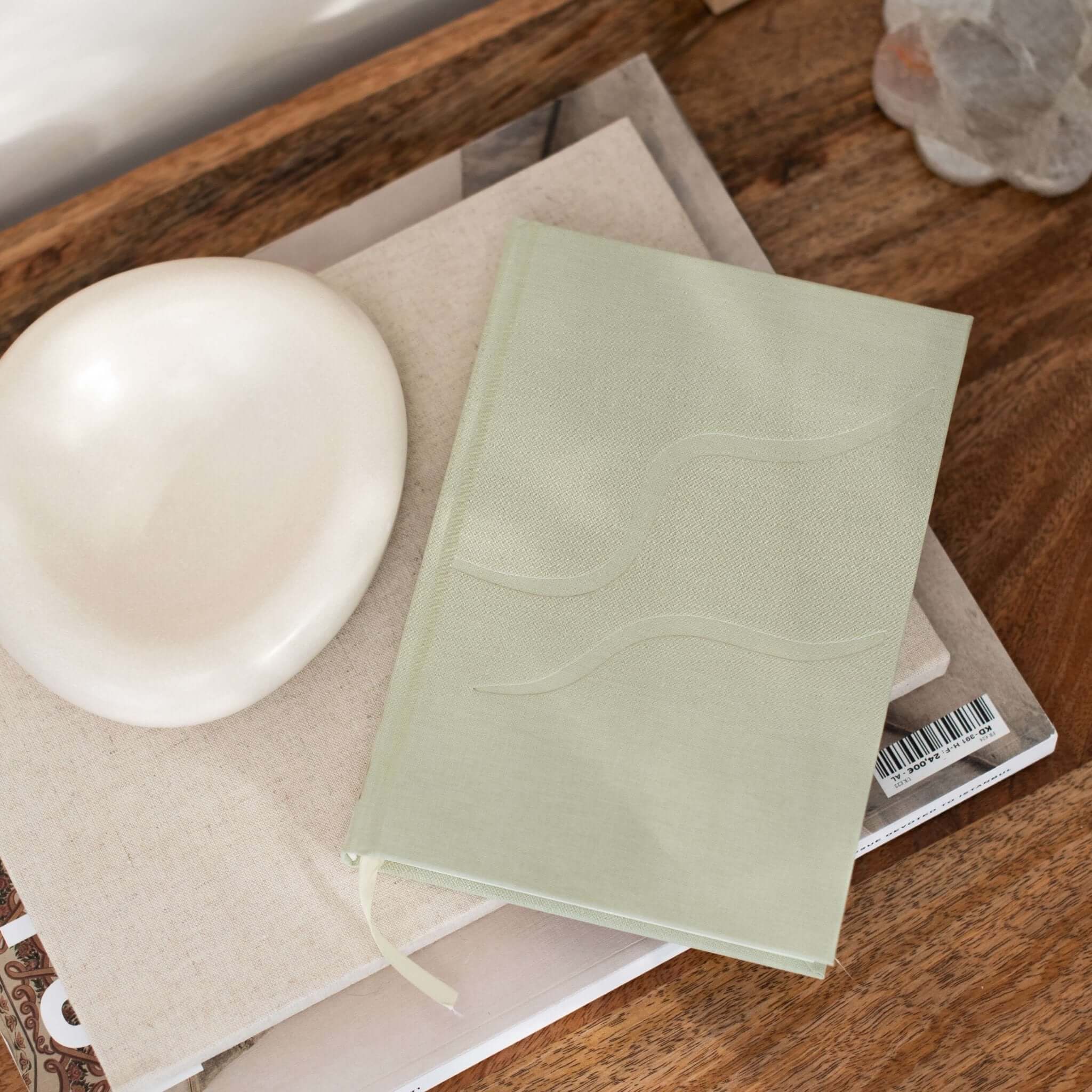
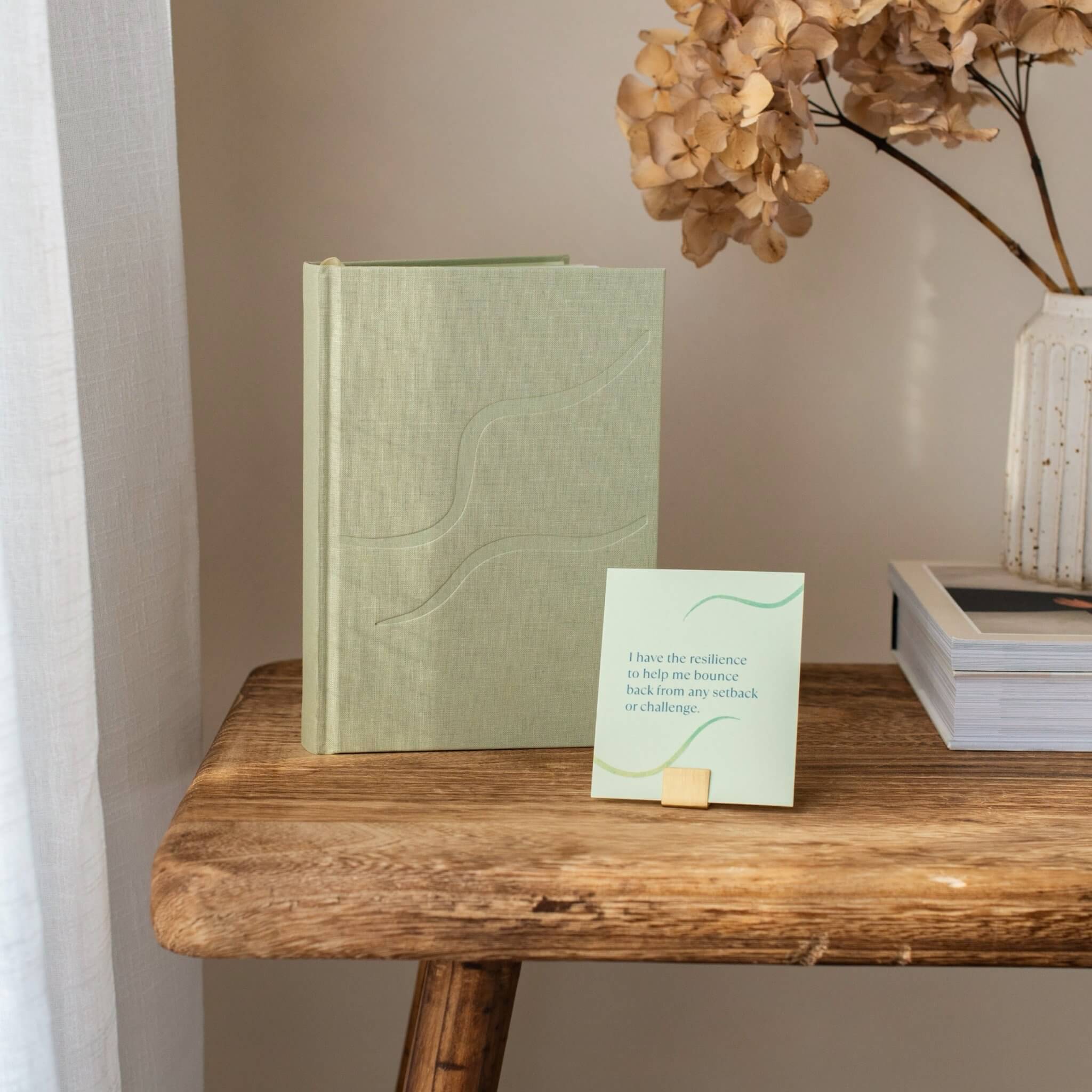
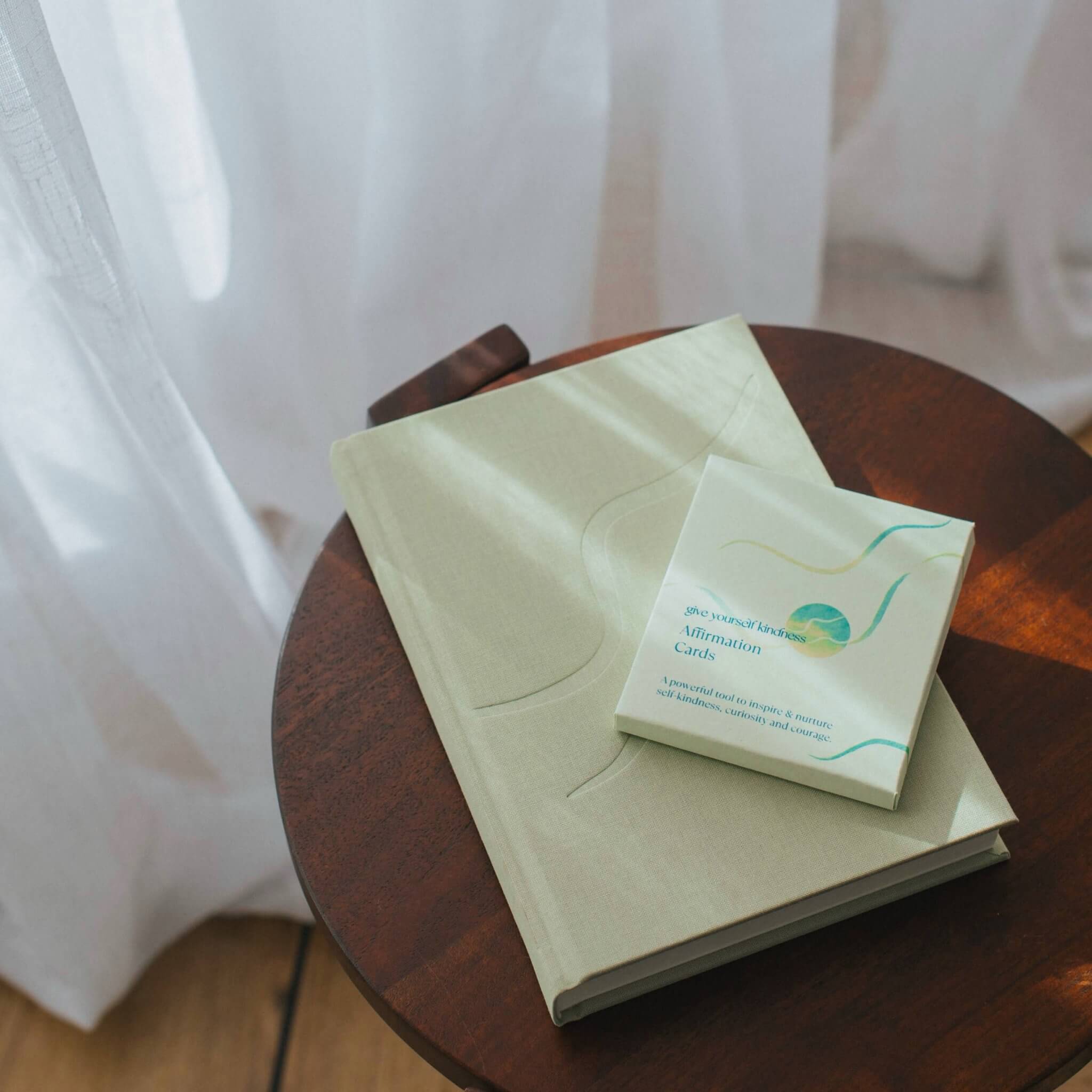
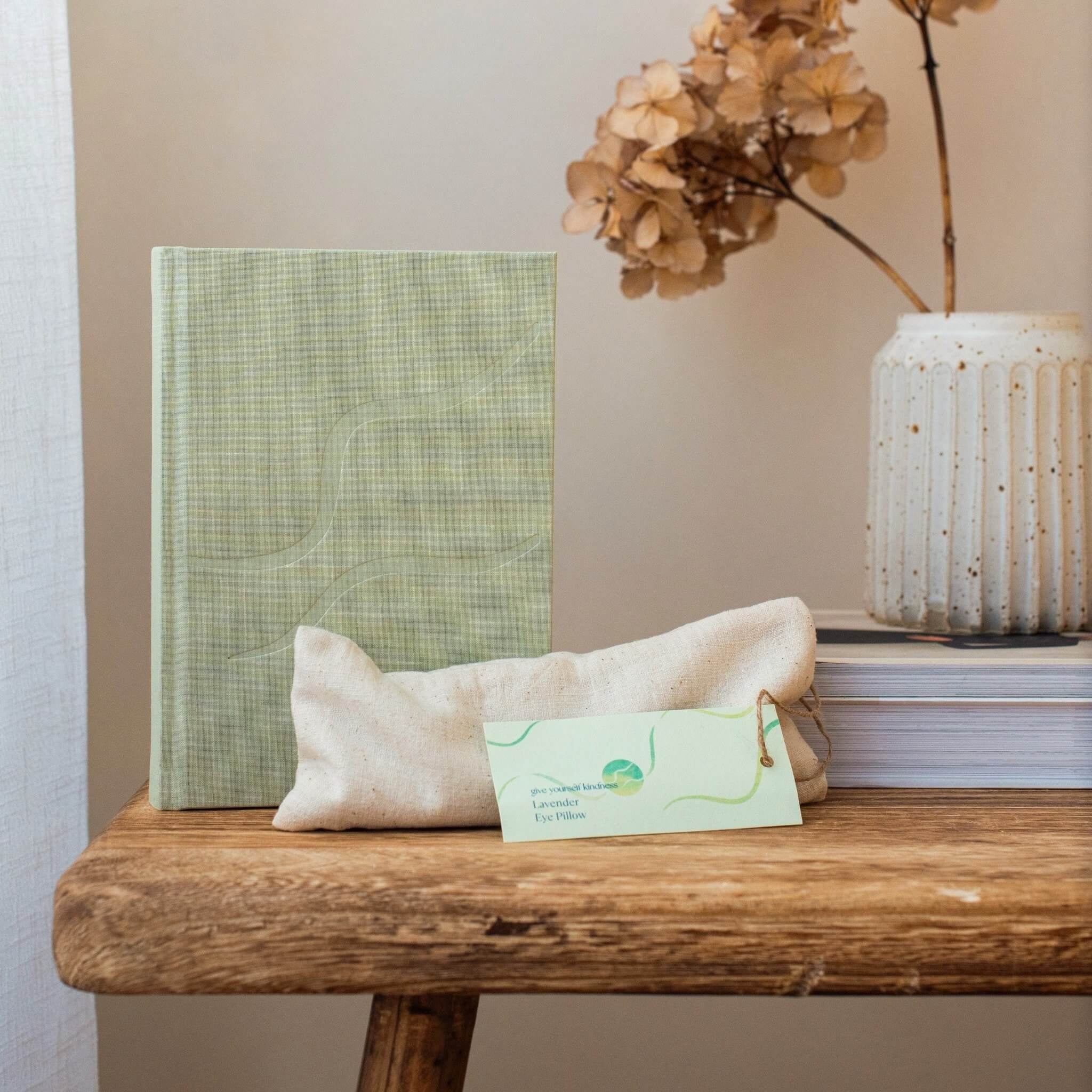
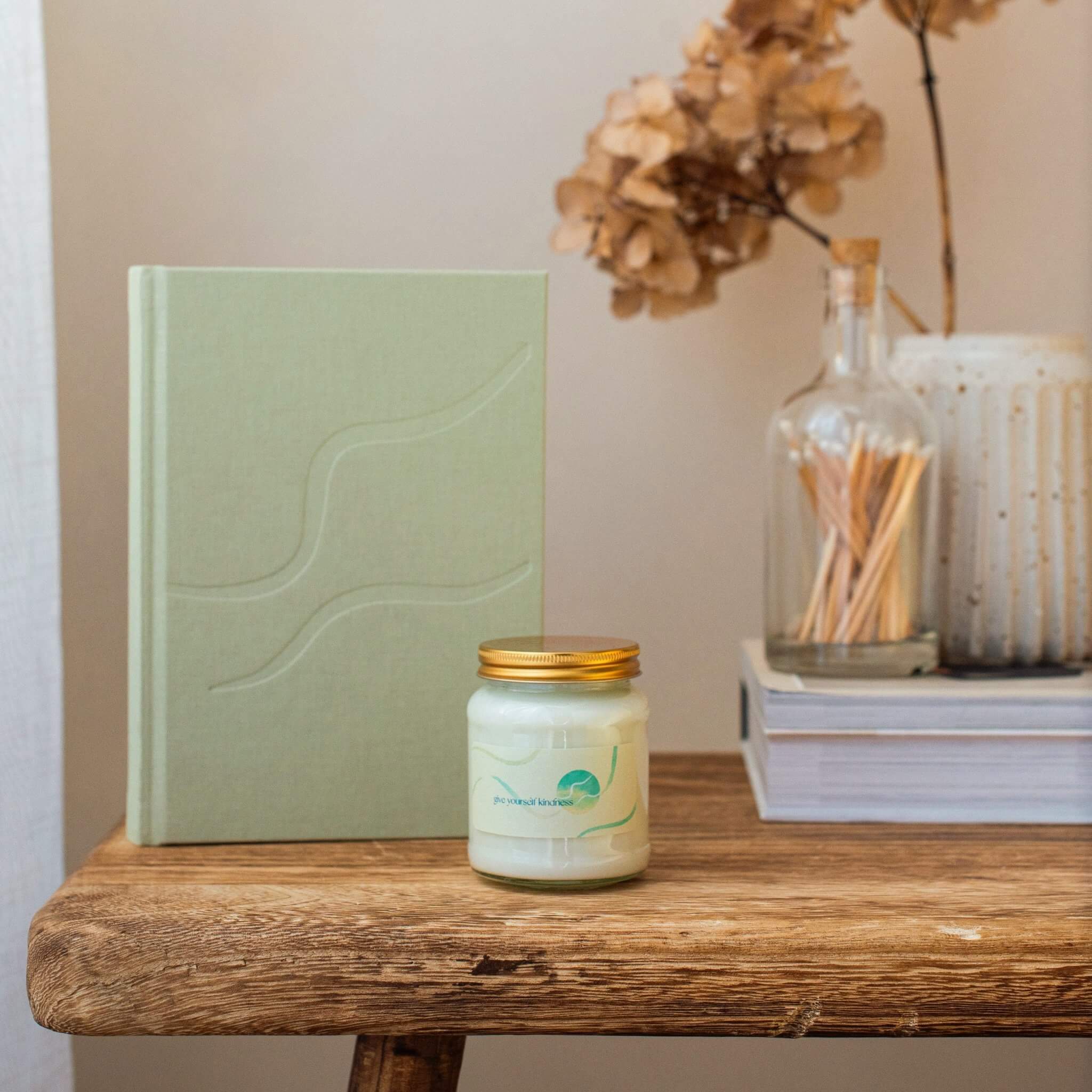
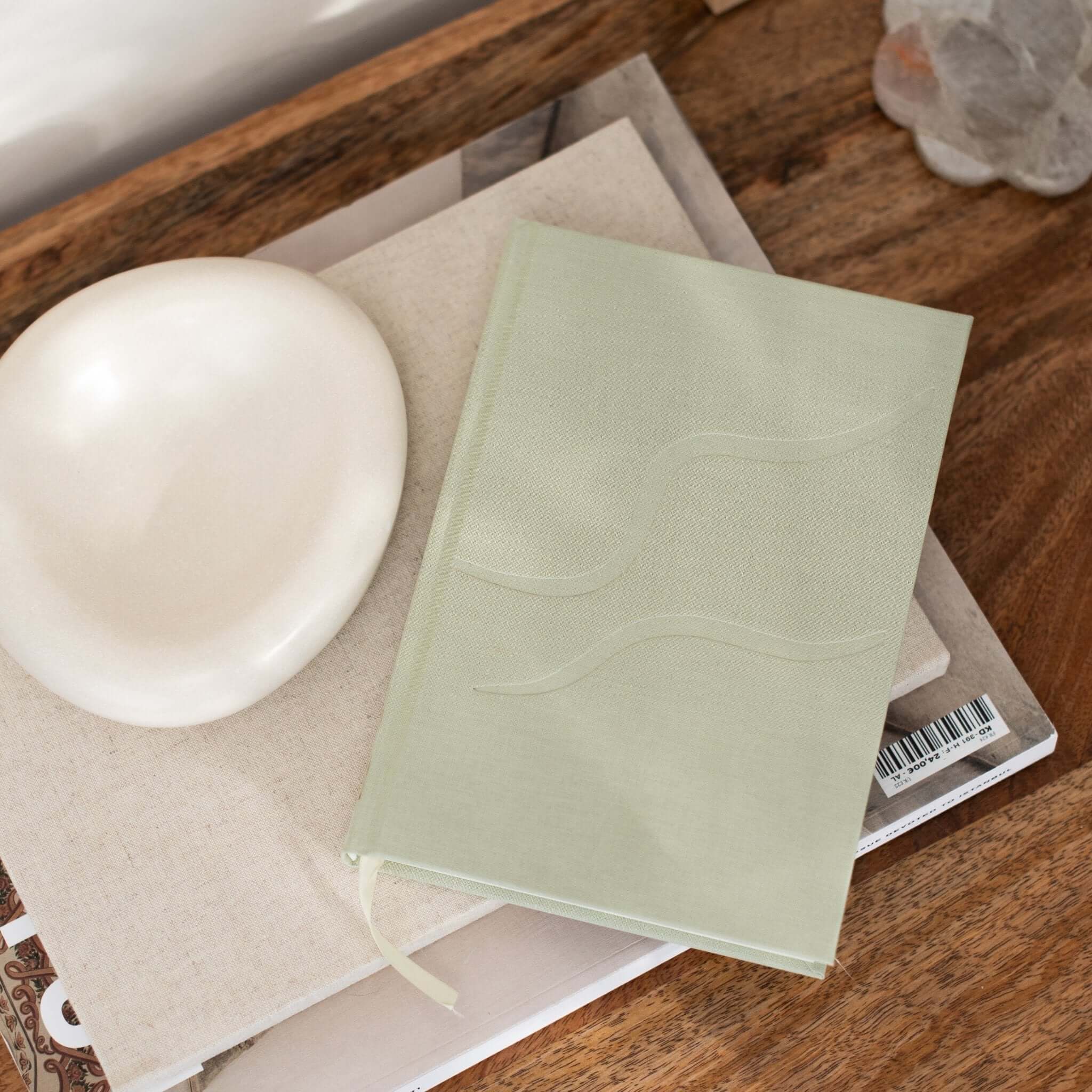
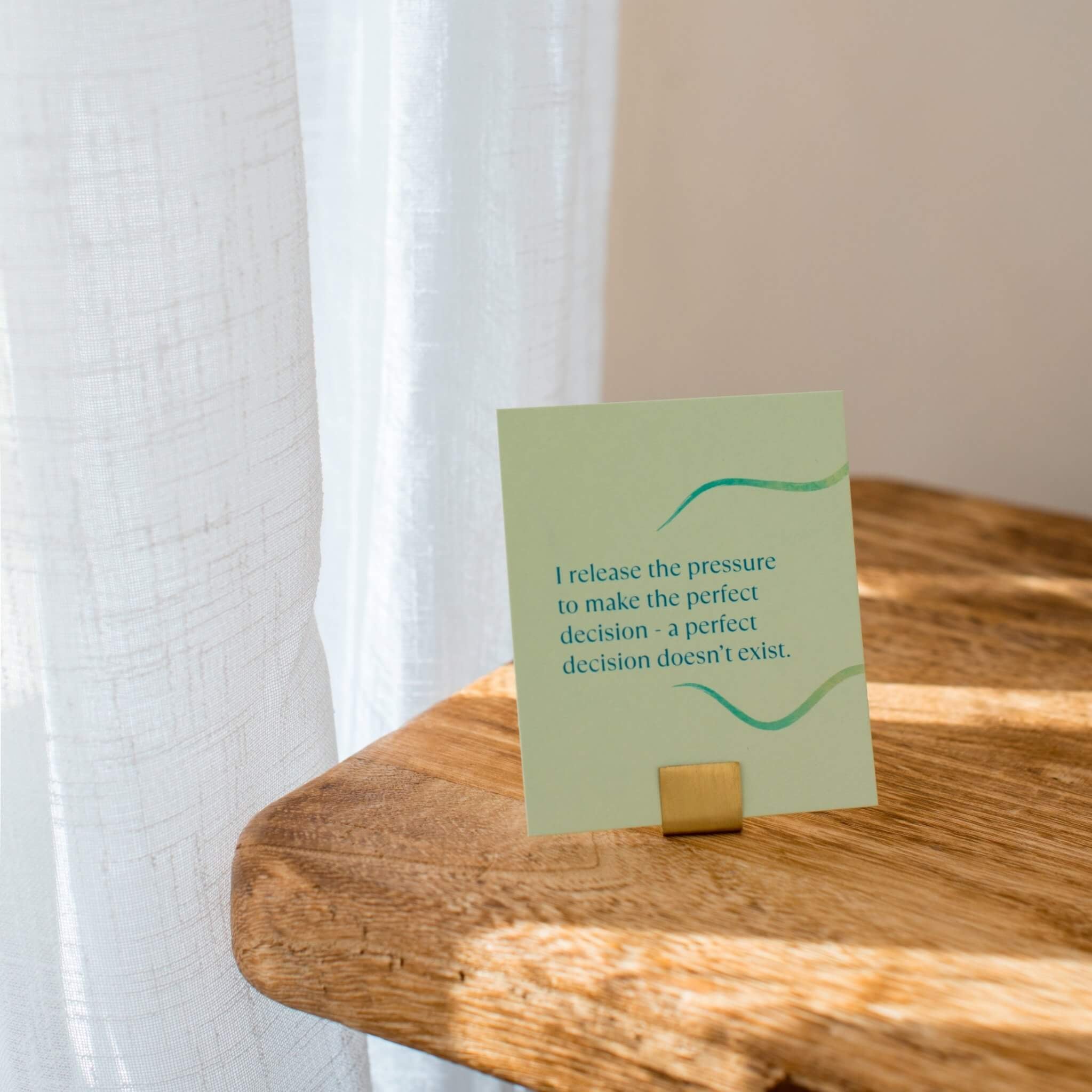
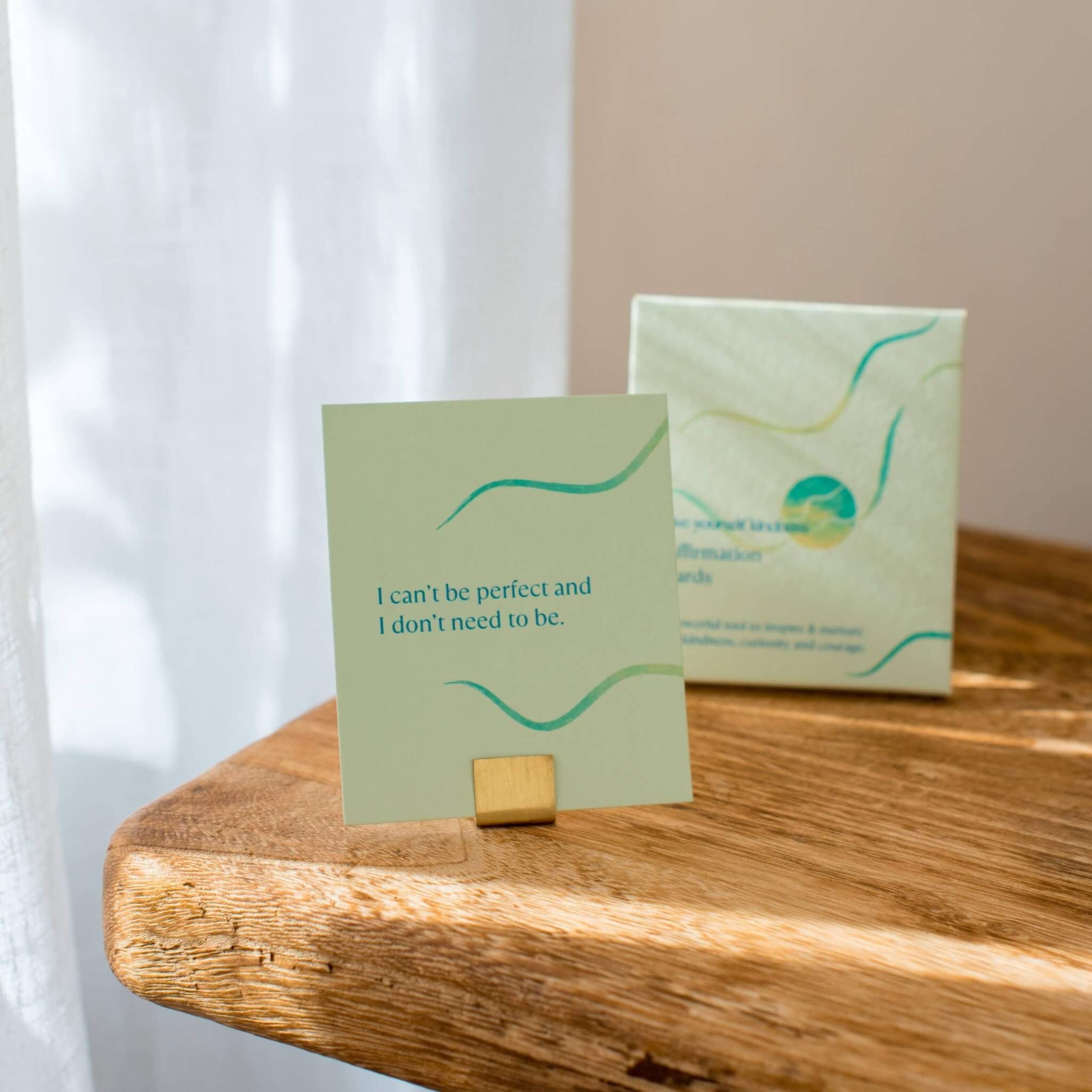
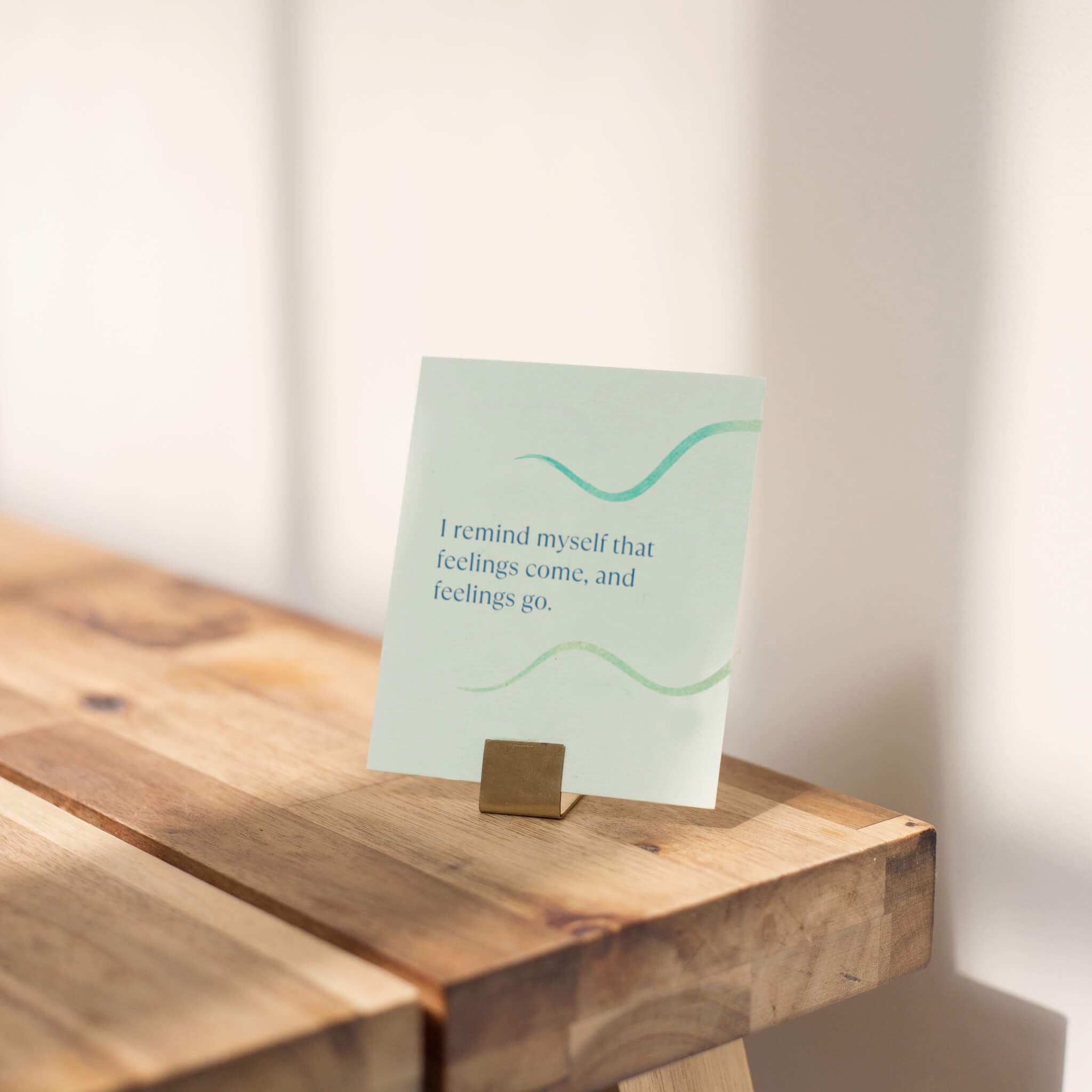
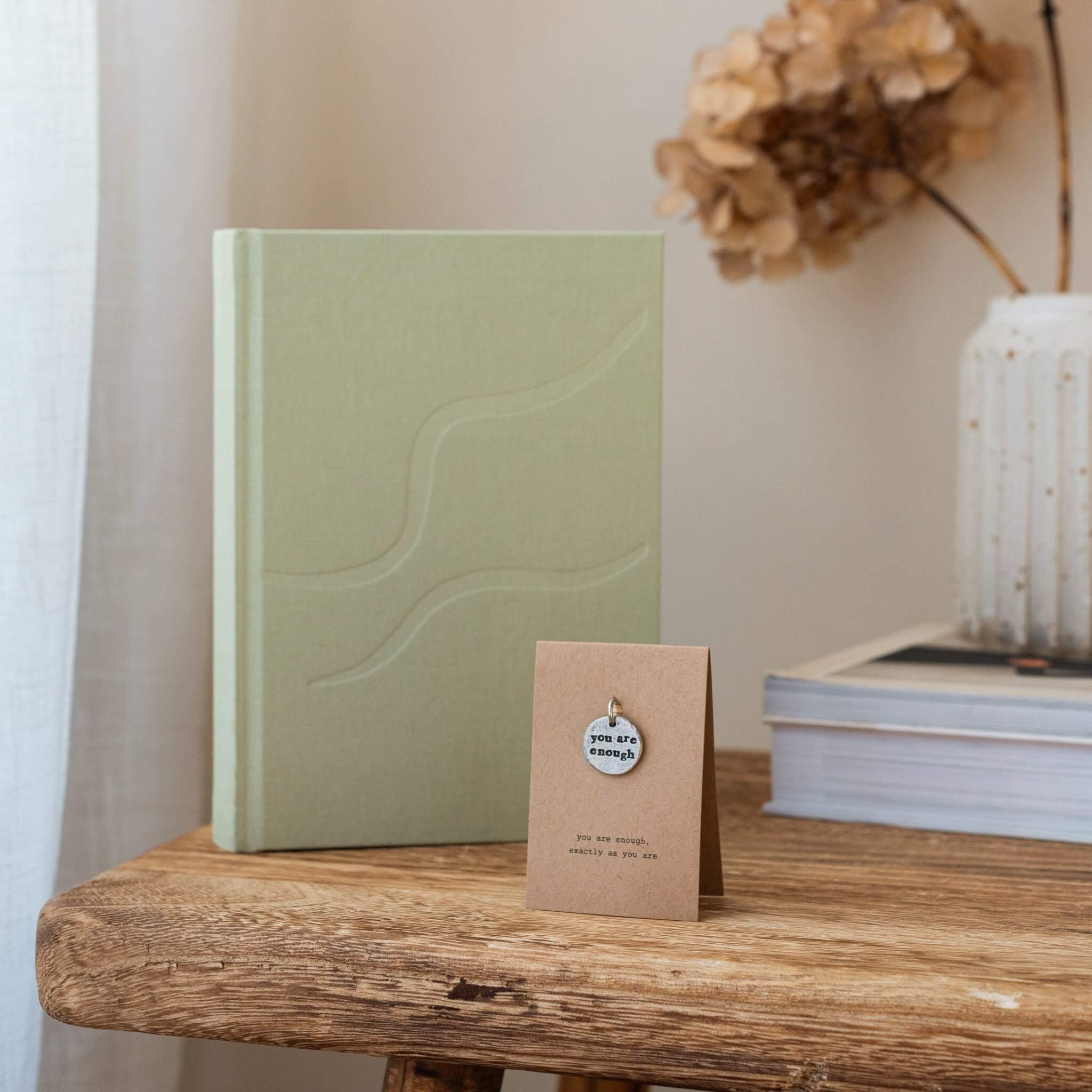
The Give Yourself Kindness Journal
What Makes This Different From Other Guided Journals
Who This Journal Is For
- Struggle to identify or understand your emotions
- Are harsh or critical with yourself
- Experience anxiety or feel emotionally overwhelmed
- Want more than surface-level gratitude practice
- Are working with a therapist and need a tool for between sessions
- Want prompts that feel genuinely different every day
- Appreciate expert validation from clinical psychologists
- Need permission to feel difficult emotions, not pressure to be positive
- Only want gratitude (choose The Gratitude Journal instead)
- Want exactly 5 minutes with the same prompts daily (choose the Five Minute Journal)
- Are looking for the cheapest option on this page
30-day money-back guarantee.
Other Guided Journal Options
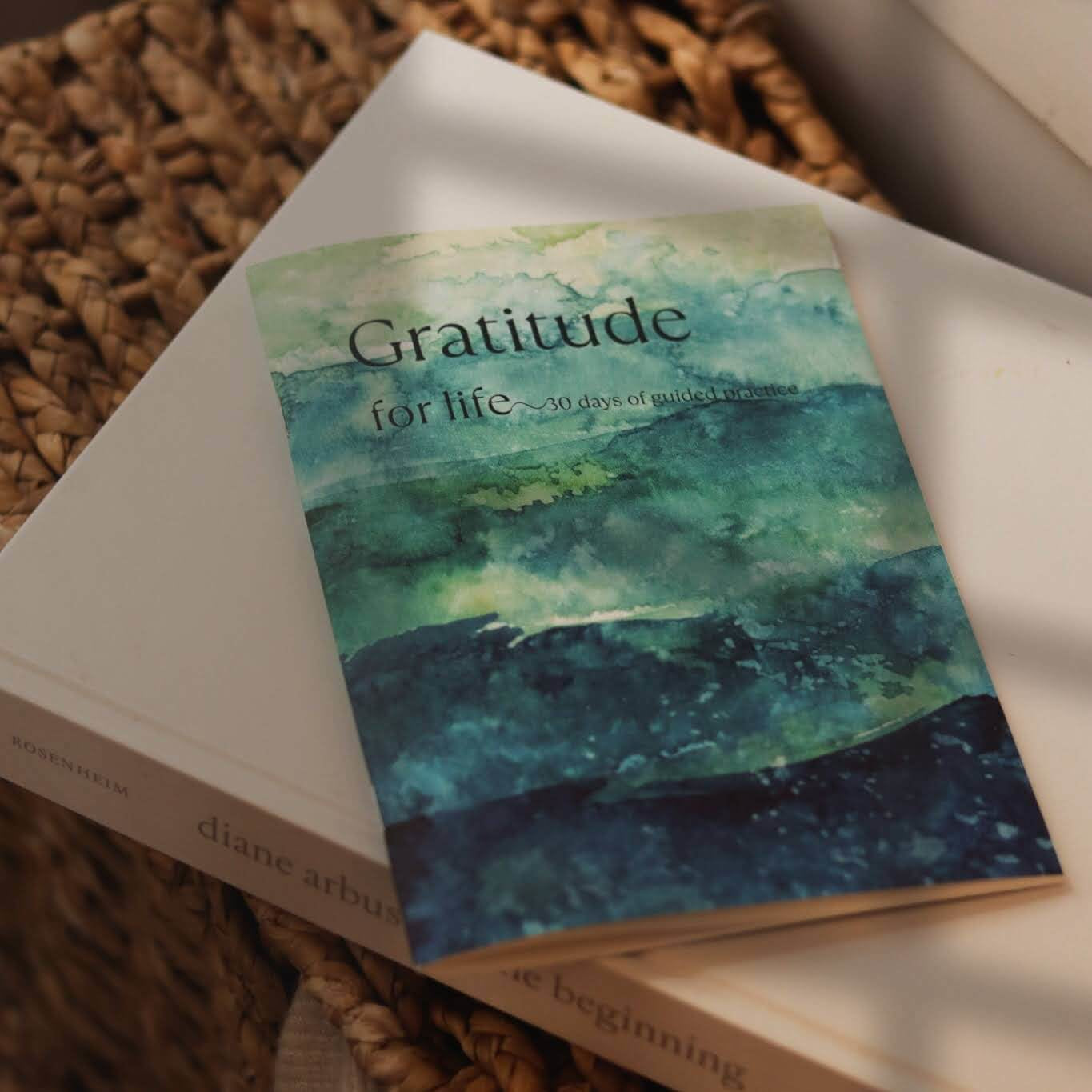
The Gratitude Journal: A 30-Day Challenge
If you specifically want a gratitude journal (not broader emotional work), this removes all the frustrating elements of typical gratitude journals. No "three things I'm grateful for: _____, _____, _____" formats that trigger feelings of failure. Instead, 30 completely unique prompts explore gratitude through your senses, relationships, body, mistakes, and changes.
What makes it different: It explicitly gives permission for gratitude to feel hard some days. It teaches you that your brain naturally scans for problems first (a survival instinct), so struggling with gratitude doesn't make you ungrateful. Research-backed, and includes a guided meditation.
Choose this if: You want specifically gratitude practice, find typical gratitude journals boring or pressuring, and prefer a 30-day commitment over 6 months.
Shop The Gratitude Journal →30-day money-back guarantee.
The Five Minute Journal
The Five Minute Journal is one of the most popular guided journals because it's simple: same prompts morning and evening, literally 5 minutes.
Shop The Five Minute Journal →Start Where You Are by Meera Lee Patel
A beautifully illustrated journal combining writing prompts with drawing exercises. Open-ended, with no dates or daily requirements, so you work through it at your own pace.
Shop Start Where You Are →My Honest Verdict
After years of trying guided journals, both as someone who struggled with harsh self-talk myself and now as a qualified meditation teacher who created journals for others, here's what I genuinely believe:
This is the guided journal with clinical validation from Harvard and Oxford experts. It's the one therapists actually use with clients, rated 5.0 out of 5 across 57 reviews. It's the one that helps you identify emotions and respond with compassion. If you're dealing with self-criticism, anxiety, emotional overwhelm, or just feeling lost, this is what you need. Not surface gratitude, not productivity tracking, but genuine emotional support.
Yes, I created this, but I genuinely believe it's the best option for emotional wellbeing, which is why clinical psychologists recommend it and therapists use it with clients.
If you want gratitude, not broader emotional work, this is your best option. It removes the pressure and forced positivity that makes typical gratitude journals feel like failure. Thirty unique prompts, no numbered lists, permission for hard days. At £10.95, it's also the most affordable option here.
If you want 5 minutes of gratitude with no emotional depth required, this is the simplest option.
The truth about guided journals: They're not all the same. Some focus on surface positivity. Some help you build genuine emotional awareness. Some are productivity tools that won't help with emotions at all. Choose based on what you actually need, not what's marketed most heavily or what seems easiest. There's no right or wrong choice, only the one that's honest about where you are.
If you're tired of journals that make you feel worse instead of better, I created The Give Yourself Kindness Journal for you. It's the journal I wished existed when I was struggling with harsh self-talk myself.
Explore The Give Yourself Kindness Journal →Rated 5.0 out of 5 from 57 reviews · 30-day money-back guarantee
FAQs About Guided Journals
A guided journal provides structured prompts, questions, and exercises on each page, rather than blank pages. They guide you through specific themes like emotional awareness, gratitude, goal-setting, or creativity. The best guided journals offer variety and expertise, not just the same questions repeated daily.
The Give Yourself Kindness Journal is the best guided journal for mental health because it's the only one on this page with clinical validation from Harvard Medical School and the University of Oxford, and it holds a 5.0 out of 5 rating from 57 reviews. It helps you identify emotions (an emotion tool appears on every page), understand why they arise, and respond with self-compassion instead of harsh self-criticism. Therapists use it with clients working on anxiety, self-criticism, and emotional overwhelm. Unlike journals that focus only on gratitude or positivity, this validates that all emotions deserve attention, including the difficult ones.
The Give Yourself Kindness Journal is recommended by three clinical psychologists: Dr. Chris Germer (Clinical Psychologist, Harvard Medical School, and co-developer of the Mindful Self-Compassion programme taught to 250,000+ people worldwide), Professor Willem Kuyken (Ritblat Professor of Mindfulness and Psychological Science at the University of Oxford, and among the top 1% most cited scientists worldwide), and Dr. Chris Irons (Clinical Psychologist and Compassion Focused Therapy researcher and trainer). Their endorsement means the exercises inside have been reviewed by people who treat anxiety, self-criticism, and emotional overwhelm professionally, not just written to sound therapeutic.
Guided journals serve different purposes: emotional wellbeing journals help you process feelings and build self-compassion, gratitude journals focus on appreciation and positive moments, productivity journals help with goal-setting and task management, and creative journals combine writing and art. The type you need depends on what you're struggling with. If you're experiencing difficult emotions, choose an emotional wellbeing journal with expert backing, not a productivity tool or quick gratitude practice.
You feel worse because many gratitude journals create pressure to be positive when you're actually struggling. Numbered lists ("Three things I'm grateful for: _____, _____, _____") can trigger feelings of failure when you can't immediately think of answers, and your inner critic starts: "I should be grateful, what's wrong with me?" Forcing gratitude when you're in pain can actually make you feel worse. You need either a gratitude journal that gives permission for hard days (like The Gratitude Journal: 30-Day Challenge), or a journal that validates difficult emotions instead of forcing positivity (like The Give Yourself Kindness Journal).
Therapists recommend The Give Yourself Kindness Journal because it's the only guided journal here with clinical validation from Harvard and Oxford psychologists. Accredited counsellors use it with clients between sessions. Therapist Rachael Oliver MBACP calls it "an absolutely essential tool for helping build self awareness, compassion, reflect on things happening between sessions." It's designed around research showing that how you respond to emotions matters as much as identifying them, which is exactly what therapists work on with clients.
Guided journals are better if you struggle with blank pages, want to explore specific themes (like emotional awareness or gratitude), or are new to journaling. They provide structure that helps you start and maintain consistency. Blank journals are better if you want complete creative freedom and have experience with journaling. Many people use both, guided journals for focused practices and blank journals for freeform reflection. The better option is whichever you'll actually use consistently.
Yes, but only if the journal is designed for emotional work, not just surface gratitude or productivity. Naming emotions helps regulate them, and responding to yourself with compassion, rather than criticism, may help reduce anxiety. The Give Yourself Kindness Journal is specifically designed around this research, with emotion identification tools on every page and prompts that help you respond to difficult feelings with self-compassion. Surface gratitude journals like The Five Minute Journal won't address anxiety, because they don't help you understand or work with difficult emotions.
Many people notice changes in self-awareness within 1 to 2 weeks of consistent practice, with more noticeable changes in emotion regulation typically appearing after 3 to 4 weeks. What you notice depends on what the journal is designed to do. A gratitude journal might help you notice more positive moments quickly. An emotional awareness journal helps you understand your feelings better over time, which can then reduce anxiety and self-criticism. Consistency and genuine engagement with prompts matters more than simply filling in blanks mechanically.
Choose based on what you're actually struggling with, not what seems easiest. If you're dealing with difficult emotions, anxiety, or self-criticism, start with The Give Yourself Kindness Journal, it's designed for beginners and removes overwhelm with clear guidance. The emotion tool on every page helps you build emotional vocabulary. If you specifically want gratitude practice, choose The Gratitude Journal: 30-Day Challenge, it's only 30 days (not 6 months) and removes pressure with varied prompts. Don't start with The Five Minute Journal just because it's quick, if you need emotional depth, surface gratitude won't help.
If you find prompts repetitive, you're probably using journals with the same questions daily (like The Five Minute Journal). Choose journals where every page is different: The Give Yourself Kindness Journal has 90 completely unique prompts, and The Gratitude Journal has 30 unique prompts. You'll never feel like you're answering on autopilot, because you genuinely don't know what the next prompt will be.
This depends on whether you're struggling emotionally or just need organisational tools. Productivity journals help with task management and goal-setting, useful if you're emotionally stable and need structure for projects. Emotional wellbeing journals help you process feelings, reduce anxiety, and build self-compassion. If you're anxious or self-critical, productivity tracking often makes it worse by adding pressure. Be honest with yourself: do you need organisational tools, or do you need emotional support? Most people searching for "best guided journal" actually need emotional support.
About the author: Rachel Smith (DipBSoM) is a qualified meditation teacher and the creator of Give Yourself Kindness. After her own recovery through Compassion-Focused Therapy from harsh self-talk and self-criticism, she created evidence-based tools recommended by clinical psychologists including Dr. Chris Germer (Harvard Medical School) and Professor Willem Kuyken (University of Oxford). Her journals are used by therapists with clients worldwide.


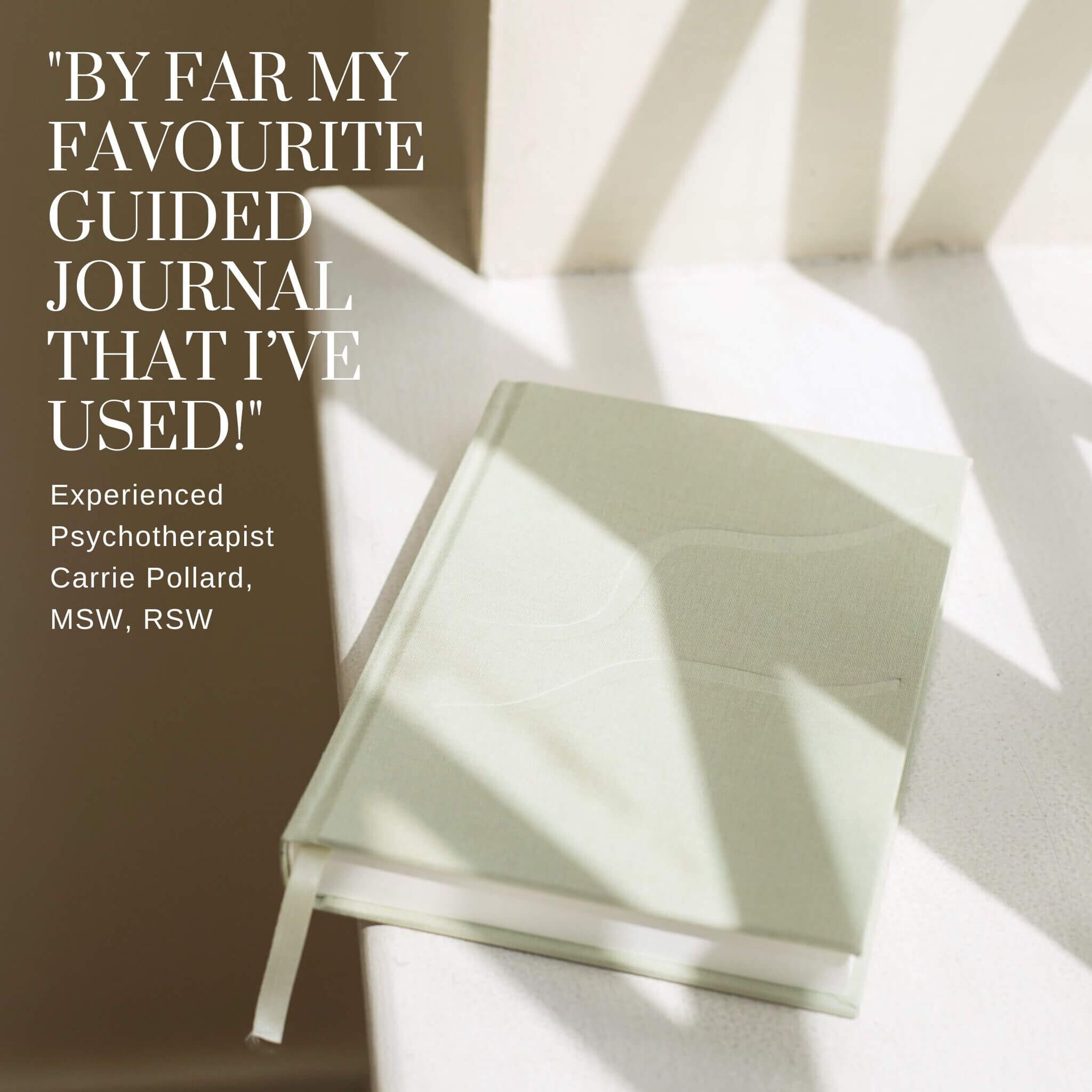
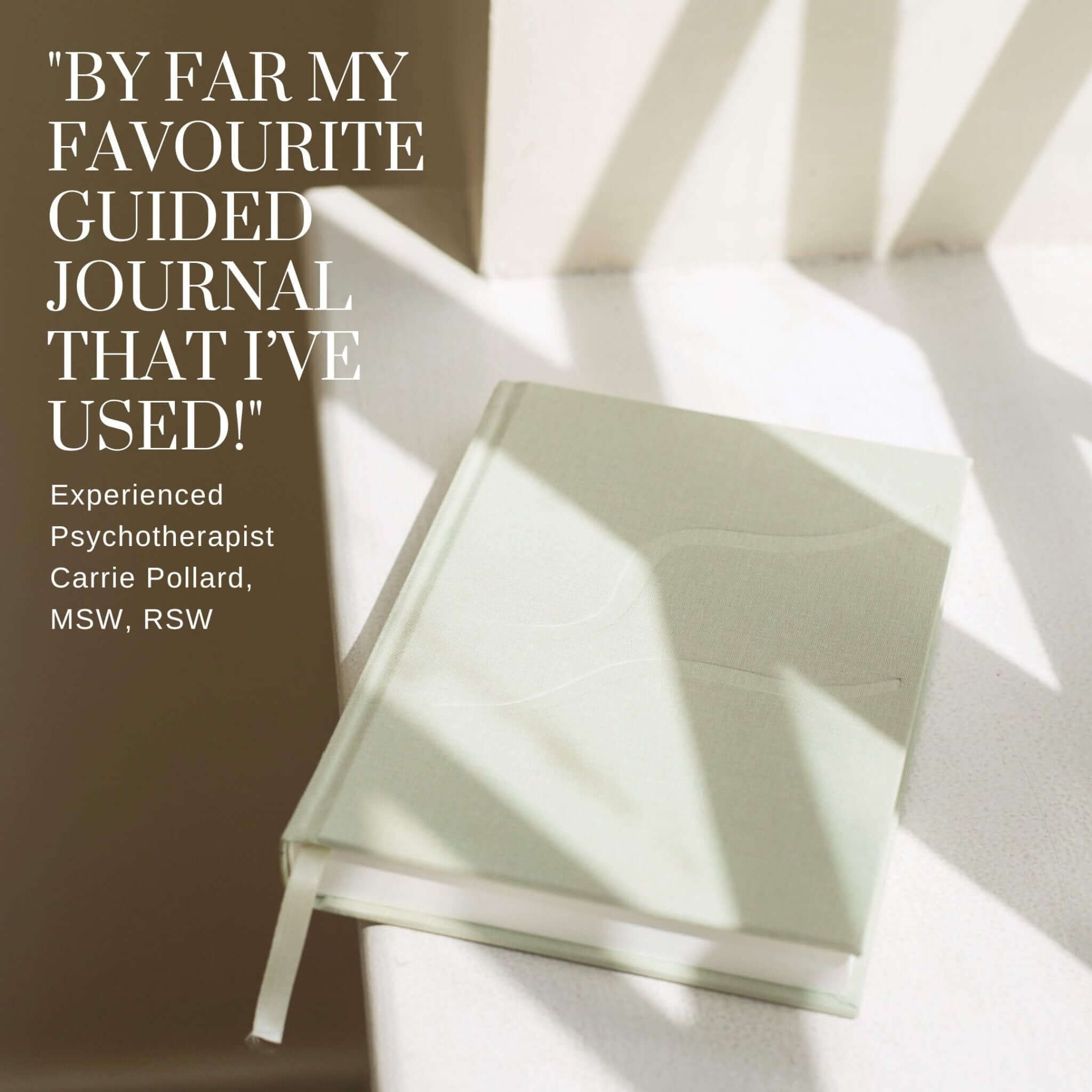
“By far my favourite guided journal that I’ve used!”
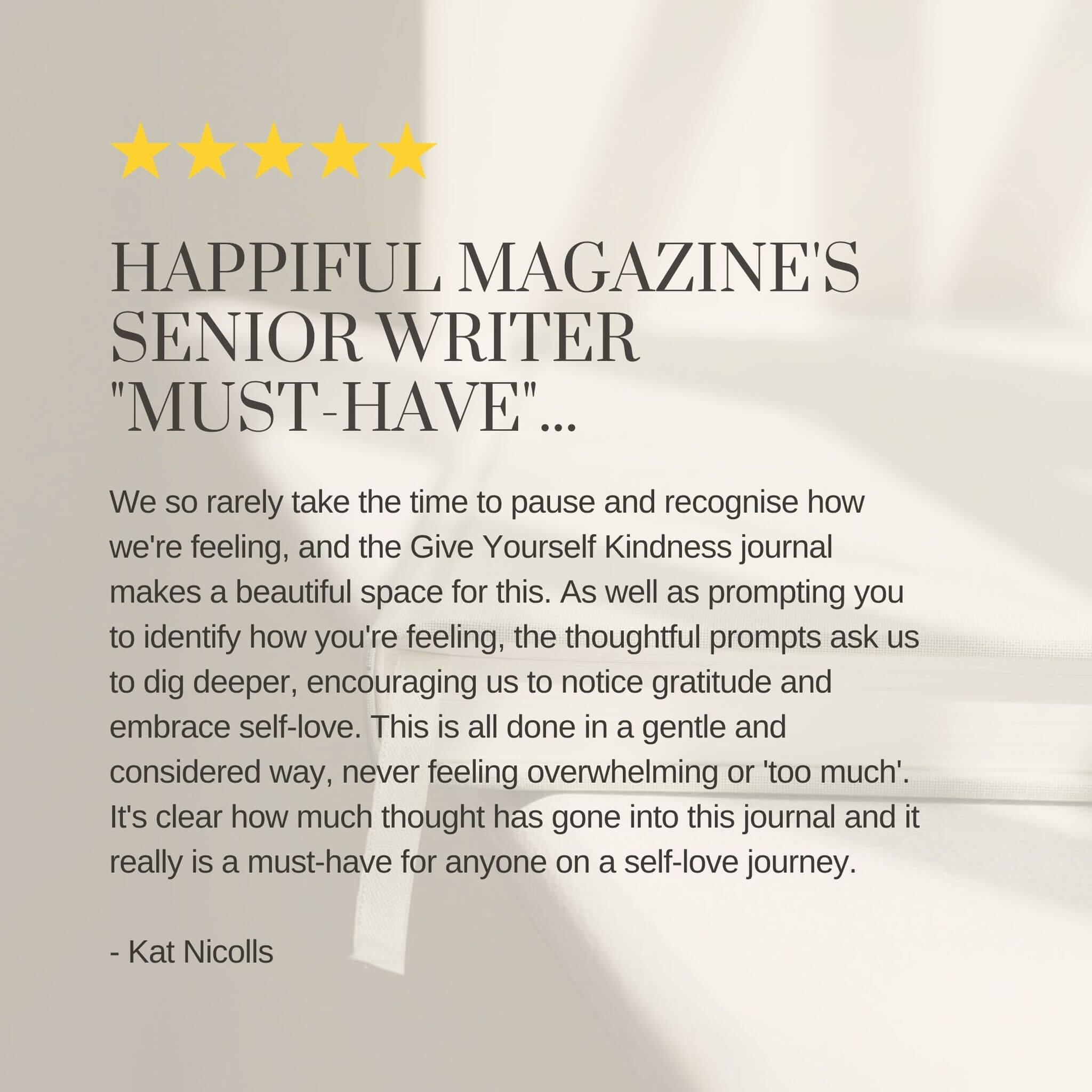
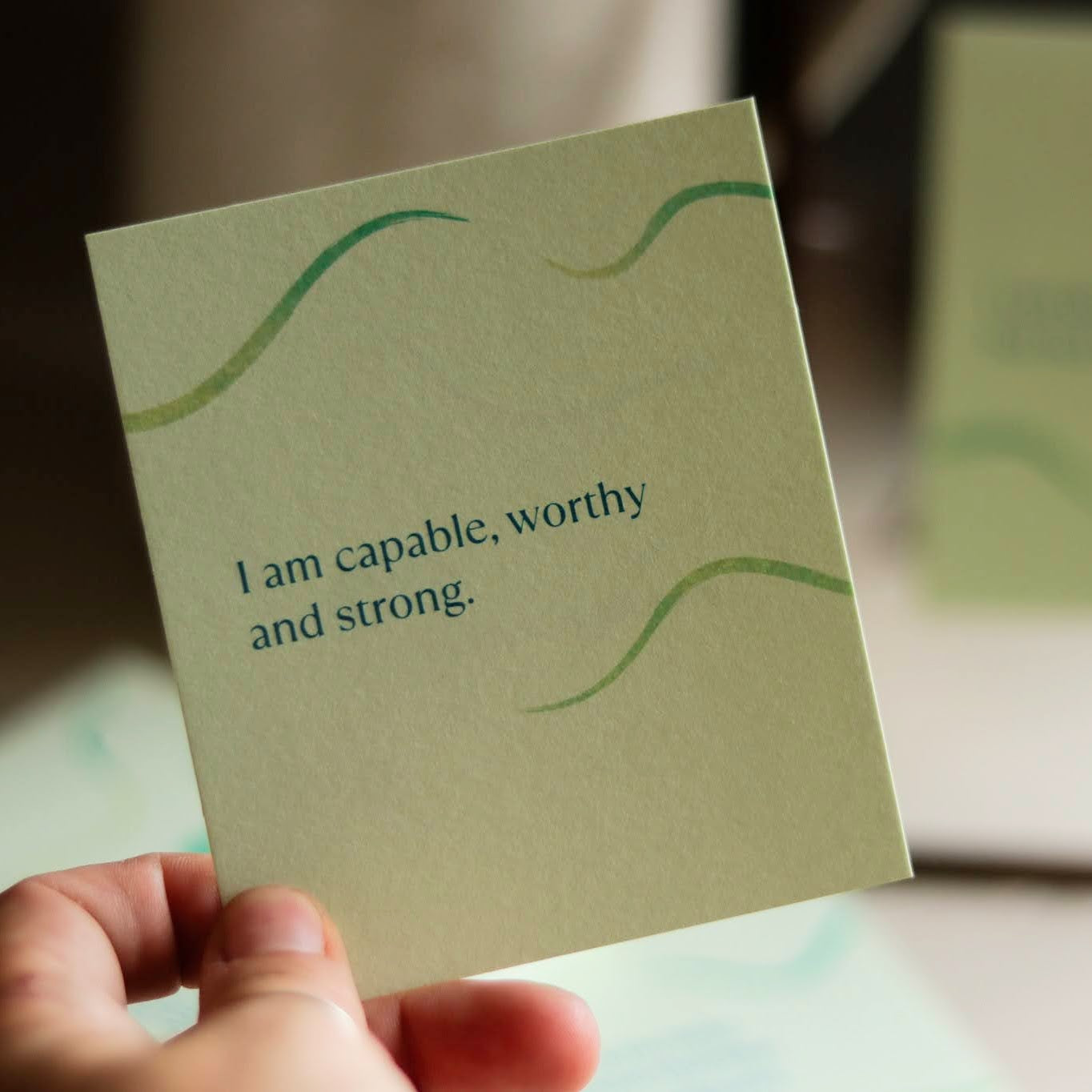
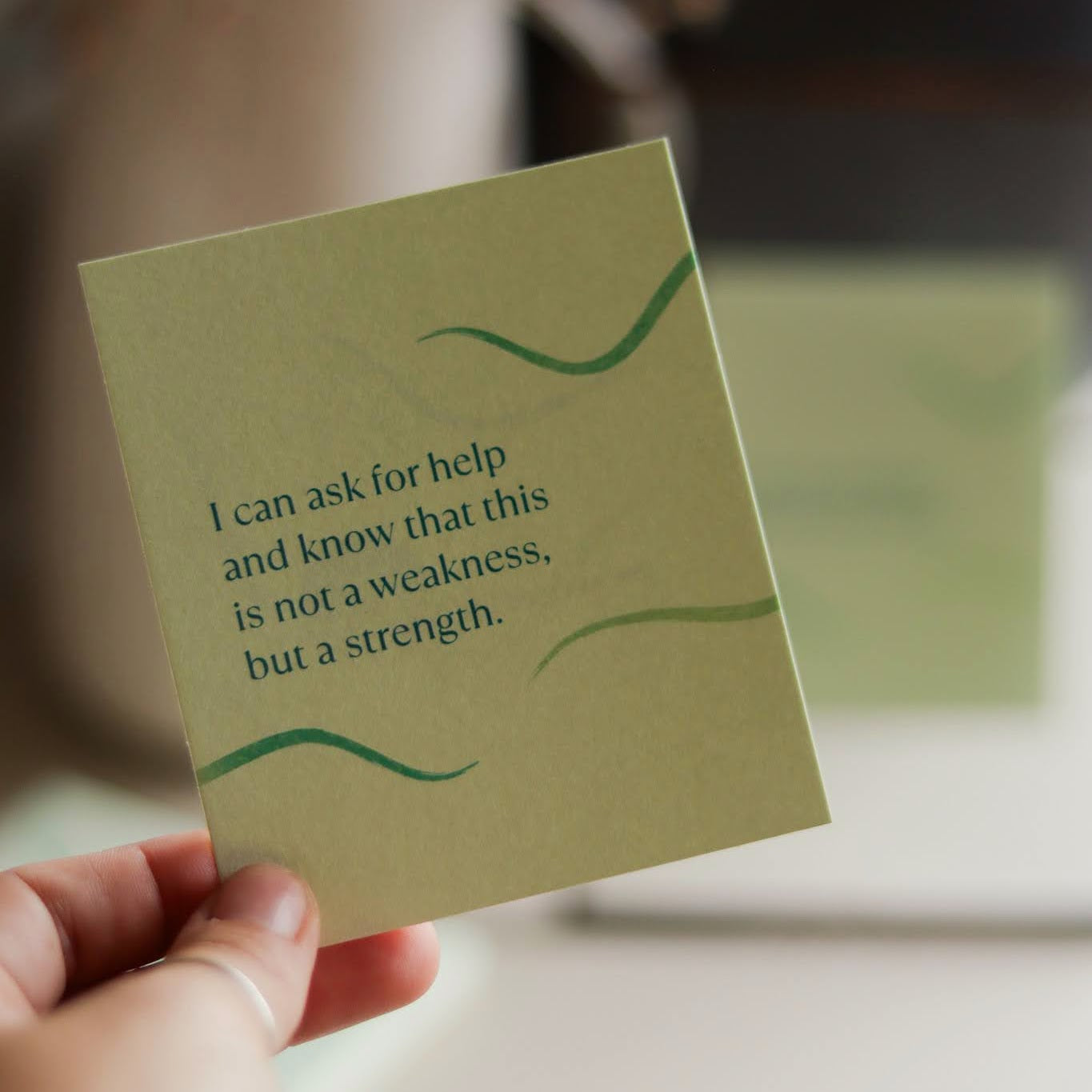
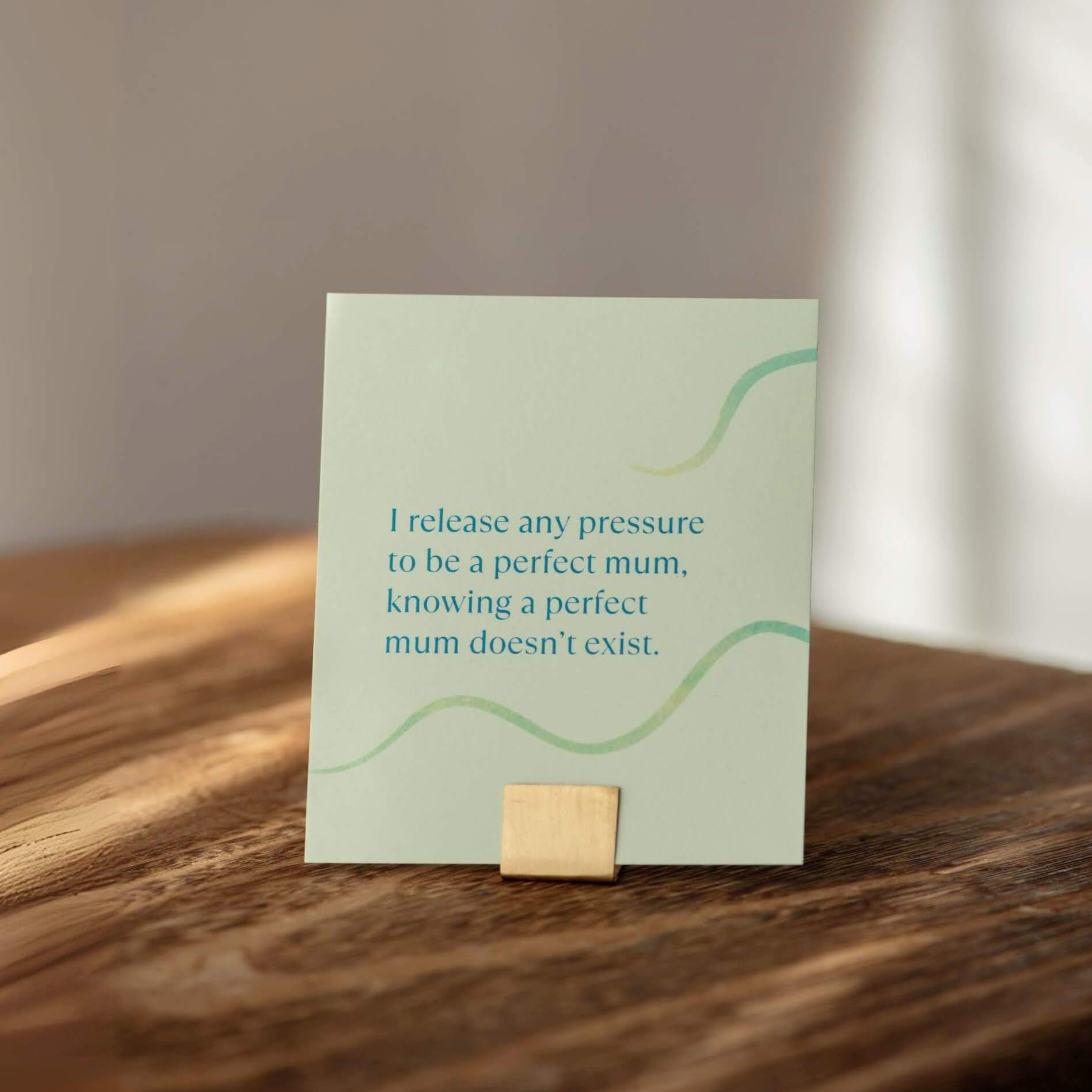
There's a lot of journals out there. Most of which include tools that can be repetitive, boring or unhelpful. Give Yourself Kindness is about creating something new.