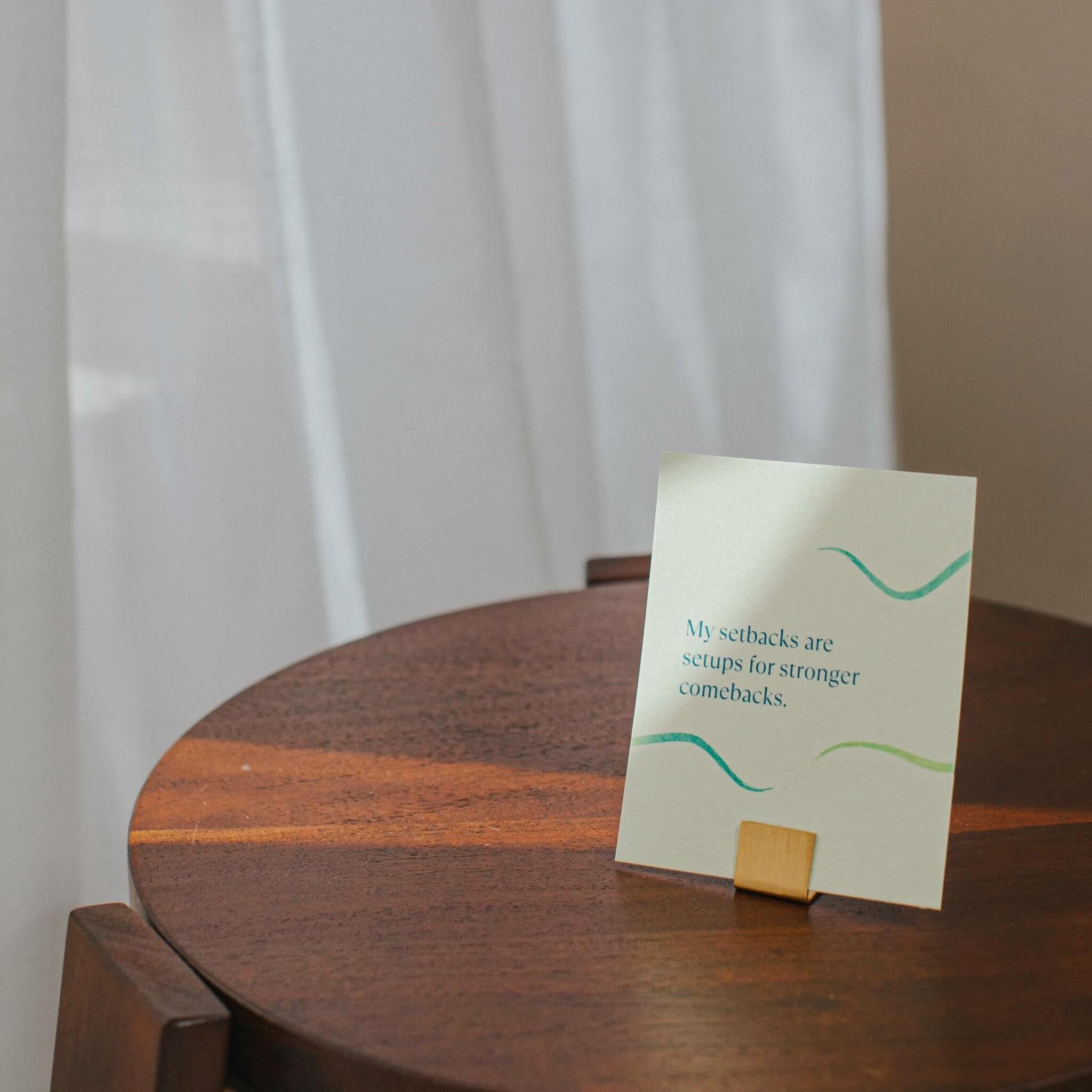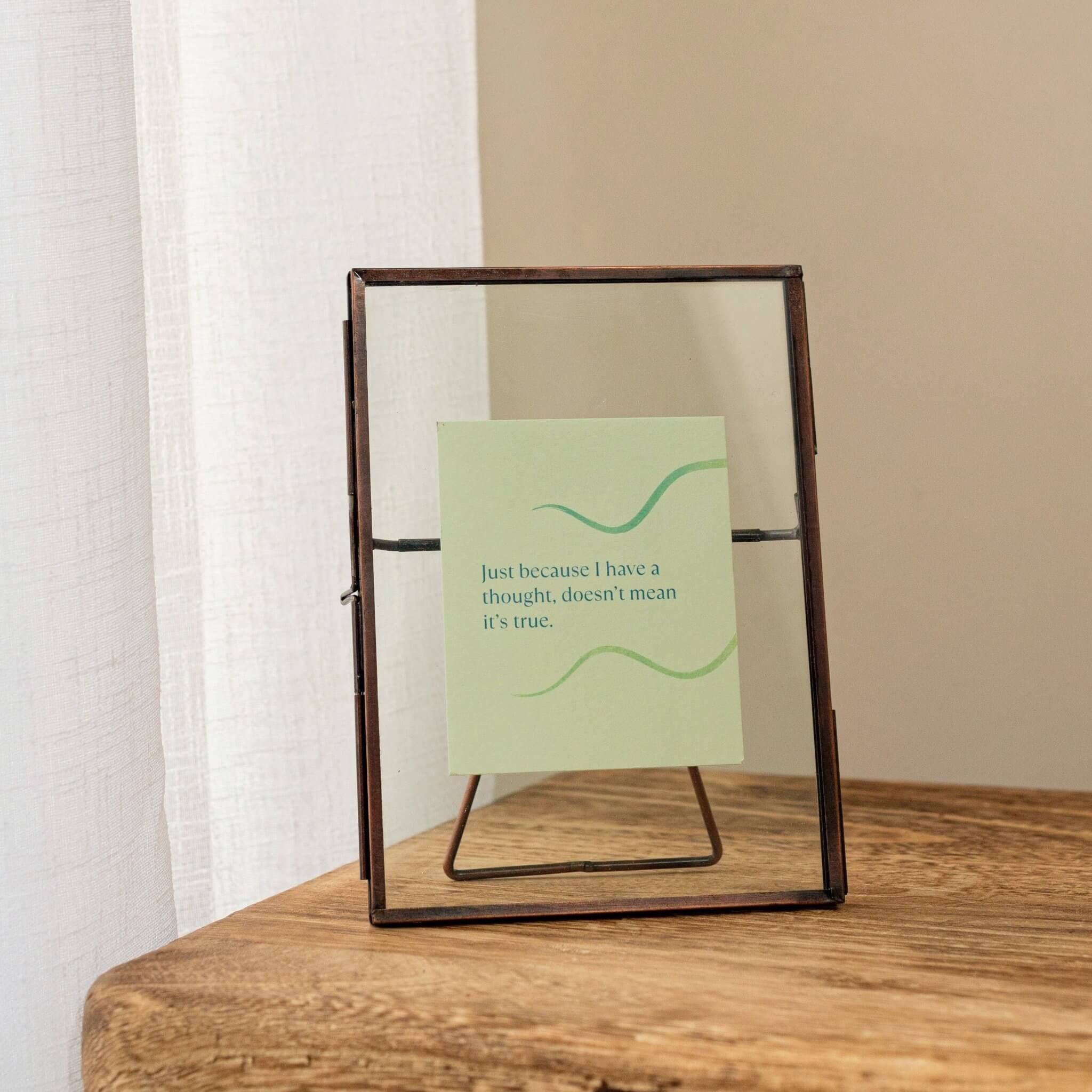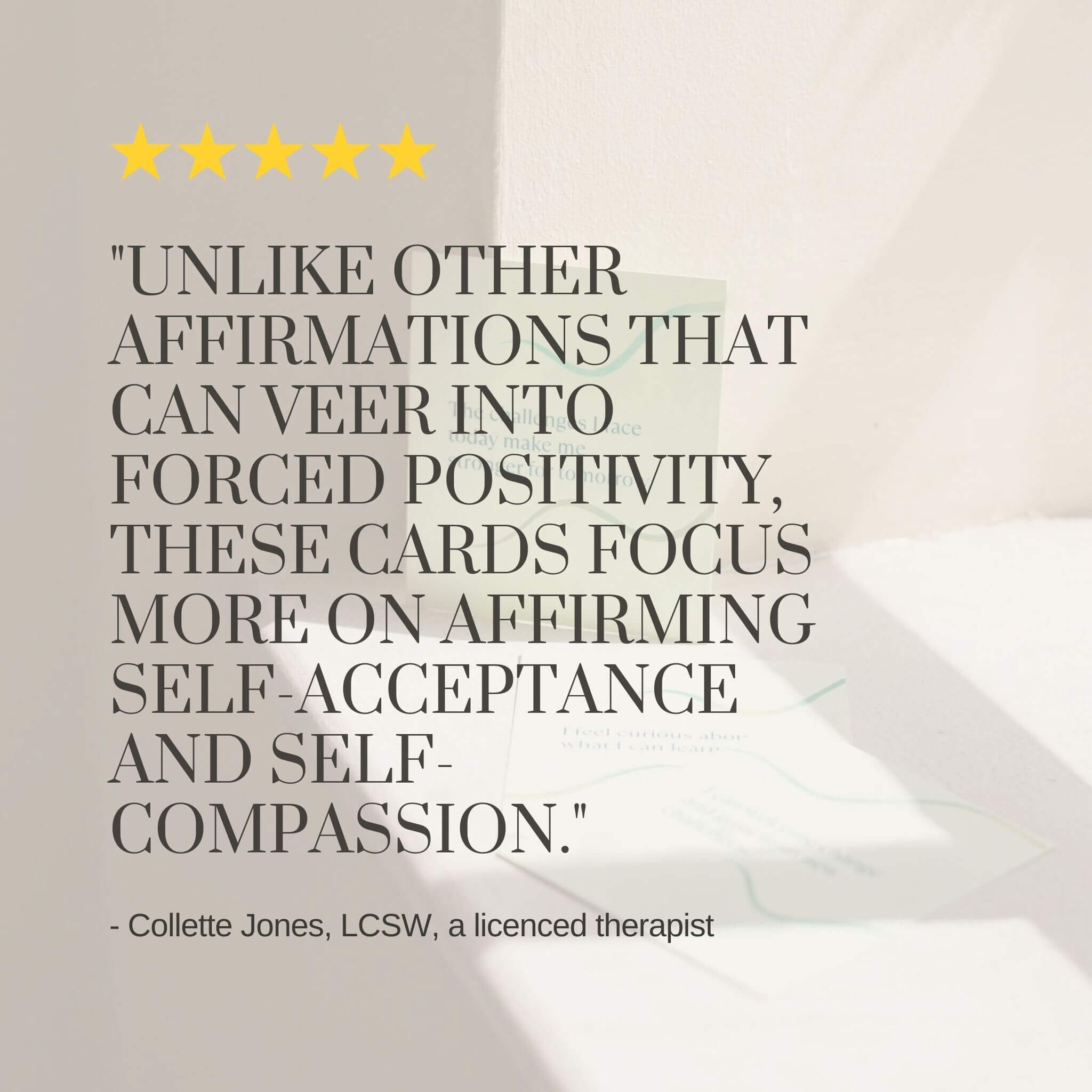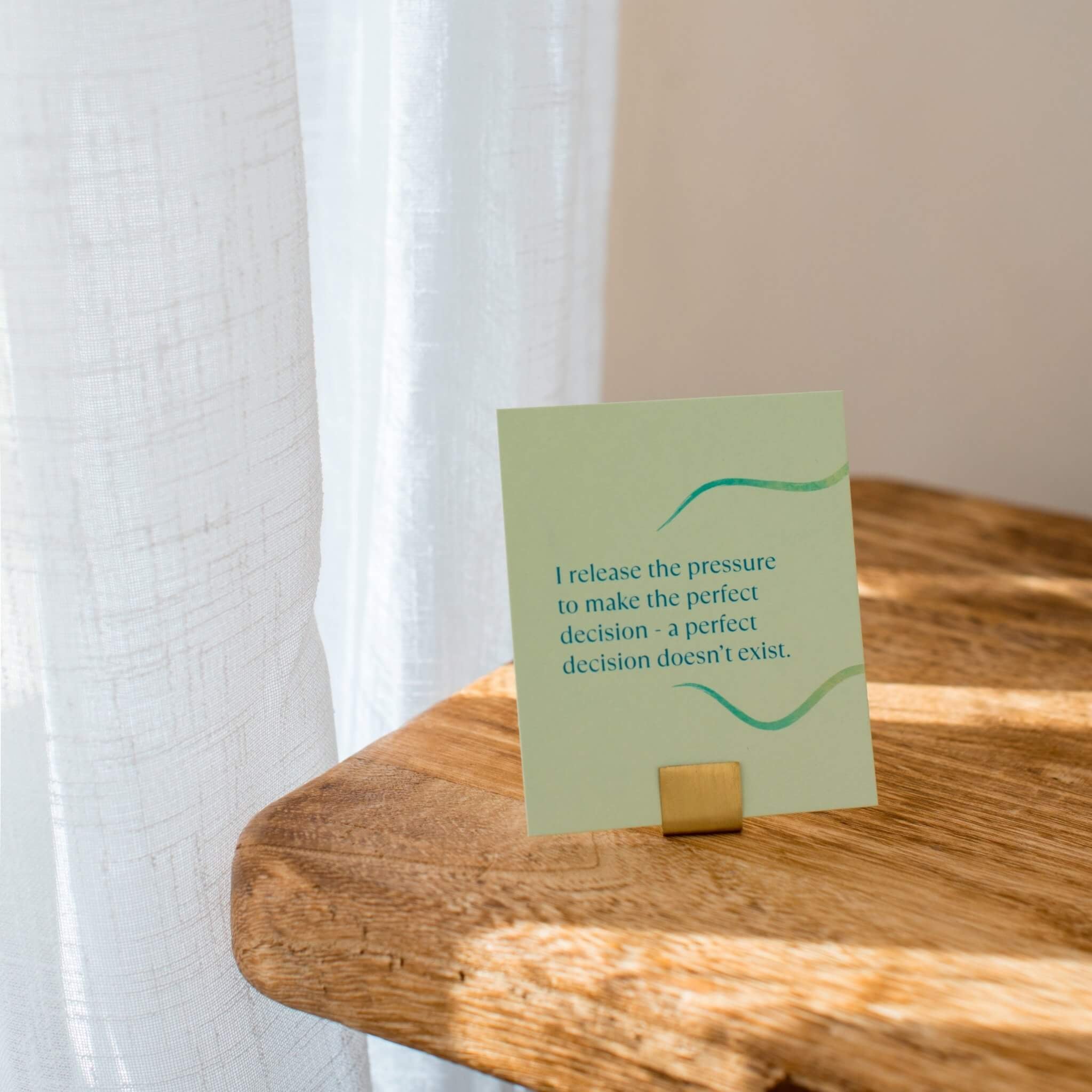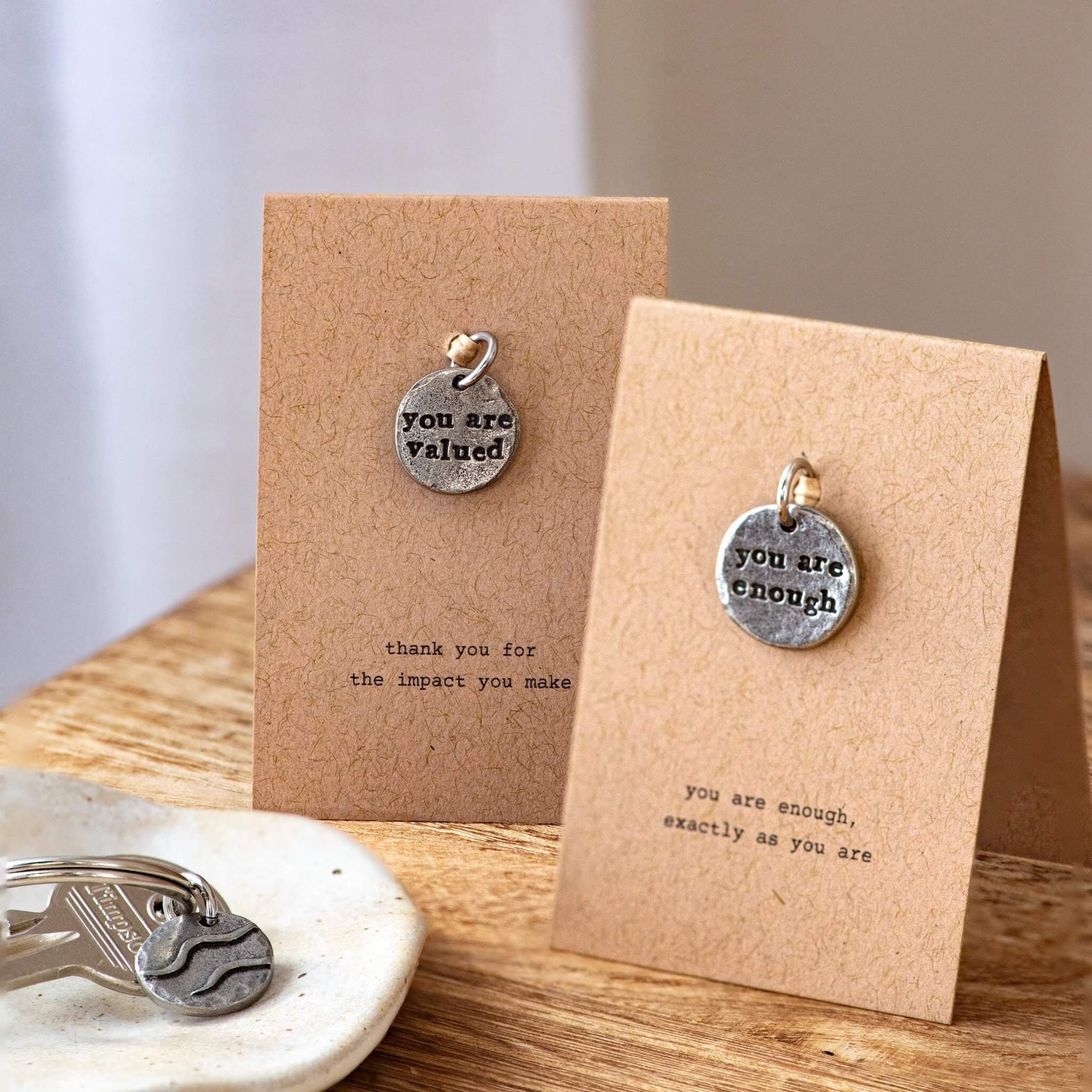



Last Updated: January 30, 2026 | By: Rachel Smith, DipBSoM (Qualified Meditation Teacher)
Which Gratitude Journal Is Best?
Option 1: If You Want a Focused Gratitude Practice
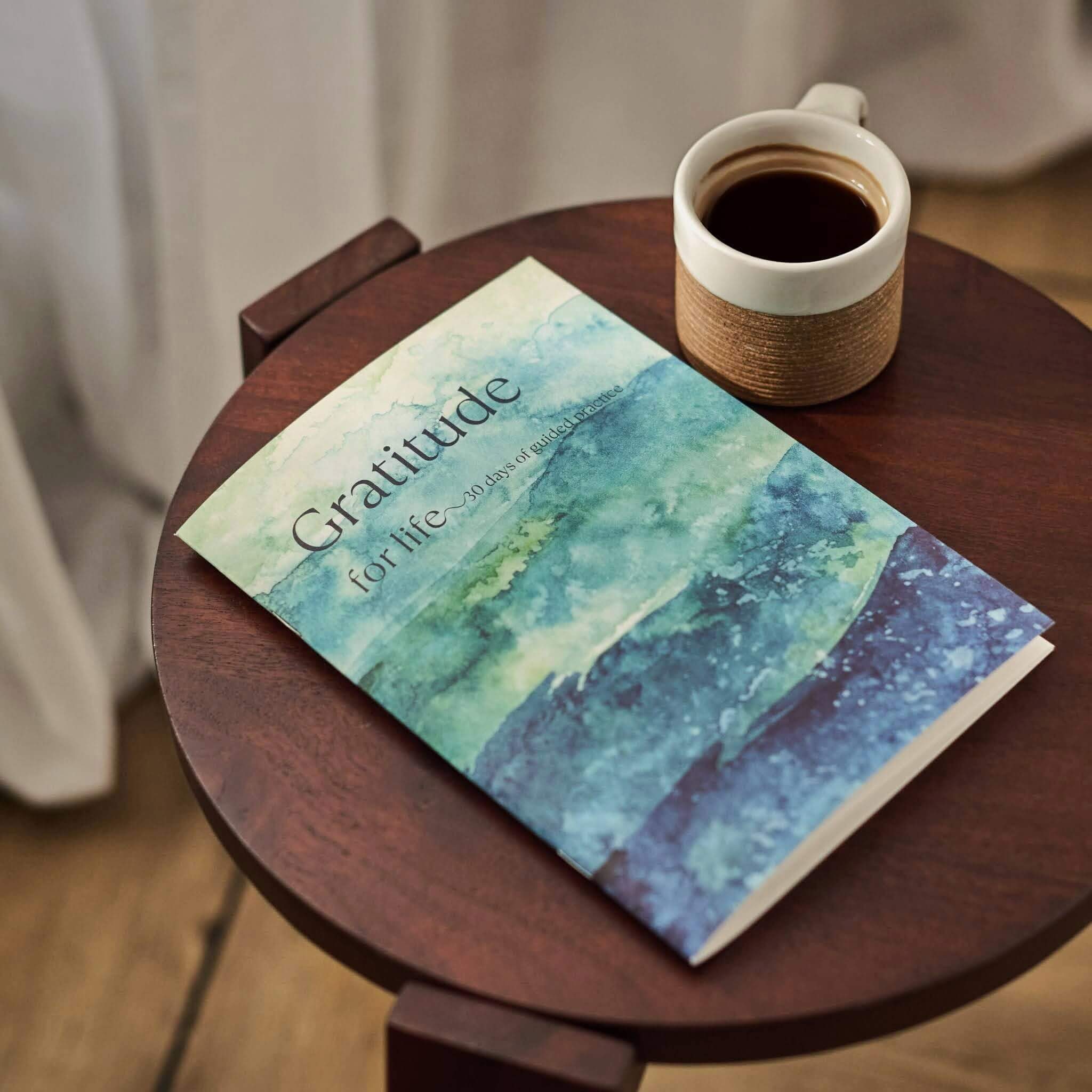
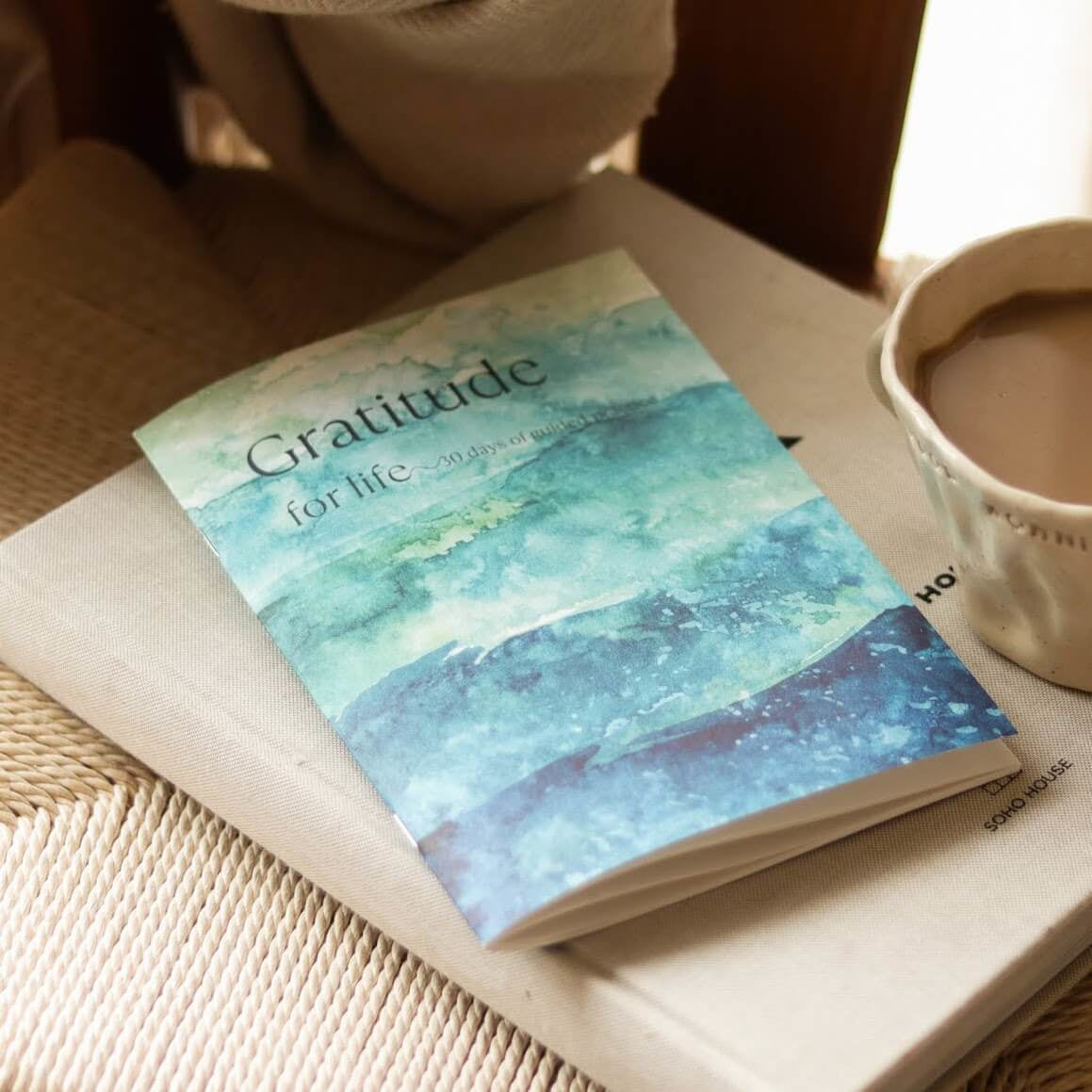
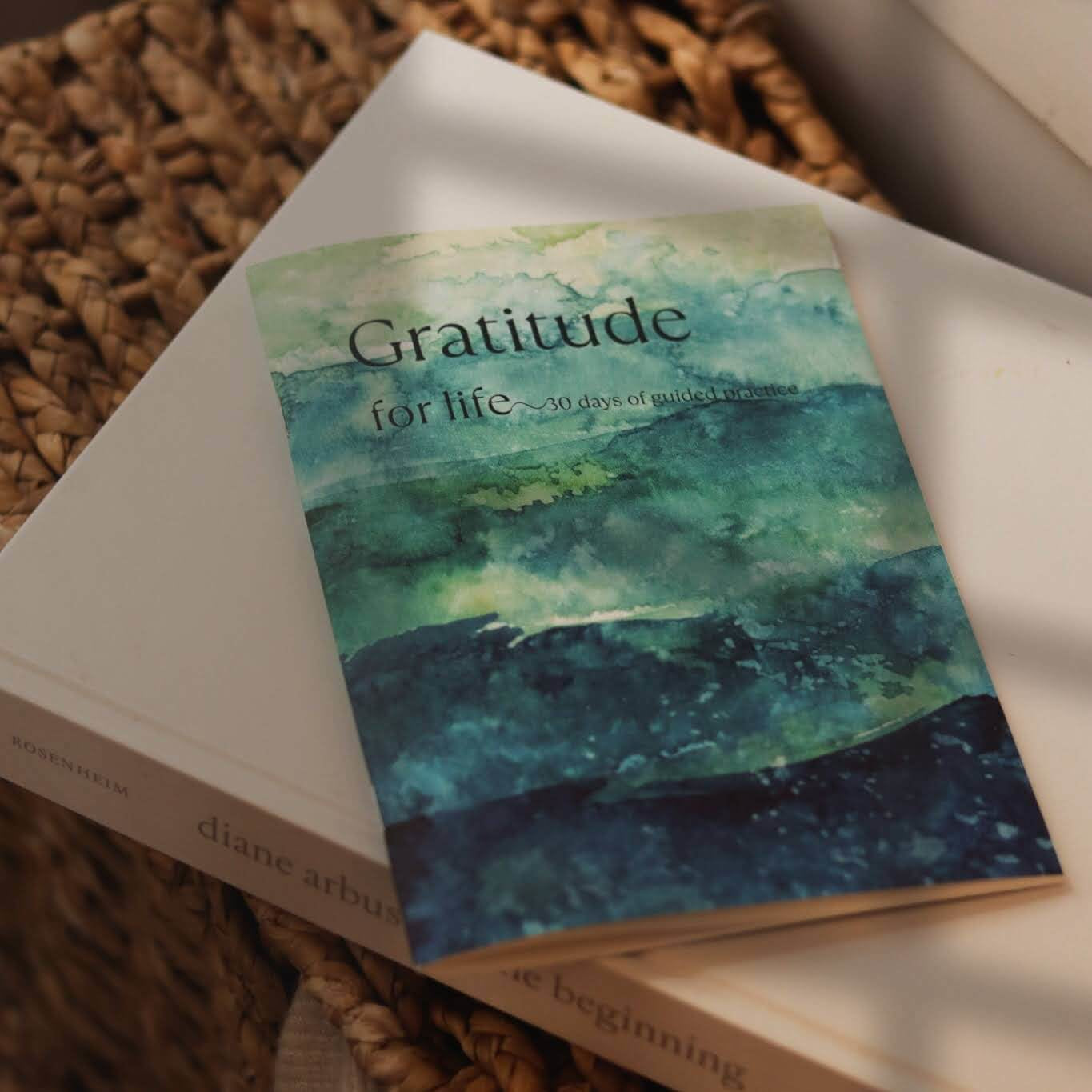
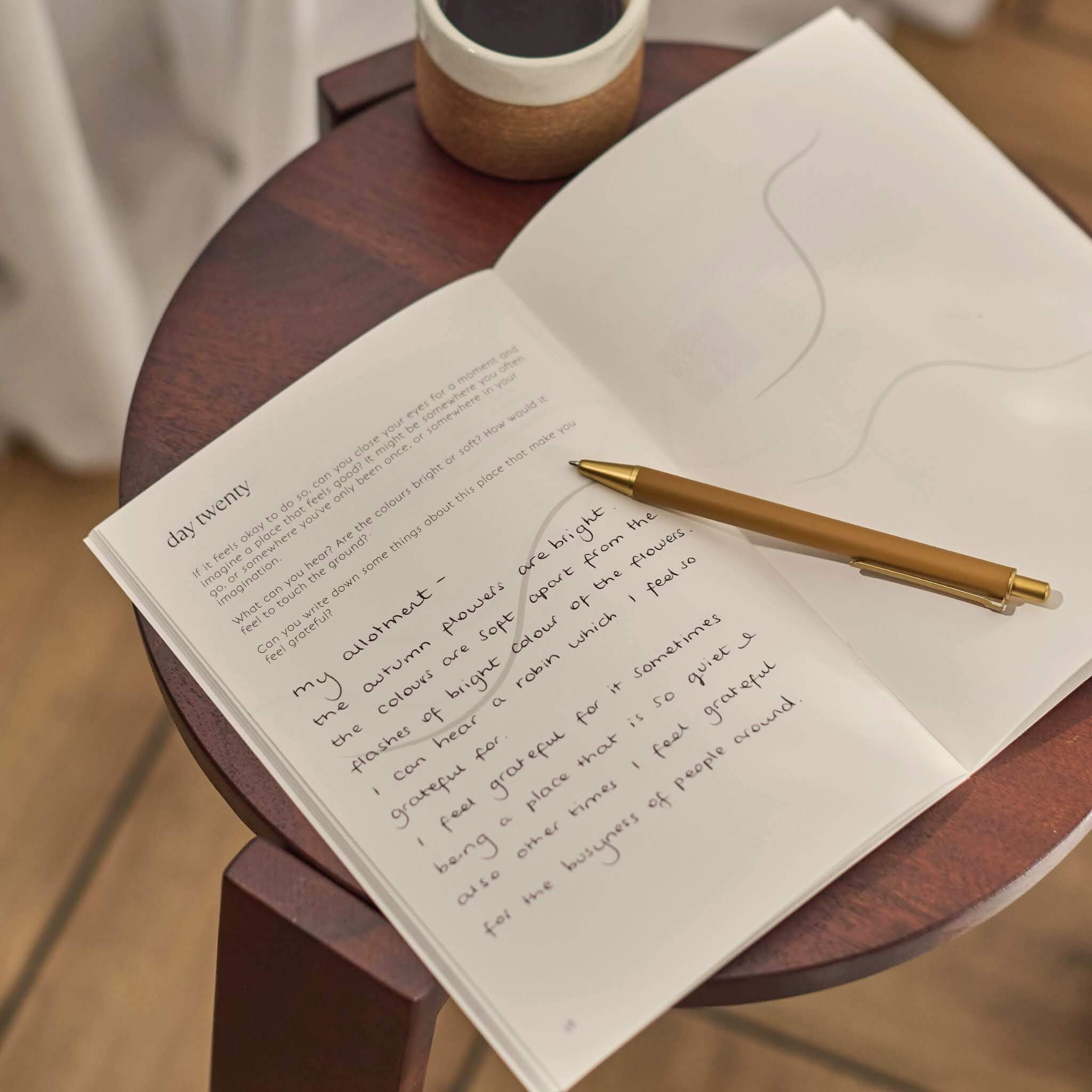
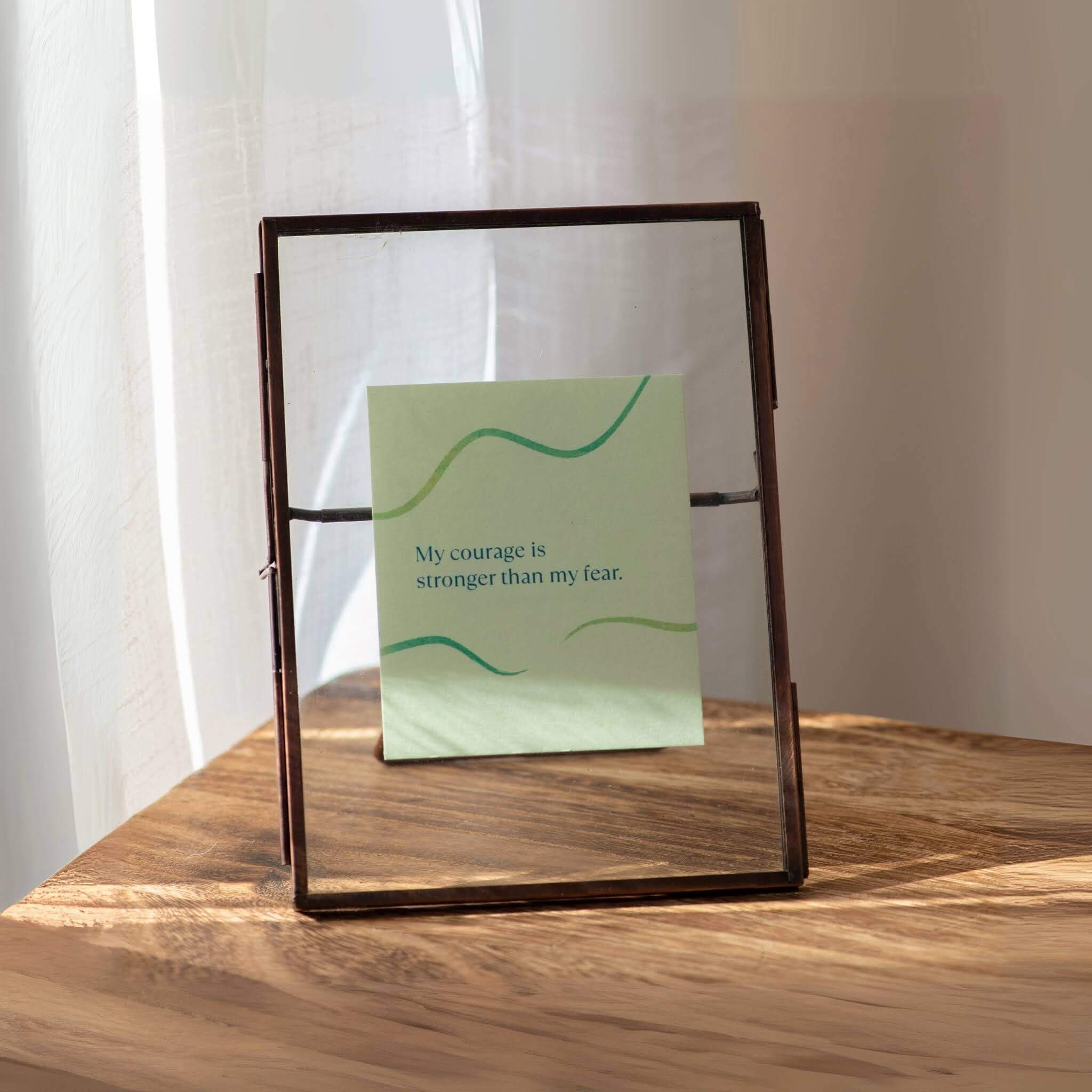
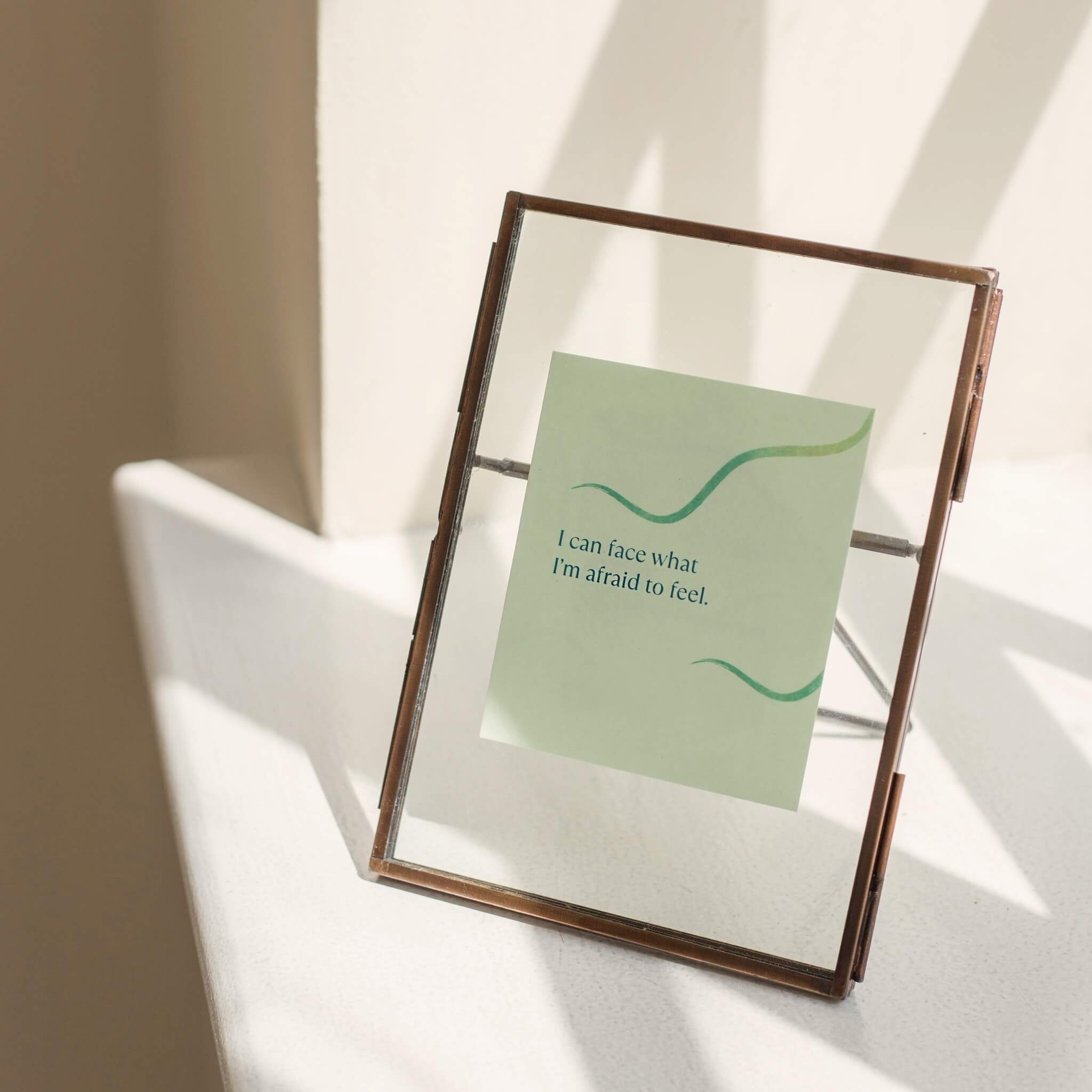
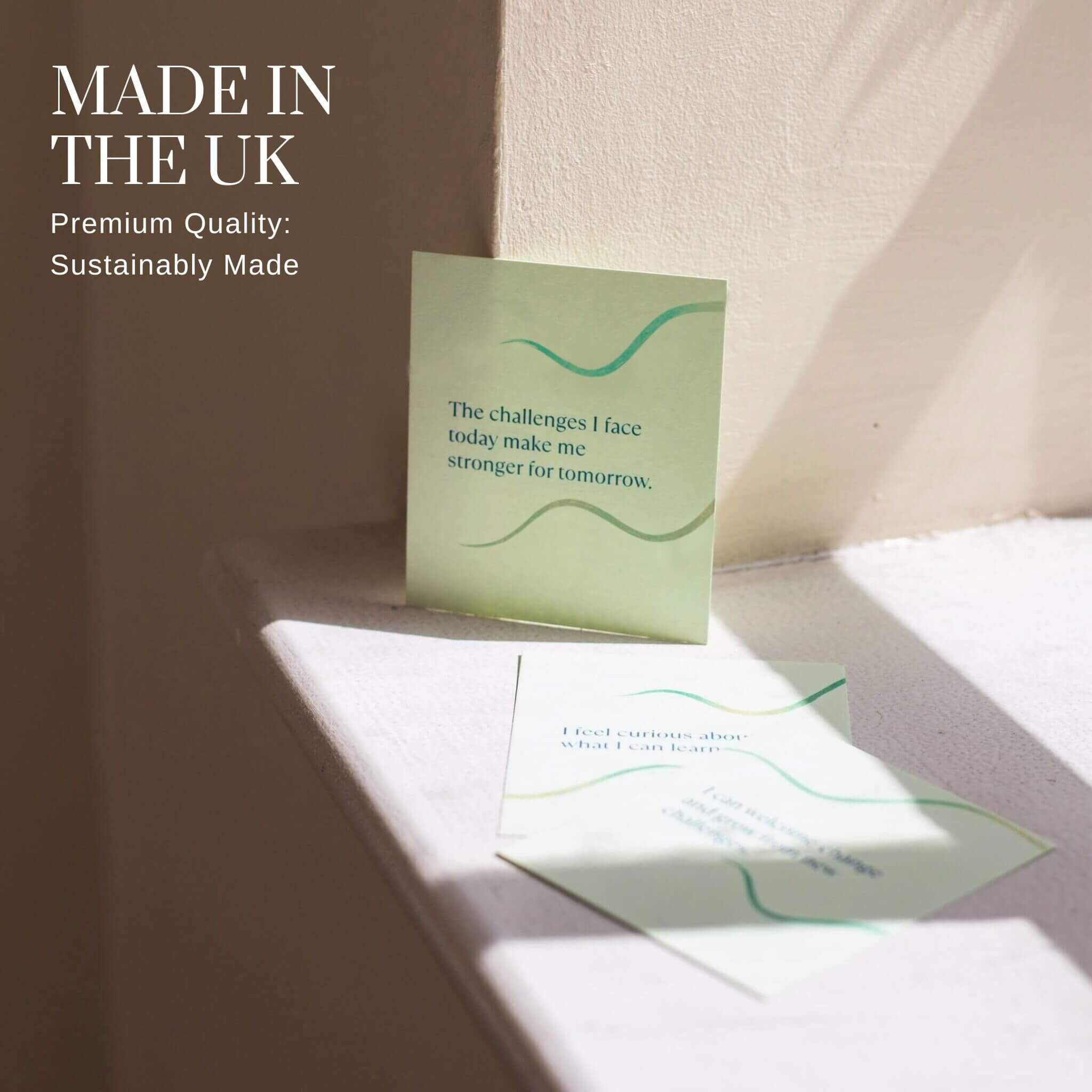
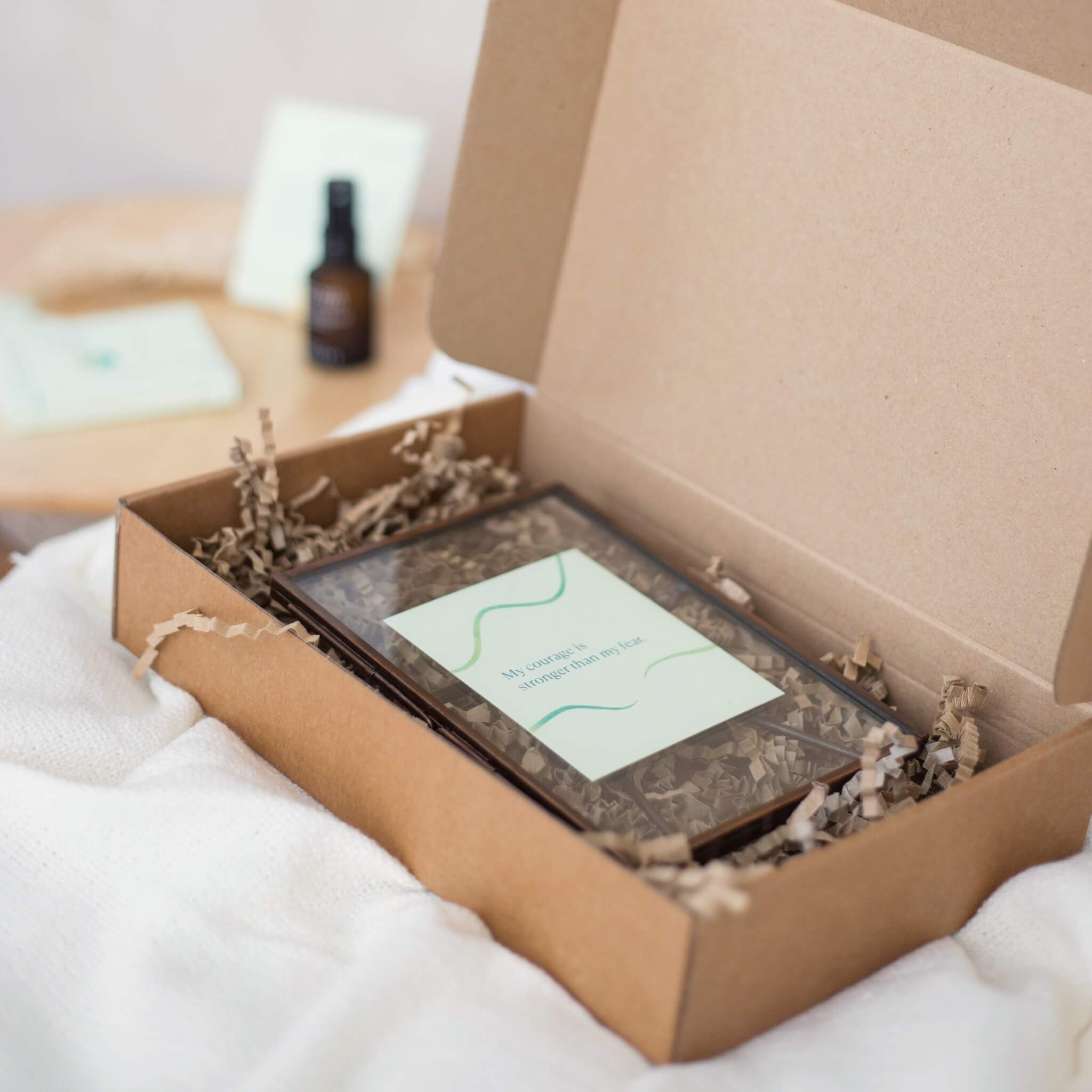
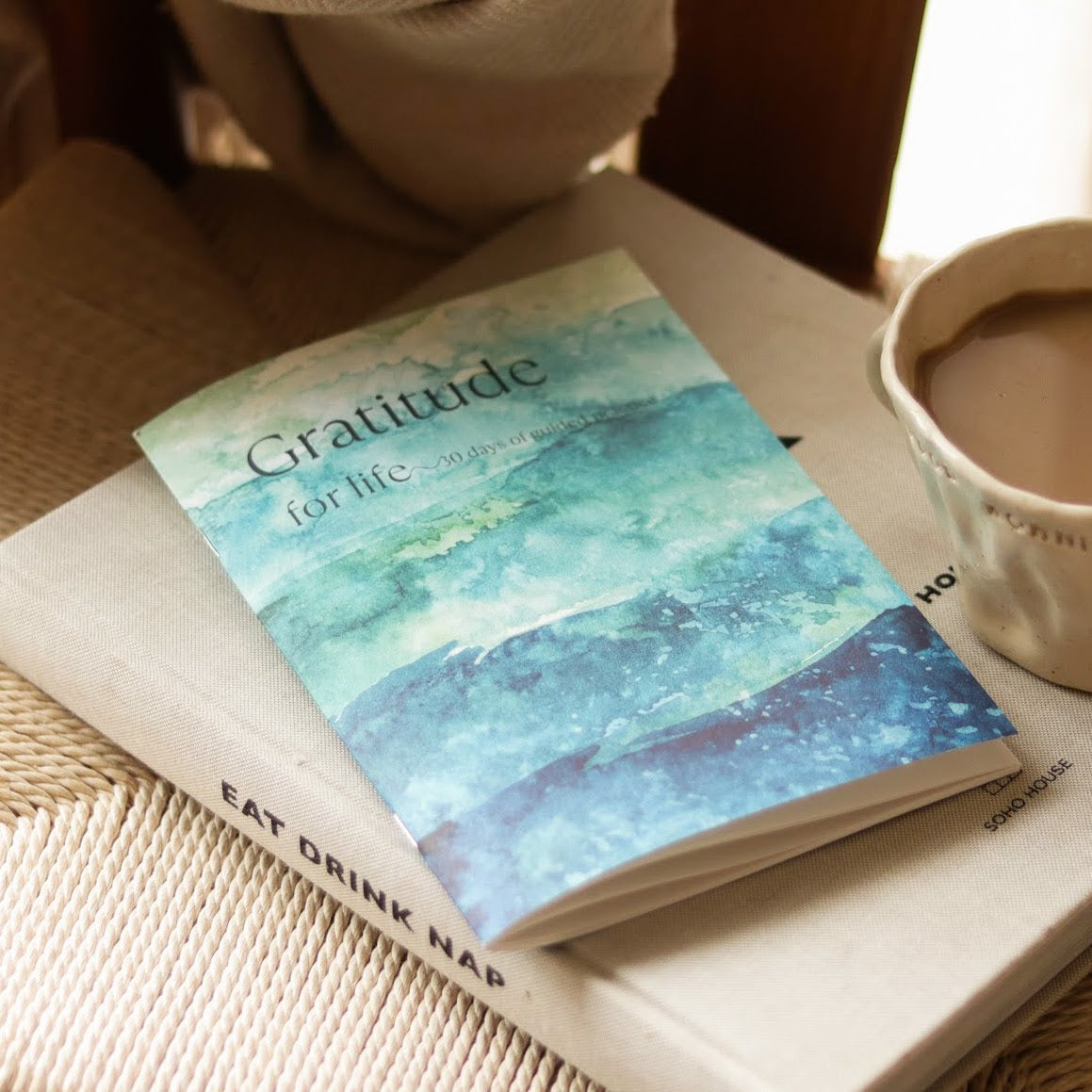
The Gratitude Journal: A 30-Day Challenge
Choose this if: You're bored by repetitive prompts • You want supportive prompts, not forced positivity • You've never journaled before
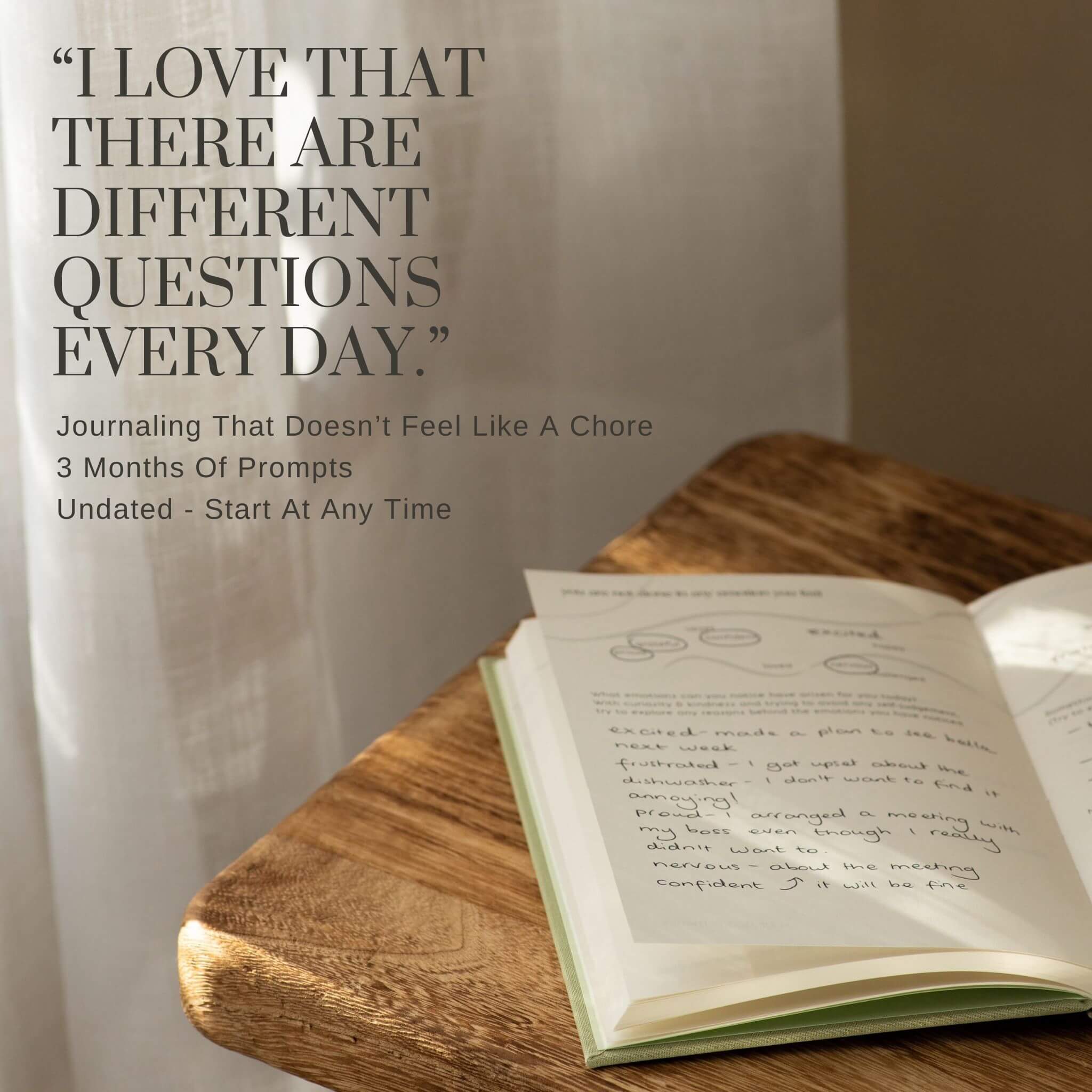
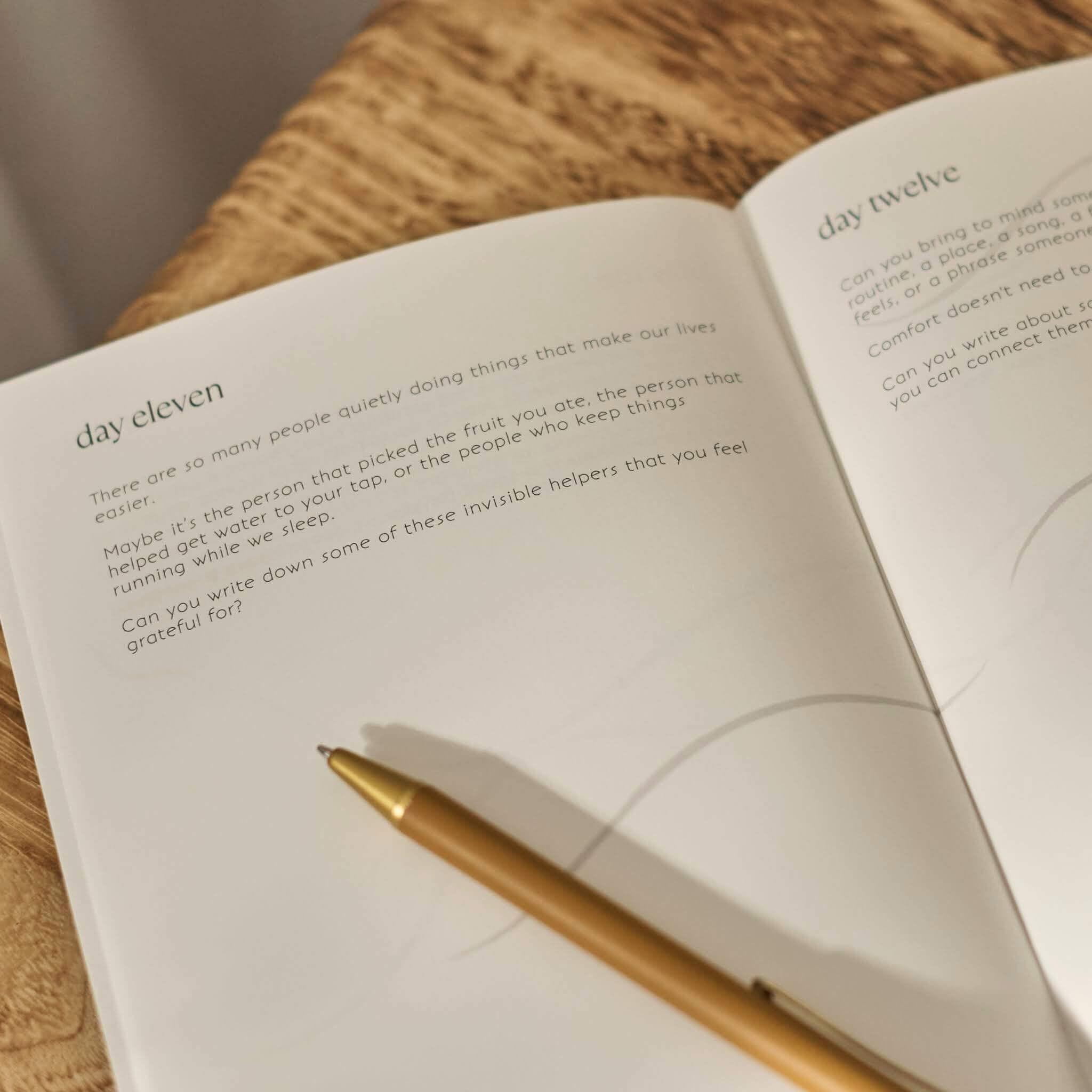
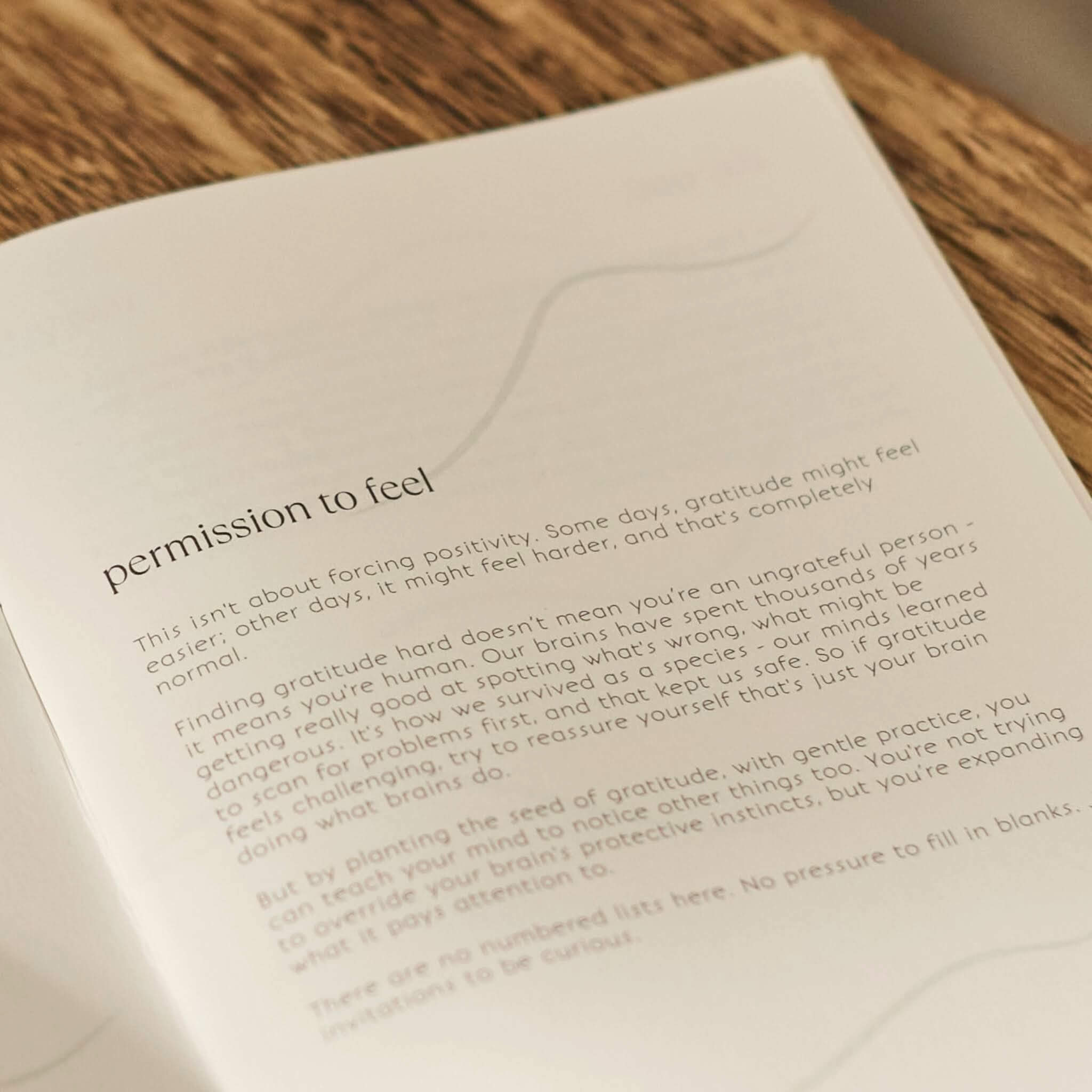
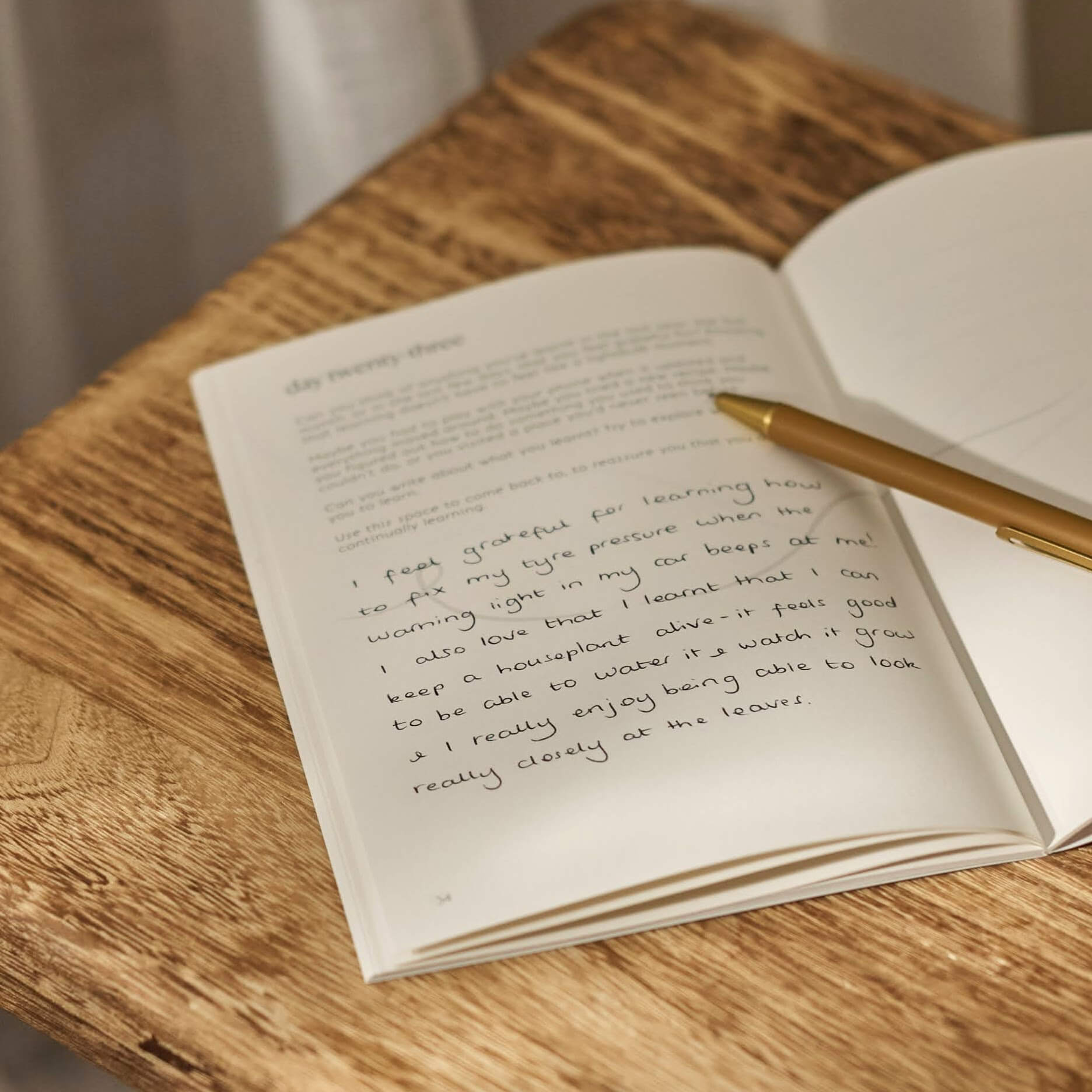
What makes it different: No "1, 2, 3" lists. Every single day is a completely different prompt. Gives permission for hard days and acknowledges that all emotions are normal and valid.
Start the 30-Day Challenge →Option 2: If You Want Gratitude + Emotional Support
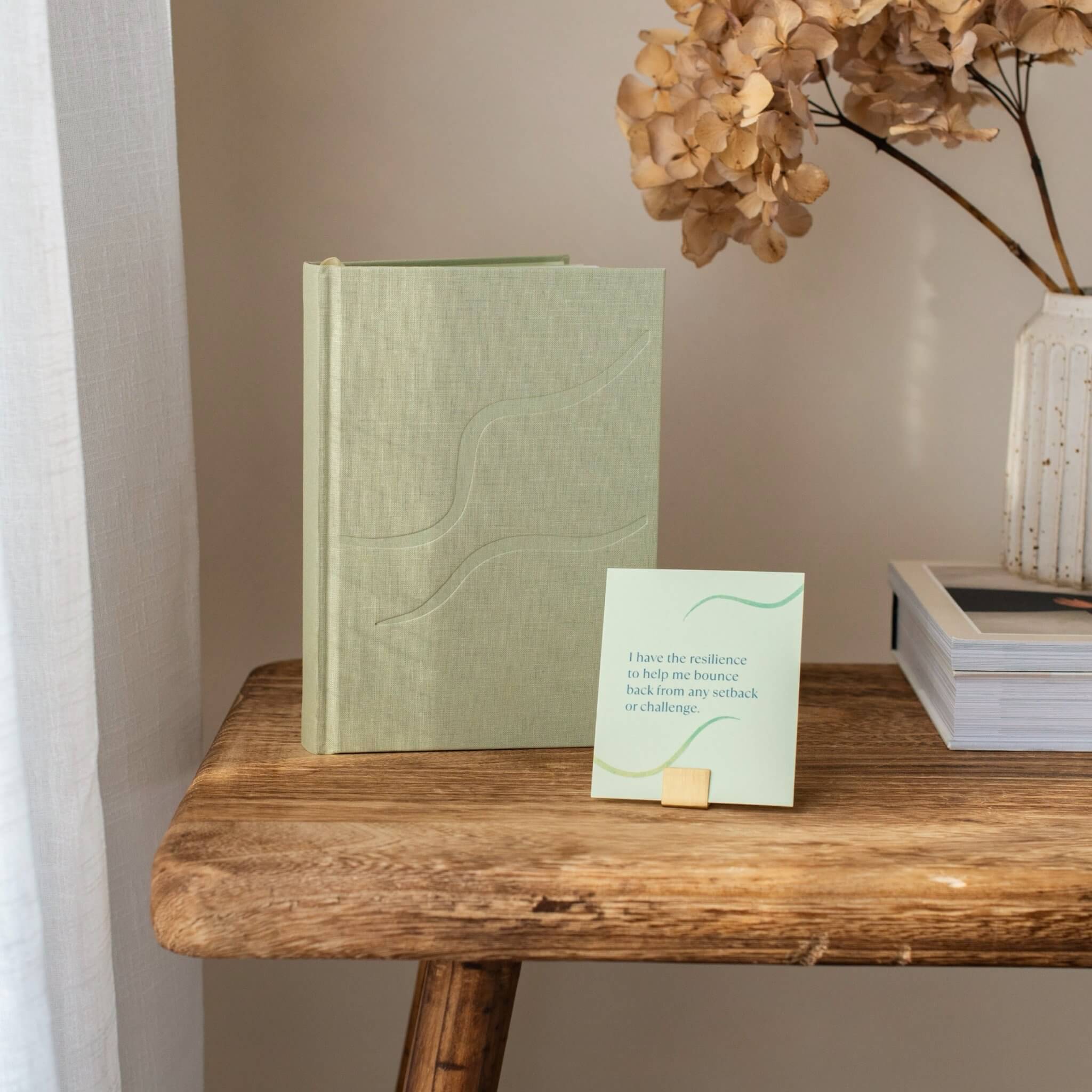
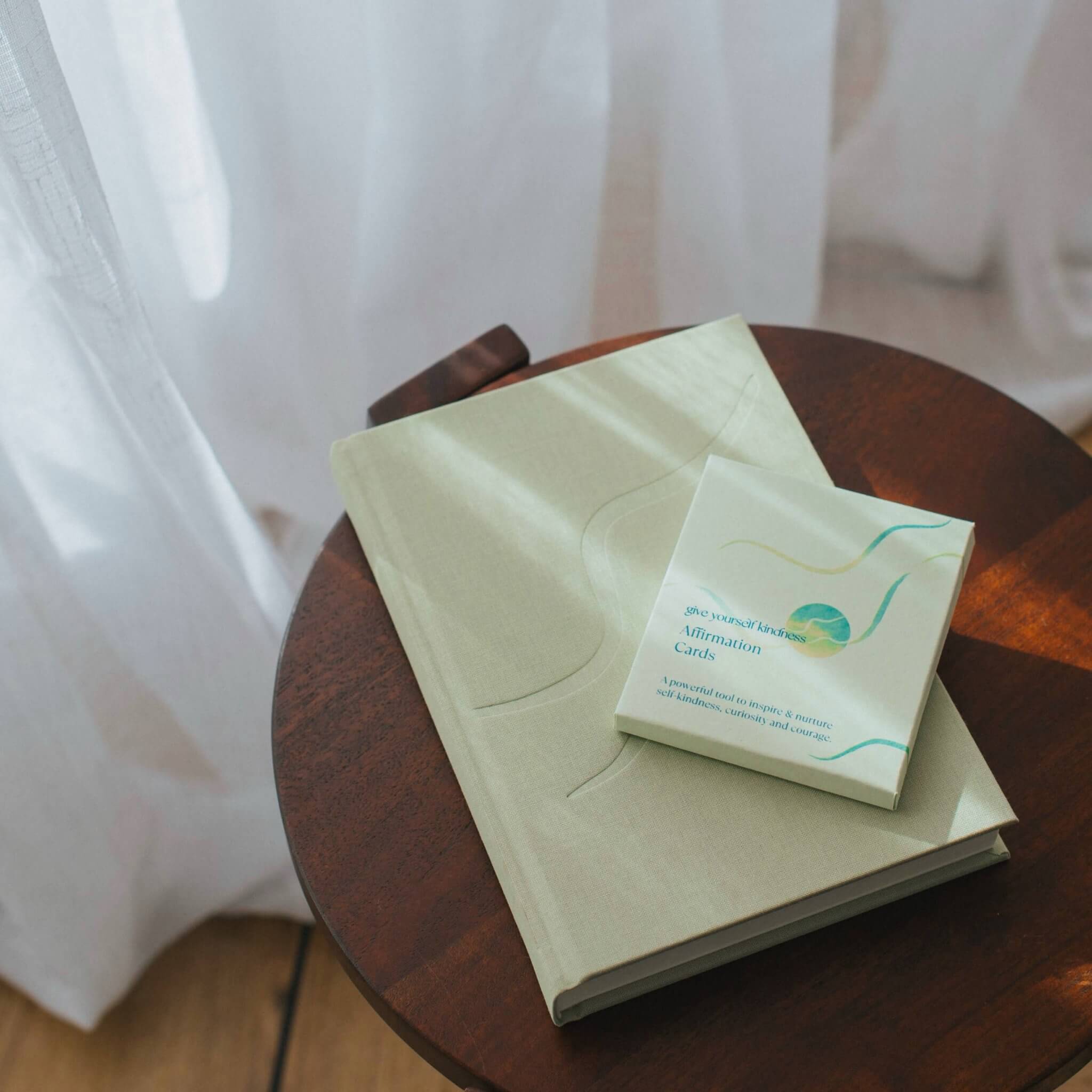
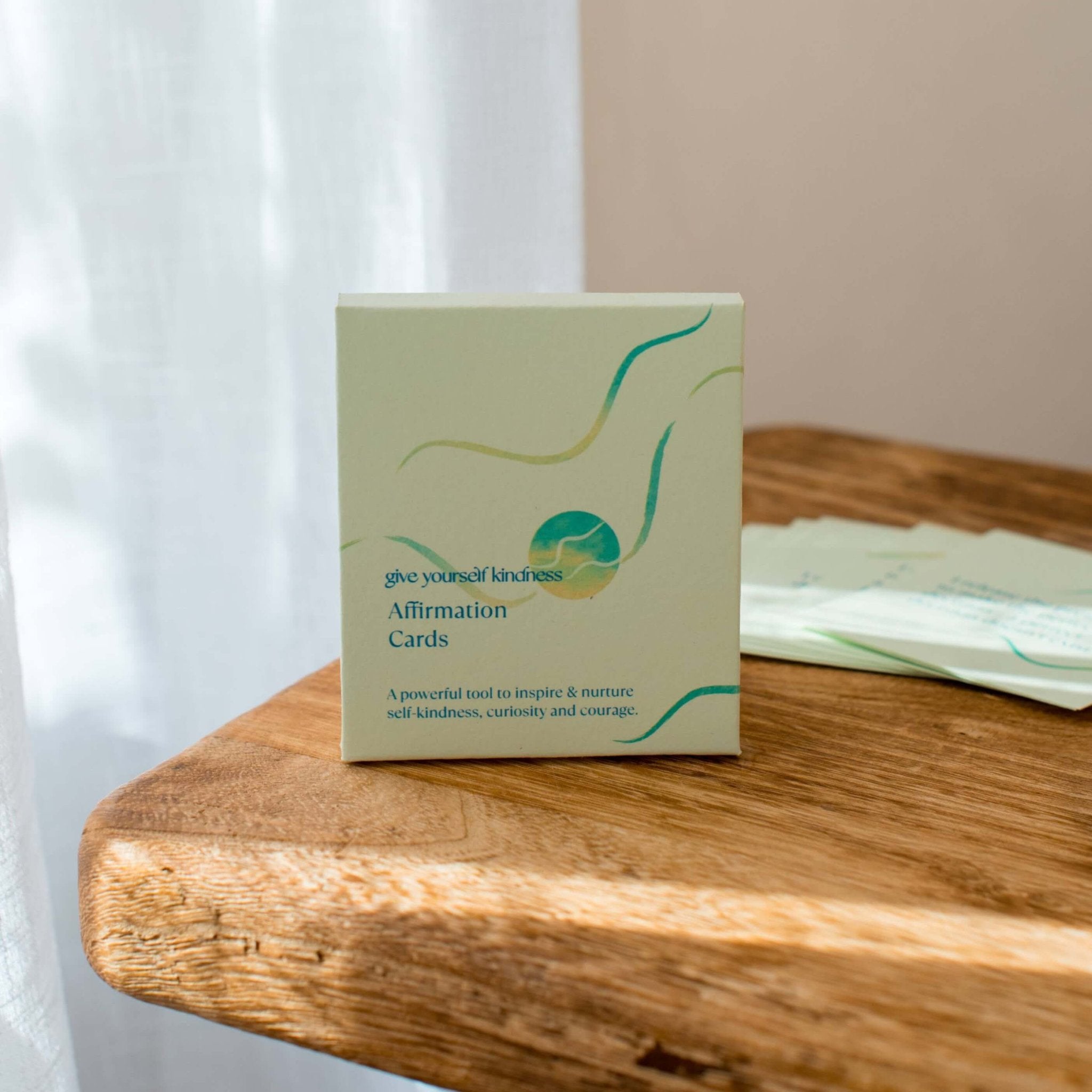
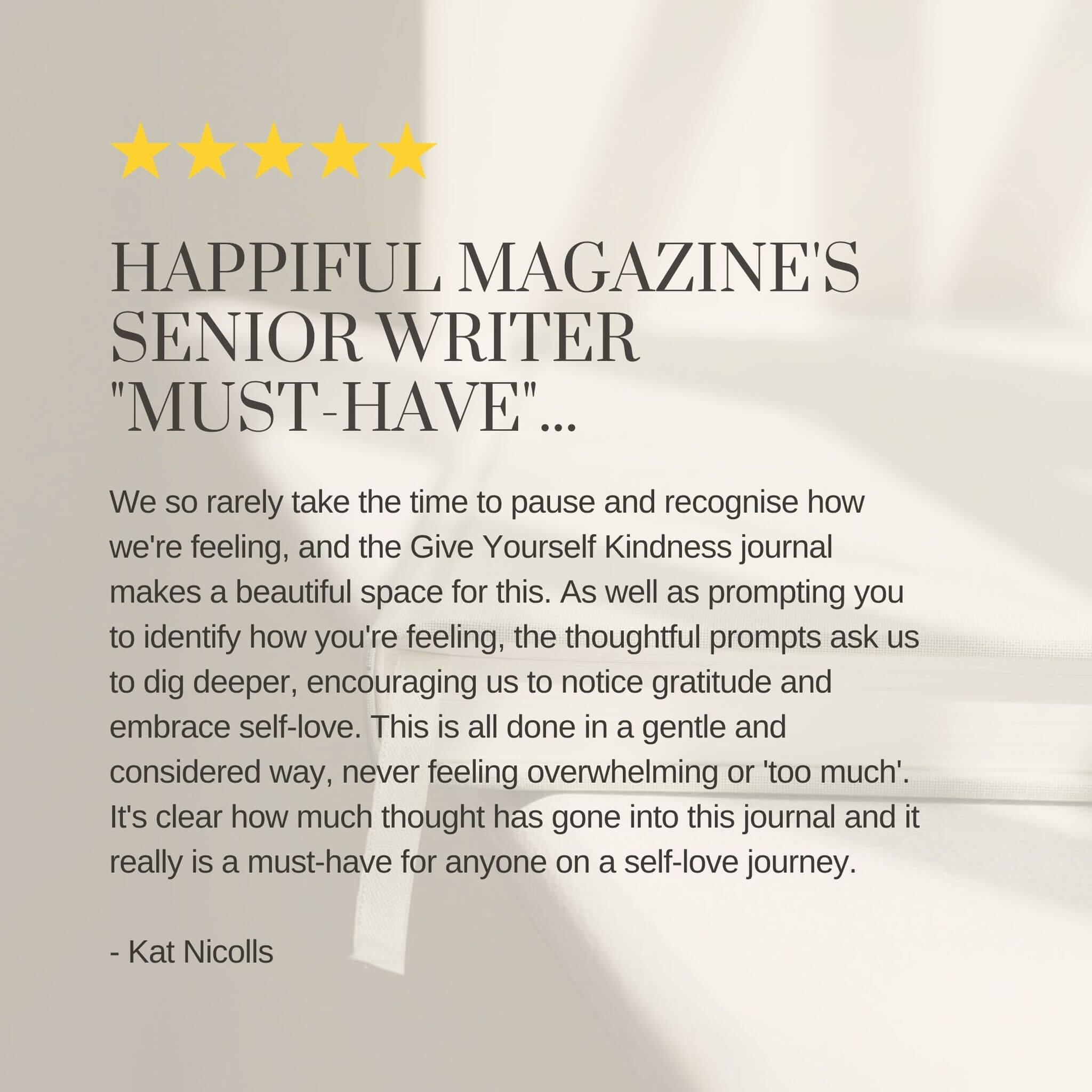
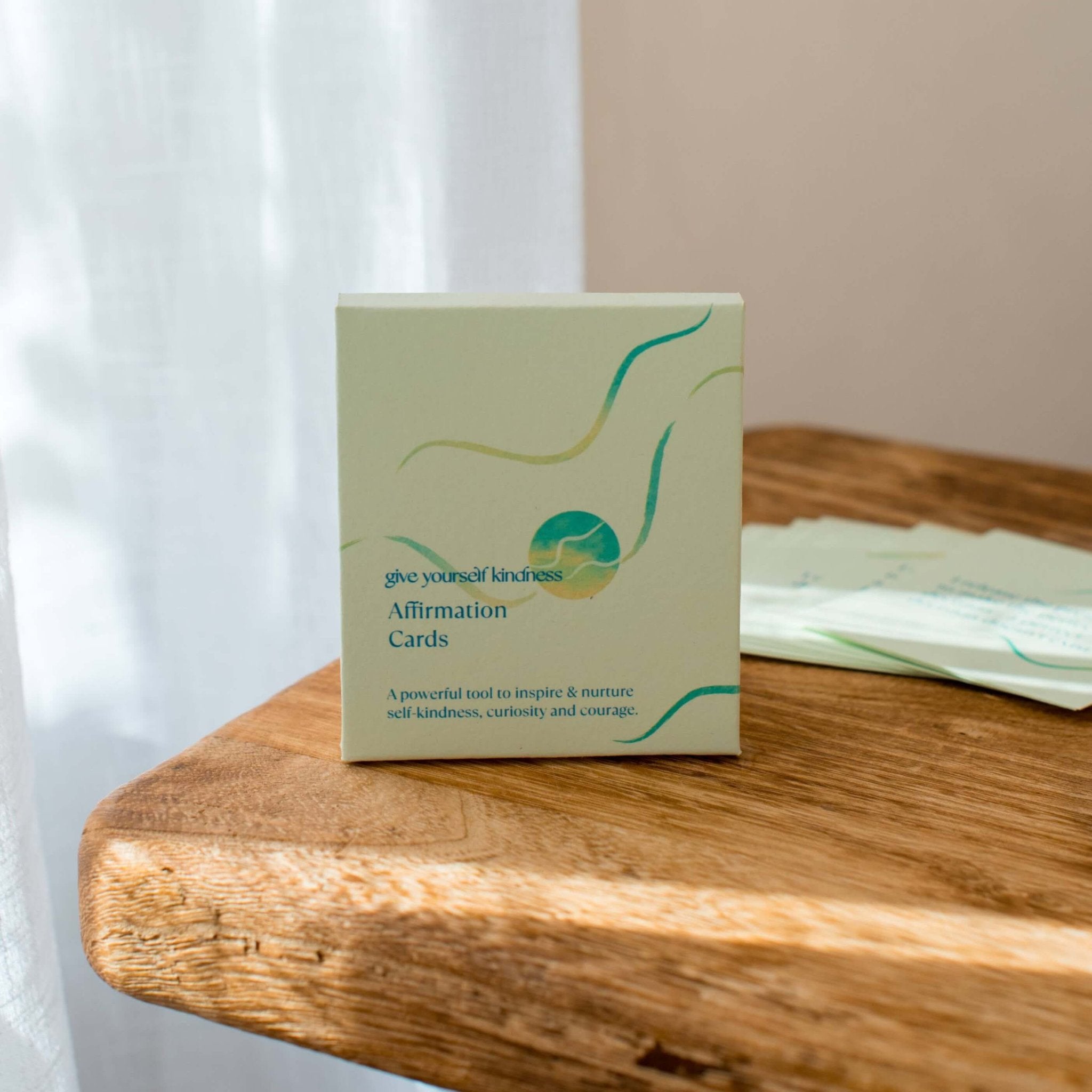
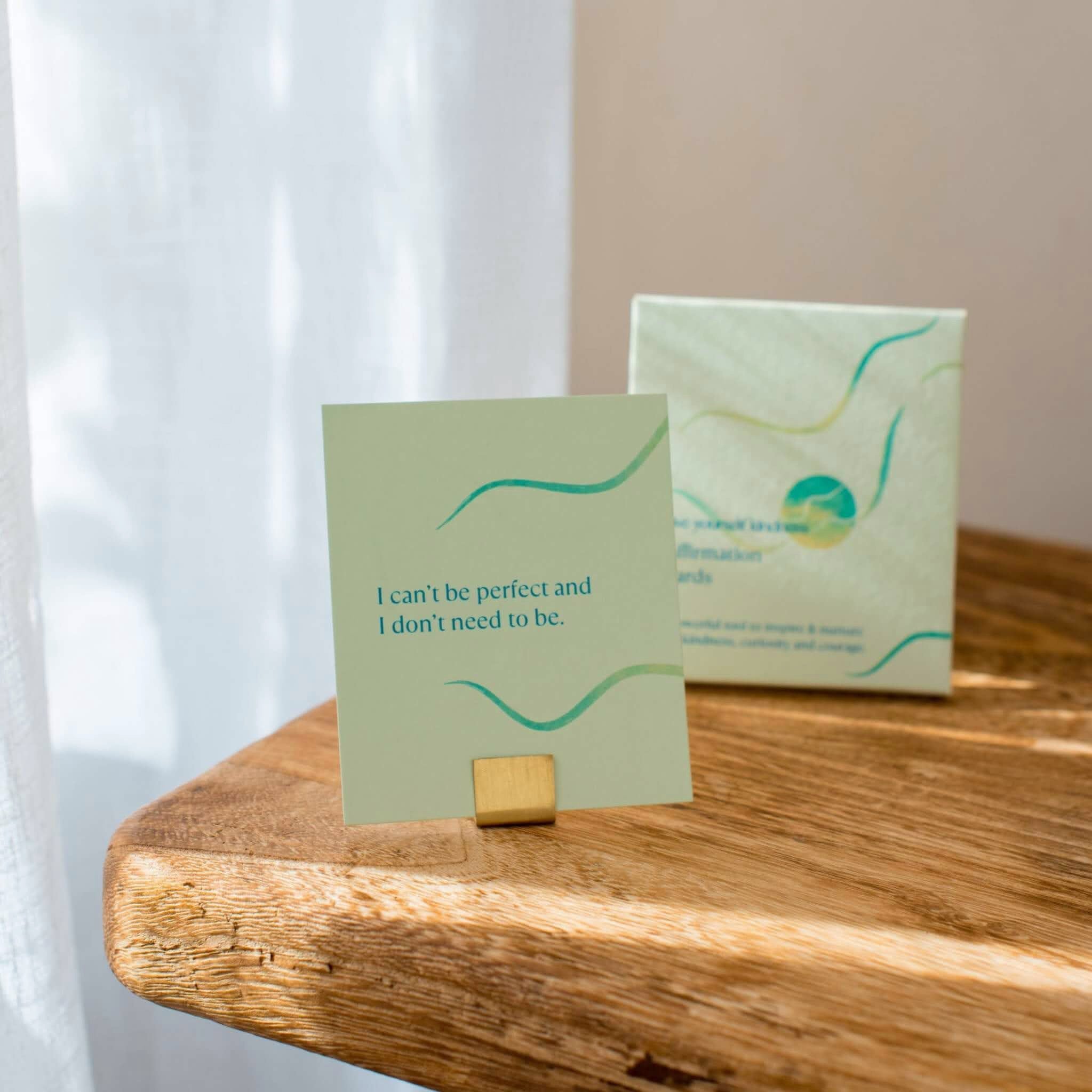
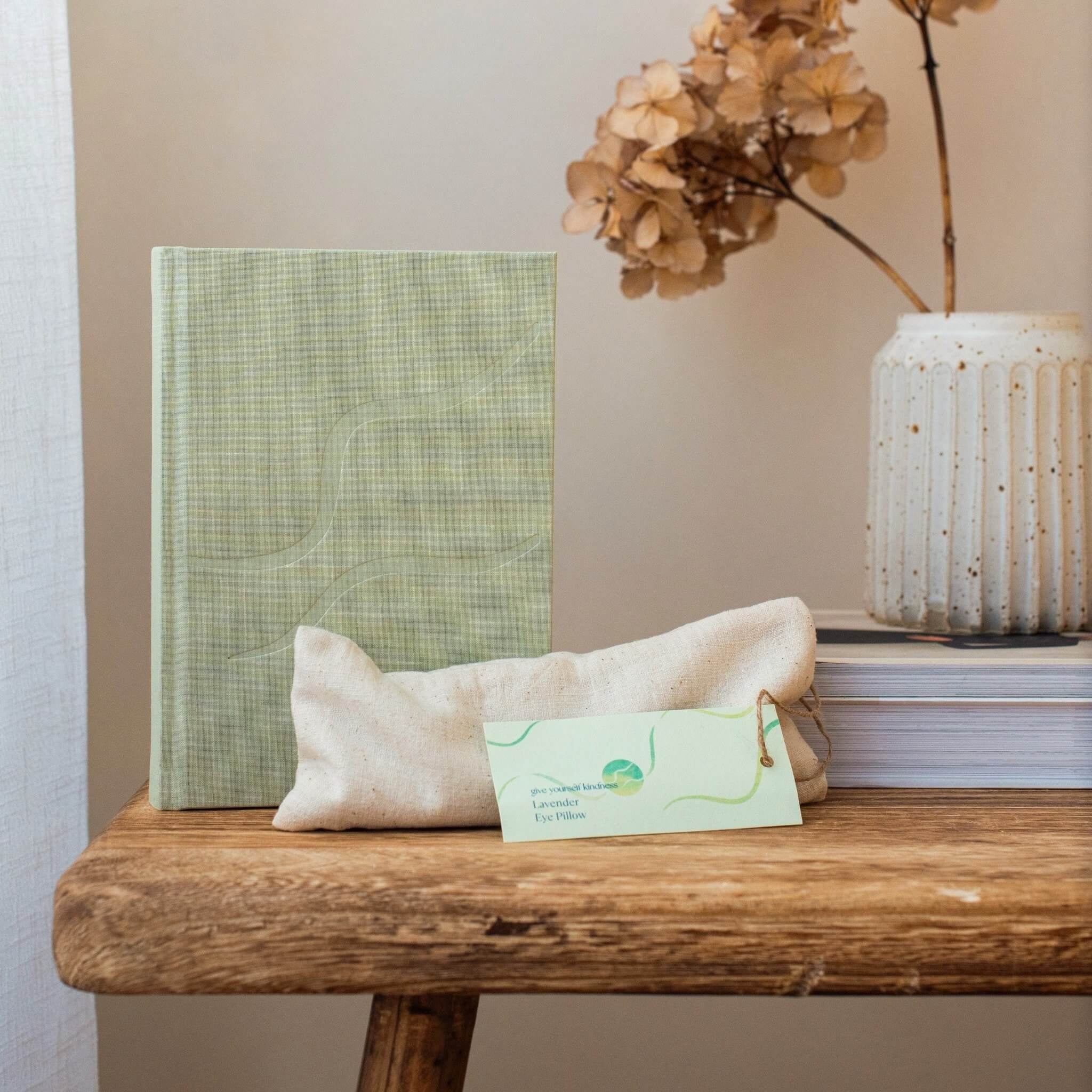
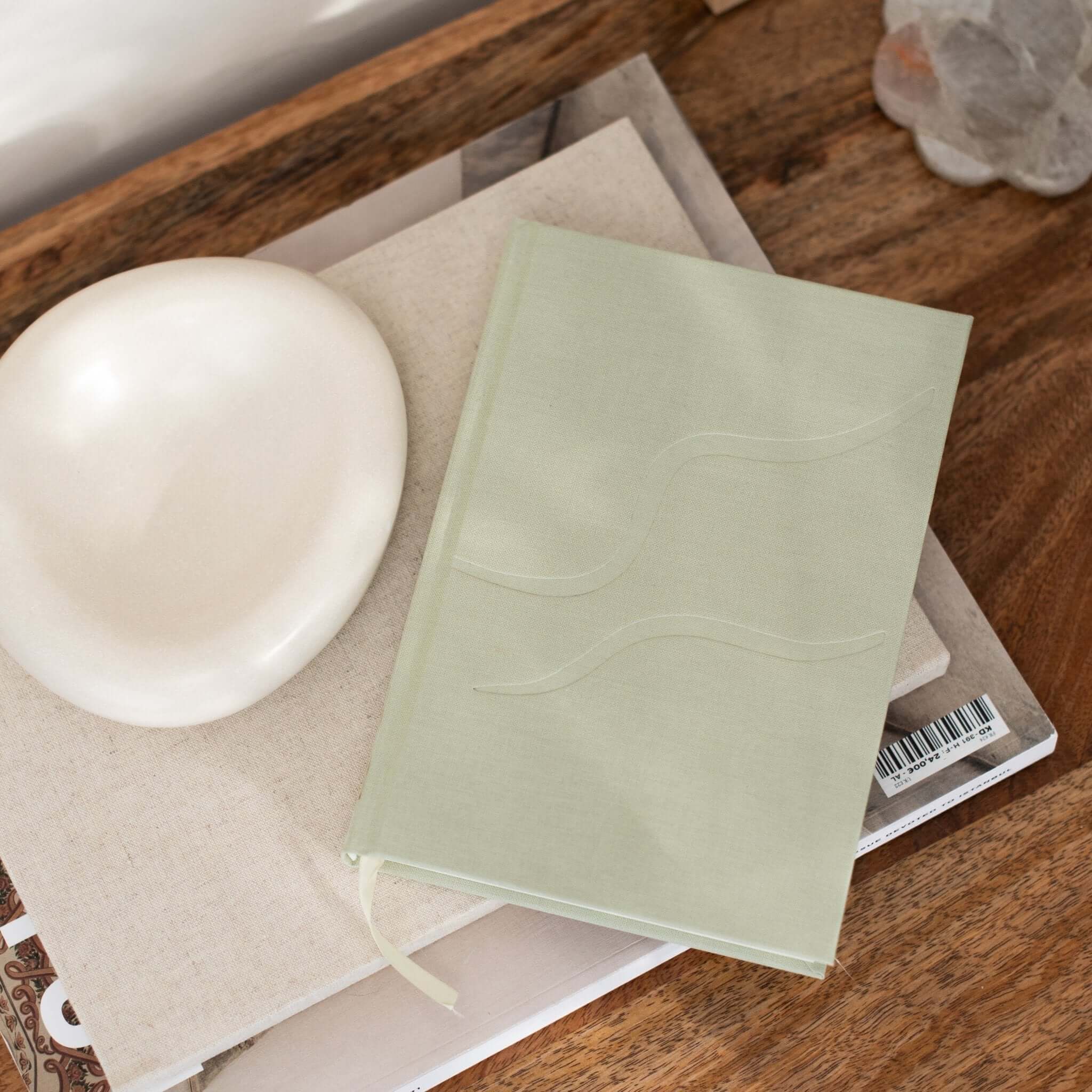
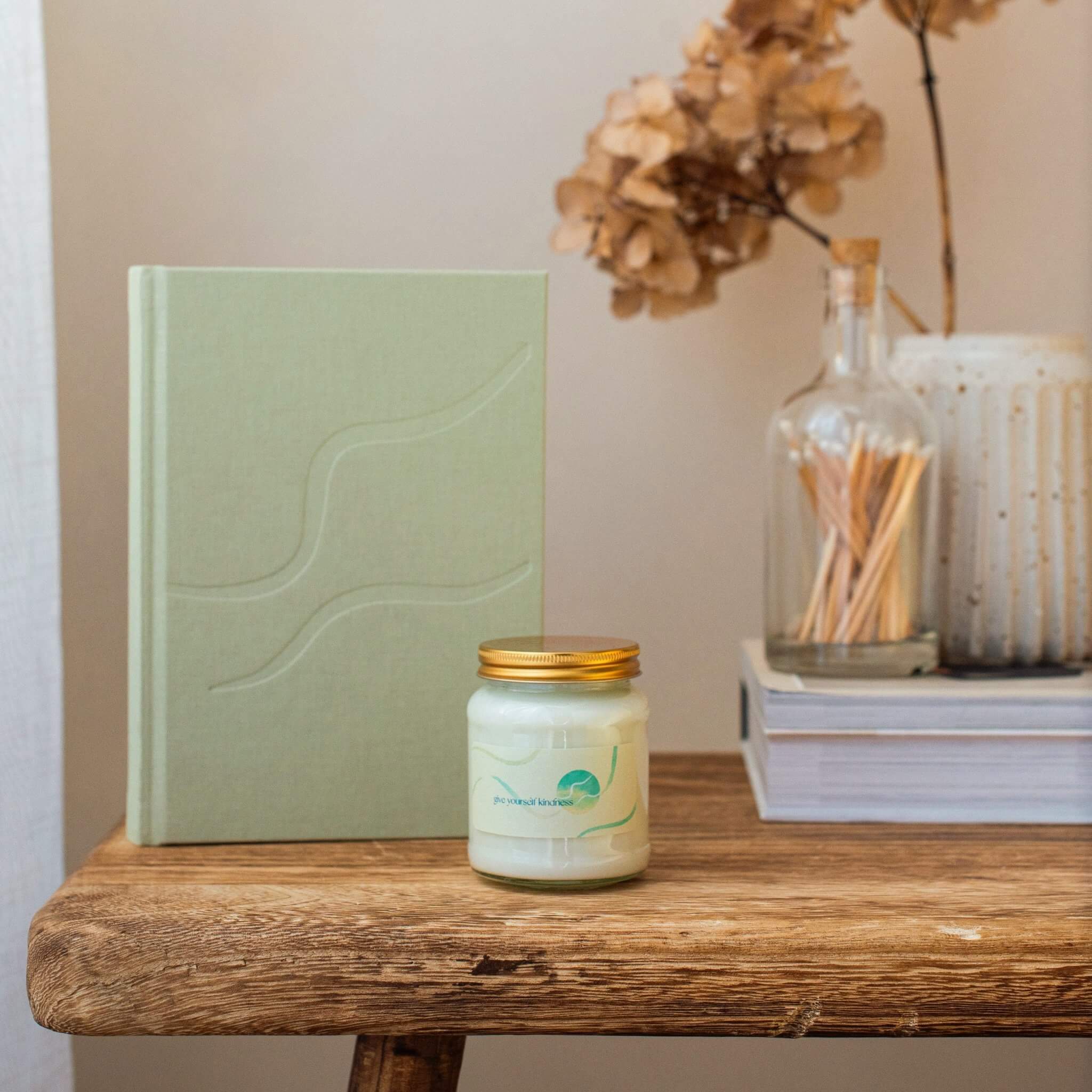
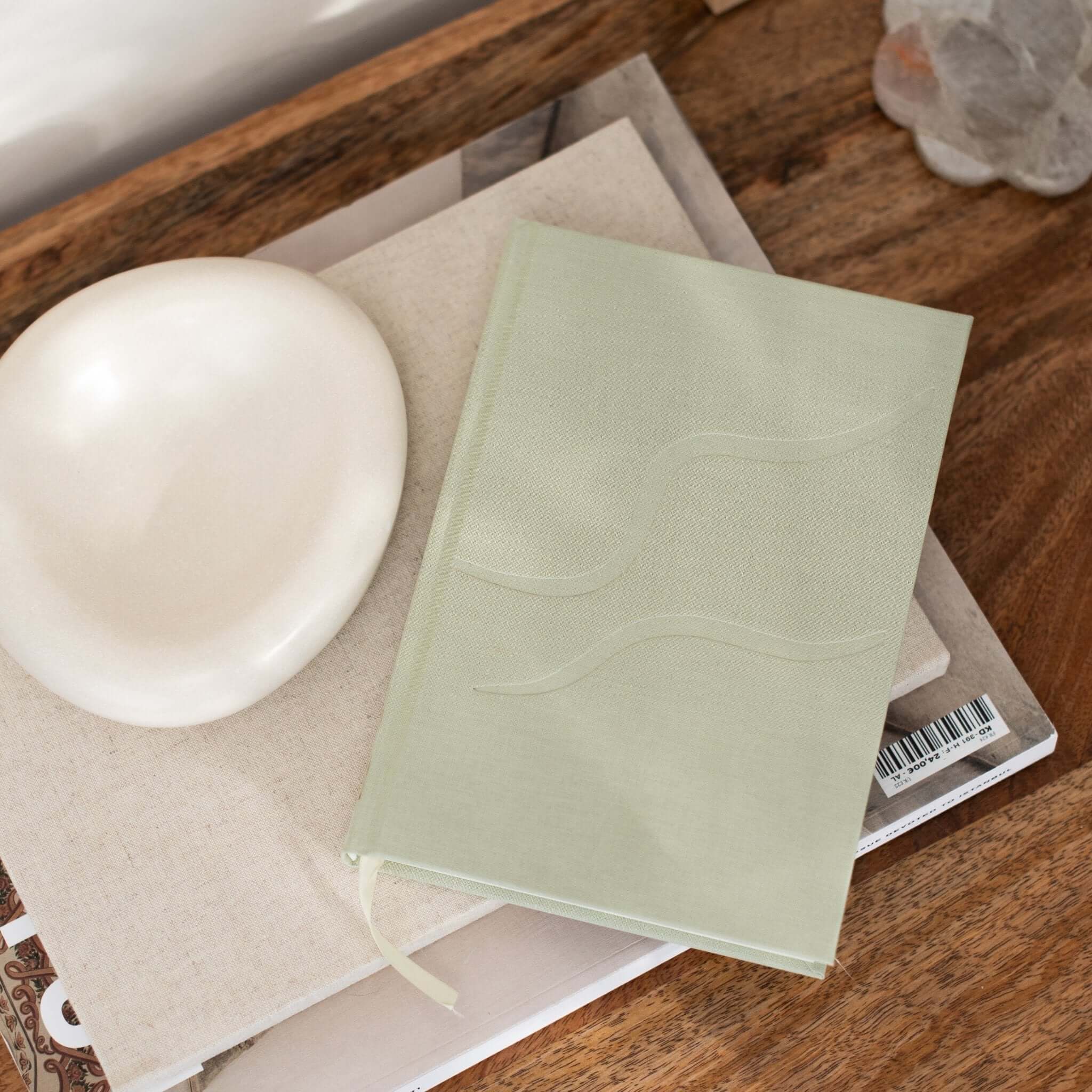
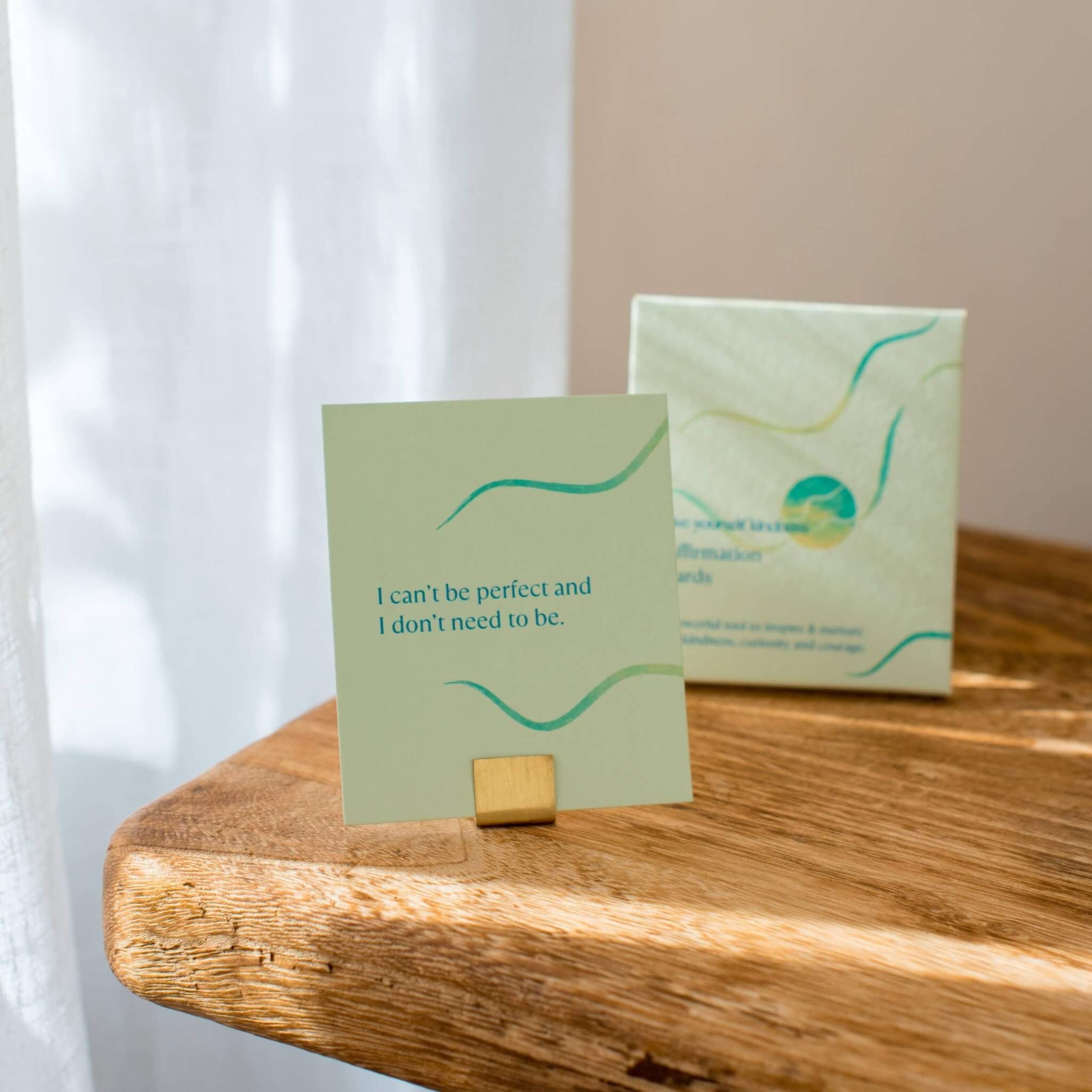
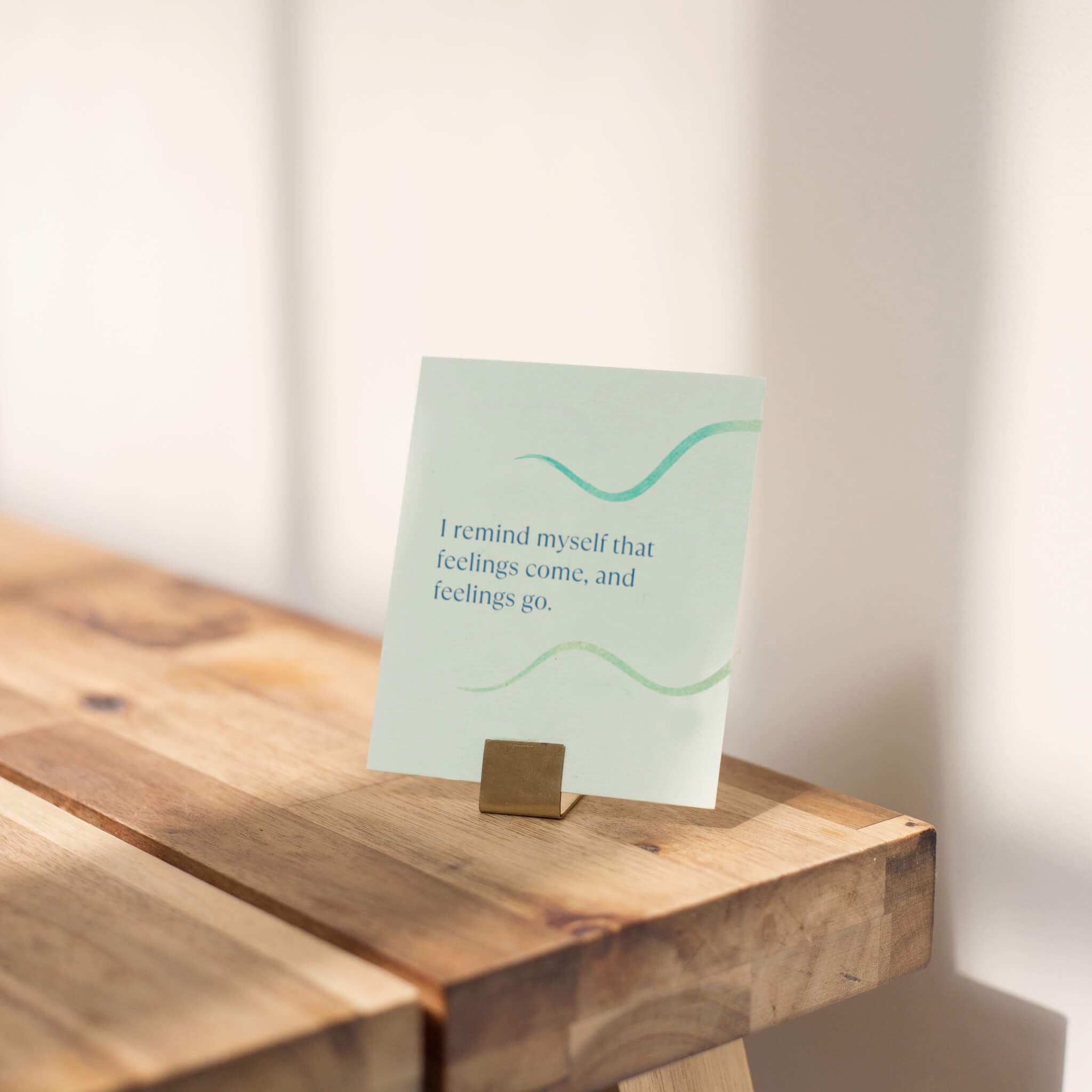
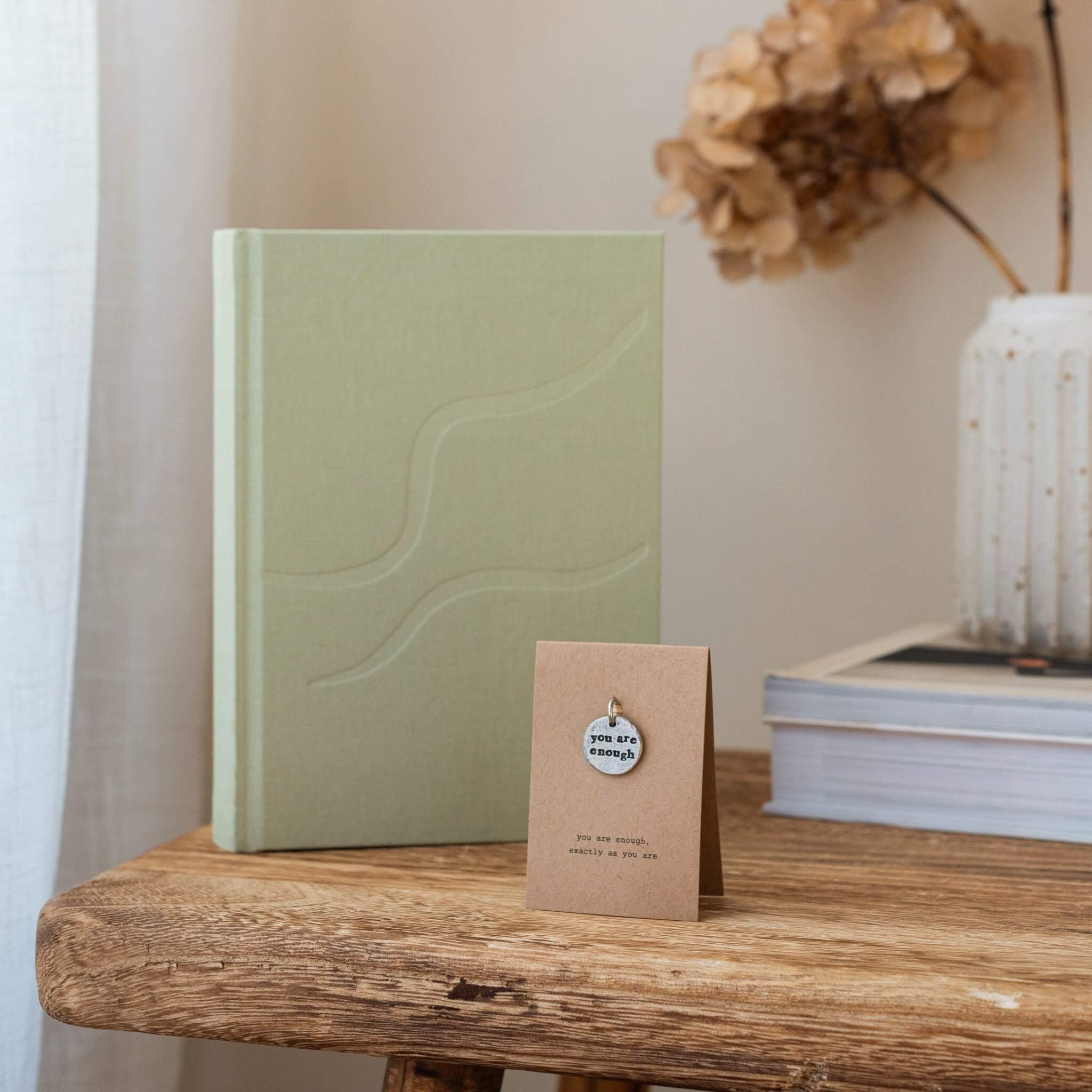
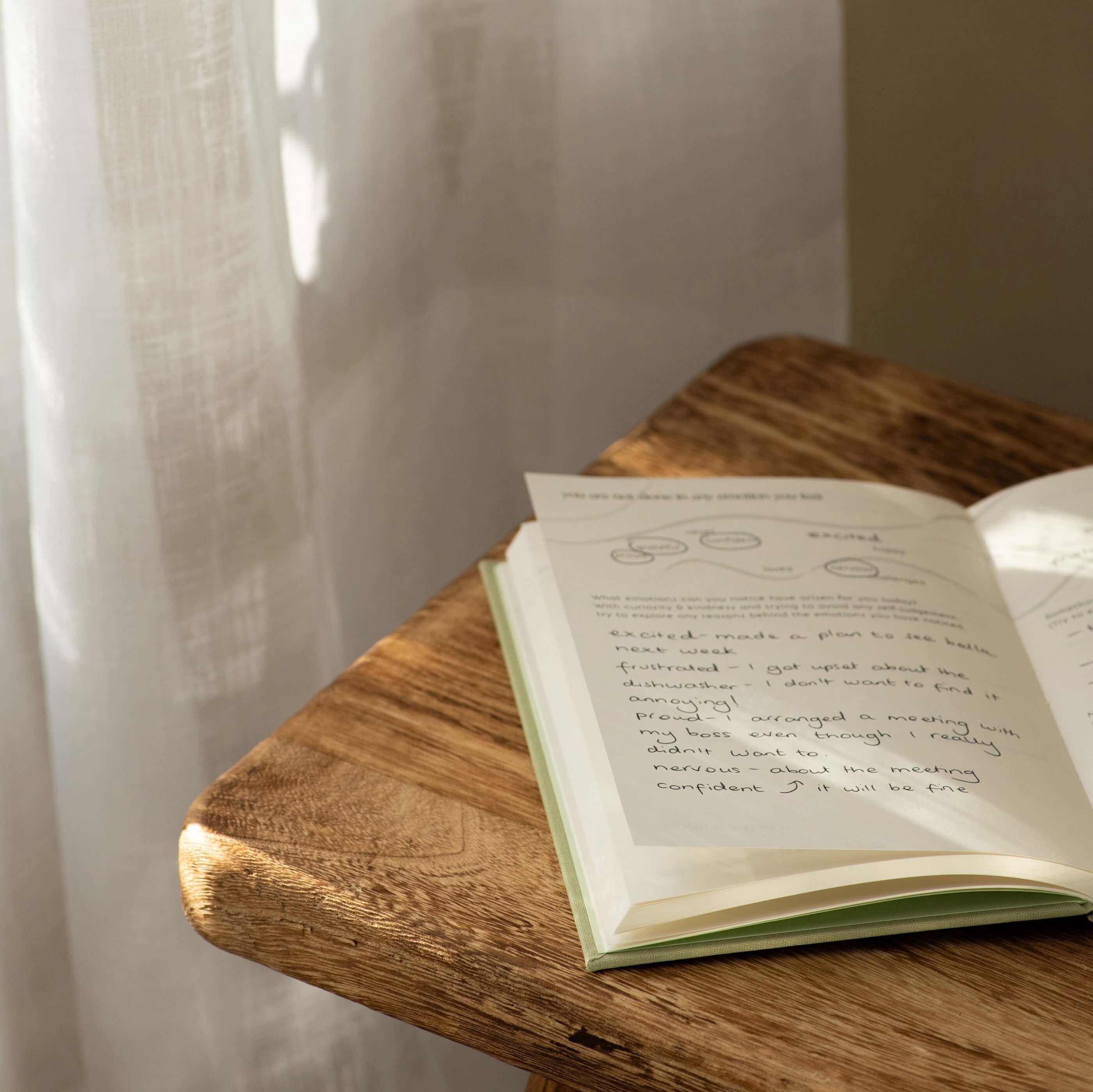
The Give Yourself Kindness Journal
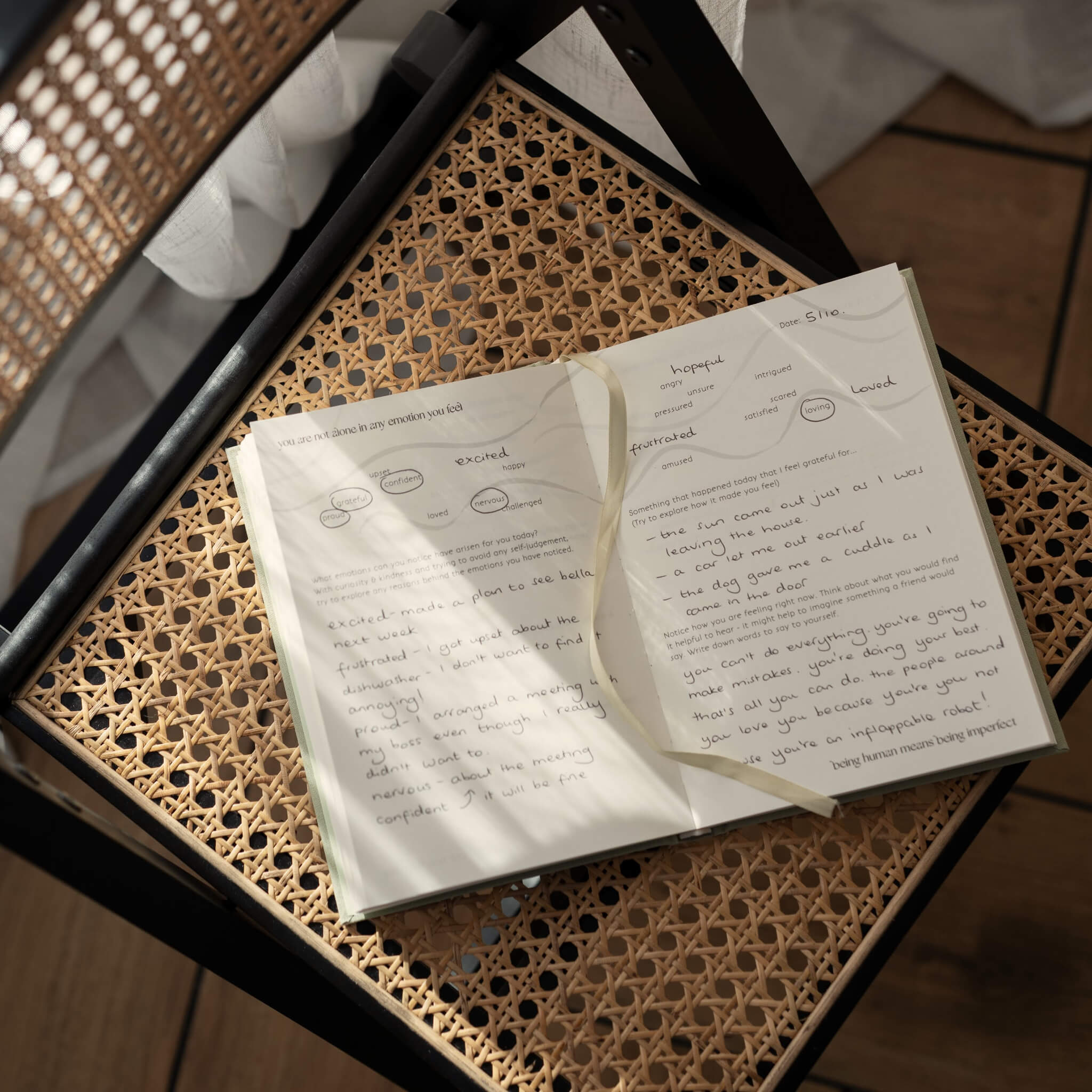
What makes it different: Goes beyond gratitude. Every page helps you identify specific emotions and respond with self-compassion instead of criticism. Used by therapists with clients worldwide. Includes gratitude prompts plus emotional awareness and self-kindness work.
Clinical validation: Recommended by Dr. Chris Germer (Harvard Medical School), Professor Willem Kuyken (University of Oxford) and Dr. Chris Irons. Accredited counsellors use this with clients between sessions.
Explore The Give Yourself Kindness Journal →Quick decision:
Want just gratitude practice? → The 30-Day Challenge (£10.95)
Want gratitude + emotional awareness + self-compassion? → The Give Yourself Kindness Journal (£28.95)
See how these compare to The Five Minute Journal, blank notebooks, and other options ↓
About this guide: I'm Rachel Smith, a qualified meditation teacher (DipBSoM, British School of Meditation, distinction). I created these journals after years of trying gratitude journals that made me feel like I was failing—those blank lines, the repetitive prompts, the guilt when I couldn't think of "three things."
This guide compares the most recommended gratitude journals honestly, including the ones I created, so you can find what actually works for you.
2026 Gratitude Journal Comparison at a Glance
| Journal | Best For | Duration | Unique Feature | Price | Expert Backed? |
|---|---|---|---|---|---|
|
The Gratitude Journal: 30-Day Challenge ⭐ Our Creation |
Beginners & those tired of repetitive prompts | 30 days | 30 completely unique prompts daily | £10.95 | ✅ Meditation teacher created |
|
The Give Yourself Kindness Journal ⭐ Our Creation |
Emotional awareness + gratitude | 90 days | Emotion tool on every page | £28.95 | ✅ Harvard & Oxford psychologists |
| The Five Minute Journal | Quick daily routine | 6 months | Same prompts morning & evening | ~£25 | — |
| The 6-Minute Diary | Structure + weekly reviews | 6 months | Habit tracking included | ~£25 | — |
| Papier Gratitude Journal | Aesthetics & customization | 5 months | Customizable cover design | ~£20 | — |
| Blank Notebook | Complete creative freedom | Your choice | Fully customizable | £5-15 | — |
⭐ Transparent disclosure: We created two journals in this comparison. We believe they solve problems other journals don't address (forced positivity, repetitive prompts, blank-line anxiety), but we've included honest alternatives and their pros/cons.
Why Trust This Comparison?
This guide brings together three perspectives you won't find elsewhere:
Personal Experience with Failure
I'm Rachel Smith, a qualified meditation teacher (DipBSoM, British School of Meditation, distinction). I tried every popular gratitude journal available while recovering through Compassion-Focused Therapy for harsh self-talk. Most made me feel worse—those blank lines, the forced positivity, the guilt when I couldn't think of three things. This comparison exists because I needed it myself.
Clinical Expert Validation
The Give Yourself Kindness journal is recommended by:
- Dr. Chris Germer, PhD — Clinical Psychologist, Harvard Medical School | Co-developer of Mindful Self-Compassion (MSC)
- Professor Willem Kuyken, PhD — University of Oxford, Top 1% most cited scientists worldwide
- Dr. Chris Irons — Clinical Psychologist & CFT Researcher
Used by Therapists with Clients
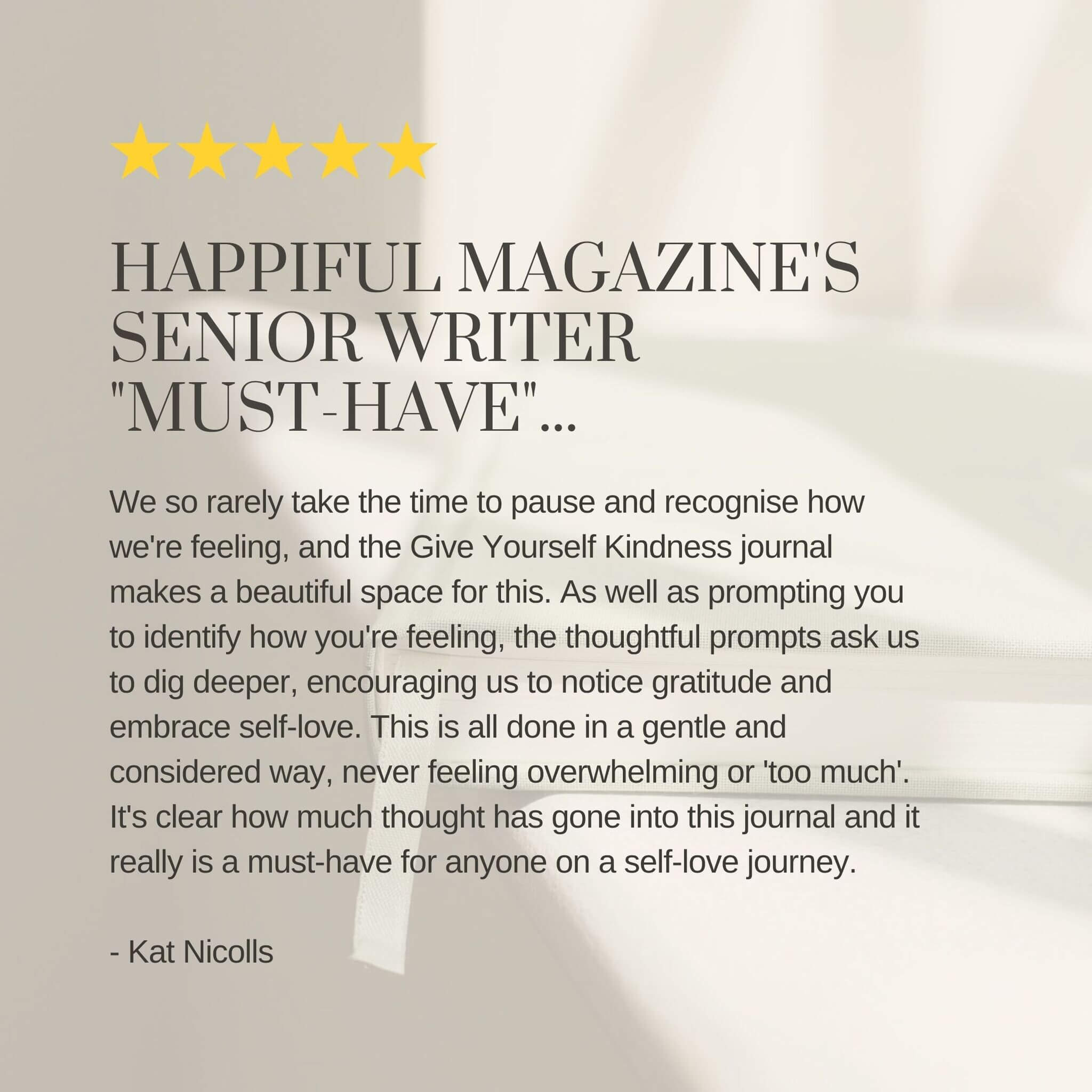
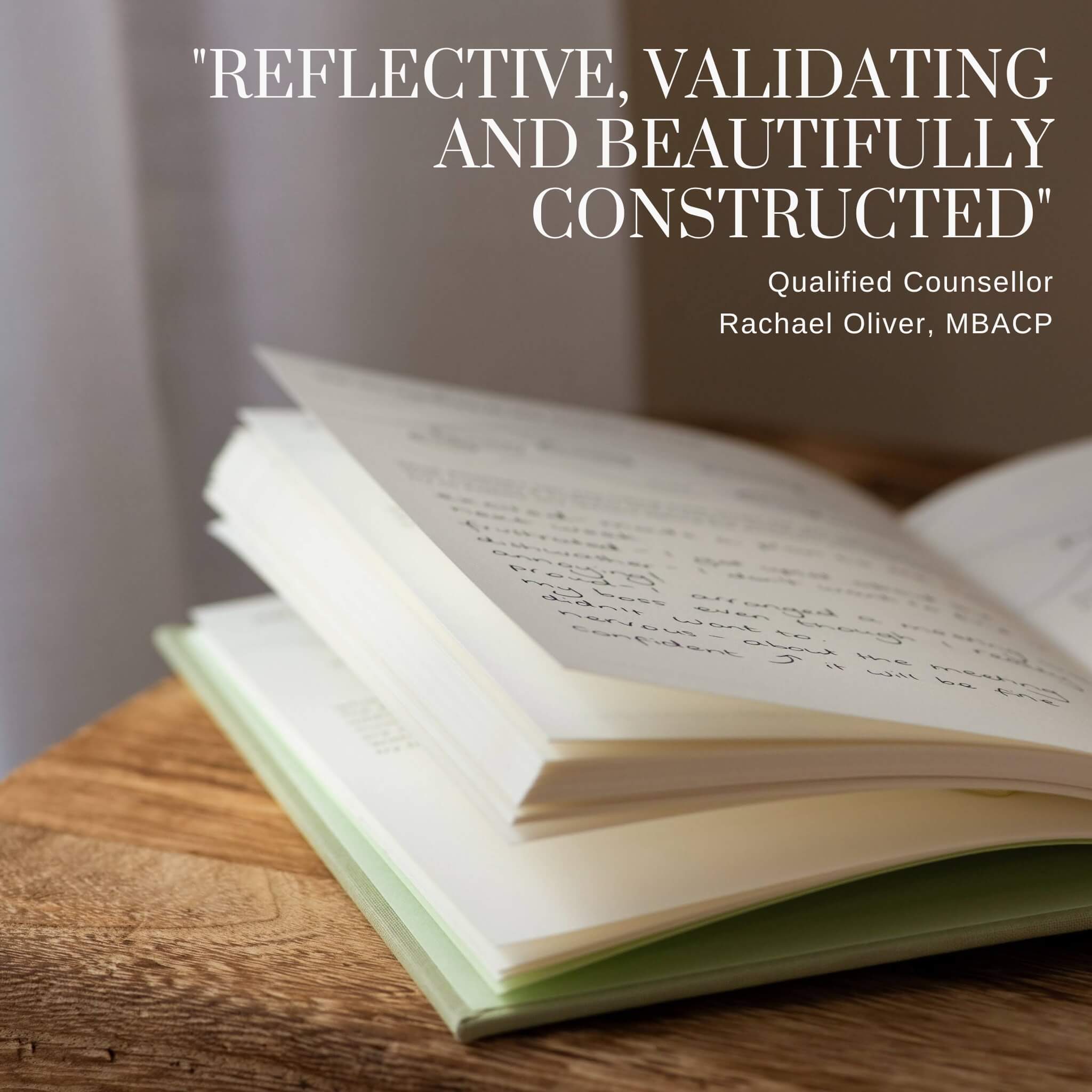
Accredited counsellors and therapists use The Give Yourself Kindness Journal with their clients between sessions. Accredited counsellor Rachael Oliver MBACP calls it "an absolutely essential tool for helping build self awareness, compassion, reflect on things happening between sessions."
When you're comparing gratitude journals, this matters—these tools are tested in actual therapeutic settings, not just marketed with generic wellness claims.
Full transparency: I created two of the journals in this comparison (The Gratitude Journal: 30-Day Challenge and The Give Yourself Kindness Journal). I believe they're the best alternatives to frustrating numbered-list formats, but I've included honest pros and cons for all options so you can make your own decision. The other journals listed (Five Minute Journal, 6-Minute Diary, Papier) are competitors, and I've fairly represented what they offer.
Detailed Gratitude Journal Comparison
The Gratitude Journal: A 30-Day Challenge
What Makes This 30-Day Challenge Different
Is The Gratitude Journal right for you?
- Have never kept a journal before and want to start with something achievable
- Find typical gratitude journals repetitive or boring
- Feel pressure from numbered lists and blank lines
- Want to avoid forced positivity and toxic positivity
- Appreciate variety and creative prompts
- Are new to gratitude practice and want guidance
- Want research-backed techniques in an accessible format
- Prefer a focused, achievable timeframe (30 days vs 6 months)
- Are looking for a thoughtful, affordable gift
- Prefer the same prompts every day for consistency
- Want a longer journal (this is 30 days)
- Prefer quick bullet-point lists over exploratory writing
- Want a morning and evening structure specifically
The Give Yourself Kindness Journal (Gratitude & More)
What Makes The Give Yourself Kindness Journal Different:
If you want more than just gratitude—if you're working on understanding your emotions, responding to yourself with compassion, and building emotional resilience—this journal offers a more comprehensive approach.

"A warm invitation to make friends with your emotions and yourself!"
Dr. Chris Germer, PhD Clinical Psychologist, Harvard Medical School | Co-developer of Mindful Self-Compassion (MSC) program taught to 250,000+ people worldwide
"Rachel has curated the experience to make the writing intrinsically rewarding and the journal something to treasure. Writing can invoke an inner critic, rumination and procrastination. Rachel has curated the experience to make the writing intrinsically rewarding."
Professor Willem Kuyken, PhD, DClinPsy Ritblat Professor of Mindfulness and Psychological Science, University of Oxford | Top 1% most cited scientists worldwide
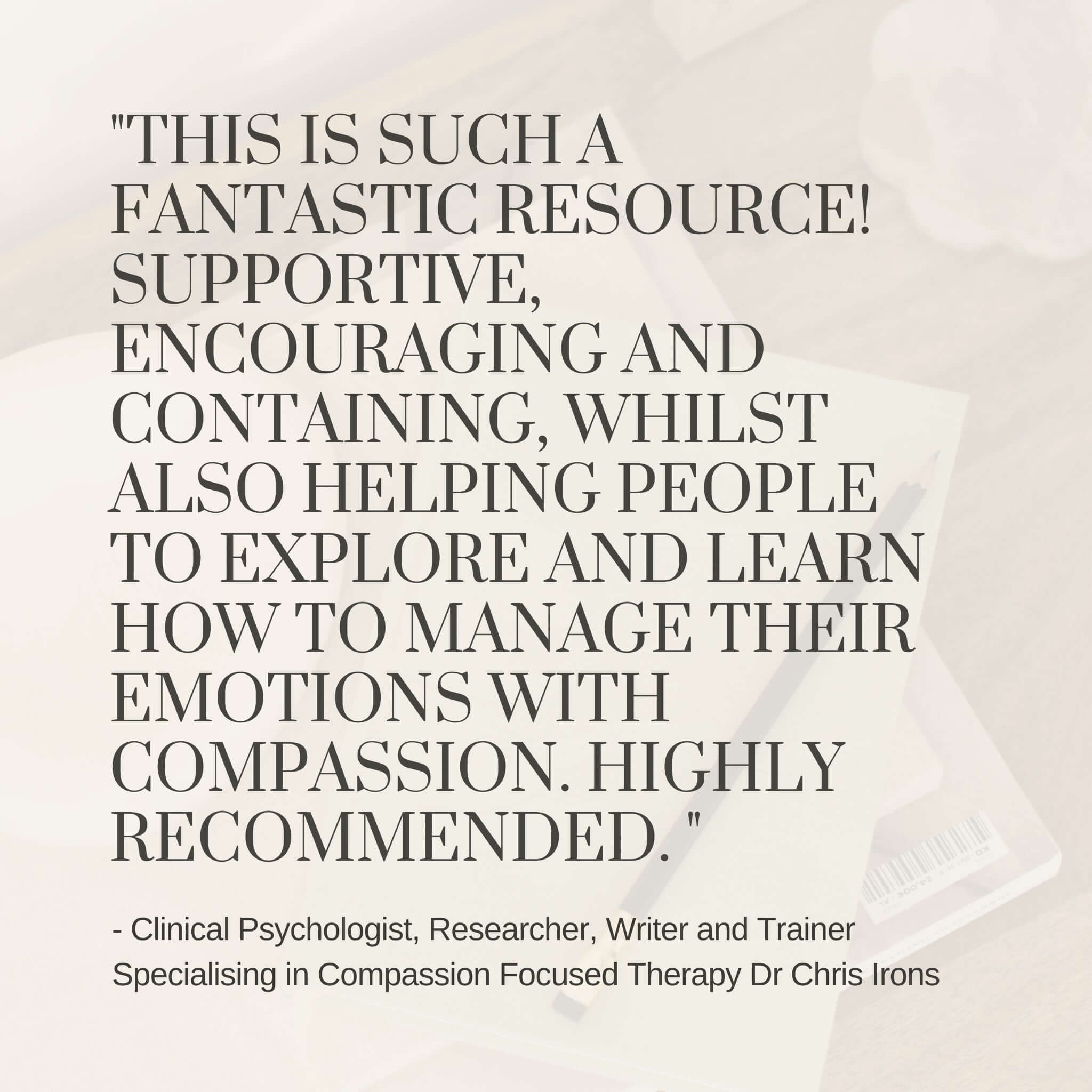
"This is such a fantastic resource! Supportive, encouraging and containing, whilst also helping people to explore and learn how to manage their emotions with compassion. Highly recommended."
Dr. Chris Irons Clinical Psychologist | CFT Researcher and TrainerIs The Give Yourself Kindness Journal right for you?
- Want gratitude plus broader emotional support
- Struggle to identify or understand your emotions
- Are working on self-compassion and reducing self-criticism
- Want a longer practice (90 days)
- Appreciate expert validation from clinical psychologists
- Are looking for a tool therapists actually use with clients
- Want only gratitude (not broader emotional work)
- Prefer a shorter commitment (30 days vs 90)
- Looking for the most budget-friendly option
The Five Minute Journal
What makes this journal different:
The Five Minute Journal is scientifically backed and designed for busy people. It uses the same prompts every day: morning gratitude prompts and evening reflection on three amazing things that happened. This consistency can be helpful for building habits, though some find the repetition boring over time.
Choose this journal if you:
- Want a quick, no-thinking-required structure
- Prefer consistency and routine
- Have very limited time (genuinely just 5 minutes)
- Like morning and evening check-ins
The 6-Minute Diary
What makes this journal different:
Similar to The Five Minute Journal but with slightly more time investment. It offers 3 minutes in the morning and 3 in the evening, plus dedicated space for notes and weekly reflection. Includes prompts for tracking habits and general wellness alongside gratitude.
Choose this journal if you:
- Want structure but slightly more depth than 5 minutes
- Like weekly review practices
- Want to track habits alongside gratitude
- Prefer a comprehensive wellness approach
Papier Gratitude Journal
What makes this journal different:
A beautifully designed journal with daily prompts and monthly check-ins. Features uplifting quotes and affirmations. The main appeal is the aesthetic and ability to customize the cover design, making it feel more personal or special as a gift.
Choose this journal if you:
- Value beautiful design and aesthetics
- Want to customize the cover
- Appreciate quotes and affirmations
- Looking for a gift that feels luxurious
A Blank Notebook
What makes this approach different:
The simplest option—just you and a blank page. You can write as much or as little as you want, change your approach daily, draw, make lists, or write paragraphs. Complete freedom means complete flexibility, but it also requires more discipline and self-direction.
Choose a blank notebook if you:
- Want total creative freedom
- Enjoy designing your own practice
- Have experience with journaling and don't need prompts
- Like the idea of unstructured exploration
- Are on a tight budget
Potential challenges:
- Can feel overwhelming without direction
- Easier to skip when you're stuck
- May fall into repetitive patterns without realizing
- No built-in accountability or structure
Which Gratitude Journal for Your Situation?
Why this works: Builds confidence without intimidation
Avoid: Journals with repetitive daily prompts that become mechanical
Avoid: Journals with forced positivity that might trigger resistance
Avoid: Traditional "_____,_____,_____" formats
Why this works: More comprehensive than gratitude alone
Alternative: The 30-Day Gratitude Challenge for prompt inspiration and structure
Note: Works best if you don't mind repetition and can commit to 6 months
Why this works: Research shows 30 days is enough to establish neural pathways for gratitude
Which Gratitude Journal Should You Choose?
Find your best match based on what you need:
Common Gratitude Journaling Problems (And Solutions)
Why I Created The Gratitude Journal
I need to be honest with you: The Gratitude Journal exists because I was frustrated.
Every gratitude journal I tried left me feeling like I was doing it wrong. I'd open to those familiar prompts—
"Three things I am grateful for today...
_________________
_________________
_________________"
And I'd stare at those blank lines. Nothing would immediately come to mind. My inner critic would start: "I should be able to think of things. What's wrong with me? I'm so ungrateful."
But here's what I've learned: Finding gratitude hard doesn't mean you're ungrateful. It means you're human. Our brains evolved to scan for problems first—it's a survival instinct. Those blank lines weren't helping; they were creating pressure.
The Research Is Clear: Gratitude Works
Research shows that gratitude practice counteracts the negative bias in our brains and supports mental health. Studies demonstrate that two-minute gratitude practices can increase happiness by 25%. The practice itself is powerful—it's just that many journals make it feel like another thing to get right.
A Different Approach: The 30-Day Challenge
When I created The Gratitude Journal, I wanted to fix everything that had made gratitude practice feel like failure:
- 30 unique prompts, one for each day. From exploring nature with your senses to writing letters to finding gratitude in mistakes—completely different every day.
- No numbered lists. No blanks staring at you. Just invitations to be curious.
- Permission to feel. Explicitly acknowledges that some days gratitude feels easier, other days harder—and that's completely normal.
- Creative variety. Drawing, letter-writing, listening to music, planning small joys—gratitude through many different doorways.
- Space for complexity. Recognizes that gratitude and pain can coexist. Some painful experiences are just painful, and that's valid.
- Research-backed without being academic. Includes the science of how gratitude changes your brain, but makes it accessible and practical.
- A focused 30-day timeframe. Long enough to build the habit, short enough to feel achievable.
Who This Challenge Is For
This 30-day challenge is perfect if you:
- Have never kept a journal before and want to start somewhere supportive
- Have tried gratitude journals before and found them boring or repetitive
- Feel pressure from traditional gratitude formats with blank lines
- Want to practice gratitude but struggle with forced positivity
- Are curious about gratitude but new to the practice
- Want research-backed techniques in a warm, accessible format
- Appreciate variety and creative approaches
- Prefer a focused commitment (30 days) over long-term journals (6 months)
- Want something affordable but meaningful as a gift
What's Included in the 30-Day Challenge
- 30 unique daily prompts exploring gratitude through your senses, memories, relationships, body, creativity, nature, comfort, mistakes, and changes
- Creative exercises including drawing, letter-writing, listening to music, and planning small joys
- A guided gratitude meditation recorded by me (I'm a qualified meditation teacher)
- The science of gratitude explained accessibly, with links to further reading on how gratitude changes your brain
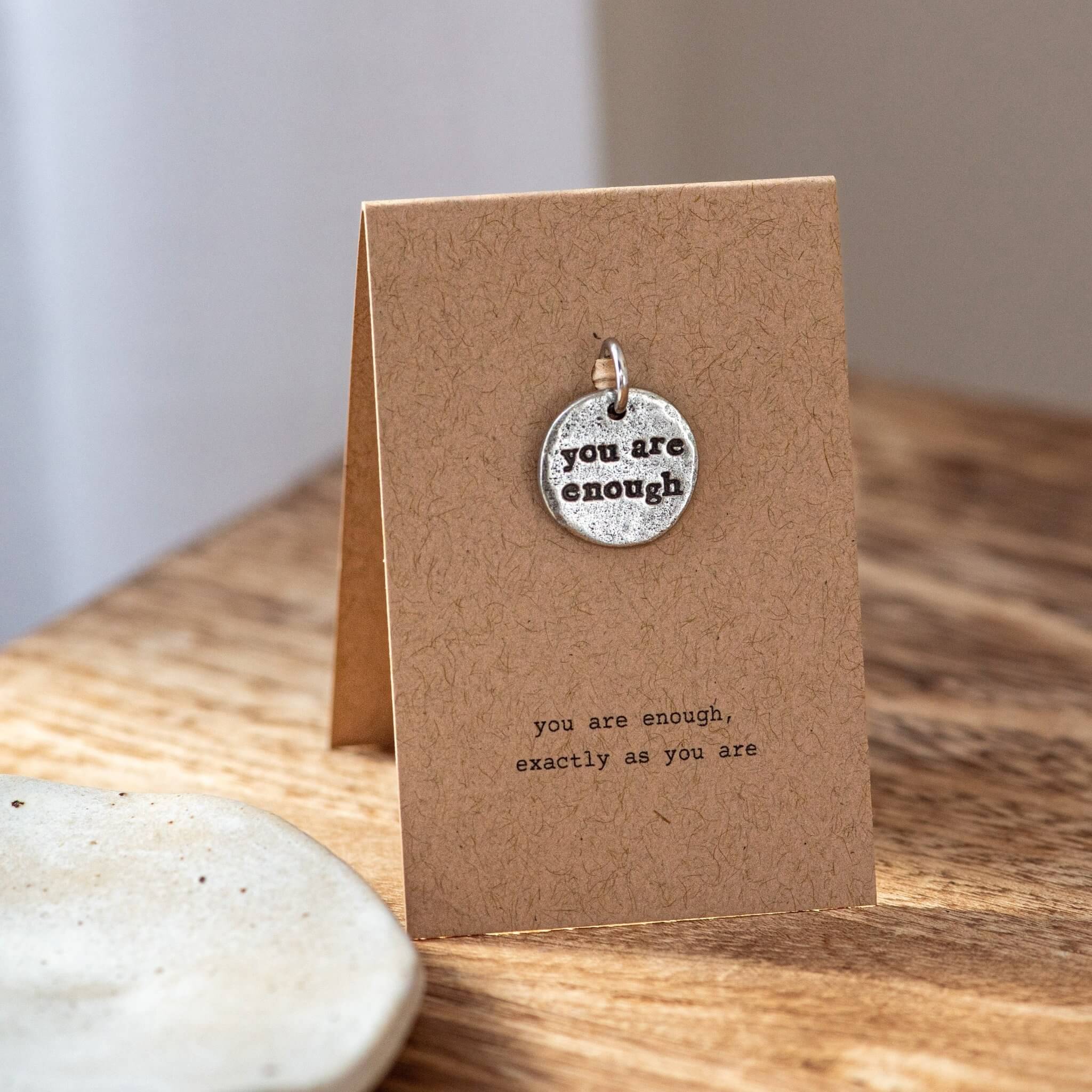
- Gentle reminders throughout that give you permission to be human
- Space to return to and reflect on what you've learned
The Gratitude Journal vs The Give Yourself Kindness Journal
Both journals were created to address gaps in traditional gratitude practices, but they serve different needs:
The Gratitude Journal: 30-Day Challenge (£10.95):
- Focused specifically on gratitude practice
- 30 unique prompts, one for each day
- No numbered lists or pressure-inducing formats
- Includes guided gratitude meditation
- Shorter timeframe (30 days) designed to be manageable
- Perfect if you specifically want a gratitude practice
The Give Yourself Kindness Journal (£28.95):
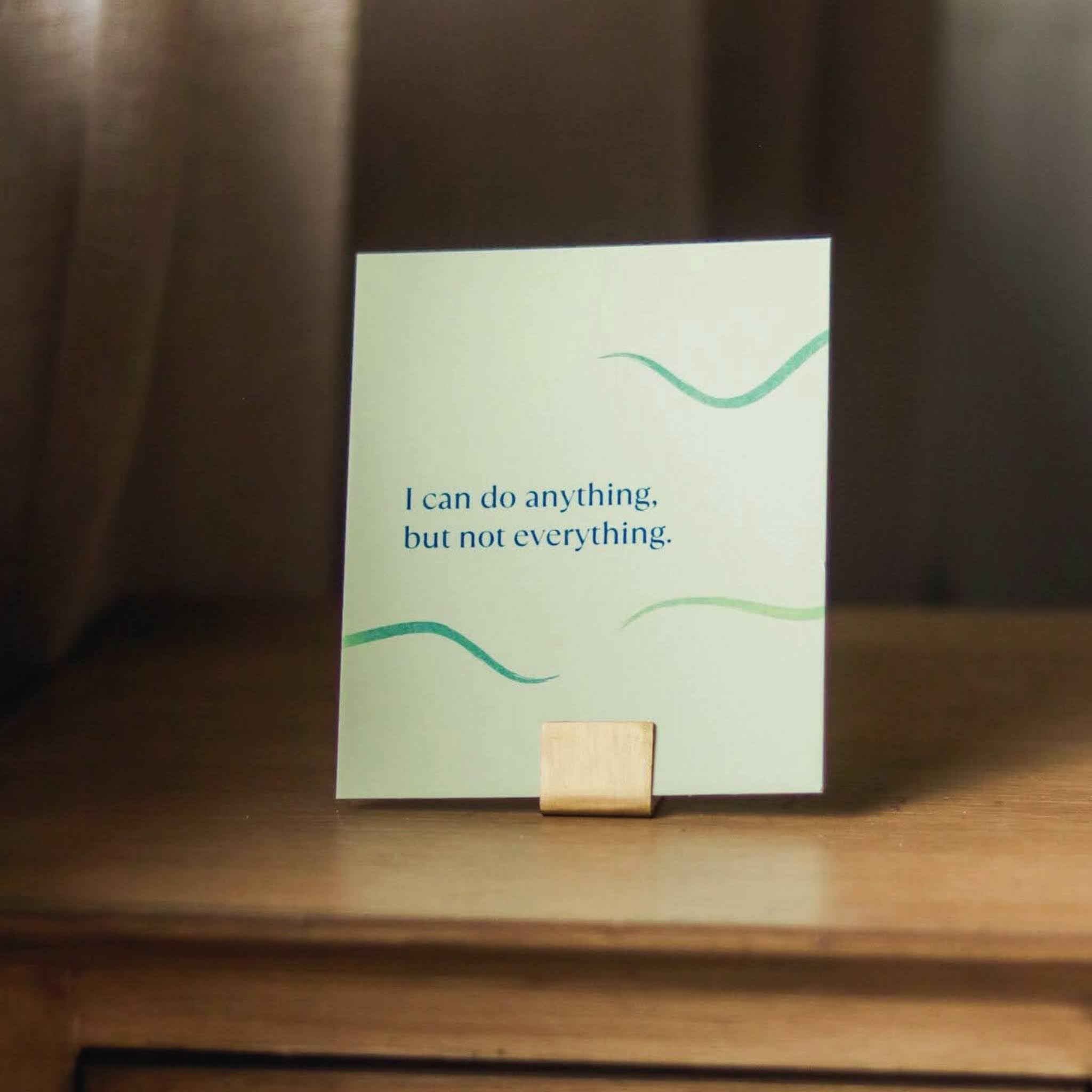
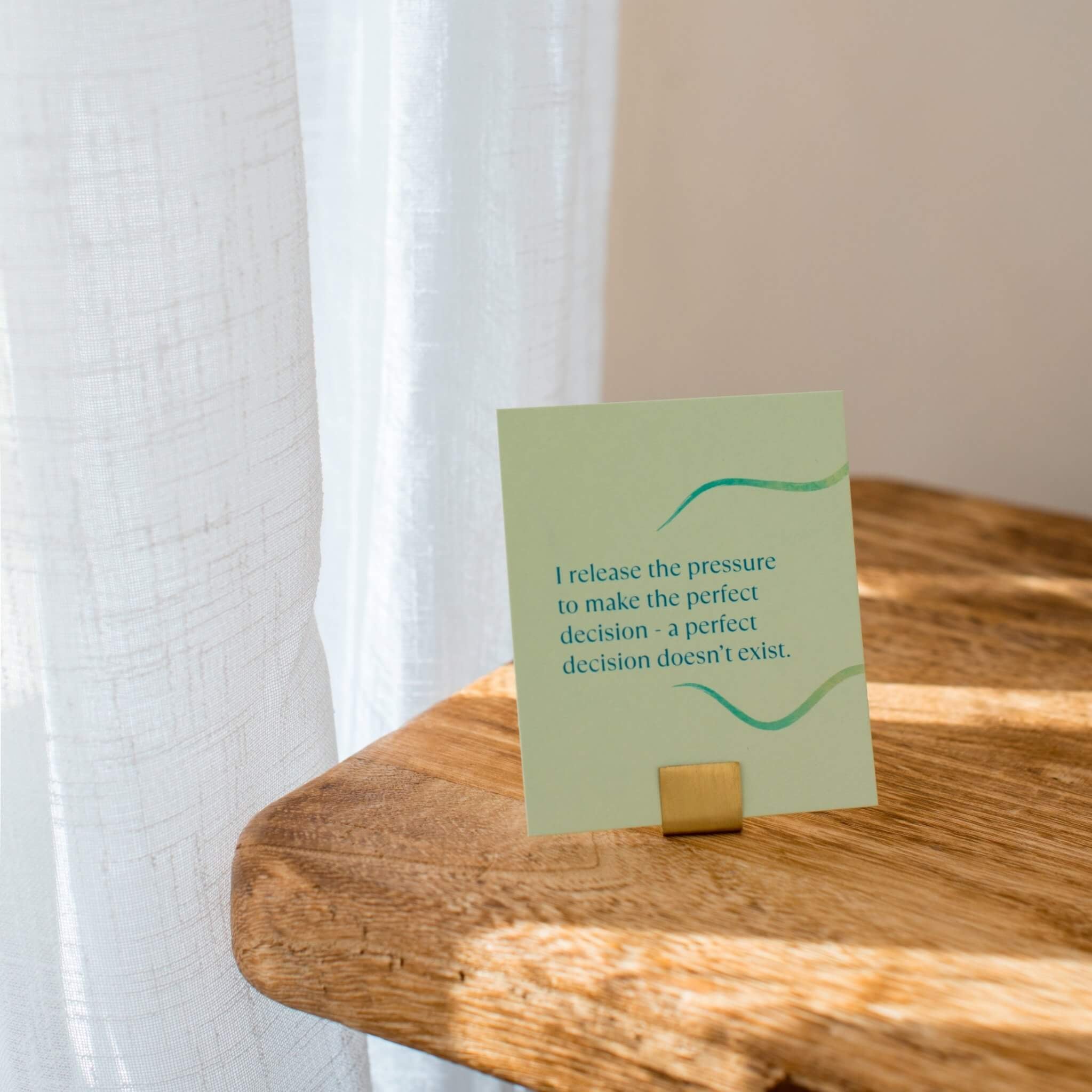
- 90 unique prompts covering gratitude, emotional awareness, and self-compassion
- Emotional awareness tool on every single page to help identify specific feelings
- Integrates self-compassion techniques (responding to yourself like a friend)
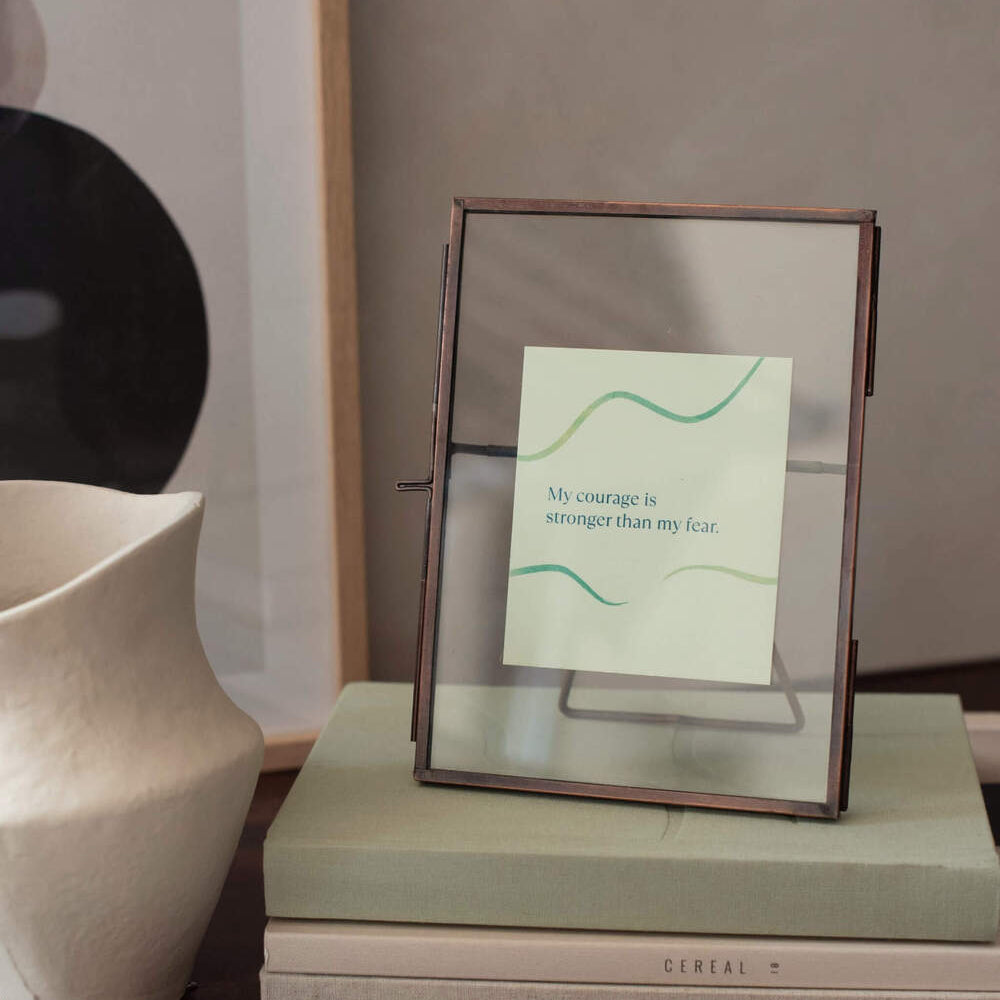
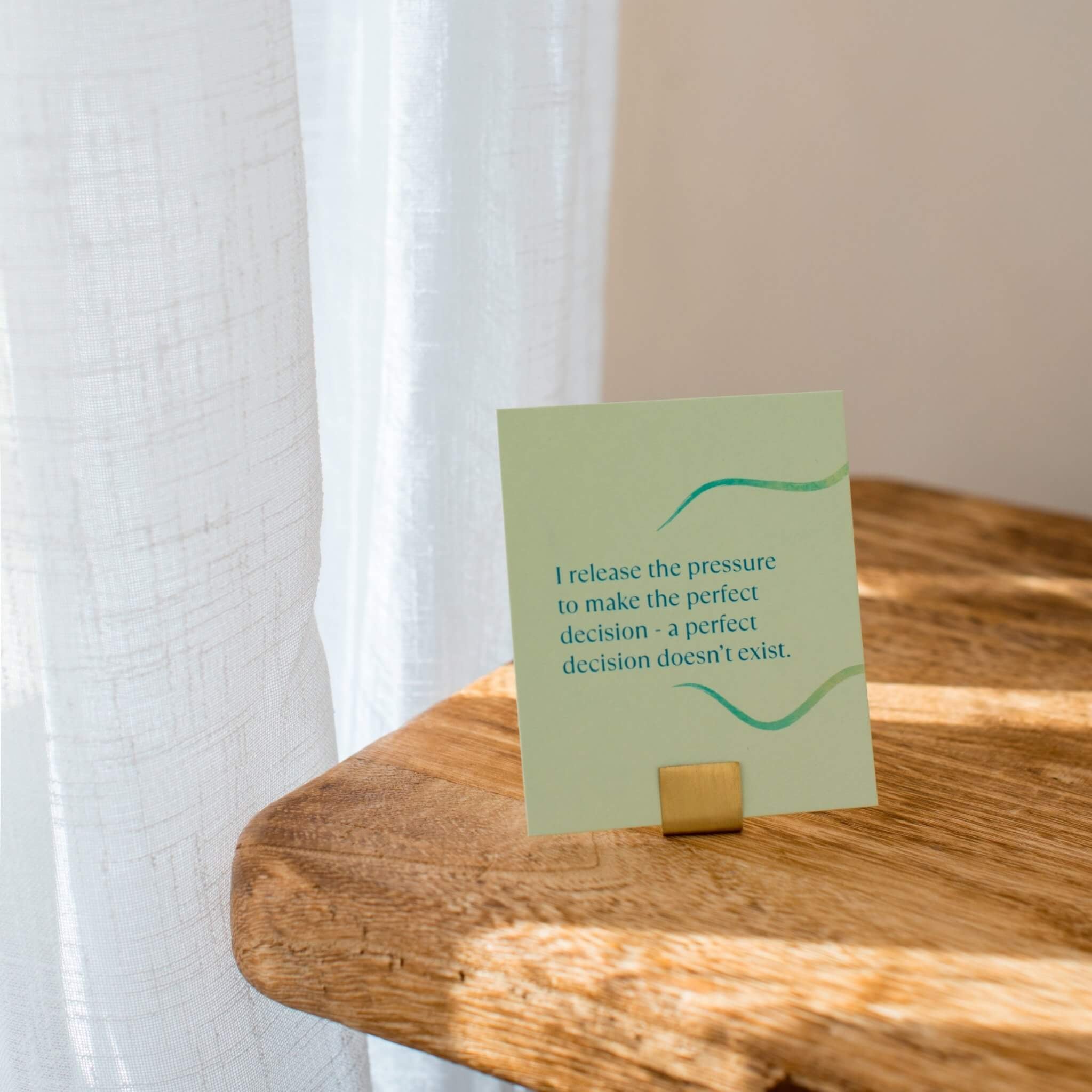
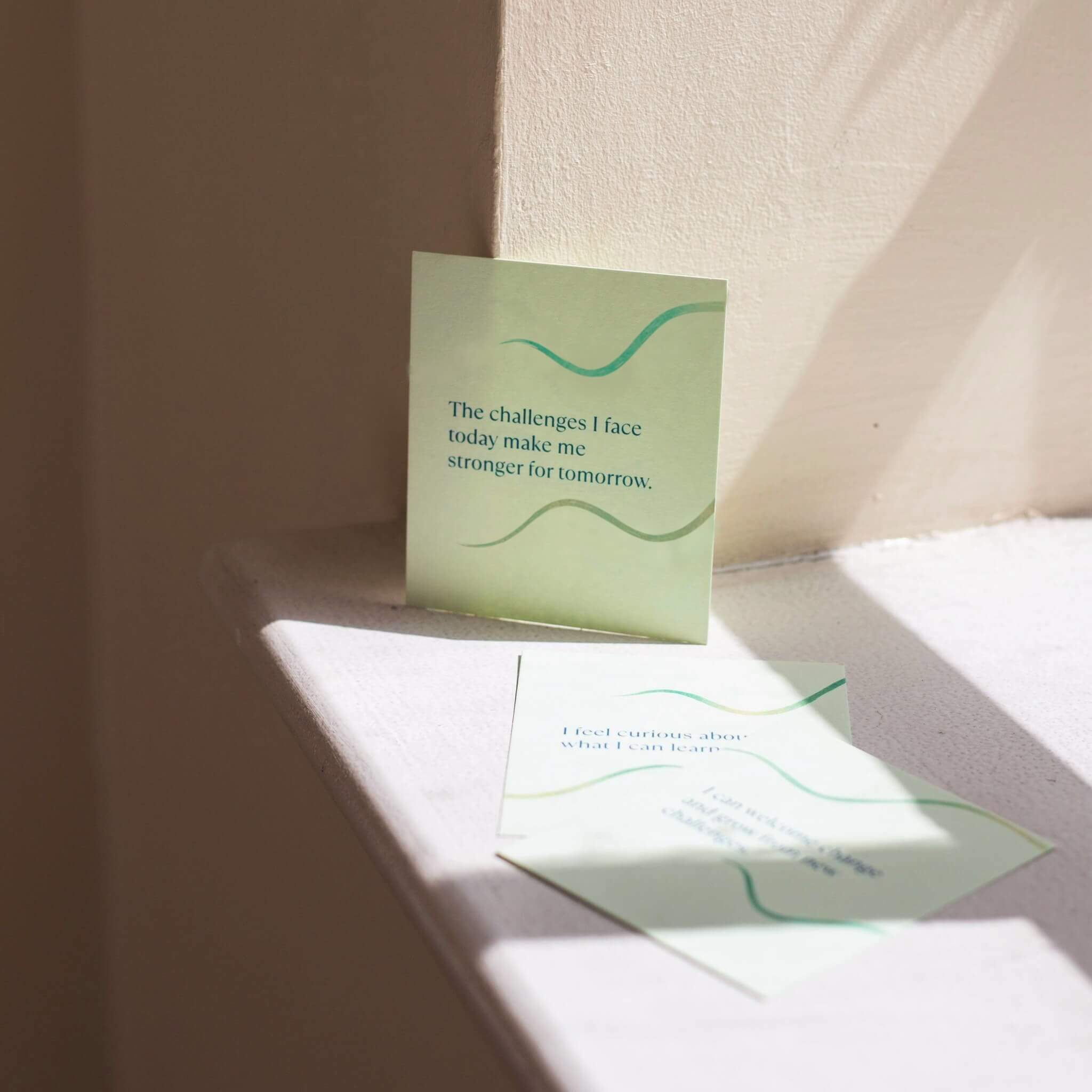
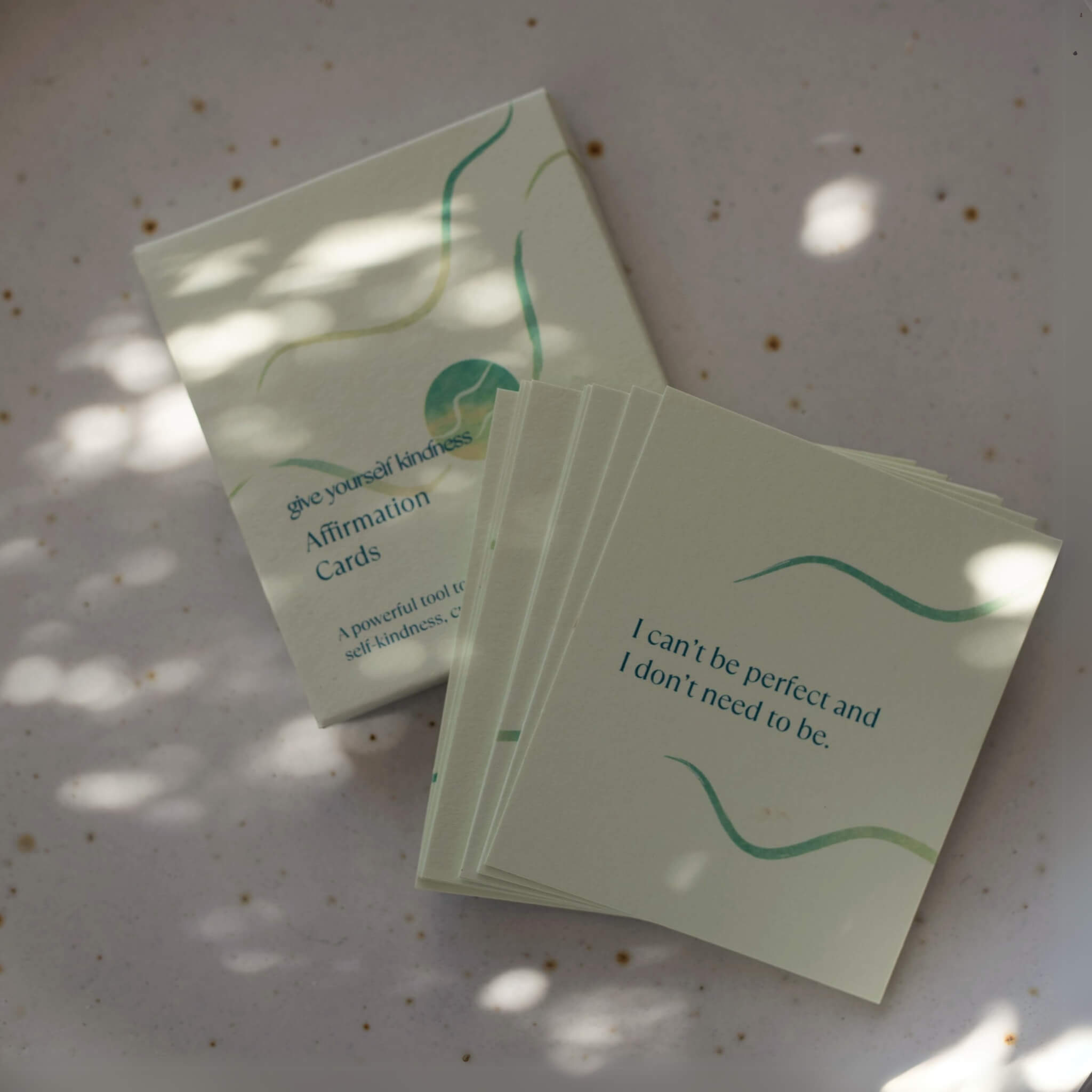
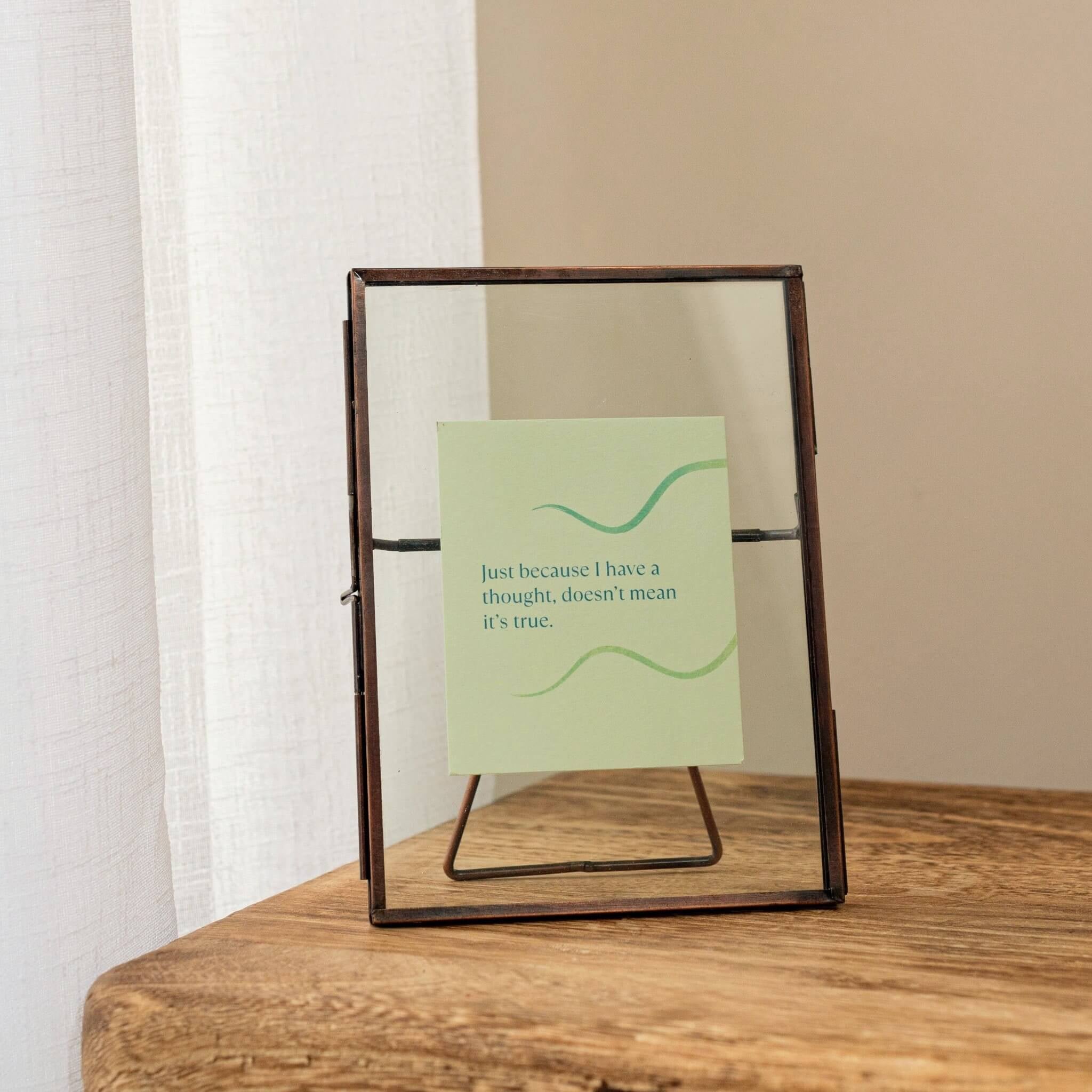
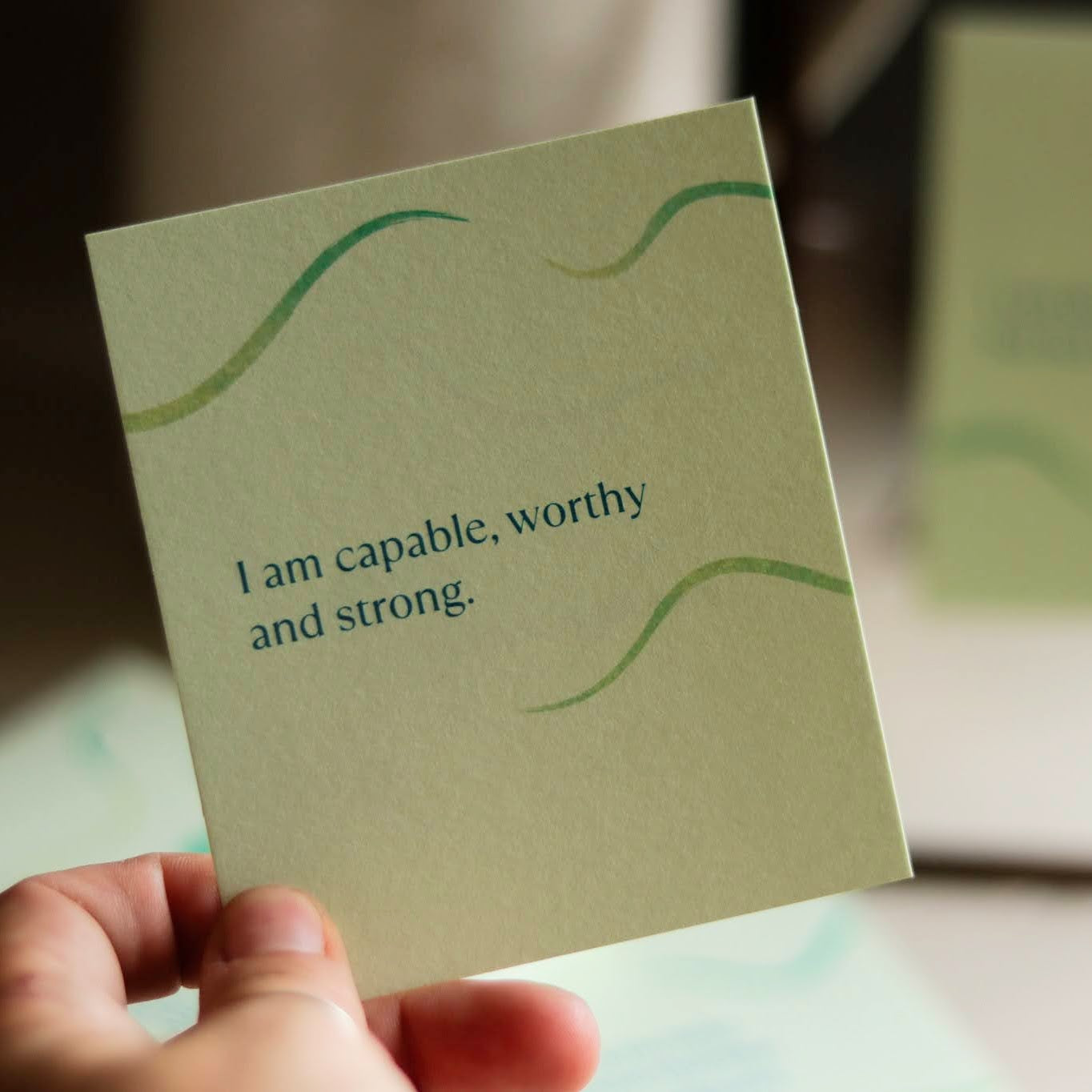
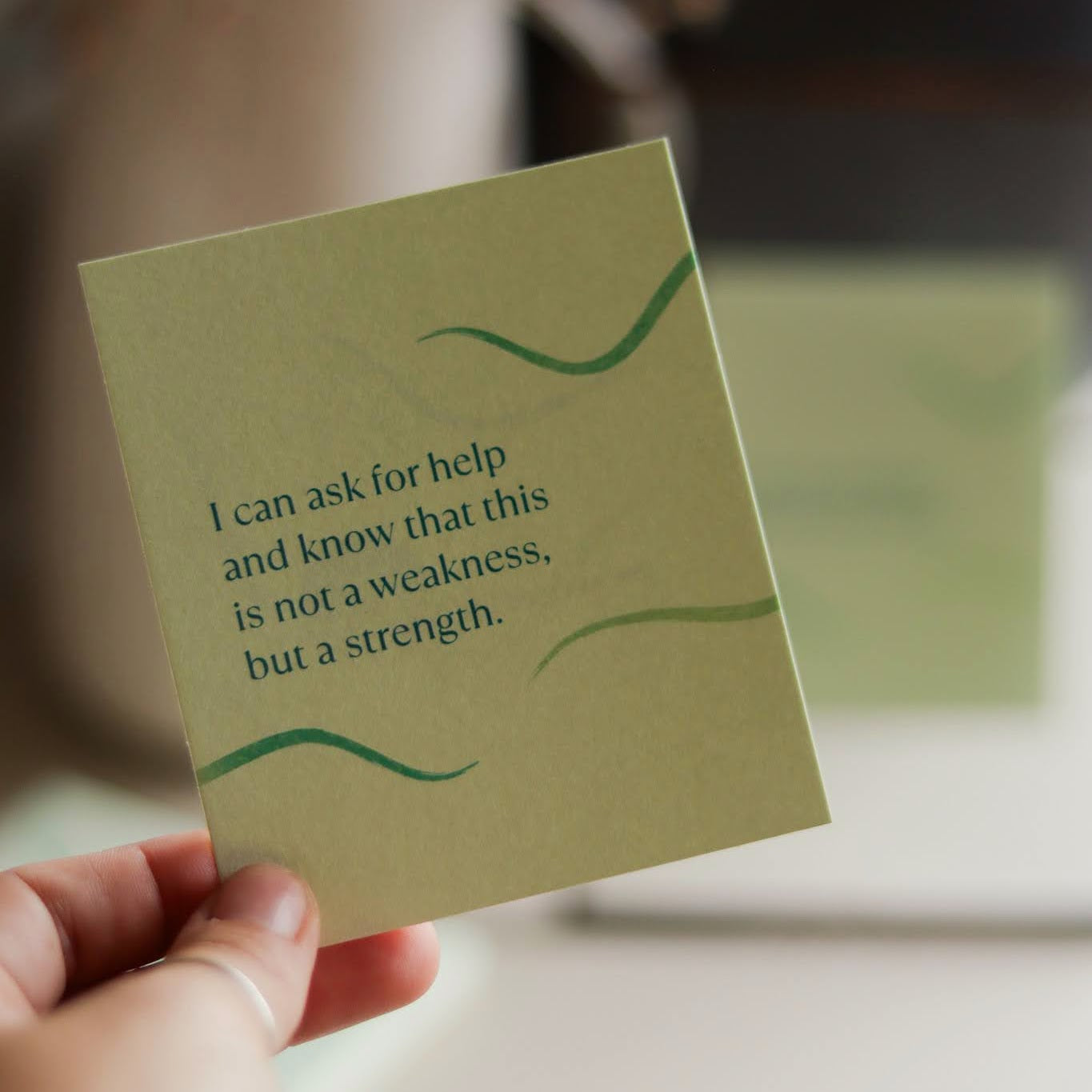
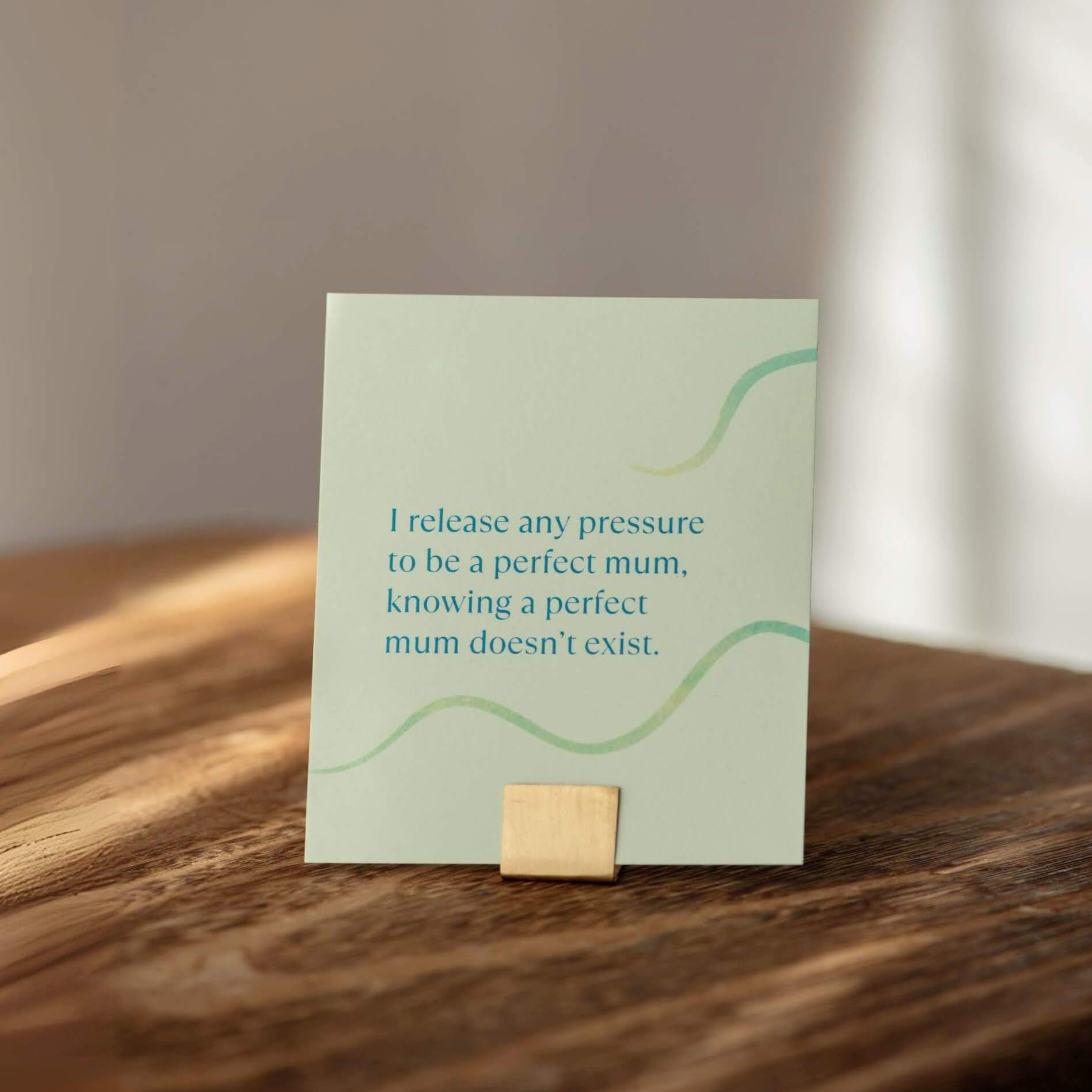
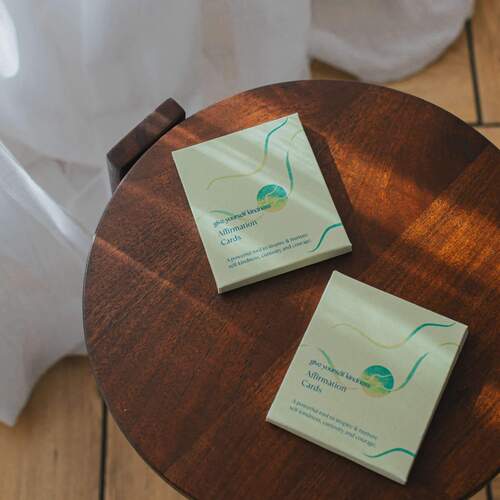
- 50+ gentle affirmations throughout
- Recommended by clinical psychologists from Harvard and Oxford
- Used by therapists with clients worldwide
- Perfect if you want broader emotional support beyond gratitude
Which should you choose?
- Choose The Gratitude Journal if you want a focused 30-day gratitude challenge
- Choose The Give Yourself Kindness Journal if you want broader emotional support, self-compassion work, and longer-term practice (includes gratitude plus much more)
My Verdict: Which Gratitude Journal to Choose
If you want a gratitude practice that feels genuine and exploratory—one that gives you permission to be human on difficult days—this is your best choice. The variety keeps you engaged (30 completely different prompts), the approach removes pressure (no numbered lists or blanks), and it explicitly validates that gratitude can feel hard sometimes. At £10.95, it's also the most affordable option. Perfect if you've never journaled before or have given up on gratitude journals in the past. (Yes, I created this one, and I genuinely believe it's the best alternative to those frustrating numbered-list formats.)
Choose this if you want more than just gratitude. With 90 unique prompts covering emotional awareness, self-compassion, and gratitude, plus expert validation from Harvard and Oxford psychologists, this journal is used by therapists with clients worldwide. Perfect if you're working on understanding your emotions and building self-compassion alongside gratitude practice.
Choose this if you genuinely need something that takes exactly 5 minutes with the same prompts daily. The structure is consistent and quick, though some find the repetition becomes mechanical over time, and 6 months feels overwhelming to commit to.
If you're experienced with journaling and want complete flexibility to design your own practice, a blank notebook gives you total creative control. Just be prepared to provide your own structure, accountability, and motivation when you get stuck.
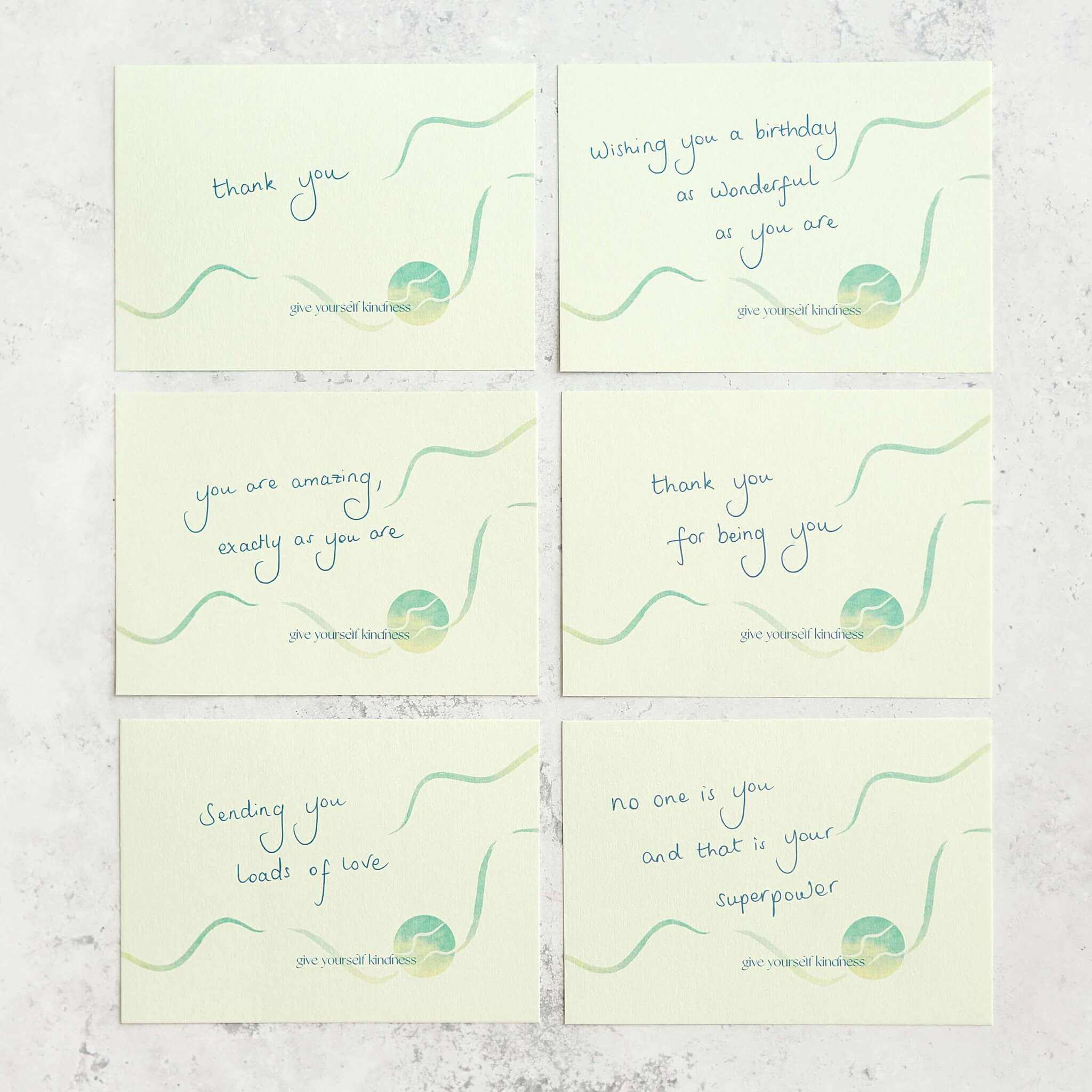
Both make thoughtful gifts. Papier offers customizable covers and luxurious design for ~£20. The 30-Day Gratitude Challenge offers meaningful content with optional handwritten gift notes at a more accessible £10.95 price point—and the recipient is more likely to engage with the varied prompts.
The Bottom Line: The best gratitude journal is one that speaks to you most. Choose based on whether you need structure or freedom, quick consistency or varied exploration, and whether forced positivity helps or hinders your practice.
If you're tired of numbered lists, blank lines, and repetitive prompts that make you feel like gratitude is the only valid feeling, I created The 30-Day Gratitude Challenge for you. It's the journal I wished existed when I was struggling with gratitude practice myself.
Start the 30-Day Challenge →FAQs
The best gratitude journal depends on your personal needs. If you want a pressure-free practice that avoids forced positivity and repetitive prompts, The Gratitude Journal: A 30-Day Challenge offers unique daily prompts with permission to be human—and a timeframe that feels achievable. If you need something quick and structured with same prompts daily, The Five Minute Journal takes just 5 minutes. For complete freedom, a blank notebook lets you design your own practice. If you want gratitude plus broader emotional support, The Give Yourself Kindness Journal includes emotional awareness tools and self-compassion work.
The Gratitude Journal: A 30-Day Challenge is ideal if you've never journaled before. It removes common barriers that make people quit: no overwhelming blank lines making you feel stuck, no repetitive prompts that become boring after two weeks, and no 6-month commitment that feels impossible. The journal explicitly explains why gratitude can feel challenging (it's your brain's survival instinct, not personal failure), includes a guided meditation to get you started, and offers 30 completely unique prompts so you build confidence before deciding if you want to continue. Research-backed but accessible—perfect for someone who's never journaled before or who's tried and given up on gratitude practice.
If you're new to journaling or prone to getting stuck, a guided journal like The 30-Day Gratitude Challenge or The Five Minute Journal helps you start and maintain consistency. A blank notebook offers more freedom for in-depth reflection and creativity, but requires more discipline. Consider: do you need prompts to get started, or do prompts feel limiting?
The Gratitude Journal: A 30-Day Challenge has no numbered lists or blank lines to fill in—formats that can trigger feelings of pressure. Instead, it offers 30 completely unique prompts (one for each day) that invite curiosity, not demands. It explicitly gives permission for gratitude to feel hard some days, avoiding toxic positivity. The focused 30-day timeframe makes it feel achievable rather than overwhelming. Created by a qualified meditation teacher, it includes research-backed techniques and a guided meditation.
Yes, research shows gratitude journaling is effective. Studies demonstrate that two-minute gratitude practices can increase happiness by 25% and improve sleep quality. Research also shows regular gratitude practice reduces stress and anxiety. The practice works—the format just needs to match your brain. If numbered lists make you anxious, they won't work for you, but exploratory prompts might.
Most people notice changes in mood after 2-3 weeks of consistent practice. Research shows measurable changes in brain patterns after 4 weeks. However, many people report feeling calmer within the first week—even if their circumstances haven't changed, their focus has. The key is consistency, not perfection.
Missing days is completely normal and doesn't erase your progress. With The Gratitude Journal's 30-day format, you can pick up where you left off without guilt—the prompts aren't dated. For daily journals with dated entries, simply skip to today's date. Consistency matters more than perfection, and beating yourself up about missing days defeats the purpose of a gratitude practice.
This depends on your journal and preference. The Five Minute Journal takes exactly 5 minutes. The 6-Minute Diary takes 6 minutes. The Gratitude Journal is flexible—some prompts might take 5 minutes, others you might spend 15-20 minutes exploring. Research shows even 2-minute gratitude practices can increase happiness by 25%, so consistency matters more than duration.
Finding gratitude hard doesn't mean you're ungrateful—it means you're human. Our brains evolved to scan for problems first (survival instinct), so struggling with gratitude is normal. The 30-Day Gratitude Challenge explicitly addresses this, giving you permission to find it challenging and explaining why your brain works this way. If traditional formats with numbered lists make you feel worse, try a more exploratory approach without blanks to fill.
Research shows most people lose interest in repetitive journals after 2-3 weeks, leaving them with guilt about the unfinished journal. A focused 30-day challenge feels achievable—you can actually engage with it and see it through. Thirty days is long enough to establish new neural pathways and build a habit, but short enough to maintain curiosity and motivation. After completing the challenge, you can repeat it or transition to your own approach. The goal is to build confidence in your gratitude practice, not collect another abandoned 6-month journal.
Yes, but approach matters. Forced positivity during difficult times can make you feel worse. The 30-Day Gratitude Challenge acknowledges that gratitude and pain can coexist—you don't have to pretend everything is fine. It includes prompts that welcome difficult emotions and explores gratitude within challenging experiences without toxic positivity. Some painful things are just painful, and that's valid.
The Gratitude Journal: A 30-Day Challenge makes a thoughtful, affordable gift (£10.95) and includes optional handwritten gift notes. It's meaningful without being prescriptive—suitable for people new to journaling and those tired of boring gratitude journals. The 30-day timeframe feels achievable rather than overwhelming. Papier Gratitude Journal offers customizable covers for a more luxurious presentation (~£20). Both are more personal than a blank notebook while being more accessible than forced-positivity formats.
Gratitude journals use specific prompts to direct attention toward things that went well, moments of appreciation, or sources of support. Regular journals are open-ended for any thoughts or feelings. Research shows directed gratitude practice has stronger effects on mood and anxiety than freeform journaling alone. However, you can add gratitude practice to any regular journal if you prefer flexibility.
Choose The Gratitude Journal if you specifically want a focused 30-day gratitude challenge with no pressure from numbered lists or blanks. Choose The Give Yourself Kindness Journal if you want broader emotional support that includes gratitude along with emotional awareness tools, self-compassion practices, and longer-term engagement (90 days). The Give Yourself Kindness Journal is recommended by clinical psychologists from Harvard and Oxford and is used by therapists with clients worldwide—it's the more comprehensive option if you're working on emotional resilience beyond gratitude alone.
About the author: Rachel Smith (DipBSoM) is a qualified meditation teacher and the creator of Give Yourself Kindness. After her own recovery through Compassion-Focused Therapy, she created evidence-based tools recommended by clinical psychologists including Dr. Chris Germer (Harvard Medical School) and used by therapists with their clients worldwide.


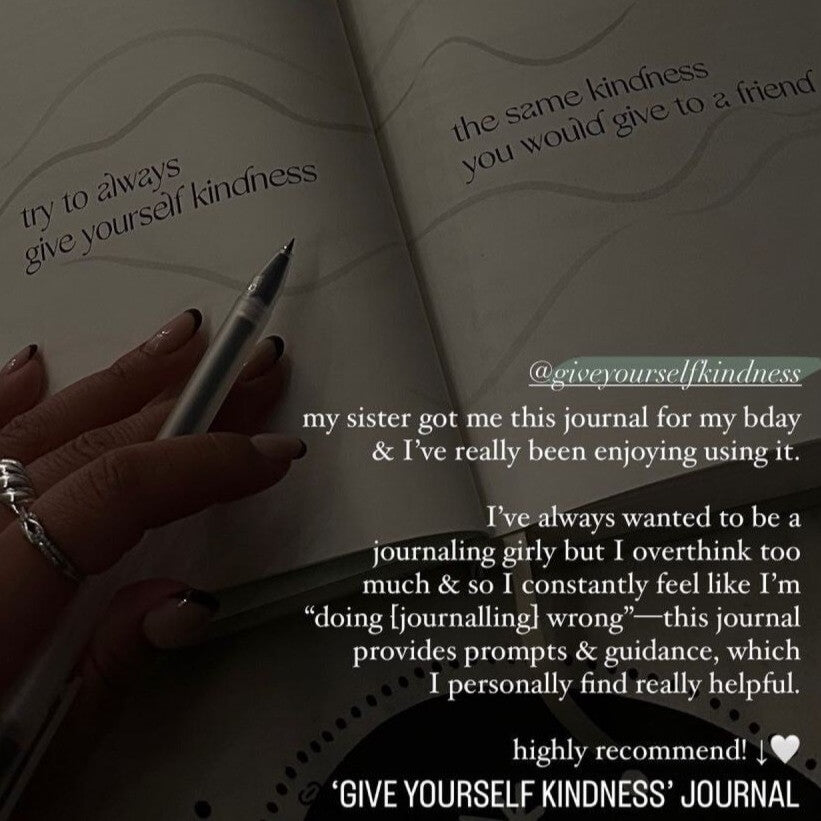
“By far my favourite guided journal that I’ve used!”
There's a lot of journals out there. Most of which include tools that can be repetitive, boring or unhelpful. Give Yourself Kindness is about creating something new.